When you purchase through links on our site, we may earn a commission. Here’s how it works.
Most of us clean our homes to make them safer, but some conventional cleaners can emit fumes, residues, and chemicals we would rather not breathe, touch, or rinse down the drain. That does not mean you need to throw out every bottle under your sink overnight. Switching to green cleaners can be simple, affordable, and surprisingly effective when you know what to look for.
Table of Contents
The challenge is that “green,” “natural,” and “non-toxic” are often used loosely. Some products are genuinely safer for people and the planet, while others rely on vague marketing and pretty packaging.
In this guide, you will learn how green cleaners work, how to spot greenwashing, which ingredients deserve caution, and how to choose or make safer cleaning products for your home.
What Is Green Cleaning?
Green cleaning means using products, tools, and habits that help keep your home clean while reducing unnecessary exposure to harsh chemicals, strong fumes, and environmental pollutants. Instead of relying only on conventional cleaners made with ingredients that may irritate the skin, eyes, lungs, or waterways, green cleaning focuses on safer ingredients, thoughtful product choices, and less waste.
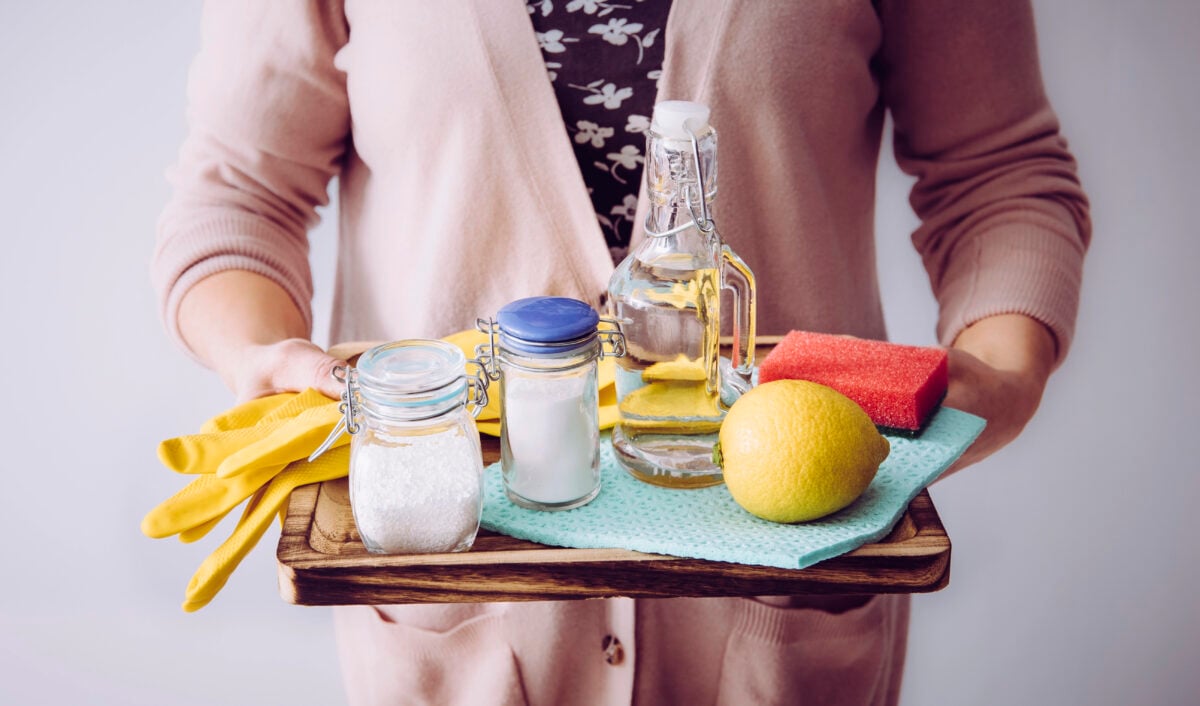
A truly green cleaner is not just a bottle with leaves on the label. The best options are effective, clearly labeled, and made with ingredients that are safer for people, pets, and the planet. Some are sold by trusted eco-conscious brands, while others can be made at home with simple ingredients like baking soda, vinegar, castile soap, hydrogen peroxide, or lemon juice.
Green cleaning can include:
- Choosing fragrance-free or low-VOC cleaning products
- Using cleaners certified by reputable programs such as the EPA Safer Choice
- Avoiding unnecessary antibacterial products for everyday cleaning
- Replacing disposable wipes and paper towels with reusable cloths
- Buying concentrated formulas or refillable products to reduce packaging waste
- Making simple homemade cleaners that are safe and effective for the job
It is important to remember that “green” does not always mean harmless, and “natural” does not automatically mean safe. Even homemade cleaners should be used carefully, especially around children, pets, people with asthma, and sensitive surfaces like natural stone. The goal of green cleaning is not perfection; it is making smarter, safer choices that still keep your home fresh, healthy, and clean.
What Are Green Cleaners?
Green cleaners are cleaning products designed to reduce unnecessary exposure to harsh chemicals while also lowering their impact on the environment. They are typically made with safer ingredients, produce fewer irritating fumes, and are often packaged or manufactured in ways that create less waste.

Some green cleaners are commercially available products from eco-conscious brands, while others are simple homemade solutions made from everyday ingredients like baking soda, vinegar, castile soap, hydrogen peroxide, salt, olive oil, or lemon juice. Both options can be effective when used for the right cleaning task.
A product may be considered a green cleaner if it:
- Uses ingredients that are safer for people, pets, and waterways
- Avoids harsh fumes or unnecessary synthetic fragrances
- Comes in recyclable, refillable, or reduced-waste packaging
- Uses biodegradable or plant-based ingredients when appropriate
- Clearly discloses what is inside the product
- Carries a trustworthy certification, such as EPA Safer Choice, Green Seal, or another recognized standard
However, not every product labeled “green,” “natural,” or “eco-friendly” is automatically safer. Some brands use these terms as marketing language without fully explaining their ingredients or environmental practices. A truly green cleaner should be transparent, effective, and safer to use in the home; not just better-looking on the shelf.
Green cleaning is not about giving up a clean house. It is about choosing products and methods that clean well while supporting a healthier home and a healthier planet.
Want a quick overview before diving in? Watch this short video to learn how to find green cleaners, what to look for on product labels, and how to use safer cleaning products around your home.
Why Switch to Green Cleaning Products?
Many people decide to switch to green cleaning products because they want a home that feels clean without filling the air with strong chemical smells or leaving behind unnecessary residues. Conventional cleaners can be effective, but some contain ingredients that may irritate the skin, eyes, throat, or lungs, especially when used in small bathrooms, kitchens, laundry rooms, or other poorly ventilated spaces.
This matters because cleaning is something most households do every week, and sometimes every day. Spraying counters, scrubbing sinks, washing clothes, mopping floors, and freshening the air can add up to repeated exposure over time.
For families with children, pets, older adults, or people with asthma, allergies, or chemical sensitivities, choosing gentler cleaning products can be an important step toward creating a healthier indoor environment.

Green cleaners can also help reduce the environmental impact of everyday cleaning. When conventional cleaners are rinsed down sinks, flushed through toilets, or washed out with laundry water, some ingredients may eventually enter wastewater systems and waterways.
Choosing biodegradable formulas, concentrated products, refillable bottles, and cleaners with safer ingredients can help reduce pollution and packaging waste.
Switching to green cleaning products can help you:
- Reduce strong fumes and indoor air irritants
- Limit exposure to harsh or corrosive ingredients
- Create a safer cleaning routine around children and pets
- Cut down on single-use plastic and disposable cleaning products
- Support brands that use more responsible ingredients and packaging
- Reduce the number of unnecessary chemicals entering your home and waterways
Going green does not have to mean replacing every product at once. Many households start by using up what they already have and then replacing one item at a time with a safer alternative. A good first step is to switch out your all-purpose cleaners, dish soap, or laundry detergent, since these are used often and come into frequent contact with surfaces, skin, clothing, and dishes.
The goal is simple: clean your home effectively while making choices that are better for your family, your indoor air, and the environment.
Green Products vs. Green Brands
As demand for eco-friendly cleaners grows, many companies now sell products labeled “green,” “natural,” or “eco-friendly.” Some are genuinely safer choices, while others are mainly designed to look better on the shelf.
A green product may be just one cleaner in a company’s larger lineup. A green brand usually takes a broader approach by building safer, more sustainable practices into the entire business.
When comparing the two, look for:
- Ingredient transparency: Does the company clearly list what is inside the product?
- Safer formulas: Does it avoid unnecessary harsh chemicals, dyes, and strong fragrances?
- Responsible packaging: Is the packaging recyclable, refillable, concentrated, or made from recycled materials?
- Better business practices: Does the brand discuss sustainability in manufacturing, sourcing, or shipping?
- Trusted certifications: Are claims backed by labels such as EPA Safer Choice, Green Seal, ECOLOGO, or cruelty-free certification?
- Specific claims: Does the label explain what makes it “green,” or does it rely on vague language?
A product can look green without being truly eco-conscious. Choosing better cleaners means considering both what is inside the bottle and how the brand operates behind the scenes.
What is Greenwashing?
Greenwashing is when a company makes a product look more eco-friendly or safer than it really is. Words like “natural,” “green,” or “non-toxic” can sound reassuring, but they do not always mean the product has safer ingredients, better packaging, or lower environmental impact. Always check the ingredient list, warning labels, and trusted certifications before buying.
How to Choose a Truly Safer Cleaner
Choosing a green cleaner can be confusing because many products use words like “natural,” “eco-friendly,” or “non-toxic” without clearly explaining what those claims mean. A pretty label does not always mean the product is safer for your family or better for the planet.
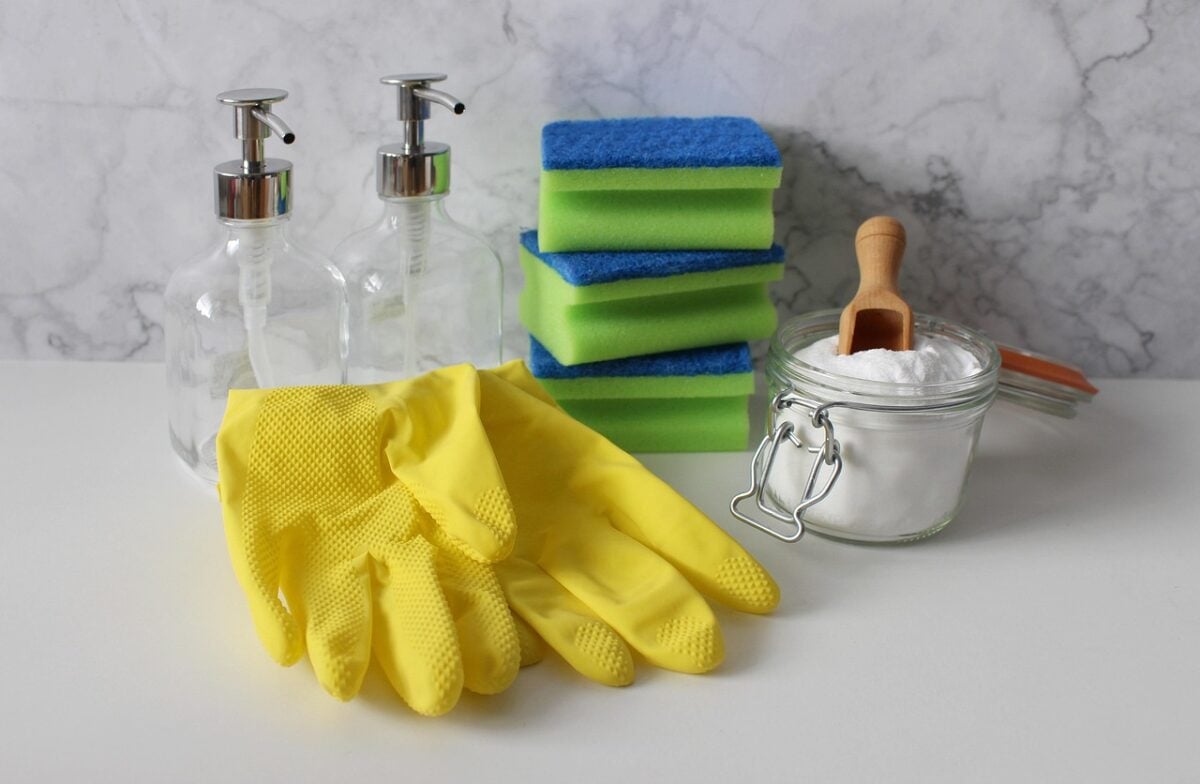
A truly safer cleaner should be effective, transparent about its ingredients, and designed to reduce unnecessary exposure to harsh chemicals, strong fumes, and environmental pollutants. Before buying a product, look beyond the front of the bottle and check the label, ingredient list, certifications, and warning statements.
Look for EPA Safer Choice
One of the easiest ways to identify a safer cleaning product is to look for the EPA Safer Choice label. Products with this certification have been reviewed by the U.S. Environmental Protection Agency and must meet strict standards for human health and environmental safety.
The EPA Safer Choice label can appear on many types of household cleaners, including all-purpose sprays, laundry detergents, dish soaps, glass cleaners, bathroom cleaners, and floor cleaners. This does not mean the product is perfect or that it should be used carelessly, but it does mean the ingredients have been evaluated by a trusted third party.
When comparing green cleaners, certifications are more helpful than vague marketing claims. Labels like EPA Safer Choice, Green Seal, or ECOLOGO can give shoppers more confidence that a product has been reviewed against a clear standard.
Watch Out for Vague Claims
Many big-name companies now release “green” products, but these products can differ from truly green brands in important ways. Some still carry caution labels, use strong fragrances, or include ingredients that are difficult for the average consumer to understand.
Be cautious with claims such as:
- “Natural”
- “Eco-friendly”
- “Green”
- “Chemical-free”
- “Non-toxic”
- “Plant-based”
- “Safe for the whole family”
These phrases sound reassuring, but they are not always regulated in a meaningful way. For example, “chemical-free” is especially misleading because everything is made of chemicals, including water, vinegar, baking soda, and lemon juice.
Instead of relying on marketing language, ask better questions:
- Does the product disclose its ingredients?
- Does it explain what makes it safer?
- Does it have a trusted third-party certification?
- Does it still carry a strong warning label?
- Does it contain unnecessary fragrance or dyes?
- Does the company explain its packaging or manufacturing practices?
A truly green cleaner should not make you guess. The brand should be clear about what is inside the product, how it should be used, and why it is a safer choice.
Choose Fragrance-Free When Possible
A clean home does not need to smell like lemons, pine, flowers, or perfume. In fact, strong fragrance is one of the biggest reasons some people experience headaches, coughing, sneezing, watery eyes, or irritation after cleaning.
Many conventional cleaners, and even some products marketed as green, contain added fragrance. The word “fragrance” or “parfum” can represent a mixture of scent ingredients, and those ingredients are not always fully listed on the label. For people with asthma, allergies, migraines, chemical sensitivities, young children, or pets, fragrance-free products are often the better choice.
When possible, choose cleaners labeled:
- Fragrance-free
- Unscented with no masking fragrance
- Low-VOC
- Dye-free
- Hypoallergenic, when supported by ingredient transparency
Be aware that “unscented” does not always mean fragrance-free. Some unscented products use masking agents to cover chemical odors. If the goal is to reduce irritation, fragrance-free is usually the stronger choice.
Choosing a safer cleaner does not have to be complicated. Start with products that have clear ingredient lists, trusted certifications, minimal warning labels, and no unnecessary fragrance. Those small choices can make everyday cleaning healthier for your home and gentler on the planet.
Best Types of Green Cleaners for Each Room
Different rooms need different cleaning solutions. A good green cleaning routine is not about using one product everywhere. It is about choosing the safest, most effective cleaner for each surface and mess.

Kitchen
The kitchen is one of the most important places to use safer cleaners because sprays and residues can come into contact with counters, dishes, cutting boards, and food-prep areas.
Good green options for the kitchen include:
- Fragrance-free dish soap for dishes, sinks, and light surface cleaning
- Plant-based all-purpose cleaner for counters and cabinet fronts
- Baking soda for scrubbing sinks, stovetops, and stuck-on grime
- White vinegar for grease, mineral buildup, and deodorizing, but not on natural stone
- Hydrogen peroxide for certain odor-causing bacteria and stains
Avoid using overly harsh cleaners on food-contact surfaces unless they are truly needed. In many cases, warm water, dish soap, baking soda, and a reusable cloth can handle everyday kitchen messes.
Bathroom
Bathrooms often need stronger cleaning because of soap scum, mildew, hard water, and toilet buildup. Green bathroom cleaners can still be effective, but it is important to choose products designed for the job.
Good green options for the bathroom include:
- Plant-based bathroom cleaner for sinks, tubs, and tile
- Vinegar-based cleaner for hard water spots and mineral buildup
- Baking soda paste for grout, tubs, and sinks
- Hydrogen peroxide for stains and odor-prone areas
- Fragrance-free toilet bowl cleaner with safer ingredients
Be careful with bleach-based products, especially in small bathrooms with poor ventilation. Never mix bleach with vinegar, ammonia, toilet bowl cleaner, or any other cleaning product.
Laundry
Laundry products touch clothing, towels, sheets, and bedding, so choosing a gentler detergent can make a big difference, especially for people with sensitive skin, allergies, babies, or pets.
Good green laundry options include:
- Concentrated laundry detergent to reduce packaging and waste
- Fragrance-free detergent for sensitive skin
- Oxygen bleach as a chlorine-free brightening option
- Wool dryer balls instead of single-use dryer sheets
- Cold-water washing to reduce energy use
Avoid heavily scented detergents, fabric softeners, and dryer sheets if your goal is to reduce fragrance and indoor air irritants. Clothes do not need a strong scent to be clean.
Floors
Floor cleaners should be chosen carefully because children and pets often spend time close to the floor. The right green option depends on the flooring material.
Good green floor-cleaning options include:
- Diluted castile soap for many sealed floors
- Fragrance-free plant-based floor cleaner
- Microfiber mop pads that can be washed and reused
- Vinegar and water for some sealed surfaces, but not natural stone or certain wood finishes
- Plain warm water for light maintenance cleaning
Always check the flooring manufacturer’s care instructions before using vinegar, soap, or essential oils. Some natural cleaning ingredients can damage wood, stone, or specialty finishes.
Glass
Glass cleaners do not need to be harsh or heavily fragranced to work well. The biggest trick is using the right cloth and avoiding too much product.
Good green options for glass include:
- Vinegar and water spray
- Fragrance-free glass cleaner
- Reusable microfiber cloths
- Newspaper or lint-free cloths for streak control
- Small amounts of dish soap diluted in water for greasy fingerprints
For the best results, spray lightly and wipe with a clean, dry cloth. Using too much cleaner can leave streaks behind.
Cleaning Ingredients to Avoid or Use Carefully
Many conventional cleaners are effective, but some contain ingredients that deserve caution. This does not mean every exposure is dangerous, but it does mean these products should be handled carefully, used only when needed, and stored safely away from children and pets.

Ingredients to avoid or use carefully include:
- Chlorine bleach: Can irritate the eyes, skin, and lungs. It can also create dangerous fumes when mixed with other cleaners.
- Ammonia: Common in glass and surface cleaners. It can irritate the respiratory tract and should never be mixed with bleach.
- Phosphates: Sometimes found in detergents and cleaning products. They can contribute to water pollution and algae growth.
- Formaldehyde-releasing ingredients: May appear in some household products and fragrances. Formaldehyde is a known health concern.
- Synthetic fragrance: Can contain undisclosed scent ingredients and may trigger headaches, asthma symptoms, or irritation for sensitive people.
- 2-butoxyethanol: A solvent found in some specialty cleaners and degreasers. It should be used with caution, especially in poorly ventilated spaces.
- Perchloroethylene: Often associated with dry cleaning and some specialty cleaning products. It has been linked to health concerns with repeated exposure.
- Lye or sodium hydroxide: Found in some drain and oven cleaners. It is highly caustic and can burn skin and eyes.
- Hydrochloric acid: Used in some toilet bowl cleaners and heavy-duty cleaners. It is corrosive and should be handled with extreme care.
- Antibacterial additives such as triclosan: Often unnecessary for everyday cleaning and may contribute to broader environmental and health concerns.
The safest approach is to choose the mildest effective cleaner for the job. For everyday messes, you usually do not need heavy-duty disinfectants, corrosive drain cleaners, or strongly scented sprays.
Also, remember that “natural” ingredients still need to be used safely. Vinegar, hydrogen peroxide, essential oils, and baking soda can be helpful, but they are not right for every surface or every situation.
Recommended Green Cleaning Products
If you prefer the convenience of store-bought cleaners, there are now many green cleaning products that are easier to find, more effective, and more transparent than some older “eco-friendly” options. The best choices are not just labeled “natural” or “green.” They should clearly list ingredients, avoid unnecessary harsh chemicals, and ideally carry trusted third-party certifications such as EPA Safer Choice or EWG Verified.
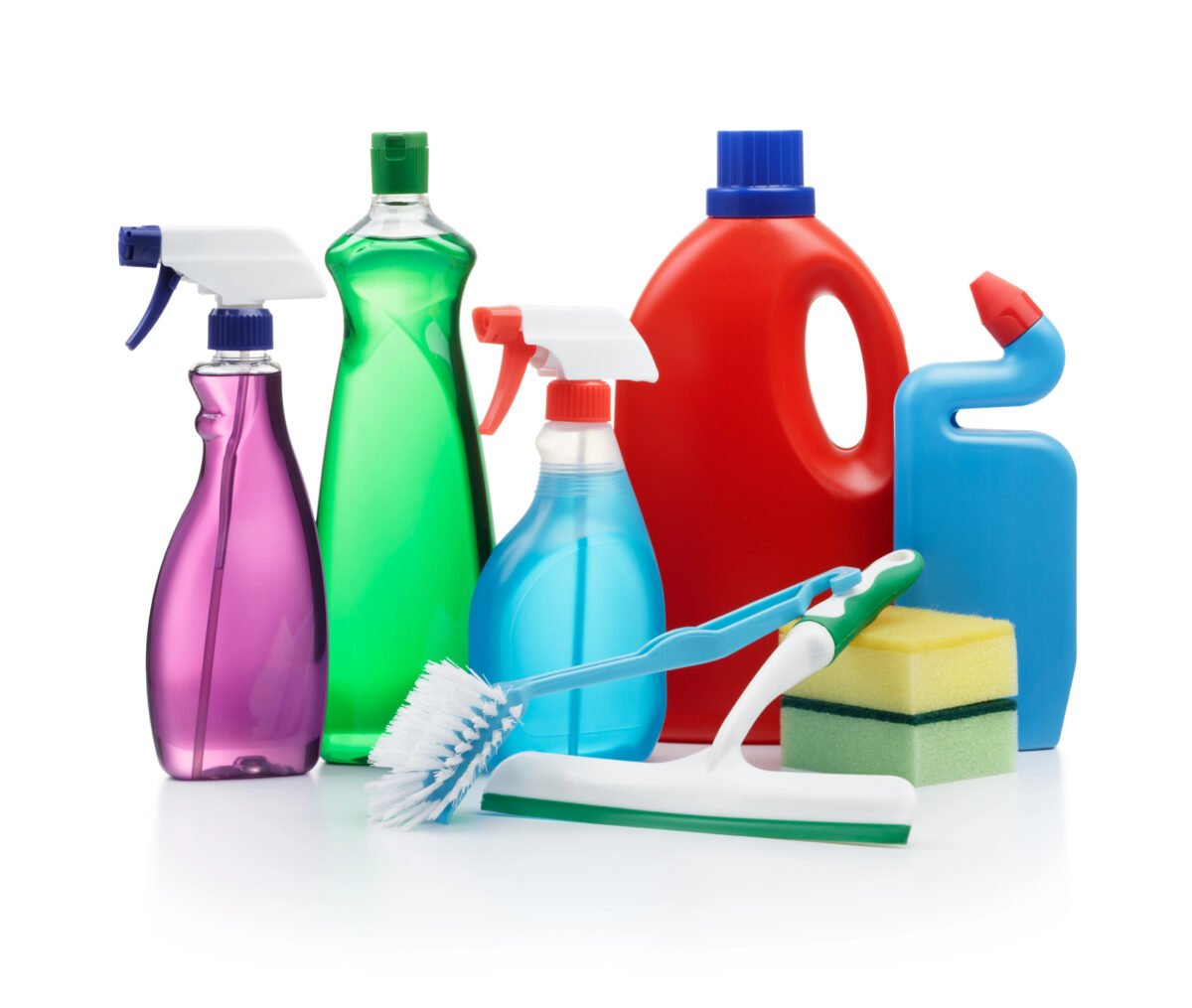
Here are five reputable green cleaners and brands to consider:
Seventh Generation
Seventh Generation is one of the most widely recognized names in green cleaning. The brand offers many household staples, including all-purpose cleaners, dish soap, laundry detergent, disinfecting products, and paper goods.
This is a practical choice for households that want greener products that are easy to find in grocery stores, big-box stores, and online. Many people start with Seventh Generation because it makes switching from conventional cleaners feel simple and familiar.
Biokleen Bac-Out
Biokleen Bac-Out is especially useful for stains and odors caused by food spills, pet accidents, laundry messes, and other organic material. It uses bio-enzymatic cleaning power to help break down stains and odors rather than simply covering them with fragrance.
Bac-Out can be used on fabrics, laundry, carpets, furniture, and pet areas, making it a helpful cleaner to keep on hand for everyday accidents. Always test it on a small hidden area first, especially before using it on carpet, upholstery, or delicate fabrics.
Dr. Bronner’s
Dr. Bronner’s is best known for its castile soap, but its Sal Suds Biodegradable Cleaner is especially useful for green household cleaning. Because it is concentrated, a small amount can be diluted for many jobs around the home, including dishes, floors, counters, and general surface cleaning.
Dr. Bronner’s is a good choice for people who want one multipurpose product instead of a cabinet full of separate cleaners. Just be sure to follow dilution instructions carefully, since concentrated cleaners can leave residue or feel too strong if overused.
Blueland
Blueland is a strong option for households that want to reduce single-use plastic. The brand focuses on refillable bottles, tablets, powders, and concentrated formats instead of traditional ready-to-use plastic bottles.
Blueland offers products for laundry, dishes, bathrooms, and general cleaning. This makes it especially appealing for people who want greener cleaning products with less packaging waste.
ATTITUDE
ATTITUDE offers a wide range of green cleaning products, including all-purpose cleaners, kitchen sprays, bathroom cleaners, dish soaps, laundry products, and baby-focused household items.
This brand is a good fit for people who want cleaner ingredient standards but still prefer ready-to-use products. ATTITUDE also offers fragrance-free options, which can be helpful for households with children, pets, allergies, asthma, or scent sensitivities.
Quick Buying Tip
No matter which brand you choose, look beyond the front label. Check for:
- Clear ingredient disclosure
- Fragrance-free or low-fragrance options
- EPA Safer Choice, EWG Verified, Green Seal, or ECOLOGO certification
- Recyclable, refillable, or reduced-waste packaging
- Products designed for the specific job you need
The best green cleaner is not always the trendiest one. It is the one that cleans effectively, fits your household’s needs, and backs up its claims with transparency.
How Dangerous Are Non-Green Cleaners for Us and Our Planet?
Conventional cleaning products are not automatically unsafe, and green cleaners are not automatically risk-free. The real concern is how often a product is used, what ingredients it contains, how strong the formula is, how well the room is ventilated, and whether the cleaner is mixed with other products.
Many traditional cleaners are designed to cut grease, dissolve clogs, remove stains, kill germs, or strip buildup. To do that, some contain strong chemicals that can irritate the skin, eyes, throat, or lungs when used incorrectly. Others may release volatile organic compounds, or VOCs, which can affect indoor air quality.

The biggest risks usually come from products such as:
- Bleach-based cleaners, especially when mixed with ammonia, vinegar, toilet bowl cleaner, or other products
- Ammonia-based cleaners, often found in some glass and surface cleaners
- Drain and oven cleaners, which may contain highly caustic ingredients
- Heavy-duty disinfectants, especially when overused or used without ventilation
- Strongly fragranced sprays and air fresheners, which may bother people with asthma, allergies, migraines, or scent sensitivities
- Carpet, upholstery, and specialty cleaners, which may contain stronger solvents
- Older or poorly labeled products, especially those stored in unmarked bottles
One of the most important safety rules is to never mix cleaning products. Bleach mixed with ammonia can create toxic gases, and bleach should also never be mixed with vinegar, toilet bowl cleaner, or other household cleaners. These combinations can cause coughing, chest tightness, watery eyes, breathing problems, and serious lung irritation.
Non-green cleaners can also affect the environment after they leave your home. Products rinsed down sinks, tubs, toilets, and washing machines enter wastewater systems. Some ingredients break down easily, while others may contribute to water pollution or harm aquatic life.
Phosphates are one example. They have been used in some laundry, dish, and car-washing soaps, and when they enter waterways, they can contribute to excess nutrient pollution. This can encourage algae growth, reduce water quality, and make it harder for fish and other aquatic life to survive.
This does not mean every household needs to throw away every conventional cleaner immediately. Some stronger products may still be useful for specific jobs. The goal is to use the mildest effective cleaner, follow label directions, improve ventilation, store products safely, and choose safer alternatives whenever possible.
Who Is Most at Risk?
Everyone can be affected by harsh cleaners, but some people and animals are more vulnerable than others.
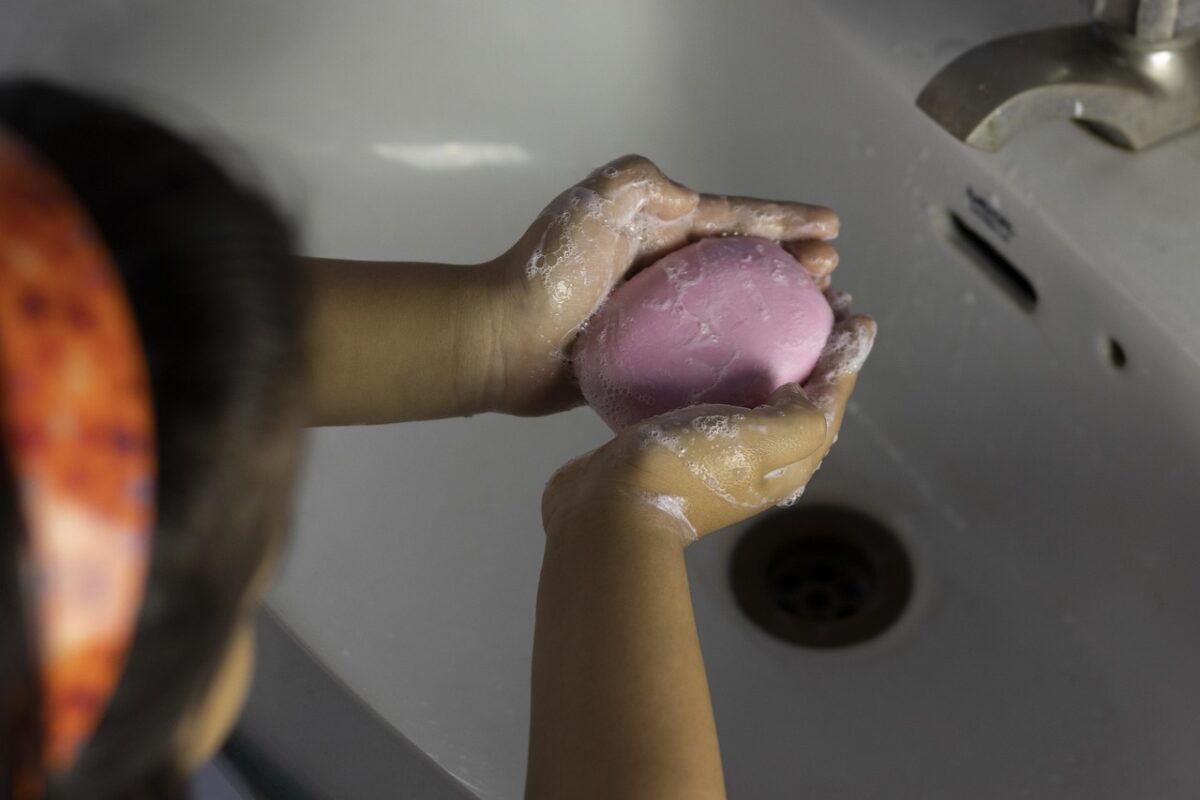
Those at higher risk include:
- Children, because they may touch, breathe, or accidentally ingest cleaning products
- Pets, because they walk on floors, lick paws, and may be sensitive to fumes
- Older adults, especially those with breathing issues or memory concerns
- Pregnant people, who may want to reduce unnecessary chemical exposure
- People with asthma or allergies, who may react strongly to fumes or fragrances
- People with migraines or chemical sensitivities
- Anyone cleaning in a small or poorly ventilated space
Children and pets are especially vulnerable because they spend more time close to floors, touch surfaces frequently, and may accidentally ingest residues or products. Older adults, pregnant women, and anyone with asthma, allergies, migraines, or chemical sensitivities may also be more affected by harsh fumes or strong fragrances.
For these groups, fragrance-free products, good ventilation, secure storage, and safer ingredient choices are especially important.
What Warning Labels Actually Mean
Warning labels on cleaning products are there to help you understand how risky a product may be if it is swallowed, inhaled, touched, or used incorrectly. Even if a cleaner is sold for home use, it can still irritate the skin, eyes, lungs, or digestive system when mishandled.
Here is what the most common warning words usually mean:
- Caution: The product may be harmful if swallowed, inhaled, or exposed to skin or eyes. Use with care and keep away from children and pets.
- Warning: The product may pose a higher risk than a “caution” product and may cause stronger irritation or harm if used incorrectly.
- Danger: The product can cause serious harm, such as burns, eye damage, or dangerous fumes. Only use these when necessary and follow directions exactly.
- Poison: The product is highly toxic if swallowed, inhaled, or absorbed. Store securely and consider using a safer alternative whenever possible.
Always read the full label before using any cleaner. Wear gloves when recommended, use products in a well-ventilated area, and never mix cleaners unless the label clearly says it is safe. Bleach, ammonia, vinegar, toilet bowl cleaners, and drain cleaners can create dangerous fumes when combined.
Facts and Statistics on Non-Green Cleaners
The risks of conventional cleaning products are not always obvious. Many products are used quickly, rinsed down the drain, or stored under the sink without much thought. But cleaning products can affect indoor air quality, create accidental poisoning risks, and contribute to water pollution when used or disposed of carelessly.
Here are a few important facts to keep in mind:
- Indoor air can be more polluted than outdoor air. The EPA notes that many volatile organic compounds, or VOCs, are consistently higher indoors than outdoors — sometimes up to 10 times higher. Cleaning products, air fresheners, paints, and other household products can all release VOCs into indoor air.
- Cleaning chemicals can irritate the lungs and trigger asthma. CDC/NIOSH materials warn that some cleaning products and disinfectants can cause or worsen asthma, especially for people who use them often or clean in poorly ventilated spaces.
- Disinfectants are not always necessary for everyday cleaning. Some disinfectant ingredients, including bleach and quaternary ammonium compounds, can trigger work-related asthma concerns. For routine messes, regular cleaning with a safer all-purpose cleaner or soap and water is often enough.
- Young children are especially vulnerable to household cleaner exposure. A 2023 study notes that household cleaning products are the second most common cause of unintentional poisoning in U.S. children under age six.
- Phosphates from some soaps and detergents can affect waterways. The EPA recommends choosing phosphate-free detergents, soaps, and household cleaners because phosphorus can enter water systems and contribute to nutrient pollution. This can feed algae growth and reduce water quality.
- Using more of a cleaning product is not always better. Using too much detergent or cleaner can leave residue behind, waste money, and send more chemicals down the drain. The EPA specifically recommends using the appropriate amount of detergent and only running full dishwasher or laundry loads when possible.
The takeaway is simple: non-green cleaners are not always dangerous when used correctly, but they can create avoidable risks when they are overused, mixed together, sprayed in enclosed spaces, stored within reach of children, or rinsed into waterways. Choosing safer, fragrance-free, phosphate-free, and clearly labeled products is an easy way to reduce those risks without giving up a clean home.
Homemade Green Cleaner Ingredients
Many effective green cleaners can be made with simple ingredients you may already have at home. Homemade cleaners are affordable, easy to customize, and can help reduce the number of harsh or heavily fragranced products in your cleaning routine.
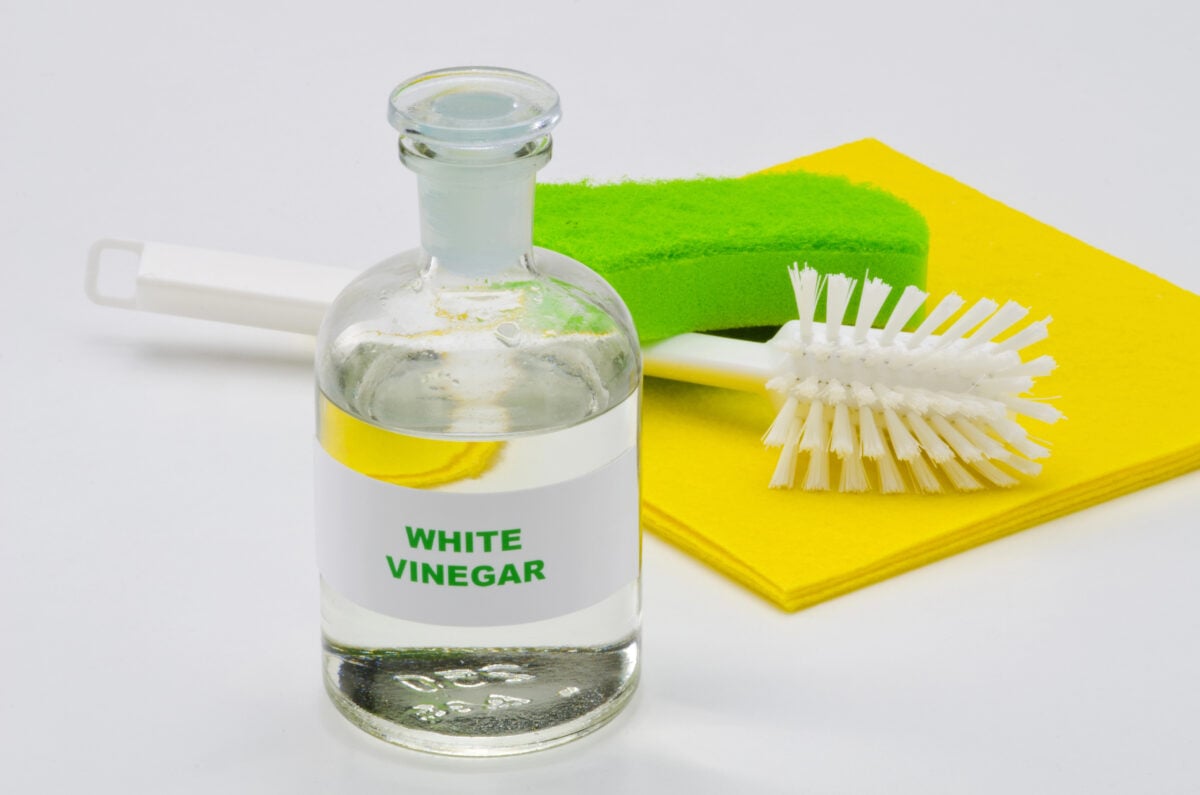
Some of the most useful homemade green cleaner ingredients include:
- Baking soda: A mild abrasive that helps scrub sinks, tubs, stovetops, and stuck-on grime. It can also help absorb odors.
- White vinegar: Useful for cutting grease, removing mineral buildup, and freshening surfaces. Avoid using vinegar on natural stone, marble, granite, or some wood finishes.
- Castile soap: A gentle, plant-based soap that can be used for floors, counters, laundry pre-treating, and general cleaning when properly diluted.
- Hydrogen peroxide: Helpful for stains, odors, and some bathroom cleaning tasks. Store it in its original dark bottle because light can make it less effective.
- Lemon juice: Can help with grease, odors, and light stains, though you must use it carefully on delicate surfaces.
- Salt: A natural abrasive that can help scrub tough spots, but it may scratch delicate finishes.
- Olive oil: Often used in small amounts for polishing wood furniture.
- Washing soda: A stronger cleaning booster than baking soda that can help with greasy messes, laundry, and stuck-on grime. Use it carefully because it can irritate skin and may damage delicate surfaces.
- Oxygen bleach: A chlorine-free laundry and stain booster that can help brighten fabrics and remove stains. Follow label directions and test fabrics first, especially on colored or delicate items.
- Rubbing alcohol: Useful for glass, mirrors, chrome, and quick-drying surface cleaning. Use in a well-ventilated area, keep away from heat or flames, and never mix with bleach.
- Microfiber cloths: Reusable cloths can lift dust, dirt, and grease with less cleaner. Wash regularly and avoid fabric softener, which can reduce their effectiveness.
- Essential oils: Can add scent, but they should be used sparingly. Some essential oils may irritate skin, trigger sensitivities, or be unsafe around pets.
Homemade cleaners can be a great option, but they still need to be used safely. Never mix vinegar with bleach, ammonia with bleach, or hydrogen peroxide with vinegar in the same bottle. Even natural ingredients can damage certain surfaces or cause irritation when used incorrectly.
7 Easy DIY Green Cleaning Recipes
These simple recipes can help you clean many areas of your home without relying on harsh fumes or unnecessary fragrance. Always label homemade cleaners clearly, store them away from children and pets, and test on a small hidden area before using them on a new surface.
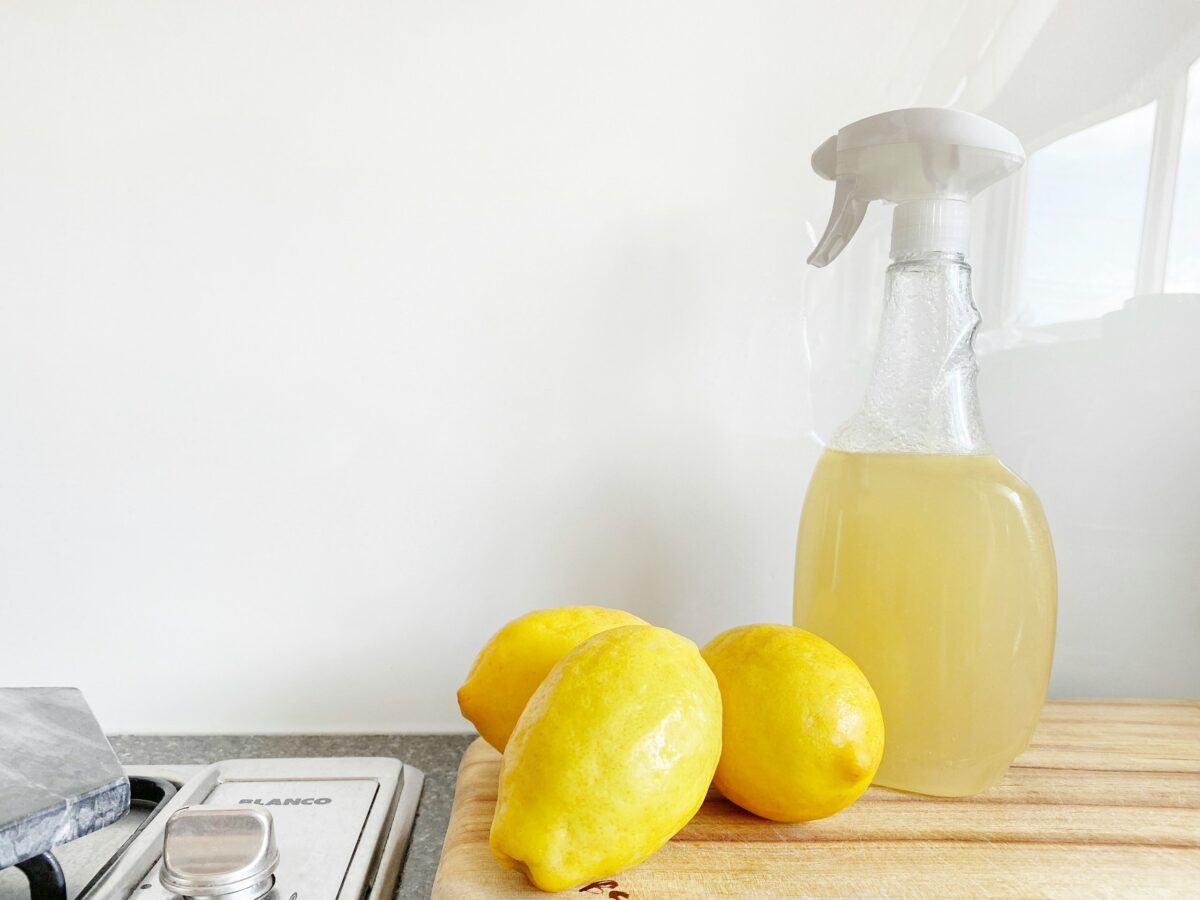
1. Lemon Microwave Steam Cleaner
This simple method helps loosen stuck-on food and freshen microwave odors without harsh sprays.
Ingredients:
- 1 cup water
- 2 to 3 tablespoons lemon juice or a few lemon slices
How to use:
Add the water and lemon to a microwave-safe bowl. Microwave for 3 to 5 minutes, then let it sit with the door closed for another few minutes so the steam can loosen grime. Carefully remove the bowl and wipe the inside of the microwave with a clean cloth.
2. All-Purpose Vinegar Spray
This works well for many counters, sinks, and everyday messes, but should not be used on natural stone.
Ingredients:
- 1 cup white vinegar
- 1 cup water
- Optional: a few drops of lemon juice
How to use:
Mix in a spray bottle, spray lightly, and wipe with a clean cloth. Do not use on marble, granite, limestone, or other natural stone surfaces.
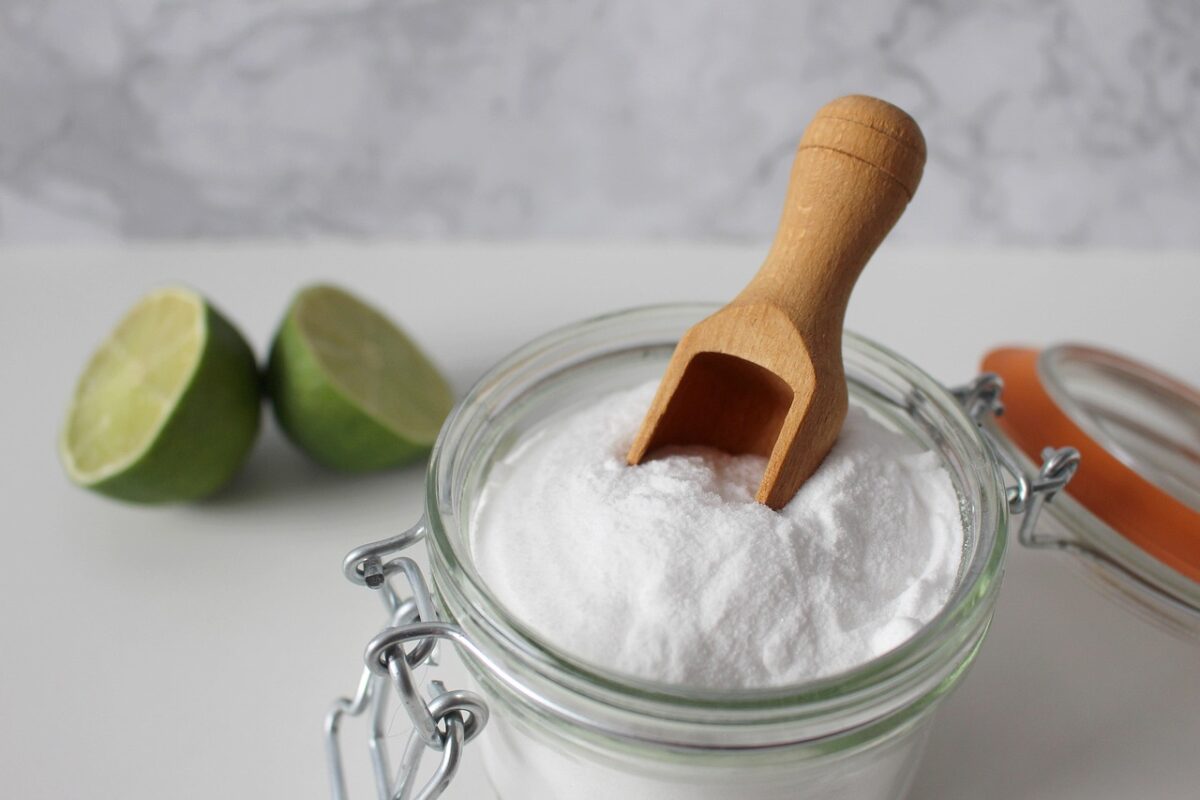
3. Baking Soda Scrub
This is a good option for sinks, tubs, stovetops, and soap scum.
Ingredients:
- 1/2 cup baking soda
- Enough water to make a paste
How to use:
Apply the paste to the surface, scrub gently with a sponge or cloth, and rinse well. Avoid using on surfaces that scratch easily.
4. Castile Soap Floor Cleaner
This can be used on many sealed floors when properly diluted.
Ingredients:
- 1 gallon of warm water
- 1 to 2 tablespoons castile soap
How to use:
Mop lightly and avoid soaking the floor. Too much soap can leave residue, so use a small amount and rinse if needed. Check your flooring manufacturer’s care instructions first.
5. Hydrogen Peroxide Bathroom Spray
This can help freshen bathroom surfaces and tackle light stains.
Ingredients:
How to use:
Pour hydrogen peroxide into a spray bottle or use it from the original bottle. Spray the surface, let it sit briefly, then wipe clean. Do not mix hydrogen peroxide with vinegar in the same container.
6. Natural Wood Polish
This can help refresh some wood furniture, but it should be used sparingly.
Ingredients:
- 2 tablespoons olive oil
- 1 tablespoon white vinegar or lemon juice
How to use:
Apply a very small amount to a soft cloth and buff gently. Test first, and avoid using it on unfinished, waxed, or specialty-treated wood unless you know it is safe.

7. Simple Glass Cleaner
This helps clean windows and mirrors without a heavy fragrance.
Ingredients:
- 1 cup water
- 1 cup white vinegar
- Optional: 1 small drop of dish soap for greasy fingerprints
How to use:
Spray lightly and wipe with a microfiber cloth or lint-free cloth. Using too much cleaner can cause streaks.
Learn more about making your own homemade, eco-friendly cleaners in our detailed guide.
How to Transition to Green Cleaning on a Budget
Switching to green cleaning does not have to happen all at once. In fact, replacing everything in your cleaning cabinet at the same time can be expensive and wasteful. A slower approach is often better for your budget and the environment.
Start by using up the products you already have, as long as they are still safe to use and stored properly. As each product runs out, replace it with a safer option. This keeps costs manageable and gives you time to figure out which green cleaners work best for your home.
A simple way to begin is with the products you use most often:
- All-purpose cleaner
- Dish soap
- Laundry detergent
- Bathroom cleaner
- Glass cleaner
You can also save money by using basic ingredients like baking soda, vinegar, castile soap, and hydrogen peroxide for simple cleaning tasks. These ingredients are usually inexpensive and can replace several specialty cleaners.
More budget-friendly tips include:
- Buy concentrated cleaners that can be diluted at home.
- Choose refillable bottles when available.
- Use washable cloths instead of disposable wipes.
- Skip unnecessary air fresheners and heavily scented sprays.
- Use the recommended amount of detergent instead of pouring extra.
- Look for fragrance-free options, which are often simpler and better for sensitive households.
- Replace one product at a time instead of buying a full green cleaning kit.
Going green is not about having a perfect cleaning cabinet. It is about making steady improvements that reduce harsh chemicals, waste, and unnecessary spending over time.
Start With One Safer Swap
Making the switch to green cleaners does not have to be overwhelming. You do not need to throw away every product under your sink or buy an entirely new set of supplies overnight.
Start with one simple swap. Replace your all-purpose cleaner, dish soap, or laundry detergent with a safer, fragrance-free, or certified green option. Once that becomes part of your routine, move on to the next product.
Small changes can add up. Choosing safer cleaners can help reduce strong fumes, protect sensitive family members and pets, cut down on waste, and limit the number of unnecessary chemicals entering your home and waterways.
A cleaner home should also feel like a healthier home. Green cleaning helps you move toward both — one product, one habit, and one safer choice at a time.
FAQs About Green Cleaners
Still have questions about green cleaners, homemade cleaning recipes, or safer products for your home? Browse the answers below, and feel free to ask your own question in the comments.
Are green cleaners actually effective?
Yes, many green cleaners are effective for everyday messes like grease, dust, spills, soap scum, and odors. The key is choosing the right cleaner for the job. A mild all-purpose cleaner may work well for counters, while bathrooms, laundry stains, or hard water buildup may need a more specific product.
Are green cleaners safer than regular cleaners?
Green cleaners can be safer when they use gentler ingredients, avoid harsh fumes, disclose ingredients clearly, and reduce unnecessary fragrance. However, “green” does not automatically mean harmless. Always read the label, follow directions, and store cleaners away from children and pets.
What is the best homemade green cleaner?
A simple vinegar-and-water spray is one of the easiest homemade green cleaners for everyday surfaces, while baking soda works well as a gentle scrub. However, vinegar should not be used on natural stone, marble, granite, or some wood finishes.
Can I mix vinegar and baking soda?
You can mix vinegar and baking soda for a fizzy reaction, but it is not always the most effective cleaning method. Once the fizzing stops, the mixture is mostly neutralized. For better results, use baking soda as a scrub first, then rinse and use vinegar separately when appropriate.
What cleaning products should never be mixed?
Never mix bleach with ammonia, vinegar, toilet bowl cleaner, rubbing alcohol, or other cleaning products. These combinations can create dangerous fumes. It is safest to use one cleaner at a time, rinse the surface, and ventilate the area.
Are essential oils safe for green cleaning?
Essential oils can add scent, but they are not necessary for cleaning. Some can irritate skin, trigger allergies, or be unsafe around pets. If you use essential oils, use them sparingly and research pet safety first.
Are disinfectants necessary for green cleaning?
Not always. For everyday cleaning, soap, water, and safer all-purpose cleaners are often enough. Disinfectants may be useful during illness, after handling raw meat, or on high-touch surfaces, but they must be used according to label directions and not overused.
What should I look for when buying green cleaners?
Look for clear ingredient lists, fragrance-free options, phosphate-free formulas, reduced-waste packaging, and trusted certifications such as EPA Safer Choice, Green Seal, ECOLOGO, or EWG Verified.
Are green cleaners safe for pets?
Some green cleaners are safer around pets than harsh conventional cleaners, but not all are pet-safe. Avoid strong fragrances, phenols, certain essential oils, and cleaners that leave residues on floors where pets walk and lick their paws. Always let surfaces dry before allowing pets back into the area.
What is the easiest way to start green cleaning?
Start with one product you use often, such as dish soap, laundry detergent, or all-purpose cleaner. Replace it with a fragrance-free or certified safer option, then continue swapping products as they run out.
Green Cleaning Is One Step Toward an Eco-Friendly Life
Switching to green cleaners is a simple way to create a healthier home while reducing your impact on the planet. You do not need to replace everything overnight. Start with one safer swap, such as your all-purpose cleaner, dish soap, laundry detergent, or bathroom cleaner, and build from there.
Over time, small changes can make a real difference. Choosing safer cleaners can help reduce harsh fumes, limit unnecessary chemicals, cut down on packaging waste, and make your home feel fresher for your family and pets.
Green cleaning is also part of a larger eco-friendly lifestyle. When you pay closer attention to what you bring into your home, throw away, and rinse down the drain, you can make better choices in other areas, too.
To keep going, explore these helpful guides:
- Learn how to understand plastic recycling codes
- Find simple ways to conserve energy at home
- Read important bottled water facts
- Discover tips for eco-friendly travel
- Learn what eco-friendly burial means and how it works
- Explore more ideas for eco-friendly living
Green living is not about being perfect. It is about making steady, thoughtful choices that support a cleaner home, a healthier family, and a better future for the planet.
Share Your Green Cleaning Tips
Have you made the switch to green cleaners, tried a homemade cleaning recipe, or found a safer product you love? Share your favorite green cleaning tips, stories, and product recommendations in the comments below. Your experience may help another reader make their home cleaner, healthier, and more eco-friendly.