Think You’re Recycling Plastic Correctly? Here’s What Plastic Recycling Codes Actually Mean

When you purchase through links on our site, we may earn a commission. Here’s how it works.
Ever stand over your recycling bin, holding a yogurt tub, paralyzed by indecision? You flip it over, see a tiny number inside a triangle, and wonder: ‘Does this belong here, or am I just hoping it does?’
Table of Contents
That number inside the recycling triangle on your plastic bottle might determine whether your container gets recycled… or ends up in a landfill for 400 years.
Most people assume all plastics are recyclable, but that’s dangerously misleading. Some plastics leach chemicals. Others contaminate entire recycling batches. And a few are nearly impossible to process at all.
So what do those numbers 1 through 7 actually mean, and which ones should you avoid?
Here’s what you need to know before tossing your next bottle into the bin.
What Do Plastic Recycling Numbers Really Mean?
Those small numbers printed inside the recycling triangle (♺) are easy to overlook, but they play an important role in how plastics are sorted and processed.
Many people believe the symbol automatically means an item can go in the recycling bin. In reality, the number identifies the type of plastic resin used to make the product.
These numbers are known as Resin Identification Codes (RICs). They were introduced to help manufacturers and recycling facilities sort plastics based on their chemical composition.
There are seven primary resin identification codes, each representing a different type of polymer. Every plastic type has its own properties, recycling challenges, and potential health considerations.
Understanding this distinction is important. The symbol is a material identifier, not a recycling promise.
When consumers assume that every numbered plastic is recyclable, it can lead to contamination and a practice known as wishcycling, which reduces the effectiveness of recycling programs.
Let’s take a closer look at what each plastic number represents.
The 30-Second Plastic Recycling Cheat Sheet
Not all plastics are created equal. Here is the quick breakdown of what generally goes where.
(Note: Always check your local municipality’s specific rules, as programs vary.)
| ♺ Code | Plastic Name | Common Items | Curbside Verdict |
|---|---|---|---|
| #1 | PET | Water/Soda Bottles | ✅ YES (Widely) |
| #2 | HDPE | Milk Jugs, Shampoo | ✅ YES (Widely) |
| #3 | PVC | Piping, Shower Curtains | 🚫 NO |
| #4 | LDPE | Grocery Bags, Bread Wrap | ⚠️ Store Drop-off Only |
| #5 | PP | Yogurt Tubs, Med Bottles | 🟡 Check Local (Increasingly Yes) |
| #6 | PS | Styrofoam, Red Solo Cups | 🚫 NO |
| #7 | Other | Mixed Plastics, DVDs | 🚫 NO |
Watch Before You Toss: What Plastic Numbers Actually Mean
That small number inside the recycling triangle determines whether an item gets recycled or sent to a landfill. This brief video walks through each plastic code and clears up common misconceptions.
What Plastics Are Actually Recycled in the U.S.?
Recycling rules vary significantly by city and county because programs are managed locally. However, the following guidelines reflect what is most commonly accepted in many U.S. curbside programs.
The Most Widely Accepted Plastics (#1 and #2)
These are the gold standard of recyclables. If you see a #1 or #2 bottle or jug, it’s almost always a “Go.”
#1 Polyethylene Terephthalate (PET or PETE)
- Common Items: Soda bottles, water bottles, mouthwash bottles, and peanut butter jars.
#2 High-Density Polyethylene (HDPE)
- Common Items: Milk jugs, laundry detergent, shampoo bottles, motor oil bottles.
These are the plastics with the strongest recycling markets and the highest likelihood of being processed successfully.
The “Clamshell” Exception: You know those clear plastic containers that hold strawberries or salad greens? They are often #1 PET, but they are made differently (thermoform) than bottles. Many curbside programs cannot recycle them because they melt at a different temperature than bottles. Check your local rules. When in doubt, throw the clamshell out, but recycle the bottle.
Plastic Bags and Film (#4 LDPE)
Plastic bags, bread bags, produce bags, and other flexible plastic films are not usually accepted in curbside bins.
However, many grocery stores offer designated drop-off bins near store entrances for clean, dry plastic bags and films.
Never place plastic bags in your curbside recycling bin unless your local program specifically allows it. Bags can jam sorting equipment at recycling facilities.
Is #5 Polypropylene Recyclable?
Acceptance of #5 plastics (such as yogurt containers and some food tubs) is expanding in many areas, but it is not universal.
Some retailers previously offered take-back programs for #5 plastics, but these programs can change over time. Always verify current options locally.
Plastics Rarely Accepted Curbside
- #3 PVC
- #6 Polystyrene (Styrofoam)
- #7 OTHER or mixed plastics
These plastics are typically difficult or costly to recycle and are not accepted in most municipal programs.
Why Local Verification Is Essential
Recycling infrastructure differs based on local processing technology, market demand for certain resins, contamination rates, and regional regulations.
Because programs change over time, the most reliable way to confirm what is accepted is to check your city or county waste management website, contact your local sanitation department, or use a verified recycling locator tool such as Earth911’s search feature.
When in doubt, leave it out. Contamination can cause entire batches of recyclables to be diverted to a landfill. If your local guidelines do not explicitly list the item as accepted, it is safer not to include it in your recycling bin.
Reducing and reusing plastics where possible is often more impactful than relying on recycling alone.
What Is Wishcycling and Why Is It a Problem?
Wishcycling is the act of placing items in the recycling bin simply because you hope they are recyclable, even if you are unsure whether your local program accepts them.
It often happens with items like plastic bags, greasy pizza boxes, foam containers, or mixed-material packaging that look recyclable but are not accepted in most curbside systems.
Although the intention behind wishcycling is positive, the consequences can be significant.
- Non-recyclable materials can contaminate entire batches of recyclables.
- Plastic bags and films can jam sorting machinery at recycling facilities.
- Contaminated loads may be sent to a landfill instead of being processed.
- Recycling programs face higher operating costs, which can lead to stricter rules or reduced services.
When contamination levels are too high, recycling facilities may divert full truckloads of material to landfill because they cannot safely or economically separate the waste.
The best way to avoid wishcycling is to follow your local recycling guidelines carefully. If you are unsure whether something is accepted, it is safer to leave it out and look for alternative disposal or drop-off options.
Plastic Recycling Codes Explained (#1 Through #7)
Now that you understand what resin identification codes are and why they do not automatically mean “recyclable,” let’s look at each plastic type individually.
Each number corresponds to a different polymer, with its own properties, common uses, safety considerations, and recycling challenges.
#1 PET or PETE (Polyethylene Terephthalate)
Common qualities: Thin, transparent, lightweight, and smooth.
PET is one of the most widely used plastics in food and beverage packaging. It is commonly found in water bottles, soda bottles, salad dressing containers, peanut butter jars, and some medicine containers.

Recycling: PET bottles and jars are widely accepted in most curbside recycling programs. However, shape matters. PET clamshell containers used for berries or baked goods are often not accepted because they are processed differently and can contaminate recycling streams.
Safety: PET is generally considered safe for single use. Repeated use may increase the risk of bacterial buildup.
#2 HDPE (High-Density Polyethylene)
Common qualities: Opaque or colored, sturdy, semi-flexible, slightly waxy, and durable.
HDPE is commonly used for milk jugs, detergent bottles, shampoo bottles, cleaning product containers, and some food storage containers.

Recycling: #2 plastics are widely accepted in curbside recycling programs and have strong recycling markets.
Safety: HDPE is generally considered one of the safer plastics for food and household use. It has a low risk of chemical leaching under normal conditions.
#3 PVC (Polyvinyl Chloride)
Common qualities: Rigid or flexible, durable, and resistant to weathering.
PVC is used in pipes, medical tubing, vinyl flooring, shower curtains, and some packaging materials.
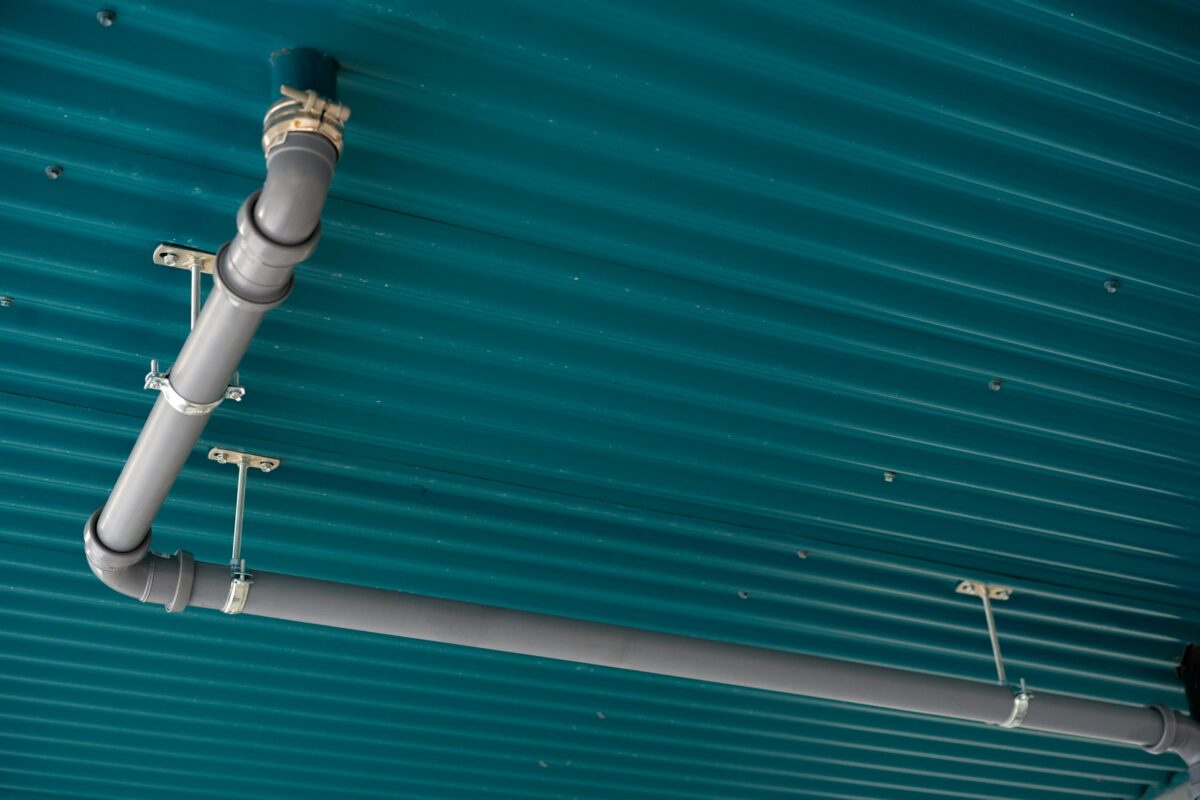
Recycling: PVC is rarely accepted in curbside recycling programs because it is difficult to process and can contaminate other plastic recycling streams.
Safety: PVC may contain additives such as phthalates, which have been studied for potential hormone disruption effects. For this reason, it is generally recommended to avoid using PVC products for food storage or heating.
#4 LDPE (Low-Density Polyethylene)
Common qualities: Soft, flexible, lightweight, and often translucent.
LDPE is commonly found in plastic grocery bags, bread bags, produce bags, squeeze bottles, and food wrap films.
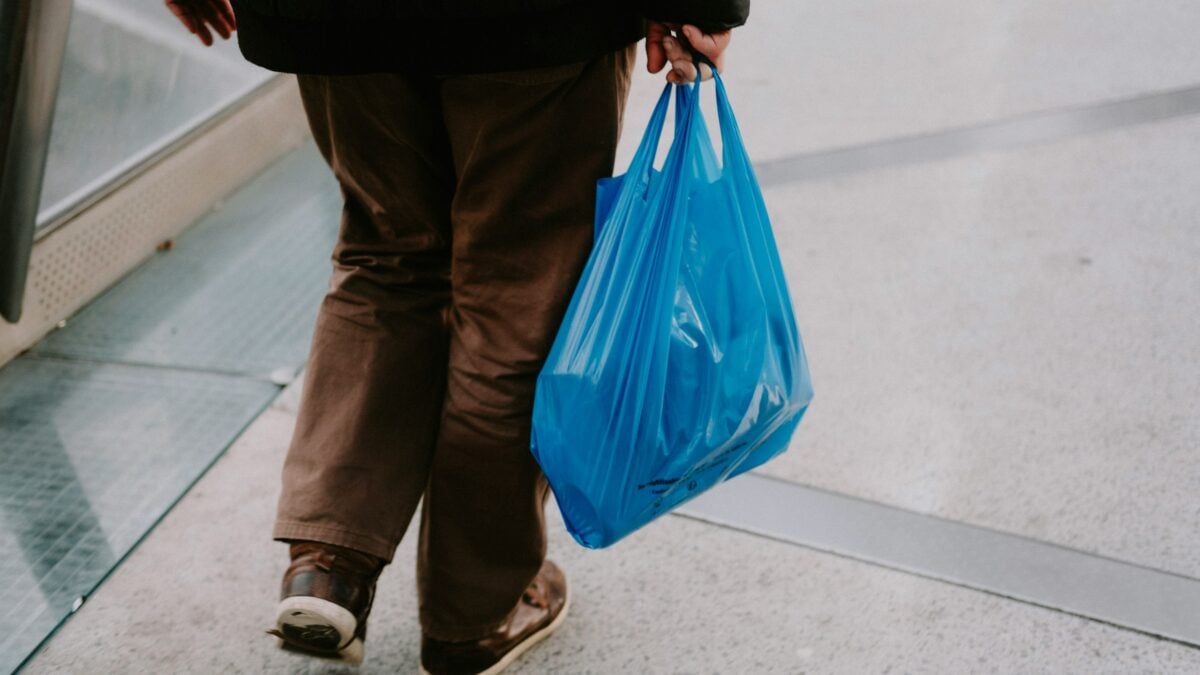
Recycling: LDPE is typically not accepted in curbside recycling bins. However, many grocery stores offer collection bins for clean and dry plastic bags and films.
Safety: LDPE is considered relatively safe for food contact, but should not be heated unless specifically labeled as microwave safe.
#5 PP (Polypropylene)
Common qualities: Hard but flexible, heat-resistant, and opaque.
Polypropylene is used in yogurt containers, medicine bottles, straws, syrup bottles, food storage containers, and some reusable plastic products.
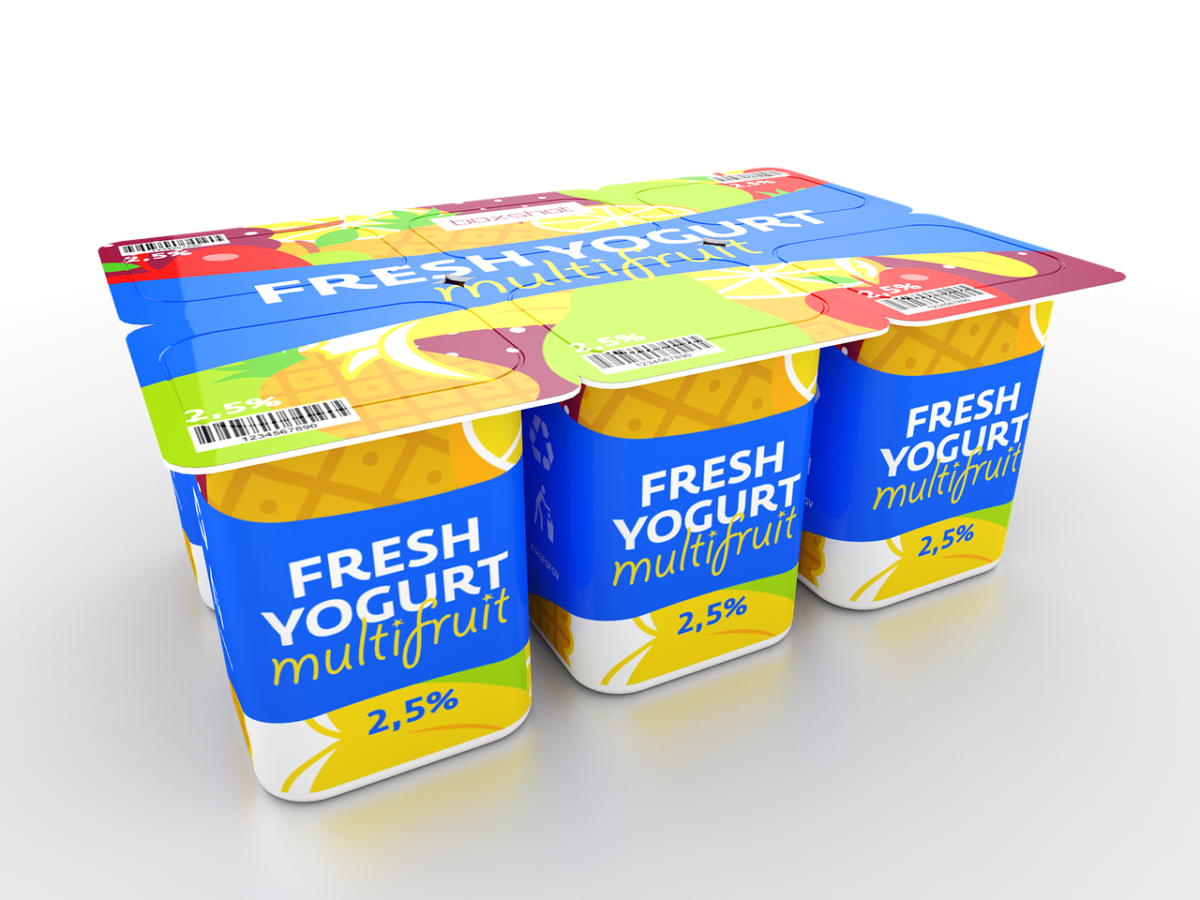
Recycling: Acceptance of #5 plastics is increasing in many areas, but it is not universal. Check your local guidelines for confirmation.
Safety: PP is considered one of the more heat-resistant plastics and is commonly used in microwave-safe containers. However, avoiding repeated high-heat exposure is still recommended when possible.
#6 PS (Polystyrene)
Common qualities: Lightweight, rigid or foam-based, easily broken or punctured.
Polystyrene is commonly found in disposable cups, takeout containers, meat trays, packing peanuts, and foam insulation.
Recycling: #6 plastics are rarely accepted in curbside recycling programs due to processing difficulty and low market demand.
Safety: Polystyrene can release styrene, especially when heated. Because of potential health concerns, many experts recommend minimizing use, particularly for hot foods or beverages.
#7 OTHER (Mixed or Specialty Plastics)
Common qualities: Varies widely depending on composition.
#7 is a catch-all category for plastics that do not fit into categories 1 through 6. This may include polycarbonate, acrylic, nylon, fiberglass, and newer multi-layer plastics.
Some #7 plastics may contain BPA or similar compounds, although many manufacturers now produce BPA-free alternatives.

Recycling: These plastics are generally not accepted in curbside recycling programs because their composition varies and they are difficult to process.
Safety: Because #7 plastics can contain mixed materials, it is often difficult to determine their safety profile. When possible, choose alternatives with clearly identified plastic types.
3 Modern Recycling Rules You Might Not Know
Recycling rules have changed in the last decade. Update your habits with these three tips:
- Keep the Caps ON: In the past, we were told to remove bottle caps. New sorting technology prefers you crush the bottle to remove the air and screw the cap back on. This ensures the small cap doesn’t get lost in the sorting process.
- Clean and Dry: You don’t need to scrub it like fine china, but your recyclables must be empty and rinsed. A jar half-full of peanut butter can contaminate a whole bale of paper.
- Don’t Bag Your Recyclables: Unless your city explicitly asks for it, never put your recyclables inside a trash bag. Sorters don’t have time to open bags for safety reasons, so bagged recyclables often go straight to the landfill. Keep them loose in the bin!
When we recycle correctly, we save energy and resources. When we “wish-cycle,” we accidentally increase waste.
The Golden Rule: If you aren’t sure, throw it out. It is better to send one piece of plastic to the landfill than to risk contaminating an entire truckload of good recycling.
Why Most Plastic Isn’t Actually Recycled
Plastic recycling sounds simple in theory. In practice, it is limited by economics, infrastructure, and material design.
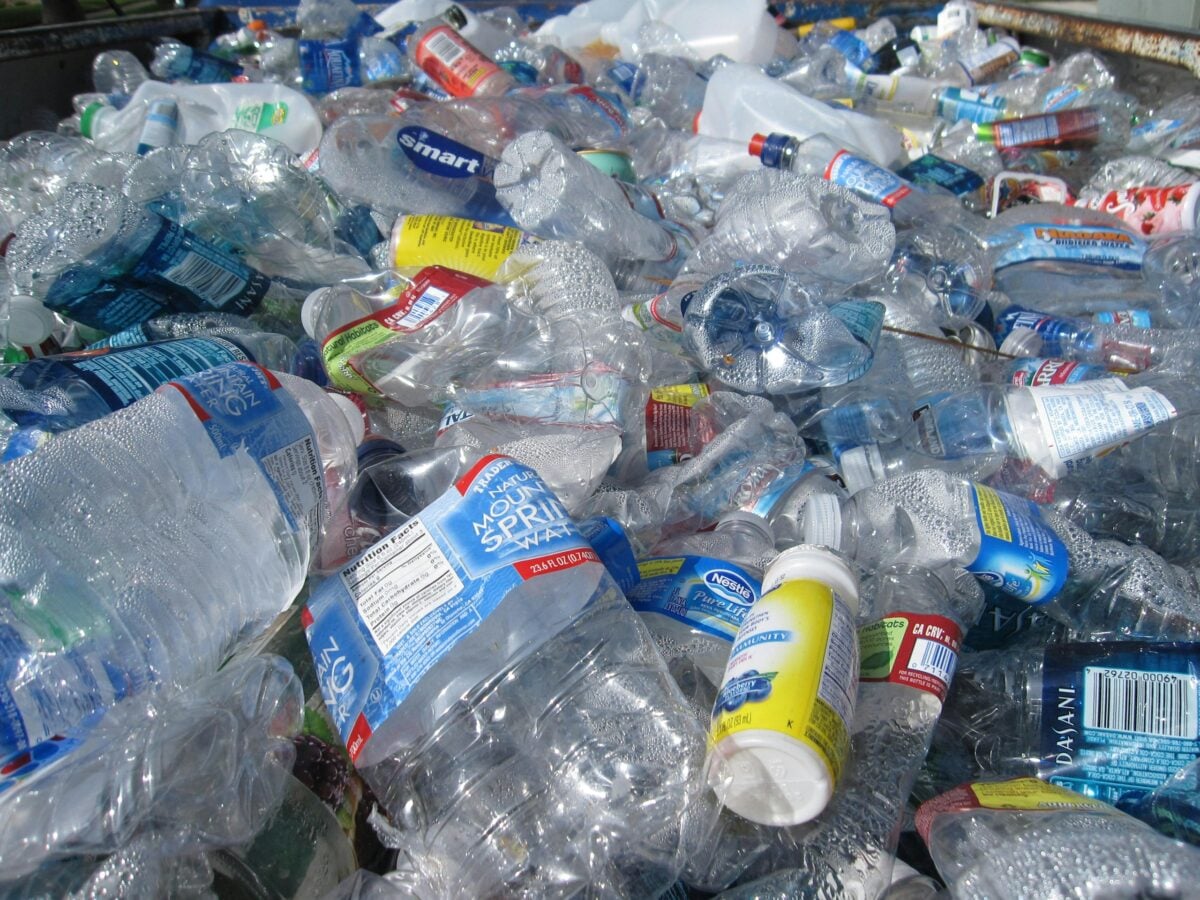
Although millions of tons of plastic are generated in the United States each year, only a small percentage is successfully recycled. The majority is landfilled, incinerated, or lost to the environment.
According to the U.S. Environmental Protection Agency (EPA), Americans generated 35.7 million tons of plastic waste in 2018. Of that amount, only 3.09 million tons were recycled, representing an 8.7 percent recycling rate. The majority of plastic waste, nearly 27 million tons, was sent to landfills.
The Economics of Plastic Recycling
Recycling only works when there is a stable market for the recovered material. For many plastic types, the market is weak or inconsistent.
Virgin plastic is often cheaper to produce than recycled plastic because it is made from fossil fuels in highly efficient manufacturing systems. When oil and natural gas prices are low, recycled plastic becomes even less competitive.
Recycling also requires:
- Collection and transportation
- Sorting at Materials Recovery Facilities (MRFs)
- Cleaning and reprocessing
- Manufacturing new products from recovered resin
Each step adds cost. If the recycled resin cannot be sold at a profitable price, it may not be processed at all.
Infrastructure and Design Limitations
Many plastic products are not designed with recycling in mind. Multi-layer packaging, mixed materials, dark-colored plastics, and small flexible items are difficult for automated sorting systems to detect and process.
In addition, recycling programs vary widely across U.S. municipalities. Some cities accept only #1 and #2 bottles and jugs, while others have expanded to include additional resins. This inconsistency creates confusion and limits overall recovery rates.
Food contamination further reduces recyclability. Containers that are not emptied and rinsed can contaminate paper and other plastics during sorting.
The Global Plastic Waste Challenge
For many years, the United States exported large quantities of plastic waste to other countries for processing. When major importing countries tightened contamination standards and restricted imports, domestic recycling systems were forced to adapt quickly.
This shift exposed weaknesses in U.S. recycling infrastructure and highlighted the need for improved domestic processing capacity.
At the same time, global plastic production continues to increase. As production grows faster than recycling capacity, the gap between plastic created and plastic recovered widens.
Reduce, Reuse, Then Recycle
Recycling alone is not enough.
The most effective way to reduce plastic waste and potential health concerns is to follow the waste hierarchy:
- Reduce unnecessary single-use plastics whenever possible.
- Reuse durable alternatives such as glass, stainless steel, or silicone.
- Recycle correctly according to your local guidelines.
You do not need to eliminate plastic overnight. Small, consistent changes, such as switching to a reusable water bottle or avoiding heating food in plastic, can add up over time.
The key is awareness. When you understand what plastic numbers actually mean, you move from guessing to making intentional choices. And that shift makes a measurable difference.
Health Concerns Linked to Plastic Exposure
Plastic safety discussions have evolved significantly over the past decade. While early concern focused primarily on BPA, research has expanded to examine replacement chemicals, microplastics, and other compounds associated with food packaging.
BPA, BPS, and BPF
Bisphenol A (BPA) was widely used in polycarbonate plastics and epoxy resins found in some food containers and can linings. Due to public concern and research into its potential endocrine-disrupting effects, many manufacturers began labeling products as BPA-free.
However, some BPA-free products contain alternative bisphenols such as BPS (bisphenol S) and BPF (bisphenol F). Emerging research suggests that these substitutes may also interact with hormone systems in ways similar to BPA, although studies are ongoing.
While regulatory agencies set safety thresholds for exposure, some consumers choose to reduce contact with bisphenol-containing plastics, particularly for hot foods and beverages.
Microplastics in the Human Body
Microplastics are tiny plastic particles formed when larger plastic items break down or when micro-sized plastics are manufactured intentionally.
In 2022, researchers from Vrije Universiteit Amsterdam reported detecting microplastic particles in human blood samples for the first time, raising new questions about how plastics move through the body.
Microplastics have also been found in drinking water, seafood, salt, and air. Scientists are continuing to study whether these particles contribute to inflammation or other biological effects over time.
At present, research is ongoing, and definitive conclusions about long-term health outcomes have not yet been established.
PFAS in Food Packaging
Per- and polyfluoroalkyl substances, known as PFAS, are a group of synthetic chemicals sometimes used in grease-resistant food packaging such as fast food wrappers, microwave popcorn bags, and takeout containers.
PFAS are often called “forever chemicals” because they break down very slowly in the environment and can accumulate over time.
Some studies have linked certain PFAS compounds to potential health concerns, including effects on immune function, cholesterol levels, and developmental outcomes. Regulatory agencies have begun phasing out or restricting certain PFAS uses, but monitoring and policy updates are ongoing.
What Regulatory Agencies Say
The U.S. Food and Drug Administration (FDA) states that approved food-contact plastics are safe when used as intended and are evaluated under established safety thresholds. The FDA regulates food-contact materials and establishes safety thresholds based on available scientific data. The World Health Organization also evaluates chemical exposure risks globally.
Current regulatory guidance states that approved plastics are safe when used as intended. However, both agencies continue to review emerging research as new data becomes available.
Practical Steps to Reduce Exposure
For those who prefer a precautionary approach, practical strategies may include:
- Avoid heating food in plastic unless labeled microwave safe
- Limiting the use of older or scratched plastic containers
- Choosing glass or stainless steel for hot foods and beverages
- Reducing reliance on single-use packaging when possible
While research continues, making informed decisions about plastic use can help reduce potential exposure without relying on alarmist claims.
Smarter Alternatives to Plastic
Recycling has limitations. Reducing plastic use where possible can often have a greater impact than recycling alone.

Glass
Glass is non-porous, widely recyclable, and does not leach chemicals into food. It is an excellent option for food storage and beverages.
Stainless Steel
Stainless steel is durable, reusable, and resistant to corrosion. It is commonly used for water bottles, lunch containers, and kitchen tools.
Silicone
Food-grade silicone is flexible, heat-resistant, and reusable. It is often used for baking mats, storage bags, and kitchen utensils. While not biodegradable, it is more durable than many single-use plastics.
Beeswax Wraps
Beeswax wraps provide a reusable alternative to plastic wrap for covering bowls and wrapping produce. They can be washed and reused multiple times.
Buying in Bulk
Purchasing dry goods, grains, and household items in bulk reduces packaging waste. Bringing reusable containers or bags can further decrease single-use plastic consumption.
Choosing safer plastics when necessary and incorporating durable alternatives when possible can reduce both environmental impact and potential chemical exposure. Small changes in purchasing habits often lead to meaningful long-term reductions in plastic use.
Too Good for the Bin: 5 Creative Ways to Upcycle Plastic
Sometimes the blue bin isn’t the answer. If you have non-recyclable items (or just want to get crafty), here are five “out-of-the-box” ways to give that plastic a second life.
1. DIY “Shrinky Dinks” (Using #6 Plastic)
Did you know that clear #6 clamshells (the kind takeout or bakery items often come in) are the exact same material as the expensive shrink plastic sheets sold at craft stores?
- The Hack: Draw on the flat part of the plastic with permanent markers, cut out your design, and bake it at 325°F (165°C) for 1–3 minutes.
- The Result: The plastic shrinks down to become thick, hard, and durable. It is perfect for making custom keychains, jewelry, or zipper pulls. Note: Watch it closely; it curls up before flattening out!
2. Turn Grocery Bags into “Plarn” (Plastic Yarn)
If you have a drawer full of #4 grocery bags, turn them into a durable crafting material.
- The Hack: Flatten the bags, cut them into strips, and tie them together to create a long continuous strand of “yarn.”
- The Result: You can crochet or knit this into waterproof tote bags, outdoor mats, or even sturdy coasters. Many charity groups knit “plarn” sleeping mats for the homeless because they provide insulation from the cold ground!
3. Build an “Eco-Brick”
This is the ultimate solution for those pesky non-recyclable wrappers (chip bags, candy wrappers, protein bar wrappers).
- The Hack: Take a clean, dry #1 PET plastic bottle. Stuff it tightly with your non-recyclable soft plastics. Use a wooden spoon handle to pack it down until the bottle is rock hard.
- The Result: You have created a reusable building block! These “Eco-Bricks” are used in community garden projects to build raised beds, benches, and even walls. It keeps thousands of years of plastic out of the ocean.
4. The “Self-Watering” Herb Garden
Stop killing your basil! #1 or #2 bottles make excellent self-sustaining planters.
- The Hack: Cut a 2-liter bottle in half. Fill the bottom half with water. Invert the top half (cap side down) and place it inside the bottom half. Thread a piece of cotton string through a hole in the cap so it dangles into the water. Fill the top with soil and your plant.
- The Result: The string wicks water up to the roots as needed. You can paint the outside of the bottles to make them look like modern geometric planters.
5. Bottle Cap Mosaic Art
Those small caps are often lost in the recycling process anyway, so save them up for art.
- The Hack: Collect caps of different colors (milk jugs are white, soda is red/blue, medicine is orange). Glue them onto a piece of plywood or heavy cardboard.
- The Result: You can create pixel-art style murals, garden pathways, or funky table tops. It is a fantastic project for kids to visualize how much plastic we use in a month.
By viewing plastic as a material rather than trash, we shift our mindset from “disposal” to “creation.” Give one of these a shot next rainy afternoon, you might just find that saving the planet is more fun than you thought.
See It In Action: Turning Waste Into Functional Furniture
If you think turning a bottle into a planter is impressive, wait until you see the industrial side of upcycling. Designers and engineers are now transforming thousands of pounds of plastic waste into durable, high-end furniture.
It is mesmerizing to watch the shredding, melting, and molding process. Check out how trash transforms into treasure below:
3 Practical Ways to Reduce & Reuse
Not into crafting? No problem. Here are three effortless ways to keep plastic out of the landfill during your daily routine.
- The “Car Kit” Strategy: Keep reusable grocery bags and a travel mug in your trunk or backseat. The hardest part of reducing plastic is remembering to bring your reusables—if they are always in your car, you will never have to accept a plastic bag or a disposable coffee cup again.
- Functional Food Storage: You do not need expensive Tupperware. Sturdy #5 tubs (like large yogurt or margarine containers) are often top-rack dishwasher-safe. Use them to freeze soups, store leftovers, or organize nuts and bolts in the garage.
- Buy in Bulk: Instead of buying small, individually wrapped snack packs, buy the large “family size” bag and portion it out into your own reusable containers. This significantly reduces the amount of thin, non-recyclable plastic film you bring home.
Healthy Living Goes Beyond Plastic Numbers
Understanding plastic recycling codes is just one part of making healthier, more sustainable choices.
If you are looking to reduce plastic exposure and waste even further, consider rethinking everyday habits such as bottled water consumption, grocery shopping, and food waste management.
You can learn more about the environmental and health implications in our guide to bottled water facts and our comparison of tap water vs. bottled water. Simple shifts, like cutting back on single-use bags, can also make a measurable difference. Explore practical tips to reduce the use of plastic bags for easy ways to start.
Reducing waste at home goes beyond plastics. Composting food scraps is another powerful step. If you are ready to begin, our guide to choosing the best compost bin can help you get started.
Healthy living is built on informed decisions. Small changes, made consistently, create long-term impact.
How Do You Handle Plastic Recycling?
Everyone approaches plastic use differently. Do you have tips, habits, or swaps that have worked for you? Share your experience with us in the comments below. Your ideas could help someone else make a better choice.