When you purchase through links on our site, we may earn a commission. Here’s how it works.
Travel is all about the “feel-good” factor… the excitement of a new city, the relaxation of a hotel stay, and the memories you bring home. Making eco-friendlier choices along the way should feel just as good.
Table of Contents
At its best, travel is an escape, not a chore. You don’t need to overhaul your entire itinerary, pack like a minimalist, or become a zero-waste expert to lighten your footprint. The biggest impacts actually come from the smallest, most effortless tweaks.
Think of these as travel hacks for the modern explorer. We’re shifting the focus from extreme lifestyle changes to simple, one-for-one swaps that fit into the way you already travel.
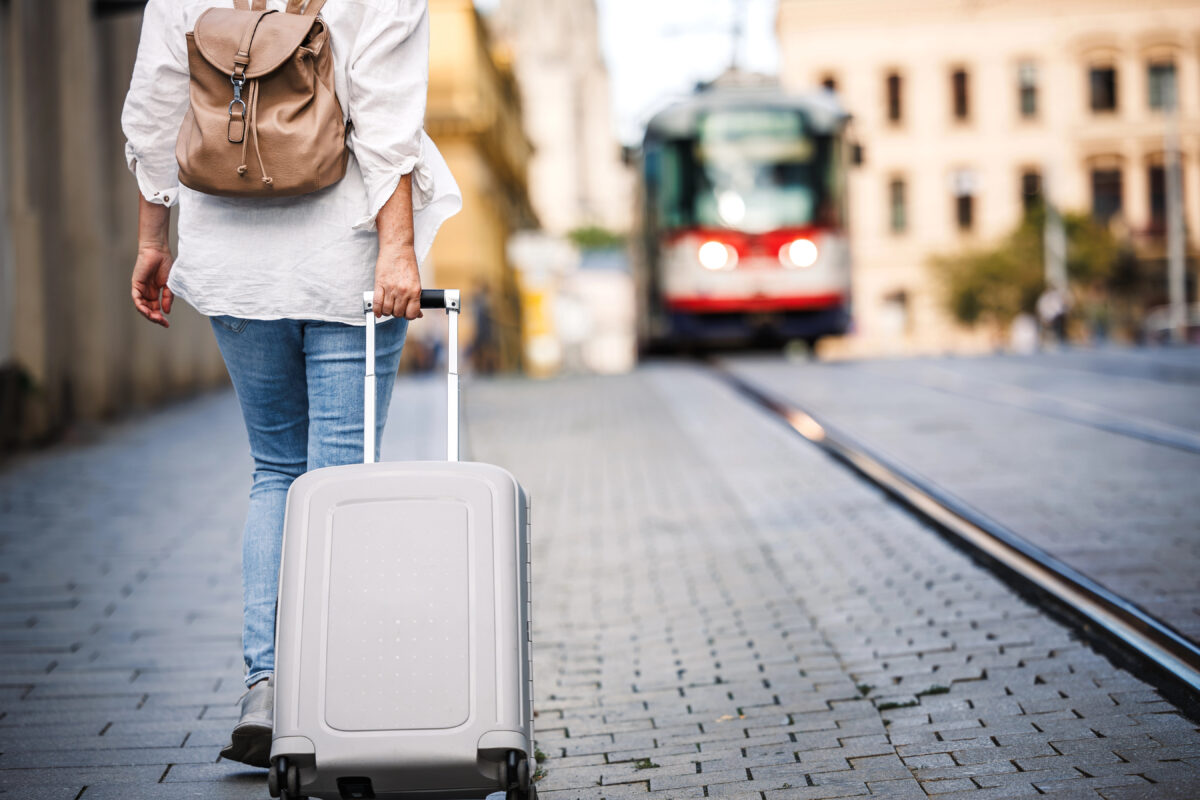
The goal is simple: make your trip a little lighter, easier, and more thoughtful.
From the way you navigate the airport terminal to how you explore a local food scene, these realistic habits help you reduce waste without adding an ounce of stress to your journey. Whether you’re checking into a resort or hitting the open road, here is how to make greener choices without overthinking every step.
Small Changes, Big Impact
According to the EPA, transportation is the largest source of greenhouse gas emissions in the U.S. Tourism also contributes to global emissions, which is why small travel choices can add up when millions of people make them. The goal is not to stop exploring; it is to explore a little smarter with simple, low-effort swaps that fit the way you already travel.
In many cases, the “greener” choice is actually a shortcut to a better travel experience. Eating local means fresher, more authentic food; walking instead of cabbing helps you discover hidden-gem alleys you’d otherwise miss; and packing light means less time wrestling with heavy luggage at the airport.
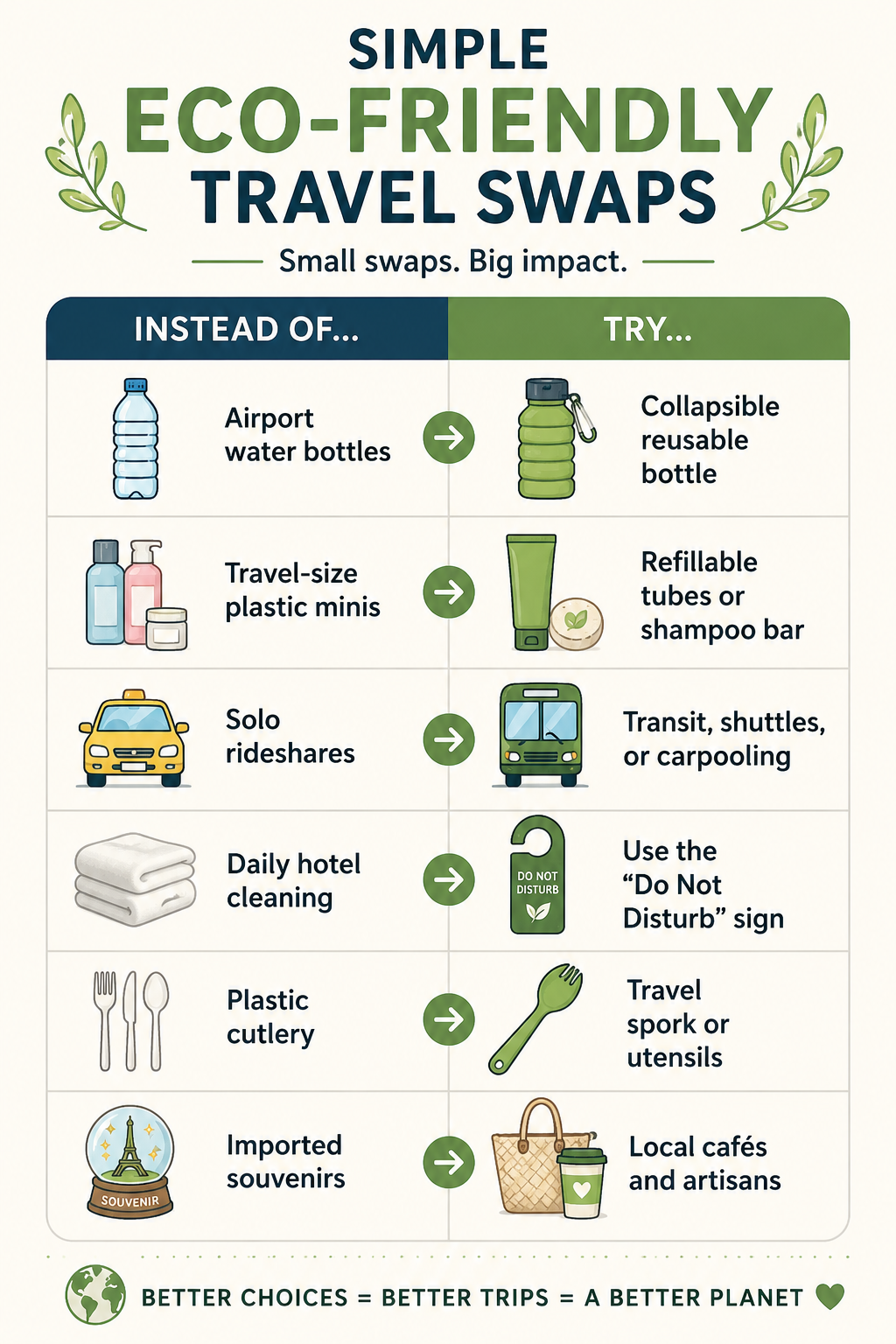
Ultimately, it’s about being a guest who leaves a destination just as beautiful as you found it. By making a few small swaps, you ensure these places stay vibrant for the next generation of explorers, making your trip feel as good for the planet as it does for you.
Watch: Simple Eco-Friendly Travel Tips in Action
Want a quick visual guide before you start planning? This video walks through easy ways to travel a little greener, from reducing waste to making smarter choices on the go. It is a helpful companion to the simple swaps below.
15 Simple Eco-Friendly Travel Swaps for a Smarter Trip
Travel should feel exciting, not like a long list of rules. The good news is that eco-friendly travel does not have to mean giving up flights, skipping comfort, or packing like a survivalist. Most of the time, it comes down to small swaps that make your trip easier, cheaper, cleaner, or a little more thoughtful.
Think of this as a “this instead of that” guide for the moments every traveler already knows: packing your bag, moving through the airport, getting around a new city, checking into a hotel, grabbing food, and exploring without leaving a mess behind.
You do not need to do every swap on this list. Pick two or three that fit your trip. Small changes feel even better when they are simple enough to repeat.
Packing and Airport Swaps
The easiest eco-friendly travel choices often happen before your trip really begins. A few smart packing decisions can help you avoid overpriced airport purchases, reduce plastic waste, and make your carry-on easier to manage. These swaps are simple, practical, and especially useful for flights, road trips, and weekend getaways.

1. Swap Single-Use Airport Water Bottles for a Collapsible Reusable Bottle
Airport water bottles are expensive, and they usually end up in the trash before the trip is even halfway over. A collapsible silicone bottle is a simple fix because it takes up very little room when empty and expands when you need it.
Before TSA, make sure the bottle is empty. Once you are through security, fill it at a water station near your gate. You save money at the terminal, stay hydrated on the flight, and avoid buying another plastic water bottle just because you were rushing.

For a deeper look at why this swap matters, check out our guide to tap water vs. bottled water and how your everyday drinking habits can reduce plastic waste.
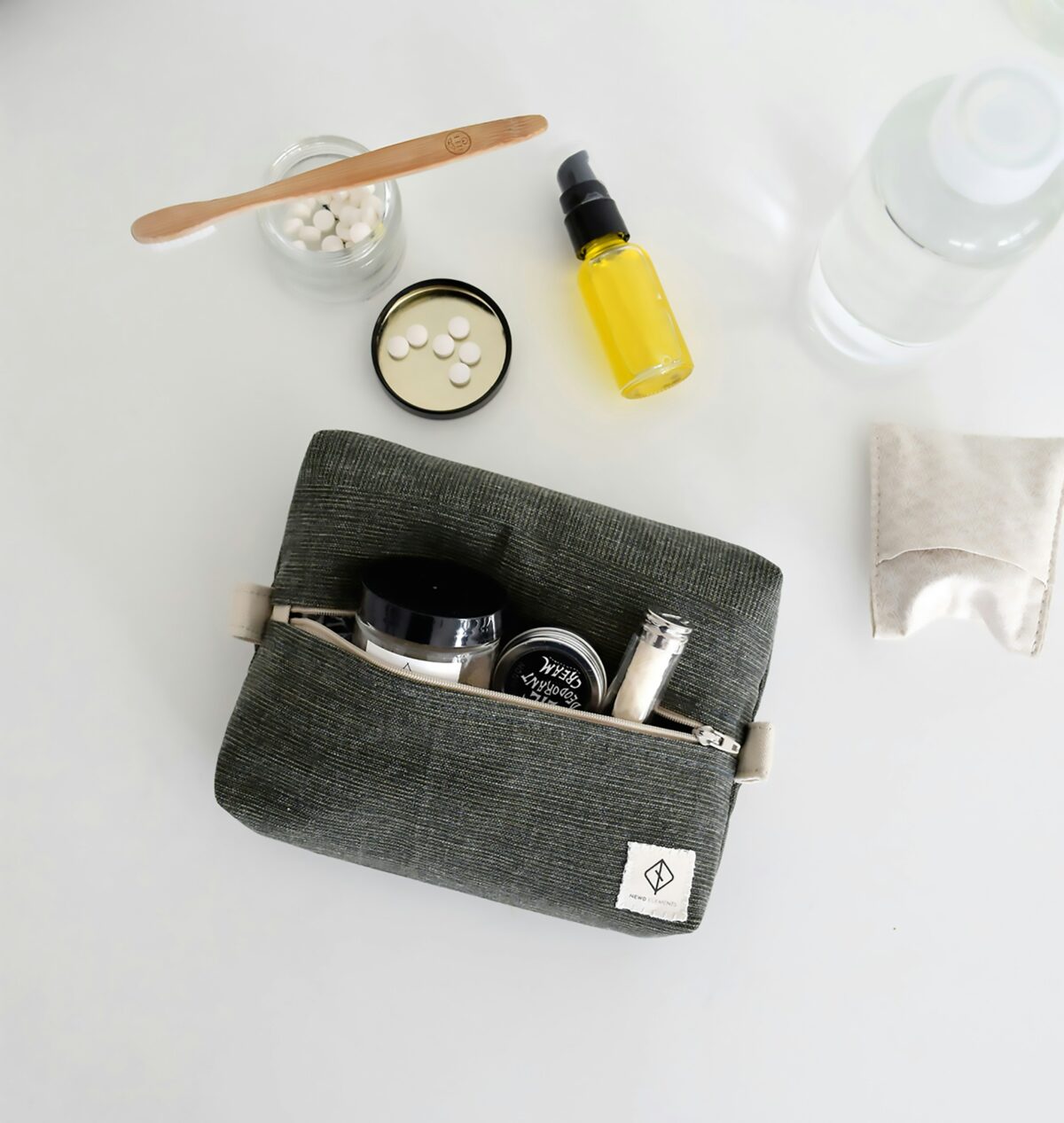
2. Swap Travel-Size Plastic Minis for Refillable Tubes or Solid Toiletries
Those tiny shampoo, conditioner, and body wash bottles are convenient, but they create a lot of bathroom plastic over time. Refillable silicone tubes let you bring products you already use at home without buying new minis for every trip.
Solid toiletries are another easy option. A shampoo bar, conditioner bar, or bar soap can last longer, take up less space, and avoid the classic “lotion exploded in my bag” travel disaster.
3. Swap Paper Boarding Passes for Mobile Wallet Tickets
A mobile boarding pass is one less thing to print, misplace, or fumble for while you are juggling coffee, luggage, and a line of people behind you.
Add your boarding pass, hotel confirmation, train ticket, or event pass to your phone’s wallet before you leave. For backup, take a screenshot in case the app does not load quickly. Less paper, less stress, and fewer loose documents floating around your carry-on.
4. Swap Overpacking for a Lighter, Smarter Bag
Overpacking makes every part of travel harder. Your bag is heavier, your room gets cluttered, and you may end up paying baggage fees for things you never use.

Instead, pack clothes that mix and match, choose shoes that work for more than one activity, and skip the items you always bring but rarely touch. A lighter bag is easier on you and can help make transportation a little more efficient, too.
Getting Around Swaps
Once you arrive, transportation choices can shape both your travel budget and your environmental impact. You do not have to avoid cars completely, but it helps to pause before automatically choosing the most convenient-looking option.
In many destinations, a train, shuttle, walkable route, or smarter rental choice can make the day easier and greener.

5. Swap Solo Rideshares for Transit, Shuttles, or Carpooling
It is easy to open a rideshare app the second you land, but it is not always the cheapest or smartest option. In many cities, the train, subway, airport express, or hotel shuttle can get you where you are going faster than sitting in traffic.
If you are traveling with friends, family, coworkers, or other people headed in the same direction, carpooling is another easy swap. Yes, sharing a ride can feel a little awkward at first, but that is part of the fun of travel. You might save money, cut down on extra cars, and end up with a good story before the trip even starts.
Before your trip, check whether your destination has a direct airport train, hotel shuttle, shared transfer, or easy carpool option. You may save a surprising amount of money before your vacation even starts.
6. Swap a Standard Rental Car for the Hybrid or EV Filter
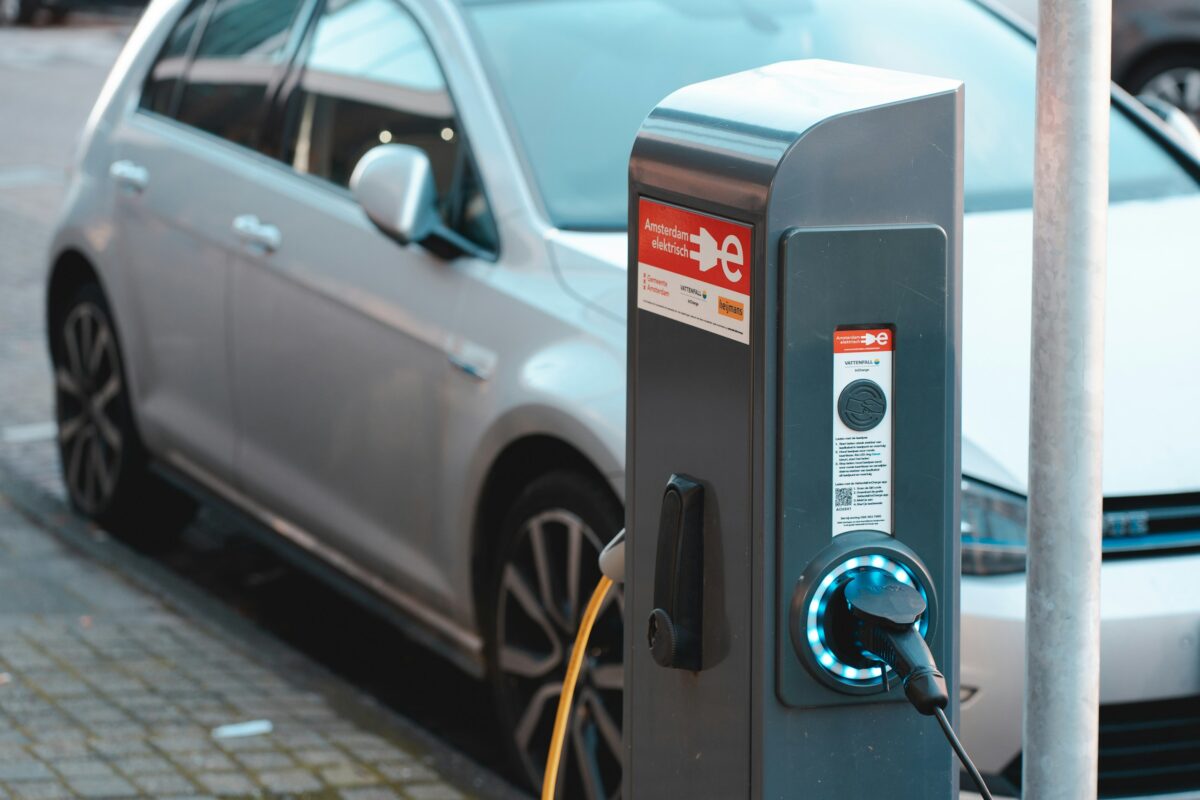
If you need a rental car, look for hybrid or electric options before booking a standard sedan. Some rental agencies now offer hybrid or electric options in similar price ranges, depending on the location and availability.
This is not always the right choice for every trip. If you are driving long distances through remote areas, check charging availability first. But for city trips, national park gateway towns, business travel, or short-distance road trips, the hybrid or EV filter is worth a look.
If you only need a car for part of your trip, car sharing may be a smarter option than renting one for the entire stay. Here’s a helpful breakdown of whether Zipcar is worth it for short trips and occasional driving.
7. Swap Short Car Rides for Walking or Biking
Some of the best travel moments happen between the planned stops. Walking or biking short distances lets you notice local cafés, murals, markets, parks, and side streets you would miss from a car.
This works especially well in walkable downtowns, beach towns, historic districts, university areas, and compact neighborhoods. If the route is safe and the weather is comfortable, make the journey part of the experience.

8. Swap Multiple Separate Trips for One Smarter Route
When public transportation is not practical, you can still make your transportation choices a little more efficient. Group nearby stops together instead of taking several separate rides across town.
For example, visit the museum, lunch spot, and shopping district in the same area before heading back to your hotel. It saves time, cuts down on backtracking, and makes the day feel less chaotic.
Hotel Stay Swaps
Hotels are full of small habits that are easy to overlook: fresh towels, daily cleaning, lights left on, and air conditioning running while no one is in the room. You do not have to sacrifice comfort to make your stay more eco-friendly. These simple swaps help reduce waste, water use, and energy use while still keeping your trip relaxed.

9. Swap Daily Room Cleanings for the “Do Not Disturb” Sign
Unless you are tracking in mud, you probably do not wash your towels and sheets every single day at home. You usually do not need that level of housekeeping while traveling, either.
Use the “Do Not Disturb” sign when you do not need a full room refresh. This can reduce unnecessary laundry, water use, cleaning products, and energy. It also gives you more privacy and fewer interruptions during your stay.
10. Swap Tossing Towels on the Floor for Hanging Them Up to Reuse
In most hotels, hanging your towel means “I will use this again,” while leaving it on the floor means “please replace this.” This tiny habit is one of the easiest hotel swaps because it takes no extra effort.
A helpful reminder: if you reuse your bath towel at home, it makes sense to do the same at a hotel. Small choices like this become powerful when thousands of guests do them too.

11. Swap Leaving the Keycard in the Power Slot for Taking It Out
Some hotels use a keycard slot to control power in the room. When the card is inserted, the lights, outlets, and air conditioning may stay active. When you remove it, the room powers down or dials back automatically.
If your room has this setup, pull the keycard out when you head to dinner or leave for the day. It is an effortless way to avoid cooling or lighting an empty room.
12. Swap Booking Only by Price for Choosing a Walkable Location
Sometimes the greener choice is not about the hotel’s marketing. It is about location.
A hotel that is close to the places you want to visit can reduce the need for rental cars, rideshares, and long daily commutes. Before booking, check whether you can walk to restaurants, transit stops, attractions, or the event you are attending.
Dining and Exploring Swaps
Food, souvenirs, and sightseeing are some of the best parts of travel, and they also offer easy chances to make better choices. This is where eco-friendly travel can feel especially good: eating somewhere local, skipping unnecessary plastic, and treating the destination with care. These swaps help you enjoy the place more while leaving a lighter footprint.
13. Swap Takeout Plastic Cutlery for a Lightweight Travel Spork
A small bamboo or metal spork is easy to toss in your day bag and useful for food trucks, street food tours, road trips, beach snacks, and impromptu picnics.
You do not have to carry a whole camping kit. One simple utensil can help you skip plastic forks and spoons over and over again.
14. Swap Imported Souvenir Shops for Eating and Shopping Local
One of the best parts of travel is experiencing the place you came to see. Grabbing coffee at an independent neighborhood café, eating at a family-run restaurant, visiting a farmers market, or buying from a local artisan keeps more of your money in the community.

This swap feels good because it is not just about avoiding waste. It makes the trip more memorable and helps support the people who live there.
15. Swap Rushing Through Attractions for Slower, More Respectful Exploring
Eco-friendly travel is also about how you treat the places you visit. Stay on marked trails, respect wildlife, follow local rules, avoid taking shells, rocks, or plants, and clean up after yourself.
Slower travel does not have to mean a longer trip. It can simply mean spending more time in fewer places instead of rushing from one photo stop to the next.
Does the Season Make a Difference?
It sure can. The season can change the eco-friendly travel swaps that are most useful. A summer beach trip, winter ski weekend, spring road trip, and fall city escape all come with different packing needs, energy use, transportation choices, and waste habits.
Instead of using the same travel habits year-round, think about the season you are traveling in. Then choose a few simple swaps that fit the weather, destination, and activities you already have planned.
6 Easy Eco-Friendly Summer Travel Swaps
Summer travel often means beaches, road trips, festivals, national parks, outdoor dining, and long days in the sun. It can also mean more bottled drinks, more takeout, more cooling needs, and more crowded destinations.

These seasonal swaps are designed to keep summer travel fun and comfortable while cutting down on the most common warm-weather waste.
1. Swap Buying Plastic Water Bottles All Day for Refilling Before You Leave
Hot weather makes hydration even more important. Fill your reusable bottle before leaving the hotel, before boarding a flight, and anytime you pass a refill station.
This is one of the simplest ways to cut down on plastic during a summer trip, especially at beaches, parks, festivals, and outdoor attractions.
2. Swap Regular Sunscreen Anywhere for Reef-Safe Sunscreen Near Water
If you are swimming, snorkeling, visiting coral reefs, or spending time in natural waterways, consider reef-safe sunscreen. Look for mineral-based options and follow local rules at beaches, parks, or protected areas.
This is a small swap that matters most in specific destinations, especially tropical beaches and marine areas.
3. Swap Midday Walking in Peak Heat for Morning or Evening Exploring
Walking is a great way to explore, but summer heat can make midday sightseeing uncomfortable. Plan walking tours, bike rides, markets, or outdoor attractions earlier or later in the day.
You will likely enjoy the experience more, avoid the worst heat, and reduce the temptation to take short car rides just because it is too hot outside.
4. Swap Disposable Picnic Supplies for a Tiny Reusable Kit
Summer often means snacks, drinks, beach bags, takeout, and picnics. A small reusable setup can help: one bag, one bottle, one container, and one utensil.
You do not need to pack your whole kitchen. Just bring enough to avoid the most common throwaway items.
5. Swap Peak-Hour Crowds for Off-Peak Visits
Summer crowds can put pressure on beaches, parks, trails, restaurants, and small towns. Visiting early in the morning, later in the day, or on weekdays can make the experience better for everyone.
It also means easier parking, shorter lines, cooler temperatures, and more peaceful sightseeing.
6. Swap Relying Only on Outlets for Road Trips → Bringing Portable Solar Power
For camping weekends, cabin stays, RV trips, or long summer road trips, a small solar panel kit can help keep phones, lanterns, speakers, or other small devices charged when outlets are limited. It is not necessary for every trip, but it can be a useful, eco-friendly upgrade for outdoor travel.
For more ideas, check out this guide to the best small solar panel kits for portable power.
Eco-Friendly Travel Swaps for Every Season
Every season brings different travel habits. Spring can mean rain and muddy trails, fall can mean scenic drives and crowded foliage spots, and winter can mean heavier packing and more heating. A few seasonal adjustments can help you travel smarter without changing the whole trip.

Spring Travel
Pack layers instead of overpacking for every possible temperature, bring rain gear if needed, and be careful on muddy trails so you do not damage natural areas.
Fall Travel
Bring a reusable cup for warm drinks, pack layers, visit popular foliage spots outside peak hours, and support local farms, markets, and seasonal restaurants.
Winter Travel
Pack warm layers efficiently, choose lodging close to your activities when possible, turn down the heat when leaving the room, and use shuttles or shared transportation at ski areas or winter resorts.
Quick Eco-Friendly Travel Checklist
Ready to make your next trip a little easier and a little greener? Use this quick checklist before you leave so you can pack smarter, waste less, and choose the simple swaps that actually fit your plans.
- Collapsible reusable water bottle
- Refillable toiletry tubes or a solid shampoo bar
- Mobile boarding pass and digital confirmations
- Lightweight reusable shopping bag
- Comfortable walking shoes
- Public transit route from the airport
- Hybrid or EV rental search filter
- Hotel towel reuse
- Do Not Disturb sign when housekeeping is not needed
- Travel spork or reusable utensil
- Local cafés, markets, or restaurants
- Reef-safe sunscreen for beach or reef destinations
You do not need to do every single thing on this list. Pick the swaps that fit your trip, your budget, and your travel style.
Why These Small Eco-Friendly Travel Choices Matter
Eco-friendly travel is not just about packing a reusable bottle or skipping a plastic fork. Small choices connect to bigger issues like plastic waste, climate change, and the pressure travel can put on natural places and wildlife.

You do not need to become an environmental expert before your next trip. The point is to build simple habits that make travel feel more thoughtful and a little lighter. If you want to keep learning, start with guides on why recycling is important, how climate change affects endangered species, and easy ways to reduce food waste with a compost bin.
The takeaway is simple: the same mindset that helps you travel greener can also help you make better choices at home. Start small, stay curious, and keep choosing the swaps that fit your life.
Frequently Asked Questions
Still wondering how to make your next trip a little greener? These quick answers cover some of the most common questions travelers have about airports, hotels, transportation, and flying.
If you have another eco-friendly travel question we did not cover, drop it in the comments so we can keep the conversation going.
What is the easiest eco-friendly travel swap?
Bringing a reusable water bottle is one of the easiest swaps because it works for airports, road trips, hotels, parks, and sightseeing days. It can also save money throughout the trip.
How can I be eco-friendly at the airport?
Use a mobile boarding pass, bring an empty reusable bottle to refill after security, pack snacks in reusable containers, and avoid buying single-use items you do not really need.
How can I make a hotel stay greener?
Reuse towels, skip daily housekeeping when you do not need it, turn off lights and electronics before leaving, adjust the AC or heat, and choose a hotel near the places you plan to visit.
Is public transportation better when traveling?
When it is available and practical, public transportation can reduce emissions, save money, and help you avoid traffic. It is especially useful in cities with airport trains, subways, trams, or reliable bus systems.
Do I have to give up flying to travel sustainably?
No, you do not. Flying has an environmental impact, but you do not have to give it up completely to make better travel choices. You can still lower waste by packing lighter, choosing nonstop flights when practical, using digital tickets, and reducing single-use purchases during the trip.
Better Travel, One Simple Swap at a Time
Eco-friendly travel works best when it feels doable. You do not need to make every trip plastic-free or car-free to make better choices. Most people are more likely to stick with small habits that make travel easier and feel good.
Bring the bottle. Reuse the towel. Take the train when it is simple. Eat somewhere local. Skip the plastic fork. Choose two or three swaps that fit the way you already travel.
If more travelers made just a few of these simple changes, the collective impact would be huge.
Want a few more simple ways to make your trips lighter on the planet? This video shares practical green and sustainable travel ideas you can use before you leave, while you’re getting around, and once you arrive.
What is your favorite easy travel swap? Share your best eco-friendly travel hack in the comments.
Keep the Eco-Friendly Momentum Going
The best part about these simple travel swaps is that they do not have to stop when your trip ends. Many of the same habits, like using less plastic, saving water, choosing reusable items, conserving energy, and shopping more thoughtfully, can carry right into everyday life.
If you want some more easy ways to live a little greener, these Earth’s Friends guides are a great next step:
- Learn why small everyday choices matter in this guide to eco-friendly living.
- Cut down on plastic waste with these tips to reduce the use of plastic bags.
- Make smarter drink choices with this breakdown of tap water vs. bottled water.
- Get clearer on what can and cannot be recycled with this guide to plastic recycling codes.
- Keep the low-waste mindset going at home with these beeswax wrap options.
- Save energy after your trip with these simple ways to conserve energy at home.
- Explore bigger-picture sustainability choices with this guide to green burial.
Eco-friendly travel is really just eco-friendly living on the go. Start with the swaps that feel easiest, build from there, and bring your favorite habits home with you.
Share Your Eco-Friendly Travel Tips
Have any other tips to share? We’re all ears and would love to hear how you’ve found ways to make your travels less troublesome for our planet. Drop your story in the comments.