When you purchase through links on our site, we may earn a commission. Here’s how it works.
Scientists say Earth should be drifting toward its next ice age right now, but we’ve already pushed it off schedule. Our carbon emissions didn’t just warm the planet; they changed the timing of one of Earth’s biggest natural cycles.
Table of Contents
The wild part? Experts agree we delayed the next ice age, but the size of that delay is now up for debate. New research is rewriting the timeline, and it’s not what anyone expected.
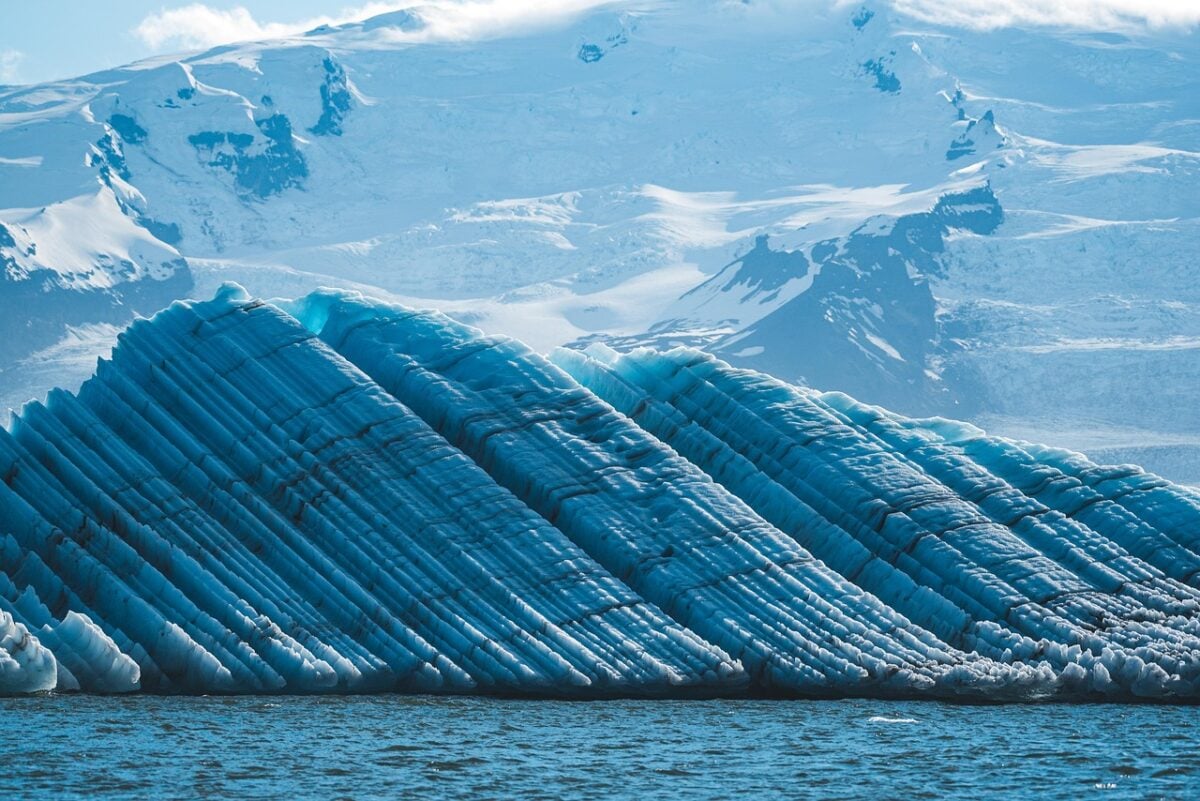
How Humans Really Delayed the Next Ice Age
Here’s the fast truth: scientists agree that human carbon emissions have already pushed the next ice age off schedule. That part isn’t debated anymore. The part they are debating is how far we shifted it, and that’s where things get interesting.
Some of the newest research says the delay might be several thousand years. Other studies suggest it could be tens of thousands. What’s clear is that the planet is no longer following the natural cooling rhythm it should be on right now.
Want our human-written content to rank above AI-generated garbage? Help us out by clicking this button!
So yes, we’ve delayed the next ice age. The only real question now is how big that delay will eventually be, and the newest research isn’t giving a simple answer.
Up next: What Earth should be doing right now if humans hadn’t interfered.
What Earth Should Be Doing Right Now
If Earth were running on its natural schedule, here’s what would be happening: the planet would be slowly angling toward cooler conditions right now. Not into an ice age overnight, but the long-term trend would be heading downward.
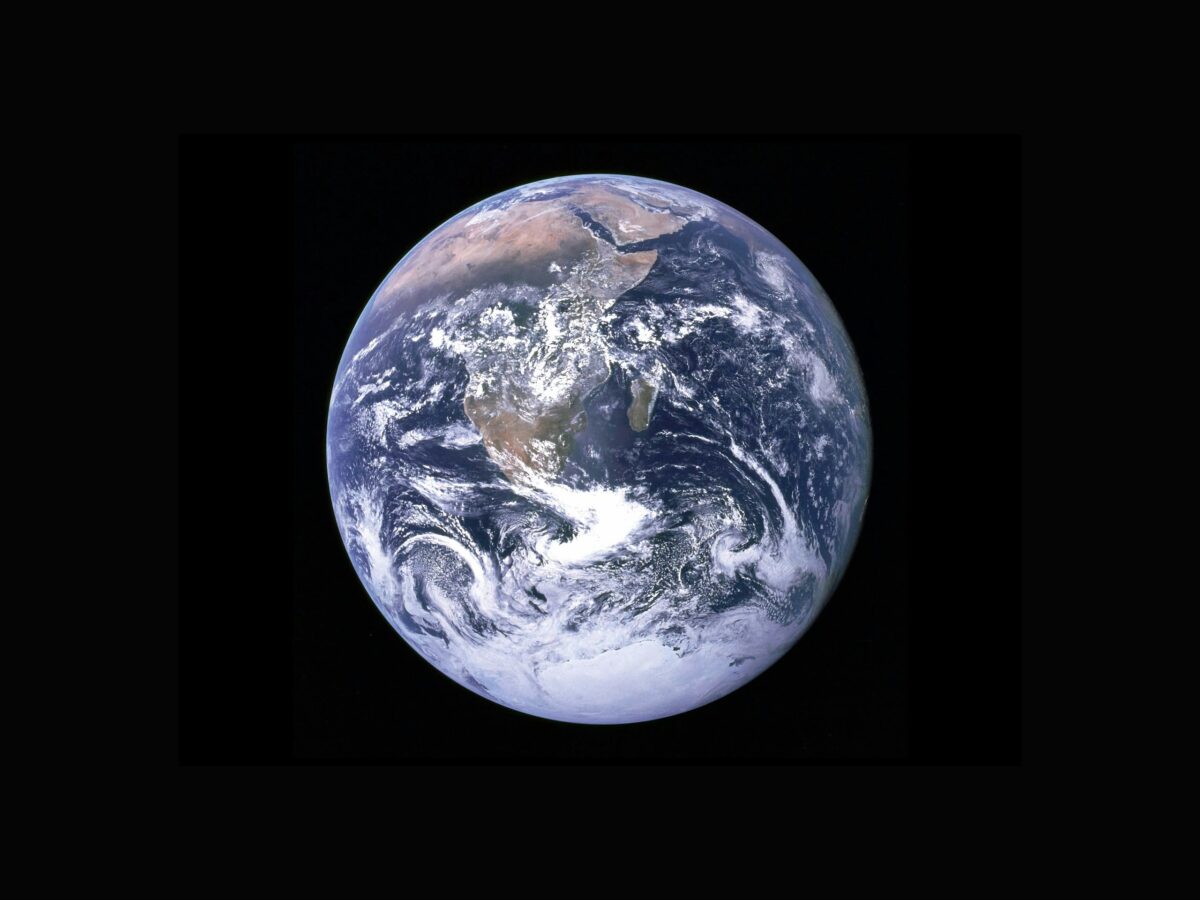
Earth has spent the last 2.6 million years bouncing between long glacial periods and shorter warm breaks. Those warm breaks, called interglacials, usually last around 10,000 to 20,000 years.
We’re about 11,700 years into our current one, the Holocene, which means we’re sitting right in the zone where the natural cooling phase would normally begin.
And here’s the part most people don’t know: the very first signs of a future ice age aren’t giant ice sheets. They’re small:
- Slightly cooler summers.
- Snow sticking around a bit longer in high latitudes.
- Tiny shifts in sunlight reaching the Northern Hemisphere as Earth’s orbit slowly changes shape.
These cues usually line up to give the planet a gentle push toward long-term cooling.
Under natural conditions, that’s the direction we’d already be drifting, a barely noticeable descent into the early pre-glacial stage that would unfold over thousands of years.
Up next: The exact CO₂ level Earth needs before an ice age can even begin.
The CO₂ Threshold That Decides Whether an Ice Age Can Start
Here’s the part most people never hear about: an ice age isn’t triggered by cold temperatures alone. It starts when CO₂ drops low enough for winter snow to stop melting in summer. That’s the moment ice can finally pile up year after year.
Scientists put that threshold at around 240 parts per million. It’s a small number, but it’s the line between a warm world and one slowly building continental ice sheets.
Right now, we’re nowhere near it. According to NASA, today’s atmosphere sits above 430 ppm, a level so high that even the best conditions for glaciation wouldn’t stand a chance. Snow melts too easily. The summers stay too warm. Ice can’t gain ground.
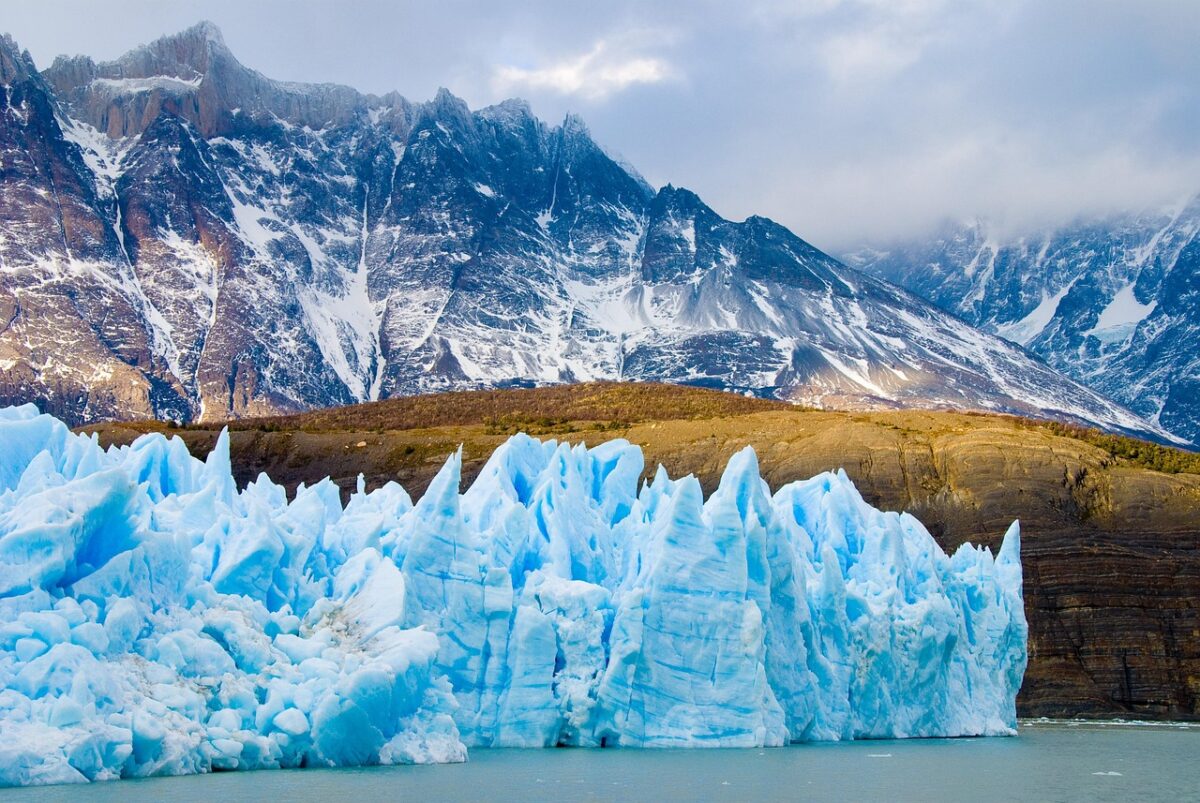
This single number, 240 ppm, is why researchers say a new ice age can’t begin under modern conditions. No matter what Earth’s orbit is doing, no matter how much sunlight shifts, CO₂ is the gatekeeper. And at today’s levels, that gate is locked.
And here’s the kicker: even if humans stopped emitting carbon tomorrow (spoiler: we won’t), the atmosphere wouldn’t drift back down to 240 ppm anytime soon. It takes thousands of years for the planet’s natural carbon systems to settle themselves, and that’s under ideal conditions.
Wondering How Climate Change is Affecting Animal Species? Every region experiences climate change differently, and so do the animals that inhabit it. We have a guide dedicated to the impact of climate change on endangered species.
Up next: So how far did we actually push the next ice age? The newest studies don’t all agree.
How Far We Delayed the Next Ice Age
So… how big is the delay? Here’s the fun part: scientists can’t agree, and honestly, they’re just as confused as the rest of us. But in a very professional, peer-reviewed way, obviously…
Here are three of the main theories:
- Some research says we pushed the next ice age back by a few thousand years. That’s the modest estimate, the scientific equivalent of, “Okay, humans, you messed things up a little.”
- Other studies still support a much longer delay, stretching into tens of thousands of years. That’s more like, “Wow, humans, you really hit the sabertooth tiger with a climate sledgehammer.” This is the theory that is most supported and backed up by recent research.
- And then there’s the older 2016 idea that we delayed the next ice age by 100,000 years… which is kind of like the scientific boogeyman. It’s not dead, but it definitely isn’t the confident headline it once was. Newer models suggest Earth might be more flexible (and more dramatic) than we assumed.
Here’s what everyone does agree on: whatever the original timeline was, we aren’t on it anymore. The natural countdown has been interrupted, snoozed, and postponed, and the planet won’t be able to start the next glacial chapter until CO₂ drops way, way lower than it is today.
So yes, the next ice age is delayed. Exactly how far? Depends on which scientist you ask and how much coffee they’ve had. Here’s a 2-minute visual on how often ice ages normally happen before humans scrambled the schedule.
Up next: How scientists actually know when an ice age is supposed to begin.
3 Clues Scientists Use to Tell When an Ice Age Is Coming
You’d think predicting an ice age would require a crystal ball or a time machine, but scientists actually use something far less magical: old ice, ancient mud, and a whole lot of math.
1. Ice
The first big clue comes from ice cores drilled out of Antarctica and Greenland. These long cylinders of frozen history trap tiny bubbles of ancient air, letting researchers read past CO₂ levels like receipts from Earth’s climate shopping spree.
2. Mud
Then there’s seafloor mud, which builds up in layers over millions of years. Tiny shells inside that mud record ocean temperatures and chemical changes, giving scientists a timeline of when the planet cooled, warmed, froze, and thawed.
3. Math
Add in orbital calculations, which tell us exactly how Earth’s tilt and orbit have shifted over hundreds of thousands of years, and suddenly, the pattern pops out.
Ice ages begin when low sunlight in the Northern Hemisphere coincides with low CO₂ levels. It’s like a cosmic two-key system: both have to turn at the same time.

Put it all together and you get a surprisingly clear picture of when the planet should be prepping for its next big freeze.
Up next: The super-simple version of Earth’s orbit and wobble – the engine behind every ice age.
Earth’s Orbit, Tilt & Wobble
The Ice-Age Engine Made Simple
Earth doesn’t slip into an ice age by accident. It happens because our planet moves in three slow, predictable ways: it tilts, it wobbles, and its orbit stretches and squeezes over tens of thousands of years.
These shifts change how much sunlight reaches the Northern Hemisphere, which is the control room for starting or stopping an ice age.
1. The Tilt
How Much Earth Leans
Earth doesn’t stand straight up; it leans. And that lean slowly changes over about 41,000 years. When the tilt is larger, summers get hotter and winters get colder.
When the tilt shrinks, seasons mellow out, and cooler summers make it easier for snow to stick around. This tilt shift is one of the quiet triggers that can nudge Earth toward an ice age.
2. The Wobble
Earth’s Slow Spin-Sway
Picture a spinning top that starts to wobble after a few seconds. Earth does the same thing, just over 26,000 years instead of a few heartbeats.
This wobble changes when each hemisphere leans toward the Sun, which affects how intense summer is. A weaker Northern Hemisphere summer means less melting… and more potential ice.
3. The Orbit Shape
Round-ish vs. Oval-ish
Earth’s orbit isn’t a perfect circle. It stretches and relaxes in a slow cycle lasting about 100,000 years. When the orbit is more oval, Earth spends part of the year a bit farther from the Sun, shaving off some summer heat in the Northern Hemisphere.
That tiny drop can be enough to help snow hang on and build ice over thousands of years.
And here’s a quick nod to the scientist behind all this: about 100 years ago, Serbian researcher Milutin Milanković figured out that these three slow motions control the timing of ice ages. Today we call them Milankovitch cycles, and they’re still the backbone of modern ice-age science.
Put the tilt, wobble, and orbit shape together, and you get the “ice-age engine.” Slow, predictable, and powerful enough to reshape continents. And it’s been running Earth’s climate show for millions of years.
Up next: Could humans actually prevent a future ice age on purpose? The answer is weirder than you think.
Could Humans Prevent a Future Ice Age on Purpose?
This is the part where the science starts sounding like a plot twist. Because yes, in theory, humans could intentionally stop a future ice age. Not that we meant to the first time, but now that we know we’ve done it accidentally, scientists have wondered whether we could ever do it on purpose.
The idea isn’t science fiction. If CO₂ is the master “ice age on/off switch,” then raising or lowering it is technically a way to control glaciation. That could mean burning more carbon (please don’t), removing carbon from the air, or even tweaking the atmosphere with geoengineering.
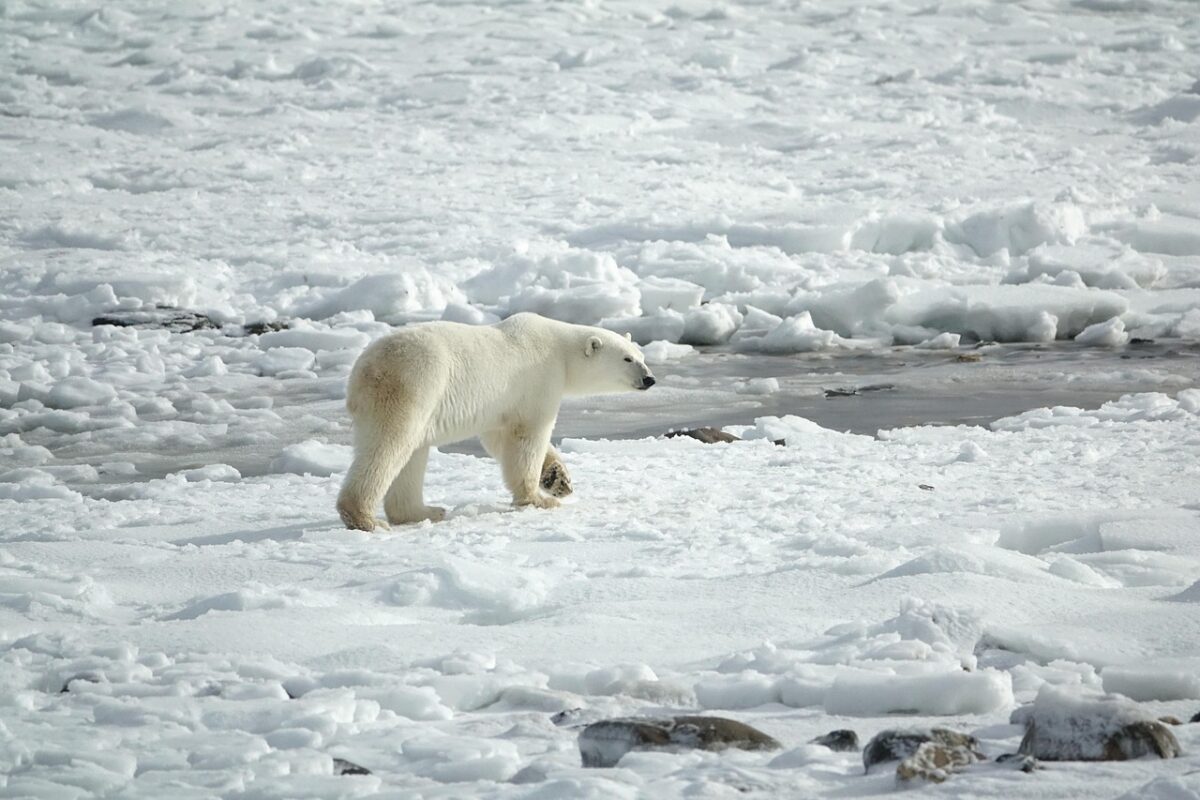
One proposal involves spraying tiny reflective particles high in the sky to cool the planet. Another suggests pulling gigatons of CO₂ out of the air and burying it underground like climate laundry.
Most of these ideas come with the same giant warning label: “Please don’t try this without adult supervision.” Geoengineering could help stabilize the climate, but it could also make things worse, or create brand new problems we haven’t even imagined yet.
Still, the fact that humans now have the power to influence something as ancient and automatic as an ice age is… well, a little unbelievable. We’ve gone from passengers to people tinkering with the controls.
Up next: The last time CO₂ was this high and what Earth looked like back then. Hint: Very different.
The Last Time CO₂ Was This High
To understand how unusual today’s CO₂ levels are, you have to go way back. The last time Earth saw more than 430 ppm was roughly 3 million years ago, during a warm era called the Pliocene. And trust me, the planet looked nothing like it does now.
Sea levels were much higher, somewhere between 20 and 25 meters above today’s coastlines. That means cities like Miami, New Orleans, Amsterdam, and Shanghai wouldn’t just be underwater; they’d be deep underwater. Think scuba gear, not sandbags.
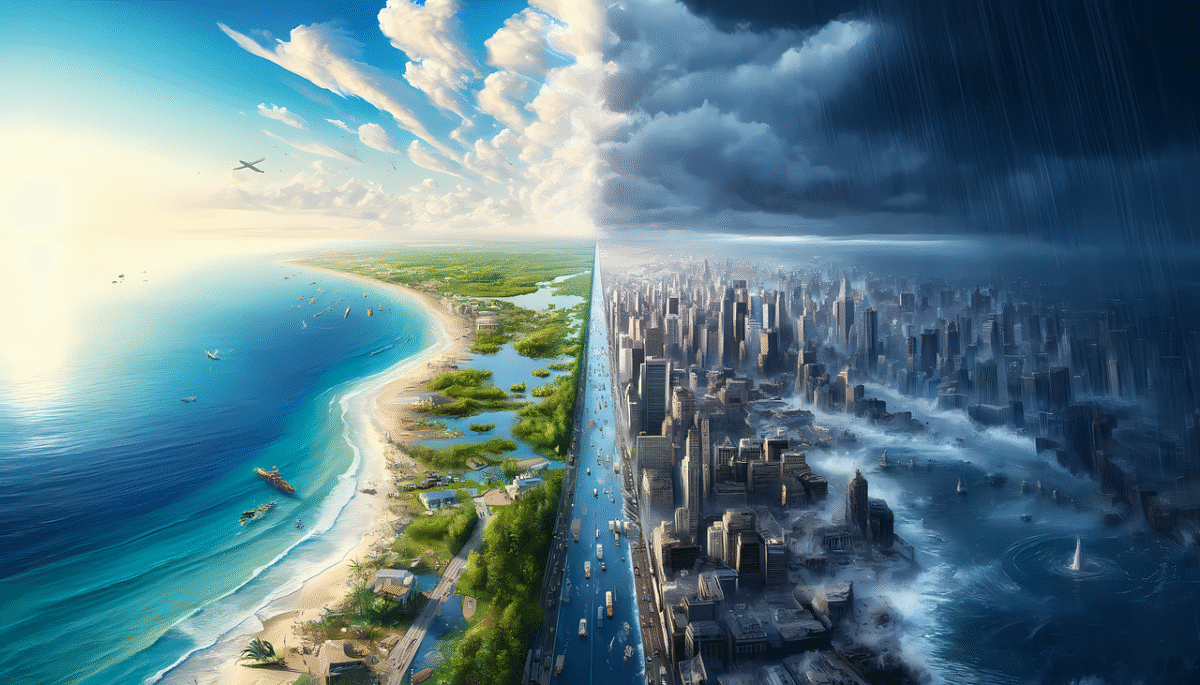
Global temperatures were also warmer, forests stretched farther north, and animals lived in habitats that don’t even exist today. There were no humans yet, which some people might say is probably a good thing.
What really matters is this: when CO₂ climbed this high in Earth’s past, the planet stayed warm, oceans rose, and glaciers stayed small. In other words, today’s CO₂ levels aren’t just a climate footnote; they’re a signal that Earth is operating in a state it hasn’t seen in millions of years.
Up next: Could an ice age still show up earlier than expected? Some new research says… maybe.
Could an Ice Age Still Arrive Earlier Than Expected?
Here’s a plot twist no one saw coming: a few recent studies suggest Earth might cool faster than older models predicted. Not “ice age next Tuesday” fast, but fast enough to make some scientists raise an eyebrow.
One 2025 theory looks at how the ocean buries carbon over long timescales. In warmer climates, the ocean’s biological engines can get supercharged, locking away CO₂ faster than expected.
That would make atmospheric carbon drop sooner, which could, theoretically, nudge Earth back toward natural cooling earlier than the big-delay models suggest.
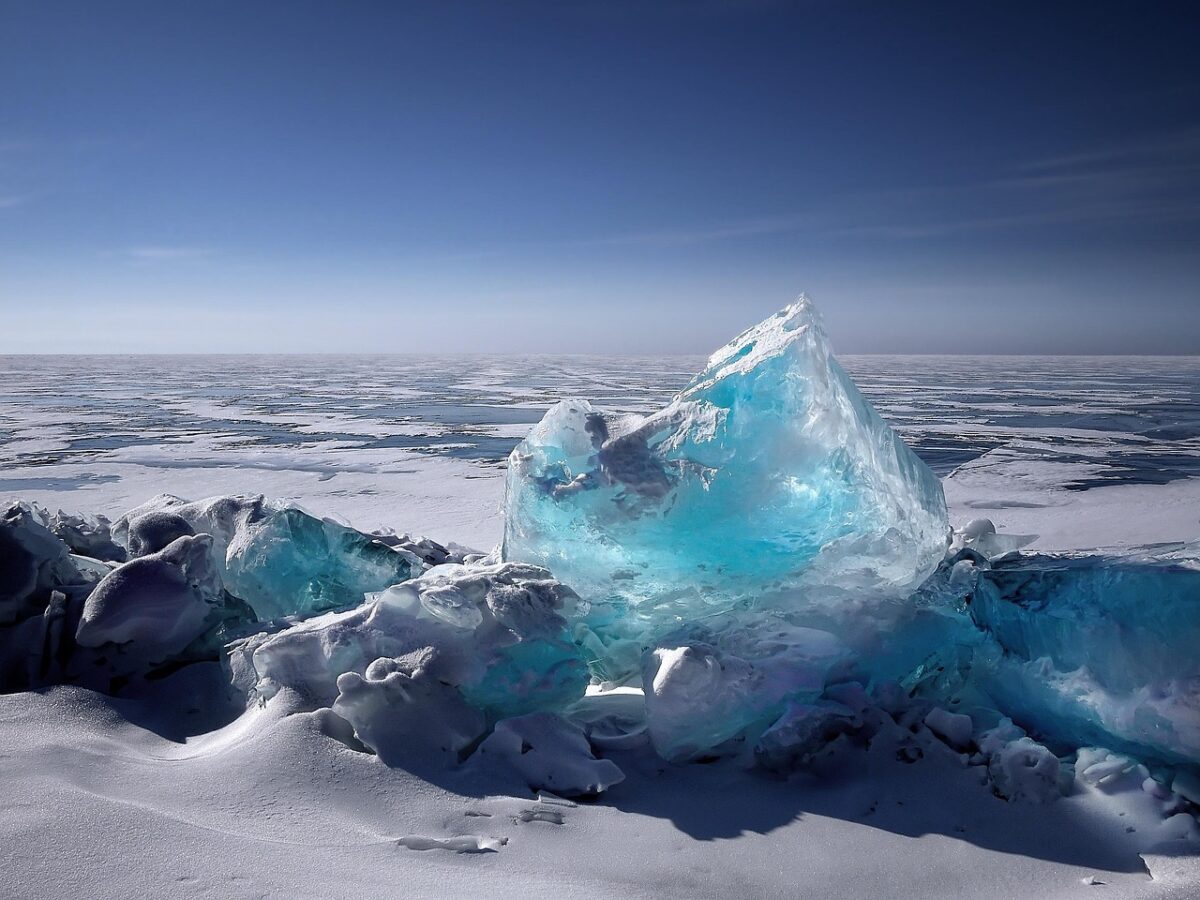
Does this mean we’re suddenly closer to an ice age again? No. Not even remotely. But it does mean the climate system has a few surprise tricks humans didn’t account for. Think of it as the universe saying, “Don’t get too confident in your timelines.”
Up next: What an ice age would actually look like if it started during our lifetime and why Hollywood gets it wrong.
What an Ice Age Would Look Like
Imagine waking up one winter and realizing the snow… just never melted. That’s how a real ice age begins. No giant wall of ice crashing over the horizon. No instant freeze. Just winter creeping a little deeper into spring, year after year.
At first, you’d barely notice. Summers would feel slightly cooler. Snow in northern Canada and Siberia would linger a few weeks longer than usual.
A decade later? Those areas would start keeping snow year-round. That’s the first real hint that glaciers are coming back.
Fast-forward a few centuries, and the changes get dramatic. Ice sheets would thicken and slowly push south, swallowing landscapes the way they did during past ice ages.
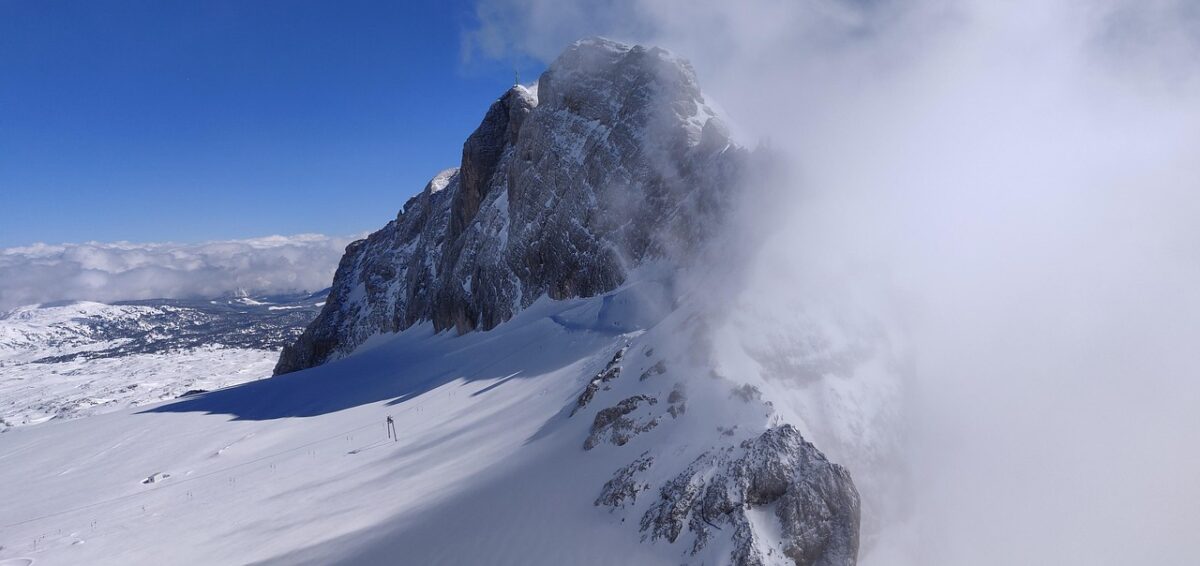
Places like Chicago, London, and Berlin wouldn’t disappear overnight, but over thousands of years, they’d be buried under hundreds of meters of ice.
Sea levels would drop as all that frozen water is locked up on land. Coastlines would stretch outward. Whole ecosystems would shift. Humanity wouldn’t vanish, but we’d be moving a lot, following food, warmth, and habitable land like our Ice Age ancestors once did.
Of course, none of this is happening anytime soon. But imagining it makes it easier to understand just how massive an event an ice age really is and why delaying one changes Earth’s future more than almost anything else humans have done.
Up next: If an ice age started today, who freezes first? Let’s talk geography.
Who Freezes First?
Regional Impacts Around the World
If an ice age ever did begin again, it wouldn’t blanket the whole planet all at once. Some places get hit early, some barely notice until much later, and a few lucky regions skate by with only mild changes. And yes, it’s surprisingly predictable.
The first areas to freeze are always the high-latitude zones of the Northern Hemisphere. Think northern Canada, Alaska, Siberia, and parts of Scandinavia.
Snow there already lasts longer than anywhere else, so when cooling starts, these regions are the first to cross the “snow doesn’t melt anymore” line. That’s where ice sheets start growing.
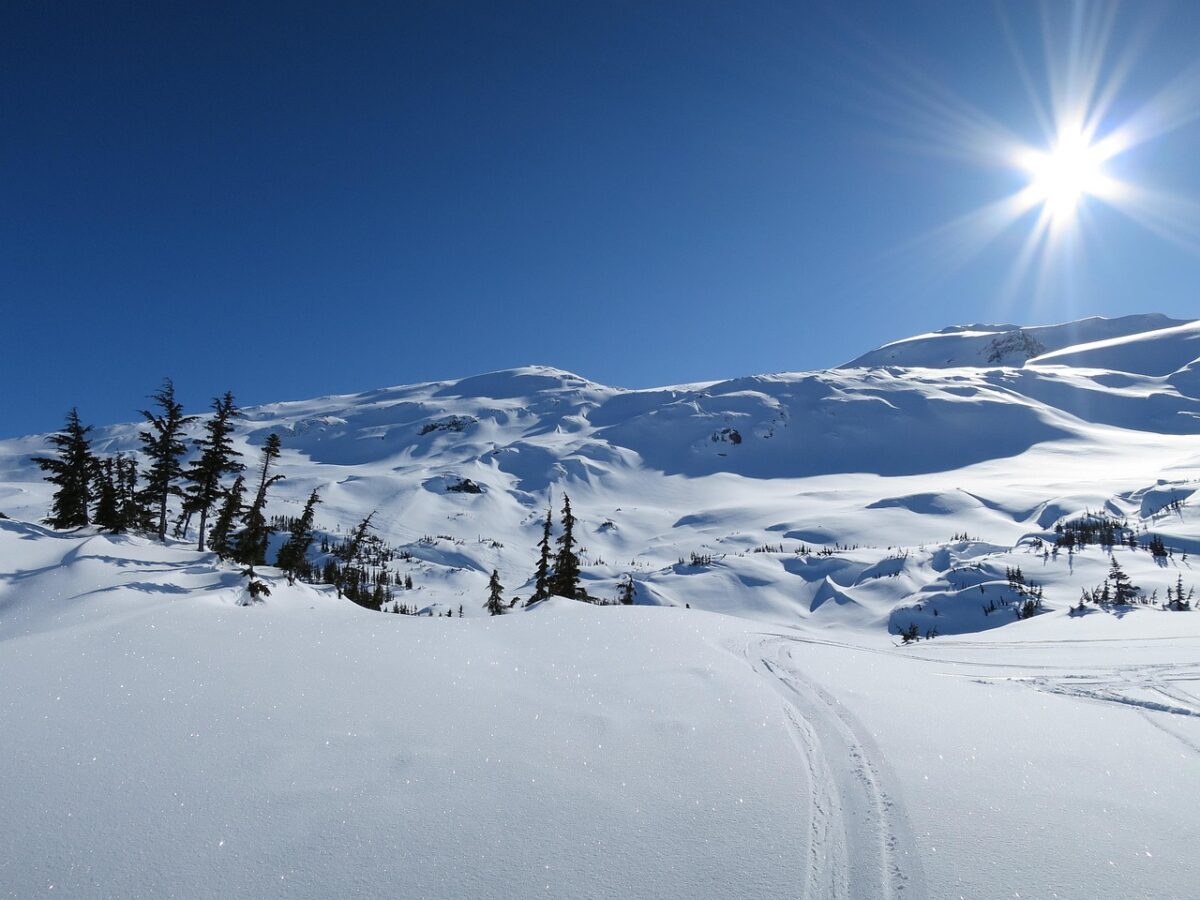
As glaciers expand, they push south. The next regions to feel the chill would be southern Canada, much of northern Europe, and parts of Russia. These are the areas that historically got buried under kilometers of ice during past glacial periods.
Cities we know today, such as Toronto, Copenhagen, and Moscow, would eventually be under thick ice in a true ice age scenario.
Meanwhile, places farther south would experience cooler, drier climates but not full-on glaciation. The United States, most of Europe, and much of Asia wouldn’t freeze solid; they’d just feel like they permanently swapped summer for a very long late fall.
Agriculture would shift, ecosystems would reshuffle, and humans would migrate toward warmer regions.
Up next: Let’s clear up the biggest confusion of all, “mini ice ages” vs. real ones.
Mini Ice Ages vs. Real Ice Ages: What People Get Wrong
“Mini ice age” is one of those phrases that pops up online every few months, usually attached to a dramatic headline and a picture of a frozen New York City.
But here’s the truth: a mini ice age is nothing like the real thing. A mini ice age is basically a long stretch of cooler-than-normal weather.
Think of Europe’s “Little Ice Age” from the 1300s to the 1800s: colder winters, frozen rivers, and some crop failures, but nothing like the continental ice walls people often imagine. You could still farm, still travel, still enjoy a summer. You just needed better winter clothes.
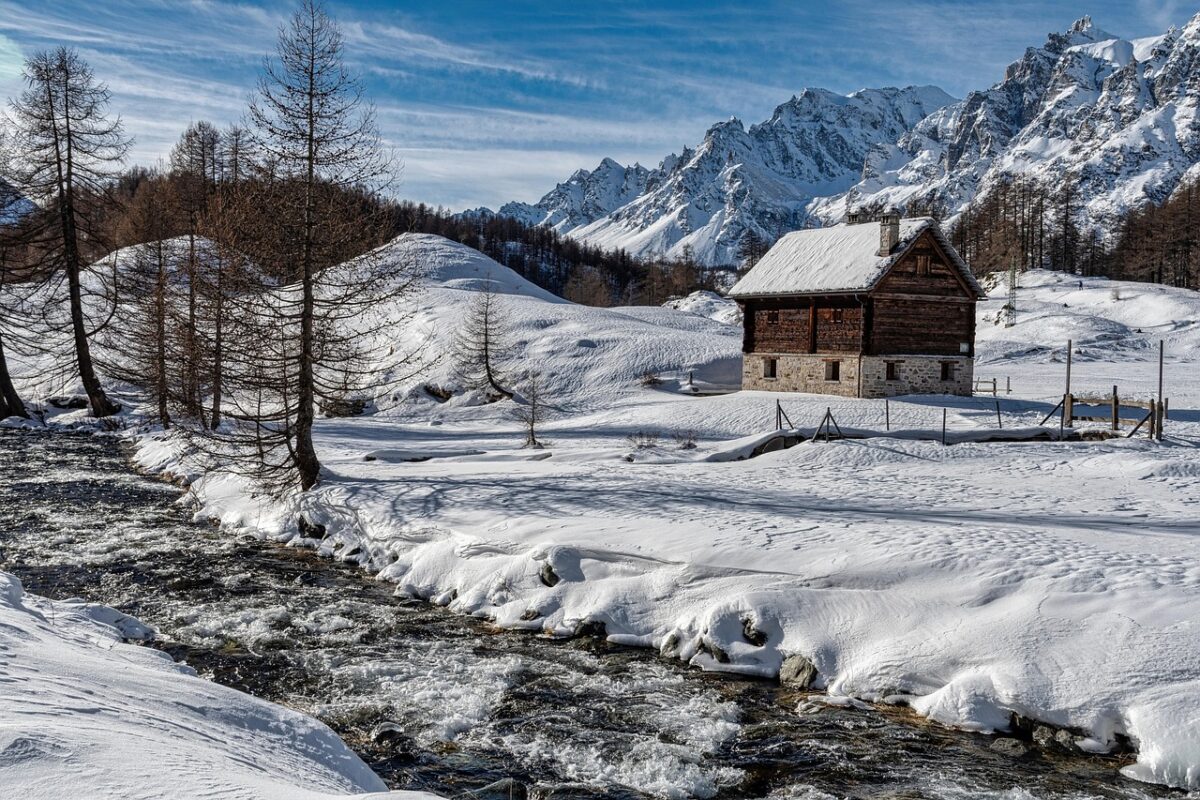
A real ice age, on the other hand, is a slow-motion planetary makeover. Ice sheets grow thousands of feet thick and spread across continents. Sea levels drop. Ecosystems shift. Humans migrate. It’s not a bad winter; it’s a whole new world.
The only thing mini ice ages and real ice ages have in common is the word “ice.” That’s pretty much it. One is a chilly chapter in human history. The other is a full reboot of Earth’s climate.
Up next: The weirdest ice age myths people still believe (and why they won’t go away).
5 Weird Ice Age Myths
Before I go any further, let’s clear up some of the wild ice-age myths that never seem to die. These pop up on social media all the time, and some of them are so persistent you’d think they were carved into a glacier.
Have you heard of a strange ice age theory that I didn’t cover? Drop it in the comments, because we love a good myth to debunk.
1. “Ice ages arrive overnight.”
Nope. Ice sheets move more slowly than your phone’s software updates. It takes thousands of years for them to build and spread, and not a single dramatic Hollywood scene.
2. “Global warming will trigger an ice age.”
This one sounds dramatic, but it’s backward. Ice ages only begin when CO₂ is low and summers are cool. Right now, we’ve got the exact opposite.
3. “A volcano or solar minimum can start an ice age instantly.”
Nice try, internet. Those things can nudge short-term climate, but they don’t control the deep, slow cycles that drive real glaciations.
4. “We’re overdue for an ice age any day now.”
If an ice age is coming “any day now,” it’s the longest surprise party in history. These events unfold over tens of thousands of years, not on the scale of weather forecasts.
5. “Mini ice age = actual ice age.”
A mini ice age is just a stretch of colder weather. A real ice age reshapes continents. Big difference, same dramatic name.
Up next: Could we have actually skipped the next ice age altogether? Some scientists think it’s possible.
Could We Have Already Skipped the Next Ice Age?
Here’s a twist that sounds like science fiction but comes straight from real research: a few climate scientists think we may have actually skipped the next ice age entirely. Not delayed. Not postponed. Skipped, like flipping past a track on a playlist.
Basically, if the atmosphere is too warm for too long, the conditions that kickstart an ice age never line up. The planet keeps moving forward, but the glaciation “trigger zone” slips behind us.
Not every scientist agrees with this idea, but it’s definitely on the table. And it shows just how dramatically human activity has altered Earth’s natural course.
Up next: What happens after the next ice age — whenever it finally decides to show up.
After the Next Ice Age
The Far Future of Earth’s Climate
It sounds strange to think about what happens after the next ice age, especially since that one hasn’t even started yet. But Earth’s climate has a pattern, and it keeps going long after any single glacial cycle ends.
Once an ice age eventually melts away, Earth enters another warm period like the one we’re in now. Ice sheets retreat, sea levels rise, and life spreads back into places that were once buried under kilometers of ice.
Then the pendulum swings again, and another ice age slowly builds. Over very long timescales, hundreds of thousands to millions of years, even that familiar rhythm fades.
Up next: Why does any of this matter for us right now, not thousands of years in the future?
Why Does Any of This Matter for Us Today
Ice ages sound like far-off problems, but the reason we’ve delayed the next one is the same reason the climate is changing right now: high CO₂ levels. That’s the real story. The atmosphere is so warm and carbon-rich that Earth can’t even begin its next cooling phase.
Seeing how much we’ve shifted the planet’s long-term timeline simply shows how powerful our impact already is. It’s a reminder that the choices we make today don’t just affect tomorrow’s weather; they echo across centuries.
We may never see an ice age, but we’re living through the part of the story that matters most.
Up next: Fast answers to the biggest questions people always ask about ice ages.
Frequently Asked Questions
Before I wrap up, here are the questions people ask constantly whenever ice ages come up. If I missed yours, drop it in the comments – we’re always happy to tackle the weird ones too.
Could an Ice Age Start in Our Lifetime?
No. CO₂ is far too high for glaciation to begin, and it will stay that way for thousands of years.
Can Global Warming Trigger an Ice Age?
No. That’s a movie plot, not science. Ice ages need low CO₂ and cool summers.
Could Humans Stop a Future Ice Age on Purpose?
In theory, yes, but intentionally controlling climate is risky, controversial, and not something scientists want to rush into.
Are Mini Ice Ages the Same as Real Ice Ages?
Not even close. Mini ice ages are just cooler periods; real ice ages reshape continents.
Did We Really Delay the Next Ice Age?
Yes. The delay is real, even if the exact length is still being debated.
Could Earth Cool Faster Than Expected?
Possibly, some new research hints at it, but nowhere near fast enough to start a real ice age anytime soon.
Will Earth Eventually Enter Another Ice Age?
Yes. Just not for a very, very long time.
Earth Is Changing Fast – See How Animals Are Fighting to Survive
If you’re curious about what else is shifting on our planet, check out our guide to endangered animals fighting for survival right now, or learn about the recently extinct species we lost before most people even knew they existed.
Feeling hopeful? You can even adopt a penguin and directly support conservation efforts. And if you’ve ever wondered why bees are dying, our deep dive explains what’s really happening and how you can help.
Share Your Thoughts With Us! We’d love to hear what you think, whether you’ve heard a wild ice-age theory, have a question I didn’t cover, or just want to share your take on how Earth’s climate is changing. Drop your thoughts in the comments and join the conversation!