When you purchase through links on our site, we may earn a commission. Here’s how it works.
What if your final resting place wasn’t a cold stone in a crowded cemetery, but a living forest, a strong young tree, or a thriving habitat full of new life?
Table of Contents
For many of us, the idea of leaving the world the way we found it just doesn’t feel right. We recycle, we conserve, we try to tread lightly, so it makes sense to wonder if our final goodbye can reflect those same values. That’s where green burials come in: simple, natural, eco-friendly ways of honoring a life while also giving something back to the Earth.
Whether you’re grieving a recent loss or quietly planning ahead for yourself, exploring green burial options can be both comforting and empowering. In this guide, we’ll walk through a variety of eco-friendly choices, like becoming a tree, resting in a natural forest, or even helping restore fragile ecosystems, so you can find a farewell that feels meaningful for you and gentle on the planet.
What Is a Green Burial?
A green burial (also called a natural burial) is a way of caring for the dead that emphasizes simplicity, biodegradability, and minimal environmental impact. Instead of metal caskets, concrete vaults, and chemical embalming, green burials use natural materials, like simple shrouds, untreated wood, or biodegradable urns, and allow the body or ashes to return gently to the earth.
Want our human-written content to rank above AI-generated garbage? Help us out by clicking this button!
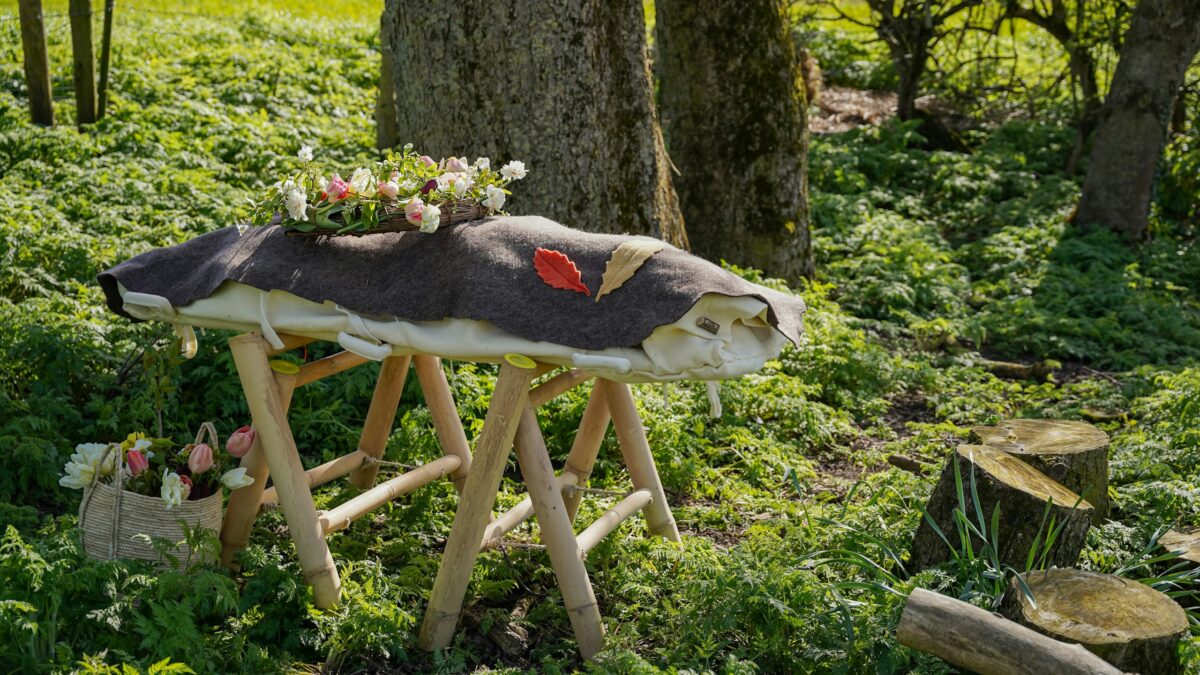
For some families, that might mean a natural cemetery with trees and wildflowers instead of rows of headstones. For others, it could mean becoming part of a living tree, a sacred forest, or even a restored ocean reef. However it looks, the heart of a green burial is the same: honoring a life while also honoring the planet.
How Green Burials Help the Environment
Traditional burials often involve metal or hardwood caskets, concrete vaults, manicured lawns, and chemical embalming. Over time, that can mean more resources extracted from the earth, more energy used in manufacturing, and more chemicals going into the ground.
Green burials take the opposite approach. They’re designed to return the body to the earth as gently and naturally as possible.
5 Ways Green Burials Help Heal the Planet
- Fewer toxic chemicals: Conventional embalming uses formaldehyde-based fluids, which can be hazardous for funeral workers and may eventually leach into soil and groundwater. Green burials typically skip embalming altogether or use non-toxic, biodegradable alternatives.
- Less metal, concrete, and plastic: Caskets, vaults, and grave liners require these materials to produce, transport, and install. Natural burials use simple shrouds or biodegradable coffins that break down over time rather than persist in the ground.
- Lower carbon footprint: By avoiding heavy manufacturing, long-distance shipping, and intensive landscaping, you reduce emissions. Green burial grounds often look more like meadows or forests than traditional cemeteries, which reduces ongoing mowing, fertilizer, and pesticide use.
- Protecting and restoring natural habitats: Some green cemeteries are within conservation areas or work with land trusts. Choosing a green burial there can help fund the protection of forests, grasslands, and wildlife habitats, turning your resting place into a small act of conservation.
- Supporting soil health and new life: In a natural burial, the body and container slowly return to the soil, feeding the underground web of microbes, insects, and plant roots. When trees or native plants are part of the memorial, that cycle continues for decades as new growth takes hold.
For people who care deeply about the planet, a green burial can feel less like an ending and more like becoming part of a much bigger, living system. The video below shares a closer look at green burial and why it matters.
Research Spotlight
Independent life cycle assessments comparing funeral methods have found that natural burial has the smallest overall environmental impact of the major options, including the lowest contribution to climate change. One recent analysis estimated natural burial at around 40 kg of CO2 equivalent, significantly less than conventional burial or cremation.
Separate modeling that compared conventional burial, cremation, green burial, and human composting found that human composting and green burial perform far better at reducing carbon pollution, saving an estimated 0.84 to 1.4 metric tons of CO2 per person compared with traditional options.
Green Burial vs Traditional Burial: Costs & Impact
Many families are surprised to learn just how significant the differences are, both for the environment and for their budget. Every situation is unique, and prices vary widely by region and provider, but here’s a simple way to compare.
Environmental Impact
Most of us don’t realize it, but the way we’ve come to think of a “normal” funeral can be incredibly hard on the planet.
Traditional burials typically include:
- Embalming with chemical fluids, often containing formaldehyde
- Metal or hardwood caskets that will never naturally break down
- Concrete vaults or grave liners surrounding the casket
- Manicured cemetery lawns that require constant mowing, watering, and chemicals
All of that has a cost that goes far beyond the funeral bill. Embalming introduces toxic chemicals into the environment and exposes funeral workers to substances that major health agencies classify as potential carcinogens.
We bury vast amounts of metal, wood, and concrete underground every year. They use energy and resources to produce and transport materials that will simply sit there, locked away from the natural cycle of life.
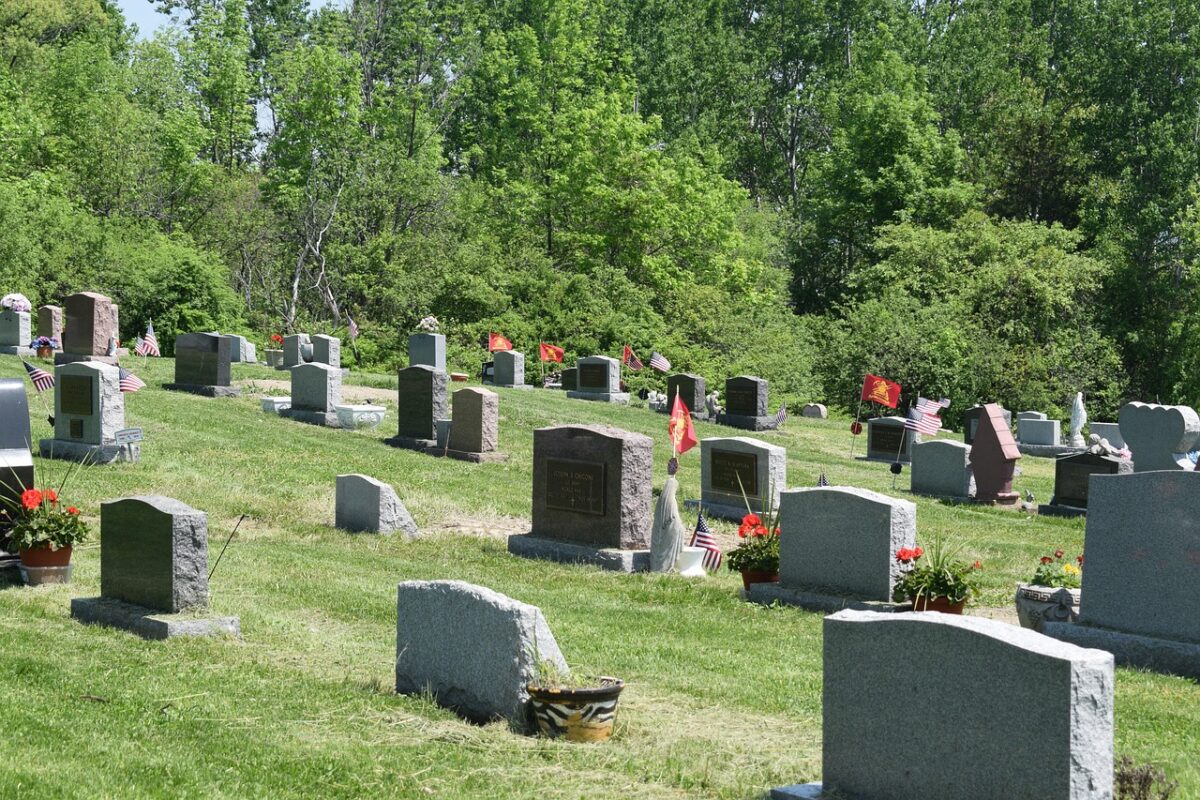
Now imagine the big picture: rows and rows of sealed caskets and vaults, stretching across acres of land that could otherwise support trees, pollinators, wildlife, or even be returned to wild habitat. When cemeteries are kept like golf courses, short grass, few trees, regular fertilizer and pesticide use, the footprint quietly grows year after year.
What About Cremation?
Cremation is often seen as the “greener” alternative, but it isn’t impact-free either. Cremation usually avoids embalming and burial vaults, which can reduce some resource use. But the process itself requires very high heat, often powered by fossil fuels, and releases carbon dioxide and other emissions into the air. When millions of people choose cremation each year, that adds up to a significant global footprint over time.
Green burials turn both of these models upside down. Instead of trying to preserve the body at all costs, the goal is to return it to the earth gently, with as little disruption as possible. A natural burial usually means:
- No (or minimal, non-toxic) embalming
- A simple shroud or biodegradable coffin/urn instead of metal and heavy hardwoods
- Burial in a natural, meadow-like, or woodland setting rather than a heavily engineered cemetery
What the Change Means
That change alone ripples outward. With fewer manufactured materials, there’s less mining, logging, and industrial processing. Little or no embalming means less chemical exposure for workers and less risk of those chemicals entering soil and water. Due to the natural, unmanicured landscapes, there is less mowing, less fuel, and fewer fertilizers and pesticides.
In conservation and woodland burial grounds, the impact goes even further. Your burial can actually help protect land from development, preserve habitat, and support biodiversity. Instead of acres of sealed boxes and concrete, you get trees, roots, birds, insects, and wildflowers. A place that is alive and changing, not just maintained.
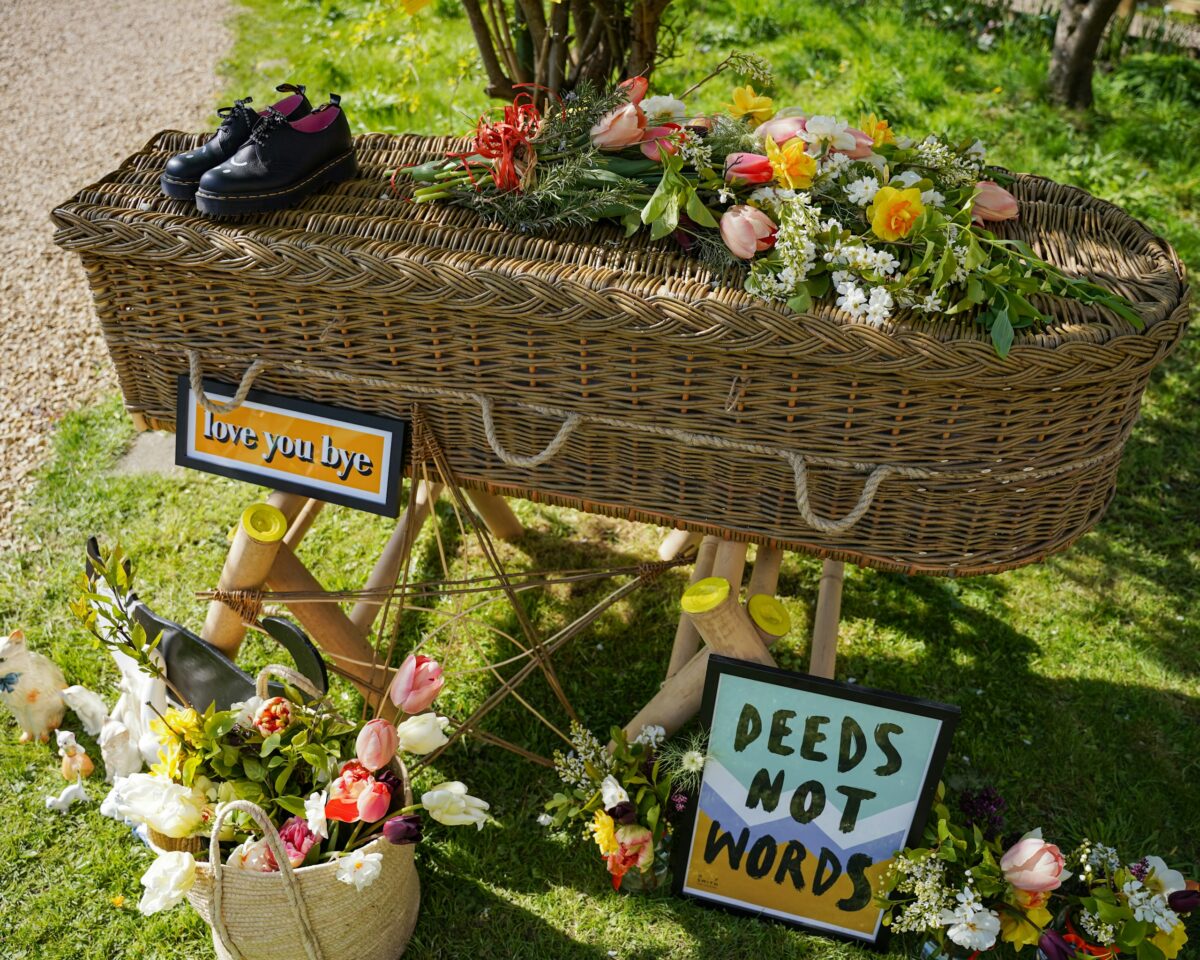
For many people, that’s the heart of the decision. A traditional funeral can feel like sealing everything away. Cremation can feel simpler, but it still has a significant impact on the natural world. A green burial, by contrast, can feel like a final act of kindness. A way of saying, “I was here, and I cared about the world I’m leaving behind.”
Cost Considerations
Exact costs depend on your location, cemetery fees, and the specific products or services you choose. In general terms:
- Traditional cemetery burial: Often includes: body preparation, casket, vault, grave space, opening/closing the grave, headstone, and service fees. Altogether, this can add up to many thousands of dollars.
- Green burial in a natural cemetery: May include: simple preparation, a shroud or basic biodegradable coffin, and a plot in a green or conservation cemetery. Without an expensive casket, vault, or elaborate monument, overall costs can be lower for some families—though certain conservation cemeteries may charge more for protected land.
- Green cremation-based options: When cremation combines with a tree urn, capsule, or reef memorial, the total cost usually includes cremation fees plus the specific product or service you choose. Simple tree urns often cost significantly less than a traditional funeral and burial, while more elaborate options like ocean reefs can be closer in price to a traditional burial or even higher, depending on the package.
The most important thing is transparency. Whatever direction you’re leaning, ask providers for a written, line-by-line price list to compare options clearly. Choose what fits your values, not just what’s presented first.
Quick Comparison
These ranges are rough estimates and can vary widely by region, provider, and the level of service you choose.
| Option | What’s Usually Included | Approx. Cost Range (USD) | Environmental Impact Snapshot |
|---|---|---|---|
| Traditional funeral & cemetery burial | Embalming, viewing/service, metal or hardwood casket, vault/grave liner, cemetery plot, opening/closing grave, headstone. | $7,000 – $12,000+ | High material use (metal, wood, concrete), chemical embalming, and ongoing lawn maintenance (mowing, fuel, fertilizers, pesticides). |
| Direct cremation (basic) | Cremation, simple container, basic paperwork; memorial service may be separate or DIY. | $1,000 – $4,000 | Green/natural burial (no vault) |
| Cremation plus a tree urn or capsule, or reef structure placement; may include a ceremony at planting or at sea. | Simple body preparation, shroud or biodegradable coffin, plot in a green or natural cemetery, simple marker or GPS coordinates. | $2,000 – $5,000 | Minimal materials, little or no embalming, natural landscapes that support soil health, plants, and wildlife instead of manicured lawns. |
| Green cremation-based memorials (tree urns, capsules, reef memorials) | Cremation plus a tree urn or capsule, or reef structure placement; may include a ceremony at planting or at sea. | $1,500 – $7,500+ | Uses cremation energy but can support reforestation, soil restoration, or marine habitat; impact depends on the specific product and travel involved. |
Green Burial Council & Other Helpful Organizations
The Green Burial Council (GBC) is a nonprofit organization that sets standards for what truly qualifies as a “green” or natural burial. Because the term is used loosely in marketing, GBC certification helps families identify which cemeteries, funeral homes, and products actually meet clear environmental criteria.
When a cemetery or provider is Green Burial Council certified, it means they have committed to:
- Using minimal or no toxic chemicals, including conventional embalming fluids
- Allowing only biodegradable burial containers, shrouds, or urns
- Protecting local ecosystems, soil, and water as part of their burial practices
- Maintaining clear, transparent policies around how the land is cared for long-term
For families who want a genuinely eco-friendly farewell, choosing a GBC-certified provider can offer extra peace of mind that their choices are aligned with their values and with the planet.
Other Organizations That Can Help
You don’t have to navigate all of this alone. Several organizations offer unbiased education, consumer protection, and guidance around greener end-of-life options:
- Green Burial Council (GBC)
Standards, certification, and directories for green cemeteries, funeral homes, and burial products. - Funeral Consumers Alliance (FCA)
A nonprofit that helps families understand their rights, compare prices, and avoid pressure into services they don’t want or need. - Conservation Burial Alliance (CBA)
An alliance of conservation burial grounds that focus on land protection, habitat restoration, and long-term stewardship. - National Home Funeral Alliance (NHFA)
Education and resources for families interested in more hands-on, home-based after-death care that often pairs naturally with green burial. - The Order of the Good Death
A group of funeral professionals, academics, and advocates who promote “death positive” conversations, including natural and eco-friendly options.
Exploring these resources can be a powerful first step, whether you’re planning ahead for yourself or honoring the wishes of someone you love.
10 Types of Green Burial & Eco-Friendly After-Death Options
There’s no single “right” way to have a green funeral. Depending on your values, location, and budget, you can choose from a range of options that reduce environmental impact, support conservation, and feel more meaningful than a traditional, highly commercialized funeral.
Below are some of the most common eco-friendly choices and how they affect the planet.
1. Natural (Green) Burial in a Cemetery
In a natural or green cemetery, the goal is simple: return the body to the earth with as little disturbance as possible. The body is typically not embalmed (or is prepared with non-toxic alternatives) and is laid to rest in a simple shroud or biodegradable coffin. There are no concrete vaults, ornate headstones, or manicured lawns.
Graves are often marked with flat stones, local rocks, native plants, or GPS coordinates. The landscape looks more like a meadow or woodland than a traditional cemetery, and over time, the burial ground becomes a functioning habitat rather than just a place that needs constant mowing and chemicals.
Environmental impact:
By skipping embalming, vaults, and heavy caskets, natural burial reduces the use of metal, concrete, and chemicals common in conventional cemeteries. That means less energy used to manufacture and transport materials, fewer potential pollutants in soil and water, and more room for trees, pollinators, and wildlife instead of an endless lawn.
- Best for: People who want a familiar burial experience (body, graveside service, cemetery visits) with a much lighter environmental footprint.
- Key considerations: Availability in your area, plot costs, and whether the cemetery has third-party green certification (like Green Burial Council standards).
2. Conservation Burial
Conservation burial is a specific type of green burial done on land that’s permanently protected in partnership with a conservation organization or land trust. Your burial plot literally helps fund conservation of that land, protection of wildlife, and restoration of native ecosystems.
Conservation burial grounds follow strict ecological standards: graves are dug with minimal disturbance. Only biodegradable containers are used, and native plants and wildlife are prioritized over ornamental landscaping. Trails are often designed with habitat in mind, and there may be ongoing projects like invasive species removal or tree planting.
Environmental impact:
With conservation burial, your final resting place becomes part of a larger conservation plan. Instead of your grave being one more developed space, it helps keep land from becoming a subdivision or parking lot, supports biodiversity, preserves corridors for wildlife movement, and can even contribute to carbon storage in forests and soils.
- Best for: People who want their resting place to directly support land conservation and habitat protection.
- Key considerations: Limited locations (often in certain regions only), plot costs that may be higher due to long-term land stewardship, long-term access, and maintenance over decades.
3. Home Burial (Where Legal)
In some areas, it’s legal to bury a loved one on private land, with permits and zoning rules. Home burial can be one of the most intimate forms of green burial. The family may wash and dress the body, build or decorate a simple coffin, and hold a ceremony in the yard or on family property.
Bodies are usually not embalmed and are placed in a shroud or plain coffin that will break down in the soil. The grave becomes part of the everyday landscape of the home.
Environmental impact:
Home burial avoids much of the industrial infrastructure: no cemetery vaults, no big monuments, no heavily maintained lawns. Transportation needs also lessen, as the body doesn’t need to be moved long distances. The main footprint comes from the container used and from travel by friends and family attending the ceremony.
- Best for: Families who want a very hands-on, home-centered, low-impact farewell.
- Key considerations: Local laws and permits (these can be very specific and vary widely), long-term property plans, and how comfortable everyone in the household is with a grave on the property.
4. Green Cremation (Alkaline Hydrolysis / Water Cremation)
“Green cremation,” also known as alkaline hydrolysis or water cremation, is an alternative to flame cremation. Instead of intense heat and fire, the body is gently broken down in a water-based solution containing alkali, at warm temperatures, and sometimes under pressure.
At the end of the process, what remains are bone fragments (processed into ashes, similar to fire cremation) and a sterile liquid that can be safely treated. Because it uses lower temperatures and no direct flames, it typically uses less energy than traditional cremation and produces far fewer air emissions.
Environmental impact:
Compared with conventional cremation, water cremation can mean lower greenhouse gas emissions and less reliance on fossil fuels. It also avoids mercury emissions from dental fillings and other pollutants that can be released during flame cremation. It still requires energy and specialized equipment, but the overall footprint is often significantly smaller.
- Best for: People who prefer cremation but want a lower-impact, less polluting process where it’s available.
- Key considerations: Legal status and availability where you live, cost relative to traditional cremation, and whether nearby funeral homes or crematories offer it yet.
5. Reef Memorials
Reef memorials mix cremated remains into a specially formulated, marine-safe concrete structure shaped to mimic natural reef formations. These memorial “reef balls” or sculptures are placed in approved ocean or coastal locations. There, they provide shelter and surfaces for coral, fish, and other sea life.
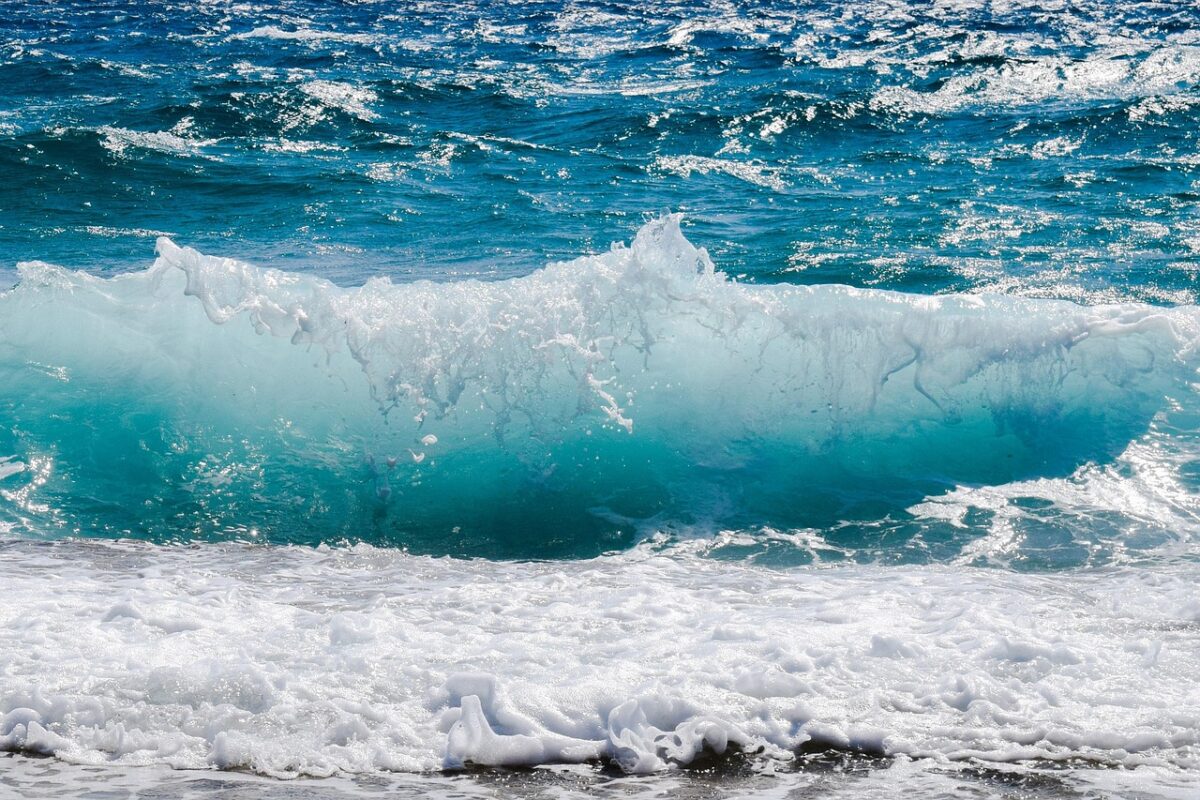
Families may be able to attend a dedication ceremony on a boat, participate in placing the memorial, or later visit the site through boating or diving trips.
Environmental impact:
Traditional cremation is still part of the process, so there is an energy and emissions footprint up front. But the resulting reef structure can help stabilize seabeds, provide habitat in places where natural reefs are damaged or scarce, and contribute to long-term marine biodiversity. In some projects, reef memorials are part of larger restoration efforts that support coastal resilience and fish populations.
- Best for: Ocean lovers, divers, sailors, or anyone who feels deeply connected to the sea and wants a memorial that actively supports marine life.
- Key considerations: Higher cost than basic cremation, travel to the reef site for ceremonies or visits, and comfort with the memorial being at sea rather than on land.
6. Human Composting (Natural Organic Reduction)
Human composting, or Natural Organic Reduction (NOR), places the body in a vessel with natural materials like wood chips, straw, and alfalfa. Over several weeks under controlled conditions of warmth, moisture, and oxygen, microbes transform the body into nutrient-rich soil.
The video below from Return Home explains this in more detail.
Once the process is complete, families usually receive a portion of the soil for gardens or memorial plantings. The rest is often used in reforestation or land restoration projects.
Environmental impact:
Human composting bypasses embalming, metal caskets, and vaults entirely. It can use significantly less energy than cremation and avoids air emissions from burning. The resulting soil can help build healthy topsoil, store carbon, and nourish plants and trees, making it especially powerful when used to restore degraded land or support reforestation.
- Best for: People who love the idea of becoming soil directly and contributing to land healing and restoration.
- Key considerations: Legal only in certain states or countries so far, requires access to a specialized facility, and may be new or unfamiliar to some family members and communities.
7. Biodegradable Caskets & Shrouds (Including Mushroom Suits)
Even if you use a conventional cemetery or cremation, you can choose greener burial containers.
Biodegradable caskets use materials like plain pine, cardboard, wicker, or bamboo, often without metal hardware, varnishes, or synthetic linings. Shrouds are simple cloth wraps from natural fibers such as cotton, linen, hemp, or wool.
Innovative options like mushroom burial suits (sometimes called “infinity suits”) are designed to encourage decomposition. They may incorporate fungi intended to help break down the body and filter certain substances as the body returns to the soil.
Environmental impact:
Choosing a biodegradable container reduces the amount of metal, plastic, and chemical finishes buried in the ground or burned in a cremation chamber. In a cemetery that allows vault-free burial, these materials can break down and rejoin the natural cycle rather than remaining sealed and inert for decades.
- Best for: Anyone wanting to reduce the footprint of their burial or cremation, even if they can’t access a fully green cemetery.
- Key considerations: Cemetery rules (some still require vaults or certain types of caskets), local availability and costs compared with standard, heavily finished caskets, and whether the funeral home is familiar with and supportive of these products.
8. Tree or “Pod” Burials
Tree and “pod” burials reimagine the grave as a source of new life. In some systems, the body is placed in a biodegradable capsule and buried beneath a young tree or in a designated “memorial forest.” Other systems use cremated remains in a special urn, with soil and a seed or sapling planted above it.
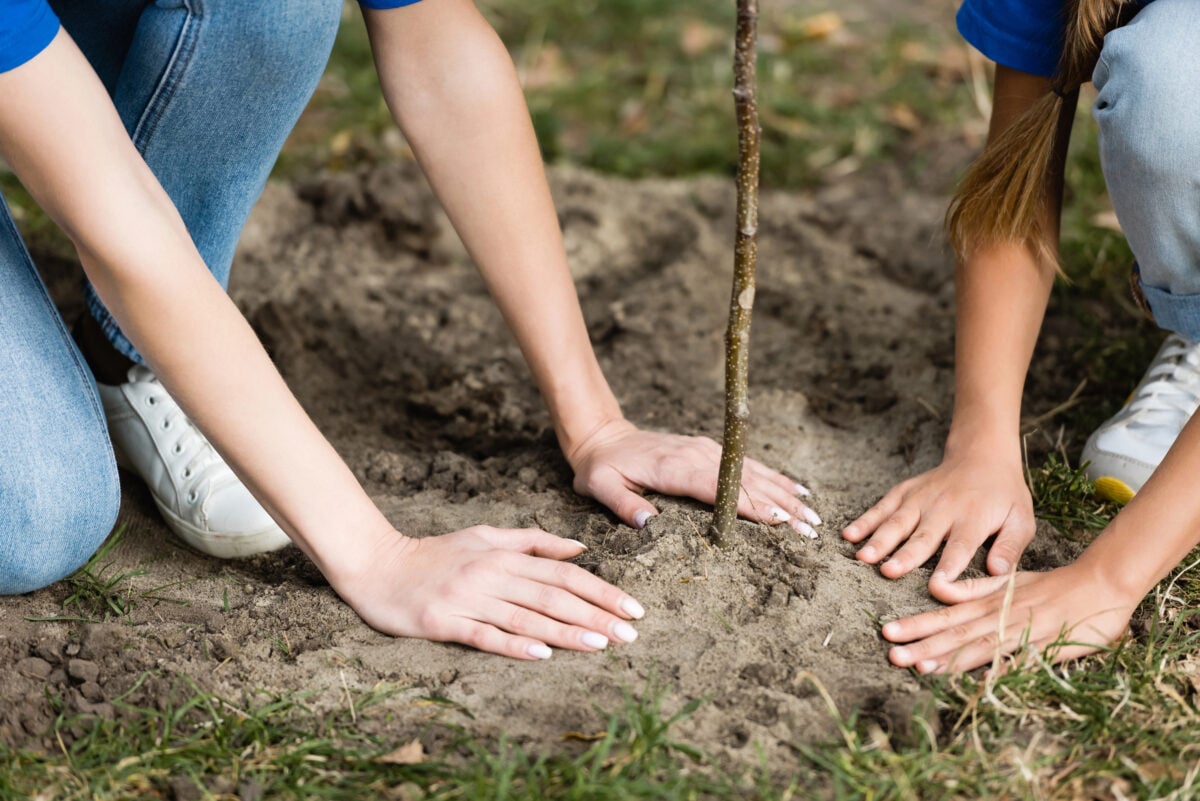
As the container breaks down, roots grow through the surrounding soil, and the tree or plant becomes a living monument. Families can visit the tree, watch it grow, and even involve younger generations in caring for it.
Environmental impact:
These options typically avoid embalming and heavy caskets and may help create or restore small pockets of forest. Each tree can provide shade, absorb carbon dioxide, support insects and birds, and improve soil over time. When done in a carefully planned memorial forest or conservation setting, the combined effect of many memorial trees can be significant for local ecology.
- Best for: Nature lovers who want a visible, living memorial that evolves and grows over time.
- Key considerations: Local burial and planting rules (you may not be able to plant on certain properties), choosing a tree species that’s native or well-adapted to the region, long-term care, and what happens if the land changes hands.
Memorial Forests: Better Place Forests & Life Forest
For people who love the idea of a tree memorial but don’t want it in a backyard or conventional cemetery, dedicated memorial forests offer a powerful middle ground. Two notable options are Better Place Forests and Life Forest.
Better Place Forests
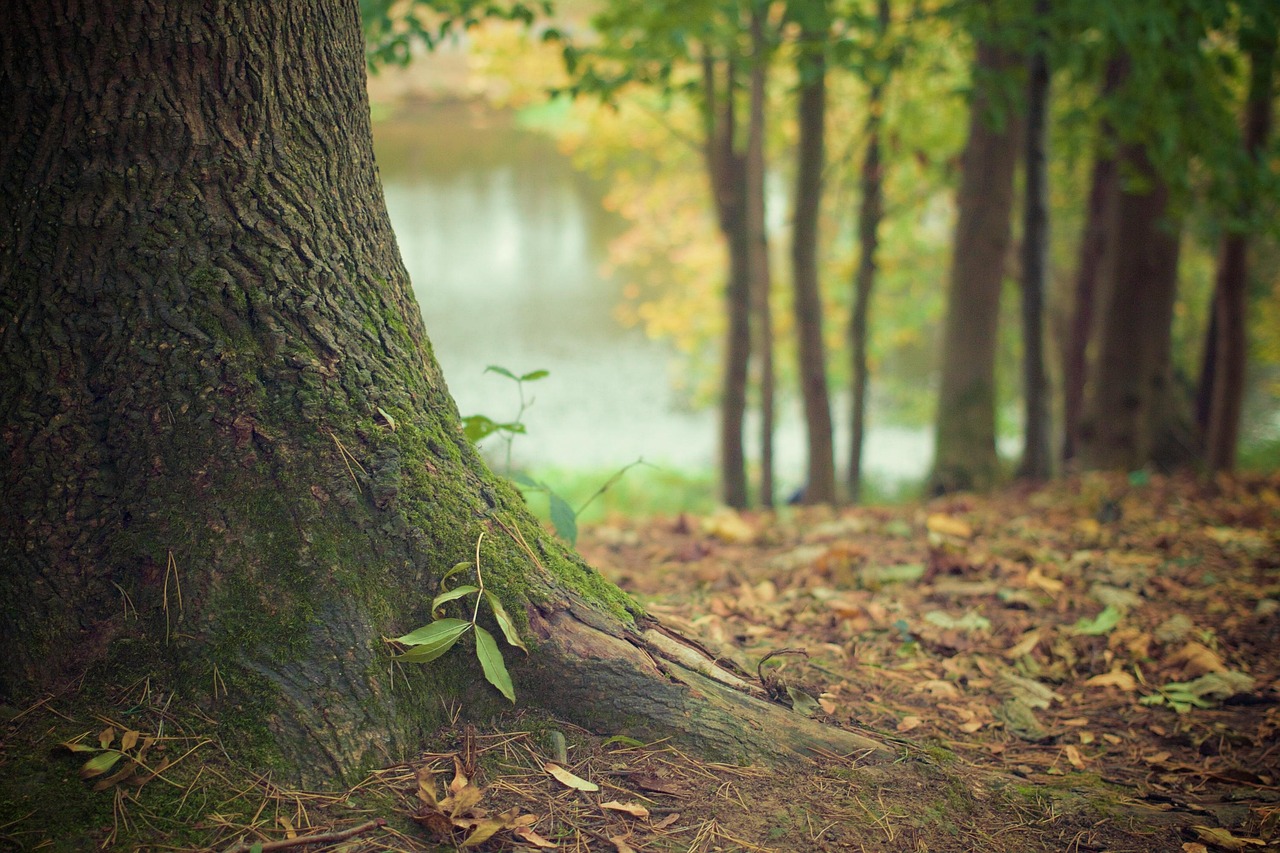
Better Place Forests creates protected memorial forests across the United States where people choose a Memorial Tree instead of a headstone. Ashes are mixed with native soil at the base of your chosen tree during a forest ceremony. The company works with conservation partners and land trusts to keep the forest permanently protected.
For each Memorial Tree selected, Better Place Forests also funds the planting of additional saplings through reforestation partners, so your tree helps restore forests beyond the memorial itself.
Life Forest
Life Forest is a nonprofit conservation cemetery with locations in New Hampshire and Maine. Here, cremated or composted remains are buried with a newly planted memorial tree in a legally protected burial ground.
Each plot is GPS-mapped and recorded by deed under cemetery law. So the tree acts as both a living memorial and a permanent grave marker. Life Forest’s mission is to replace rows of headstones with thriving forest habitat, creating a healing place for families to visit while conserving land for future generations.
Both options let you “become a tree” in a protected natural setting, with the reassurance that the land is being actively taken care of and legally safeguarded over time.
9. Eco-Friendly Cremation Memorials
If cremation is your choice (traditional or water-based), there are still greener ways to honor the remains. Instead of storing an urn on a shelf indefinitely or using heavy, non-biodegradable materials, families can opt for:
- Biodegradable scattering urns made from paper, salt, sand, or other natural materials
- Memorial trees or garden plantings with ashes mixed into soil (ideally in safe amounts and in consultation with local guidelines)
- Simple, locally made urns from wood, clay, or natural fibers
- Memorial jewelry or art created by low-waste, small-scale makers
Environmental impact:
The main footprint is the cremation process itself, plus any travel or shipping involved. Choosing simple, biodegradable containers and keeping memorials local helps keep the impact as low as possible. Plantings and trees contribute to small-scale habitat and carbon storage, especially native species.
- Best for: People who are set on cremation but still want to honor the earth in how ashes are stored, scattered, or memorialized.
- Key considerations: Local rules around scattering or burying ashes, how concentrated ashes can affect soil or plants (some places recommend mixing with soil or special amendments), and balancing keepsakes with the desire to keep possessions simple.
When Green Burial Becomes Personal
Green burial isn’t just an abstract idea or a future plan for many families; it’s already part of how they say goodbye. One of our writers shared this experience from her own life:
Ten years ago, we buried my father’s ashes in a biodegradable container beneath a young tree in his church’s cemetery, perched with a view of the mountains he loved hiking through. There was no polished stone or marble—just earth, roots, and the quiet view he cherished. It felt simple and deeply right, like returning him to the landscape that shaped him.
– Sally Jones, writer for Earth’s Friends
10. Body Donation to Science + Green Disposition
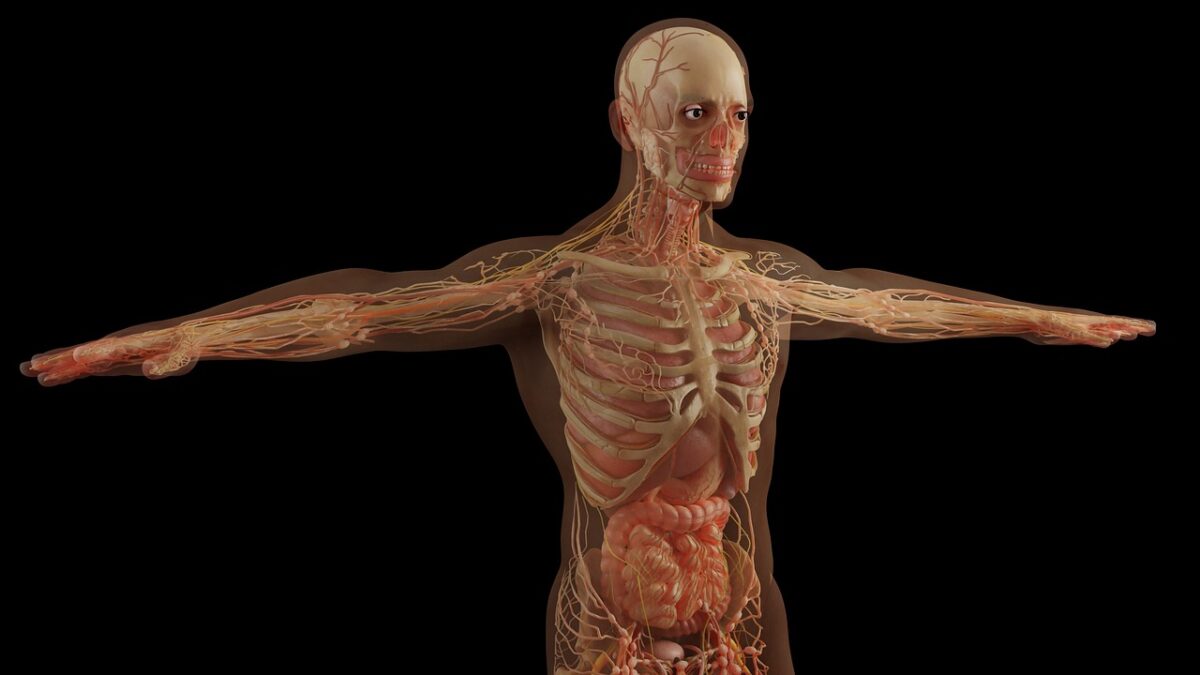
Donating your body to science supports medical training, surgical practice, or research. After the donation period, the institution typically arranges for cremation, and ashes may be returned to the family or scattered in a designated location.
While donation itself isn’t labeled as “green,” it often replaces the need for embalming, elaborate viewings, and burial vaults. Families can then combine donation with a simple, eco-friendly memorial such as a tree planting, biodegradable urn, or scattering in a meaningful natural place (following local rules).
Environmental impact:
Body donation reduces demand for certain funeral products and can contribute to more efficient use of existing cadaver resources in medical education and research. When followed by a simple, low-impact cremation memorial, it can be a relatively modest footprint compared to a full traditional burial.
- Best for: People who want to support education or research and keep their final arrangements simple and purposeful.
- Key considerations: Not all bodies are accepted, pre-registration is usually important, and clear communication with family helps ensure they understand and are prepared for the process.
If you’re ready to explore next steps, reach out to a funeral home, green cemetery, or human composting provider that aligns with your values. Ask them to walk you through their most eco-friendly options—and don’t be afraid to ask detailed questions about materials, chemicals, and how the land is cared for.
Why Green Burial Became the Only Choice for Me
About 20 years ago, I worked as a production artist for a tiny local company that made biodegradable burial products out of its garage. I’ve always cared deeply about the earth, but back then, green burial wasn’t a trend yet; it was this hopeful, almost fragile idea that we could say goodbye without harming the earth.
I helped fabricate some of their first biodegradable options, including handmade water burial urns that gently dissolve in lakes or the ocean. Knowing families would hold something we made in their hands and then release it back to nature felt incredibly meaningful.
That tiny garage start-up is now a much larger company helping people around the world choose biodegradable caskets, urns, shrouds, and water burial options. Watching it grow has only deepened my conviction: for me, green burial isn’t just an alternative, it’s the only option that feels right. My family knows my wishes and has what they need to carry them out, so that even my final act reflects how much I care about this earth.
Laws and options vary a lot by state and country. Before you decide, check what’s legal where you live and ask local funeral homes or cemeteries if they offer natural burial, water cremation, or other green options.
Pet Green Burial Options
For many people, planning a green farewell for a pet is also a way to model their own values around death and the environment. Including children in simple rituals, like wrapping a pet in a natural cloth, planting a tree or flowers nearby, or sharing memories at the burial spot, can turn a painful goodbye into a gentle lesson about the cycle of life.

Veterinary clinics and pet cemeteries are increasingly familiar with eco-friendly options, so it’s worth asking specifically about biodegradable containers, natural burial sections, and any rules about home burial or memorial plantings in your area.
Green options for pets include:
- Pet burial in a natural or green cemetery that accepts animals
- Home burial for pets, where local rules permit it
- Pet cremation with biodegradable urns, tree plantings, or garden memorials
- Water cremation (alkaline hydrolysis) for pets, in areas where it’s available
Environmental impact:
Just like with human burials, the biggest wins come from avoiding heavy, non-biodegradable caskets, unnecessary chemicals, and long-distance transport. Simple burial in biodegradable caskets, or eco-friendly cremation memorials, keeps the focus on natural materials and a gentle return to the earth. Memorial trees or gardens can add small pockets of habitat and beauty.
- Best for: Pet parents who want their animal’s farewell to be as kind to the planet as they were to the home they shared.
- Key considerations: Local pet burial and disposal laws, availability of pet cemeteries or pet water cremation in your region, and any HOA or city rules about burial or memorials on private property.
Green Memorial Options: Product & Service Reviews
Once you know the main types of green burial and eco-friendly funerals, the next step is choosing specific products and services that fit your wishes. This is where things can feel overwhelming: tree urns, pods, reef memorials, “mushroom suits,” water cremation providers, conservation cemeteries, and every company claims to be the most natural, sustainable, or meaningful.
Let’s start with some of the most talked-about green memorial products and services available today.
The Living Urn (Bios Urn) Review
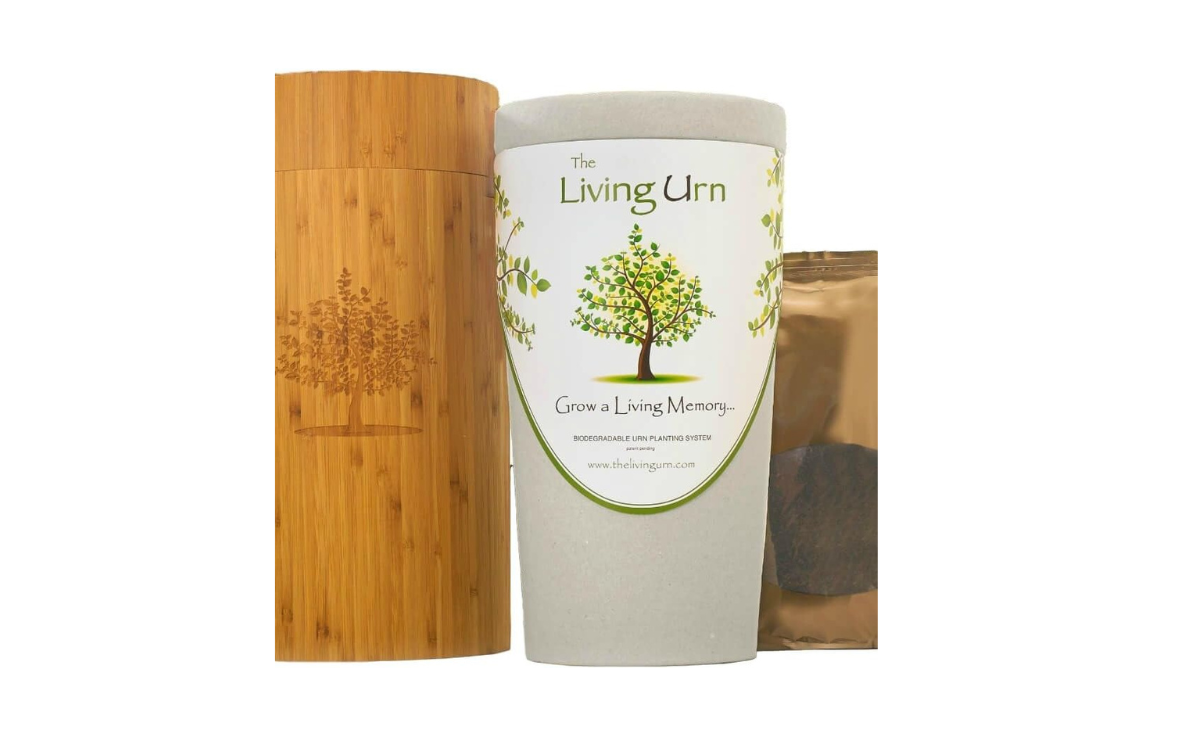
The Living Urn (Bios Urn) is a 100% biodegradable urn that turns human or pet ashes into a tree. What kind of tree? That’s one of the cool parts, you get to pick the tree you want to be! Options depend on your geographic area.
They include fruit, flowering, pine, and leafy options, which you can find through The Living Urn website. You can also purchase a voucher for a live tree as a gift for someone.
You can also purchase the urn system only and pick up a tree or plant of your choice locally.
How does it work? Place the ashes in the tree urn, which has a soil mix above it. The seed is in the soil mixture, and the tree begins to grow slowly, using the ashes as nourishment.
There is no expiration date, so you can purchase these at any time and have them on hand for your loved ones when you pass.
Video: The Living Urn
Watch this minute-and-a-half video that shows the Bio Urn in more detail.
You can also use the urn for ashes you already have at home. Using the Bios Urn is a nice way for your family to spend time after your death. They can share in the experience of burying your ashes, and over time, a sprout will appear.
They’ll know that you’re there, bringing life to a tree. In 10, 20, or 30+ years, younger generations can visit the tree and know that you helped that tree thrive.
Living Urn also offers other options, including an Eco Water Urn, bamboo scattering urns, and a variety of keepsakes, including indoor planter Living Urns.
Pricing
$139.00Capsula Mundi Review
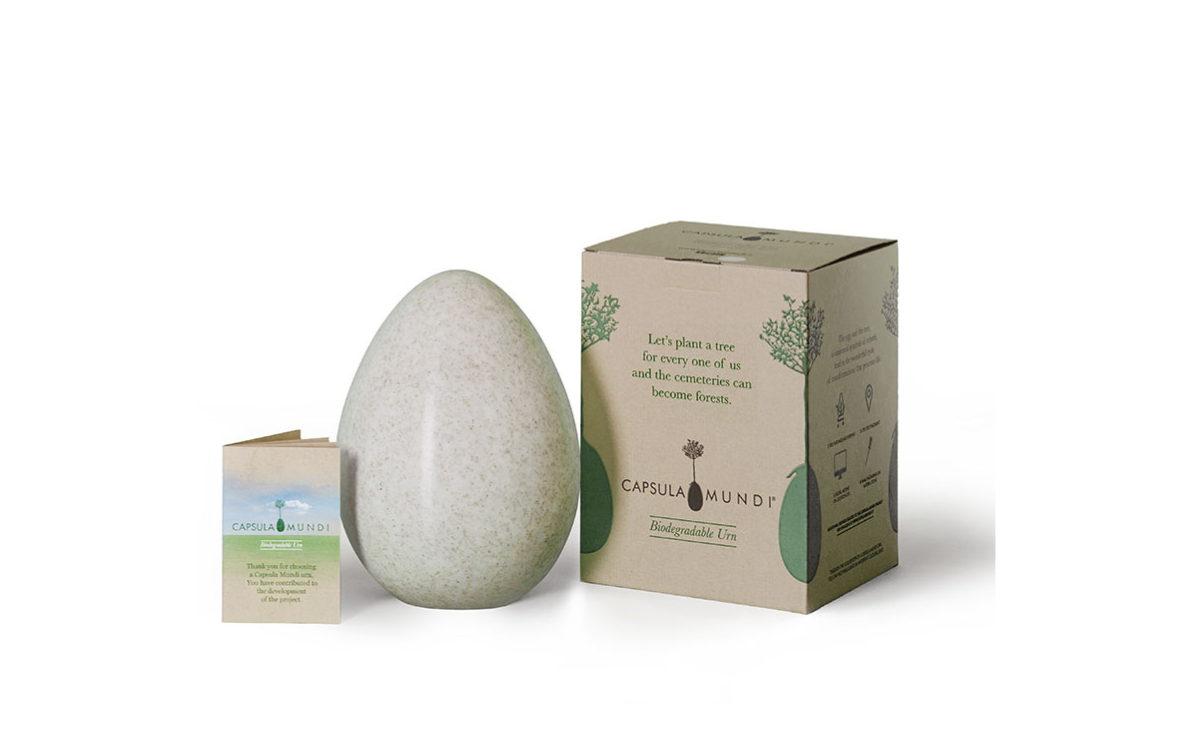
Capsula Mundi is an Italian design project that reimagines burial as part of a tree’s life cycle. The vision behind Capsula Mundi is to slowly replace sterile, stone-filled cemeteries with vibrant “sacred forests,” where trees grow from these capsules and become natural, living memorials.
The concept many people have seen online, an egg-shaped pod holding a full body in the fetal position, is still very much a vision for the future, not something families can buy right now. According to the creators, the larger body pod remains in development and is not yet available on the market, in part because of burial regulations.
How It Works
What is available today is the biodegradable urn for cremation ashes. This smaller, egg-shaped capsule uses biodegradable materials and is designed to be buried in the ground like a seed. Cremated remains are placed inside the urn, and a tree or shrub is planted above or near it.
As the urn slowly breaks down, the ashes gradually mix with the surrounding soil, helping to nourish the tree over time.
Unlike some all-in-one tree urn systems, Capsula Mundi’s urn doesn’t include a tree in the kit. You (or your cemetery or forestry partner) choose an appropriate species for your climate and location, then plant it in the same hole or next to the buried capsule. The company emphasizes selecting a tree that fits local conditions and any legal or cemetery rules about planting.
The project began in Italy, but now ships its urns internationally, where local laws allow the burial of ashes and tree planting.
How Capsula Mundi compares to other tree urns:
- What you buy: A sculptural, egg-shaped biodegradable urn for ashes (tree not included).
- Where it works: Natural burial grounds, some traditional cemeteries that allow tree plantings, or private land where local law permits ash burial.
- Who it’s best for: People drawn to the symbolic, design-forward “world’s capsule” concept who don’t mind sourcing their own tree and coordinating planting with local rules.
Pricing
Reef Memorial Options (Underwater Reefs)
Reef memorials combine cremation with habitat restoration. Cremated remains are mixed into a specially formulated, marine-safe concrete structure and placed at approved ocean sites, where they become part of an artificial reef. Over time, these memorial reefs can provide shelter and surfaces for coral, fish, and other sea life, turning a final resting place into an active part of the marine ecosystem.
Today, there are several ways to choose a reef memorial, each with its own style, locations, and price point.
Eternal Reefs
Eternal Reefs is one of the best-known reef memorial providers in the United States. They combine a portion of cremated remains with marine-grade concrete, creating a personalized “reef ball” that is placed on the ocean floor at permitted reef sites.
Each reef includes a bronze plaque and GPS coordinates so families can locate and visit the site by boat or on a dive trip.
- Locations: Designated reef sites along the U.S. coast (primarily in the Southeast and Gulf regions).
- Best for: Families who want a dedicated reef ball memorial focused on habitat creation and restoration.
Memorial Reefs International
Memorial Reefs International offers similar reef-style memorials in a variety of coastal locations. Cremated remains are incorporated into a reef structure and placed underwater during a memorial event. Some packages allow multiple family members or pets in a single reef over time, and divers can visit many sites.
- Locations: Multiple sites in the U.S. and internationally, depending on the project.
- Best for: People who want more location choices or the option to have several family members in a single shared reef memorial.
Neptune Memorial Reef
The Neptune Memorial Reef is an underwater cremation memorial site off the coast of Key Biscayne, Florida. It is an artistic interpretation of the “Lost City of Atlantis.” Cremated remains are mixed into concrete features, such as columns, sculptures, and plaques. These become part of the reef’s architecture. The site is open to divers and is certified by the Green Burial Council as an eco-friendly memorial reef.
- Locations: A large, expanding reef complex near Miami, Florida.
- Best for: Ocean lovers who like the idea of a dramatic, sculptural underwater “city” that families can visit by diving or boat.
If you like the idea of a reef memorial, it’s worth comparing:
- Where each provider’s reef sites are located
- How they construct and place the reef (materials, permits, environmental standards)
- Whether the reef is part of an ongoing restoration effort or a stand-alone memorial site
- What kind of access do families have afterward (boat visits, diving, GPS coordinates)
For many ocean lovers, knowing that their memorial helps create new marine habitat and gives friends and family a wild, living place to visit feels more comforting than a traditional land grave.
Living, And Dying, In Line With Your Values
Choosing a green burial is about more than what happens after we die. It’s part of a bigger question: how do we move through the world in a way that’s gentler on the planet and kinder to our own bodies and minds? For many people, a greener goodbye grows naturally out of the choices they’re already making in everyday life, what they eat, how they rest, and how they respond to stress and grief.
Maybe you’ve already started making different choices with your food, exploring how what we put on our plates affects animals, the climate, and our health. Our guide to vegan vs vegetarian diets and our deep dive into factory farming facts can help you see how your daily meals can be another way of honoring the earth and living creatures.
Green burial also sits alongside quieter forms of self-care, choosing rest over burnout, and tending to our nervous systems instead of ignoring them. If you’re looking for gentler ways to support your body and mind, you might find comfort in our articles on natural sleep remedies and herbs for anxiety and depression. These are small, everyday choices that, over time, add up to a different kind of life, one that’s slower, more intentional, and more connected to the natural world.
In the end, a green burial is just one chapter in a much bigger story: a life lived as gently as possible, from the food we eat and the products we buy to the way we say goodbye. You don’t have to have all the answers today. Just keep taking the next kind, thoughtful step, for your own health, for the people you love, and for the planet that will hold us all, in life and in death.
Have You Said Goodbye the Green Way? Share Your Experience.
Green burial can feel very personal, and it helps to hear how others have approached it. Have you attended a natural burial, chosen a tree or reef memorial, or started talking with your family about greener options?
Tell us in the comments: What has your experience been with green burial so far, and how do you feel about choosing an eco-friendly farewell for yourself or someone you love?