When you purchase through links on our site, we may earn a commission. Here’s how it works.
Some of the most dangerous animals on Earth do not look dangerous at all. They are small, colorful, strange-looking, or easy to miss entirely. That is part of what makes them so fascinating.
Table of Contents
It also helps to know one key difference from the start: poisonous animals harm you if touched or eaten, while venomous animals inject toxins through a bite, sting, or spine. The animals on this list include both, but they all have one thing in common: they rely on powerful toxins to survive.
From the box jellyfish to the oddly deadly cone snail, these creatures prove that nature does not always make danger obvious. Sometimes the greatest threat comes in the most unexpected form.
The Big Difference: Poisonous vs. Venomous
To kick things off, let’s clear up the ultimate biological mix-up.
As medical experts at the Cleveland Clinic explain, the fundamental difference comes down to the biochemical delivery system: poisons must be absorbed or ingested to cause harm, while venoms are actively injected directly into the bloodstream.
- Poisonous = Passive. These animals rely on you making a mistake. You have to touch, swallow, or inhale their toxins. They use poison purely as a defense mechanism—a chemical shield that says, “If you eat me, you will die.”
- Venomous = Active. These animals are armed and dangerous. They actively inject their toxins into you using specialized weapons like fangs, stingers, spines, or harpoons. They use venom both defensively to protect themselves and offensively to hunt prey.
The Golden Rule: If you bite it and you get sick, it’s poisonous. If it bites you and you get sick, it’s venomous.
Why Bright Colors Often Signal Danger
In nature, bright colors are not always there to attract attention in a friendly way. Sometimes they are a warning. Bold shades of yellow, orange, red, and blue can act like a giant stop sign, telling predators that an animal is toxic, unpleasant to eat, or simply not worth the risk.
Want our human-written content to rank above AI-generated garbage? Help us out by clicking this button!
This kind of warning display helps poisonous animals avoid attacks before they even happen. Instead of relying on speed or strength, they let their appearance do part of the work. A predator that has one bad experience with a brightly colored frog or insect may learn very quickly to avoid anything that looks similar.
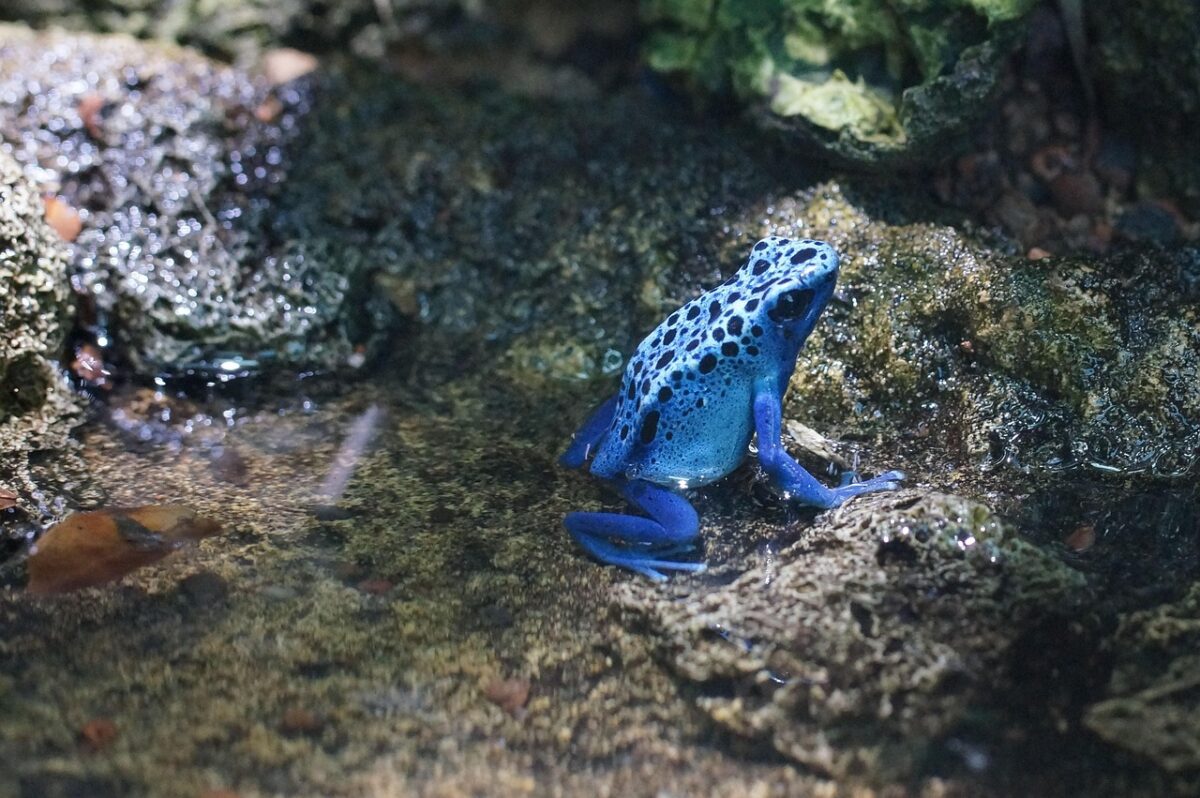
Of course, not every dangerous animal is brightly colored. Some rely on camouflage instead. But when an animal is both small and highly visible, that color is often a clue that nature wants it noticed for a reason.
12 of the Most Poisonous Animals on Earth
Some of the most dangerous animals on Earth are not big predators with sharp teeth or obvious warning signs. They are small, colorful, easy to overlook, or so ordinary-looking that most people would never guess how well protected they really are.
That is what makes poisonous animals so fascinating. Unlike venomous animals, which inject toxins through a bite, sting, or spine, poisonous animals are dangerous when touched, eaten, or absorbed in some way. Some wear their danger openly with bright colors, while others hide it behind an unremarkable appearance.
From tiny frogs and toxic fish to poisonous birds, insects, and even mammals, these animals prove that nature does not always make danger obvious. Here are 12 of the most poisonous animals on Earth — and the surprising ways they use toxins to survive.
1. Golden Poison Frog
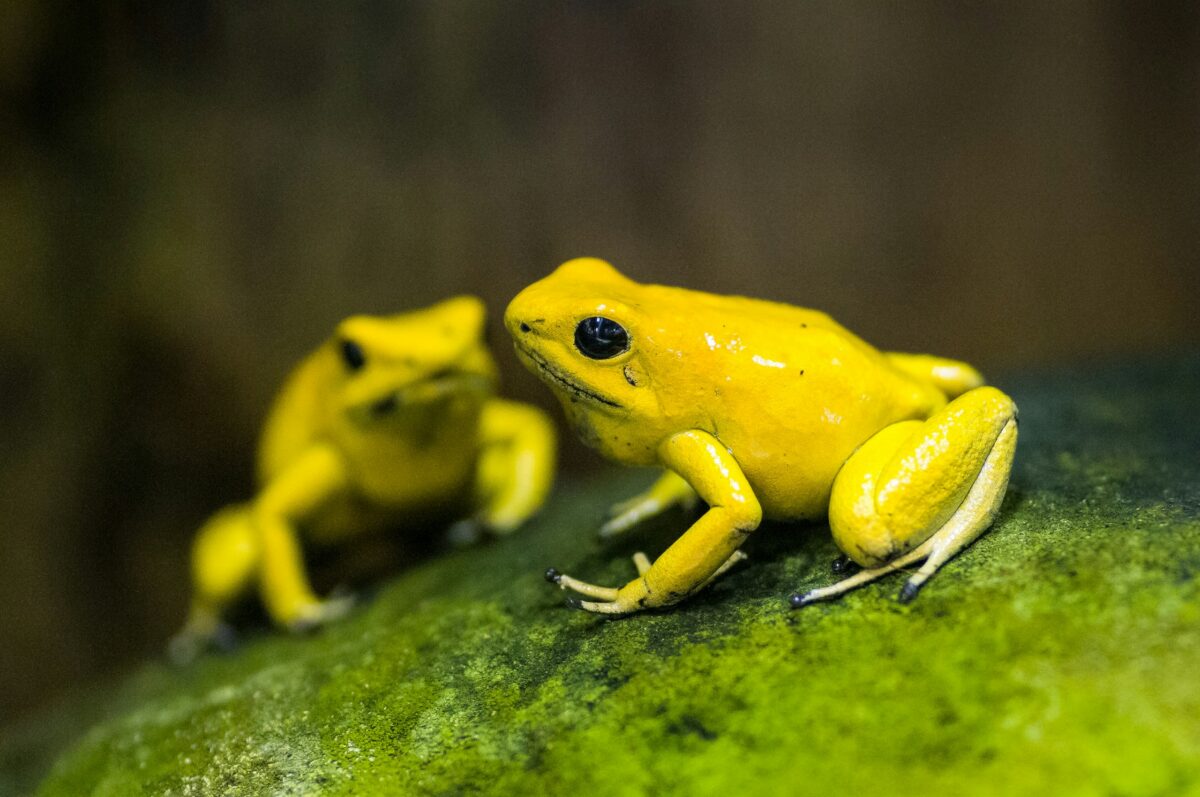
It is tiny, bright, and almost impossible to ignore, which is exactly the point. The golden poison frog may look almost unreal, but it is often considered one of the most poisonous animals on Earth.
Unlike venomous animals, this frog does not need to bite or sting. Its skin contains powerful toxins that help protect it from predators, making it dangerous through contact rather than attack. Its vivid color acts as a warning, advertising that it is not something to touch or eat.
- Type: Poisonous
- Found in: Rainforests of Colombia
- Uses toxin for: Defense
- Known for: Its bright golden color and extreme toxicity
Its bright golden color is not just eye-catching. Like other poison dart frogs, it acts as a warning to predators that this tiny animal is highly toxic and not worth the risk.
According to National Geographic, a single two-inch specimen contains enough naturally occurring venom to kill ten grown men, acting as a vibrant warning to predators that this tiny animal is not worth the risk.
Surprising fact: One of the deadliest animals on Earth is small enough to sit in the palm of your hand. If you want to learn more about other frogs, read this guide on the discovery of the world’s smallest frog.
2. Pufferfish
The pufferfish looks almost cartoonish, with its round body and famous ability to inflate when threatened. It might seem more strange than scary, but it is one of the most well-known poisonous animals in the world.
You can see the pufferfish, also referred to as the blowfish, in action below.
What makes the pufferfish so dangerous is the powerful toxin found in parts of its body, especially its organs. Unlike animals that attack with venom, the pufferfish is most dangerous when eaten. Its poison is a defense mechanism, helping make it a very bad choice for any predator looking for an easy meal.
The National Institutes of Health notes that this incredibly potent poison is heat-stable, meaning that conventional cooking does absolutely nothing to neutralize its lethal effects.
- Type: Poisonous
- Found in: Tropical and subtropical oceans around the world
- Uses toxin for: Defense
- Known for: Inflating its body and carrying a powerful toxin
Surprising fact: One of the ocean’s oddest-looking fish is also one of the last things a predator should try to eat.
3. Rough-Skinned Newt
At first glance, the rough-skinned newt looks far less intimidating than a brightly colored frog. It is small, quiet, and fairly ordinary-looking, which makes it one of the most surprising entries on this list.
See the rough-skinned newt for yourself in the following video:
But appearances can be misleading. This newt carries a powerful toxin in its skin, making it highly poisonous to predators that try to bite or eat it. It does not advertise danger with flashy colors in the same way poison dart frogs do, proving that not all toxic animals are easy to spot.
- Type: Poisonous
- Found in: Western North America
- Uses toxin for: Defense
- Known for: Carrying a powerful skin toxin despite its plain appearance
Surprising fact: This may be one of the best examples of why you should never assume the most dangerous animals are the most dramatic-looking. Learn more about other salamander species in our guide.
4. Poisonous Crab
At first glance, the mosaic reef crab looks like the kind of animal you would barely notice on a reef. That calm, ordinary appearance makes it even more surprising that some poisonous crabs can carry toxins strong enough to make them dangerous to eat.
You can see this unassuming, yet deadly creature in the video below:
The danger is not in a bite, sting, or attack. It is in the crab itself. Toxins in its body can make it hazardous to predators and humans alike, turning an otherwise unremarkable crustacean into a serious risk when handled or consumed.
- Type: Poisonous
- Found in: Indo-Pacific waters
- Uses toxin for: Defense
- Known for: Carrying dangerous toxins in its body
Surprising fact: One of the ocean’s more dangerous, poisonous animals can look almost completely harmless until it ends up on the menu.
5. Hooded Pitohui
Most people do not expect to see a bird on a list of the world’s most poisonous animals, which is exactly why the hooded pitohui is so memorable. It looks like an ordinary songbird at first glance, but it carries toxins in its skin and feathers.
See this incredible bird in the video below.
That poison helps protect the bird from predators and parasites. It is a great reminder that poisonous animals are not limited to frogs, fish, or insects. Sometimes danger shows up in a form that seems completely familiar — which makes it even more surprising.
- Type: Poisonous
- Found in: New Guinea
- Uses toxin for: Defense
- Known for: Being one of the few poisonous birds in the world
Surprising fact: A bird is one of the most unexpected places nature has chosen to hide poison.
6. Ifrita
The ifrita is another animal that proves poisonous creatures are not always dramatic or easy to recognize. This small bird does not have the bright warning colors of a poison dart frog, but it still carries toxins that make it a remarkable exception in the bird world.
The video below demonstrates exactly how the Ifrita uses this defense mechanism.
Like the hooded pitohui, the ifrita uses poison as a form of defense. Its toxins help make it less appealing to predators, showing that even a tiny forest bird can have an effective chemical defense system. It may not look threatening, but that is part of what makes it so fascinating.
- Type: Poisonous
- Found in: New Guinea
- Uses toxin for: Defense
- Known for: Being one of the rare poisonous birds known to science
Surprising fact: It looks like a harmless little bird, but it belongs on a list with some of the most toxic animals on Earth.
7. Cane Toad
The cane toad does not have the dazzling colors of a poison dart frog, but it does not need them. This large, warty amphibian relies on toxic glands to make predators think twice.
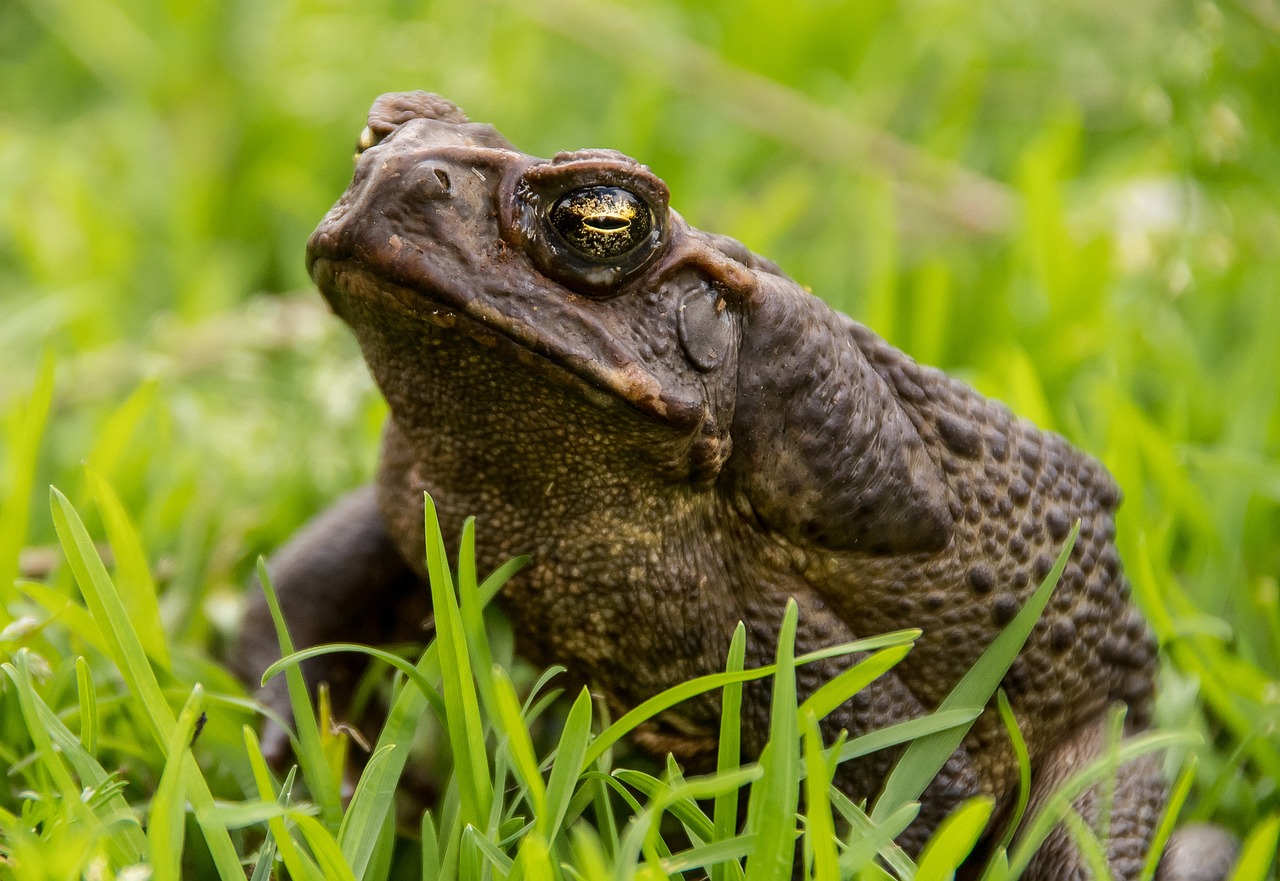
When threatened, the cane toad can release toxins from glands behind its eyes. Those toxins act as a powerful defense, especially against animals that try to bite or eat it. It is a very different kind of poisonous animal — less flashy, but still highly effective.
- Type: Poisonous
- Found in: Central and South America, and introduced in other regions
- Uses toxin for: Defense
- Known for: Releasing toxins from glands behind its head
Surprising fact: It is not the brightest or most beautiful animal on this list, but it may be one of the hardest for predators to forget.
8. Colorado River Toad
The Colorado River toad is another species that shows poisonous animals do not have to be small or brightly colored to be dangerous. With its thick body and plain appearance, it is easy to underestimate.
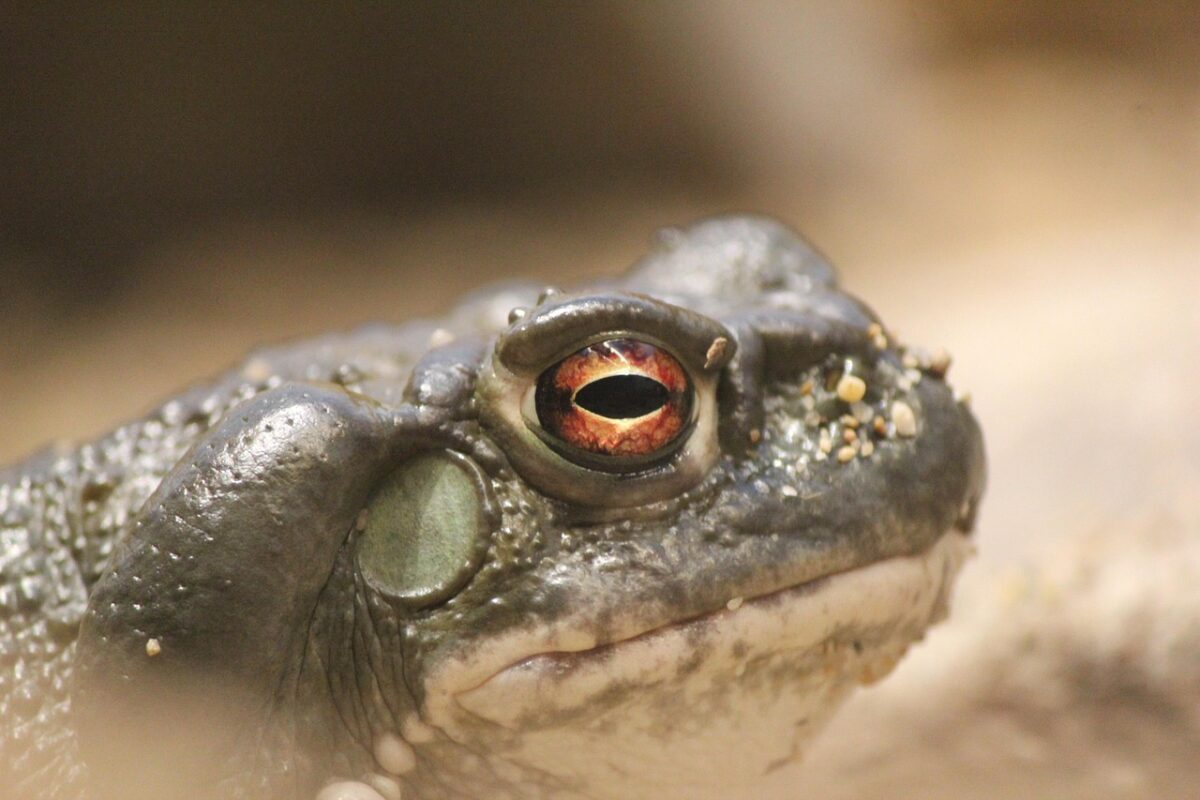
Like other toxic toads, it produces poison through skin glands as a defense against predators. It does not chase, sting, or bite its way to safety. Instead, it relies on chemistry. That makes it a perfect example of how poisonous animals survive without needing obvious weapons.
- Type: Poisonous
- Found in: The southwestern United States and northern Mexico
- Uses toxin for: Defense
- Known for: Powerful defensive skin secretions
Surprising fact: It looks more like a stubborn desert toad than one of the most chemically well-defended animals around.
Poisonous animals do not all look alike. Some advertise their danger with bright colors, while others seem harmless until a predator makes the mistake of getting too close.
9. Fire Salamander
It looks almost too polished to be dangerous, with its glossy black body and bright yellow markings. But the fire salamander is one more example of nature using bold color as a warning.
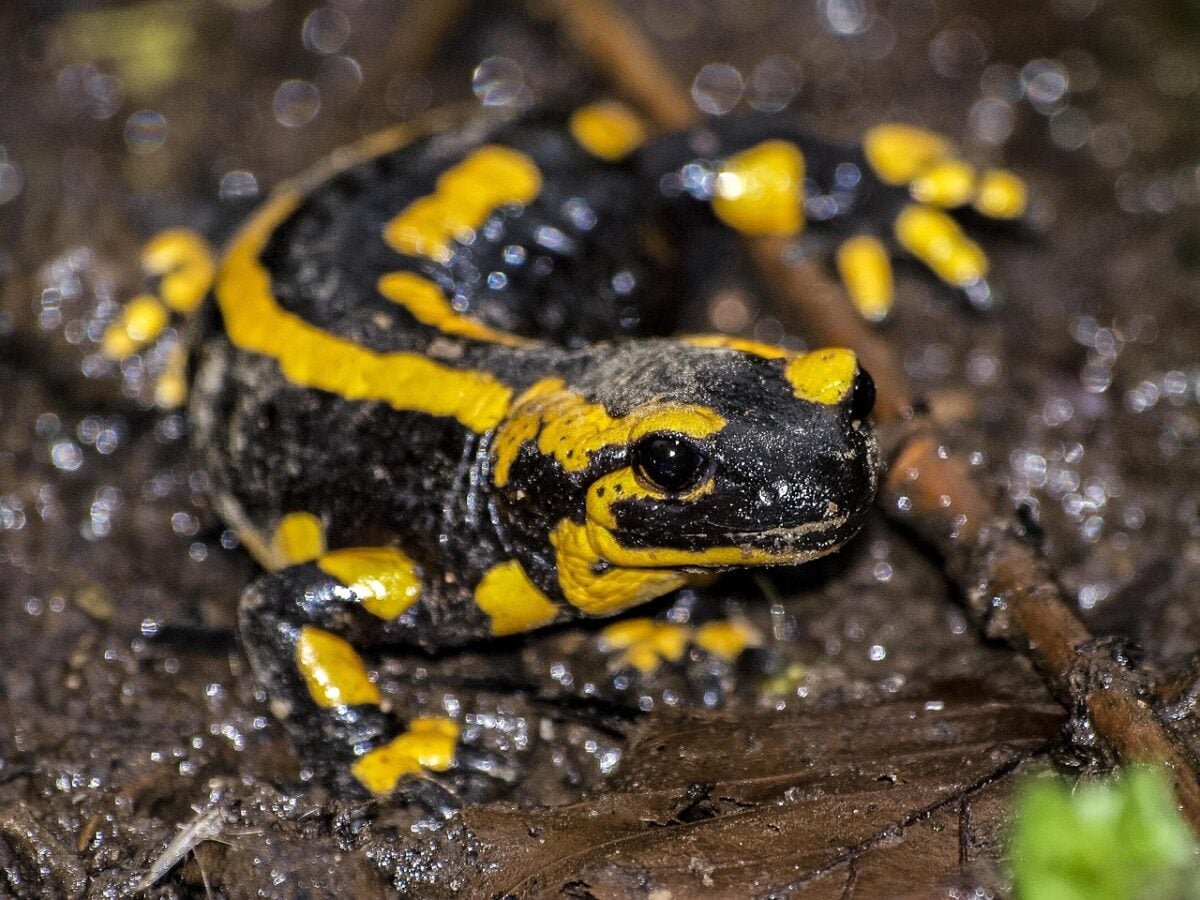
Its skin glands produce toxic secretions that help protect it from predators. It does not need to bite, sting, or inject anything. Its poison works as a defense, warning predators that a bite would be a very bad idea.
- Type: Poisonous
- Found in: Europe
- Uses toxin for: Defense
- Known for: Bright yellow warning markings and toxic skin glands
Surprising fact: It looks almost decorative, but its color pattern is really a warning label.
10. Monarch Butterfly
The monarch butterfly is one of the prettiest animals on this list, which is part of what makes it so interesting. Its orange-and-black wings are famous, but they also help advertise that it is not a safe meal.
Monarchs become toxic by feeding on milkweed, storing poisonous compounds called cardiac glycosides in their bodies.
If you don’t believe that this beautiful creature could be so deadly – the video below explains it in more detail.
Research from UC Berkeley has shown that monarchs have evolved specific genetic mutations allowing them to stockpile these toxins safely, making them highly unappealing to predators.
That makes the monarch a great example of an animal that does not make its own poison from scratch, but still uses it brilliantly for survival.
- Type: Poisonous
- Found in: North America and beyond during migration
- Uses toxin for: Defense
- Known for: Bright orange warning colors and milkweed-derived toxins
Like the monarch, the common tiger butterfly gets much of its chemical defense from the toxic plants it feeds on as a caterpillar, making it another striking example of a butterfly that turns its diet into protection.
Surprising fact: One of the world’s most recognizable butterflies survives in part by turning its food into a chemical shield.
11. African Crested Rat
A poisonous mammal already sounds unusual. The African crested rat gets even stranger once you learn how it works.
Instead of producing poison entirely on its own, it chews toxic bark and applies the poison to specialized hairs on its body. That turns its coat into a defensive weapon and makes it one of the most unusual animals on this list.
It is one thing to read about a creature’s chemical defense, but seeing it in action is a completely different story. Take a look at this:
The bark it chews comes from the Acokanthera tree, the exact same plant traditionally used by hunters to craft lethal poison arrows capable of taking down an elephant.
- Type: Poisonous
- Found in: East Africa
- Uses toxin for: Defense
- Known for: Coating specialized hairs with plant poison
Surprising fact: It is one of the few mammals known to weaponize poison by painting it onto its own body.
12. Blister Beetle
The blister beetle does not look especially dramatic, but it carries a chemical defense strong enough to earn a place on this list. It is another reminder that some of the most effective poisonous animals are easy to overlook.
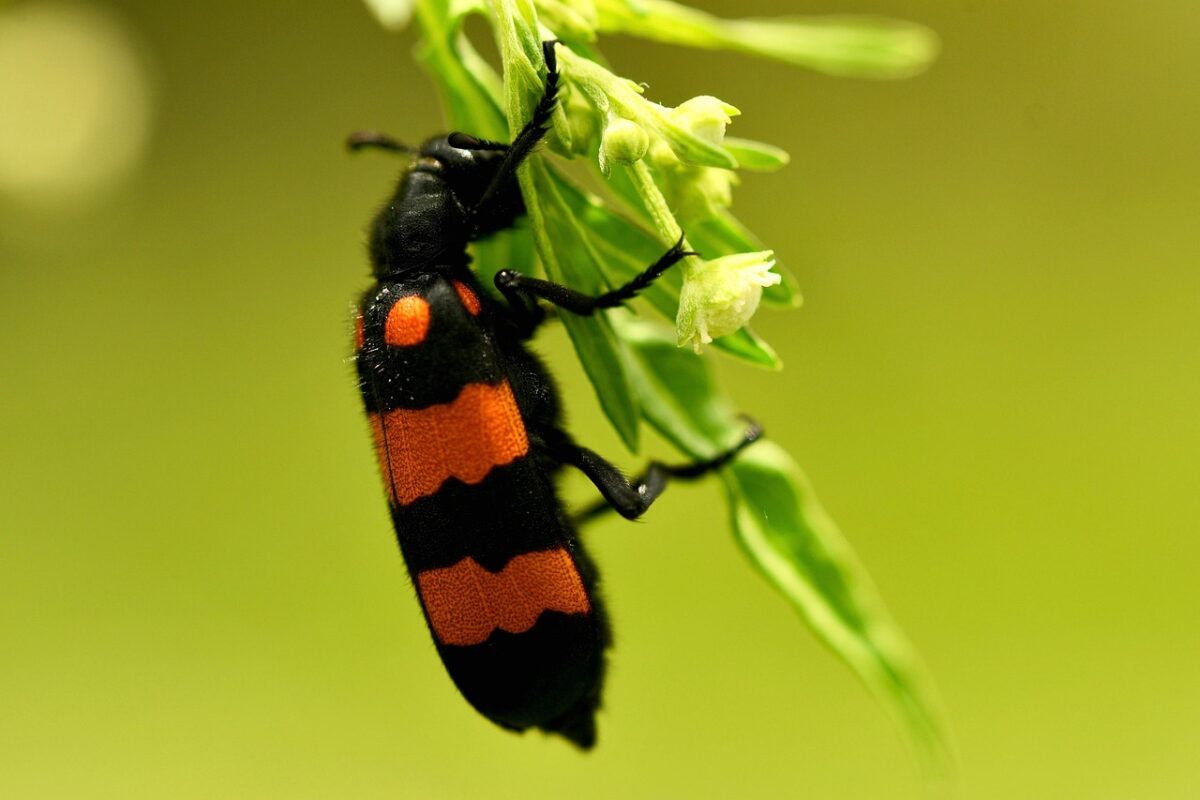
Its body contains a toxic substance called cantharidin, which can irritate skin and harm predators that try to eat it. For such a small insect, it has a surprisingly memorable defense.
- Type: Poisonous
- Found in: Many regions worldwide, depending on the species
- Uses toxin for: Defense
- Known for: Cantharidin, the chemical that causes blistering
Surprising fact: One of the easiest animals to ignore on this list can still leave behind a painfully memorable chemical defense.
11 Venomous Animals Often Confused With Poisonous Ones
Poisonous and venomous are often treated like the same thing, but they work very differently. Poisonous animals are dangerous when touched, eaten, or absorbed, while venomous animals deliver toxins through a bite, sting, spine, or similar attack.
That distinction matters because many of the world’s most dangerous animals are not actually poisonous at all. They are venomous. From snakes and scorpions to jellyfish and octopuses, these animals use venom to hunt, defend themselves, or do both. Here are 11 venomous animals people often confuse with poisonous ones.
1. Box Jellyfish
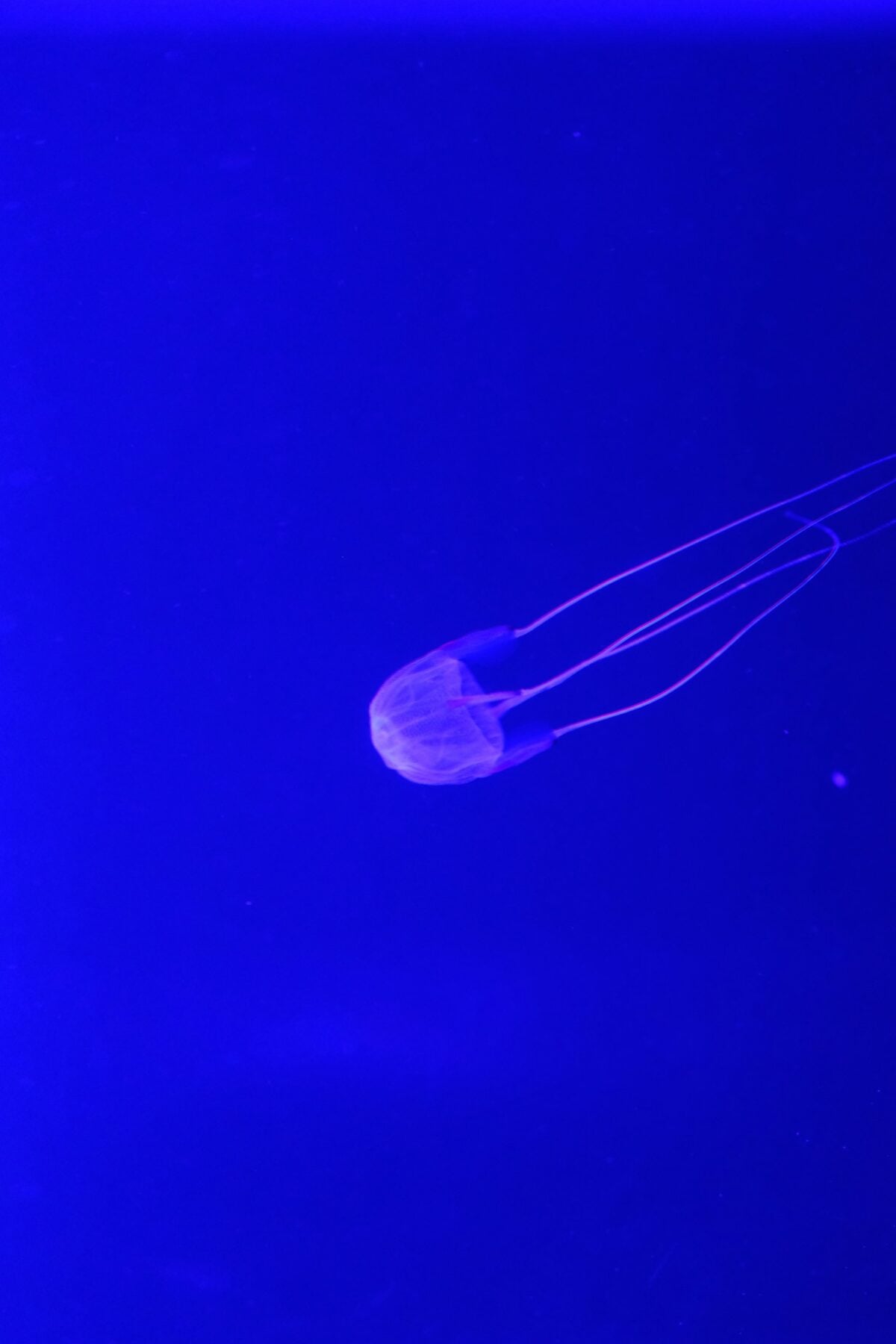
Nearly transparent and easy to miss in the water, the box jellyfish delivers venom through its tentacles and is one of the ocean’s most feared animals.
2. Stonefish
Perfectly camouflaged as a rock on the seafloor, the stonefish delivers venom through sharp dorsal spines when stepped on or disturbed.
3. Blue-Ringed Octopus
Small, beautiful, and easy to underestimate, the blue-ringed octopus flashes vivid blue rings when threatened and delivers venom through a bite.
4. Inland Taipan
Often described as one of the most venomous snakes in the world, the inland taipan uses venom to immobilize prey with remarkable efficiency.
5. Prairie Rattlesnake
A very real hazard in parts of the American West, the prairie rattlesnake relies on camouflage, a warning rattle, and venom delivered through a bite. Learn more about poisonous snakes and non-poisonous snakes in our guides.
6. King Cobra
With its hood, size, and unmistakable defensive posture, the king cobra is one of the most recognizable venomous snakes on Earth.
7. Black Mamba
Fast, alert, and widely feared, the black mamba has earned a reputation as one of Africa’s most formidable venomous snakes.
8. Deathstalker Scorpion
Small and pale but far from harmless, the deathstalker scorpion uses its stinger to deliver venom for both hunting and defense.
9. Sydney Funnel-Web Spider
Dark, compact, and intimidating, the Sydney funnel-web spider delivers venom through powerful fangs and has a reputation that far exceeds its size.
10. Komodo Dragon
Massive and unmistakably dangerous, the Komodo dragon combines raw power with a venomous bite. While older myths claimed their bites were deadly due to toxic bacteria, modern research utilizing MRI scans has confirmed they actually possess highly complex venom glands that induce shock and rapid blood loss in their prey.
11. Cone Snail
Beautifully patterned and highly tempting to pick up on the beach, the cone snail fires a microscopic, venom-filled harpoon that makes it one of the deadliest creatures in the ocean.
What to Do If You Encounter a Poisonous or Venomous Animal
Most dangerous animal encounters happen when people get too close, try to handle something unfamiliar, or accidentally disturb an animal that was trying to stay hidden. The safest response is usually simple: stay calm, keep your distance, and do not try to interact with it.
What to Do If You See a Poisonous Animal
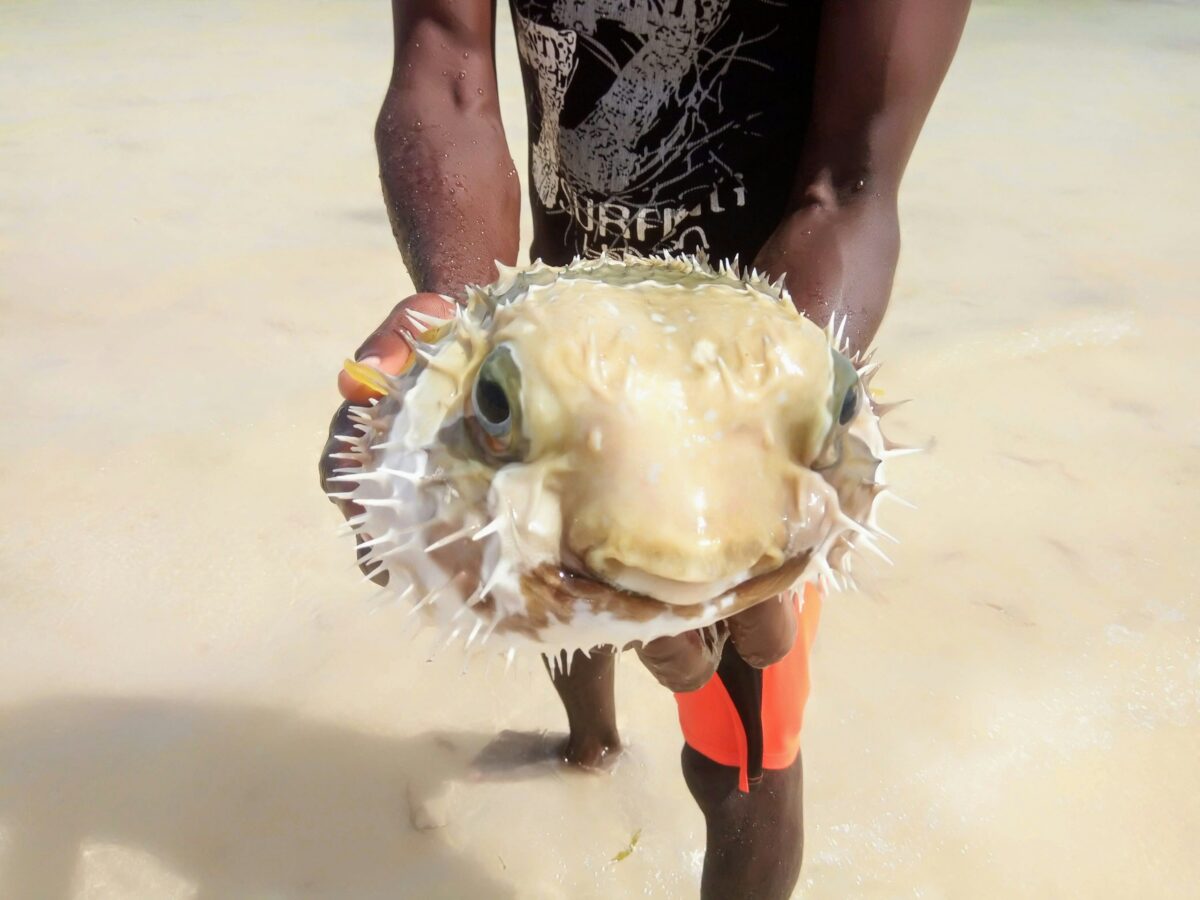
Poisonous animals are dangerous because their toxins can be absorbed through touch, transferred from hands to the mouth or eyes, or taken in if the animal is eaten. That means the biggest mistake is treating them like they are harmless just because they are small or still.
What to do:
- Do not touch it. Even brief contact can be risky with some species.
- Keep your distance. Give the animal space and let it move away on its own.
- Keep children and pets back. They are often the most likely to get too close.
- Do not pick it up for a photo or a better look.
- Wash your hands if you think you may have touched the animal or something it was on.
What to Do If You Think You Touched or Ate a Poisonous Animal
If there is any chance of poisoning, do not wait around hoping symptoms stay mild. Acting quickly is the safer choice.
What to do:
- Wash exposed skin carefully with soap and water.
- Keep your hands away from your face, especially your mouth and eyes.
- Do not induce vomiting unless a medical professional tells you to.
- Get medical help right away if the animal was eaten, handled with broken skin, or caused symptoms.
- Be ready to describe the animal if you can, but do not try to catch it.
What to Do If You Encounter a Venomous Animal
Venomous animals are different because they inject toxins through a bite, sting, spine, or similar attack. That means the priority is avoiding sudden movement and giving the animal a chance to get away.
What to do:
- Stop and assess where the animal is.
- Back away slowly. Do not corner it or make sudden movements.
- Do not try to move, kill, or handle it.
- Watch where you step or place your hands, especially on trails, rocks, logs, and in shallow water.
- Get medical attention immediately if someone is bitten or stung.
- Keep the person as still and calm as possible while waiting for help.
A Good Rule to Remember
If you do not know what it is, do not touch it. In nature, many of the most dangerous animals are small, quiet, and easy to overlook — which is exactly why giving them space is always the smartest move.
Beyond Venom and Poison: Understanding Our Wild World
While the animals on this list use complex chemistry to defend themselves, nature has plenty of other ways to command our respect. Sometimes, the threat doesn’t come from a hidden toxin, but from the sheer numbers and painful stings of the most dangerous insects, such as the notoriously aggressive harvester ants.

Other times, danger is a matter of sheer size and predatory instinct. Apex predators like polar bears and the frightening reality of grizzly bear attacks are powerful reminders of our place in the food chain. Even large, non-venomous reptiles like the water monitor require a wide berth and a healthy dose of caution in the wild.
The Bigger Threat: A Changing Ecosystem
Ironically, while we spend time learning how to survive encounters with dangerous wildlife, these animals are increasingly struggling to survive us. Habitat loss and massive environmental disasters are devastating the natural world at an alarming rate.
Today, the list of endangered animals is growing longer every year. The undeniable link between climate change and endangered species means that the habitats these unique creatures rely on are disappearing. Without intervention, we risk losing them to the tragic and ever-expanding catalog of recently extinct animals.
Protecting the Misunderstood
It is also important to remember that a creature’s ability to harm us doesn’t make it our enemy. Take bees, for example. While they possess a venomous sting, they are the backbone of our global food supply. Yet, scientists and environmentalists are desperately trying to solve the crisis of why bees are dying. Instead of fearing them, many conservationists are encouraging people to step up and help rebuild their populations through rewarding hobbies like beekeeping for beginners.
At the end of the day, whether an animal is a toxic frog, a massive bear, or a vital pollinator, our goal shouldn’t just be to fear them; it should be to understand them, respect their space, and protect the fragile world we all share.
Have You Ever Crossed Paths With One?
Seen one of these animals in the wild, or had a close call with another dangerous creature? Share your encounter, story, or most unforgettable wildlife moment in the comments.