When you purchase through links on our site, we may earn a commission. Here’s how it works.
You grab a cold bottle of water because it feels cleaner and safer than whatever’s coming out of your tap. But that same bottle can cost 1,000× more than tap water and may be less regulated than what’s already flowing from your sink.
Table of Contents
Now we’re not just talking about plastic waste and BPA, we’re talking microplastics in our bodies, “forever chemicals” in water supplies, and oceans choked with bottles used for a few minutes.
So if you’ve ever thought, “Am I actually safer drinking bottled water, or just paying for the illusion of safety?” you’re in the right place. In the next few minutes, we’ll break down what the latest science and regulations really say about tap vs bottled water, and the simple steps you can take right now to drink safer water, save money, and slash your plastic footprint
Before You Choose: What You Do Not See In Your Water?
You see a clear glass of water or a sealed plastic bottle, and it looks simple. What you do not see are the pipes, factories, chemicals, and decisions behind every sip.
Want our human-written content to rank above AI-generated garbage? Help us out by clicking this button!
This short video walks through how both tap and bottled water can go right and wrong. Watch it first, then we will break down which is really safer.
Fast Answer: Is Bottled Water Actually Safer?
Short answer: usually no.
In most places with regulated public water systems, tap water is tested more often, reported more transparently, and costs a tiny fraction of what you pay for bottled. Bottled water can be the safer choice in specific situations, but it is not automatically the healthier or cleaner option.
Tap vs Bottled in 20 Seconds
If you only read one part, make it this:
| Factor | Tap Water | Bottled Water |
|---|---|---|
| Safety | Heavily regulated and regularly tested in most cities. | Regulated as well, but with less frequent public reporting. |
| Cost | Pennies per gallon. | Often hundreds to a thousand times more for the same amount of water. |
| Environment | No single-use plastic bottles and minimal transport. | Creates plastic waste, uses oil, and adds transport pollution. |
| Contaminants | It can also contain unwanted substances, depending on the source and bottling process. | It can also contain unwanted substances, depending on the source and bottling process. |
| Best Overall Choice | For everyday use in most developed areas, filtered tap water is usually the best balance of safety, affordability, and sustainability. | |
When Bottled Water Actually Makes Sense
There are times when bottled water is the smarter choice:
- During emergencies: Boil-water advisories, natural disasters, or contamination events where officials say not to drink the tap.
- Travel to places with unsafe or uncertain tap water: Regions with poor treatment, unreliable infrastructure, or official guidance to avoid tap water.
- Old plumbing and known problems at home: Homes with lead pipes, discolored or foul-smelling water, or test results showing serious contamination when a proper filtration system is not yet in place.
- Certain medical situations: Specific immune conditions where a healthcare provider recommends bottled or specially treated water.
Outside of these situations, relying on bottled water every day usually means spending more money, creating more plastic waste, and not necessarily getting safer water.
Next, we will look at why trust in tap water is so shaky and how to find out what is really coming out of your faucet.
Why We Stopped Trusting the Tap
On paper, tap water in many countries is among the most heavily regulated things you consume. In reality, a handful of catastrophic failures made many people feel like every glass from the faucet is a gamble.
Those images stick. Brown water pouring from a kitchen sink, parents holding bottles of discolored tap, officials saying everything is fine when it clearly is not.
That is how trust breaks. And it is why so many people started reaching for bottled water, even when their own local system was working the way it should.

Flint, Sebring, and Other Water Disasters
Flint, Michigan, became the symbol of what happens when cost-cutting and neglect collide. In 2014, the city switched water sources, and corrosive water ate away at old pipes, leaching lead into the water that children and families drank every day.
Residents complained about the smell, color, and rashes. For months, they were told the water was safe while lead levels rose and long-term damage was already underway.
Sebring, Ohio, saw a smaller but similar story. A change in water chemistry allowed lead from aging pipes to seep into the system, and residents learned the full truth only after the problem had been ongoing for some time.
There have been other incidents, too.
Small towns with failing infrastructure, neighborhoods hit harder than others, and communities that only discovered problems when people got sick. These are not just technical glitches. They are human stories of betrayal, especially in places that were already struggling or marginalized.
What Those Crises Do and Do Not Mean for Your Home
It is completely reasonable if those stories made you lose some trust in tap water. If it happened there, it is natural to ask if it could happen in your kitchen too.
But there is an important distinction.
Flint, Sebring, and similar disasters are not the everyday norm for all public water systems; they are examples of what happens when oversight fails. In many cities and towns, tap water is tested on a set schedule, results are reported publicly, and problems are addressed before they ever hit the news.
You may never hear about those places precisely because things are working the way they are supposed to. So the safest response is not blind trust, nor is it permanent panic.
It is to treat those crises as a wake-up call to learn about your own water, rather than assuming the best or the worst. You cannot control an entire system on your own.
You can, however, check your local water report, understand the age and type of pipes in your home, and add a filter if you need extra protection.
In the next section, we will walk through how to find out exactly how your tap water is managed, what is in it, and what steps actually make a difference for your home.
How Safe Is Your Tap Water Really?
You turn on the faucet, and clear water appears, but there is a whole hidden system behind that glass. Treatment plants, miles of pipes, and layers of laws all affect what ends up in your cup.
In many places, that system works very well. In others, aging pipes, weak oversight, or local pollution can let problems slip through.
The key is not guessing. It is knowing which type of system you are on, who regulates it, and how to see the actual test results for your water.
Public Systems: Who Regulates Them and How
If you live in a city, suburb, or town with a water bill, you are probably on a public water system. In the United States, these systems are regulated by federal and state agencies under the Safe Drinking Water Act.
Your water utility is required to:
- Meet legal limits for dozens of contaminants, including lead, bacteria, nitrate, and certain chemicals.
- Test the water regularly using approved methods.
- Notify you when there is a serious problem that could affect your health.
Every community water system must also give customers an annual water quality report, often called a Consumer Confidence Report, that explains where your water comes from and what was found in recent tests. This report is usually sent once a year and may arrive with your bill, by mail, or as a link.
For public systems, safety is not meant to be a mystery. There is a paper trail, and you have a right to see it.
Private Wells: Why You Are on Your Own for Testing
If you use a private well for drinking water, the rules are very different. In most areas, private household wells are not covered by the same regulations as public systems and are not routinely tested by any government agency.
This means:
- There is no automatic schedule for testing your water.
- No annual report is mailed to your home.
- As the well owner, you are responsible for identifying problems and fixing them.
Contaminants in wells can come from leaking septic systems, farm runoff, industrial sites, and even natural minerals in the rock. Health agencies generally recommend that private wells be tested at least once a year for basic indicators such as bacteria and nitrates, and more often if there are known risks in your area.
If you are on a well and have never seen a lab report for your water, you are essentially drinking in the dark. The water may be fine, but you will not know without testing.
Real-World Example: When “Safe Tap Water” Is Not Guaranteed
Even with laws on the books, not everyone can count on clean tap water. A recent investigation found that many people living in U.S. mobile home parks have faced years of contaminated or unreliable water, including arsenic levels far above legal limits and frequent service outages.
In some parks, residents brush their teeth with bottled or filtered water, stockpile jugs in their kitchens, and live with constant worry about what might come out of the tap.
You can read one powerful example of this from Colorado Public Radio: For millions in US mobile home parks, clean and safe tap water isn’t a given.
How to Check Your Local Water Report (Step by Step)
You do not need to guess what is in your water. Here is a simple process you can follow if you are on a public system in the United States.
1: Find Out What System You Are On
- Look at your water bill to see the name of your water supplier.
- If you do not get a bill, ask your landlord or property manager who provides the water.
2: Get Your Consumer Confidence Report (CCR)
You can usually find your annual water quality report in one of three ways:
- Search online for your city name plus “water quality report” or “Consumer Confidence Report”.
- Visit your water utility’s website and look for a water quality or water report section.
- Call the customer service number on your water bill and ask them to send you the latest CCR.
If you live in a small system, the report might be posted online or printed in a local paper rather than mailed directly.
3: Read The Key Parts Of The Report
The report may look technical at first, but you mainly want to focus on a few sections:
- Where your water comes from: surface water, groundwater, or a mix. Lakes, rivers, reservoirs, or wells.
- The contaminant table: a list of substances that were detected in your water, with numbers for the highest level found, the legal limit, and any health-based goal.
- Special notes for vulnerable groups: any advice for infants, pregnant people, older adults, or those with weakened immune systems.
- Any violations or treatment issues: look for sections that mention violations, exceeded limits, or health advisories.
If the report shows that your water is fully compliant and well below most limits, that is reassuring. If contaminants are close to the allowed limits or there have been violations, you may want to take extra steps, such as using a filter for drinking and cooking water.
4: Decide What Action To Take
- If your report looks clean and your water tastes and smells normal, you may be fine with tap water or a simple filter.
- If you see higher levels of certain contaminants, repeated violations, or you live in an older home with possible lead pipes, a more robust filter or additional testing inside your home may be worth it.
If you are on a private well, your “report” will come from a certified lab test that you order yourself, not from a utility. The principle is the same: do not guess, get data.
Once you know what is in your water, the choice between tap, filters, and bottled water becomes much clearer and less scary.
The Simple Fix: Making Tap Water Safer at Home
Once you know what is coming out of your tap, the next question is simple. How do you make that water as safe and clean as possible for your home?
The good news is that you usually do not need an expensive system or a complete plumbing overhaul. For most people, the right home water filter plus a reusable bottle can dramatically cut risk, improve taste, and reduce the urge to buy bottled water.

What Home Filters Can and Cannot Remove
A filter is not magic. It is a tool that is very good at some jobs and not designed for others. Knowing what filters can and cannot do helps you avoid both false fear and false confidence.
| Type of issue | Most common home filters can often help with: | Most home filters are not designed to handle: |
|---|---|---|
| Taste and odor | Chlorine and chloramine taste and odor. | Strong smells caused by sewage, fuel, or major contamination events. |
| Metals and chemicals | Some heavy metals, such as lead and mercury, and some pesticides and industrial chemicals. | Very high levels of dangerous chemicals, fuel spills, or complex industrial contamination. |
| Particles and sediment | Sediment, rust, and particles that make water look or feel “gritty”. | Physical debris from flooding, sewage backups, or major pipe breaks. |
| Emerging contaminants | Some “forever chemicals” and other newer contaminants, depending on the filter type. | All forms of emerging contaminants, in heavily polluted water. |
| Microorganisms | Reduction of some microbes when the filter is designed for that purpose. | All types of bacteria, viruses, or parasites in seriously contaminated water. |
| Severe contamination | Minor, everyday issues in otherwise treated water. | Water that is unsafe due to sewage, flooding, or known major contamination events. |
Most common home filters can often help with:
- Chlorine and chloramine taste and odor.
- Some heavy metals, such as lead and mercury, are filtered if the filter is certified for them.
- Some pesticides and industrial chemicals.
- Sediment, rust, and particles that make water look or feel “gritty”.
- Some “forever chemicals” and other emerging contaminants, depending on the technology.
Most home filters are not designed to handle:
- All types of bacteria, viruses, or parasites in seriously contaminated water.
- Very high levels of dangerous chemicals or fuel spills.
- Water that is unsafe due to sewage, flooding, or known major contamination events.
That is why the first step is always to understand your starting water quality. Then you can match a filter to the specific problems you actually have, instead of guessing.
Pitchers, Faucet Filters, and Reverse Osmosis: What Is Right for You?
There is no single “best” filter for everyone. The best choice depends on your budget, your space, and what you need to remove.

Pitcher filters
- Easy to use and relatively inexpensive.
- Good for improving taste and odor and reducing basic contaminants.
- Do not treat large volumes at once, as it can take a long time to refill.
- Require regular cartridge changes to stay effective.
Faucet-mounted filters
- Attach directly to your kitchen faucet.
- Filter water on demand without taking up counter space.
- Work well for drinking and cooking water in small households.
- It may not fit all faucet designs and can reduce water flow.
Countertop and under-sink filters
- Installed at or under the sink where you get most of your drinking water.
- It can handle more water with less waiting compared to pitchers.
- Often use multi-stage cartridges to target a wider range of contaminants.
- Require a bit more installation effort, but are convenient once set up.
Reverse osmosis (RO) systems
- Use a membrane to remove a wide range of dissolved substances.
- It can significantly reduce many contaminants, including some that basic filters may miss.
- Usually installed under the sink with a dedicated drinking water tap.
- Waste some water during the filtration process while removing minerals and contaminants.
Whole home systems
- Treat all the water coming into the house, not just at the kitchen sink.
- Useful for issues like hard water, strong odors, or sediment that affect showers and appliances.
- Do not always provide drinking level filtration unless it is designed specifically for that purpose.
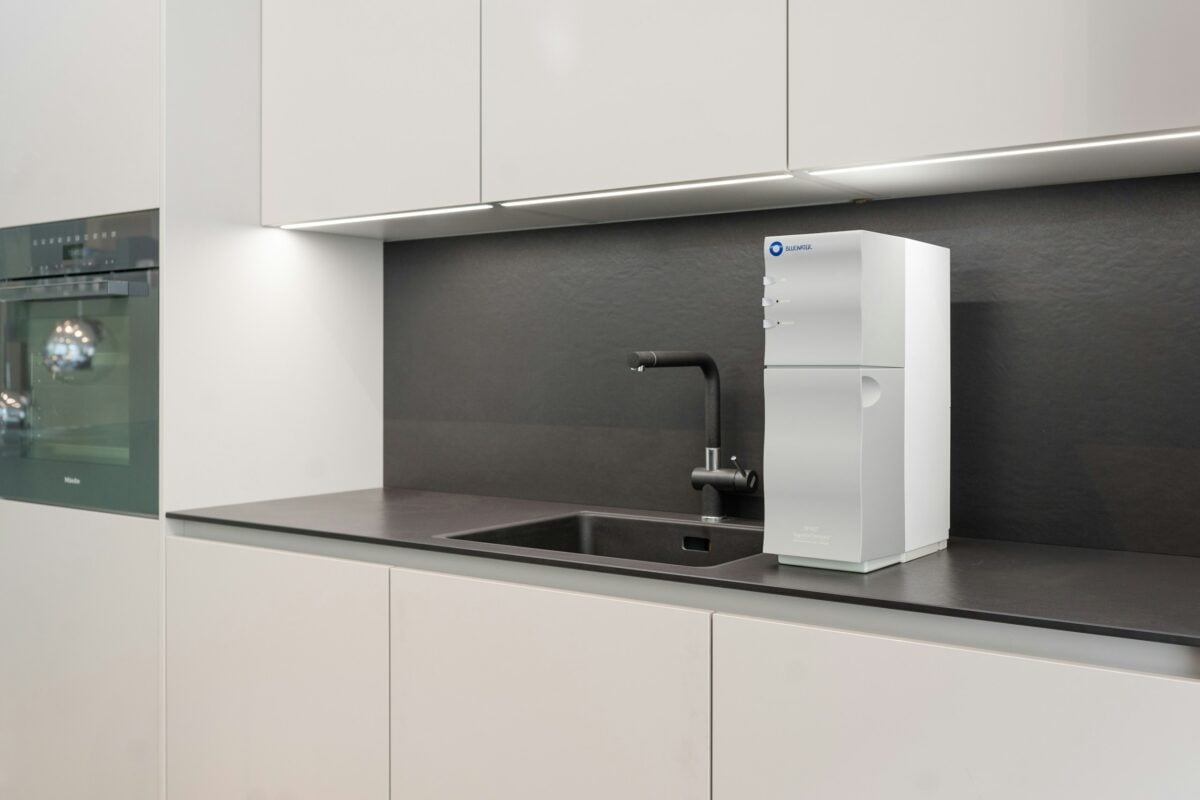
For many households, a simple setup works best. A kitchen point-of-use filter for drinking and cooking water, combined with a basic whole-home filter if you have visible sediment or hard water, covers most needs.
The Case for Tap Water: Why It Is Often Your Best Everyday Choice
Once you understand how your local system works and add the right filter, tap water often becomes the clear winner for everyday drinking.
It is usually safer than people think, easier on your wallet, and far better for the planet than a steady stream of plastic bottles.
Regulated and Transparent
If you are on a public water system, your tap water is not a mystery product. It is governed by drinking water laws, tested on a set schedule, and your utility is required to share results through an annual water quality report.
That means someone is checking your water for things like lead, bacteria, and common chemicals before it ever reaches your home. You have the right to see those numbers and to ask questions when something does not look right.
Locally Sourced and Tested
Tap water is usually sourced from a nearby source. Lakes, rivers, reservoirs, and wells are monitored and treated, and then the water moves through pipes to your home. Because it is a public resource, the system is expected to document its activities.
If you want to know more, you can request the latest report, call your utility, or ask local officials about any problems and how they are being fixed.
What Your Bottled Water Is Really Costing You
Bottled water feels like the safe, simple choice. You pay a little more, get a sealed bottle, and do not have to think about pipes or treatment plants.
Look closer, and you’ll see that peace of mind comes at a high price in money, plastic, and sometimes water quality. You can learn more in our deep dive into our must-know bottled water facts here.
1. The Hidden Price Tag
Bottle by bottle, a few dollars for a multi-pack does not feel extreme. Per gallon, the math looks very different.
In the United States, tap water is often a fraction of a cent per gallon, while bottled water typically costs about 1 to 4 dollars per gallon. That can make bottled water up to 2,000 times more expensive than tap water.
Over a year, a household that drinks mostly bottled water can easily spend hundreds or thousands of dollars on something that could have cost pennies through the tap, plus a home filter.
2. Often Just Tap Water in Disguise
Labels with mountains, springs, and words like “glacier” make bottled water feel special. In reality, a significant share of bottled water is simply treated tap water that has been filtered and packaged.
The Natural Resources Defense Council (NRDC) has long estimated that roughly 25 percent or more of bottled water comes from municipal sources. Major brands like Dasani and Aquafina have openly acknowledged that they start with city water, treat it in-house, and then bottle it.
You may still prefer how that water tastes, but in many cases, you are paying for branding, packaging, and shipping rather than a fundamentally different source.
3. Plastic That Sticks Around
Every disposable bottle has a life before and after you drink it. Energy and raw materials are used to create the plastic, form the bottle, fill it, seal it, ship it, and keep it cold.
Each step adds to the overall environmental footprint, including greenhouse gas emissions. When you scale that up to billions of bottles per year, the impact becomes enormous.
In the United States alone, people bought more than 70 billion small plastic water bottles in 2018, and about three out of four ended up in landfills or incinerators rather than being recycled. Those bottles do not disappear quickly.
Plastics can take hundreds of years to break down, and along the way, they fragment into microplastics that spread through soils, rivers, and oceans.
4. Microplastics in the Bottle
Bottled water looks clear, but modern testing shows that it often contains tiny plastic particles too small to see. Studies in recent years have found microplastics in many bottled water brands and, in some cases, at higher levels than in tap water samples.
A 2024 study using more sensitive methods reported that a typical liter of bottled water contained on the order of 240,000 plastic fragments, most of them nanoplastics that are much smaller than a human hair. Scientists are still working to understand the full health implications, but many experts recommend reducing major sources of microplastic exposure when practical. Switching from bottled to filtered tap water is one of the simplest ways to cut your microplastic intake.
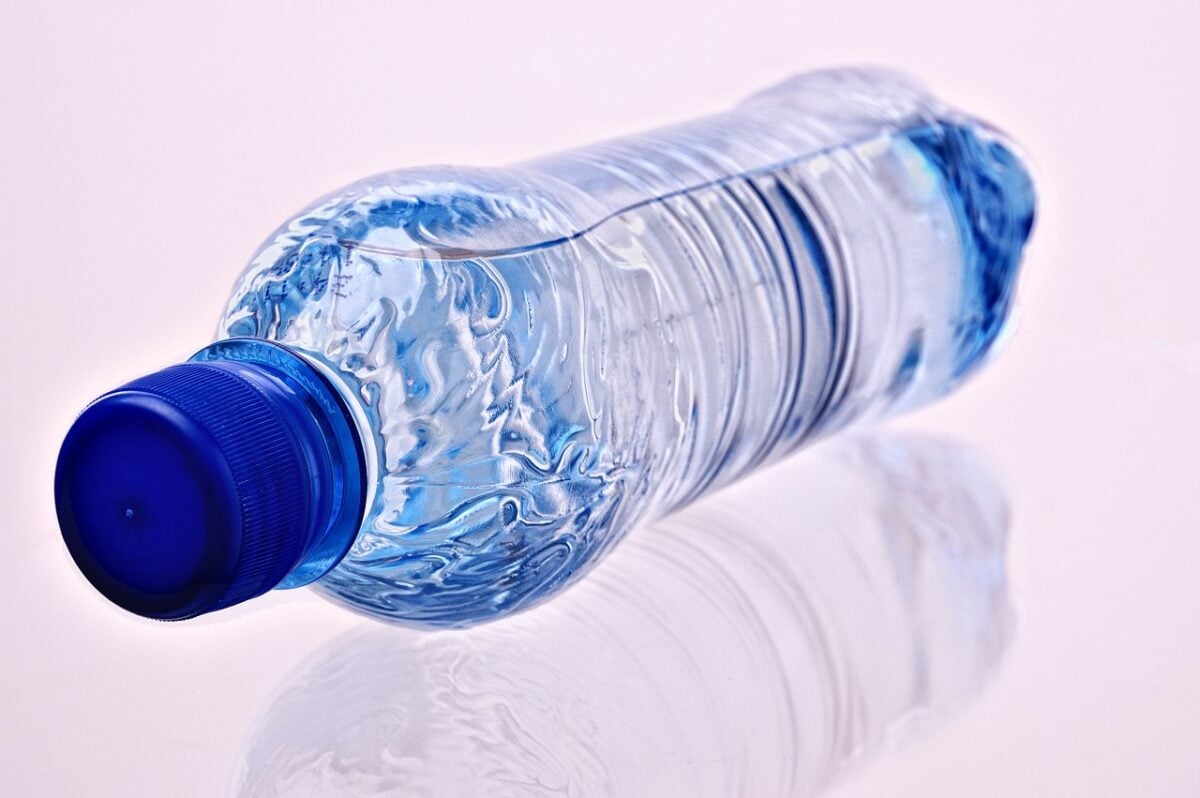
One straightforward way to do that is to rely less on single-use plastic bottles and more on filtered tap water and reusable containers.
Inside the Research: How Safe Is Bottled Water?
Early investigations into bottled water quality found that it was not always cleaner than tap water. A well-known 1999 review by the Natural Resources Defense Council, for example, reported that while most samples met basic standards, a portion of the 103 brands tested contained contaminants such as synthetic organic chemicals, solvents, and, in some cases, microbial indicators, such as coliform bacteria.
Later regional studies have also found occasional detections of substances such as benzene and other industrial compounds in specific brands, reinforcing that bottled water quality can vary by source and bottling practices rather than being uniformly “pure.”
More recent research has widened the lens to include microplastics and nanoplastics. Modern analytical methods now show that many bottled waters contain thousands of microscopic plastic particles per liter, originating from the bottle, cap, and bottling process itself.
Scientists have since detected similar particles in human tissues and are actively studying their links to inflammation, cardiovascular risk, and disruption of the gut microbiome. While the full health impact is still being investigated, these findings have shifted concern from a few isolated chemical contaminants to a broader, ongoing exposure to plastic-derived particles and additives in bottled water.
Hidden Health Concerns in Bottled Water and Plastics
Bottled water is sold as the pure, safe option, but there are health questions that never show up on the label. Some of these come from tiny plastic particles in the water itself. Others come from the chemicals used to make the bottles and caps.
If you have ever wondered whether it really matters what kind of bottle you drink from, listen to a doctor explain why plastic might not be the safest long-term choice.
How Tiny Plastic Particles May Affect Your Body
Earlier, we looked at how microplastics and even smaller nanoplastics can show up in bottled water. Modern studies are now finding similar particles in the human body.
- Microplastics and nanoplastics have been detected in human blood, suggesting they can circulate throughout the body rather than simply passing through the gut.
- Researchers have also found plastic particles in lung tissue and in sections of the digestive tract.
- A 2024 study reported that people with nanoplastics detected in their artery plaque had a higher risk of heart attack and stroke than those without, hinting at a potential cardiovascular link.
Scientists are still working out exactly what this means for long-term health, but several concerns keep showing up in lab and early human research:
- Chronic inflammation: Plastic particles can irritate tissues and appear to trigger low-grade inflammation, which is already associated with many chronic conditions, including heart disease.
- Oxidative stress: Cell and animal studies show micro- and nanoplastics can increase oxidative stress, which can damage cells and DNA over time.
- Cardiovascular risk: The artery-plaque study suggests nanoplastics inside blood vessels may be linked with a higher rate of serious cardiovascular events, though more research is needed to confirm cause and effect.
- Gut microbiome disruption: Experimental work indicates that microplastics can alter the balance of gut bacteria, which play roles in digestion, immunity, and metabolism.
None of this proves that every bottle of water will directly cause disease. But the pattern is concerning enough that many experts now recommend reducing avoidable microplastic exposure where possible, especially from single-use plastic food and drink containers.
Chemicals That Can Leach From Plastic
The bottle itself is another part of the story.
Plastic bottles and caps are made with polymers and additives that make them strong, clear, or flexible. Under some conditions, small amounts of these substances can move into the water:
- Heat (for example, bottles left in a hot car, warehouse, or in direct sun) speeds up the leaching of some chemicals.
- Long storage times and repeated temperature swings can change both taste and the mix of compounds in the water.
- Repeated squeezing and reusing thin single-use bottles can roughen and stress the plastic, potentially increasing the release of small fragments and additives.
Some plastic-related chemicals (or their close cousins) are known or suspected endocrine-disrupting chemicals (EDCs), meaning they can interfere with hormone signaling in the body.
Reviews of EDCs like BPA and similar compounds have linked long-term exposure in animal and epidemiological studies to issues such as altered reproductive development, metabolic changes, and some hormone-related diseases, although the exact risk at everyday exposure levels is still being refined.
Not every bottle, and not every exposure, is equally risky. But it is the cumulative, repeated exposure over the years that raises concern.
3 Huge Environmental Impacts of Bottled Water
Bottled water is often marketed as a clean, harmless choice. In reality, every bottle represents extra water use, energy, oil, carbon emissions, and plastic waste that you simply do not create when you drink from the tap.
1. Using Extra Water to Package Water
Bottled water does not just use the water you drink. It also uses water to make plastic bottles and to run bottling plants. When you add up all these steps, it often takes several liters of water to deliver a single liter of bottled water to the shelf.
Depleting Shared Water Supplies
Bottled water does not just “use” water; it concentrates withdrawals from specific springs and groundwater sources. When bottling plants pump large volumes from local aquifers, it can lower nearby wells, reduce spring flows, and strain rivers and wetlands, especially in areas already dealing with drought or water scarcity. In those regions, every pallet of bottled water shipped away represents water that no longer supports local communities or ecosystems.
2. Plastic, Energy, and Oil
Most bottled water comes in single-use PET plastic bottles made from fossil fuels. Turning oil and gas into plastic, forming bottles, filling them, and shipping them all use energy.
Analyses of bottle production suggest that making a typical one-liter plastic bottle, cap, and packaging requires a significant amount of energy, totaling the equivalent of millions of barrels of oil when scaled to national consumption.
A Much Bigger Carbon Footprint Than Tap
Compared to pouring a glass from the tap, bottled water has a much larger carbon footprint. Tap water is treated in bulk and pushed through pipes. Once the system is running, the extra energy needed to fill another glass is relatively small.
Bottled water, by contrast, has to be pumped, treated again, packaged in plastic, transported by truck or ship, and often refrigerated in stores. Each of these steps adds more emissions on top of what is already used to run public water systems.
That energy use translates directly into greenhouse gas emissions long before the bottle ever reaches your hand.
3. Plastic Waste That Does Not Go Away Quickly
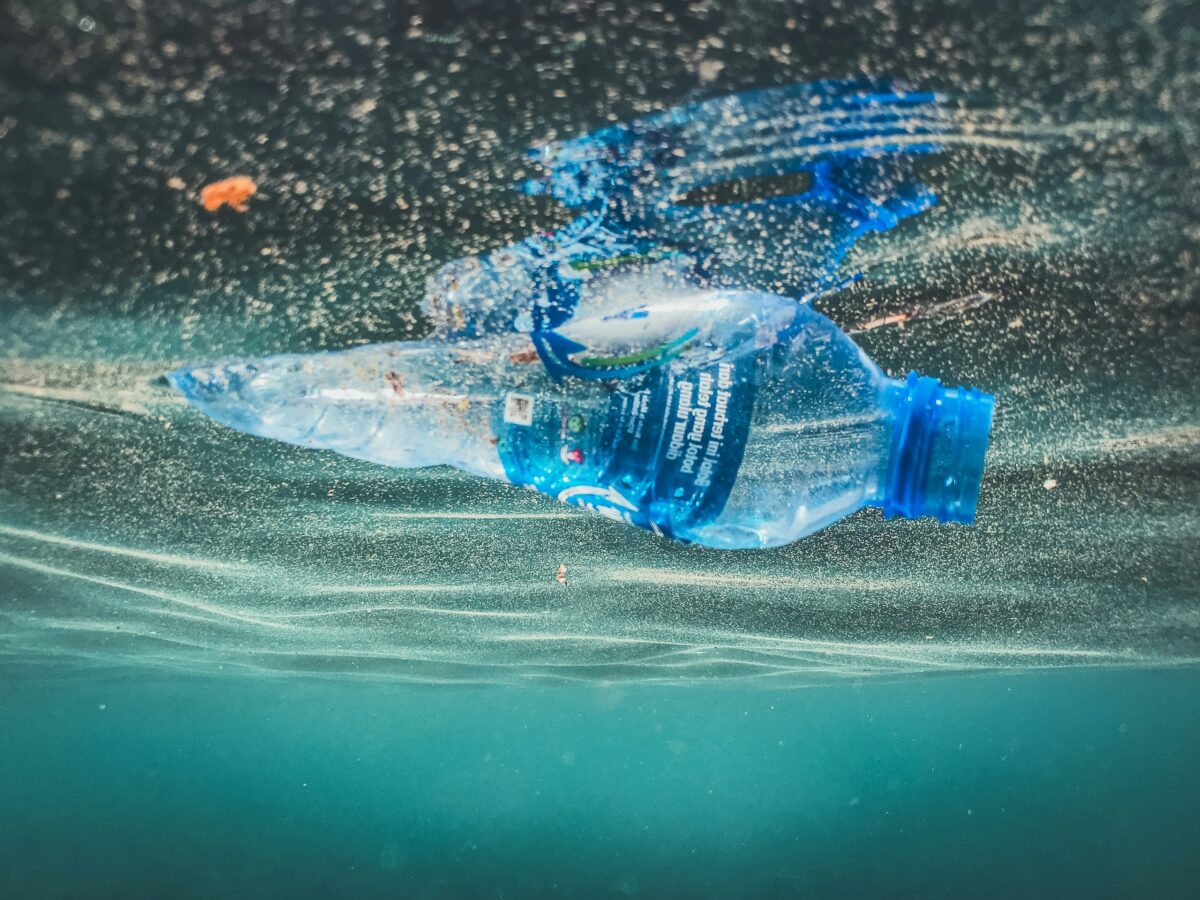
The story does not end when you finish the bottle. Many plastic bottles are never recycled. They end up in landfills, incinerators, or as litter in rivers and oceans, where they can take hundreds of years to break down.
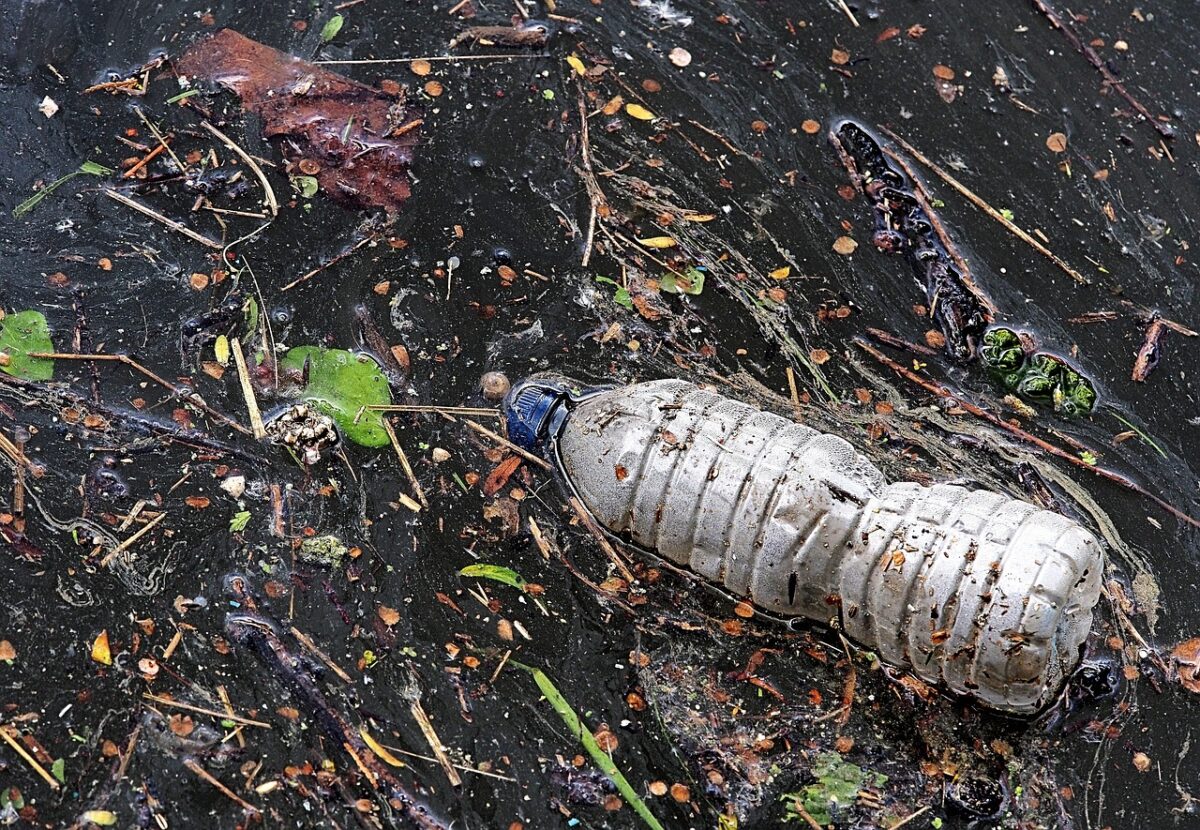
As they slowly fragment, they turn into smaller and smaller pieces, eventually becoming microplastics that spread through soil, water, and wildlife.
When you step back and look at the full picture, bottled water delivers essentially the same product as tap water for everyday use, but with far more water extraction, fossil fuel use, carbon emissions, and chemical pollution.
Choosing filtered tap water in a reusable bottle is one of the simplest ways to cut your share of plastic waste, energy use, and emissions without giving up clean, safe drinking water.
Bottled Water Is Regulated, But Less Transparent
Bottled water is not an unregulated free-for-all, but it is not watched in the same way as tap water.
In the United States, tap water from public systems is regulated under the Safe Drinking Water Act. Utilities must test on a set schedule, meet strict limits for many contaminants, and send customers a yearly Consumer Confidence Report that explains where the water comes from and what is in it.
Bottled water, on the other hand, is regulated as a packaged food product. Companies must meet Food and Drug Administration (FDA) standards for safety and labeling, but they are not required to send you annual water quality reports or routinely publish detailed test results for each brand.
In practice, that means:
- Tap water is usually more transparent because you can look up your system’s test results.
- Bottled water can be harder to evaluate because you often have to rely on the brand’s marketing, limited label information, or voluntary disclosures.
So while both are regulated, only tap water comes with built-in public reporting that lets you actually see how your water is performing over time.
Policy That Works: Bottle Bills and Beyond
Personal choices matter, but laws and policies can multiply the impact of every bottle you recycle. That is where “bottle bills” come in: simple deposit laws that turn cans and bottles from trash into something people actually go out of their way to return.

What Bottle Bills Are and How They Work
A bottle bill, or container deposit law, is a system where you pay a small deposit when you buy a drink and get that money back when you return the empty container. You might see this printed as “+5¢” or “+10¢” on bottles and cans in certain states or countries.
In practice, it works like this:
- You pay a small deposit at checkout when you buy bottled water, soda, or other beverages.
- You return the empty containers to a store, redemption center, or reverse vending machine.
- You get your deposit back in cash, credit, or vouchers.
That tiny price signal changes behavior. Suddenly, a bottle on the ground is not just litter; it is money that someone can pick up.
Why Deposit Laws Cut Litter and Boost Recycling
Places with strong bottle bills consistently see higher return and recycling rates for beverage containers than places without them. When every container has a clear value, fewer end up in trash cans, on roadsides, or in rivers and oceans.
Deposit systems help in a few important ways:
- Higher return rates: More bottles and cans make it back into the recycling system instead of going to landfills.
- Cleaner material: Containers collected through deposit systems are usually less contaminated and easier to recycle into new bottles and cans.
- Less litter: People are less likely to toss something with a cash value, and others are more likely to pick it up if they do.
Jobs, Resources, and Waste Costs: The Bigger Picture
Bottle bills are not just about cleaning up parks and roadsides. They also affect jobs, resources, and what your community pays to manage waste.
- More and better recycling jobs: Collecting, sorting, and processing returnable containers supports local and regional jobs in the recycling and manufacturing sectors.
- Saving raw materials and energy: Turning old bottles and cans into new ones uses fewer natural resources and less energy than making everything from scratch.
- Lower waste management costs: When more containers are returned through deposit systems, fewer need to be picked up as litter or managed through regular trash collection and landfills.
- Shared responsibility: Deposit laws shift some of the burden for managing packaging from taxpayers and local governments back to producers and consumers.
For you and your community, that means cleaner streets and waterways, more efficient recycling, and a waste system that does not rely entirely on people throwing things “away” and hoping they somehow disappear.
Bottle bills are not the only solution, but they are a proven tool that helps align everyday behavior with what is better for both the environment and the local economy.
Want to Go Deeper? Documentaries on Water, Plastic, and Health
If you want to explore the bigger story behind bottled water, plastic pollution, and how they affect communities and health, these documentaries are a powerful next step.
Tapped
Tapped focuses directly on the bottled water industry. It follows how companies extract local water, bottle it in plastic, and sell it back to the public, raising questions about who controls water and who pays the price.
The Story of Plastic
The Story of Plastic zooms out from bottles to the entire plastic system. It shows how plastic pollution starts with fossil fuel extraction, runs through manufacturing and marketing, and ends up in communities and ecosystems around the world.
A Plastic Ocean
In A Plastic Ocean, filmmakers and scientists travel the globe to reveal how plastic waste, including bottles, is overwhelming our oceans and harming marine life. It is a visual reminder of where single-use packaging often ends up when it escapes recycling and trash systems.
Plastic Wars (PBS FRONTLINE)
Plastic Wars investigates how the plastic industry promoted recycling while production continued to rise. It helps explain why so many bottles and other plastics still end up in landfills and the environment, even after decades of “recycle more” campaigns.
Single-Use Planet
Single-Use Planet looks upstream at how single-use plastics are produced, marketed, and pushed into everyday life. It connects individual choices, like buying bottled water, to larger economic and political forces that keep our world hooked on disposables.
Plastic People
Plastic People examines the emerging science on microplastics in human bodies. It follows researchers as they investigate how plastic particles from packaging, including bottles, are turning up in our organs and what that might mean for long-term health.
You do not need to watch every film on this list, but even one or two can give you a much deeper understanding of why choosing filtered tap water over bottled is about more than just saving a few dollars.
Healthy You, Healthy Planet: Where to Go Next
Choosing filtered tap water over bottled is one simple daily habit that protects both your health and the planet. You cut down on plastic, lower your exposure to microplastics and packaging chemicals, and stop paying a premium for something you can often get from your own faucet. It is one of those rare choices that is better for your body, your wallet, and the environment at the same time.
If you want to take the next step, zoom out from what you drink to what you eat. The way we produce and choose food has huge ripple effects, from personal health to climate and animal welfare. You can dig into how different eating patterns compare in this guide to vegan vs vegetarian diets, and see what you are pushing back against in this look at factory farming facts. Curious about more natural options in your pantry? This article on raw honey benefits explores how a simple swap can fit into a more mindful, whole-food approach.
Living a “healthy planet, healthy you” lifestyle also means taking care of your nervous system and staying aware of the bigger picture. Large-scale environmental disasters show what happens when we ignore warning signs, while small, steady habits like using natural sleep remedies or exploring herbs for anxiety and depression can make it easier to stay calm and intentional in your daily choices. You do not have to change everything at once; start with your water, follow your curiosity into one or two of these areas, and let each aligned choice move you toward a lifestyle that is kinder to both you and the planet.
Now we want to hear from you. Do you still reach for bottled water, or are you team tap (with a filter)? Tell us why in the comments below.