When you purchase through links on our site, we may earn a commission. Here’s how it works.
I’m constantly reminding my kids to turn off the lights when they leave a room. And the TV? If nobody’s watching it, why is it still on? I’ve probably said some version of “We’re not paying to light up an empty house!” more times than I can count.
Table of Contents
But recently, I started wondering how much electricity those little habits actually waste. Are the lights and TV really driving up our electric bill, or have I been nagging my kids about the wrong things all these years?
It turns out some of the biggest electricity users in your home aren’t the ones you notice. Your water heater, air conditioner, and even that old refrigerator in the garage could be costing you far more than the electronics you keep telling everyone to switch off.
And a few of the worst offenders might surprise you.
Want our human-written content to rank above AI-generated garbage? Help us out by clicking this button!
So, what uses the most electricity in your home? Let’s look at where the power actually goes, what those appliances cost to run, and which changes can make a noticeable difference in your bill.

What Really Uses the Most Electricity?
Heating, cooling, and water heating typically account for the largest share of electricity use in American homes. But what costs you the most depends on your appliances, where you live, and how your household uses them.
And some of the biggest energy hogs aren’t necessarily the ones you’d expect. A few appliances quietly use electricity for hours every day, often without anyone giving them a second thought.
What Do Household Appliances Really Cost to Run?
Charge your phone every night for a year, and you’ll use roughly as much electricity as a hair dryer uses in a few weeks of mornings. Run a small space heater under your desk for one chilly evening, and it could use more electricity than your phone charger does all year.
That’s quite a difference, especially when you think about how often we remind everyone to unplug their chargers or turn off the TV.
The biggest electricity users aren’t always the appliances we worry about most. Heating, cooling, and anything that runs for hours at a time can have a much bigger impact on your electric bill.
Here’s how common household appliances stack up.
| Appliance | Typical Use | Annual Electricity (kWh) | Estimated Annual Cost |
|---|---|---|---|
| Phone charger | One phone, charged nightly | 2–5 | Under $1 |
| 55-inch LED TV | 5 hours a day | 100–200 | $18–$36 |
| Gaming PC | A few hours a day | 200–600 | $36–$108 |
| Newer ENERGY STAR refrigerator | Runs year-round | 350–550 | $63–$99 |
| Electric clothes dryer | About 5 loads a week | 500–1,000 | $90–$180 |
| Older refrigerator (20+ years) | Runs year-round | 800–1,500 | $144–$270 |
| Space heater (1,500 watts) | 6 hours a day for 4 winter months | 1,080 | $194 |
| Hot tub | Heated year-round | 1,500–3,000 | $270–$540 |
| Single-speed pool pump | Runs daily during swim season | 1,500–3,000 | $270–$540 |
| Central air conditioning | Varies by climate | 1,500–5,000+ | $270–$900+ |
| Home EV charging | About 12,000 miles a year | 3,000–4,000 | $540–$720 |
| Electric tank water heater | Household of four | 3,000–4,500 | $540–$810 |
| Electric home heating | Cold-climate winter | 3,000–10,000+ | $540–$1,800+ |
These are illustrative estimates, not predictions for your electric bill. Costs assume an electricity rate of $0.18 per kilowatt-hour, close to the 2026 U.S. residential average. Actual costs depend on your local rates, climate, equipment efficiency, and how often you use each appliance.
The takeaway? A phone charger might cost less than a dollar a year, while electric heating or cooling can cost hundreds or even thousands. But there’s more to these numbers than wattage alone. How long an appliance runs, and how hard it has to work, can make just as much difference.
The Biggest Electricity Users in a Typical Home
According to the U.S. Energy Information Administration, air conditioning, space heating, and water heating accounted for about 43% of residential electricity use in 2020. Refrigerators made up another 8%.
But national averages only tell part of the story.
A house in Phoenix running central air all summer has very different electricity needs from a Boston apartment heated by natural gas. The size of your home, local weather, and even the age of your appliances can dramatically change where your electricity goes.
And here’s an important distinction: If your furnace or water heater runs on natural gas, most of the energy used to produce that heat won’t appear on your electric bill. That can make refrigerators, dryers, and other appliances a larger share of your electricity use.
To understand where your money goes, it helps to look at what each major appliance does and how often it runs.
1. Heating And Air Conditioning
Heating and cooling can consume more electricity than anything else in your home, particularly during a scorching summer or a bitterly cold winter.
A central air conditioner or electric furnace can draw thousands of watts while running. When temperatures outside reach extremes, these systems may operate for hours at a time just to keep your home comfortable.
But two families with identical thermostat settings can have very different bills. A poorly insulated house with drafty windows loses conditioned air faster than a well-sealed home. Older equipment, leaky ductwork, and the square footage you’re trying to heat or cool also make a difference.
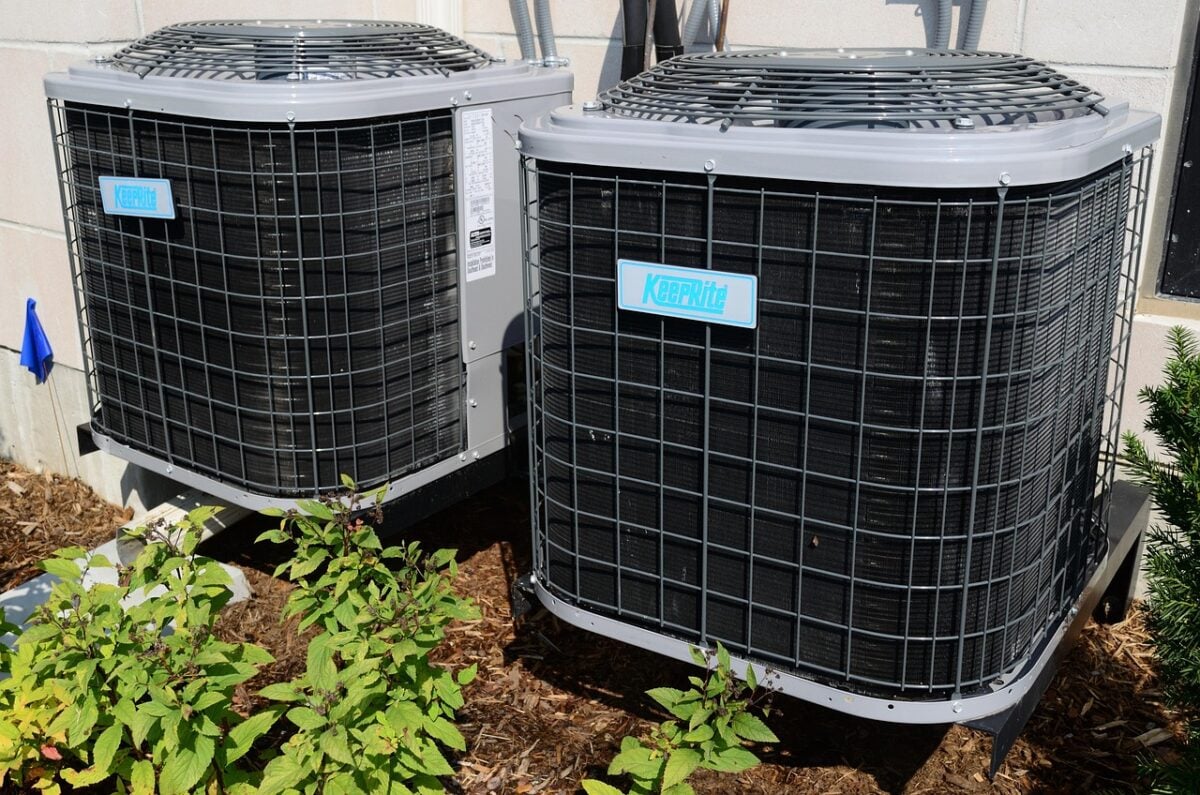
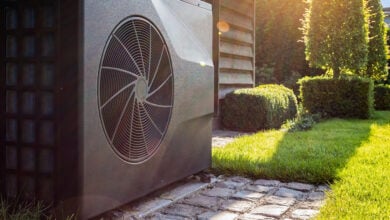
How you heat your home matters, too. Electric baseboard heaters and traditional electric furnaces produce heat directly. Heat pumps work differently, transferring heat from one place to another. Under suitable conditions, a heat pump can deliver two to three times as much heat as the electricity it consumes.
How To Reduce Heating And Cooling Costs
- Adjust your thermostat when you’re away or sleeping. The Department of Energy estimates that setting it back 7 to 10°F for eight hours daily can save up to 10% annually on heating and cooling. Homes with heat pumps may need smaller winter adjustments to avoid triggering inefficient backup heat.
- Replace dirty air filters. Check them regularly and follow your system’s replacement schedule. Homes with pets or heavy dust may need more frequent changes.
- Use ceiling fans strategically. Fans make people feel cooler, allowing you to raise the thermostat a few degrees in summer. They don’t actually lower room temperature, so switch them off when nobody’s there.
- Keep the summer sun out. Close blinds or curtains on windows receiving strong afternoon sunlight. In winter, let the sunshine in when possible.
- Seal drafts before replacing equipment. Weatherstripping and caulk can address small air leaks that make your heating and cooling systems work harder.
Unlike traditional electric heaters, heat pumps move existing heat rather than generating it directly. That’s why they can deliver several times as much warmth as the electricity they consume. Our explanation of how heat pumps work takes a closer look at the science, including how they pull warmth from freezing outdoor air.
2. Water Heaters
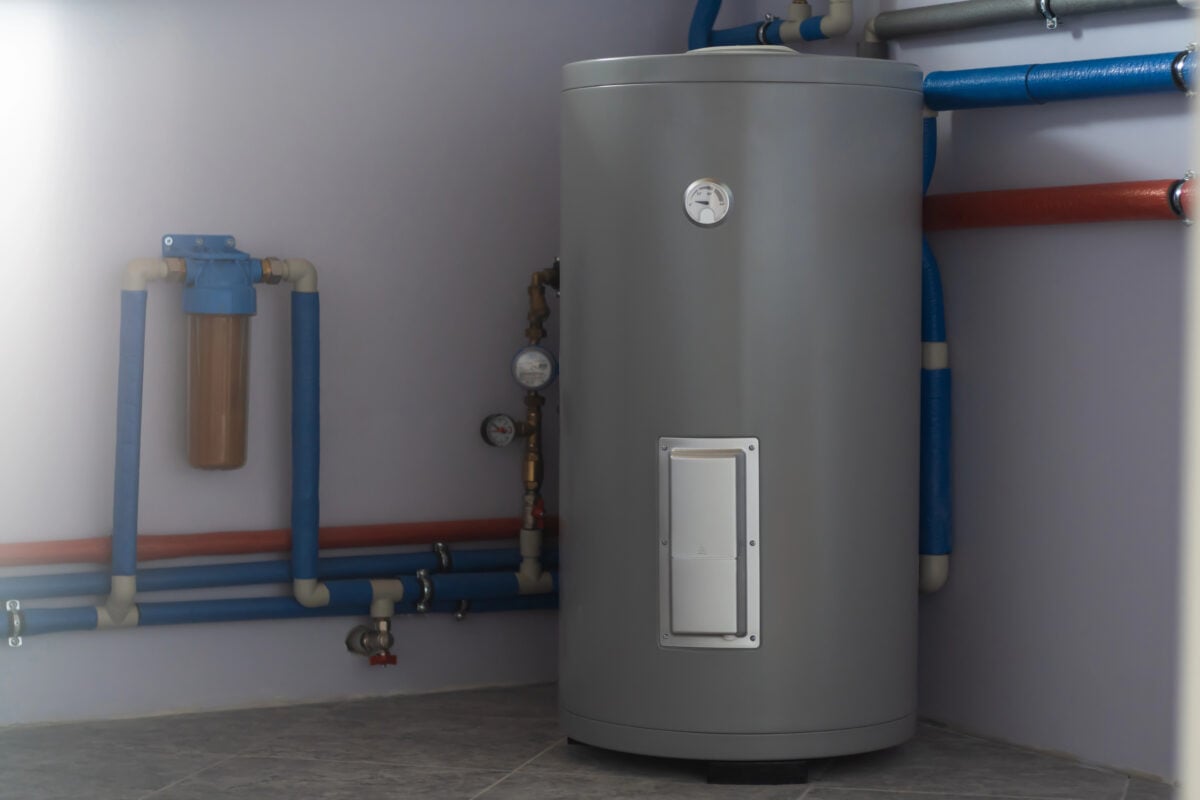
Your water heater may be one of the hardest-working appliances in the house, especially if you have a traditional electric tank.
Most storage water heaters hold 40 to 50 gallons of hot water. Even when nobody’s showering or doing laundry, the tank gradually loses heat and must warm the water again.
Then there’s the actual hot-water use. A household with four people taking daily showers, washing dishes, and doing laundry will generally use much more than someone living alone.
And unlike your air conditioner, your water heater works year-round.
How To Reduce Water Heating Costs
- Check the temperature setting. Around 120°F is a common energy-saving recommendation for many households, but water safety needs vary. Higher storage temperatures may be appropriate to control bacteria, including Legionella. Follow your heater’s instructions and consult a professional if you’re unsure.
- Install an efficient showerhead. A model rated around 1.8 to 2.0 gallons per minute can reduce hot-water consumption without sacrificing much water pressure.
- Repair dripping hot-water faucets. Even a small leak wastes water you’ve already paid to heat.
- Wash clothes in cold water. For most everyday laundry, this cuts the energy used to heat wash water.
If your electric tank is nearing the end of its life, consider a heat pump water heater. These systems transfer heat from the surrounding air into the water instead of relying entirely on electric resistance heating.
They typically use substantially less electricity than conventional electric tanks, although installation costs, available space, and the temperature of the surrounding room can affect whether they’re the right choice.
Your water heater is just one part of your home’s water system. If you’re also dealing with sediment, unusual odors, or staining at multiple faucets, our guide to whole-house water filters explains when treating water throughout your home makes sense and when a smaller filter may be enough.
3. Clothes Dryers And Washing Machines
Your dryer is usually the bigger electricity user, and the reason is simple: removing moisture takes a lot of heat.
A typical electric dryer combines a heating element with a motor that tumbles your laundry. Depending on the load, one drying cycle can last an hour or longer.
Washing machines generally consume much less electricity themselves. Much of the energy associated with washing clothes in warm or hot water comes from the water heater.
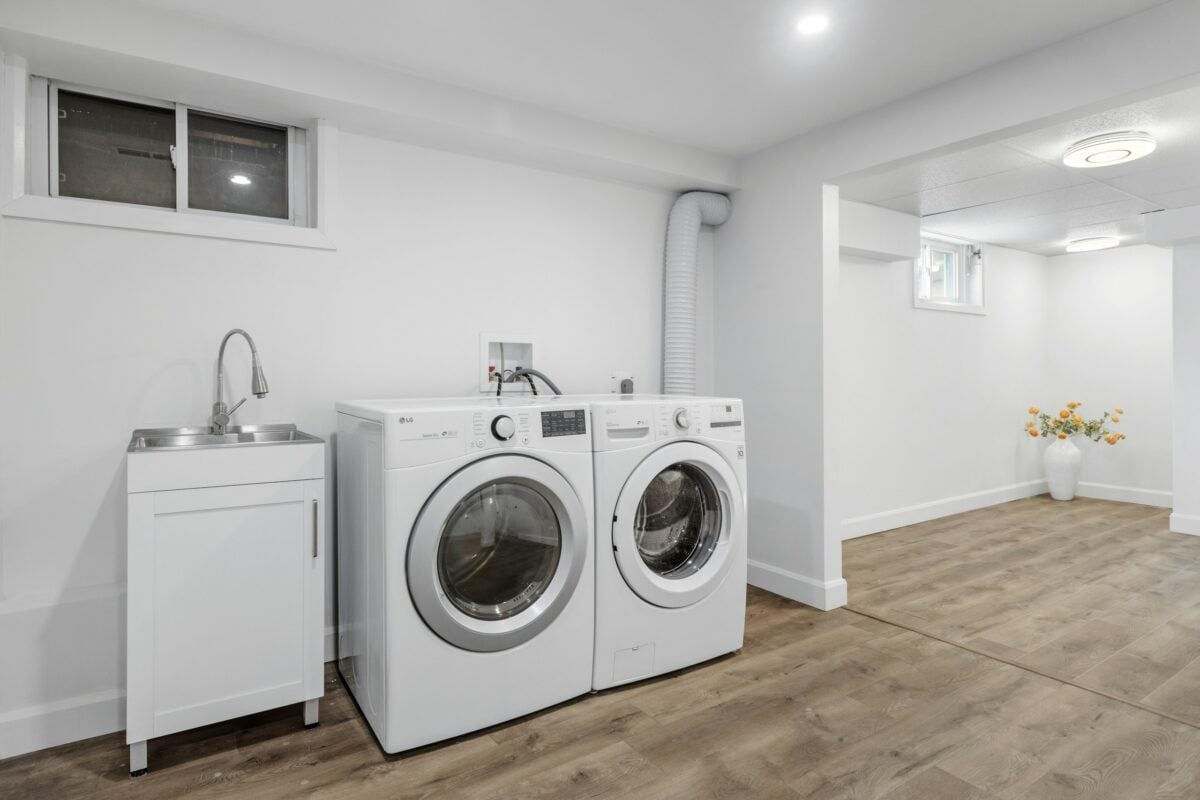
That’s why switching to cold water can make such a difference. Modern detergents are designed to work in cooler temperatures, and cold water is suitable for most everyday laundry. Some heavily soiled items or sanitation needs still call for warmer settings.
How To Spend Less On Laundry
- Use a faster spin cycle when appropriate. Clothes that come out of the washer less saturated need less drying time.
- Clean the lint screen before every dryer load. This helps maintain airflow and reduces fire risk.
- Inspect the dryer vent. A blocked exhaust duct can increase drying times and create a fire hazard. Clean it as needed, following manufacturer guidance.
- Choose automatic drying. Moisture sensors can stop the cycle when clothes are dry instead of continuing through a preset time.
- Dry similar fabrics together. Heavy towels and lightweight shirts rarely dry at the same rate.
- Air-dry when practical. A drying rack works well for delicate clothing and items that don’t need the dryer.
You don’t have to hang every load on a clothesline to save electricity. Even cutting out a few dryer cycles each month helps.
4. Refrigerators And Freezers
Your refrigerator runs every day of the year, but that doesn’t mean its compressor operates constantly. It cycles on and off to maintain the temperature inside.
Modern refrigerators are far more efficient than many older models, so a newer kitchen fridge may not be a major concern.
The one I’d investigate first is the old refrigerator in the garage.
It’s a familiar arrangement. You replace the kitchen fridge, but the old one still works, so it moves into the garage to hold extra drinks, holiday leftovers, or a few frozen pizzas.
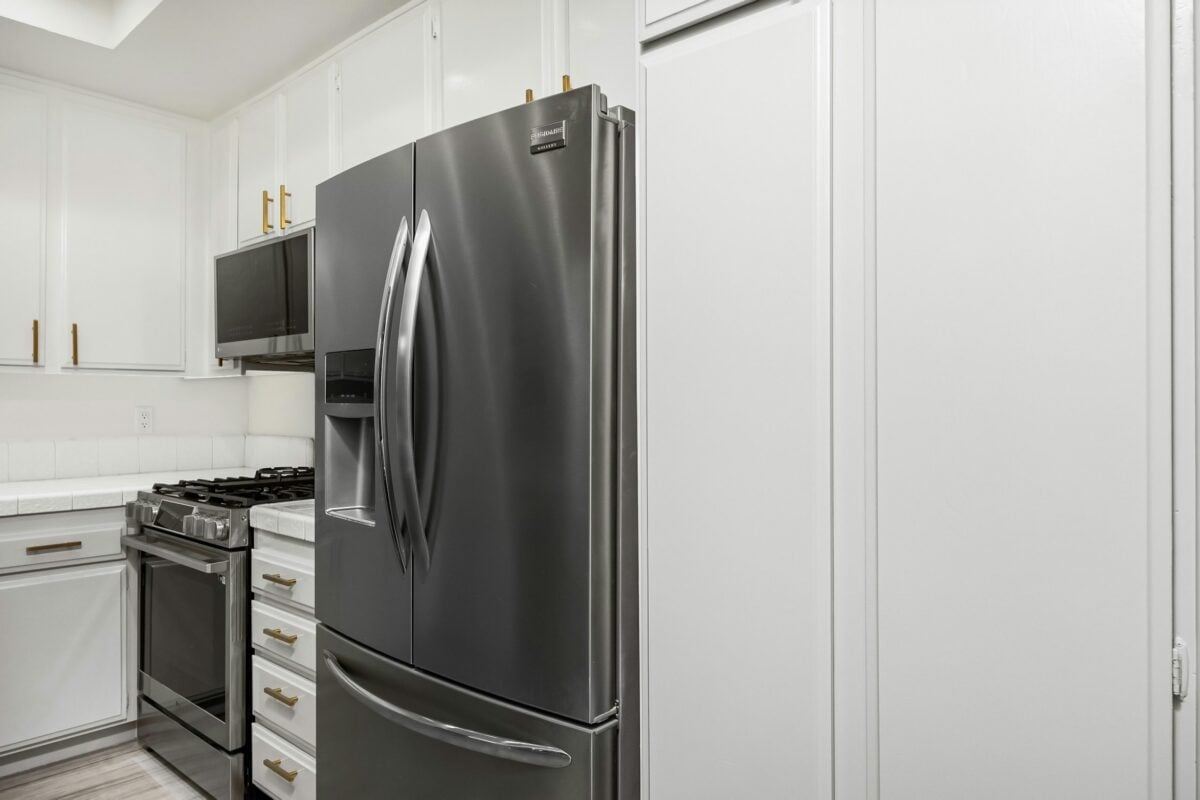
Now that aging refrigerator is sitting in a space that might reach 100°F in summer, with worn door seals and a compressor working harder to keep everything cold.
That convenience can get surprisingly expensive. If you rarely use what’s inside, unplugging the extra fridge may save more than changing several smaller electricity habits combined.
How To Keep Refrigeration Costs Down
- Check the temperatures. Aim for about 37°F in the refrigerator and 0°F in the freezer. Setting them unnecessarily cold wastes electricity.
- Inspect the door gaskets. Close the door on a dollar bill. If it slips out with little resistance, check whether the seal needs cleaning, adjustment, or replacement.
- Clean accessible condenser coils. Dust buildup can reduce efficiency. Follow the manufacturer’s instructions, since some newer models have coils that don’t require routine cleaning.
- Allow proper ventilation. Follow your appliance’s clearance requirements and avoid placing it near major heat sources.
- Think twice about the spare fridge. If you only use it occasionally, the convenience might not justify keeping it plugged in all year.
Stand-alone freezers deserve attention, too. Chest freezers often retain cold air better when opened, although actual energy use also depends on size, insulation, and efficiency.
5. TVs, Computers And Other Electronics
Here’s some good news for anyone who’s ever worried about leaving the TV on a little too long: modern LED televisions generally use considerably less electricity than older plasma models.
Even a large television used for several hours each evening may account for a relatively small portion of your annual bill.
Still, a few settings are worth checking. Some TVs come with unusually bright picture modes designed to stand out in stores. Switching to a standard or cinema setting can reduce power consumption while providing a more comfortable picture at home.
Computers are another story.
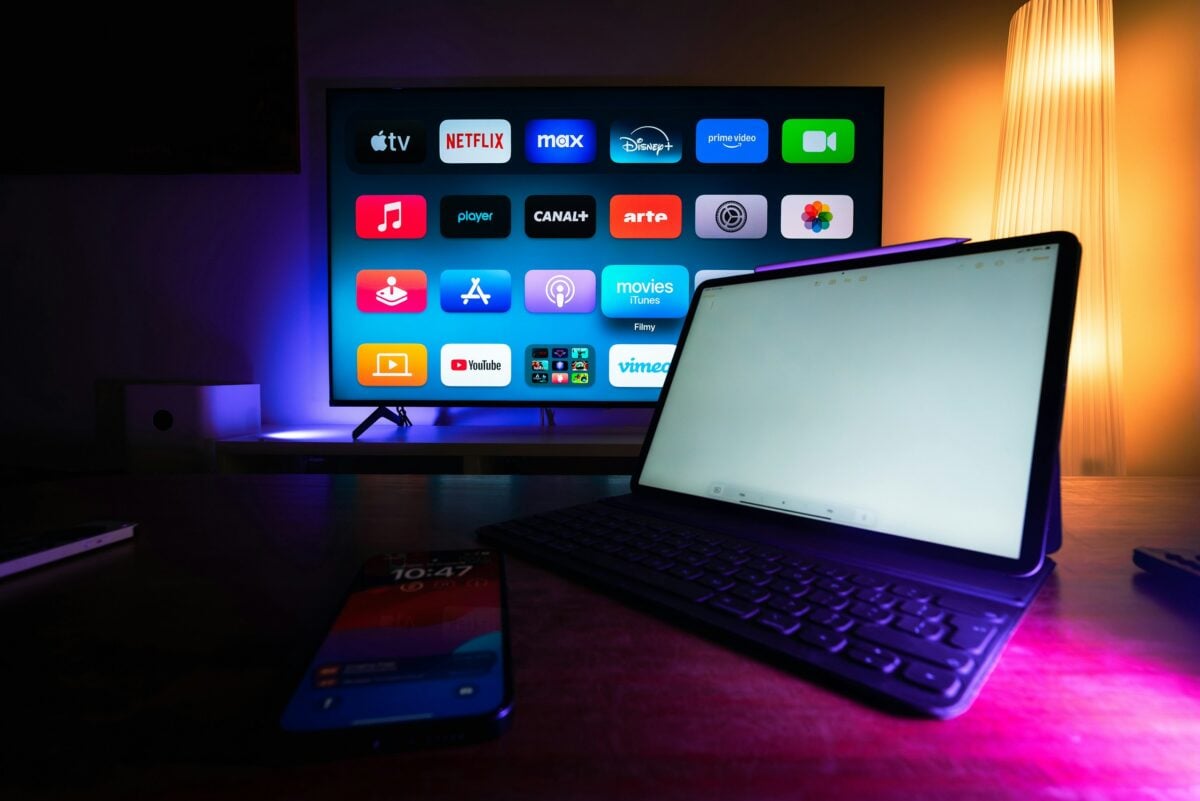
A laptop used for browsing and email might draw only a few dozen watts. A gaming desktop with a powerful graphics card can consume several hundred watts during demanding games. Someone who plays every evening could notice that difference on their electricity bill.
Home offices can also add up. A desktop computer, multiple monitors, speakers, printer, and networking equipment may draw electricity throughout the day, even when nobody’s working.
The simplest fix is to use built-in power management settings. Let computers and monitors enter sleep mode after a reasonable period of inactivity, and shut down equipment you won’t need for a while.
6. Standby Power And Phantom Loads
Turning something off doesn’t always mean it stops using electricity.
Your television may continue listening for a remote signal. A game console might download updates while you’re asleep. The cable box under the TV could be recording shows long after everyone has gone to bed.
This electricity use is often called standby power or phantom load.
Individually, these devices may consume very little electricity. But when you have dozens of them plugged in around the house, those small amounts can add up. Our guide to everyday energy wasters around your home covers more ways to spot unnecessary electricity use and cut back.
In a 2015 study of Northern California homes, the Natural Resources Defense Council found that always-on consumption from inactive devices accounted for nearly 23% of household electricity use on average.
That doesn’t mean your home loses 23% of its electricity to standby power. The research is older, covered a specific region, and included a broader range of always-on equipment than phone chargers and televisions.
Still, it illustrates why those small, continuous electrical loads are worth investigating.
Where To Look For Standby Power
Some common sources include:
- Cable and satellite boxes, particularly DVR models
- Game consoles with instant-on or background update settings
- Soundbars, subwoofers, and home theater receivers
- Desktop computers and monitors that rarely enter sleep mode
- Older power adapters and chargers
- Appliances with continuously illuminated displays
You don’t need to unplug everything each night.
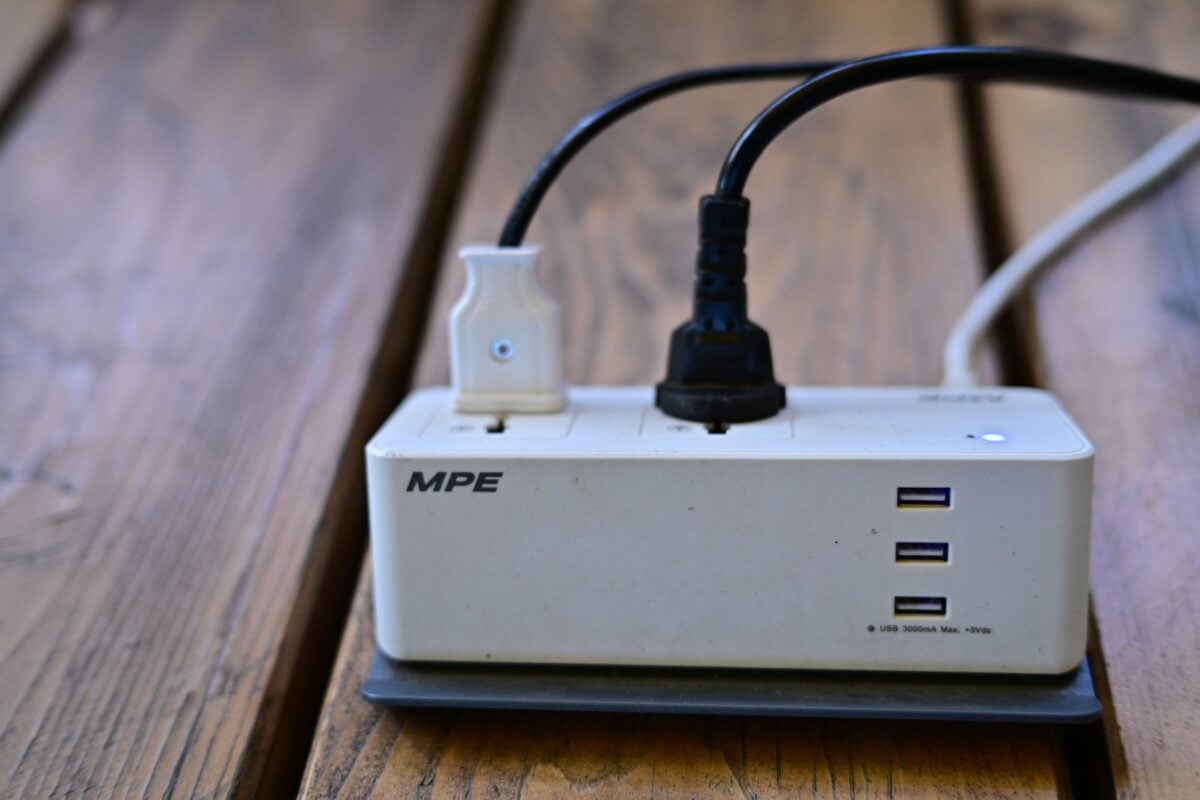
A smart power strip can switch off entertainment accessories when the television turns off. Many consoles and TVs also offer energy-saving modes that reduce power consumption when they’re not being used.
Just avoid cutting power to equipment that needs to operate continuously, such as your internet router, security devices, or anything recording or updating overnight.
Curious about what your home uses when everyone’s asleep? Check the overnight electricity readings in your utility account, if available. You’ll see your home’s baseline consumption, which may include refrigerators, heating equipment, and other systems that cycle on and off.
It won’t identify every phantom load, but it can reveal whether your house is using more electricity overnight than you expected.
7. Surprising Electricity Users You Might Be Overlooking
Some of the biggest electricity users aren’t in your kitchen or living room. They’re tucked away in basements, garages, and utility closets, quietly adding to the bill.
Not every home has these appliances, but if yours does, they’re worth a closer look.
Space Heaters
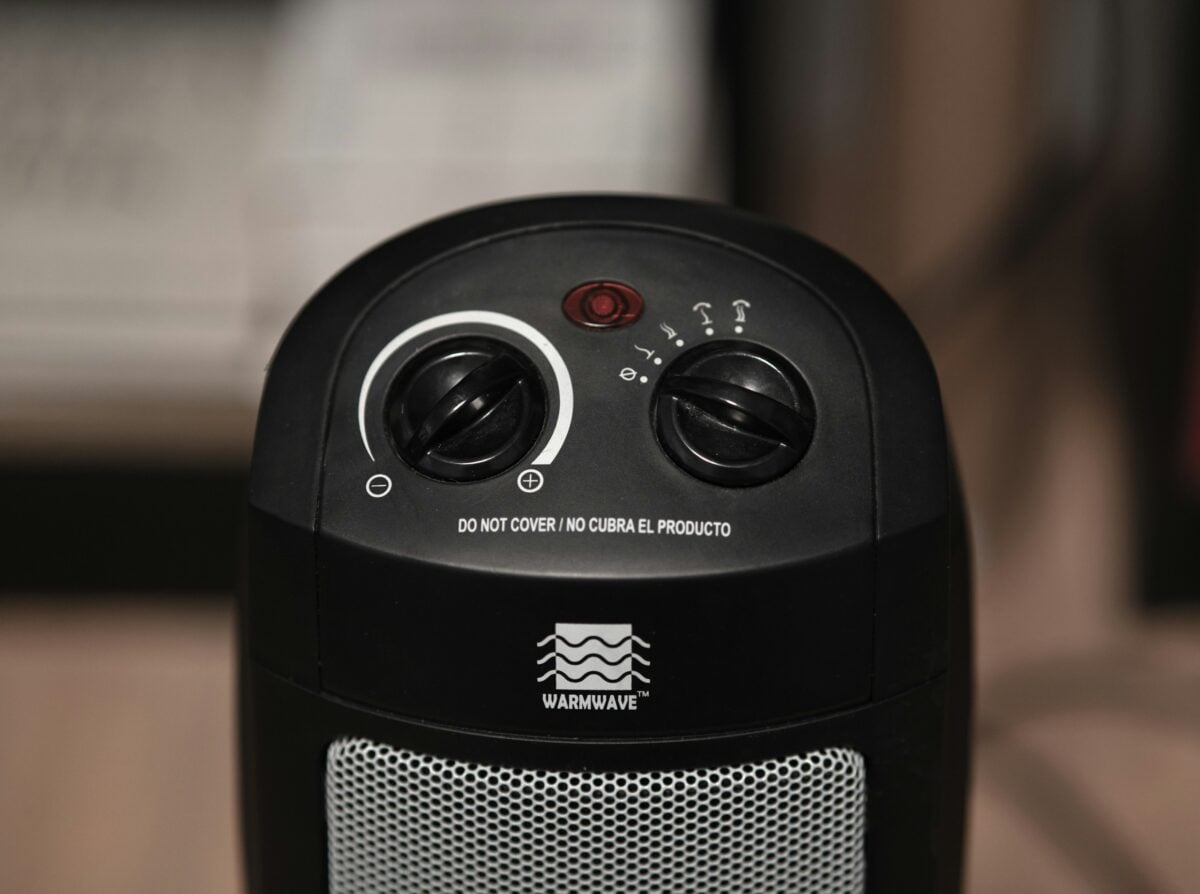
A typical portable space heater draws around 1,500 watts on its highest setting. That’s comparable to a hair dryer, except a space heater may run for hours instead of minutes.
At 18 cents per kilowatt-hour, running one for six hours costs about $1.62. Do that every day for a month, and you’re looking at nearly $49.
Space heaters can be useful for warming an occupied room, but long daily runtimes can quickly increase your electricity costs. Keep them away from flammable materials and plug them directly into a wall outlet, never a power strip or extension cord.
Dehumidifiers
A dehumidifier running throughout a humid summer can consume a surprising amount of electricity.
The unit pulls moisture from the air using a refrigeration system, and it may cycle frequently in a damp basement.
Try setting the humidity target around 45% to 50% rather than running it continuously at the driest setting. Addressing water leaks and other moisture sources can also reduce how hard the machine has to work.
Hot Tubs
Keeping hundreds of gallons of water at around 100°F takes energy, particularly during cold weather.
Heat escapes through the cover, cabinet, and plumbing. Older tubs with poor insulation may lose heat faster, forcing the heater to cycle more often.
A well-fitting, insulated cover is one of the easiest ways to reduce that loss.
Swimming Pool Pumps
An older single-speed pool pump can consume substantial electricity during swimming season, especially if it runs for long periods every day.
Variable-speed pumps can use significantly less electricity when operating at lower speeds. If you’re considering an upgrade, check your pool’s filtration needs and any applicable turnover requirements before changing the schedule.
Electric Vehicle Charging
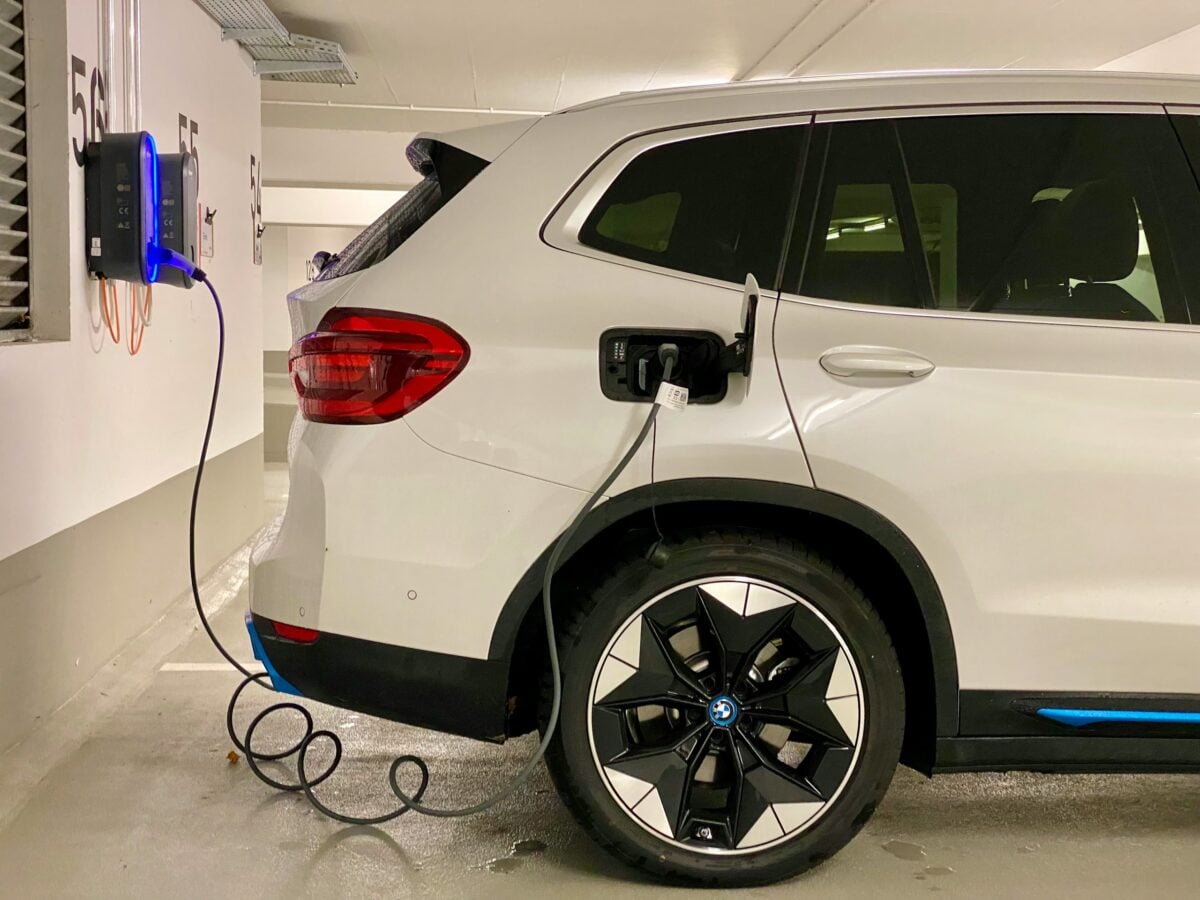
An electric vehicle can become one of the largest electricity users in a household, especially if you drive regularly and charge primarily at home.
That doesn’t necessarily mean it’s expensive transportation. The electricity replaces gasoline purchases, so the better comparison is the cost per mile.
If your utility offers time-of-use pricing, scheduling charging during lower-rate periods may reduce your costs without changing your driving habits.
An electric car can noticeably increase your household electricity use, but that power replaces the gasoline you’d otherwise buy. If you’re curious about what happens to all that electricity, our look at how electric cars work explains how the battery, motor, and charging system work together.
Other Easy-To-Miss Energy Users
Depending on your home, these can also make a noticeable difference:
- Well pumps: Frequent cycling or a plumbing leak can increase electricity use.
- Aquarium heaters: Larger heated tanks may require substantial energy, especially in cool rooms.
- Electric radiant floors: Comfortable underfoot, but they can consume significant electricity when used for extended periods.
- Roof de-icing cables: These can draw hundreds of watts when running, making controls and operating schedules important.
One appliance that deserves a little credit is the electric blanket. It generally uses far less electricity than a portable space heater. When used safely according to the manufacturer’s instructions, it can provide personal warmth without heating an entire room.
4 Common Electricity Myths That Could Be Costing You Money
Some energy-saving advice gets passed around for years, even when it isn’t entirely accurate. And a few things we worry about barely make a dent in the electric bill.
Here’s what’s worth knowing.
| Myth | What’s Actually True |
|---|---|
| 1. Leaving phone chargers plugged in wastes a lot of electricity. | Modern chargers generally draw very little power when nothing is connected. Unplugging them won’t hurt, but appliances that heat, cool, or run for hours are usually a better place to look for savings. |
| 2. Turning down the heat doesn’t save money because the furnace has to work harder later. | Lowering your thermostat generally reduces heat loss and saves energy, even when the house warms up again. Heat pumps with auxiliary heating are an important exception because large setbacks can trigger less efficient backup heat. |
| 3. New appliances are always cheaper to run. | Newer models are often more efficient, but size and features matter. A large refrigerator with an ice maker may use more electricity than a smaller, basic model. Compare EnergyGuide labels instead of assuming newer automatically means cheaper. |
| 4. Washing clothes in hot water always gets them cleaner. | Modern detergents work well in cold water, which is suitable for most everyday laundry. Hot or warm water still has its place for certain stains, heavily soiled items, and loads that need sanitizing. |
The takeaway: Saving electricity isn’t about following every tip you’ve ever heard. It’s about knowing which habits actually make a difference and which ones aren’t worth worrying about.
Where Can You Save the Most Electricity?
You don’t need to replace every appliance or start taking cold showers to lower your electric bill. A few small changes can make a difference, especially when they affect equipment that runs for hours every day.
If you’re wondering where to start, I’d focus on these:
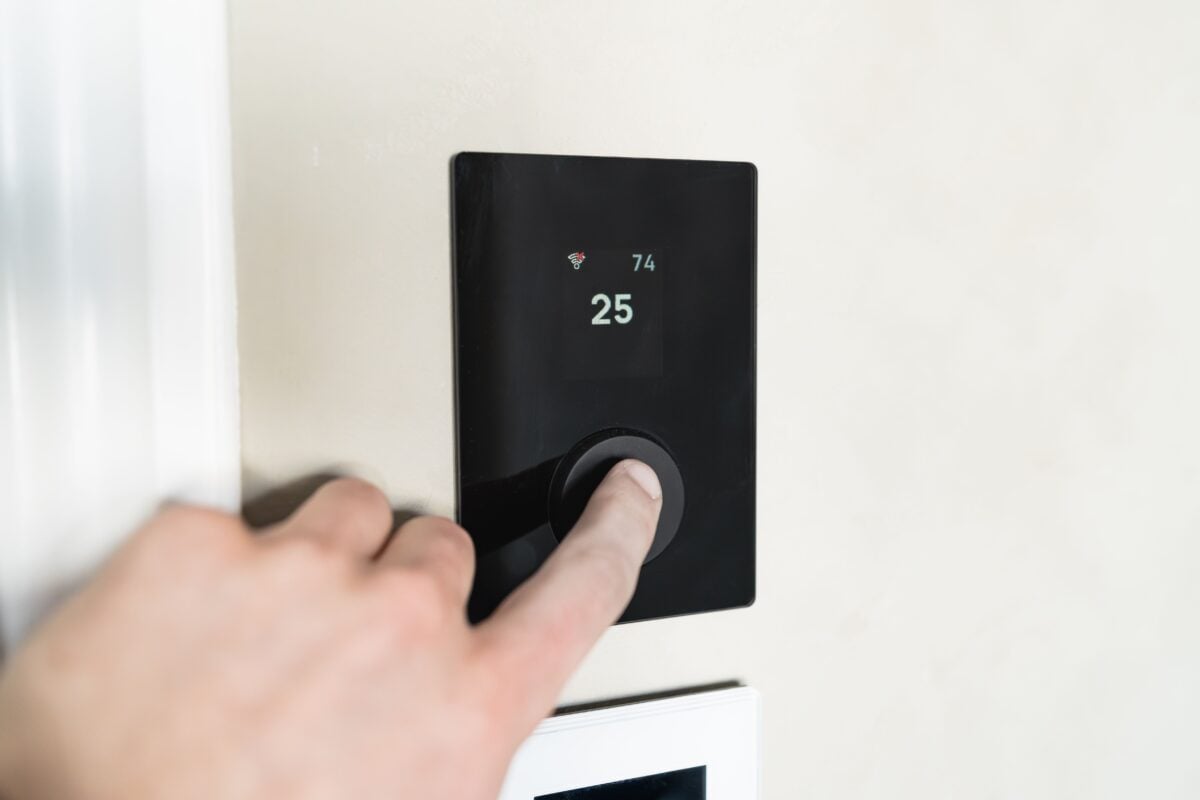
- Check your heating and cooling settings. Small thermostat adjustments can reduce how long your system runs without making your home uncomfortable.
- Take a second look at your water heater. Check whether its temperature setting is appropriate for your household and whether you’re using more hot water than necessary.
- Investigate the old refrigerator in the garage. If it’s mostly holding drinks and leftovers, decide whether keeping it running year-round is worth the expense.
- Pay attention to appliances that produce heat. Space heaters and clothes dryers can consume substantial electricity when used frequently.
- Look for electricity you’re paying for but not using. Computers that never sleep, entertainment systems left in standby, and forgotten equipment are good places to investigate.
When an appliance eventually needs replacing, compare the estimated annual energy costs on its yellow EnergyGuide label. A more efficient model may cost more upfront but save money over its lifetime.
The goal isn’t to use as little electricity as possible. It’s to stop paying for electricity that isn’t doing anything useful.
How To Calculate What An Appliance Costs To Run
Ever wondered how much that space heater under your desk actually costs? Or whether your teenager’s gaming computer is making a noticeable difference in the electric bill?
You can get a reasonable estimate with three numbers: the appliance’s wattage, how long it runs, and your electricity rate.
Step 1: Find The Wattage
Look for a label on the appliance or check its manual. Wattage tells you how much electrical power it draws while operating.
If the label only lists volts and amps, multiplying them gives you an approximate upper-end figure for many household devices. Actual power use can be lower, especially for appliances with motors or electronic power supplies.
Step 2: Calculate Electricity Use
Multiply the wattage by the number of hours the appliance runs, then divide by 1,000 to convert the result into kilowatt-hours (kWh).
Watts × Hours Used ÷ 1,000 = kWh
Step 3: Calculate The Cost
Multiply the kilowatt-hours by your electricity rate. You’ll find the per-kWh charges on your electric bill, although some utilities separate energy and delivery charges or charge different rates depending on the time of day.
kWh × Electricity Rate = Estimated Cost
Example: What Does A Space Heater Cost Per Month?
Let’s say you use a 1,500-watt space heater for four hours every evening.
- Daily use: 1,500 watts × 4 hours ÷ 1,000 = 6 kWh
- Monthly use: 6 kWh × 30 days = 180 kWh
- Monthly cost: 180 kWh × $0.18 = $32.40
That’s more than $32 for one space heater in a single month. Run it twice as long, and the estimated cost doubles.
How To Get A More Accurate Number
The formula works best for appliances that draw a fairly steady amount of power. Refrigerators, air conditioners, and other thermostatically controlled equipment cycle on and off, so their actual consumption is harder to estimate from the wattage label alone.
For a closer look, try one of these methods:
- Check the EnergyGuide label. Many major appliances display estimated annual electricity use based on standardized testing.
- Use a plug-in electricity monitor. These devices measure how much energy compatible appliances actually consume over time. Some libraries and utility companies even lend them out.
- Look at your utility account. If you have a smart meter, you may be able to see hourly or daily usage. Compare different periods to spot unusual patterns or changes.
You might be surprised by what you find. An appliance you rarely think about could be using far more electricity than the gadgets you’ve been reminding everyone to turn off.
Once you know how much electricity your household uses, you may start thinking about where that power comes from. Solar is one option worth exploring, and these interesting facts about solar energy offer a closer look at how we harness the sun’s energy for everyday use.
The Bottom Line
I’m still going to remind my kids to turn off the lights and TV when they leave a room. There’s no reason to waste electricity, even if those aren’t the biggest expenses on our bill.
But now I know it’s worth paying more attention to the appliances quietly working in the background, too.
The best place to start is figuring out what uses the most electricity in your own home. Check your bill, look at the equipment you use most, and focus on the changes that could make a real difference.
Have you ever found an unexpected energy hog in your home? Tell us what it was in the comments. We’re curious what surprised you most!
More Ways To Save Energy At Home
Understanding where your electricity goes is a great first step toward using less. You can also explore how solar panels turn sunlight into electricity, find out how different light bulbs compare in energy use, or discover why recycling matters for conserving energy and natural resources.