When you purchase through links on our site, we may earn a commission. Here’s how it works.
You place a bottle, can, or cardboard box in the recycling bin, wheel the bin to the curb, and watch a truck carry everything away.
Table of Contents
But what happens next?
Many people picture their recycling traveling directly to a factory and becoming a new product. The real journey is more complicated. Materials may pass along conveyor belts, through screens, beneath magnets, past optical scanners, and in front of workers responsible for removing anything that does not belong.
Some items make it through the process, and manufacturers purchase them for use in new products. Facilities reject others because they contain food or liquids, create safety risks, combine several materials, fall below the equipment’s size limits, or do not meet local recycling rules.
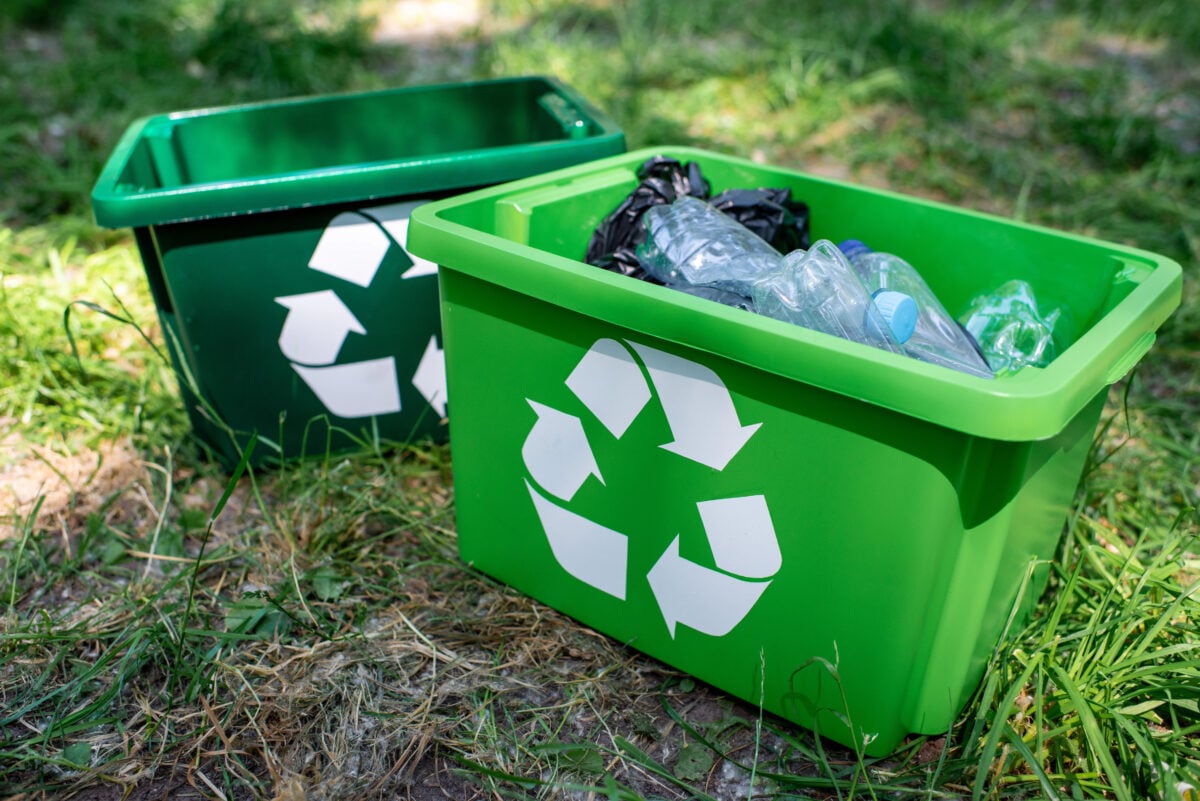
Understanding that process makes recycling much easier. You do not need to memorize every type of packaging. You simply need to know what your local program accepts, which mistakes create problems, and what happens after the truck leaves your street.
What Happens to Your Recycling After It Leaves the Curb?
After collection, trucks carry recyclables to a processing facility, such as a materials recovery facility. Workers and sorting equipment separate the materials by type, remove contaminants, compress accepted materials into bales, and prepare them for sale or shipment to manufacturers.
Workers remove materials the facility cannot process and send them for disposal or redirect them to a specialized recycling program. The exact process depends on the material and the systems available in your area.
How Does Recycling Actually Work?
Recycling collects materials that people would otherwise discard, processes them, and turns them into inputs for new products. Facilities may recycle paper, cardboard, metals, glass, and certain plastics, but local collection rules and processing capabilities determine which materials they accept.
See How Recycling Works
Recycling involves much more than collecting materials from the curb. This video shows how workers and equipment sort, separate, and prepare recyclables for use in new products.
The complete recycling process involves more than placing something in the correct bin. It generally includes three major stages:
- Collecting the material.
- Sorting and processing it.
- Manufacturing a new product from the recovered material.
After collection, workers and equipment remove contaminants and convert recyclable materials into forms manufacturers can use. Paper processors turn paper into pulp, metal processors melt metals, glass facilities crush glass into cullet, and plastics reclaimers clean and process accepted plastics into reusable material.
Recycling works best when local facilities accept the collected materials, processors can handle them efficiently, and manufacturers can use the recovered material in new products.
Similar processes apply to metals, glass, and certain plastics, although each material follows a different processing and manufacturing route.
Myth: The recycling symbol means the item belongs in my recycling bin
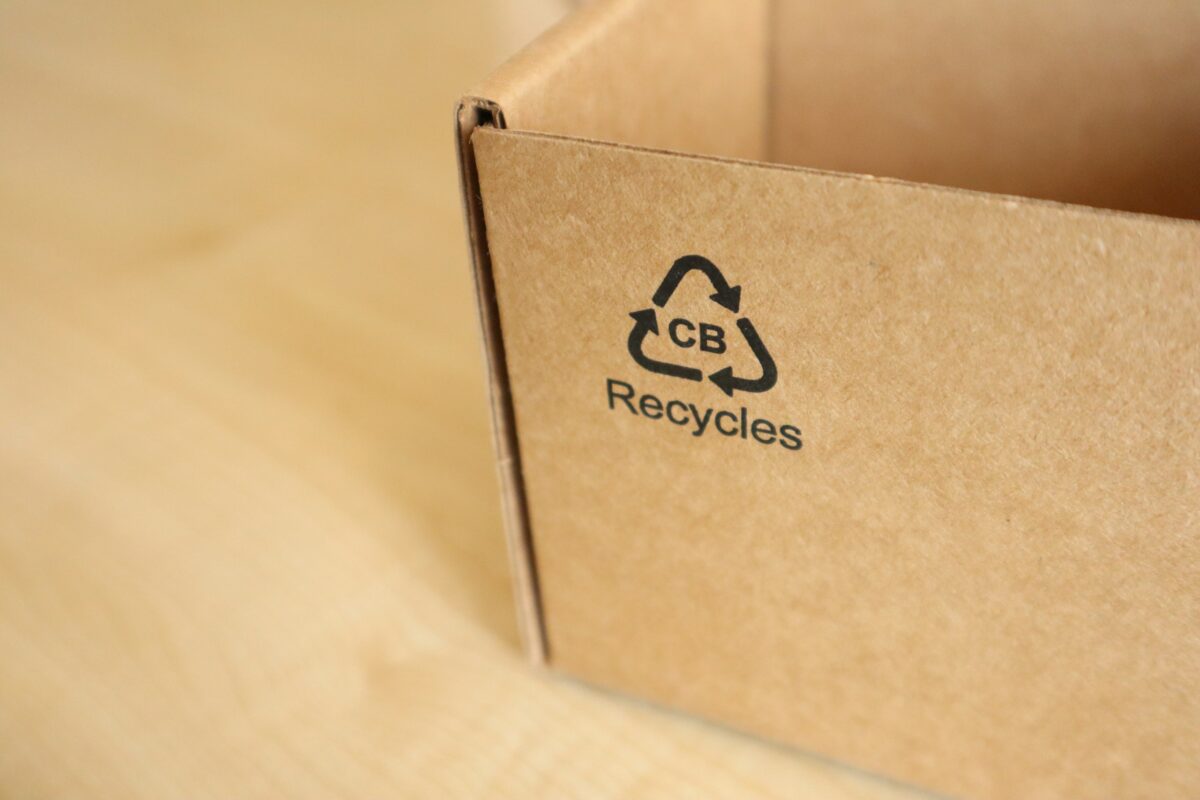
- Reality: The number inside the triangle normally identifies the type of plastic resin. It does not guarantee that your local program accepts the object.
- A #1 plastic bottle may be accepted, while a #1 plastic tray is not. Shape, size, color, additives, and local processing capabilities can all matter.
- What to do: Check the accepted-material list published by your city, hauler, or recycling facility.
What Happens After Recycling Collection?
A recycling truck collects materials from homes, businesses, drop-off sites, or deposit-return locations. Depending on the community, residents may place all accepted materials in one bin or separate them into different containers.
The truck then carries the materials to a processing facility. Many communities call this type of facility a materials recovery facility, or MRF.
1. Workers Unload and Inspect the Recycling
The truck unloads the collected materials onto a large tipping floor. Equipment operators and workers inspect the load for obvious hazards and remove large pieces of scrap metal, plastic bags, hoses, propane cylinders, batteries, and other unsuitable objects before the materials enter the main sorting system.
2. The materials move onto conveyor belts
The remaining material travels through a network of conveyor belts. The exact setup differs between facilities, but sorting systems may use screens, air movement, magnets, optical equipment, mechanical separators, and manual quality checks.
Screens can help separate flat materials such as paper and cardboard from three-dimensional containers. Magnets can remove steel. Other equipment can separate aluminum or identify certain types of plastic. Workers may remove contaminants that machines miss.
A modern facility may use several technologies in sequence because no single machine can identify and separate every item correctly.
3. Workers Check the Separated Materials
After the sorting system divides the materials into categories, workers and equipment check them for contamination. Too many incorrect items can reduce the quality and value of a bale of paper, plastic, or metal.
This explains why a technically recyclable item may still not belong in a curbside bin. The local system must be able to identify, separate, process, and connect the recovered material with a manufacturer that can use it.
Myth: Workers can sort out anything I put in the bin
- Reality: Workers and equipment remove many incorrect items, but every contaminant consumes time, creates costs, or introduces risk. Some objects can also damage equipment or contaminate otherwise useful material.
- What to do: Do not use the recycling bin as a place to “try” an uncertain item. Verify it first.
4. Workers Compress the Materials Into Bales
Workers and machinery compress accepted paper, cardboard, plastic, and metal into large, dense bales. Facilities usually handle glass differently by crushing it or sending it through additional processing.
Trucks then transport the prepared materials to paper mills, metal processors, plastics reclaimers, glass processors, or manufacturing facilities.
5. Manufacturers turn the materials into new products
Manufacturers use the sorted materials as inputs for new products. They may turn recovered paper into boxes or other paper goods, metal into new cans or industrial products, glass into new containers or other materials, and recycled plastic into packaging, carpeting, outdoor products, or household goods.
Manufacturers complete the recycling process when they turn recovered materials into new products. Collecting an item alone does not recycle it.
What Can—and Can’t—Go in Your Recycling Bin?
What you can recycle depends on where you live. Local programs do not all accept the same materials, even when the objects display similar recycling symbols.
Commonly accepted curbside materials may include:
- Clean cardboard
- Paper and mail
- Metal food and beverage cans
- Plastic bottles and jugs
- Glass bottles and jars
- Certain food boxes and cartons
Acceptance still varies, particularly for glass, cartons, plastic tubs, lids, and other packaging. Confirm the rules with your city or recycling provider before placing an unfamiliar item in the bin.
Plastic resin numbers, also known as recycle codes, range from 1 through 7, but these numbers identify the type of plastic rather than ranking how recyclable it is. The shape of the item and the capabilities of the local facility may matter just as much as the resin number.
A bottle, tray, cup, bag, and clamshell package made from similar plastic may not all follow the same recycling route.
Plastics are not the only materials that may carry recycling information. Paper, cardboard, glass, metal, and mixed-material packaging can also display material identifiers or disposal instructions. However, these labels do not necessarily mean the item belongs in your curbside bin. Always compare the packaging guidance with the rules provided by your local recycling program.
Your local program may also use one of two common collection systems:
- Single-stream recycling: Accepted paper, containers, and other materials are placed together.
- Multi-stream recycling: Residents separate materials into different bins or compartments.
Follow the instructions for your specific system. Do not assume that an item belongs in the bin simply because it is accepted at a store drop-off or specialized recycling facility.
Myth: Plastic numbers rank items from easiest to hardest to recycle
- Reality: Numbers 1 through 7 identify different plastic resin categories. They are not a recycling performance scale.
- What to do: Use the number only as one clue when checking your local rules.
Why Recycling Facilities Reject Recyclable-Looking Items
Local programs may reject items made from recyclable materials. Recycling facilities must identify, separate, process, and sell each material—not simply determine that someone could theoretically recycle it.
Common reasons for rejection include:
- The local facility does not have the equipment to process it.
- The item is too small, flat, flexible, or tangled for the sorting system.
- It contains several materials that cannot be separated easily.
- Food, grease, liquids, or moisture have reduced its quality.
- It creates a safety risk for workers or equipment.
- It is inside a plastic bag and could not be sorted properly.
- The recovered material does not meet a manufacturer’s quality requirements.
Local recycling rules matter because communities use different collection systems, equipment, and processing facilities. As a result, one program may accept an item that another rejects, even when manufacturers make both items from the same material.
8 Common Household Recycling Mistakes
Many recycling problems start with a reasonable assumption: an item looks recyclable, so someone places it in the bin. However, locally unaccepted materials can contaminate other recyclables, damage sorting equipment, or create safety risks. Recycling professionals often call this habit “wish-cycling.”
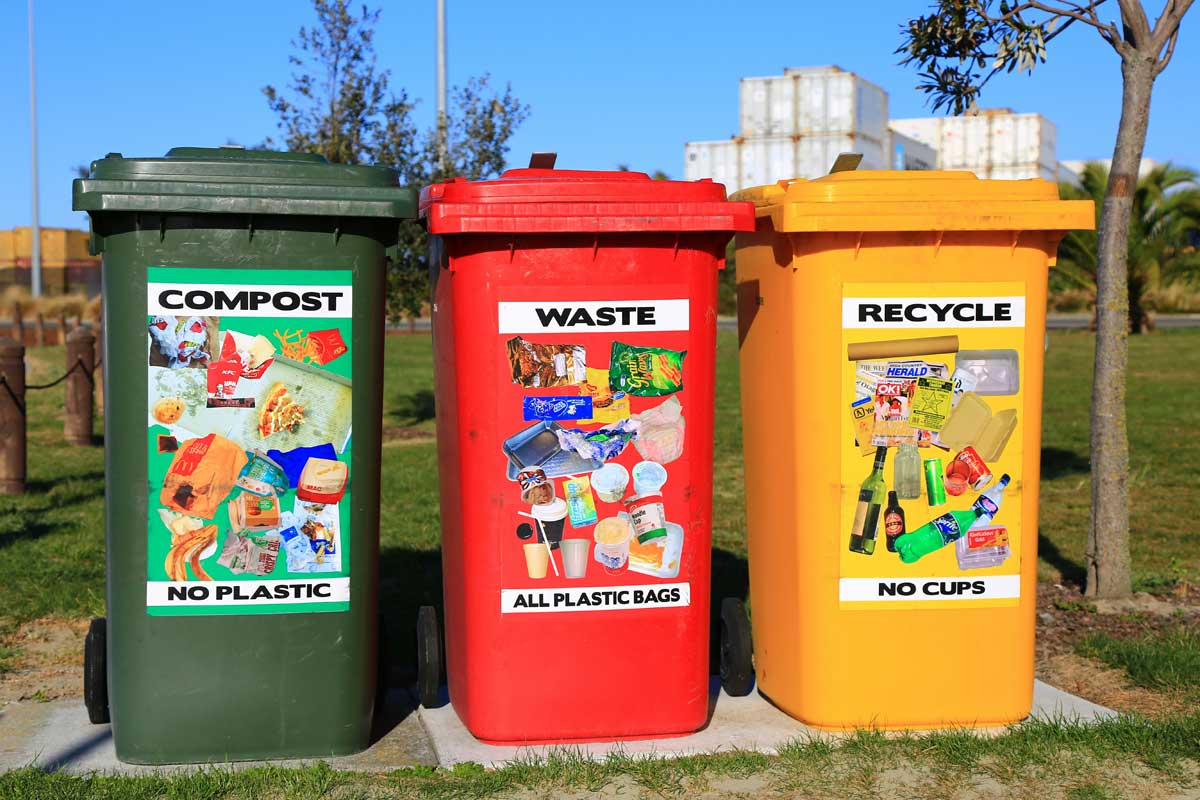
- Putting recyclables in plastic bags
Bagged recyclables may not separate properly, and plastic bags, produce bags, wraps, and shipping pillows can become tangled in sorting equipment. Place accepted recyclables loose in the bin and take eligible plastic film to an approved drop-off location. - Leaving food or liquid in containers
Food residue and liquids can spill onto paper, cardboard, and other materials, reducing their quality. Empty containers and scrape or lightly rinse them before recycling. - Recycling food-soiled paper and cardboard
Grease, moisture, and food can damage paper fibers and make them harder to process. Separate clean sections from heavily soiled areas and follow local composting or disposal guidance for the rest. - Putting batteries and electronics in curbside recycling
Electronics require specialized processing, and lithium-ion batteries can create a serious fire risk if crushed during collection or sorting. Take them to an e-waste recycler, retailer take-back program, or designated battery collection site. - Adding cords, hoses, chains, or string lights
These long, flexible items are known as “tanglers” because they can wrap around rotating machinery and force workers to stop the sorting line. Use a special collection program or follow local disposal instructions. - Assuming all plastics are accepted
A recycling symbol or plastic number does not guarantee that an item belongs in your curbside bin. Cups, utensils, trays, foam, clamshell containers, and compostable plastics may not be accepted. Check your local program before recycling them. - Treating all glass the same
Glass bottles and jars are different from drinking glasses, mirrors, ceramics, window glass, and heat-resistant cookware. These materials melt at different temperatures and should not be mixed unless your local program specifically accepts them. - Crushing cans without checking local guidance
Crushed cans can be harder for some single-stream sorting systems to identify. Leave them in their original shape unless your recycling provider recommends crushing them.
Myth: Plastic bags can go in the bin because stores recycle them
- Reality: A material may be recyclable through a special collection program but unsuitable for curbside equipment. Plastic bags and film are commonly collected separately because they can become tangled in machinery.
- What to do: Reuse bags or take eligible film to an approved retail drop-off location. Do not place it in curbside recycling unless your local provider explicitly accepts it.
Why Proper Recycling Matters
The journey through a sorting facility explains why recycling is more than a symbolic household habit. Correctly prepared recyclables can become raw materials for manufacturers, while incorrect materials create additional sorting, disposal, and safety problems.
- Recycling can reduce the amount of material sent to landfills and incinerators, conserve resources, support manufacturing, and contribute to employment in collection, processing, and manufacturing. Its effectiveness, however, depends on the quality of the collected material and the strength of the complete system—not simply the number of objects placed in a recycling bin.
- Recycling your waste makes you more conscious of how you use and dispose of goods. Studies show that people who recycle instinctively cut back on buying unnecessary things. They think of how to dispose of the packaging or the product after use before even buying it. As a result, people save a considerable amount of money while also saving the planet.
- Individuals, governing bodies, and companies can take pride in minimizing their waste as they are helping to reduce global environmental damage and making this earth a better place to live. It is a direct contribution that everyone can make.
- Recycling also has an economic role. Collection, sorting, equipment maintenance, material processing, transportation, and manufacturing all require workers and infrastructure. EPA identifies recycling and reuse as contributors to jobs, wages, and tax revenue in the United States.
Incinerating waste also produces emissions. Some waste-to-energy plants capture the heat from combustion and use it to generate electricity, which can recover some value from the process. However, the type of waste burned and the pollutants released can still affect nearby communities and the environment.
Why Are Some Recyclable Items Rejected?
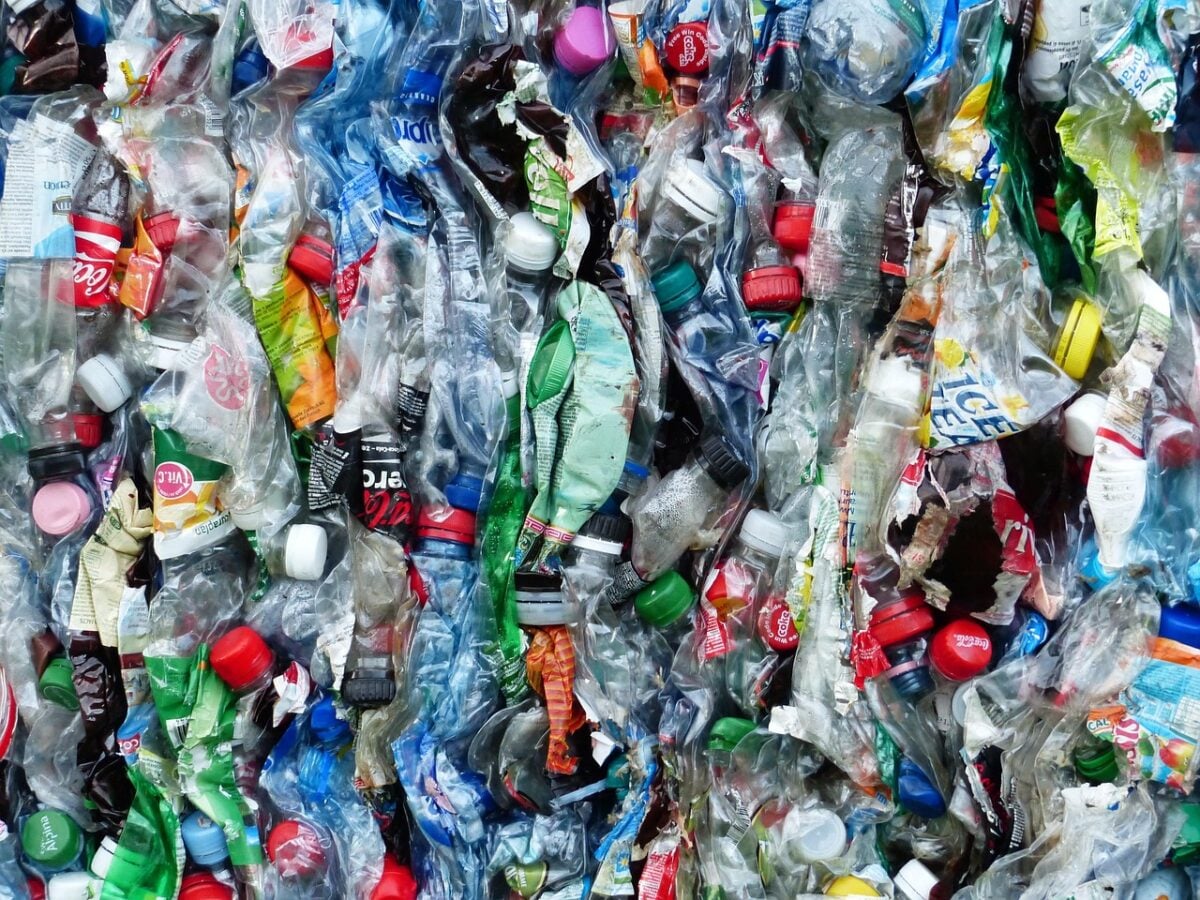
Seeing a recycling symbol on an object does not necessarily mean that the object will make it through your local system.
Facilities may reject an item for several reasons.
1. The local program does not accept it
Recycling programs use different equipment and sell materials to different processors. An item accepted in one city may not be accepted in another.
This is especially common with plastics. Plastic bottles and jugs are widely accepted, while plastic cups, trays, tubs, films, foam, and mixed-material packages vary considerably by location.
2. The item is contaminated
Food, grease, liquids, and other residue can reduce the value of recyclable material. Wet or food-soiled paper is particularly problematic because the fibers may no longer be suitable for normal paper recycling.
Containers usually do not need to be spotless, but they should be empty and free of significant food residue.
Myth: Recyclable containers must be perfectly clean
- Reality: Containers generally do not need to be scrubbed or run through a dishwasher. They should be emptied and have substantial food residue removed. EPA describes an accepted food container as needing to be roughly “spatula-clean.”
- What to do: Empty the container, scrape out food, and give it a quick rinse when necessary.
3. The item can damage sorting equipment
Flexible objects such as plastic bags, hoses, cords, string lights, and similar “tanglers” can wrap around moving equipment. Workers may need to stop the sorting line so the material can be cut away.
4. The item is dangerous
Batteries, propane cylinders, needles, broken glass, and partly full aerosol cans can create fire, explosion, or injury risks.
Lithium-ion batteries are especially dangerous when crushed or damaged during collection and processing. They should be taken to a designated battery, electronics, or household hazardous waste collection location rather than placed in a household recycling bin.
5. The item is too small or has the wrong shape
Small objects may fall through sorting equipment. Flat objects may be mistaken for paper, while unusual shapes can travel into the wrong material stream.
For example, crushing an aluminum can may make it harder for some single-stream sorting systems to recognize it correctly. EPA generally advises leaving cans uncrushed unless the local program says otherwise.
6. The package contains several bonded materials
Some packages combine plastic, paper, foil, adhesives, coatings, and other materials. If those layers cannot be separated economically, the package may not be suitable for the local recycling process.
7. The recovered material does not meet quality requirements
Recycled materials are bought and sold much like other manufacturing inputs. A processor needs material that meets its specifications. Excess contamination, mixed materials, moisture, or inconsistent quality may make a load difficult to sell or use.
Myth: Everything collected for recycling is secretly sent to a landfill
- Reality: Accepted materials are sorted, processed, and sold for manufacturing. However, contaminants and materials that cannot be processed must be removed. Local equipment, material quality, and available buyers all influence the final result.
- What to do: Concentrate on supplying your program with the clean, accepted materials it is designed to recover.
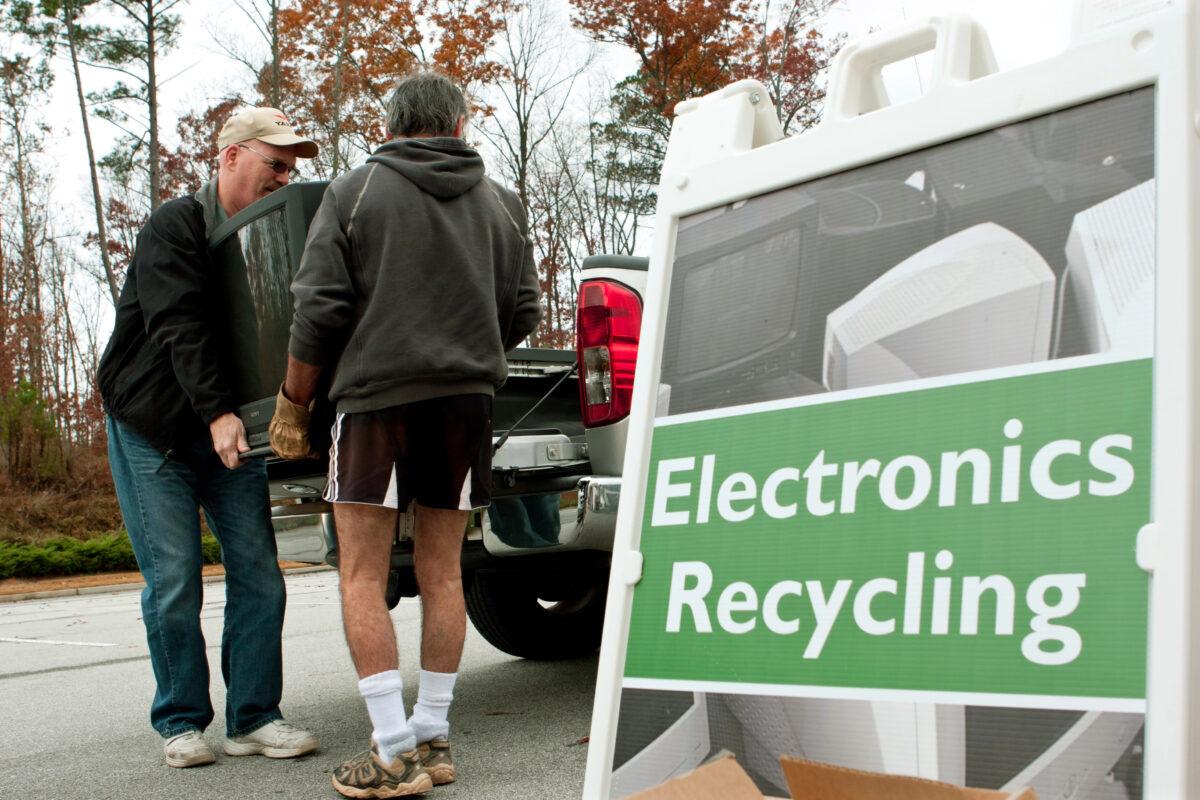
Why Electronics and Batteries Need Special Recycling
Rapid technological change has increased the number of discarded phones, computers, televisions, batteries, tools, and other electronic products.
You can reuse, sell, donate, repair, or refurbish working equipment. Take devices that no longer work to an electronics recycling or take-back program instead of placing them in a household recycling bin.
Before donating or recycling a computer, phone, or other device that stores data, remove your personal information. You may also need to remove the batteries and recycle them separately.
Never place lithium-ion batteries or devices that contain them in household garbage or curbside recycling. Collection trucks and sorting equipment can crush or damage the batteries and start a fire. The EPA recommends taking them to a participating retailer, certified electronics recycler, battery recycler, or household hazardous waste collection program.
Ways To Reduce the Trash You Create
In our general consumption of goods, we ignore the fact that a significant portion of our waste can be reduced or reused before recycling. Reducing and reusing materials can prevent waste before recycling becomes necessary.
It’s easier than you think to reduce waste by simply cutting down on the amount of non-recyclable materials you throw out. Here are some tips.
7 Easy-To-Follow Tips To Reduce Waste
- When purchasing groceries, bring your own reusable tote bags. If you forget, insist on paper and pack as many goods in one bag as possible without double-bagging.
- Try to reduce the amount of packaging you purchase by buying products in bulk.
- Switch from mail to paperless statements (bills, financial statements, newsletters, etc.) and have them e-mailed to you instead.
- Buy products that are packaged in recyclable cardboard or paperboard instead of Styrofoam.
- Avoid disposable items such as paper plates, cups, and utensils.
- When wrapping presents, opt for reusable gift bags instead of wrapping paper—or even reuse wrapping paper.
- Avoid using plastic wrap and opt for beeswax wraps as an eco-friendly alternative.
Donate Your Clothing & Home Goods To Charity
- Your city most likely has many charity shops (like Goodwill and the Salvation Army) that will take your gently used clothes, electronics, furniture, and other household items to resell as income for these non-profit organizations. You can even donate your car. These donations help others and are typically a tax deduction for you, too.
- Shop and sell your clothing at an online thrift store. You can send in your items to sell yourself or have them take care of the sale for a higher fee. Usable products may have value to another household or organization.
- Composting is the simple step of setting aside your fruit peel pits and other select food waste and putting it into a compost pile. This will reduce trash, create a much cleaner-smelling kitchen, and produce great nutrients for your garden. We review and pick the best composting bins.
Why Buying Recycled Products Completes the Process
You’re no doubt aware by now why this is so important. However, the effort involves recycling existing products and purchasing products that have already been recycled. Today, thanks to a recent strong push in the green movement, you’ll notice more and more products made from recycled materials.
To purchase products made from reused materials, look for a recycling symbol and language on the product’s packaging. Every day, manufacturers are finding new ways to create recyclable items, including paper towels, cardboard boxes, plastic containers, crayons, ink cartridges, paint, garden supplies such as hoses, furniture, wallpaper, and even garbage cans.
Don’t forget the packaging. It is often too big for the product inside and uses non-recycled materials. This is wasteful and should be minimized as well when making a purchase decision. Voting with your wallet is one of the best ways to make an impact while sending a clear message to the companies that make these products about your desire for more attention to recycle-friendly products.
Surprising Recycling Facts Most People Don’t Know
Some of the most useful recycling facts are also the most surprising. Many common assumptions—such as what the numbers on plastic mean, how clean containers need to be, or whether every recyclable item belongs in a curbside bin—do not match how recycling systems actually work.
These facts help explain why local rules matter and why small household choices can affect the entire process.
- Recycling does not end at collection. The full process includes collection, processing, and manufacturing.
- A plastic recycling number identifies resin type; it does not guarantee local acceptance.
- Plastic bags may be recyclable through a store program even though they do not belong in most curbside bins.
- Plastic bottle caps and labels can typically stay on plastic bottles, although local instructions take priority.
- Containers generally need to be empty and free from significant residue, not polished or dishwasher-clean.
- Crushing aluminum cans may make them more difficult for some single-stream sorting facilities to identify.
- Compostable plastic should not automatically be placed in plastic recycling. It can disrupt conventional plastic processing.
- Lithium-ion batteries can start fires when crushed during waste collection or sorting.
- An item can be recyclable in theory but unavailable for recycling through a particular local program.
- Recycled materials are bought and sold as manufacturing inputs, so cleanliness and consistency affect their usefulness.
How to Make Your Recycling More Effective
Recycling is easiest to understand when you stop thinking of the bin as the end of the process.
It is only the beginning.
After an item leaves the curb, trucks transport it to a facility, where workers and machines identify, separate, clean, and prepare it for sale to manufacturers. An incorrect item can slow the sorting line, contaminate other materials, damage equipment, or create a serious safety risk.
The most effective approach is also the simplest:
- Know what your local program accepts.
- Place accepted materials in the bin loosely.
- Empty containers and keep paper dry.
- Keep bags, cords, batteries, and electronics out of curbside recycling.
- Verify uncertain items instead of guessing.
You do not have to recycle every object. You will make a bigger difference by consistently recycling the correct materials.
For more guidance, explore our articles about plastic recycling codes, electronics recycling, freecycling programs, and reducing plastic-bag use.
Sustainable choices can extend into every stage of life. Our guide to green burial options explains natural burials, biodegradable materials, conservation burials, and other alternatives to conventional arrangements.
Recycling Is One Part of a Lower-Waste Home
You can make recycling more effective by following your local rules, placing accepted recyclables loose in the bin, emptying containers, and taking batteries, electronics, and plastic film to separate collection programs.
It also helps to look beyond the recycling bin. Many everyday choices can reduce the amount of material and energy your household uses in the first place. You might start by finding simple ways to conserve energy, comparing tap water and bottled water, or choosing green cleaners with refillable, concentrated, or reduced-waste packaging.
You do not need to change everything at once. Start by learning how common household systems work, then make one informed choice at a time.
Still Unsure About Something in Your Recycling Bin?
Which item in your recycling bin are you still unsure about? Let us know in the comments.