When you purchase through links on our site, we may earn a commission. Here’s how it works.
They swell up like frog eggs, look kinda weird, and somehow end up in everything from pudding to banana bread. But chia seeds aren’t just Instagram fodder; they’re tiny health bombs hiding in plain sight.
Table of Contents
Here are 6 easy chia seed recipes, what they actually do to your body (and how to sneak them into stuff you’re already eating).
6 Chia Seed Recipes That Are Kinda Genius
You’ve probably heard of chia pudding by now. It’s the wellness world’s favorite frog egg dessert.
But these tiny seeds are way more versatile than you’d think.
From no-bake bites to banana bread upgrades to a hydrating drink that runners swear by, here are six dead-simple recipes that’ll make you wonder how you ever lived without chia. (Spoiler: you might become besties with them.)
Want our human-written content to rank above AI-generated garbage? Help us out by clicking this button!
Let’s start with the one that made chia famous: pudding.

Chia Pudding (Base Recipe + Endless Swaps)
Ingredients
- 1/2 cup chia seeds
- 2 cups plant-based milk almond, oat, coconut
- 1/2 tsp vanilla extract
- 1 pinch salt
Instructions
- Mix all the ingredients and any optional add-ins together in a bowl, stirring well until thoroughly combined.
- Place the bowl in the refrigerator and allow it to sit for several hours or overnight.
- Check for the desired thickness/flavor, and adjust accordingly to your preference.
- When ready to serve, pour into bowls and add freshly washed berries, cacao nibs, dried fruits, coconut chips, or enjoy the chia seed pudding on its own!
Notes
Meal Prep Tip
Instead of leaving the pudding in one large bowl, divide it into individual mason jars before refrigerating. By morning, you’ll have ready-to-grab portions that can double as breakfast, snacks, or desserts throughout the week.Flavor-Booster Add-Ins
Chia pudding is basically a blank canvas. Here’s how to dress it up.- Chocolate craving? Add cocoa powder.
- Spiced cozy vibes? Try cinnamon, cardamom, or pumpkin spice.
- Bright & zesty? Grate in some lemon or orange zest.
- Energy kick? Add a spoonful of maca or espresso powder.
Topping Ideas That Make It Pop
- Fresh berries (classic)
- Mango + coconut flakes (tropical vibes)
- Granola clusters (for crunch)
- Cacao nibs (healthy chocolate fix)
- Dried figs or dates (chewy & sweet)
Let’s be honest, chia pudding looks like something a tadpole would call home. But once you taste it? Game over.
It’s creamy, filling, and stupidly easy to make. You can dress it up like a dessert or keep it plain and virtuous. Either way, it’s your new go-to breakfast/snack/midnight fridge raid.

Gluten-Free Chia Seed Banana Bread
Ingredients
- 1.5 cups gluten-free flour almond flour or GF all-purpose flour
- 1 tsp baking soda
- 1/2 tsp baking powder
- ¼ tsp salt
- 2 eggs room temperature
- 2 tbsp softened butter or coconut oil (vegan butter works too)
- ¼ cup maple syrup or honey
- 1 tsp vanilla extract
- 1 tbsp chia seeds
- 3 ripe bananas mashed
- 1/2 cup oat milk
- 1/2 cup chopped walnuts or chocolate chips (optional)
Instructions
- Preheat oven to 400°F. Grease a loaf pan with coconut oil or olive oil.
- In a bowl, whisk together the flour, baking soda, baking powder, and salt.
- In a separate bowl, beat the eggs with softened butter (or coconut oil), maple syrup, and vanilla until combined. Mix in the mashed bananas.
- Gradually add the dry ingredients, alternating with oat milk, until well incorporated.
- Fold in chia seeds and optional mix-ins (walnuts or chocolate chips).
- Pour batter into prepared loaf pan. Bake for 35–40 minutes, or until a toothpick inserted in the center comes out clean.
- Cool for at least 10 minutes before slicing.
Notes
Meal Prep Tip
Bake two loaves at once and freeze one for later. Banana bread freezes well — just slice it, wrap individual pieces, and thaw as needed for quick breakfasts or snacks.Flour Choices
- Almond flour gives the bread a moist, tender crumb.
- Coconut flour tends to dry out, so increase the liquid if you choose it.
Sweeteners
- Maple syrup gives a warm, caramel-like sweetness.
- Coconut sugar can replace maple syrup for a slightly lower-glycemic option.
Mix-Ins That Work Well
- Walnuts or pecans for crunch
- Dark chocolate chips for indulgence
- Shredded coconut for extra texture
This isn’t your grandma’s banana bread, unless she was secretly a gluten-free, fiber-loving health wizard.
Adding chia seeds to banana bread gives you a loaf that’s moist, slightly nutty, and sneakily packed with good stuff. No one will know it’s healthier… unless you brag about it (which you totally should).
Chia Seed Jam
Ingredients
- 1 cup berries fresh or thawed from frozen
- 1-2 tbsp chia seeds
- 1-2 tsp maple syrup or honey adjust to taste
- 1/2 tsp lemon juice optional
Instructions
- Mash berries in a bowl with a fork or potato masher.
- Stir in chia seeds and sweetener of choice.
- Let sit for 15–30 minutes until thick and jammy.
Notes
Storage
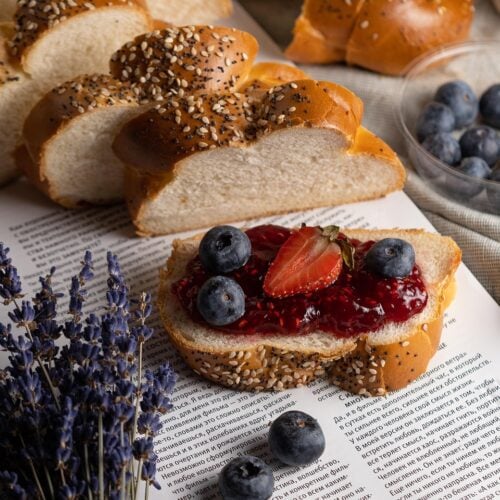
Store in the fridge for up to a week.You’re 3 ingredients away from homemade jam that doesn’t involve boiling fruit, melting sugar, or owning a mason jar collection.
This chia-powered jam thickens naturally, tastes amazing, and gives store-bought spreads some serious side-eye. It’s fruity, customizable, and honestly feels like a food hack, because it is.
Peanut Butter Chia Bites
Ingredients
- 1 cup rolled oats
- 1/2 cup peanut butter or almond/sunflower butter
- 2 tbsp chia seeds
Instructions
- Mix everything in a bowl until well combined.
- Roll into 10 balls.
- Chill in the fridge for 20+ minutes to firm up.
Notes
Storage
Store refrigerated for up to 5 days.Optional Upgrades
- Add honey or maple syrup if you like it sweeter
- Toss in mini chocolate chips, dried fruit, seeds, or coconut
- Mix in cinnamon, vanilla extract, or a scoop of protein powder
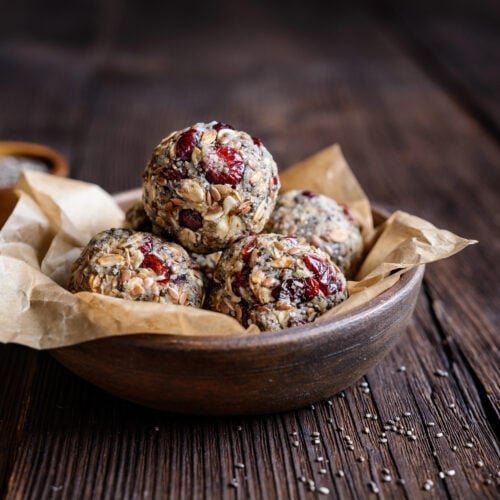
These are like energy balls, but lazier. And somehow even better.
If you can stir things in a bowl and roll them into blobs, you’ve got yourself a high-protein, high-fiber, just-sweet-enough snack that’ll keep you from raiding the pantry at 9 p.m. (No promises, though.)
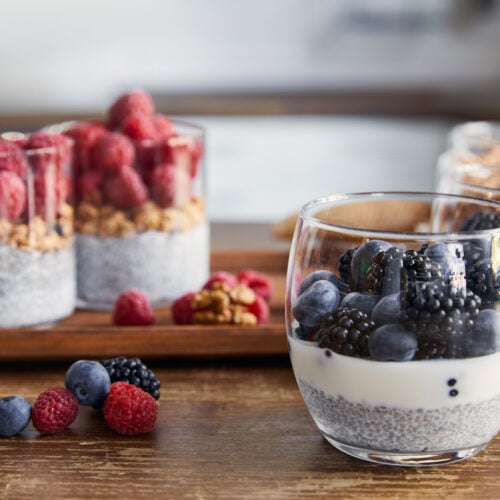
Chia Yogurt Parfait Cups
Ingredients
- 1/2 cup plain or vanilla yogurt (dairy or plant-based)
- 1 tbsp chia seeds
- 1/4 cup fresh berries
- 2 tbsp granola or oats
Instructions
- Mix chia seeds into yogurt and let sit for 10–15 minutes (or overnight).
- In a jar or glass, layer chia yogurt, berries, and granola.
- Repeat layers.
- Top with honey or nut butter if desired.
Notes
Swaps
- Use Greek yogurt for more protein
- Swap in mango or kiwi for the berries
- Add cinnamon or vanilla extract to flavor the base
- Make it vegan with almond, oat, or coconut yogurt
If overnight oats and chia pudding had a baby and dressed it in layers, you’d get this.
These parfaits are ridiculously easy, totally customizable, and secretly loaded with fiber, protein, and fancy café energy (without the $14 price tag). Bonus: they look so good you’ll want to eat them with the fridge door open just to admire your own work.
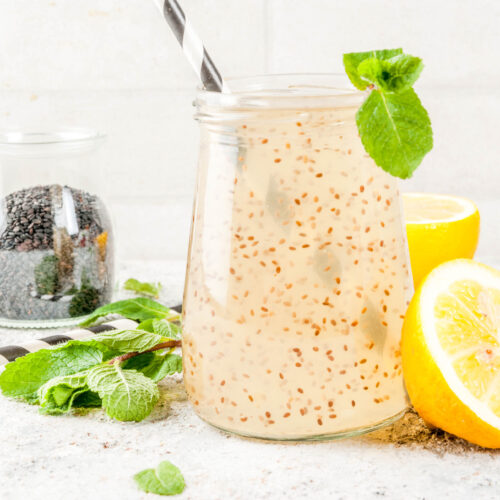
Chia Fresca (a.k.a. “Running Water”)
Ingredients
- 2 cups cold water
- 1 tbsp chia seeds
- 2 tbsp freshly squeezed lemon or lime juice
- 1 tsp honey or agave optional
Instructions
- Stir chia seeds into water.
- Let sit for 10–15 minutes until seeds swell into gel-like beads.
- Add citrus juice and sweetener. Stir again.
- Serve chilled or over ice.
This is what happens when you mix chia seeds, lemon water, and ancient endurance wisdom into a glass.
Popularized by the Tarahumara, a legendary group of ultra-runners in Mexico, this drink looks like alien lemonade but works like natural Gatorade. It’s light, hydrating, and makes your water bottle way less boring.
Wait… What Even Are Chia Seeds?
If you’ve spent any time on social media, you’ve probably scrolled past mason jars layered with oats, fruit, and a mysterious speckled pudding. That’s chia seeds at work.
They look like poppy seeds. They act like gelatin. And somehow, they’ve become the wellness world’s favorite tiny superfood.

Chia seeds come from the Salvia hispanica plant (related to mint, weirdly), and they’re prized for their ability to absorb up to 10 times their weight in liquid, turning into that gooey gel texture you either love or pretend to tolerate for the health benefits.
But they’re more than just texture, chia seeds are packed with:
- Fiber (5g per tablespoon!)
- Plant-based omega-3s (ALA)
- Protein
- Calcium, magnesium, and phosphorus
- Antioxidants that help fight inflammation
And that’s the real appeal: chia seeds are simple, versatile, and sneak extra nutrients into everyday foods without much effort. Whether you’re stirring them into breakfast or baking them into bread, these tiny seeds pull off a transformation that’s bigger than their size suggests.
Quick Takeaway: Tiny seed. Big nutritional resume. No flavor. All function.
Yes, Chia Will Make You Poop
In a Good Way
If you’ve ever downed a chia pudding and found yourself suddenly aware of your digestive system, you’re not alone.
Chia seeds are basically nature’s tiny broom. With around 5 grams of fiber per tablespoon, they help “move things along” gently but effectively. No harsh laxative vibes, just a very productive trip to the bathroom.
The moment chia seeds meet liquid, their outer shell goes to work. It’s rich in soluble fiber, which quickly absorbs water and forms a gel-like coating around each seed. Here’s how it works:
- The soluble fiber in chia absorbs water and turns into gel
- This gel bulks up your stool and keeps things soft (TMI, but helpful)
- It can help prevent constipation and keep your gut bacteria happy
- Bonus: fiber helps you feel full longer, so it’s great for snacking without snack-regret
Within about 20 to 30 minutes, the mixture thickens and starts to resemble a smooth custard. Leave it overnight, and you’ll wake up to a pudding-like consistency that holds its shape on a spoon.

Start Slow, Though…
Go too hard too fast (hello, three servings of pudding in one day), and your gut will notice. In a gassy, bubbly, “why am I so bloated?” kind of way.
Start with 1 tablespoon per day, drink plenty of water, and build up gradually.
Quick Takeaway: Yes, chia makes you poop. That’s kind of the point. Your colon will thank you, just don’t go zero to chia hero overnight.
What Happens If You Eat Too Many Chia Seeds?
Chia seeds are great for your gut, until they’re not.
Thanks to their high fiber content and ability to soak up water like little sponges, too many chia seeds too quickly can cause some uncomfortable side effects. Think less “superfood glow” and more “why does my stomach feel like a balloon?”
What You Might Experience:
According to Healthline, here are some of the side effects of eating too many chia seeds:
- Bloating or gas
- Cramping
- Constipation (yes, too much fiber can backfire)
- That awkward full-but-not-in-a-good-way feeling
Why It Happens:
Chia seeds absorb up to 10 times their weight in liquid. If you eat them dry or without enough water, or just eat a lot, they can expand in your stomach and slow things down instead of speeding them up.
How to Avoid It:
- Always soak them or mix them into moist foods
- Start with 1 tablespoon per day, then gradually increase
- Drink more water than you think you need
- Don’t eat three chia-based recipes in one sitting (tempting, I know)
Quick Takeaway: Chia seeds are powerful, so treat them with respect. A little goes a long way, especially when it comes to fiber.
Chia Seeds 101: 4 Major Benefits
Chia’s popularity isn’t just about how it looks in a jar. These seeds pack an unusual amount of nutrition into a tiny package, which is why they’ve been called a superfood long before hashtags made the term trendy.
A single spoonful carries enough fiber, protein, and healthy fats to make a noticeable difference in how you feel after eating. Here’s a closer look at what makes chia worth adding to your routine.
1. Fiber For Fullness
Two tablespoons of chia contain nearly 10 grams of fiber, which is almost half of what most adults get in an entire day.

That fiber isn’t just about digestion. It helps slow down how fast food moves through your system, keeping you satisfied long after breakfast.
It’s one reason chia pudding became a go-to meal-prep staple: it’s light but filling, and you’re less likely to reach for a mid-morning snack.
2. Plant-Based Omega-3s
Omega-3 fatty acids are usually associated with salmon or fish oil, but chia is one of the richest plant-based sources. These fats play a role in brain health, heart function, and reducing inflammation.

For people following vegetarian or vegan diets, chia offers a way to get those benefits without supplements or seafood.
3. Protein & Minerals
Chia seeds won’t replace a full protein shake, but they quietly contribute a few grams of plant protein per serving, plus key minerals like calcium, magnesium, and iron.

That combination makes them a small but steady boost for bones, muscles, and overall energy. It’s part of why endurance athletes (and plenty of casual gym-goers) stir chia into smoothies and post-workout snacks.
4. Antioxidants
Antioxidants are often marketed in serums and skincare routines, but in chia, you’re eating them directly. They help fight oxidative stress in the body, which is linked to aging and chronic disease.

Think of it as the inside-out version of the wellness trends that dominate beauty aisles. Only this time, it’s in your breakfast bowl.
The Gross-But-Cool Science Behind Chia Gel
Here’s the part where chia seeds get weird, but in a fascinating, alien-slime kind of way.
When chia seeds come into contact with liquid, they don’t just absorb it. They form a gel. Like, a legit gel. That signature pudding texture? It’s not magic. It’s mucilage.
Yes, mucilage. It’s a real thing. It’s a type of soluble fiber that forms a gooey outer layer around each seed. The longer the seeds sit in liquid, the thicker the gel becomes, up to 10 times their original size.
Why This Is Cool:
- That gel helps keep you full longer by slowing digestion
- It can stabilize blood sugar (no energy crashes after snacking)
- It acts as a natural thickener in recipes, no eggs or cornstarch needed
- It’s oddly satisfying to stir
What It Looks Like:
Imagine tiny clear bubbles clinging to each seed. Like boba pearls had a baby with tapioca. It’s weird, yes, but also what makes chia seeds work their magic.
Chia vs Flax vs Quinoa
The Weird Seed Showdown
They all look similar. They all show up in health food recipes. And they’ve all been called “superfoods” at some point. But chia, flax, and quinoa each bring something different to the table, literally.
Here’s how they stack up:
| Chia Seeds | Flax Seeds | Quinoa | |
|---|---|---|---|
| Omega-3s | Yes (ALA) | Yes (ALA, higher than chia) | None |
| Prep Needed | Soak for gel, or add to wet foods | Ground to absorb nutrients | Cook like rice |
| Texture | Gel-like, soft crunch | Slightly gritty when ground | Fluffy, nutty, chewy |
| Best In | Pudding, jam, smoothies | Oatmeal, baking, yogurt | Bowls, salads, stir-fries |
- Chia Wins For: Digestive benefits, hydration support, and versatility (works in sweet and savory). Bonus points for weird texture fun.
- Flax Wins For: Omega-3s and hormone-balancing lignans. But you need to grind them or you’ll, well… poop them out whole.
- Quinoa Wins For: Protein and staying power. Not actually a seed, it’s a pseudo-grain, but it earns its spot in the lineup.
Quick Takeaway: Think of chia as the multitasker, flax as the hormonal helper, and quinoa as the muscle meal. Keep all three in rotation, and your body (and recipes) will thank you.
How to Shop for Chia (and What NOT to Buy)
Not all chia seeds are created equal, and yes, you can mess this up. Here’s how to make sure the chia you’re buying actually delivers the health benefits (and doesn’t taste stale or sketchy).
What to Look For:
- Certified Organic: Avoid unnecessary pesticides. Bonus if it’s non-GMO.
- Whole Seeds Only: Black or white is fine as both are nutritionally similar, but skip mixed “bargain blends” that may be lower quality.
- Freshness: Chia has a long shelf life, but it can go rancid over time (thanks, omega-3s). Look for packaging with a recent harvest or “best by” date at least 12 months out.
- Resealable Bag: Keeps moisture and air out, both enemies of freshness.
What to Avoid:
- Bulk bins (unless it’s super fresh): Light, heat, and air exposure can kill chia’s quality fast.
- Weird Smells: Chia should be neutral in scent. If it smells grassy, oily, or fishy, toss it.
- “Ground Chia”: Unlike flax, chia doesn’t need to be ground to unlock its nutrients, and once ground, it goes stale faster.
Where to Buy:
- Most grocery stores carry it in the natural or baking aisle
- Look for trusted brands like Bob’s Red Mill, Navitas Organics, or store-brand organic options
- Online can be great, just check reviews and freshness before you bulk buy
Quick Takeaway: Fresh, whole, organic chia is your best bet. Cheap bulk chia isn’t worth the gut gamble.
A Brief History Of Chia Seeds & Its Ancient Secrets
Remember the old commercial jingle, “Ch-ch-ch-Chia”? For many people, chia first appeared as a novelty houseplant in the 1980s and 90s.

The irony is that while Americans were sprouting chia on terra-cotta figurines, entire civilizations had been cultivating and eating it for thousands of years.
The Mayan Connection
The word chia comes from the Mayan language and means “strength.” Mayan communities valued the seeds as a staple food, using them for both everyday meals and endurance during long journeys.
They were ground into flour, mixed into drinks, and prized for their ability to provide steady energy in small amounts. Chia’s reputation as a fuel for stamina started here, long before modern nutritionists gave it the “superfood” label.
Everyday Fuel For The Aztecs
Historical accounts describe chia as a regular part of the Aztec diet, eaten much like corn, beans, or amaranth. It was also used medicinally as a treatment for gastrointestinal distress, eye infections, sore skin, and joint pain.
Chia also appeared in religious life. It was an ingredient in tzoalli, a ceremonial confection made with amaranth and honey, which was offered in rituals. The seeds carried both practical and spiritual weight in Aztec society.
The Tarahumara & Endurance Running
Centuries later, chia gained new attention through the Tarahumara people of Mexico, celebrated for their ability to run ultra-long distances with remarkable endurance.

In Christopher McDougall’s book Born to Run, he describes how the Tarahumara fuel themselves with a drink called iskiate (or chia fresca): water, lime juice, sweetener, and a handful of chia seeds stirred in.
McDougall calls it a 10,000-year-old version of an energy drink, hydrating, sustaining, and simple enough to mix in minutes.
Decline & Rediscovery
Chia’s role diminished after Spanish colonization, when indigenous crops were often suppressed in favor of European grains.
For centuries, chia remained mostly a regional food in parts of Mexico and Central America. It wasn’t until the late 20th century that it began reemerging, first in health circles, then in mainstream diets.
The Modern Resurgence
Today, chia has shifted from an ancient ritual to a global trend. It’s endorsed by nutritionists, popular with athletes, and endlessly shared on Instagram in pudding and smoothie form.
What was once survival fuel for warriors and runners is now part of grocery-store meal prep, a rare example of a food that bridges past and present without much change in between.
5 Do’s & Don’ts Of Cooking With Chia
- Do let chia seeds soak until they’re fully gelatinized. Eating them dry can be uncomfortable, and in rare cases, even pose a choking risk.
- Do use them as a plant-based egg substitute in baking. Stir one tablespoon of chia seeds into three tablespoons of water, let it sit for about 10 minutes, and you’ll have a gel that works surprisingly well as a binder.
- Do store them in a sealed jar in a cool, dry place. They’re shelf-stable for years, which makes them one of the easiest pantry staples to keep on hand.
- Don’t expect chia to deliver bold flavor. They’re almost neutral, which is why they blend so easily into puddings, breads, smoothies, and jams.
- Don’t forget to stir when making pudding or overnight oats. If you skip this step, the seeds can clump together, leaving you with pockets of unappetizing gel instead of a smooth texture.
Frequently Asked Questions
Chia can feel a little mysterious if you’ve only seen it in pudding jars or novelty planters. Here are some of the most common questions people ask about these tiny seeds, answered simply.
Don’t see your question? Ask us in the comments!
Do I Have To Soak Chia Seeds Before Eating Them?
You don’t have to, but it’s usually recommended. Dry chia can absorb water in your digestive system, which may cause discomfort. Soaking them first creates a gel that’s easier to digest and mix into recipes.
That being said, some people like to use chia seeds in protein balls, granola bars, or simply sprinkle them over breakfast bowls, where the liquid in the recipe or meal does the work of softening them.
What Is Chia Seed Gelatinization?
This process is what makes chia such a standout ingredient. The seeds don’t just float in liquid like oats or nuts; they completely transform the base into something new. That’s why they can double as a thickener in puddings, jams, smoothies, and even baked goods.
What’s fascinating is that this isn’t just about texture. The gel slows digestion, which helps your body absorb nutrients more steadily and keeps you feeling full longer.
It’s the same reason chia works as a natural energy booster: instead of a quick sugar spike, it gives you sustained fuel.
Can I Eat Chia Seeds Every Day?
Yes. Most nutrition experts consider chia safe for daily use. Two tablespoons a day is a common serving size, though some people enjoy more.
As with any high-fiber food, it’s best to start small and increase gradually to avoid digestive upset.
Are Chia Seeds Better Than Flax Seeds?
Both are excellent plant-based sources of omega-3s and fiber. Chia has the advantage of not needing to be ground to release its nutrients, whereas flax is most beneficial when milled.
Many people use both interchangeably.
Do Chia Seeds Help With Weight Loss?
Chia alone won’t make you lose weight, but their fiber and protein content can help you feel fuller for longer, which may support weight management as part of a balanced diet.
Can You Bake With Chia Seeds?
Yes. They can be sprinkled into batters, breads, or muffins, or used as a binder in place of eggs.
Keep Cooking With Healthy Staples
Chia pudding and banana bread are just the start. If you’re looking for more simple, nourishing recipes to add to your rotation, try this low-sugar protein smoothie for quick fuel, bake these gluten-free brownies when you’re craving something rich, or make your own almond milk to pair perfectly with your next batch of chia pudding.
Made a Chia Recipe? Brag About It Below. Did your chia pudding turn out gorgeous? Did your jam somehow explode? We want the wins and the kitchen chaos. Share your tweaks, triumphs, or “nailed it” moments in the comments, because we’re here for all of it.