When you purchase through links on our site, we may earn a commission. Here’s how it works.
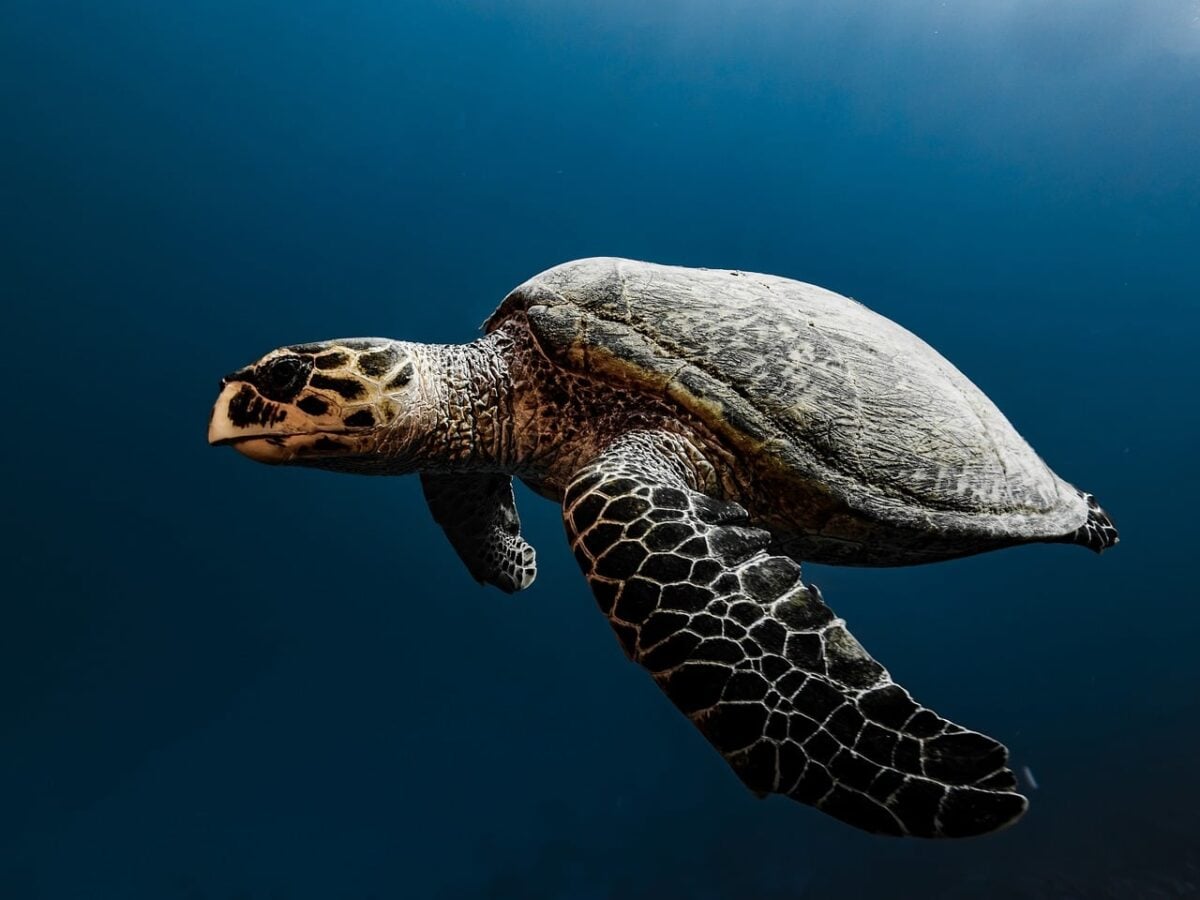
Sea turtles are some of Earth’s most extraordinary travelers. They cross entire oceans, return to the beaches where they were born, and have survived on our planet for more than 100 million years.
Table of Contents
Today, these ancient ocean wanderers face threats from fishing gear, plastic pollution, disappearing nesting beaches, artificial lights, boat traffic, and climate change. But their story is also one of resilience, conservation, and remarkable recovery.
Simple choices, from selecting responsibly sourced seafood to keeping beaches clean and dark, can make a real difference. Let’s celebrate these beloved creatures and explore how we can help keep them swimming for generations to come.
Quick Answer: How Can We Help Sea Turtles?
You do not need to be a marine biologist—or even live near the ocean—to make a difference. Many of the choices that help sea turtles also create cleaner beaches, healthier waterways, and safer oceans for countless other species.
Simple Ways You Can Help
- Choose seafood from responsibly managed sources.
- Reduce single-use plastic and dispose of waste carefully.
- Keep beaches clean and remove chairs, toys, and other obstacles.
- Fill in deep holes and flatten large sandcastles before leaving.
- Turn off bright lights near nesting beaches.
- Never touch, feed, chase, or block a sea turtle.
- Give nesting turtles and hatchlings plenty of space.
- Slow down when boating in shallow coastal waters.
- Recycle fishing line and dispose of hooks safely.
- Never release balloons outdoors.
- Choose responsible wildlife-tour operators.
- Support reputable sea turtle rescue and conservation programs.
You do not have to tackle every action at once. Choose one or two that fit your life, then build from there. Small changes become powerful when families, businesses, travelers, and entire communities take them together.
Why Are Sea Turtles Threatened?
Sea turtles are remarkable survivors, but their life cycle leaves little room for added danger.
They grow slowly, travel enormous distances, and may take decades to begin reproducing. A female can lay many eggs, but only a small number of hatchlings naturally survive long enough to become adults. Protecting mature turtles is especially important because every adult represents years of survival and may help produce future generations.
Their long migrations create another challenge. A turtle may feed in one country, travel through the waters of several others, and nest on a beach thousands of miles away. Along the way, it can encounter fishing fleets, busy shipping routes, polluted water, coastal development, and changing ocean conditions.
Sea turtles therefore need more than one protected beach or one successful rescue program. They need connected protection across the ocean, along coastlines, and throughout the many stages of their lives.
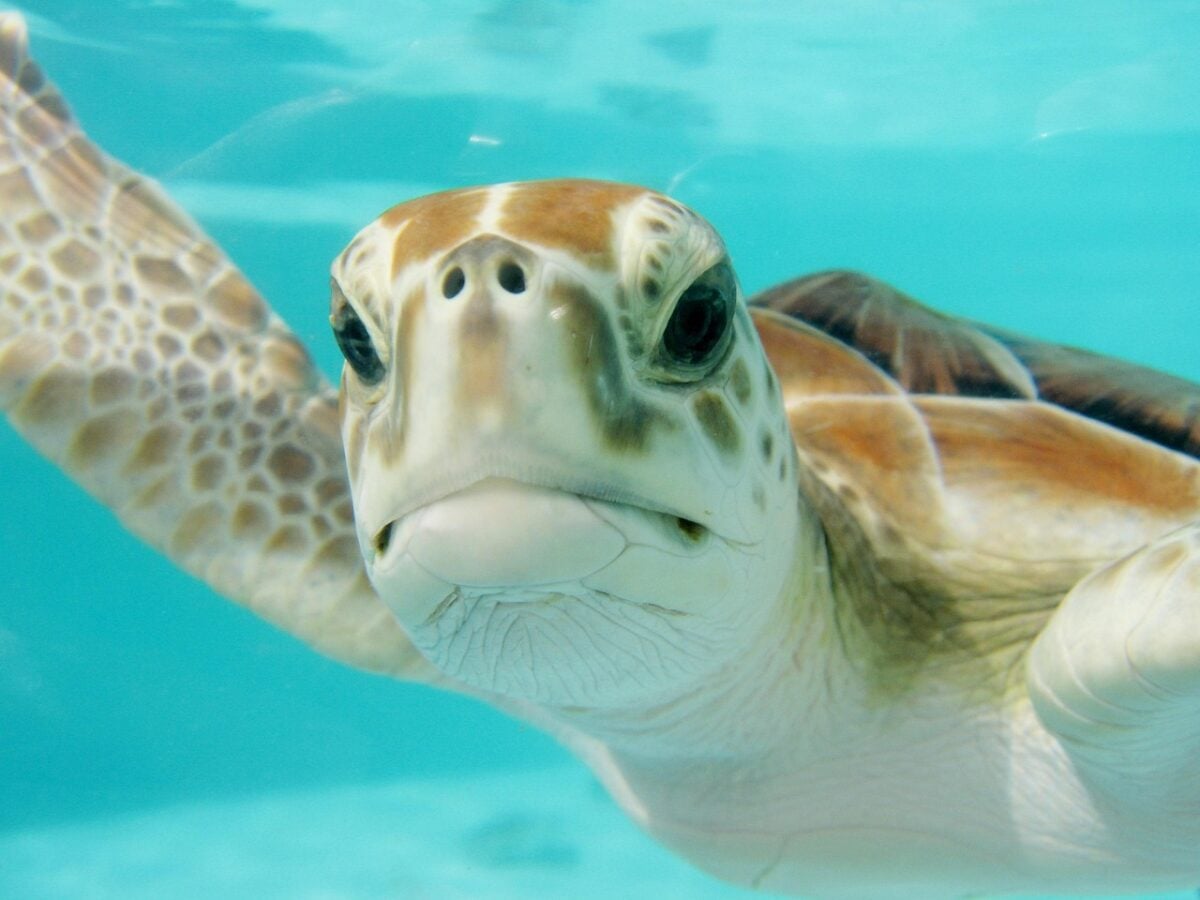
Sea turtles show why protecting a species before its numbers become critically low matters. The stories of animals that have recently gone extinct offer a powerful reminder of what is at stake—and why successful conservation deserves to be celebrated.
Meet the Seven Sea Turtle Species
There are seven living species of sea turtle: green, loggerhead, leatherback, hawksbill, Kemp’s ridley, olive ridley, and flatback.
Each has its own diet, habitat, migration patterns, and conservation challenges. Leatherbacks, for example, are the largest sea turtles and feed mainly on jellyfish, while hawksbills use their narrow beaks to reach food hidden in coral reefs.
Although their needs differ, all sea turtles depend on healthy oceans, safe migration routes, and protected nesting beaches.
Surprising fact: A female sea turtle may lay around 100 eggs in a single nest, but only a tiny fraction of hatchlings survive long enough to become adults. That is why protecting mature turtles and safe nesting beaches is so important.
The Biggest Challenges Sea Turtles Face Today
Different turtle populations face different pressures, but several threats affect sea turtles around the world.
Accidental Capture in Fishing Gear
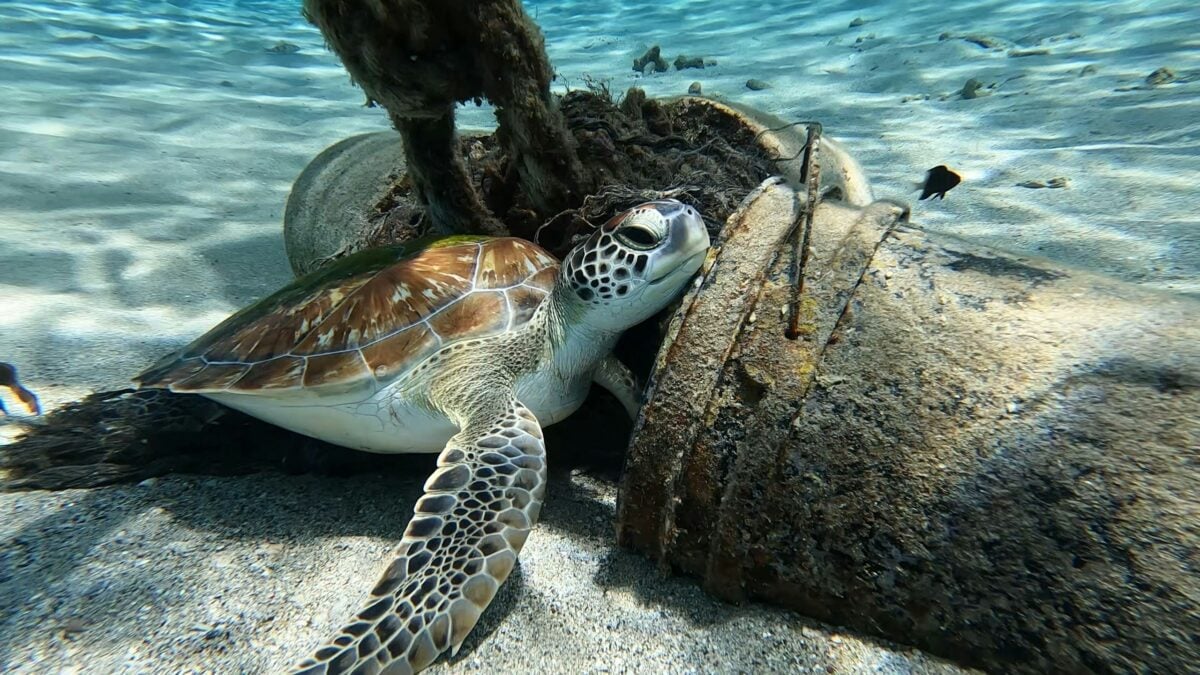
Fishing gear is one of the greatest dangers sea turtles face in the ocean. Turtles can become accidentally caught in trawl nets, gillnets, longlines, hooks, and other equipment intended to catch fish or shrimp.
Because sea turtles have lungs and must surface for air, becoming trapped underwater can lead to serious injury or drowning. Lost or abandoned fishing gear can remain dangerous long after it has stopped being used. NOAA identifies fisheries bycatch as one of the most serious threats to sea turtles in marine environments.
The encouraging news is that safer fishing equipment can help. Turtle Excluder Devices, modified hooks, changes in fishing locations, and other bycatch-reduction measures can give turtles a better chance of escaping or avoiding fishing gear.
Myth: All fishing is equally dangerous to sea turtles.
Reality: The level of risk depends on the fishing method, equipment, location, season, and how well protective rules are followed.
Plastic and Marine Debris
Plastic bags, balloons, food packaging, rope, fishing line, and fragments of discarded gear can all find their way into the ocean.
A turtle may mistake floating debris for food or become tangled while swimming and feeding. Entanglement can restrict movement, cause wounds, or prevent a turtle from reaching the surface. Ingested debris can also interfere with feeding and digestion.
Not all ocean plastic is easy to see. Tiny synthetic fibers called microplastics released during laundry can pass through wastewater systems and eventually reach rivers, lakes, and oceans.
Plastic straws receive a great deal of attention, but they are only one part of a much larger problem.
Myth: Giving up plastic straws is enough to save sea turtles.
Reality: Every reduction in waste helps, but discarded fishing gear, bags, packaging, balloons, and other debris also deserve attention.
Disappearing Nesting Beaches
Sea turtles depend on sandy beaches to lay their eggs. Coastal construction, seawalls, erosion, heavy beach use, and rising seas can reduce the amount of suitable nesting space.
Beach chairs, tents, deep holes, and other obstacles may also make it harder for a nesting female to reach a safe location or for hatchlings to reach the water. Some turtles will attempt to nest elsewhere, but suitable beaches are not always available. NOAA and the U.S. Fish and Wildlife Service identify coastal development and habitat loss as significant threats to nesting turtles.
Artificial Light at Night
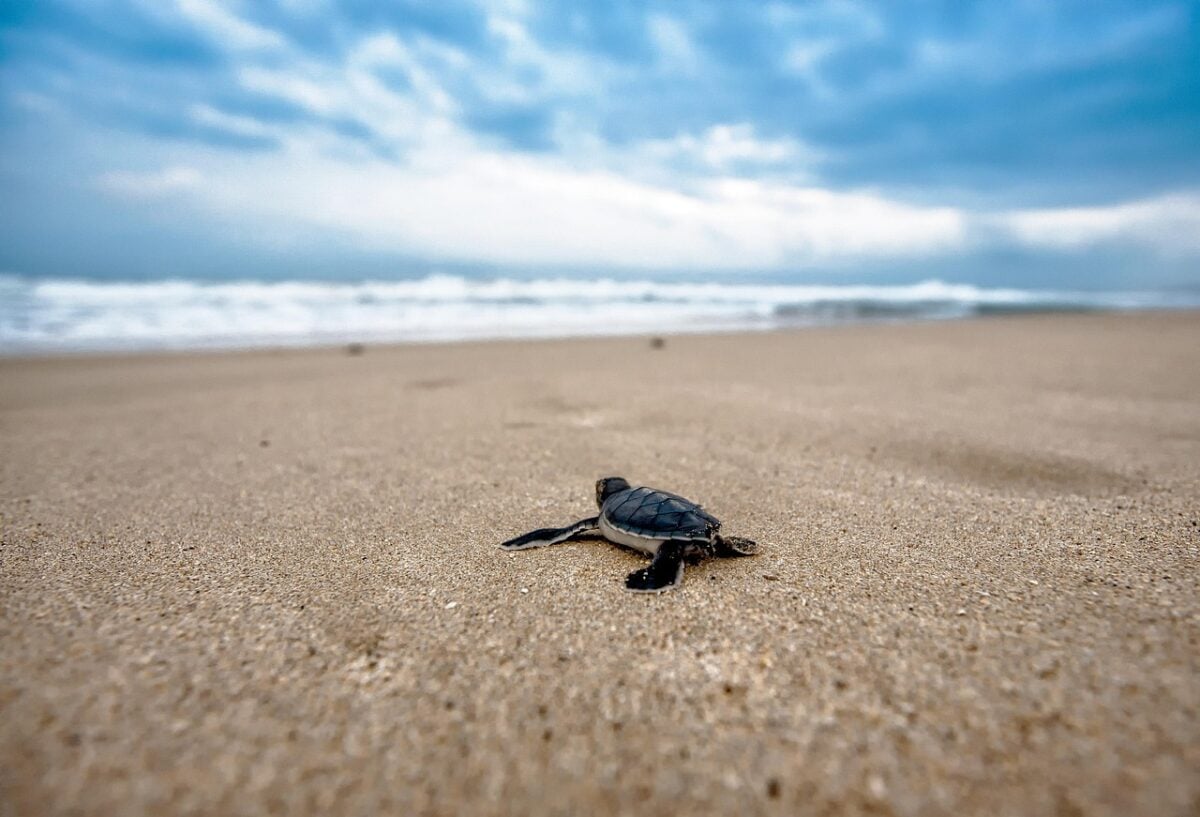
On a natural beach, the open horizon above the ocean is usually brighter than the dunes and vegetation behind it. Hatchlings use this contrast to find the sea.
Lights from hotels, homes, roads, flashlights, and vehicles can pull hatchlings in the wrong direction. Adult females may also avoid brightly lit beaches or abandon a nesting attempt. Even well-intentioned visitors can create problems by using flash photography or bright phone lights near turtles.
Fortunately, this is one of the most preventable threats. Shielding or turning off visible lights during nesting season can make a beach much safer.
Boat Strikes
Sea turtles regularly come to the surface to breathe and may spend time feeding or resting in shallow coastal waters. This places them in the path of recreational boats and larger vessels.
A collision can damage a turtle’s shell or cause other severe injuries. Slower speeds and alert boating are especially important in known feeding, nesting, and migration areas. Vessel strikes are among the major human-related threats identified by NOAA.
Hunting and Egg Collection
Sea turtles and their eggs have historically been collected for food, decorative products, and trade. Legal protections have greatly reduced this pressure in some places, but illegal hunting and egg collection continue in parts of the world.
Hawksbill turtles have been particularly affected by demand for their beautifully patterned shells, which were traditionally used to make “tortoiseshell” jewelry and ornaments. Buying genuine tortoiseshell products contributes to the loss of these magnificent animals.
Climate Change
A changing climate affects sea turtles both on land and at sea.
Rising seas and stronger erosion can shrink nesting beaches or flood nests. Warmer sand can reduce hatching success and affect the sex of developing hatchlings, while changing ocean temperatures and currents may alter the location of food and migration routes.
These effects vary between species and locations, and scientists are continuing to study how turtle populations will respond. Protecting healthy beaches, coral reefs, seagrass beds, and migration corridors can give turtles more room to adapt.
Sea turtles are not alone in facing these pressures. Learn more about how climate change affects endangered species and the habitats they depend on.
A Challenge—But Not a Hopeless One
The threats facing sea turtles are serious, but they are not impossible to overcome.
Many of these dangers come from specific activities that people can change: fishing gear can be improved, beaches can be protected, lights can be shielded, waste can be kept out of the water, and important habitats can be restored.
Sea turtles have already shown that they can recover when people give them the chance. A recent global assessment found that decades of conservation have improved the outlook for many marine turtle populations, even though species such as the leatherback remain at high risk.
Their future is still being written—and successful conservation efforts give us plenty of reasons to keep turning the page.
Surprising fact: Sea turtles do not have teeth. Instead, each species has a specially shaped beak adapted to its diet, whether that means crushing crabs, clipping seagrass, or eating jellyfish.
Sea Turtle Conservation Success Stories
Sea turtles still need our help, but their story is not only about threats. Around the world, protected beaches, safer fishing practices, rescue networks, and dedicated coastal communities are giving these ancient mariners a better chance to recover.
Because sea turtles grow slowly, progress often takes decades. That makes every returning adult, protected nest, and recovering population something worth celebrating.
More Sea Turtle Populations Are Rebounding
A recent global assessment found that decades of conservation have improved the outlook for many marine turtle populations. Compared with an earlier assessment, more populations are now considered to face relatively low threats and lower conservation risk. Leatherbacks and several other populations remain in serious danger, but the overall findings show that long-term protection can work.
Research highlighted by NOAA reached a similarly hopeful conclusion: most of the sea turtle populations studied were increasing rather than declining. The strongest recoveries were associated with actions such as protecting nesting beaches, reducing hunting, preserving habitat, controlling disruptive lighting, and making fishing practices safer.
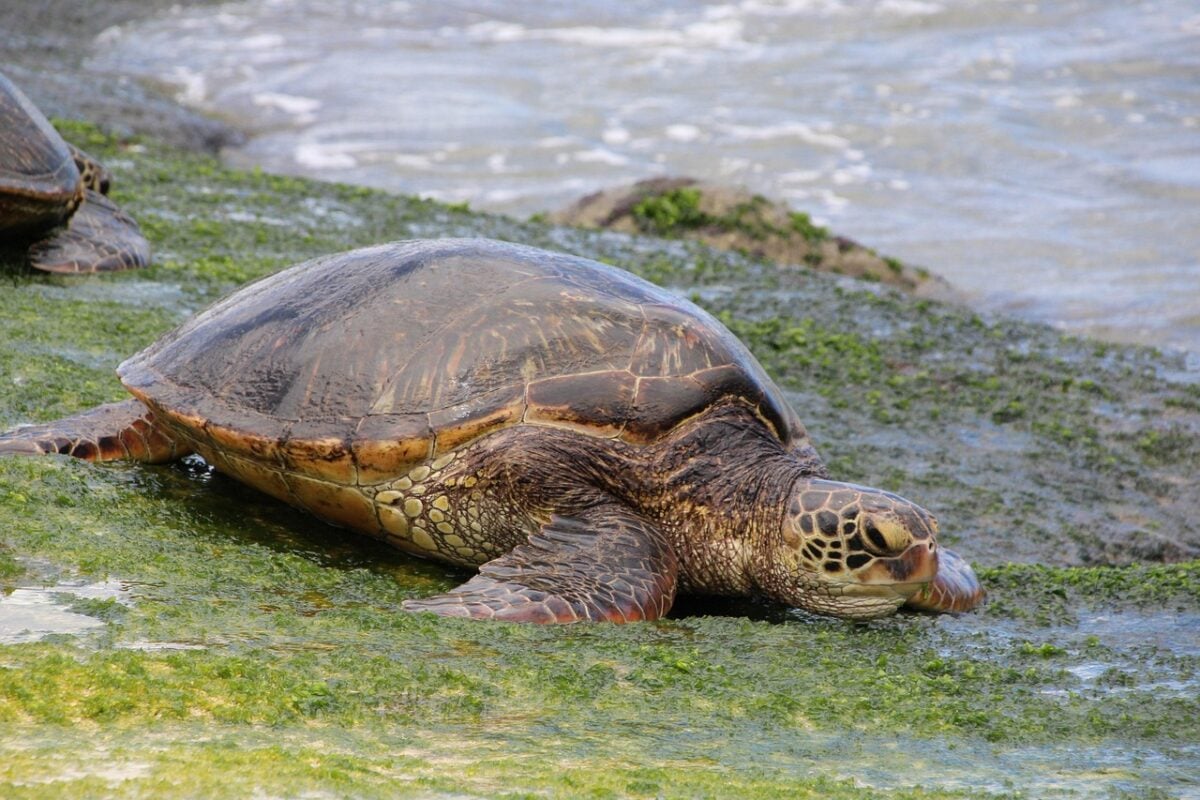
Green Turtles Are Making a Comeback
Green turtles were once heavily hunted for their meat, eggs, and shells. After years of legal protection and conservation work, many populations have begun to increase.
In the United States, numerous green turtle populations have grown since protections under the Endangered Species Act began in the 1970s. Important threats remain, but their recovery shows what can happen when laws, habitat protection, research, and public support continue over many years.
A reason for hope: In October 2025, the IUCN reported that the global green sea turtle population was rebounding as a result of conservation.
Safer Fishing Gear Is Helping Turtles Escape
Conservationists, fishers, scientists, and governments have worked together to reduce accidental capture in fishing gear.
One important innovation is the Turtle Excluder Device, or TED. Installed inside certain trawl nets, it directs large animals such as sea turtles toward an escape opening while allowing the target catch to remain in the net.
Other solutions include modified hooks, changes to bait, temporary fishing-area closures, and avoiding places or seasons where turtles are especially likely to be present. These approaches show that protecting wildlife and supporting fishing communities do not have to be opposing goals.
Nesting-Beach Programs Protect the Next Generation
During nesting season, trained staff and volunteers patrol beaches, mark nests, reduce disturbances, educate visitors, and respond when turtles are injured or disoriented.
Along the Texas coast, conservation teams work together to locate and protect nests belonging to the critically endangered Kemp’s ridley and other sea turtles. These programs combine monitoring, research, public education, rehabilitation, and community participation.
The recovery of the Kemp’s ridley has been supported by international cooperation, nesting-beach protection, public awareness, and volunteers who patrol beaches, clean habitat, and assist rescue programs. Its population still faces challenges, but the progress demonstrates what determined partnerships can achieve.
Rescue Networks Give Injured Turtles Another Chance
When turtles become hooked, entangled, stranded, cold-stunned, or injured by boats, trained responders can provide lifesaving care.
NOAA’s Sea Turtle Stranding and Salvage Network has coordinated reports and responses along much of the U.S. coastline since 1980. The information collected helps rehabilitate individual turtles while also teaching scientists where, when, and why strandings happen.
After the 2010 Deepwater Horizon oil spill, rescue partners rehabilitated and released approximately 450 oiled sea turtles. Teams also relocated nearly 300 nests and collected about 28,000 eggs threatened by the spill.
Each rescued turtle matters—especially when that turtle has already survived long enough to become a breeding adult.
Coastal Communities Are Leading the Way
Some of the most effective conservation programs are led by people who share their homes and livelihoods with sea turtles.
Local residents may patrol nesting beaches, protect eggs from illegal collection, guide responsible wildlife tours, report injured turtles, restore habitat, and help researchers gather valuable information. These programs protect turtles while creating opportunities for education, employment, and community pride.
International conservation funds also help provide local organizations with technical and financial support for protecting turtles and their habitats around the world.
What These Successes Teach Us
Sea turtle recovery is rarely the result of one dramatic rescue or one perfect solution. It comes from thousands of helpful actions repeated over many years:
- Fishers adopting safer equipment
- Communities protecting nesting beaches
- Volunteers monitoring nests and cleaning coastlines
- Scientists tracking populations and migration routes
- Rescue teams responding to injured turtles
- Governments enforcing wildlife protections
- Travelers and residents respecting turtle habitat
The lesson is wonderfully simple: when people make the ocean safer, sea turtles respond.
There is still much work ahead, particularly for leatherbacks and other highly threatened populations. But every turtle returning to nest is proof that recovery is possible—and that protecting these remarkable animals is worth the effort.
Frequently Asked Questions About Sea Turtles
Sea turtles inspire plenty of curiosity—and a few common misconceptions. Here are clear answers to some of the questions readers ask most often.
What is the biggest threat to sea turtles?
The greatest threat varies by species and location, but accidental capture in fishing gear is one of the most serious worldwide.
Sea turtles have lungs and must surface to breathe. If they become trapped in a net or tangled in fishing line, they may be unable to reach the surface. Habitat loss, pollution, vessel strikes, and climate change also place major pressure on turtle populations.
What is Earth Island Certified Turtle-Safe Shrimp?
Earth Island Institute’s Certified Turtle-Safe Shrimp initiative was created to promote shrimp caught by boats using Turtle Excluder Devices.
The program helped draw attention to an important idea: the way shrimp is caught can make a meaningful difference for sea turtles. Because certifications, suppliers, and sourcing practices may change, check current information before relying on an older label or distributor list.
When buying shrimp, ask where it was caught, what gear was used, and whether the fishery requires properly installed Turtle Excluder Devices.
Is farmed shrimp safer for sea turtles?
Farmed shrimp does not involve catching sea turtles in trawl nets, but shrimp farming can create other environmental concerns, including water pollution and damage to coastal habitats.
Rather than assuming all farmed or wild shrimp are sustainable, look for responsibly managed sources and ask how the shrimp was produced or caught.
Are all sea turtles endangered?
All seven sea turtle species face conservation challenges, but their official status varies by species, population, region, and assessment system.
Some populations are recovering after years of protection, while others—particularly certain leatherback and hawksbill populations—remain in serious danger.
Does avoiding plastic straws save sea turtles?
Using fewer plastic straws can help reduce waste, but straws are only one part of the marine-debris problem.
Plastic bags, packaging, balloons, rope, abandoned nets, and fishing line can also injure or kill turtles. The most helpful approach is to reduce unnecessary waste overall and prevent trash from entering streets, rivers, beaches, and oceans.
Should I help a baby sea turtle reach the ocean?
In most cases, hatchlings should not be touched or carried. Their journey across the beach is a natural part of their development, and handling them can cause stress or interfere with their behavior.
Keep your distance, turn off bright lights, avoid flash photography, and contact a local sea turtle organization if hatchlings appear lost or in danger.
Why do sea turtles lay so many eggs?
A female sea turtle may lay around 100 eggs in a single nest, but only a tiny fraction of hatchlings survive long enough to become adults.
Laying many eggs gives the next generation a better chance of surviving natural predators and the many hazards turtles encounter as they grow.
What should I do if I find an injured sea turtle?
Do not push the turtle back into the water or attempt to remove deeply embedded hooks or fishing line.
Keep people and pets away, note the exact location, and contact a local wildlife authority, marine-animal stranding network, or sea turtle rescue organization. Trained responders can provide instructions and arrange appropriate care.
Can one person really make a difference?
Absolutely. Individual choices become especially powerful when they grow into community habits.
Choosing responsibly sourced seafood, reducing waste, protecting dark nesting beaches, boating carefully, and supporting conservation groups can influence businesses, tourism practices, fishing methods, and public support for wildlife protection.
Is it too late to save sea turtles?
No. Some populations remain highly threatened, but others are recovering after years of nesting-beach protection, safer fishing practices, habitat conservation, rescue work, and international cooperation.
Sea turtles have shown an inspiring ability to rebound when people reduce the dangers around them. Their recovery takes patience, but every protected nest, safer fishing practice, and returning adult turtle gives us another reason for hope.
Have Another Sea Turtle Question?
Sea turtles are full of surprises, and there is always more to learn. Share your questions, conservation tips, or favorite sea turtle facts in the comments below. Your question may even help another reader discover a new way to protect these remarkable ocean travelers.
A Brighter Future for Sea Turtles
Sea turtles have survived for more than 100 million years, and with continued care, they can keep inspiring generations to come.
The most important thing to remember is that helping does not require perfection. Choosing reusable products, reducing plastic waste, supporting responsible seafood practices, and sharing what you learn all contribute to healthier oceans.
You can keep building on those habits by exploring more ways to reduce plastic waste and recycle correctly, learning how microplastics reach rivers and oceans, comparing the impact of tap water and bottled water, and discovering more ideas for eco-friendly living.
Every cleaner beach, safer fishing practice, protected nest, and thoughtful choice gives sea turtles a better chance to thrive. These remarkable ocean travelers have an incredible story—and all of us can help make sure it continues.
Share Your Sea Turtle Story
Have you ever joined a beach cleanup, helped protect a nest, chosen turtle-friendly seafood, or spotted a sea turtle in the wild? Share your experience in the comments. Your story could inspire someone else to take their own small step toward protecting these incredible ocean travelers.