When you purchase through links on our site, we may earn a commission. Here’s how it works.
The first time you ride in an electric car, something feels different. You press the accelerator, and the car glides forward almost silently. No engine rumbles, no gears shift, and no waiting for the car to build speed.
Table of Contents
It just moves.
So what’s happening under the hood, or, more accurately, beneath the floor?
Electric cars use battery-stored electricity to power a motor that turns the wheels. There’s no gasoline to burn and no traditional engine. Instead, a few electrical components work together to make the car accelerate, cruise, slow down, and recover some energy when braking.
Want our human-written content to rank above AI-generated garbage? Help us out by clicking this button!
The technology might sound complicated, but the basic process is surprisingly simple. Once you understand four main parts, you’ll understand how most electric cars work.
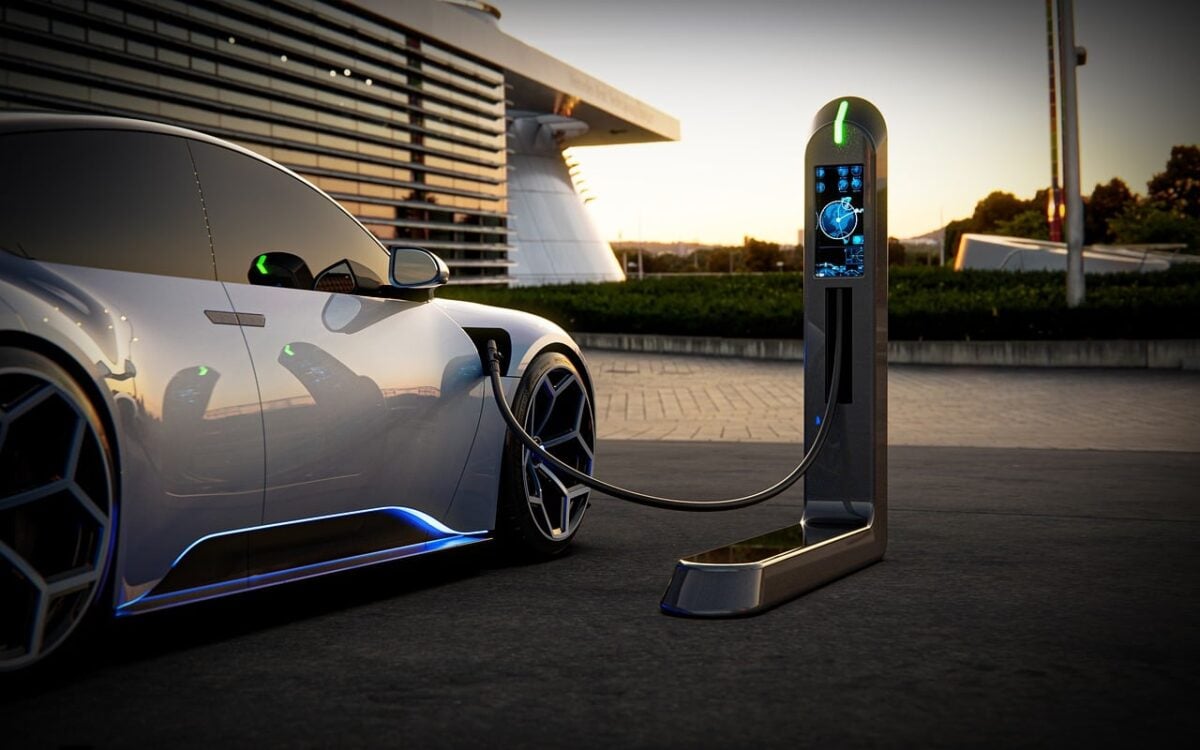
What’s the Difference Between an Electric Car and a Gas Car?
The biggest difference is what makes the wheels turn.
A gas-powered car has an engine that burns gasoline to create power. An electric car has an electric motor that uses electricity stored in a battery instead.
One way to picture it is to think of a battery-powered toy car. You switch it on, electricity flows from the battery to a small motor, and the wheels turn.
An electric car works on a similar basic principle, just on a much larger and more sophisticated scale. Its battery is powerful enough to move a full-size vehicle, and its motor and electronics are designed to handle everything from neighborhood streets to highway speeds.
Of course, a real EV has far more advanced systems for controlling power, managing the battery, and keeping everything running safely. But the basic idea is the same: electricity powers a motor, and the motor moves the car.
How an Electric Car Turns Electricity Into Motion
An electric car stores energy in a rechargeable battery, usually mounted beneath the floor. When you press the accelerator, electricity flows through an inverter to an electric motor, which turns the wheels.
The inverter converts the battery’s electricity into the form the motor needs and helps control how much power it receives. A simple gear system transfers the motor’s rotation to the wheels.
When you slow down, the motor can act as a generator, sending some energy back into the battery through a process called regenerative braking.
When the battery runs low, you plug the car in to recharge it.
Battery → Inverter → Motor → Wheels
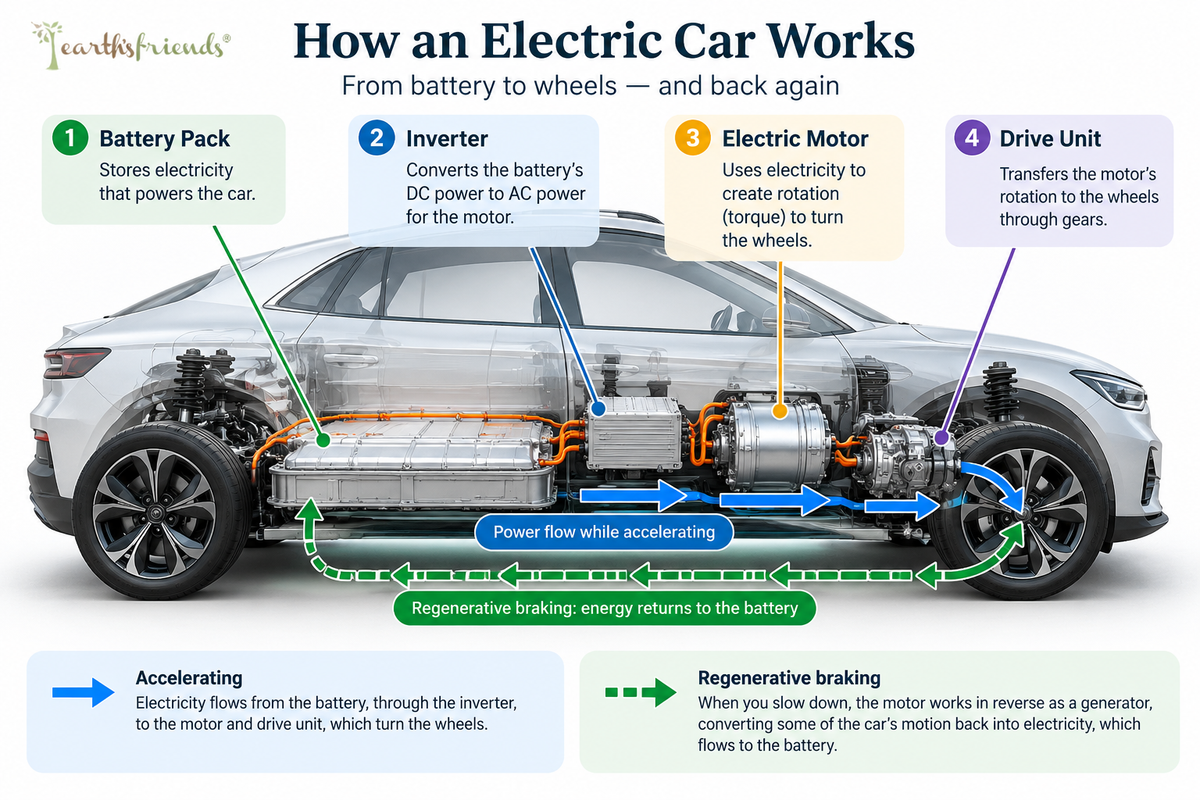
It all comes down to four main parts: the battery, inverter, motor, and drive unit. Each plays a different role in getting the car moving, and understanding what each one does makes the whole system much easier to follow.
The Four Main Parts Of An Electric Car
Whether it’s a Tesla Model 3, Nissan LEAF, Chevrolet Equinox EV, or Hyundai IONIQ 5, the same four main components do the work: a battery pack, an inverter, an electric motor, and a drive unit that transfers power to the wheels.
The cars may look different and vary in size, range, and performance, but the basic way they turn electricity into motion is remarkably similar.
The U.S. Department of Energy’s breakdown of electric car components shows how these parts fit together, along with the supporting systems that keep everything running.
Let’s start with the biggest one: the battery.
1. Battery Pack
The battery pack is the EV’s “fuel tank.” It’s a large, flat case filled with thousands of lithium-ion cells — similar in principle to the cells in your phone or laptop, just many more of them working together.
In most EVs, the pack sits under the floor between the front and rear wheels. That placement keeps the car’s weight low, which is one reason EVs often feel planted and stable around corners.
Battery size is measured in kilowatt-hours (kWh). That number shows how much energy the battery can store, much like how many gallons a gas tank can hold. A bigger battery usually means the car can travel farther between charges, although how efficiently it uses that electricity matters just as much.
In Plain English: Kilowatt-hours are to an EV what gallons are to a gas car — they tell you how big the “tank” is.
Did You Know? The battery stores direct current (DC) electricity—the same steady, one-way power that comes out of an AA battery. That detail matters for the next part.
2. Inverter
The inverter is the part most people have never heard of, but it’s the true “brain” of how an EV accelerates.
Most EV motors run on alternating current (AC), the back-and-forth type of electricity that comes out of your wall outlets. The inverter’s job is to convert the battery’s DC power into AC power and fine-tune it thousands of times per second.
By changing how much power it sends and how fast that current alternates, the inverter controls both how hard the motor pushes and how fast it spins. In other words, the accelerator pedal doesn’t connect to the motor — it sends a request to the inverter.
In Plain English: Imagine the battery as a water reservoir and the motor as a water wheel. The reservoir holds the energy, but the wheel needs more than a steady stream to work the way we want. It needs a precisely controlled pattern of flow.
This is where the inverter comes in. Think of it as a sophisticated system of valves that directs water back and forth through different channels in a carefully timed sequence. By adjusting that sequence and the strength of the water flow, the inverter controls how much turning force the wheel produces and how fast it spins.
Now imagine an outside force turning the wheel instead. Rather than using energy to spin, it becomes part of a system that sends energy back toward the reservoir.
That’s what happens during regenerative braking. The car’s moving wheels drive the electric motor, turning it into a generator. The inverter then converts the electricity flowing back from the motor into steady DC power the battery can store.
The important difference: When the EV accelerates, the inverter turns the battery’s DC electricity into controlled AC power for the motor. When braking, it converts the motor’s generated AC electricity back into DC for the battery.
If the word inverter sounds familiar, you may have heard it mentioned with solar panels. Both technologies use one to convert electricity, although the job is slightly different. A solar panel inverter converts DC electricity into AC power for homes and appliances, while an EV’s inverter precisely controls the AC power driving its motor.
3. Electric Motor
The motor is what actually turns the wheels. Inside, electricity creates rotating magnetic fields that push and pull on the motor’s spinning center (the rotor), making it turn.
There are no pistons, no explosions, and no exhaust. A typical EV motor has only a handful of major moving parts, compared with the hundreds in a gasoline engine.
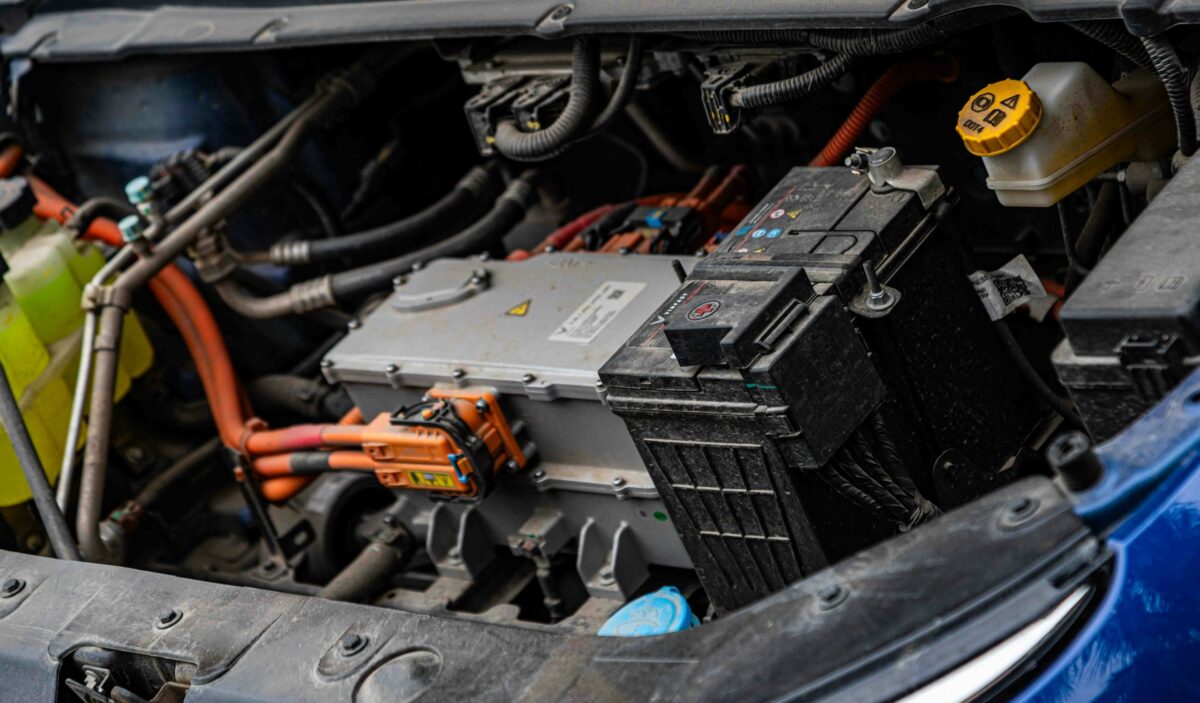
Electric motors also produce strong twisting force (torque) the instant they start turning. That’s why even an ordinary family EV can feel surprisingly quick when the light turns green.
Some EVs have one motor driving either the front or rear wheels. Others have two or more motors — one per axle — which gives them all-wheel drive without the driveshafts a gas car would need.
4. Drive Unit & Wheels
The motor connects to the wheels through a compact drive unit — usually a single set of reduction gears plus a differential (the part that lets left and right wheels turn at different speeds in a corner).
The reduction gear simply trades some of the motor’s very high spinning speed for more turning force at the wheels. It never shifts, which is why EVs don’t need a traditional transmission (more on that below).
The Supporting Cast
A few other parts work quietly in the background:
- Onboard charger: Converts AC power from a home or public Level 2 charger into DC power the battery can store.
- Battery management system (BMS): A computer that watches the temperature and charge of every group of cells and protects the battery from damage.
- Thermal management system: Pumps coolant through the battery and motor to keep them in a comfortable temperature range, heating or cooling as needed.
- 12-volt battery: A small, conventional battery that runs the lights, screens, door locks, and computers — and “wakes up” the main battery when you get in.
Quick Takeaway: The battery stores the energy, the inverter controls it, the motor turns it into motion, and the drive unit delivers that motion to the wheels.
What Happens When You Drive an Electric Car?
The easiest way to understand an EV is to ride along on a short trip. Instead of thinking about each part on its own, watch what the whole system does from the moment you get in to the moment you park.
But first, it helps to see how everything fits together. The video below walks through the main parts of an electric car, including the battery, motor, and charging system, so you can picture what’s happening behind the scenes.
Once you’ve seen the bigger picture, we’ll follow what happens from the moment you start the car to the moment you park.
Turning the Car On
In a gasoline car, starting the engine produces noise and vibration. An EV doesn’t need an engine to start or idle.
Depending on the model, you might press a start button or enter with the key and select Drive.
The vehicle’s computers check its systems, and electrical switches called contactors connect the high-voltage battery to the equipment that needs power.
The car is ready to move, even though the motor isn’t spinning.
What Happens When You Press the Accelerator?
In a gasoline car, pressing the accelerator ultimately makes the engine burn more fuel.
In an EV, the pedal sends an electronic request for motor power.
Here’s what happens:
- You press the pedal. A sensor detects how far you’ve pressed it.
- The car’s computers respond. They determine the appropriate motor output based on your request and driving conditions.
- The inverter controls the electricity. It supplies the motor with the necessary electrical power.
- The motor produces torque. Magnetic forces make its rotor spin.
- The drive unit transfers that rotation to the wheels. The car accelerates.
This happens almost instantly, producing the smooth, responsive acceleration EVs are known for.
Pulling Away From a Stop
This is where EVs feel most different from gas cars. An electric motor delivers its strongest push right from a standstill, so acceleration is smooth, immediate, and nearly silent.
There’s no lurch from a gear change, and no pause while an engine builds power. The car simply gathers speed in one continuous surge.
Driving Around Town
During city driving, the battery repeatedly supplies energy for acceleration while regenerative braking recovers some energy during slowdowns.
This is one reason EVs can operate particularly efficiently in stop-and-go traffic.
This is where EVs feel most different from gas cars. An electric motor delivers its strongest push right from a standstill, so acceleration is smooth, immediate, and nearly silent.
There’s no lurch from a gear change, and no pause while an engine builds power. The car simply gathers speed in one continuous surge.
Driving Around Town
Stop-and-go traffic is where EVs are at their most efficient. Every time you slow for a light, the motor recaptures some of the energy you just used to speed up (see regenerative braking below).
Many drivers barely touch the brake pedal around town. They simply ease off the accelerator and let the car slow itself.
Merging & Highway Driving
Need to merge or pass? Press harder, and the inverter sends a burst of extra power to the motor — often more than enough to get up to highway speed quickly.
Cruising on the Highway
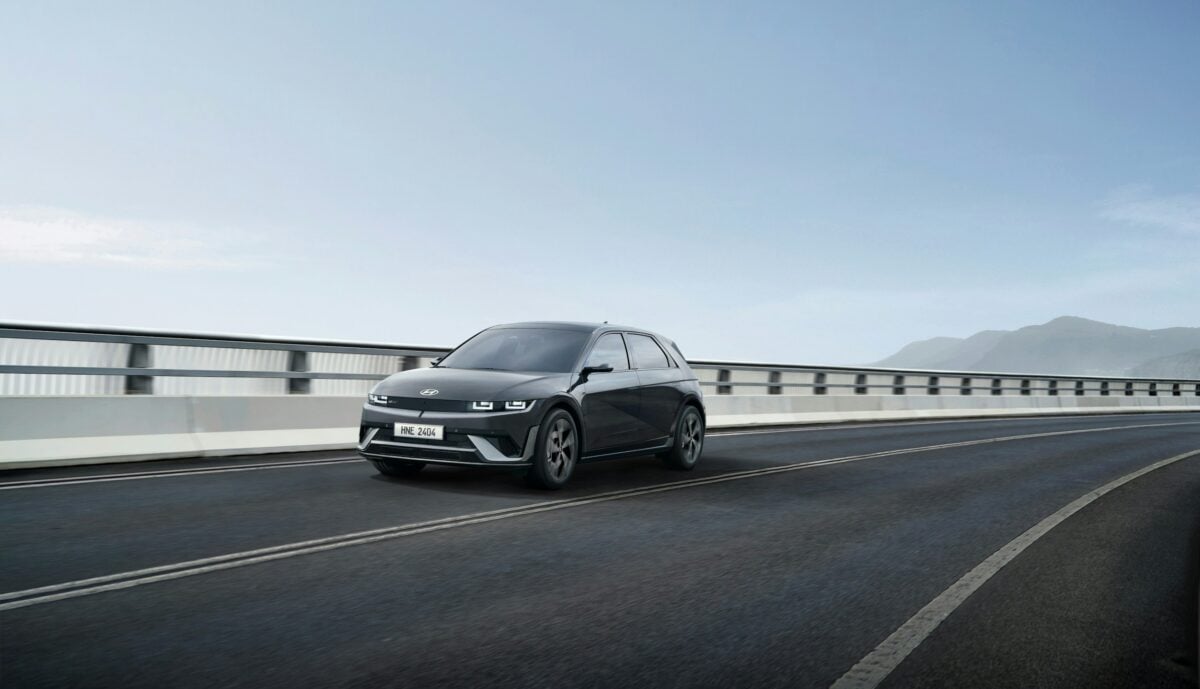
At a steady speed, the motor supplies enough power to overcome tire resistance, wind resistance, and other forces.
At higher speeds, aerodynamic drag increases significantly. As a result, many EVs consume more energy per mile on highways than during slower city driving.
Slowing Your EV Down
When you lift your foot off the accelerator, the motor swaps roles and becomes a generator. It starts to create resistance that slows the car and sends electricity back to the battery. Press the brake pedal firmly, and the regular friction brakes join in.
Waiting At A Stoplight
At a red light, the motor stops completely. The battery keeps powering the heat or air conditioning, lights, and screens, but there’s nothing to idle and no fuel being burned.
Parking & Shutting Down
When you shift into Park and walk away, the car opens its contactors and disconnects the high-voltage battery from the rest of the car. The 12-volt battery keeps basic systems like the locks and alarm alive.
If you plug in, the car wakes up the charging system instead. Many owners do most of their charging this way — overnight at home, like a phone.
Why Most EVs Don’t Need A Traditional Transmission
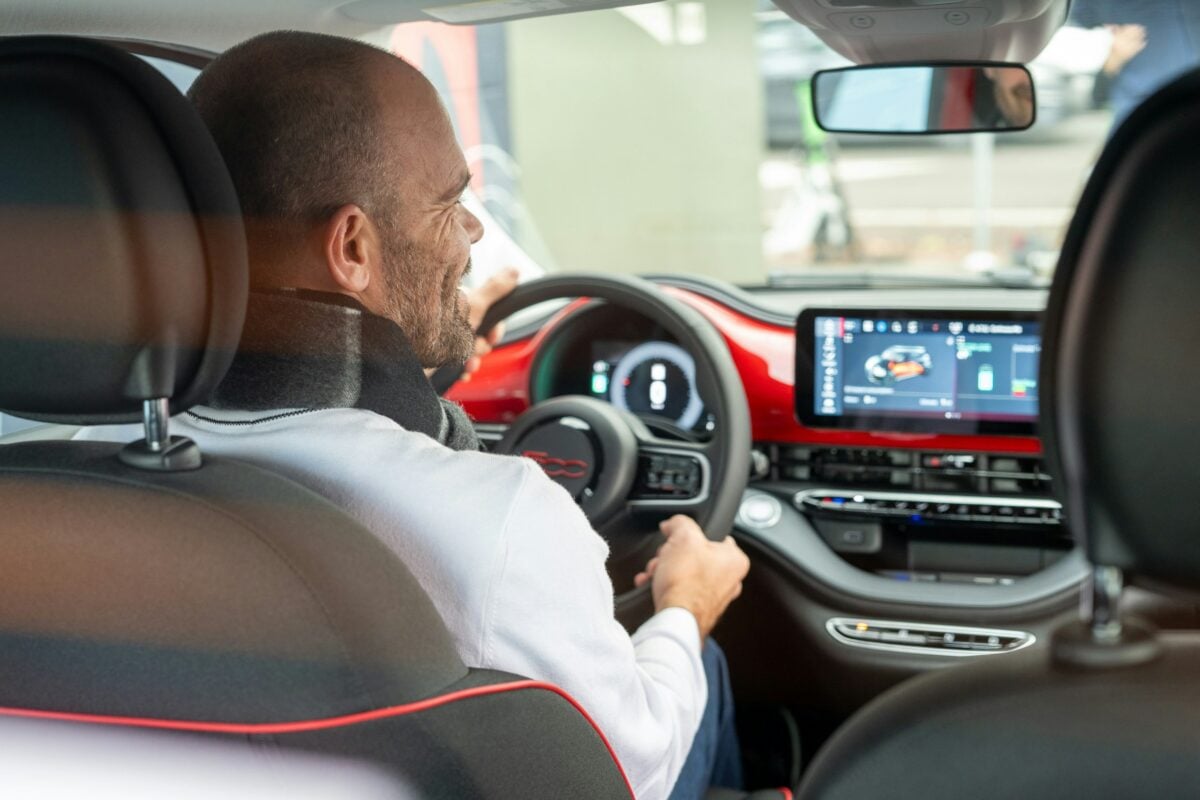
If you’ve driven a gas car, you’ve felt it shift gears — sometimes smoothly, sometimes with a noticeable bump. Most EVs never shift at all. The reason comes down to how differently engines and electric motors behave.
Gas Engines Have A Narrow “Sweet Spot”
A gasoline engine only produces useful power within a fairly narrow range of speeds — roughly from idle to around 6,000 or 7,000 revolutions per minute (rpm). It can’t push the car from a standstill at all without a clutch or torque converter, and it runs out of breath if it spins too fast.
That’s why gas cars need a transmission with six, eight, or even ten gears. Each gear keeps the engine in its sweet spot as the car speeds up.
Electric Motors Work Across A Huge Range
An electric motor is different. It delivers strong torque from zero rpm and can keep spinning efficiently to 15,000 rpm or more in many modern EVs.
With that wide a range, a single gear ratio can cover everything from creeping through a parking lot to cruising on the interstate. So instead of a multi-speed transmission, most EVs use a simple one-speed reduction gear that’s always engaged.
In Plain English: A gas engine is like a sprinter who can only run well at one pace, so it needs gears to keep it there. An electric motor is comfortable at almost any speed, so one gear is all it needs.
What About Reverse?
There’s no reverse gear either. To back up, the inverter simply makes the motor spin the other way. Selecting “R” just tells the computer which direction you want to go.
Did You Know? A few high-performance EVs use a two-speed transmission on one motor to improve acceleration and top speed. But for everyday cars, one gear does the job.
Quick Takeaway: Gas engines need many gears because they only work well within a narrow speed range. Electric motors work well across a huge range, so one fixed gear is enough.
How Regenerative Braking Works
Every time a gas car brakes, it throws energy away. The brake pads squeeze the wheels, and the car’s forward motion turns into heat that simply drifts off into the air.
An EV recovers part of that energy. This process is called regenerative braking, and it’s one of the cleverest things an electric car does.
The Motor Becomes a Generator
When you slow down, the moving wheels can drive the electric motor instead of the motor driving the wheels. The motor operates as a generator, producing electricity that the inverter helps send back into the battery.
Generating electricity creates resistance, which helps slow the car. The motor doesn’t physically spin backward during this process. What changes is the direction of energy flow.
Not all the energy can be recovered, but regenerative braking reduces the amount of electricity the car needs over a drive.
The same idea is used in hybrid cars, too, although they put the recovered electricity to work a little differently. Our explanation of how regenerative braking works in hybrids and EVs takes a closer look at what happens to that energy and why some of it is inevitably lost.
Why EVs Still Have Regular Brakes
Regenerative braking has limits.
A battery that’s very cold or nearly full may not be able to accept much energy. Hard stops may also require more braking force than regeneration can provide.
That’s why EVs retain conventional friction brakes.
Many models automatically coordinate both systems to provide the required stopping force. Because the friction brakes may be used less frequently, brake pads can last longer, although regular inspections remain important.
What Is One-Pedal Driving?
Many EVs offer one-pedal driving, which increases regenerative braking when you lift off the accelerator.
In some models, releasing the pedal can slow the car all the way to a stop during ordinary driving.
The regular brake pedal is still essential when additional stopping force is needed.
Did You Know? An EV Can Gain Range Going Downhill
On a long downhill stretch, regenerative braking can put some electricity back into the battery. In the right conditions, you might even see the estimated range increase as you descend.
What Happens To The Battery While You Drive?
The battery isn’t just draining at a steady rate. It’s constantly sending power out, taking some back in, and being watched and adjusted by the car’s computers.
Power Flows Out — And Back In
An EV battery doesn’t drain at a constant rate.
Acceleration requires more power, while steady cruising generally requires less. Regenerative braking can return some energy during slowdowns.
In city driving, that cycle can repeat hundreds of times on a single trip.
That’s why an EV’s range can actually be better in stop-and-go traffic than on the highway, which is the opposite of what most gas-car drivers expect.
The Battery Management System Is Always Watching
The battery management system (BMS) monitors the voltage and temperature of groups of cells many times per second. Its job is to make sure no cell gets too hot, too cold, too full, or too empty.
If something drifts out of range, the BMS can limit how much power the car is allowed to draw or accept. Most drivers never notice it working.
Temperature Matters More Than Most People Realize
Lithium-ion batteries are a bit like people: they’re happiest at roughly the same temperatures we are. That’s why most EVs have a liquid-cooling system that runs coolant through the pack.
- In hot weather, the car cools the battery, sometimes using its air-conditioning system.
- In cold weather, the car may warm the battery with a heater or with waste heat from the motor and electronics.
Why Winter Can Shrink Your Range
Cold weather is the biggest reason EV range drops in winter. A cold battery delivers and accepts energy less efficiently, and heating the cabin uses energy that would otherwise go to driving. Many EVs use a heat pump — essentially an air conditioner running in reverse — to make cabin heating more efficient. Preheating the car while it’s plugged in can help save some of that stored energy for driving.
What Else Uses Battery Power?
Driving accounts for most energy consumption, but heating, air conditioning, lights, screens, and other electronics also use electricity.
Climate control can noticeably affect range, especially in extreme weather.
Many EVs let you preheat or cool the cabin while plugged in, reducing the battery energy you need once you start driving.
Why The Range Estimate Changes
The range number on your dashboard is a prediction, not a fixed fact. The car recalculates it constantly based on your recent driving, speed, temperature, and climate settings.
Drive fast on a cold highway, and the number will drop faster than the miles you actually travel. Drive gently around town on a mild day, and it may barely move.
How Electric Car Charging Actually Works
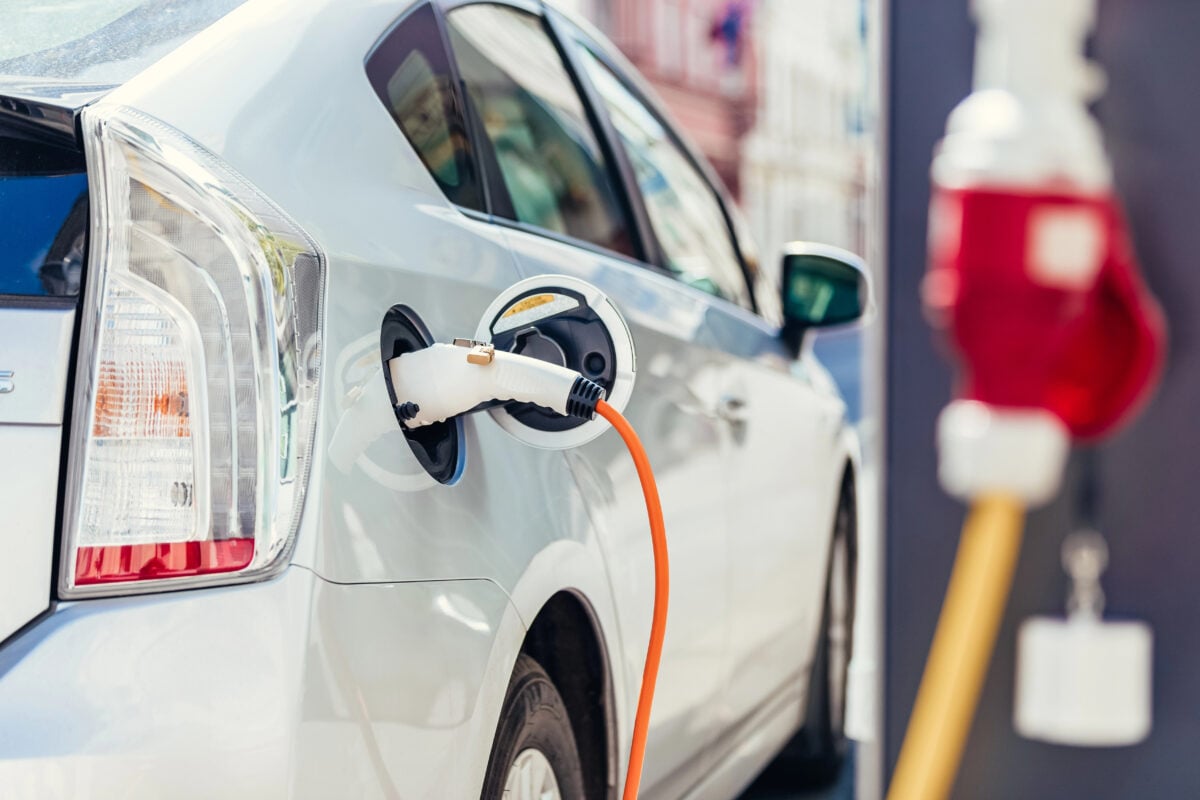
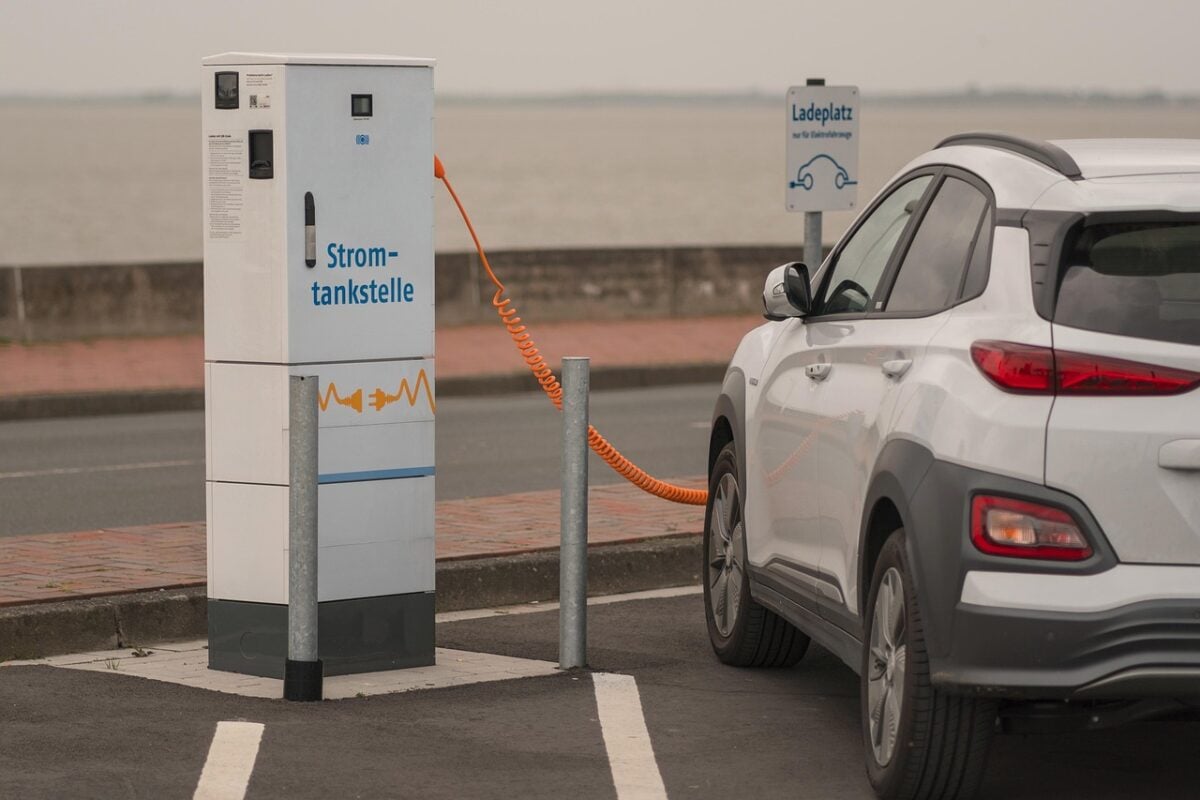
Charging an EV means putting electricity back into its battery.
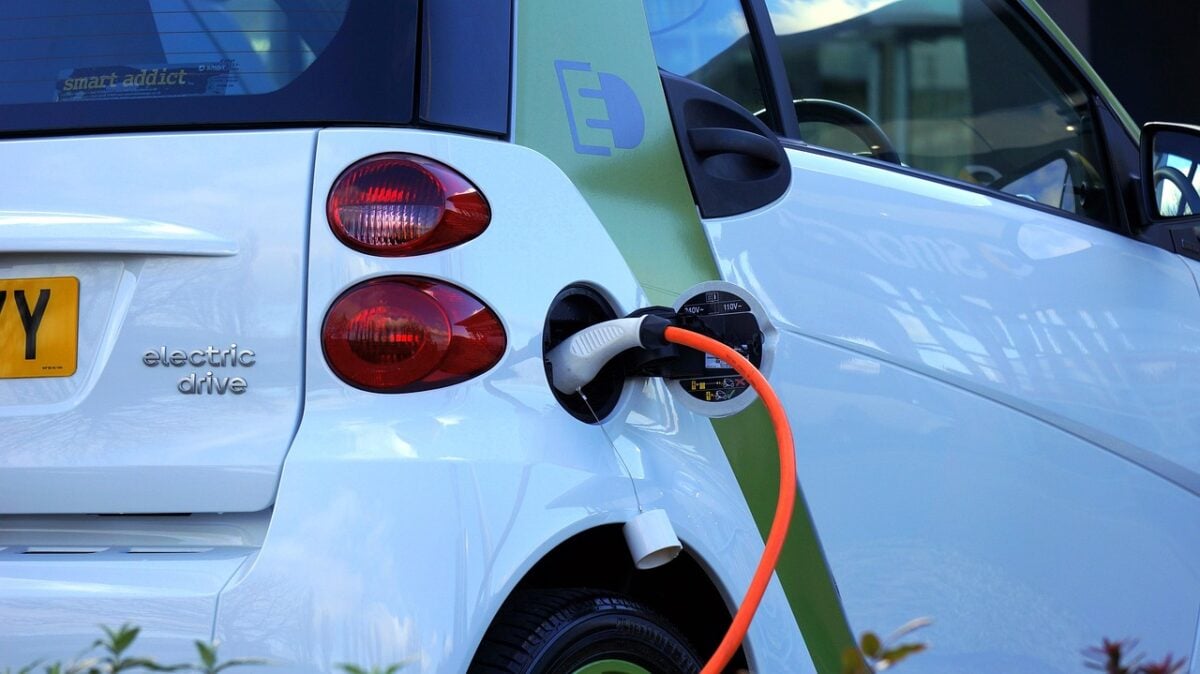
The battery stores DC electricity, while household electrical supplies provide AC electricity. That means AC power must be converted into DC before the battery can store it.
The charging method determines where that conversion happens and how quickly it can deliver energy.
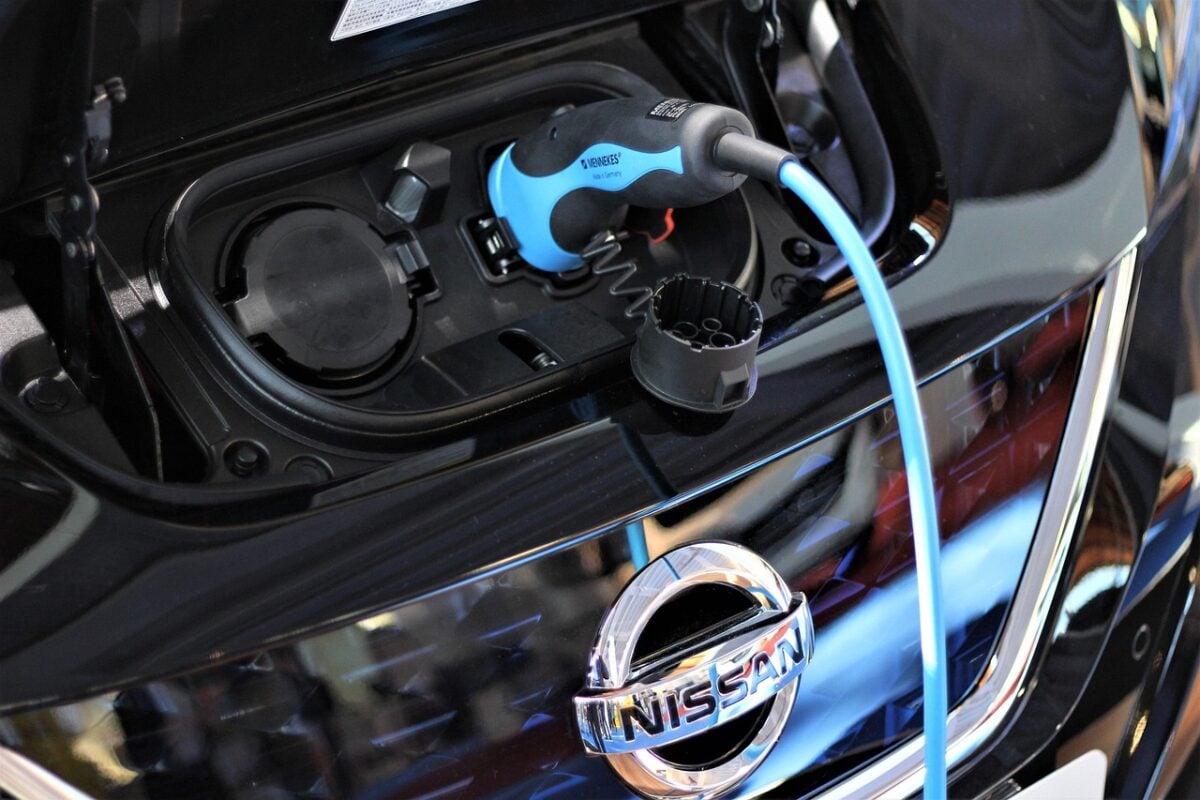
Level 1 Charging: A Regular Outlet
Level 1 charging uses a standard 120-volt household outlet in North America.
It’s the slowest common charging method and often adds only a few miles of range per hour.
That may still be sufficient for drivers who travel short distances and can leave the vehicle plugged in overnight.
Level 2 Charging: Faster Home Charging
Level 2 charging uses higher-voltage AC power, commonly 240 volts at home.
It’s considerably faster than Level 1 and is widely used at homes, workplaces, and public charging locations.
With both Level 1 and Level 2 charging, the vehicle’s onboard charger converts incoming AC electricity into DC electricity for the battery.
DC Fast Charging: The Road-Trip Option
DC fast-charging stations perform the AC-to-DC conversion outside the vehicle and deliver DC power to its battery system.
Because these stations can supply much higher power, they can replenish the battery substantially faster. Under suitable conditions, some EVs can charge from a low state of charge to approximately 80% in 20 to 60 minutes.
Actual times depend on the vehicle, charger, battery temperature, and other conditions.
Charging becomes a little more important to think about when you’re traveling in an unfamiliar area, especially in a rental EV. Checking whether compatible stations are available along your route can save some unpleasant surprises. It’s one of the practical considerations covered in our eco-friendly travel tips.
Electric Car Charging Speeds Compared
So how much difference does the type of charger actually make?
Quite a bit. A regular household outlet might be fine for someone who drives a few miles each day, while a road trip calls for something much faster. Here’s how the three main charging methods stack up.
| Charging Type | Typical Charging Speed | Best For |
|---|---|---|
| Level 1 | About 2–5 miles of range per hour | Short commutes and overnight charging |
| Level 2 | Roughly 10–30 miles of range per hour | Home, workplace, and public charging |
| DC Fast Charging | Some EVs reach 80% in 20–60 minutes | Road trips and shorter charging stops |
Actual charging speeds depend on the vehicle, charger, battery temperature, and current charge level.
Why Charging Slows Down Near Full
Like a smartphone, an EV battery often charges more slowly as it approaches full. The charging system gradually reduces power to protect the battery and manage charging conditions. That’s why charging from 80% to 100% may take disproportionately longer than charging through the earlier part of the session.
On road trips, many drivers charge to around 80% before continuing, although the best stopping point depends on the vehicle and journey.
What About Charging Plugs?
Electric vehicles don’t all use the same connector.
In North America, common types include J1772 for AC charging, CCS for DC fast charging on many vehicles, and NACS/J3400, which the industry is adopting.
Some older EVs use CHAdeMO for DC fast charging.
Adapters can allow certain vehicles to use different connectors, but compatibility depends on the vehicle, adapter, and charging network.
What Happens When an Electric Car Battery Gets Low?
EVs generally provide warnings before the battery becomes too depleted to drive.
The exact behavior varies by vehicle, but you may notice several things.
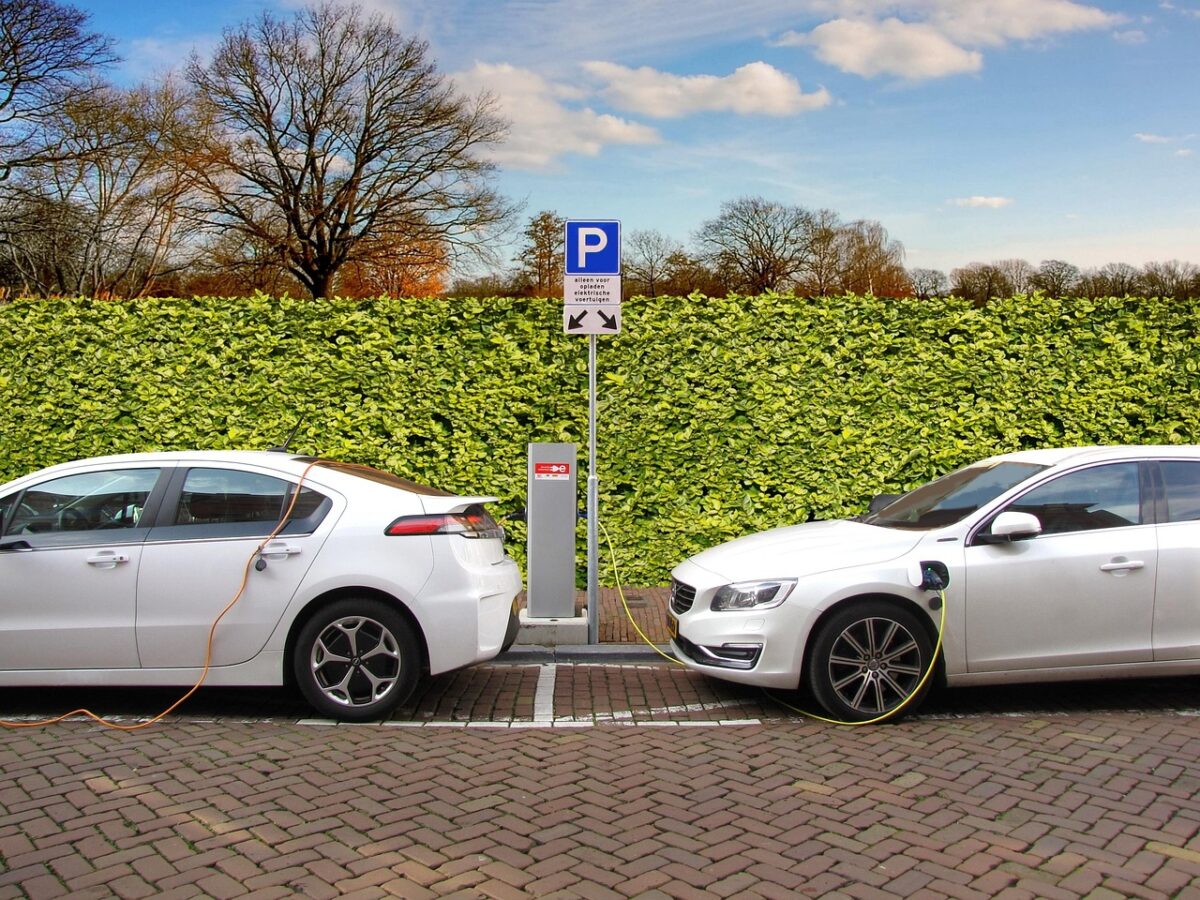
Low-Battery Warnings
As charge decreases, the dashboard displays alerts.
Many EVs can also suggest nearby compatible charging stations or plan routes that include charging stops.
Reduced Power
At very low charge levels, some EVs may limit acceleration or available motor power.
Certain vehicles use a warning symbol or reduced-power setting informally called turtle mode.
Is There a Hidden Reserve?
Most EVs protect a portion of their battery capacity, so a displayed 0% doesn’t necessarily mean the cells contain no electrical energy.
However, that protected energy isn’t guaranteed to be available for driving.
Treat 0% as empty.
What Happens If You Run Out?
If the battery can no longer provide propulsion, the vehicle may reduce power and eventually become unable to drive.
Follow the vehicle’s warnings, move out of traffic if possible, and contact roadside assistance.
Some providers offer mobile charging, while others can transport the vehicle to a charger.
Always follow the manufacturer’s towing instructions because EV drivetrains can have specific requirements.
Electric Cars vs. Hybrids vs. Gas Cars: What’s Actually Different?
From the driver’s seat, these cars might seem pretty similar. They all have a steering wheel, an accelerator, and four wheels that get you where you’re going.
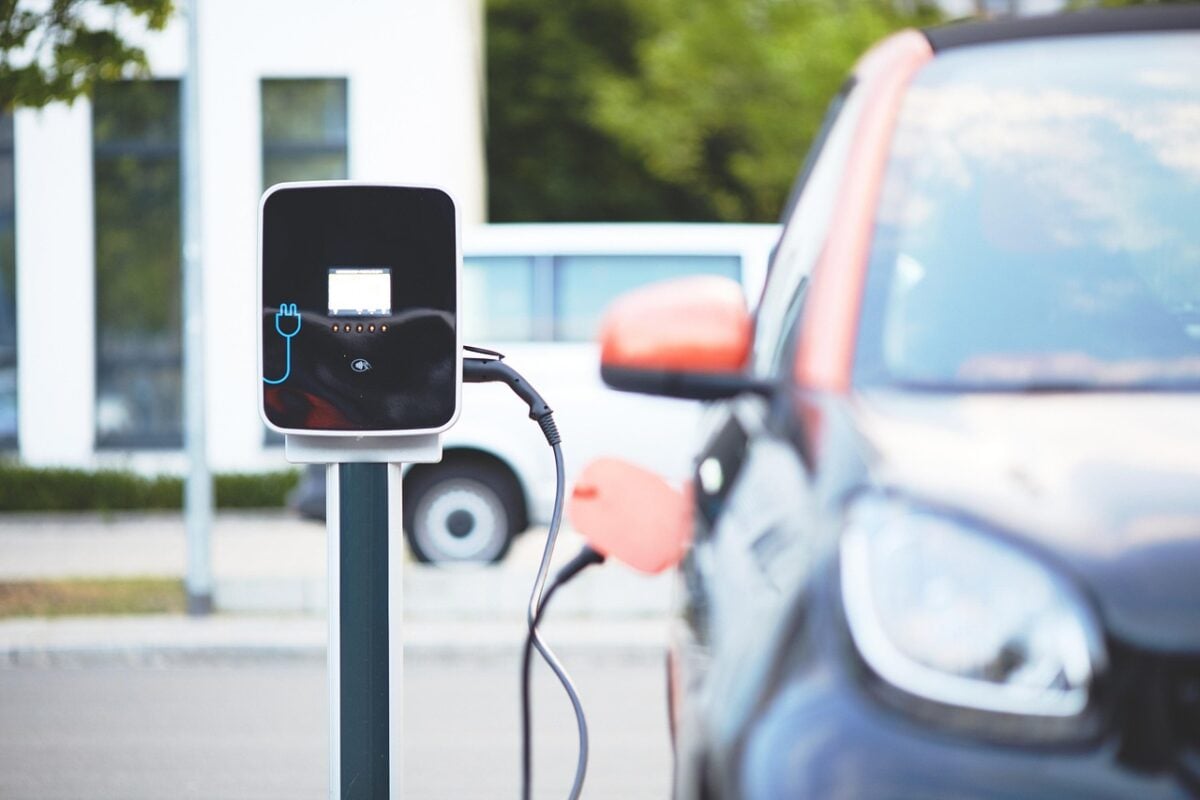
But underneath, they’re doing very different things.
The biggest difference is where the power comes from — and what happens between pressing the accelerator and getting the wheels turning.
- A gas car burns fuel to make power. Its engine uses a series of tiny, controlled explosions to move pistons, which eventually turn the wheels through a transmission. It’s a clever system, but there’s a lot of machinery involved.
- A hybrid has one foot in each world. It combines a gas engine with an electric motor, switching between them or using both together depending on how you’re driving. The battery recharges through regenerative braking and power from the engine, so there’s no need to plug it in.
- A plug-in hybrid takes that idea a little further. It has a bigger battery you can charge from an outlet or charging station. You can drive a certain distance on electricity alone, then rely on the gasoline engine when needed. How the two power sources work together depends on the model.
- A fully electric car skips the gasoline engine altogether. No fuel tank, no exhaust pipe, and no gasoline being burned under the hood. Its electric motor does all the work of moving the car, powered by a battery you recharge by plugging in.
Electric Cars, Hybrids, and Gas Cars at a Glance
All four types can get you from one place to another, but what’s happening under the hood is another story.
The easiest way to see the differences is to put them side by side, especially when it comes to where their power comes from and how they refuel.
| Feature | Gas Car | Hybrid | Plug-In Hybrid | Electric Car |
|---|---|---|---|---|
| What provides driving power? | Gas engine | Engine and electric motor | Engine and electric motor | Electric motor only |
| How do you refuel? | Gas station | Gas station | Gas station and plug-in charging | Plug-in charging |
| Main driving battery | None | Small | Medium to large | Large |
| Electric-only driving | No | Limited, depending on model | Yes, for a limited range | All driving |
| Transmission | Usually multi-speed | Varies by design | Varies by design | Usually single-speed |
| Regenerative braking | Generally no | Yes | Yes | Yes |
| Engine oil changes | Yes | Yes | Yes | No |
| Engine idling | Engine typically runs | Engine can shut off | Engine can shut off | No engine to idle |
What Disappears When You Take Out the Gas Engine?
Here’s something you might not have thought about: switching to an electric motor doesn’t just change what powers the car. It eliminates a surprising amount of machinery.
Pop the hood of a gasoline car, and you’ll find an engine surrounded by components that help it burn fuel, manage heat, and carry away exhaust.
An EV doesn’t need most of that equipment.
Gone are the:
- Engine oil, oil filter, and regular engine oil changes
- Spark plugs, fuel injectors, and timing belts
- Exhaust pipes, mufflers, and catalytic converters
- Gas tank and fuel pump
- Traditional multi-speed transmission found in most gas cars
That’s a lot of parts you’ll never have to think about replacing.
Of course, electric cars aren’t maintenance-free. Tires still wear out. Brakes still need attention. And there are wipers, cabin air filters, cooling systems, and other components to look after.
But removing the gasoline engine eliminates many of the mechanical parts that make a conventional car so complicated.
Common Electric Car Myths That Still Confuse People
Electric cars have been around long enough that most people recognize one when they see it. But understanding what goes on inside is another story.
Can they really recharge themselves? Does driving through a puddle put the battery at risk? And what happens when that enormous battery gets old?
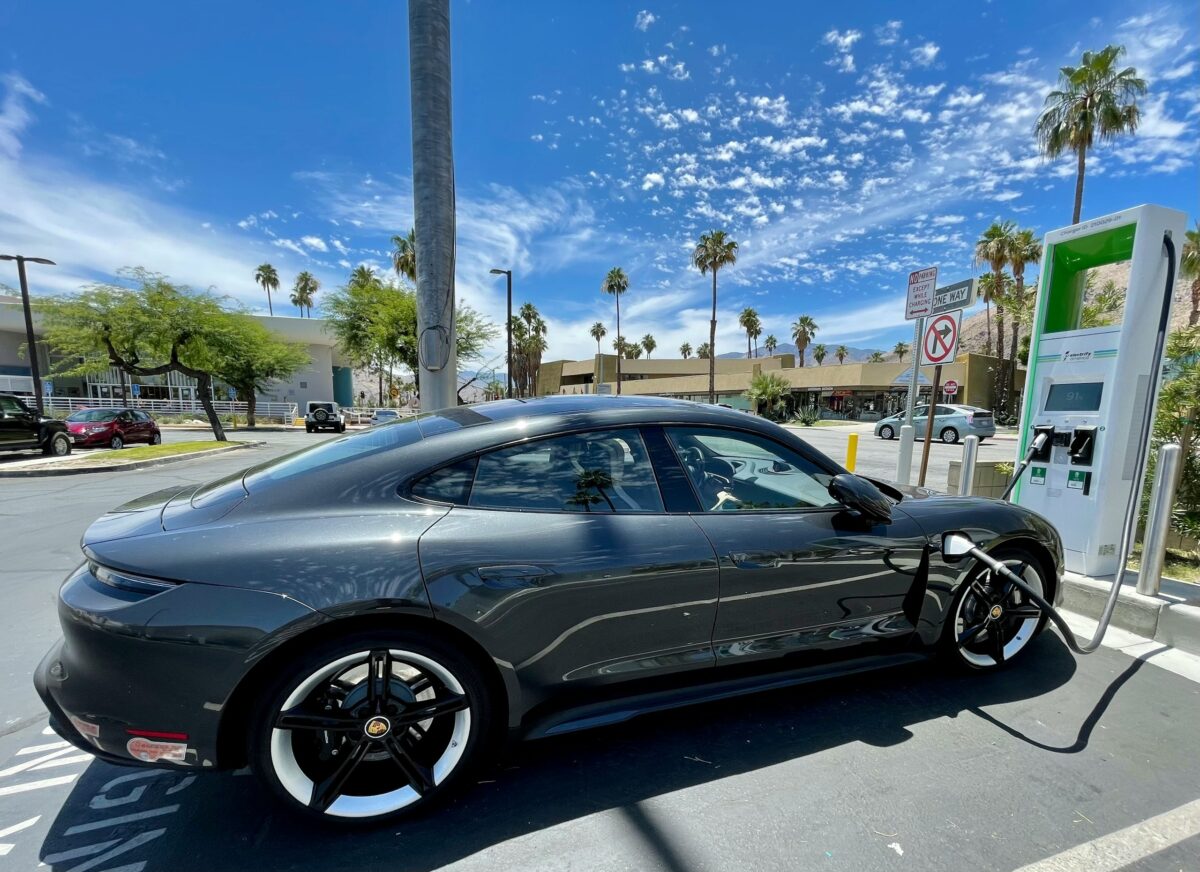
Some of the things people assume about EVs sound perfectly reasonable — until you look at how the technology actually works.
Myth: Electric Cars Recharge Themselves While Driving
Wouldn’t that be convenient? Drive around all day, let the wheels generate electricity, and never plug in again.
Unfortunately, physics has other plans.
Regenerative braking does send some electricity back into the battery when you slow down. But it’s recovering part of the energy the car already used to get moving, not creating new energy out of nowhere.
And because some energy is always lost along the way, the battery can’t recharge itself indefinitely.
You still need to plug in. Regenerative braking simply helps you get more driving out of the electricity you’ve already stored.
Myth: An EV Battery Is Just an Oversized Phone Battery
At a glance, the comparison makes sense. Both store electricity, both recharge, and both gradually lose capacity as they age.
But an electric car battery is much more than a giant collection of phone batteries.
It has its own management system watching cell temperatures, voltage, and charge levels. Most modern EVs also have sophisticated heating and cooling systems to help keep the battery within a suitable operating range.
There’s another difference you don’t normally see: the car typically protects part of the battery’s capacity, helping prevent the cells from reaching damaging extremes.
Your phone has battery-management features too, but the systems in an EV are built to handle far greater power demands, changing weather, and years of driving.
Myth: Electric Car Batteries Need Replacing Every Few Years
It’s easy to see where this worry comes from. We’ve all owned a phone that stopped holding a charge as well as it did when it was new.
But EV batteries are designed for much longer service lives.
They do gradually lose capacity, which means an older EV may not travel quite as far on a full charge as it did when new. That doesn’t mean the battery suddenly stops working or needs replacing the moment its range drops.
How quickly a battery ages depends on its chemistry, temperature exposure, charging habits, and how the vehicle is used.
Many manufacturers provide battery warranties lasting eight years or 100,000 miles, and some offer longer coverage. The exact warranty terms depend on the vehicle.
A battery may eventually need replacement, but it’s not something most drivers should expect to do every few years.
Myth: Electric Cars Are Slow Because They Run on Batteries
If you’re picturing an oversized golf cart struggling to climb a hill, you’re in for a surprise.
Electric motors can produce strong twisting force, called torque, from very low speeds. They don’t need to wait for an engine to build up revolutions or a transmission to find the right gear.
Press the accelerator, and that power is available almost immediately.
That’s why some perfectly ordinary family EVs can feel surprisingly eager when a traffic light turns green.
Not every electric car is fast, of course. But running on electricity certainly doesn’t mean a car has to be slow.
Myth: You Can’t Drive an Electric Car in the Rain
Electricity and water don’t mix. So the idea of driving around with a massive battery in the floor might sound a little unsettling.
But EVs aren’t built like exposed science experiments.
Their high-voltage components are designed with protective insulation, sealed enclosures, and safety systems intended to handle normal driving conditions.
Rain, snow, wet roads, and ordinary car washes are all part of everyday EV use.
That doesn’t mean you should drive through deep water. Flooding can damage an electric vehicle, just as it can damage a gasoline-powered car. If a road is flooded, turning around is still the sensible choice.
Myth: You Need a Super-Fast Charger in Your Garage
When people picture electric car charging, they often imagine those enormous roadside stations with thick cables and powerful equipment.
But that’s not what typical home charging looks like.
Many EV owners simply plug into a Level 2 home charger overnight. Others manage with a regular household outlet, especially if they don’t drive very far each day.
The really powerful DC fast chargers are generally commercial installations designed to add substantial range during shorter stops.
Think of it this way: home charging is often about replacing the electricity you used that day, not filling an almost-empty battery as quickly as possible.
Myth: Electric Cars Don’t Have Transmissions or Gears
You’ve probably heard that EVs don’t need to shift gears. That’s true for most models, but it doesn’t mean the motor is connected directly to the wheels with nothing in between.
There’s still some clever machinery doing the work.
Most EVs use a fixed reduction gear to turn the motor’s high spinning speed into a more useful speed and turning force at the wheels. A differential also lets the wheels rotate at different speeds when you go around a corner.
What most EVs don’t need is a conventional transmission that keeps shifting through multiple gear ratios.
The gears are still there. They just don’t have to keep changing.
Frequently Asked Questions About Electric Cars
Still have a few questions about what’s happening under an electric car’s hood — or underneath its floor? You’re probably not the only one. Here are some of the things people are most curious about.
Don’t see your question? Leave it in the comments, and we’ll get back to you!
Do Electric Cars Have Engines?
Nope. Instead of a gasoline-burning engine, an EV uses one or more electric motors to turn the wheels. No pistons, no exhaust fumes, and no engine oil changes.
Why Are Electric Cars So Quiet?
There’s no combustion engine rumbling under the hood. You’ll still hear tires, wind, and sometimes a faint motor whine. At low speeds, EVs also produce warning sounds where required so pedestrians can hear them approaching.
Can You Charge an Electric Car from a Regular Outlet?
Yes! Many EVs can charge from a standard household outlet using compatible equipment. It’s called Level 1 charging, and while it’s slow, it can be enough for shorter daily drives.
How Long Does an Electric Car Battery Last?
EV batteries are built for years of driving. They gradually lose capacity, much like phone batteries, but that doesn’t mean they need replacing every few years. Actual lifespan depends on battery chemistry, temperature, and usage.
Do Electric Cars Lose Range in Cold Weather?
They do. Cold temperatures affect battery performance, and heating the cabin uses extra electricity. Preheating the car while it’s still plugged in can help preserve range.
What Happens If an Electric Car Runs Out of Battery?
The car will generally warn you as the charge gets low, and some models reduce power before stopping. If it can no longer drive, you’ll need roadside assistance or a tow to a charger.
Keep Exploring How Cars Work
There’s always something interesting going on beneath the hood, especially as cars become more reliant on electric motors and batteries. If you’re curious about how the technology works when a gasoline engine is still part of the picture, our guide to how hybrid cars work takes a closer look at how those systems work together.
And if you’ve heard conflicting claims about battery life, charging, or performance, our article on common hybrid car myths helps sort through some of that confusion. If you’d rather experience a different type of car before committing to one, car-sharing services offer another way to get behind the wheel.
Electric cars may be quiet on the road, but there’s a remarkable amount happening behind the scenes, and now you know what makes it all work.
Have you ever driven or ridden in an electric car? What stood out to you: the quiet ride, quick acceleration, or something you didn’t expect? Share your experience in the comments below!