When you purchase through links on our site, we may earn a commission. Here’s how it works.
Cricket flour sounds like something from a reality TV dare, but it is a real, fast-growing ingredient found in protein bars, snacks, baked goods, and health foods.
Table of Contents
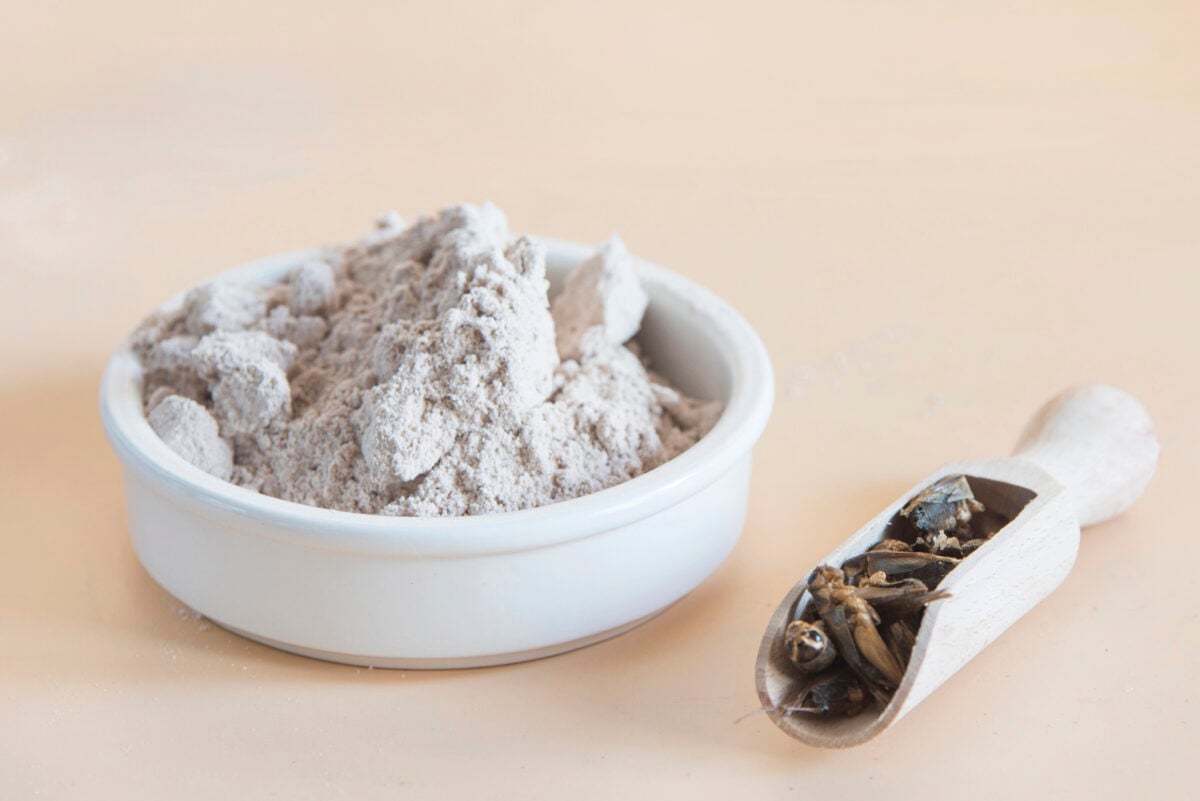
And yes, it is exactly what it sounds like: a fine powder made entirely from crickets raised specifically for human consumption.
While the idea of entomophagy (the official term for eating insects) might seem strange at first, health and sustainability experts are genuinely excited about it. Companies love cricket flour because it is a nutritional powerhouse that mixes easily into familiar foods, while requiring a fraction of the environmental footprint of traditional livestock.
So what exactly is cricket flour? What does it taste like, and is it actually safe to eat? Let’s break down the facts in plain English, including a surprising health benefit (and a vital safety warning) most people completely miss.
Want our human-written content to rank above AI-generated garbage? Help us out by clicking this button!
What is Cricket Flour (and How is it Made)?
Despite the name, cricket flour isn’t actually a “flour” in the traditional sense; it doesn’t come from a grain or a plant. Instead, it is a fine, gluten-free powder made entirely from 100% real crickets.
The manufacturing process is actually surprisingly simple and clean:
- Farming: Crickets are humanely raised in clean, vertical indoor facilities.
- Harvesting: At the end of their life cycle, they are frozen (which puts them into a natural, painless hibernation state).
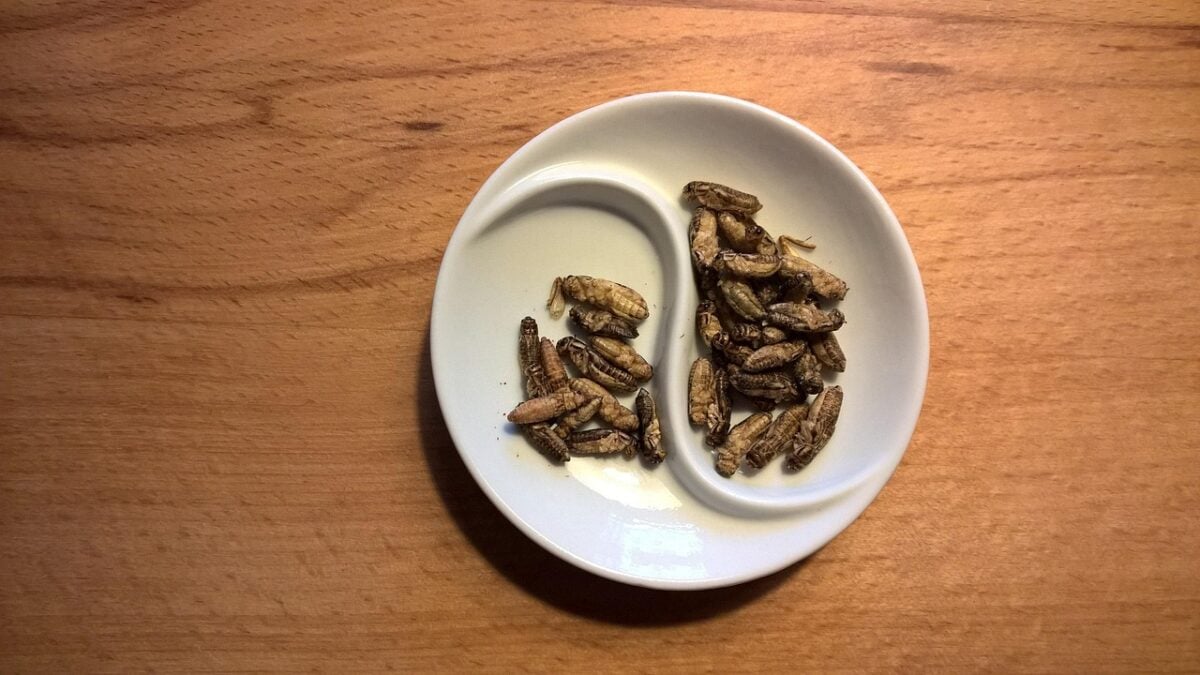
- Processing: The crickets are thoroughly washed, dry-roasted in ovens to bring out a nutty flavor, and then milled into an incredibly fine, soft powder.
Because it is made from whole insects, cricket powder is a “whole food” ingredient. Unlike heavily processed soy or whey protein isolates, it doesn’t require harsh chemical processing, bleaching, or a mountain of artificial sweeteners to mask a chemical aftertaste.
Inside a Cricket Farm: Want to see what a massive, clean-tech cricket farm actually looks like from the inside? In this fascinating Business Insider tour of Entomo Farms, North America’s largest cricket farm, you can see exactly how 50 million crickets a week are raised in free-range “cricket condos,”clean-roasted, and milled into protein powder.
The Nutritional Breakdown
If you are looking at pure nutritional bang for your buck, cricket powder blows most traditional protein sources out of the water. While raw, whole crickets contain a lot of water weight, drying and milling them concentrates the nutrients into a dense powerhouse.
- Massive Protein Content: Cricket powder is composed of 60% to 70% pure protein by weight. A single two-tablespoon serving can pack around 13 to 15 grams of high-quality, complete protein containing all nine essential amino acids.
- Loaded with Micronutrients: It is naturally rich in iron, calcium, potassium, and energy-boosting Vitamin B12.
- The Gut-Health Bonus: Crickets contain chitin (pronounced ky-tin), a tough fiber that makes up their outer shells. In human digestion, chitin acts as a powerful prebiotic; essentially acting as gourmet fuel that feeds the good probiotic bacteria living in your gut.
Because cricket powder is comprised entirely of milled insects, it is naturally 100% gluten-free, dairy-free, and soy-free. However, if you are using it as an alternative protein source because you are navigating a restrictive diet, it’s vital to cross-reference it with a clear understanding of what foods contain gluten to avoid accidental cross-contamination in your kitchen.
If you are trying to cut through the noise of modern health trends to build a clean supplement routine, sorting out the facts behind your daily nutrients is key. Learn more in our complete guide to which cooking oil, skin oil, or supplement you should actually use.
Why Are Companies Using Cricket Flour?
Companies use cricket flour for three main reasons: protein, sustainability, and curiosity.
Cricket flour is high in protein, which makes it useful in bars, snacks, and fitness foods. It also takes far less space to raise crickets than larger animals like cattle.
Another reason is simple: people are curious. A protein bar made with cricket flour gets attention because it sounds unusual, even when the final product looks like a normal snack.
Hidden Ingredients
Many commercial snack brands pack their standard fitness bars with artificial additives and fillers to mask low-quality protein sources. When choosing any processed health food, it is crucial to scan the label for sneaky additives, especially given the hidden high fructose corn syrup health risks found in mainstream consumer snacks.
Cricket Protein vs. Beef: Why It Gets Called Sustainable
When health enthusiasts talk about eating insects, they aren’t just doing it for the protein—they are doing it for the planet.
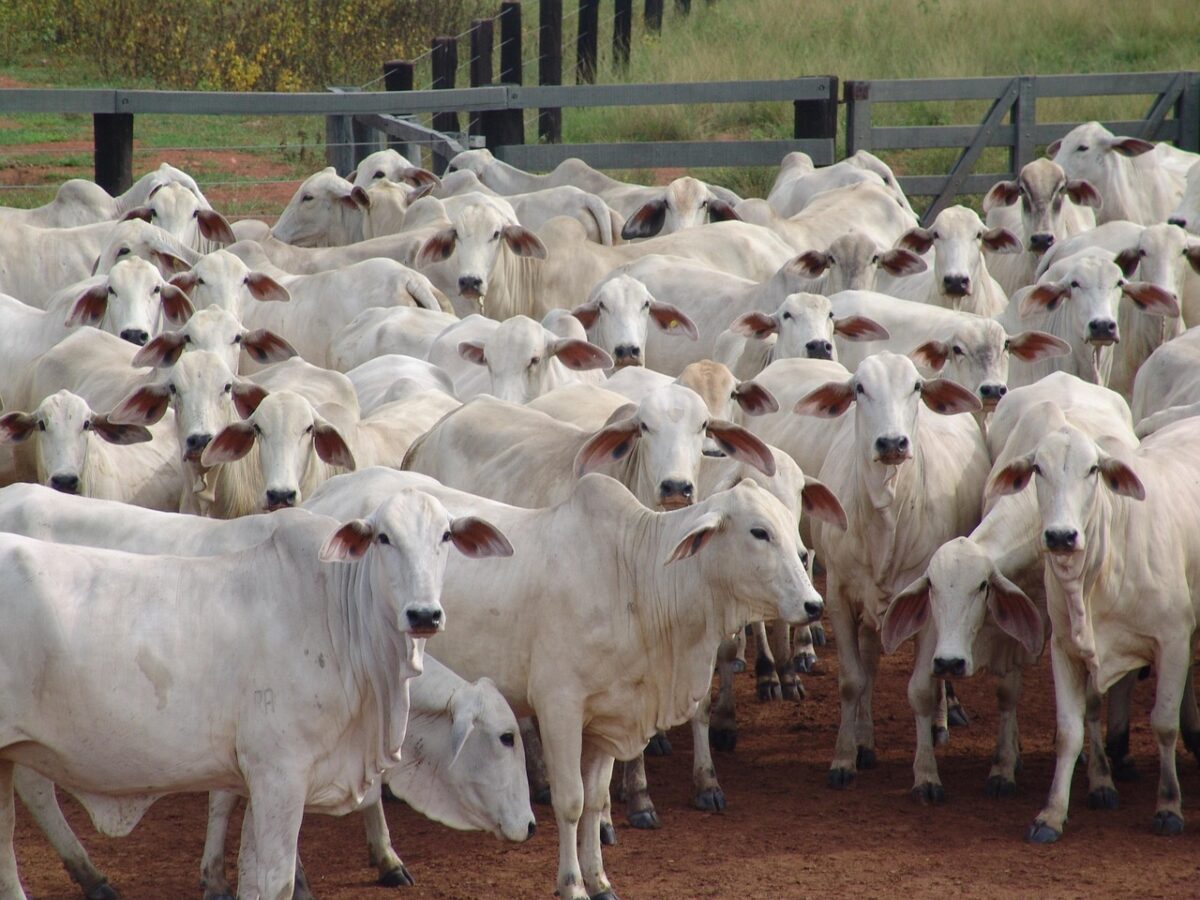
Traditional livestock farming (especially cattle, sheep, and pigs) is incredibly resource-intensive. It requires massive amounts of land, thousands of gallons of water, and produces significant greenhouse gas emissions. Crickets, on the other hand, require a fraction of those resources to produce the exact same amount of protein.
Because farmers can raise crickets vertically in compact, climate-controlled spaces, the insects thrive in crowded environments that traditional livestock would find impossible and inhumane.
The Sustainability Showdown
Here is a quick, head-to-head look at how insect protein compares to traditional beef:
| Resource | Crickets | Beef / Cattle |
| 💧 Water | Often much lower | Much higher |
| 🌾 Feed | Less feed required | More feed required |
| 💨 Greenhouse gases | Lower methane output | Higher methane output |
| 🏢 Space | Can be raised in compact spaces | Requires more land |
| 💪 Protein efficiency | Efficient protein source | Less efficient by comparison |
Why the Data Matters
When you look at the table above, the resource differences are massive. But what do those terms actually mean in the real world?
- The Reality of Water Savings: Traditional cattle require thousands of gallons of water over their lifetime for drinking and crop irrigation. Crickets need almost none. To put that into perspective, skipping just one single pound of beef in favor of insect protein saves more water than you would use by taking daily showers for nearly four months.
- The Secret to Protein Efficiency: Why are crickets such an efficient protein source? It comes down to biology. Crickets are cold-blooded, meaning they don’t waste precious energy keeping their bodies warm. Instead, they convert almost every ounce of feed they eat directly into protein, making them over 12 times more efficient at converting feed into food than cattle.
Foods You Might See Cricket Powder In
Because cricket powder is fine and easy to blend, you will almost never see it served as a whole insect in these products. Instead, it is seamlessly mixed into familiar everyday items.
Manufacturers typically pair it with rich, robust flavors like chocolate, peanut butter, cinnamon, or sea salt, which completely mask the powder’s mild, earthy undertones.
On the Human Food Aisles
You can find cricket powder hiding in plain sight across a variety of health-conscious and sustainable food brands:
- Grab-and-Go Snacks: Protein bars, energy bites, protein-infused cookies, and snack bars.
- Pantry Staples: High-protein pancake mixes, waffle mixes, baking flours, and even cricket-based pasta.
- Crunchy Treats: Tortilla chips, crackers, and crisps designed for a low-carb or eco-friendly diet.
- Beverages: Powdered protein supplements perfect for morning smoothies or post-workout shakes.
In the Pet Food Aisle (The New Big Trend)
One of the fastest-growing sectors for cricket protein isn’t actually for humans—it’s for our pets! The pet food industry uses a massive amount of traditional meat, leading many eco-conscious pet parents to look for alternative protein sources.
- Hypoallergenic Dog Kibble & Wet Food: Many dogs suffer from food allergies tied to traditional meats like beef or chicken. Because cricket protein is a “novel” (unfamiliar) protein source to a dog’s immune system, it is incredibly gentle on sensitive stomachs.
- Sustainable Dog Treats: You will easily find cricket-based dog biscuits, jerky strips, and training treats paired with healthy mixers like sweet potato, pumpkin, or carrot.
- Cat Foods: Though slightly less common than dog food, cricket-based cat treats and kibbles are hitting the shelves as a sustainable option for feline dietary needs.
What Does Cricket Flour Taste Like?
Let’s address the elephant in the room: no, it does not taste like a live bug from your backyard.
Because the crickets are dry-roasted before being milled, cricket powder has a surprisingly pleasant, mild flavor. Most people describe it as earthy, slightly nutty, and a bit like toasted sunflower seeds or almonds.
Because the flavor is so subtle, it is incredibly easy to hide. When mixed into chocolate protein shakes, baked into brownies, or tossed into a spicy chili, you won’t taste it at all.
The Public Taste Test: Still skeptical about the flavor? Watch this short PennLive video clip from a live “Insect Deli” event where everyday consumers try chocolate “chirp” cookies baked with cricket flour. As one taster notes, once you look past the initial hesitation, it tastes wonderful, and surprisingly, almost exactly like an almond!
Tips for Cooking and Baking with Cricket Powder
If you are ready to experiment with insect protein in your own kitchen, don’t just swap out your regular baking flour 1:1. Because cricket powder doesn’t contain gluten, it behaves very differently from wheat flour. If you use too much, your baked goods won’t rise, and they will turn out dense and crumbly.
Here is how to safely introduce it to your favorite recipes:
- The 10% Rule: When baking things like cookies, banana bread, pancakes, or muffins, substitute just 10% to 15% of the regular flour with cricket powder. This boosts the protein and adds a rich, nutty depth without ruining the texture.
- Blend it Into Liquids: One of the easiest ways to start is by adding a tablespoon or two directly into your morning smoothie, oatmeal, or a homemade protein shake. It blends smoothly and acts just like any other protein supplement.
- Savory Upgrades: Because of its earthy flavor profile, cricket powder works beautifully as a thickener in savory dishes. Try mixing a spoonful into taco seasoning, stews, or homemade energy bars.
Baking with insect protein is a fun, highly efficient way to fortify your everyday snacks with complete amino acids. If you enjoy making nutrient-dense food swaps at home, try pairing your baked goods with these quick, gut-friendly chia recipes for an ultimate clean-energy breakfast routine.
Pro Tip for Home Bakers: Because cricket flour has a naturally rich, roasted-nut flavor profile, it pairs flawlessly with cocoa. If you want to experiment with boosting the protein content of your favorite desserts without changing their texture, try substituting up to 10% to 15% of the flour in this delicious, ultra-fudgy Gluten-Free Brownie Recipe with cricket powder
Is Cricket Flour Safe to Eat? (The Critical Allergy Warning)
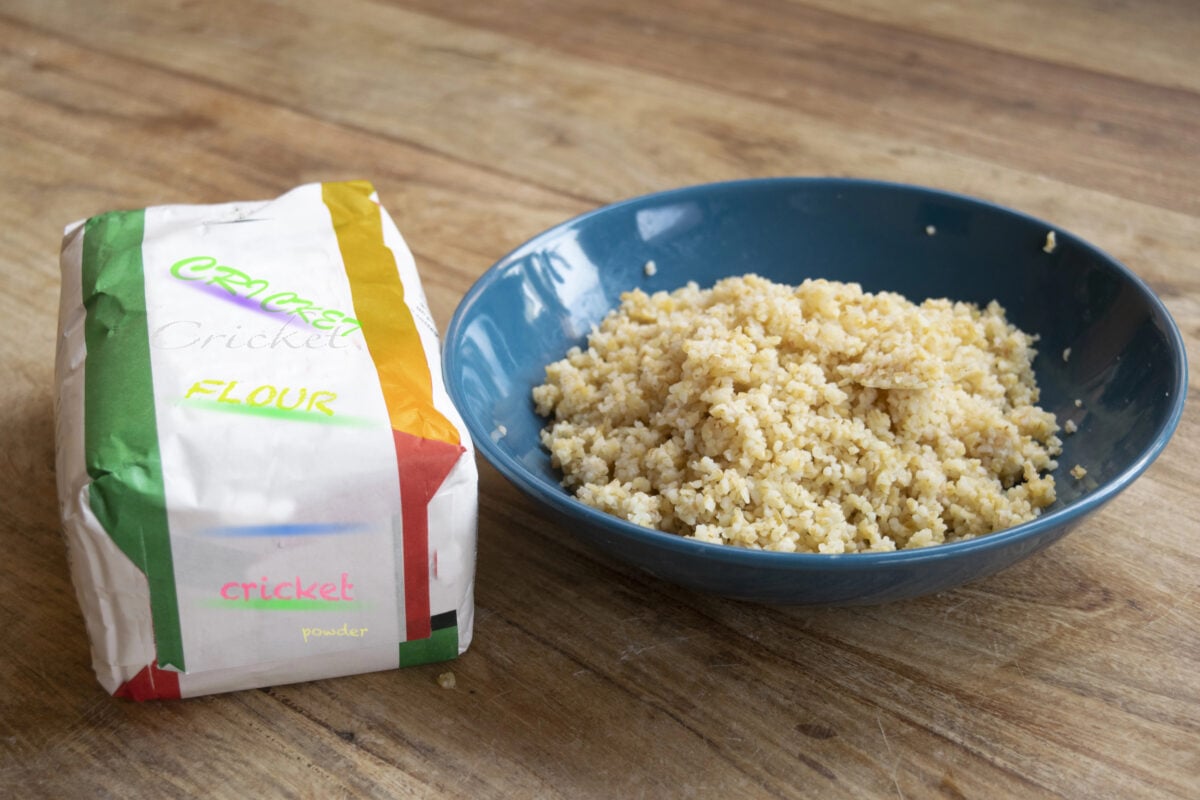
For the vast majority of people, cricket powder is completely safe, highly digestible, and incredibly clean. The crickets used in commercial foods are raised in strictly regulated, food-grade facilities. They eat an organic, high-quality diet, ensuring the final powder is free from harmful bacteria or parasites.
However, there is one major safety warning that everyone needs to know before taking their first bite.
The Shellfish Allergy Connection
If you are allergic to shellfish, you should avoid cricket flour completely.
Crickets are arthropods, which means they belong to the exact same biological family as shellfish like shrimp, crabs, and lobsters. Because of this close relationship, crickets contain the exact same tracking proteins (specifically one called tropomyosin) that trigger allergic reactions in humans.
If eating a shrimp cocktail causes you to break out in hives, get an itchy throat, or experience anaphylaxis, eating cricket powder will likely trigger the exact same reaction. Always check the allergen labels on protein bars or pet foods if anyone in your household has a known shellfish allergy.
Why You Shouldn’t Harvest Your Own Backyard Crickets
If the health and environmental benefits of insect protein excite you, you might feel tempted to catch crickets in your garden. Do not do this.
Wild insects are entirely different from farm-raised, food-grade crickets:
- Pesticide Risk: Wild insects frequently ingest chemical pesticides, lawn fertilizers, and weed killers from nearby yards. These toxins build up in their systems and can make you very sick.
- Parasites and Bacteria: Wild crickets can carry natural parasites and harmful bacteria that are completely eliminated in the controlled, hygienic environments of professional cricket farms.
The Golden Rule: Only consume cricket products that reputable suppliers explicitly label for human (or pet) consumption.
Where Can I Buy Cricket Flour?
Because cricket protein has grown into a major mainstream health trend, you no longer have to hunt through obscure specialty stores to find it. Several highly reputable, certified brands process and sell food-grade insect protein online and ship right to your door.
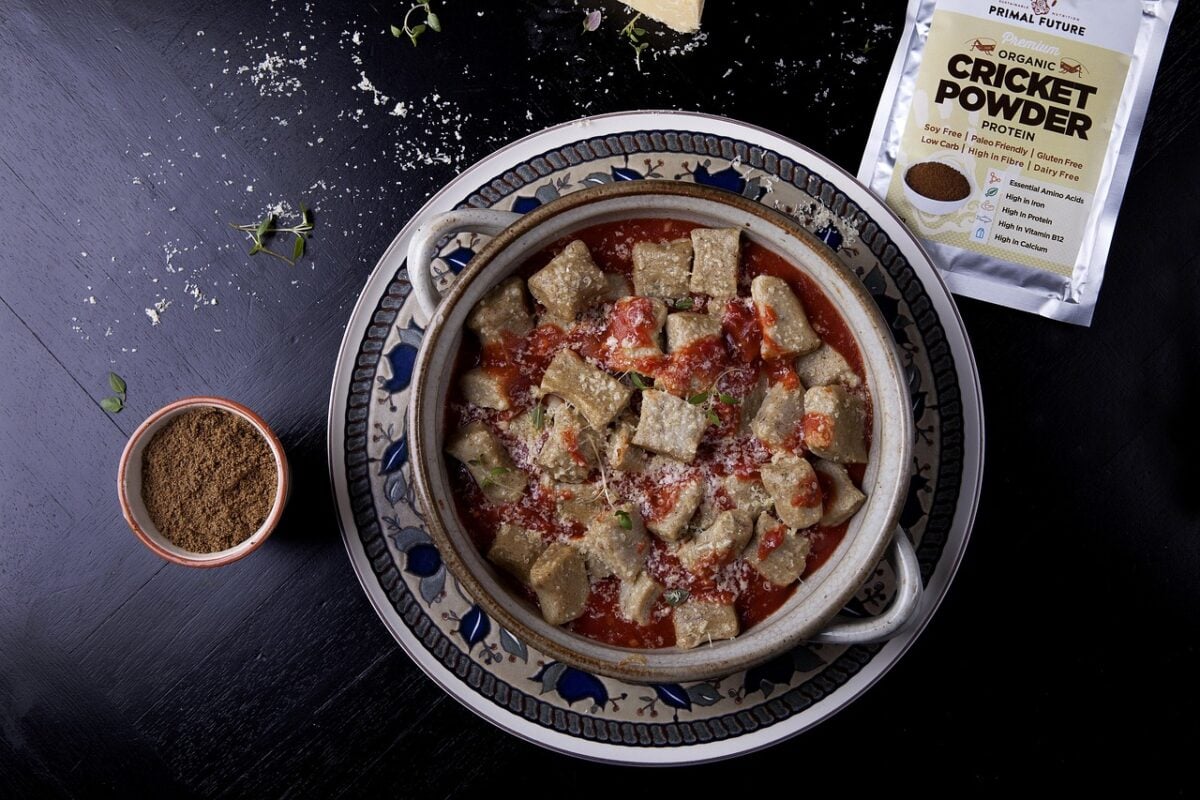
When shopping, look for terms like “Acheta powder” (the scientific family name for crickets) on the ingredient labels. Here are the top trusted brands leading the market today.
Pure Powders for Baking and Smoothies
If you want to experiment with the “10% rule” in your own baking recipes or throw a scoop of sustainable protein into your morning smoothies, these pure powders offer your best bet:
- Exo Cricket Protein Powder: One of the most popular options on the market. It features 100% pure milled crickets with absolutely no fillers or additives. It is completely gluten-free, organic, and non-GMO, making it incredibly easy to work into everyday meals.
- Thailand Unique Cricket Powder: Operating as one of the global pioneers in the edible insect space since 2003, this brand sources from strictly regulated, GAP-certified farms in Thailand. Their powder is processed using an advanced commercial microwave-drying method, which helps break down the natural chitin fibers to make the massive 75%+ protein content much easier for your body to absorb. It is an excellent, pure choice for fortification in protein shakes or specialized baking.
- Exo Pure Cricket Protein Powder (1 lb Bulk Bag): If you are ready to commit to adding insect protein to your daily routine, this bulk one-pound pouch is an excellent choice. It consists of 100% milled Acheta crickets and delivers a massive 60% protein by weight along with natural prebiotics to support gut health. Reviewers love that it features a mild, subtly earthy flavor profile with natural hints of cocoa and cashew, allowing it to blend smoothly into post-workout shakes or savory sauces without any sweet, artificial aftertaste.
Ready-to-Bake Cookie Mixes & Baking Shortcuts
- Tricky Cricky Cricket Protein Cookie Mix: If you want to try your hand at baking with insect protein but are worried about messing up the flour ratios, this ready-to-bake cookie mix is the ultimate shortcut. It features a simple, 7-ingredient base that includes premium, USA-raised cricket flour. Each 11-ounce bag yields about 15 to 20 cookies that deliver a healthy boost of complete protein and prebiotic fiber. It is a fantastic, guilt-free baking project because you can easily customize the dough by throwing in your own chocolate chips, chopped nuts, or dried fruit—completely masking any earthy undertones with a classic, sweet bakery flavor.
Ready-to-Eat Snacks and Bars
If you aren’t ready to bake with it yourself and prefer a pre-made snack that completely hides the powder, try these:
- For a premium, gourmet option, the Don Bugito Planet-Friendly Snacks line offers unique treats like toasted crickets hand-dipped in bittersweet dark chocolate and topped with sea salt. They are an amazing option if you are feeling a bit adventurous and want a direct, high-fiber treat inspired by ancestral Mexican cuisine.
- Tricky Cricky Edible Flavored Cricket Snacks: If you are feeling bold and want to skip the hidden powder entirely, these whole-roasted, USA-grown crickets offer a crunchy alternative to traditional potato chips. The makers dry-roast these crickets in small batches to preserve a light texture, before aggressively seasoning them in gourmet comfort flavors like Chili Lime, Smoky BBQ, Taco Fiesta, and Dill Pickle. Because the brand leaves them whole, each 1-ounce bag packs a massive 65% protein content by weight while remaining incredibly low-carb and low-calorie—offering a fun, conversation-starting fuel source for clean-eating professionals.
Can You Find Cricket Protein in Local Grocery Stores?
If you are hoping to grab a bag of cricket flour during your weekly grocery run, you might have to look a little harder than usual. While major supermarket chains are starting to carry eco-friendly pet foods on their shelves, human-grade cricket powders and snacks are still mostly found in specialty spaces. Your best bet for a local find is checking the supplement aisle at high-end health food stores, local co-ops, or specialty supplement shops.
Fortunately, because this sustainable food trend is exploding online, the easiest and most reliable way to get your hands on reputable, taste-tested brands is to order directly through online health retailers and specialty web shops.
The Final Verdict: Should You Give Cricket Protein a Try?
At the end of the day, cricket flour is no longer just a gimmick or a survival show dare; it is a legitimate, nutrient-dense superfood that offers a massive win for environmental sustainability.
If you are an athlete looking for clean fuel, a home baker who loves experimenting with healthy ingredient swaps, or an eco-conscious pet parent looking for a hypoallergenic alternative for your dog, cricket protein is absolutely worth a spot in your pantry. As long as you don’t have a known shellfish allergy, it is a safe, clean, and incredibly efficient way to boost your daily nutrition.
The easiest path forward? Start small. You don’t have to jump straight into eating whole-roasted insects. Try a ready-to-bake cookie mix, slip a single tablespoon of pure powder into your morning chocolate smoothie, or grab a bag of cricket-based training treats for your pup. You will get all the benefits… without any of the “bug” taste.
Expand Your Eco-Friendly Food Journey
Choosing sustainable protein sources is just one piece of the puzzle when it comes to reducing your environmental footprint. If you are passionate about clean eating and planet-friendly choices, explore some of our other deep dives into the modern food landscape:
- Ditch the Commercial Footprint: Learn how skipping industrial livestock and supporting your neighborhood growers can slash carbon emissions in our guide to the Local Food Movement.
- The Problem with Big Agriculture: To fully understand why alternative proteins are so vital right now, check out these eye-opening Factory Farming Facts.
- More Plant-Based Alternatives: If insect protein isn’t your style, find out how major meatless brands stack up in our comprehensive Beyond Meat Review.
- Navigating Earth-Friendly Diets: Confused about which lifestyle choice has the lowest environmental impact? We break down the differences between eating Vegan vs. Vegetarian.
- Keep Your Produce Clean: No matter what diet you choose, make sure you are avoiding chemical pesticides by checking out the latest EWG Dirty Dozen List.
Over to You: Would You Take a Bite of Cricket Flour?
The alternative protein revolution is officially here, and insects are leading the charge for a cleaner, greener planet.
Now, we want to hear from you! Would you ever consider swapping out your traditional whey protein or baking flour for a sustainable cricket blend? If you’ve already taken the leap and tried cricket cookies or bars, what did you think of the flavor?
Drop your thoughts, recipes, or hesitations in the comments section below; let’s start a conversation!