When you purchase through links on our site, we may earn a commission. Here’s how it works.
Hybrid cars have been around for decades, yet they’re still surrounded by confusion. Most people know they use both gasoline and electricity, but what happens under the hood often feels like a mystery.
Table of Contents
The good news is that hybrid technology is much simpler than it sounds. Once you understand the basic idea, everything else falls into place.
Quick Answer: How Do Hybrid Cars Work?
A hybrid car combines a gasoline engine with one or more electric motors. Instead of relying on just one power source, the vehicle automatically switches between — or combines — gas and electric power depending on your speed, acceleration, and driving conditions.
Most hybrid cars also recharge their own batteries while you drive. They capture energy that would normally be lost during braking and use the gasoline engine to help replenish the battery when needed. Because of this, most hybrids never need to be plugged in.
The result is a vehicle that uses less gasoline, produces fewer emissions, and often delivers better fuel economy than a comparable gas-powered car.
Quick Takeaway: A hybrid doesn’t force you to choose between gasoline and electricity. Instead, it automatically uses whichever power source is most efficient at that moment.
What Makes A Car A Hybrid?
A hybrid vehicle combines two sources of power: a gasoline engine and an electric motor powered by a rechargeable battery. Instead of relying on just one system, the vehicle automatically uses the most efficient power source based on your speed, acceleration, and driving conditions.
The goal isn’t to replace the gasoline engine but to let each system do what it does best. The electric motor is especially efficient at lower speeds and when accelerating from a stop, while the gasoline engine performs better during sustained highway driving and higher power demands.
Working together, these two systems help reduce fuel consumption without changing how you drive.
The Four Main Parts Of A Hybrid Car
Although different manufacturers use slightly different designs, most hybrid vehicles share the same basic components.
1. Gasoline Engine
The gasoline engine works much like the one in a traditional vehicle.
Its primary job is to provide power when extra performance is needed, such as during highway driving, climbing steep hills, or accelerating quickly. In many hybrids, the gasoline engine also helps recharge the battery.
Because the electric motor handles many lower-speed driving situations, hybrid engines are often smaller than those found in comparable gas-only vehicles.
2. Electric Motor
The electric motor provides quiet, instant power without burning gasoline.
Unlike a gasoline engine, which takes a moment to build power, an electric motor delivers maximum torque almost immediately. That’s why many hybrid vehicles feel surprisingly responsive when pulling away from a stoplight.
Depending on the vehicle and driving conditions, the electric motor may:
- Move the car by itself
- Assist the gasoline engine during acceleration
- Help reduce fuel consumption while cruising
3. Hybrid Battery
The battery stores electricity for the electric motor. Unlike the battery in a traditional car — which mainly starts the engine — a hybrid battery is much larger and is designed to power the vehicle itself.
One of the biggest misconceptions about hybrids is that the battery constantly needs to be recharged from an outlet. For most hybrid vehicles, that’s not true.
Instead, the battery continuously recharges while you drive. We’ll explain exactly how that happens later in this guide.
Did You Know? Many hybrid drivers never plug in their vehicle because most hybrids are designed to recharge their batteries automatically.
4. Computer Control System
Think of the computer as the conductor of an orchestra. It constantly decides which power source should be used, when the gasoline engine should turn on, how much assistance the electric motor should provide, and when energy should be sent back to the battery.
These decisions happen in fractions of a second, allowing the transition between gasoline and electric power to feel almost seamless. Most drivers never notice when the vehicle switches from one power source to the other.
Why Use Two Power Sources Instead Of One?
At first, using both gasoline and electricity might sound more complicated than simply sticking with one engine.
In reality, it’s an elegant solution to a simple problem: gasoline engines and electric motors each have strengths —and weaknesses.
A gasoline engine is excellent for sustained driving at highway speeds and can be refueled in just a few minutes. However, it’s relatively inefficient when idling in traffic, creeping through parking lots, or repeatedly accelerating from stoplights.
An electric motor excels in exactly those situations. It delivers instant power, operates quietly, and uses no gasoline while it’s running. The tradeoff is that it depends on stored electricity, which is limited by the battery’s capacity.
Hybrid technology combines the best characteristics of both systems. Instead of forcing one power source to handle every driving situation, the vehicle automatically uses whichever one is most efficient. That’s one of the biggest reasons hybrids can achieve significantly better fuel economy than comparable gasoline-powered vehicles.
How Hybrid Cars Actually Work
The easiest way to understand a hybrid car is to imagine you’re taking a short drive.
Instead of thinking about engines, motors, and batteries as separate pieces, watch how they work together during a typical trip. You’ll quickly see why hybrids are so efficient.
Starting The Car
One of the first things new hybrid drivers notice is…nothing. Unlike a traditional vehicle, many hybrids don’t immediately start the gasoline engine when you press the Start button. Instead, the car powers up its electrical systems and waits to see if the gas engine is actually needed.
If the hybrid battery has enough charge, the gasoline engine may remain completely off as you pull out of your driveway. This is one reason hybrids feel so quiet compared to conventional vehicles.
Did You Know? Many first-time hybrid owners think something is wrong because they don’t hear the engine start. In reality, the car is simply using electric power.
Pulling Away From A Stop
Gasoline engines are surprisingly inefficient when starting from a complete stop. An electric motor, on the other hand, delivers instant torque the moment you press the accelerator. That’s why many hybrids rely primarily on electric power when moving away from a stoplight or rolling through a parking lot.
Since no gasoline is being burned during this brief period, fuel consumption is reduced. Depending on the vehicle and how hard you accelerate, the gasoline engine may remain off until you reach a higher speed.
Driving Around Town
City driving is where hybrid technology really shines.
Traditional gasoline vehicles spend much of their time stopping, idling, and accelerating again. Those constant changes in speed use a surprising amount of fuel.
A hybrid can handle many of these lower-speed situations using its electric motor alone or by allowing the electric motor to do most of the work. At the same time, the gasoline engine provides occasional assistance.
Because the car is constantly choosing the most efficient power source, you may notice the gasoline engine turning on and off throughout your drive. This is completely normal and happens automatically.
Accelerating Onto The Highway
When you need more power — such as merging onto a highway or passing another vehicle— the hybrid changes its strategy. Instead of relying mostly on electricity, the gasoline engine joins the electric motor to provide extra acceleration. Working together, the two systems deliver more power than either could alone.
This is another common misconception about hybrids. Some people assume they’re slow because they use electricity, but the electric motor actually helps provide quick acceleration thanks to its instant torque. Once you’ve reached cruising speed, the vehicle adjusts again to maximize efficiency.
Cruising At Highway Speeds
At highway speeds, gasoline engines become much more efficient than they are in stop-and-go traffic. That’s why many hybrids rely primarily on the gasoline engine while cruising on the interstate.
The electric motor doesn’t disappear, though. It may still provide occasional assistance during gentle acceleration, climbing hills, or passing slower traffic.
Meanwhile, the hybrid’s computer continues monitoring battery charge, engine performance, and driving conditions to determine the most efficient combination of power sources. Everything happens automatically without any input from the driver.
Slowing Down & Braking
This is where hybrids do something remarkably clever. In a conventional car, braking creates friction that converts your vehicle’s motion into heat. A hybrid captures some of that otherwise wasted energy.
As you slow down, the electric motor temporarily works in reverse, acting as a generator instead of a motor. It converts part of the vehicle’s forward motion into electricity, which is sent back into the battery.
This process is called regenerative braking, and it’s one of the biggest reasons hybrid vehicles use less fuel than traditional gasoline-powered cars.

Waiting At A Stoplight
Another place hybrids save fuel is while sitting still. In a traditional vehicle, the gasoline engine continues running while you’re stopped, burning fuel even though the car isn’t moving. Many hybrids automatically shut the gasoline engine off when you come to a complete stop.
The electrical systems — including air conditioning, lights, and infotainment — continue operating using the battery. When it’s time to move again, the electric motor gets the car rolling, and the gasoline engine restarts automatically if needed.
If you’ve ever wondered why a hybrid seems to become completely silent at a red light, this is why.
Parking & Shutting Down
By the time you’ve reached your destination, your hybrid has likely switched between gasoline and electric power dozens of times.
It may have:
- Started using electricity
- Used both power sources to accelerate
- Relied mostly on gasoline at highway speeds
- Recharged the battery while braking
- Shut the gasoline engine off during stops
The impressive part is that the driver doesn’t have to think about any of it. The vehicle’s computer continuously makes these decisions in the background, choosing the combination that delivers the best balance of performance and fuel efficiency.
At A Glance: What Happens During Your Drive?
| Situation | Primary Power Source | What’s Happening |
|---|---|---|
| Starting the car | Electric system | Gas engine may remain off |
| Pulling away from a stop | Electric motor | Quiet, efficient acceleration |
| City driving | Mostly electric with gas assistance | Frequent switching to maximize fuel economy |
| Hard acceleration | Gas engine + electric motor | Both work together for extra power |
| Highway cruising | Mostly gas engine | Electric motor assists when needed |
| Braking | Regenerative braking | Motion is converted into electricity to recharge the battery |
| Waiting at a stoplight | Battery power | Gas engine often shuts off to save fuel |
Why Drivers Rarely Notice What’s Happening
One of the most impressive things about modern hybrids isn’t that they use two power sources — it’s how seamlessly they switch between them.
The computer can make hundreds of tiny adjustments during a single trip, deciding exactly when to use the gasoline engine, when to rely on electricity, and when to combine both.
Most of those transitions happen so smoothly that many drivers never realize they’ve occurred.
That’s why owning a hybrid doesn’t require learning a new way to drive. You simply drive as you normally would, while the vehicle quietly works behind the scenes to use less fuel.
Quick Recap
During a typical drive, a hybrid:
- Uses electricity to improve efficiency at lower speeds
- Starts the gasoline engine when extra power is needed
- Combines both systems during hard acceleration
- Recharges its battery while slowing down
- Automatically switches between power sources without driver input
How Does A Hybrid Battery Charge?
One of the biggest misconceptions about hybrid cars is that you have to plug them in every night. For most hybrids, that’s simply not true.
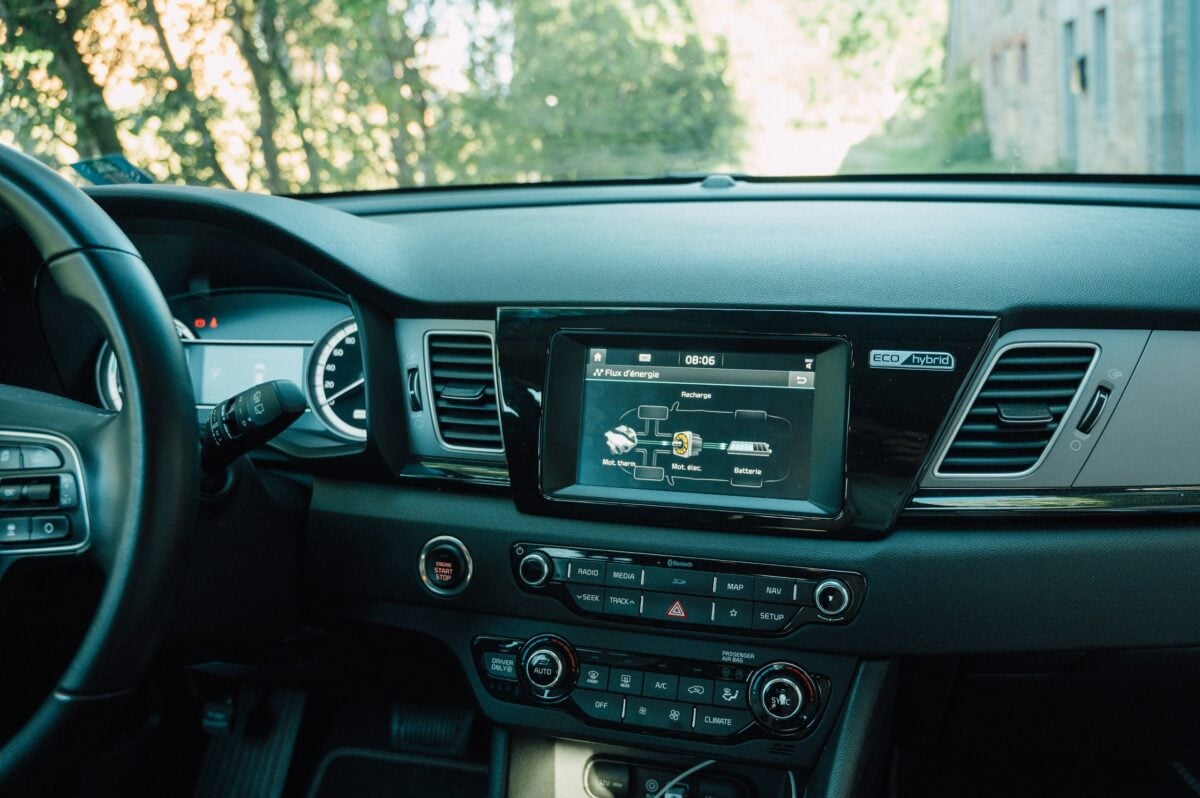
Instead, the battery constantly recharges while you drive. It does this in two main ways: by capturing energy that would otherwise be wasted during braking and, when needed, by using the gasoline engine to generate electricity.
Let’s take a closer look at how each method works.
Regenerative Braking: Turning Motion Into Electricity
Every time you press the brake pedal in a traditional gasoline-powered car, energy is lost.
As your brake pads create friction to slow the wheels, your vehicle’s forward motion is converted into heat. Once that heat dissipates, the energy is gone forever.
Hybrid vehicles do something much smarter. Instead of letting all of that energy disappear, they capture part of it and send it back to the battery.
This process is called regenerative braking.
When you begin slowing down, the electric motor temporarily switches roles. Rather than using electricity to turn the wheels, it becomes a generator that converts some of the vehicle’s motion into electricity. That electricity is then stored in the hybrid battery, where it can be used the next time you accelerate.
The Gasoline Engine Helps Recharge The Battery
Regenerative braking isn’t the only way a hybrid keeps its battery charged. When additional electricity is needed, the gasoline engine can also help.
As the engine runs, it can power a generator that sends electricity back to the battery. The vehicle’s computer constantly monitors the battery’s charge level and decides when this extra charging is necessary.
The process happens automatically in the background. Most drivers never notice it’s happening.
This is why a traditional hybrid can recharge itself without ever being connected to a charging station.
Why Most Hybrid Owners Never Plug In
This is where many people confuse hybrid cars with plug-in hybrid cars. A traditional hybrid is designed to generate the electricity it needs on its own. Between regenerative braking and the gasoline engine, the battery is continually topped off during normal driving.
A plug-in hybrid (PHEV) is different. It has a much larger battery that can be recharged from an electrical outlet or charging station, allowing it to travel farther using electricity alone.
Quick Takeaway: Most hybrid cars recharge themselves while you drive. Only plug-in hybrids are designed to be regularly charged from an outlet.
Does The Battery Ever Run Out?
Not during normal driving. One of the smartest things about a hybrid is how carefully it manages its battery.
Unlike the battery in your phone, which might regularly drop to 5% before you recharge it, a hybrid battery usually operates within a much narrower range.
The vehicle’s computer continuously adds and uses electricity throughout your drive, keeping the battery at a healthy charge level. This helps improve both performance and battery longevity.
If the battery charge begins to get low, the gasoline engine simply takes on more of the workload while also helping recharge the battery. The result is a system that quietly manages itself without requiring the driver to think about battery levels.
What Happens If The Battery Gets Low?
If the battery doesn’t have enough stored electricity to power the electric motor, the hybrid doesn’t suddenly stop working. Instead, the gasoline engine simply does more of the work.
As you continue driving, regenerative braking and the engine gradually recharge the battery until more electric assistance becomes available. This seamless transition is another reason hybrids feel so much like conventional vehicles. The car is constantly balancing its two power sources.
Why Hybrid Cars Save So Much Fuel
At first glance, adding an electric motor and a battery to a car might seem like it would make the vehicle less efficient. In reality, it’s the opposite. Hybrid vehicles save fuel because they reduce or eliminate many of the situations where gasoline engines are least efficient.
1. They Don’t Waste Fuel While Sitting Still
A traditional gasoline engine continues burning fuel while you’re stopped at a red light or waiting in traffic. Many hybrids automatically shut the gasoline engine off during these stops.
The battery continues powering the vehicle’s electrical systems, and the engine restarts almost instantly when it’s time to move again. Those small fuel savings add up over hundreds of stoplights each year.
2. The Electric Motor Handles The Hardest Work
Starting from a complete stop is one of the least efficient things a gasoline engine does, but that’s exactly where an electric motor performs best. By letting the electric motor handle many low-speed starts and helping during acceleration, the gasoline engine doesn’t have to work as hard — or burn as much fuel.
3. They Recycle Energy That Other Cars Throw Away
Traditional vehicles lose energy every time the driver brakes. Hybrids recover part of that energy through regenerative braking and store it for later use. Instead of wasting all that motion as heat, the vehicle turns some of it back into usable electricity.
It’s one of the biggest reasons hybrids tend to perform especially well in city driving, where frequent stops create more opportunities to recover energy.
Hybrid Vs. Traditional Gasoline Car
| Traditional Gasoline Car | Hybrid Car |
|---|---|
| Engine runs whenever the car is on | Engine can shut off when it’s not needed |
| Braking wastes energy as heat | Braking recovers some energy and recharges the battery |
| Gasoline engine provides all the power | Gas engine and electric motor share the workload |
| Burns fuel while idling | Often uses no fuel while stopped |
| Larger engine handles every driving situation | Smaller engine gets help from the electric motor |
Did You Know? Hybrid vehicles often achieve their biggest fuel savings in stop-and-go city traffic. That’s because frequent braking creates more opportunities to recover energy, while the electric motor handles many low-speed driving situations that are less efficient for a gasoline engine.
Surprising Things Most People Don’t Know About Hybrids
Even people who have driven hybrids for years are often surprised by how much is happening behind the scenes.
- The power source may switch dozens of times during a single trip. The changes happen so smoothly that most drivers never notice them.
- Many hybrids can move using electricity alone. At lower speeds or in parking lots, the gasoline engine may remain completely off.
- The engine often shuts off at red lights. This helps reduce unnecessary fuel consumption while you’re stopped.
- Braking actually creates electricity. Instead of wasting all that energy as heat, hybrids recover part of it to recharge the battery.
- You don’t have to think about any of it. The vehicle’s computer makes all of these decisions automatically, so driving a hybrid feels much like driving any other car.
Types Of Hybrid Vehicles
Not every hybrid works the same way. While they all combine a gasoline engine with electric power, there are three main types of hybrid vehicles.
The biggest difference is how much the electric motor contributes and whether the battery can be plugged in to recharge. Fortunately, you don’t need to understand complicated engineering to tell them apart.
1. Mild Hybrid
A mild hybrid uses a small electric motor to assist the gasoline engine.
The electric motor helps during acceleration, improves fuel efficiency, and may allow features like automatic engine stop-start at traffic lights. However, it can’t power the vehicle by itself.
Think of a mild hybrid as a gasoline vehicle that gets a helping hand from electricity.
2. Full Hybrid
A full hybrid is what most people picture when they hear the word “hybrid.”
Unlike a mild hybrid, a full hybrid can drive using the electric motor alone for short distances and at lower speeds. It can also combine gasoline and electric power or rely primarily on the gasoline engine when conditions call for it.
Like the hybrids we’ve discussed throughout this article, full hybrids recharge themselves while you drive.
3. Plug-In Hybrid (PHEV)
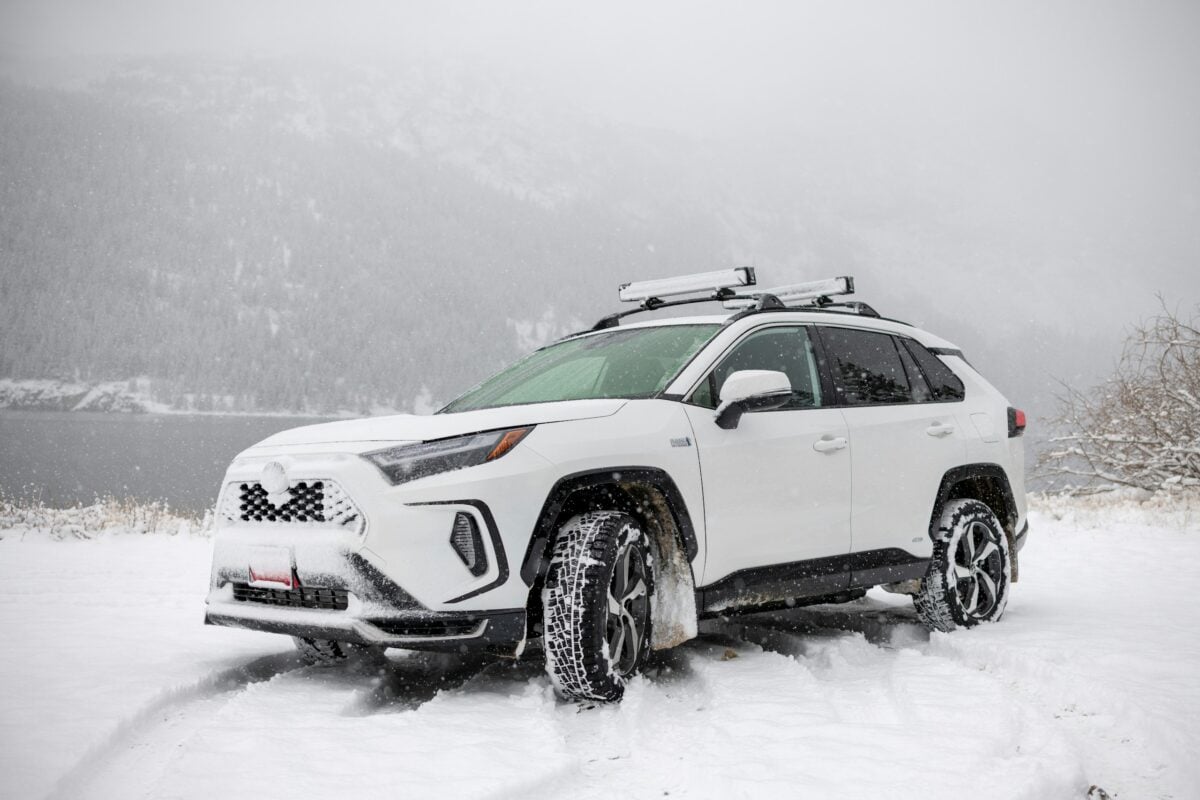
A plug-in hybrid, often shortened to PHEV, has a much larger battery than a traditional hybrid. That larger battery allows the vehicle to travel much farther using electricity before the gasoline engine is needed.
Unlike traditional hybrids, plug-in hybrids are designed to be charged from a wall outlet or charging station. Once the battery’s electric range is used up, the vehicle continues operating like a conventional hybrid by switching between gasoline and electric power.
Hybrid Types At A Glance
| Type | Can Drive On Electricity Alone? | Needs To Be Plugged In? |
|---|---|---|
| Mild Hybrid | No | No |
| Full Hybrid | Yes, for short distances | No |
| Plug-In Hybrid | Yes, for longer distances | Yes |
Common Hybrid Myths
Hybrid cars have become much more common over the past two decades, but several myths continue to confuse drivers. Let’s separate fact from fiction.
Myth: Every Hybrid Needs To Be Plugged In
Reality: Most hybrids never need to be plugged in.
Traditional hybrid vehicles recharge their batteries automatically using regenerative braking and, when necessary, the gasoline engine. Only plug-in hybrids are designed to recharge from an electrical outlet.
Myth: Hybrid Cars Only Run On Electricity
Reality: Hybrid vehicles constantly switch between gasoline and electric power.
Sometimes the electric motor does most of the work. Sometimes the gasoline engine takes over. Other times, both systems work together.
The transition is so smooth that many drivers never notice it happening.
Myth: Hybrid Batteries Constantly Run Out Of Power
Reality: The vehicle is designed to prevent that from happening.
The hybrid’s computer continuously monitors the battery’s charge level and automatically replenishes it while you drive. Instead of letting the battery become completely full or completely empty, the system keeps it within a healthy operating range.
Myth: Hybrid Cars Are Slow
Reality: Many hybrids are surprisingly responsive.
Electric motors produce instant torque, which helps a hybrid accelerate smoothly from a stop. During harder acceleration, the gasoline engine and electric motor work together to provide additional power.
While hybrids aren’t designed as performance vehicles, they’re far from sluggish.
Myth: The Gas Engine Runs All The Time
Reality: One of the biggest fuel-saving features is that it often doesn’t.
Depending on driving conditions, the gasoline engine may shut off while you’re stopped, moving slowly through traffic, or traveling short distances on electric power alone.
The vehicle automatically restarts the engine whenever additional power is needed.
Myth: A Hybrid Is Just An Electric Car With A Backup Engine
Reality: Hybrids and electric vehicles are different technologies.
An electric vehicle relies entirely on battery power and must be recharged from an external power source. A hybrid is designed to combine gasoline and electricity, automatically using whichever source is most efficient while continuously managing its own battery.
Quick Takeaway: The biggest misconception about hybrids is that they behave like electric vehicles. In reality, most hybrids create and manage their own electricity while you drive, so there’s no change to your daily routine.
Frequently Asked Questions
By now, you know the basics of how hybrid cars switch between gasoline and electric power. If you’re still wondering about battery life, charging, fuel savings, or other common concerns, these frequently asked questions can help clear things up.
Don’t see your question? Respond in the comments, and we’ll get back to you!
Do Hybrid Cars Charge Themselves?
Yes. Traditional hybrid vehicles recharge their batteries using regenerative braking and, when needed, the gasoline engine. They aren’t designed to be plugged in.
Do You Ever Have To Plug In A Hybrid?
Not if it’s a traditional hybrid. Only plug-in hybrid electric vehicles (PHEVs) are intended to be regularly charged from an outlet or charging station.
What Happens If A Hybrid Battery Dies While Driving?
If the battery’s charge becomes low during normal driving, the gasoline engine takes over more of the workload while helping recharge the battery.
If the hybrid battery itself fails due to a mechanical problem, the vehicle will typically display warning lights and require service, just like any other vehicle experiencing a system malfunction.
Do Hybrid Cars Save More Gas In The City Or On The Highway?
Most hybrids achieve their greatest fuel savings during city driving. Frequent stops allow regenerative braking to recover more energy, while the electric motor handles many low-speed situations that are less efficient for a gasoline engine.
Are Hybrid Cars Better For The Environment?
Because they use less gasoline than comparable conventional vehicles, hybrids generally produce fewer tailpipe emissions and consume less fuel over time. However, they still use gasoline and aren’t emissions-free like battery-electric vehicles.
Are Hybrid Batteries Expensive To Replace?
Hybrid batteries are designed to last for many years, and many drivers never need to replace them during normal ownership. If replacement is eventually necessary, costs vary depending on the vehicle and battery type.
Keep Exploring Smarter Transportation
Now that you know how hybrid cars work, you may be wondering how they compare with other transportation options or how they fit into a more sustainable lifestyle.
If you’re considering alternatives to owning a vehicle, check out our guide comparing Enterprise CarShare, Zipcar, Turo, Getaround, and other car-sharing services to see how each option works and which one may best fit your needs.
Looking to reduce your environmental impact beyond the car you drive? Our collection of eco-friendly travel tips explores practical ways to make vacations, road trips, and everyday transportation more sustainable.
And if you’ve heard conflicting claims about hybrid vehicles, don’t miss our guide to common hybrid car myths, where we separate fact from fiction on topics like battery life, charging, fuel savings, and performance.