When you purchase through links on our site, we may earn a commission. Here’s how it works.
Most of us reach for lotion out of pure necessity. Maybe your hands are dry from washing dishes, or you live in a climate so dry it feels like the air is actively stealing your skin’s moisture.
Table of Contents
Add in tight legs after shaving or that dreaded post-shower moment where your skin feels like it might actually crack, and the goal is simple. You grab the bottle that smells great and gets the job done. You just want softer skin; you aren’t trying to become a cosmetic chemist before breakfast.
But then, the word “parabens” enters the chat. Maybe you spot a bold “paraben-free” halo on a drugstore shelf, or you finally flip over a bottle you’ve used for years and notice words like methylparaben, propylparaben, or butylparaben lurking in the ingredient list. Suddenly, your simple hydration routine feels surprisingly complicated.
Take a deep breath: this doesn’t need to trigger a bathroom cabinet purge. At their core, parabens are simply preservatives. Because lotions are a mix of water and oils, which can easily spoil, parabens are added to keep the formula fresh, stable, and free of bacteria and mold.
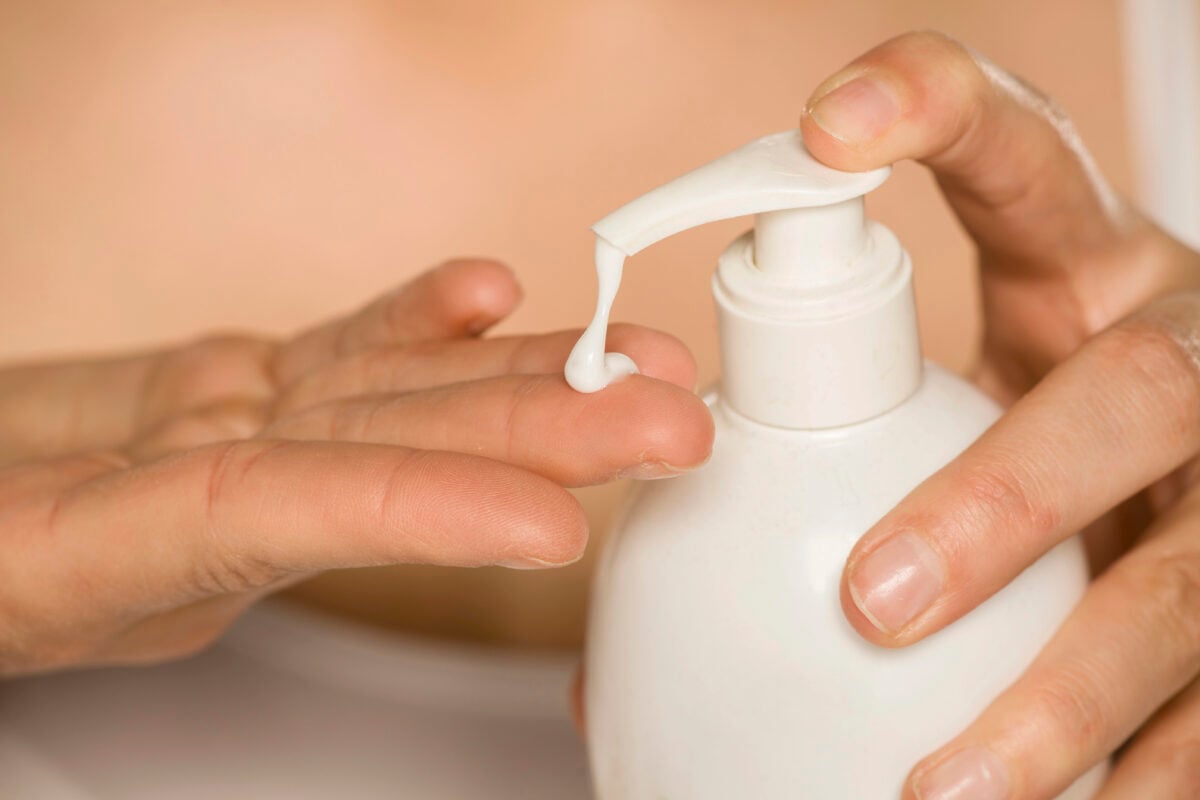
Still, if you’re slathering this stuff on your body every day, it is entirely fair to ask questions. This is especially true if you have sensitive skin, you’re shopping for your kids, or you just prefer to know exactly what you’re absorbing.
So, what’s the actual verdict? Should you ditch parabens entirely, stop stressing about them, or just learn how to read a label with a little more confidence? Let’s break down the facts in a way that’s helpful, balanced, and reassures you that your favorite moisturizer hasn’t been plotting against you.
Why the Ingredient List Deserves a Second Look
Lotion labels can quickly feel like a foreign language when the text is tiny and packed with complex scientific names. It’s easy to recognize friendly ingredients like aloe or shea butter, but anything ending in “-paraben” tends to sound a bit ominous.
But a long name doesn’t automatically mean a red flag. Skincare is chemistry, even when it’s marketed as natural. To work correctly, every lotion needs a careful balance of:
- Hydrators (like water and aloe)
- Emollients (like plant oils and nut butters)
- Preservatives (to keep the whole mix shelf-stable)
Taking a second look at the label isn’t about panic—it’s about confidence. When you know why an ingredient is there, you can make choices based on facts instead of fear.
Some people choose to avoid parabens, while others are comfortable using them. Both choices can be reasonable. The goal is to understand the ingredient before you react to the label.
What Are Parabens, Exactly?
Parabens are a family of preservatives widely used in cosmetics, personal care products, and consumer goods. Their job is highly practical: they keep the product from spoiling before you finish the bottle.
If you check your lotion label, the most common ones you’ll see are:
- Methylparaben
- Ethylparaben
- Propylparaben
- Butylparaben
Preservatives in skincare act a lot like the lock on your front door. You might not think about them when everything is fine, but you would definitely notice if they were missing. Their purpose isn’t to brighten dark spots, smooth wrinkles, or add a luxurious feel. Their role is quiet and behind the scenes: they stop unwanted microbial growth.
The Water Problem: Why Lotions Need Protection
A typical lotion isn’t just oil. It is an emulsion, meaning it blends water-based and oil-based ingredients into a smooth, creamy texture. That combination feels wonderful on the skin, but it also creates the perfect environment for microbes to thrive.
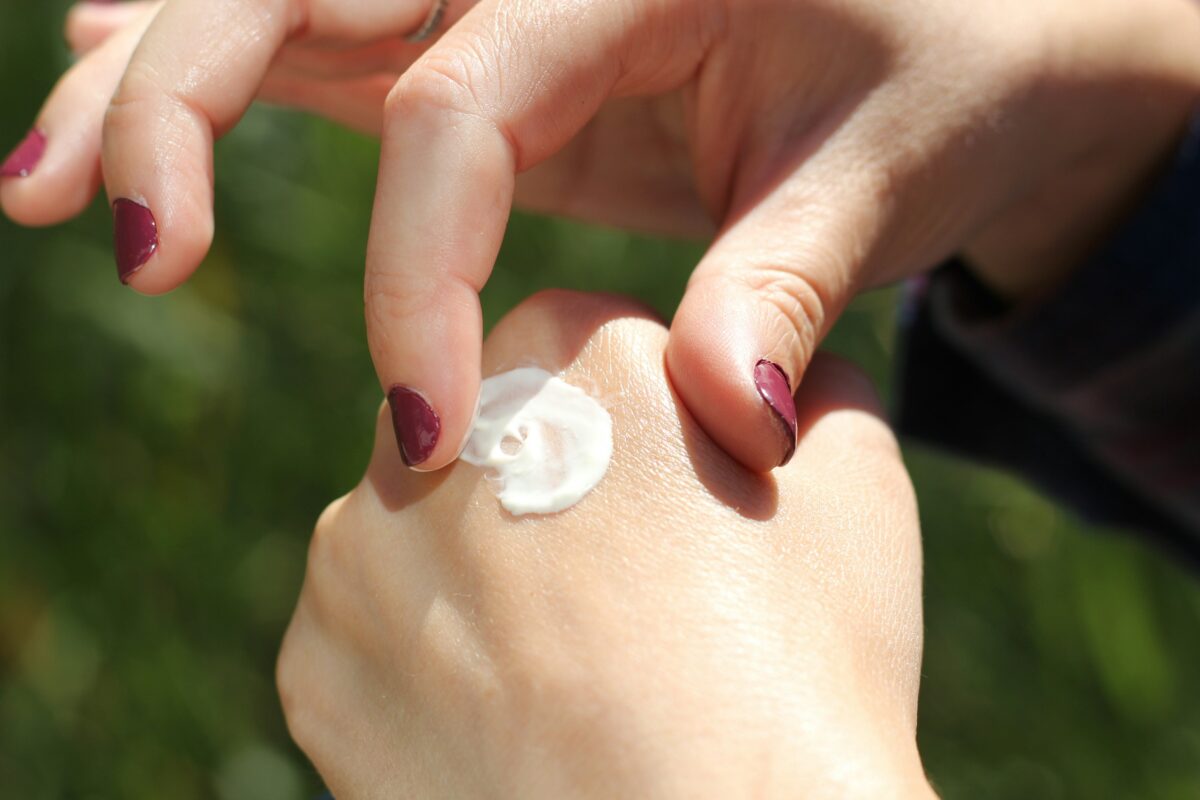
Microbes need moisture to grow. If you have ever seen mold grow on bread, fruit, or forgotten leftovers, you already understand the basic idea. Now, imagine that same spoilage risk in a product you rub all over your body.
Think of a bottle of lotion like a tiny ecosystem. While it leaves the factory perfectly sterile, everything changes once it hits your bathroom counter.
Storing it in a warm, humid room is just the beginning of its real-world exposure. Wet fingers press down on the pump, steam from the shower hangs around the cap, and eventually, the bottle gets tossed into a gym bag. All of those little everyday moments add up.
Without a strong preservation system, those little daily exposures would quickly contaminate your moisturizer long before it started to look or smell “bad.”
Why the Beauty Industry Relies on Them
If you are wondering why companies don’t just use something else, it comes down to reliability. From a manufacturing perspective, parabens are beauty industry workhorses for a few key reasons:
- Broad-Spectrum Protection: They don’t just fight one type of gross stuff. They are highly effective at stopping bacteria, yeast, and mold across different conditions.
- Formula Elegance: Consumers want lotions that feel silky, not sticky or medicinal. Parabens protect the product without changing its texture, scent, or color.
- Affordability: Parabens are inexpensive compared to many alternatives. This helps keep basic skincare accessible. A dependable drugstore lotion that stays stable for months is incredibly important for families and anyone on a budget.
Imagine buying a body lotion that had to be kept in the fridge, used within four days, and thrown away the second it touched unclean hands. That might work for a DIY face mask, but it is not realistic for a bottle of body butter sitting on your nightstand. Preservatives bridge the gap between beautiful formulas and real life.
Tiny Amounts, Big Preserving Power
One of the biggest misconceptions about parabens is how much is actually in your bottle. People often assume that if an ingredient has a scary-sounding chemical name, the product must be loaded with it.
With preservatives, a little goes a very long way. Parabens are typically used at very low concentrations, often well under 1% of the total formula. Because ingredients are listed from highest to lowest concentration, you will almost always find parabens sitting at the very bottom of the label. They don’t need to dominate the formula to do their job.
The Cumulative Exposure Question
Of course, concentration isn’t the only factor to consider. Many consumers worry about cumulative exposure, the combined effect of using lotion, shampoo, conditioner, cleanser, makeup, and sunscreen every single day.
Even when each individual product uses a tiny amount, you might prefer to reduce certain ingredients across your overall routine just to be safe. That choice is completely personal, highly reasonable, and a great way to feel more in control of your skincare.
You can decide you prefer a different preservative system, but it helps to remember that the need for preservation itself isn’t suspicious. It is just part of making skincare that safely survives our bathrooms, gym bags, and daily lives.
The Invisible Shield: Why the Safety Debate Matters
A helpful way to think about parabens is like an invisible shield around your moisturizer. You don’t buy lotion because you love preservatives; you buy it for hydration, softness, and skin barrier support.
The preservative is simply the security guard at the door, quietly making sure unwanted bacterial guests don’t crash the party.
This invisible shield is incredibly important because cosmetic spoilage isn’t always obvious. A contaminated lotion won’t always change color or grow visible fuzz right away. Microbes can thrive long before your senses detect them.
That is a major concern for products you rub into sensitive, irritated, or freshly shaved skin, where tiny nicks leave your skin barrier vulnerable.
But because this shield sits on your skin every day, it’s completely natural to wonder: Is the security guard safe to be around?
The Paraben Debate: What is “Endocrine Disruption” in Plain English?
If you have read anything online about skincare safety, you’ve likely run into the phrase endocrine disruptor. It sounds incredibly intimidating, but the basic concept is straightforward.
Your endocrine system is simply your body’s internal hormone communication network. Hormones act like tiny messengers, telling different parts of your body what to do and when to do it.
An endocrine-disrupting chemical is a substance that steps in and interferes with those messages. In the case of parabens, laboratory studies have shown that they have a weak ability to mimic estrogen, the hormone responsible for many vital processes in the body.
Because the word “hormone” naturally gets our attention, it’s easy to see why this sparked a massive clean-beauty movement. However, this type of ingredient anxiety isn’t unique to skincare.
We see the same pattern across the wellness world, where the dividing line between scientific context and consumer worry gets incredibly blurry, whether we are talking about cosmetic shelf-life or evaluating the safety and dangers of fluoride in our daily essentials. Real scientific authority requires a bit of perspective:
- The Power Difference: The word “weak” is doing a lot of heavy lifting here. Parabens are not actual estrogen, and their ability to mimic it is thousands of times lower than the natural estrogen your own body produces.
- The Nature Comparison: Many naturally occurring compounds found in healthy everyday foods (like soy) actually have a stronger estrogenic effect in lab settings than parabens do.
- The Dose Matters: A tiny, controlled amount used to preserve a lotion bottle is a world away from the massive, concentrated doses used on cells in a laboratory experiment.
What Do the Regulators Say?
Major global cosmetic safety authorities have reviewed parabens dozens of times over the decades. Their consensus? The commonly used parabens are considered safe at the strictly permitted, ultra-low levels found in your everyday products.
However, regulatory agencies also look at the nuances, because “parabens” is a family name rather than a single ingredient.
- In the United States, the FDA has maintained that typical cosmetic concentrations are not proven harmful to consumers.
- Across the pond, the European Union takes a slightly tighter approach. The EU permits shorter-chain versions like methylparaben and ethylparaben, but places much stricter concentration limits (and some bans) on longer-chain variations like propylparaben and butylparaben.
This shows that the safety conversation isn’t a simple “all good” or “all bad.” It is entirely dependent on the specific ingredient, the concentration, and the region.
The Elephant in the Room: Breast Cancer and Fertility Concerns
To truly understand why parabens became the ultimate beauty-industry villain, we have to look at where the panic actually started.
Back in 2004, a study published in the Journal of Applied Toxicology by Dr. Philippa Darbre changed the skincare industry forever. Her team detected the presence of intact parabens in 20 human breast tissue tumors. It was a massive news headline moment, and it sparked an immediate, understandable wave of anxiety. If parabens were inside the tumors, surely they were causing them, right?
Not exactly. Over the last two decades, global health organizations have deeply analyzed that study and pointed out a few critical flaws:
- No Control Group: The study didn’t look at healthy breast tissue to see if parabens were present there, too.
- Correlation vs. Causation: The study proved that parabens can accumulate in body tissue, but it did not prove that they caused or contributed to the cancer.
- The Source Question: The study couldn’t determine where those parabens came from—whether they were from lotion, food, or other environmental exposures.
Dr. Darbre actually published a follow-up study in 2012 with a larger sample size (40 women, 160 tissue samples) that found parabens in 99% of the tissue samples, including women who had never used underarm cosmetics.
Crucially, her co-author on that 2012 study, consultant surgeon Lester Barr, explicitly stated in the press release: “Our study appears to confirm the view that there is no simple cause and effect relationship between parabens in underarm products and breast cancer.”
Since then, major cancer organizations, including the American Cancer Society and the National Cancer Institute, have reviewed the data and concluded that there is no clear, definitive link between using paraben-containing cosmetics and an increased risk of breast cancer.
What About Reproductive Health?
Because certain parabens can weakly mimic estrogen, researchers have also studied whether they impact fertility, fetal development, or reproductive health.
When laboratory animals are given massive oral doses of parabens, it can impact their reproductive systems. However, scientific consensus continually points back to the concept of delivery and dose. Rubbing a tiny fraction of a percent of a paraben onto your skin via a body lotion is a completely different biological process than ingesting giant, concentrated quantities in a lab.
Because of this, current safety standards are designed to keep the allowed limits in your skincare far, far below any level that has shown a negative effect in safety testing.
How to Read Lotion Labels Like a Pro
Learning to read a skincare label shouldn’t require a magnifying glass or a cosmetic chemistry degree.
The most important rule of thumb is to look past the front of the bottle. Flashy words like “natural,” “clean,” “gentle,” or “dermatologist-tested” are marketing terms; they do not automatically mean a product is paraben-free. A lotion can be incredibly gentle and still contain parabens, just as a product can be “natural-inspired” but rely on synthetic preservatives.
To get the real story, flip the bottle over and look at the actual ingredient list.
Quick Video Guide: How to Spot Parabens on Any Label
Trying to decode the microscopic font on the back of a beauty bottle can feel like trying to translate a foreign language. If you want a quick visual shortcut, hit play on the short video below.
The “Big Four” Parabens to Look For
When scanning the back of the bottle, you only need to train your eye to look for one specific suffix: -paraben. The vast majority of mainstream lotions use a combination of these four:
- Methylparaben (Short-chain)
- Ethylparaben (Short-chain)
- Propylparaben (Long-chain)
- Butylparaben (Long-chain)
Note: While longer-chain parabens (like propyl and butyl) face tighter restrictions from European regulators, most shoppers who want to avoid parabens find it easiest to just skip the whole family entirely rather than calculating chains down a drugstore aisle.
Beyond Lotion: Where Else Do Parabens Hide?
While body lotion is one of the most frequent places you’ll spot parabens, they are beauty-industry staples for a reason. Because so many personal care products rely on water-based formulas, parabens serve as the invisible shield for a huge chunk of your bathroom cabinet.
If you are auditing your overall routine to check for cumulative exposure, here is where they are most likely to pop up:
- Hair Care: Mainstream shampoos, conditioners, and leave-in styling creams.
- Bath Essentials: Body washes, facial cleansers, and moisturizing shaving gels.
- Cosmetics: Liquid foundations, concealers, mascaras, and lipsticks.
- Sun Protection: Daily beach sunscreens and soothing after-sun aloe vera gels.
Seeing them on these labels isn’t a reason to panic—it just gives you a clearer map of your daily routine so you can decide which swaps (if any) make the most sense for you.
The “Bottom-Up” Scanning Trick
In the beauty industry, ingredients are listed from highest concentration to lowest concentration. Because water is usually the main ingredient in lotion, it takes the number one spot, followed by rich oils and butters.
Because preservatives are incredibly powerful in tiny doses, they usually make up less than 1% of the entire formula.
Think of it like adding a pinch of salt to a soup recipe—the salt completely changes the dish, but it doesn’t make up the bulk of the meal. Because of this, parabens almost always sit at the very bottom of the label. To save time, start scanning the ingredient list from the bottom up.
What Does “Paraben-Free” Actually Mean?
A “paraben-free” label simply means the chemist chose a different security guard for the formula. It does not mean the product is preservative-free, chemical-free, or automatically safer for everyone.
Remember: if a lotion contains water, it absolutely must have a preservation system to prevent mold and bacteria from moving in.
When brands formulate without parabens, they usually swap them out for a combination of alternative preservatives, including:
- Phenoxyethanol
- Sodium Benzoate
- Potassium Sorbate
- Benzyl Alcohol
- Caprylyl Glycol
It is a common misconception that these alternatives are automatically gentler on the skin. In reality, every preservative has its own strengths and limitations. For instance, phenoxyethanol is an incredibly popular paraben alternative, but some individuals with highly sensitive skin or eczema still find it irritating.
Formulation is a delicate balancing act. The goal isn’t to find a magic product that uses zero chemistry; it’s about discovering which preservation system your unique skin prefers.
Beyond the Label: Why Packaging Matters
A skincare product is a complete system; the formula, the ingredients, and the container all have to work together. If you are trying to cut back on heavy preservatives, the type of packaging you choose matters just as much as the label.
- Wide-Mouth Jars: Every time you dip your fingers into an open jar, you introduce moisture, ambient air, and bacteria from your skin. Jars require robust preservation systems to stay safe.
- Squeeze Tubes & Standard Pumps: These reduce physical contact, meaning the formula inside stays significantly cleaner throughout its lifespan.
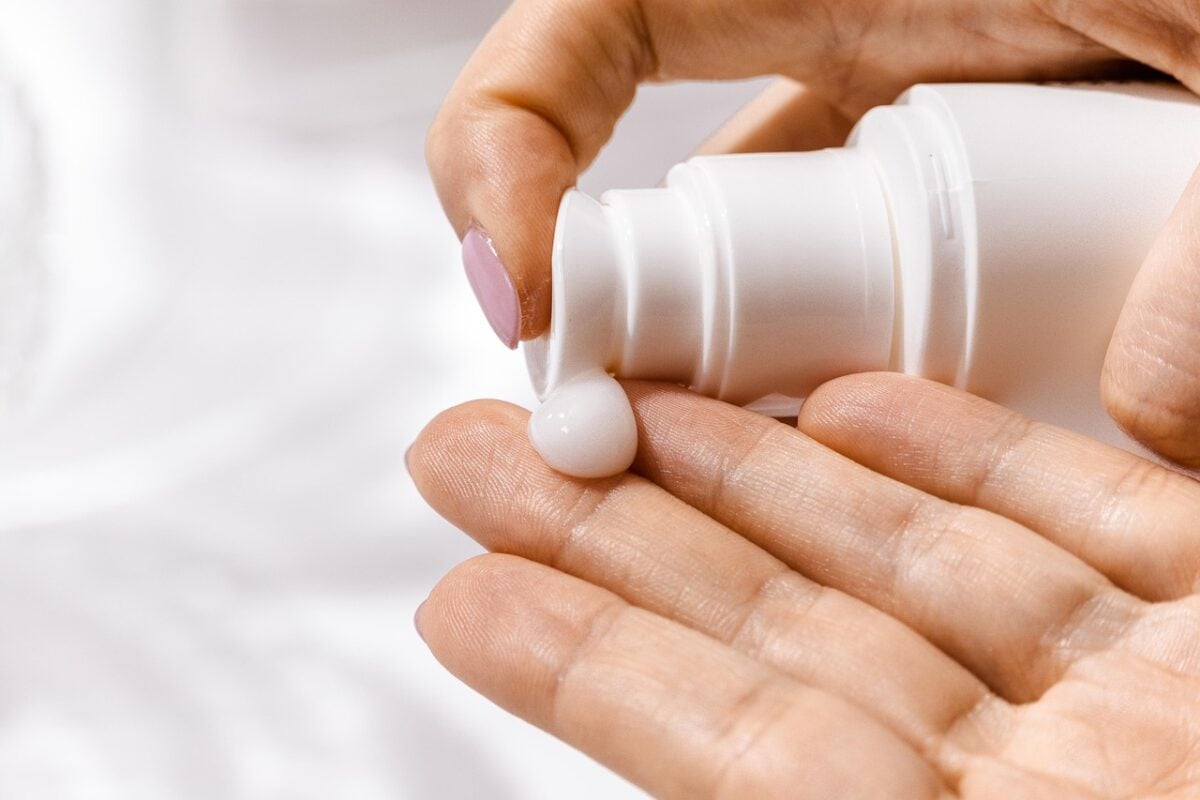
- Airless Pumps: This is the gold standard for clean beauty. Airless packaging prevents outside oxygen from re-entering the bottle, allowing brands to protect the lotion using much gentler, low-dose alternative preservatives.
A Quick Word on DIY and “Fresh” Skincare
Because modern brands have become incredibly skilled at clean formulation, finding high-quality, paraben-free body lotions is easier than ever. However, a balanced approach means exercising a little caution with homemade or unregulated DIY skincare.
While a homemade water-free body butter (made purely of oils and waxes) is safe from microbial growth, a DIY water-based lotion without proper preservation can become a breeding ground for invisible bacteria in a matter of days.
If you want to experiment with clean, safe DIY personal care alternatives that don’t require heavy chemistry, starting with water-free or basic rinse-off formulas like a homemade natural shampoo is a much safer entry point. “Fresh” sounds beautiful, but safety always comes first.
How to Help Your Lotion Stay Fresh at Home
No matter which preservative system you choose, you can protect your skin barrier by practicing good skincare hygiene:
- Keep your lotion caps tightly closed when not in use.
- Avoid storing your go-to products in areas of extreme heat or direct sunlight (like a hot car).
- Never add water to a nearly empty bottle to “stretch” the product—you will dilute the preservative system and invite contamination.
- Pay attention to changes in texture, separation, or smell, and toss products that seem off.
Should You Switch to Paraben-Free Lotion?
Whether you should make the switch depends entirely on your personal priorities, skin sensitivities, and comfort level. There is no single “right” answer that fits everyone.
If you currently use a lotion that contains parabens and your skin absolutely loves it, there is no urgent reason to panic-toss it into the recycling bin. As global regulatory reviews show, these ingredients are widely considered safe at their ultra-low cosmetic concentrations. A calm, gradual approach always beats throwing away perfectly good products overnight.
On the other hand, switching to paraben-free formulas has never been easier. If you prefer to reduce your exposure to ingredients involved in endocrine-disruption debates, body lotion is the most practical place to start. Because you slather it daily over large areas of your body, it has the highest impact on your cumulative exposure.
You don’t need to turn this into a stressful skincare detox. Simply swap your current bottle for a paraben-free alternative the next time you run out. Making low-effort swaps like this is the foundation of building a practical, stress-free approach to eco-friendly living. You don’t need to turn the decision into a dramatic detox; small, sustainable shifts over time are what actually add up.
In fact, you can apply this exact same realistic mindset to almost any part of your routine. Whether you are auditing your bathroom counter or packing your bags for a weekend getaway, making eco-friendly travel choices, like bringing solid shampoo bars or reusing travel bottles, proves that sustainable habits can be incredibly simple, highly practical, and completely stress-free.
A Critical Note on Sunscreen: While switching to a paraben-free daily body lotion is a great, low-effort goal, please do not compromise on your sun protection. If you are ever stuck in a pinch at the drugstore and the only SPF available contains parabens, buy it and wear it anyway. The risk of UV-induced skin damage and skin cancer is concrete and immediate, whereas paraben anxiety is still largely a hypothetical debate. Sun safety always comes first!
A Stress-Free Way to Decide (The Skincare Audit)
If you are looking at your bathroom counter and feeling overwhelmed, take a deep breath. A simple way to manage your routine is to sort your current personal care products into three quick categories:
- Keep: Products that are currently working beautifully, haven’t expired, keep your skin barrier happy, and don’t cause you any mental stress.
- Replace Later: Products that contain parabens but aren’t a top priority—especially rinse-off items like shampoos, face cleansers, or body washes that only touch your skin for a few seconds.
- Replace Now: Any products that actively irritate your skin, smell a little off, are past their expiration date, or simply make you feel uncomfortable when you apply them.
Look at the Whole Bottle, Not Just the Buzzwords
As you shop for new lotions, remember that “paraben-free” is only one piece of the puzzle. Don’t let a single front-label claim distract you from the rest of the formula.
A truly great lotion should be packed with proven, barrier-supporting ingredients like glycerin, hyaluronic acid, ceramides, shea butter, or colloidal oatmeal.
At the end of the day, skincare choices should support your real life, not become another source of daily pressure. The ultimate goal isn’t analytical perfection; it’s informed comfort.
Before you scroll through our go-to brands below, take a quick peek at the bottles currently sitting on your counter. Flip them over and see if you can spot any of the “big four” parabens we mentioned above!
A Quick Cheat Sheet: Paraben-Free Brands We Love
If you are ready to make a few easy swaps but don’t want to spend hours reading microscopic labels in the drugstore aisle, you are in luck. The beauty industry has made massive strides in alternative preservation.
Here are a few reliable, high-quality brands that formulate without parabens:
Daily Skincare & Body Moisturizers
- La Roche-Posay: If you have sensitive, dry, or eczema-prone skin, this French pharmacy staple is a goldmine. Their entire skincare line is paraben-free, heavily tested by dermatologists, and focuses on actual barrier repair rather than trendy buzzwords.
- Weleda: For those stubborn, intensely dry patches, Weleda Skin Food is an absolute cult classic. It is a thick, ultra-rich cream that uses traditional plant extracts and natural oils instead of synthetic parabens to lock in deep moisture. It’s a savior if you live in a brutal, dry climate.
- Alba Botanica: If you are looking for a massive, everyday pump bottle for the entire family, their Very Emollient Original Body Lotion is a fantastic pick. It relies on a 100% vegetarian, plant-based formula that is deeply hydrating—perfect if you live in a dry climate—and completely paraben-free.
- The Ordinary: This brand is absolute proof that paraben-free doesn’t have to mean pricey. They offer incredible, budget-friendly moisturizers and serums with a hyper-transparent, science-first approach to their ingredient lists.
The Clean-Beauty Purist Favorites
- ATTITUDE: If you want absolute peace of mind without checking a single label, ATTITUDE is a stellar option. Their massive range of household and personal care products is entirely EWG-Verified (Environmental Working Group), meaning they hit the highest standards for ingredient transparency and zero parabens.
- OSEA: Remember how we mentioned that pure oils don’t have the same heavy preservative needs as water-based lotions? OSEA’s famous Undaria Algae Body Oil is the ultimate proof. It’s a clean, luxurious, seaweed-infused oil that sinks into the skin like a dream, giving you a paraben-free spa experience right at home.
Inside Your Makeup Bag
- ILIA & Saie: If you love the hyper-trendy “no-makeup makeup” look, these two brands are ruling the clean beauty world right now. Both ILIA and Saie eliminate parabens from their popular skin tints, concealers, and liquid blushes, replacing them with nourishing skin-care ingredients instead.
- Tarte Cosmetics & bareMinerals: Liquid foundations and concealers are heavily water-based, making them a common hiding spot for parabens. If you want to audit your makeup bag, both of these brands offer fantastic, high-performing coverage that is completely paraben-free.
Hair Care & Shower Essentials
- Pureology: Since shampoo and conditioner cover your scalp and run down your entire body in the shower, hair care is an excellent place to make a clean swap. Pureology makes luxurious, color-safe formulas that rely on paraben-free preservation systems (and bonus, they are sulfate-free too, meaning they won’t strip your hair color).
Skincare Should Feel Like Care
Parabens in lotions aren’t nearly as mysterious or malicious as the internet often makes them out to be. They are simply the behind-the-scenes security guards keeping your water-based moisturizers safe from mold, yeast, and bacteria.
While the scientific debate around their weak hormone-mimicking ability is real, it is a story deeply rooted in nuance, dosage, and personal comfort rather than a simple tale of “safe vs. toxic.”
If you decide you prefer to avoid them, the roadmap is clear: scan the bottom of the ingredient list for the “-paraben” suffix, opt for smart packaging like airless pumps, and purchase from reputable brands that use tested alternative preservation systems.
Most importantly, make your choice without a shred of guilt or fear. Skincare should feel like a comforting ritual, not a courtroom drama. Whether you keep your trusty go-to moisturizer or switch to a clean alternative, the best decision is the one that leaves you feeling confident in your own skin.
Frequently Asked Questions
Whether you are fiercely team “paraben-free” or completely comfortable sticking with your tried-and-true moisturizer, navigating the skincare aisle takes practice. To help you sort through the noise, we’ve rounded up a few of the most common quick-fire questions below.
Still wondering about a specific ingredient in your favorite bottle, or want to share your favorite paraben-free swap? Drop a comment below, we’d love to hear what’s working for your skin!
Are parabens in lotions bad for your skin?
No, parabens are not inherently bad or toxic for your skin. They are highly effective preservatives that prevent dangerous microbial growth. Most people use products with parabens for decades without any irritation or issues. However, people with highly sensitive skin or eczema can react to almost any ingredient, including alternative preservatives and synthetic fragrances.
How do I know if my lotion has parabens?
Flip the bottle over and look at the ingredient list from the bottom up. Look for words ending in “-paraben,” most commonly methylparaben, ethylparaben, propylparaben, and butylparaben. Front-label marketing claims like “clean” or “natural” do not guarantee a product is paraben-free, so the ingredient list is your most reliable source.
Is paraben-free lotion always safer?
Not automatically. “Paraben-free” simply means the chemist used a different preservative system, such as phenoxyethanol or sodium benzoate. While these alternatives are excellent, they are still chemical preservatives and can still cause irritation for certain skin types. A product’s safety depends on the entire formula and packaging, not just the absence of one ingredient.
Why do lotions need preservatives at all?
Because most lotions rely on a blend of water and oils to create that lightweight, hydrating texture we love. Water is a natural breeding ground for bacteria and mold. Without a robust preservative system, a bottle of lotion stored in a warm, humid bathroom would become contaminated within days of being opened.
Should I throw away all my lotions that contain parabens?
There is no medical or scientific reason to throw away your current products unless they are expired, separating, or irritating your skin. A more practical, low-waste approach is to use up what you have and gradually swap them out for paraben-free alternatives as they naturally run out.
Dive Deeper: More Simple Swaps for Healthy Living
Taking a balanced, science-first look at your body lotion is a great start. If you are on a roll and want to audit a few other everyday habits without the typical internet panic, here are a few quick reads worth exploring:
- Antibacterial Soap: Beyond lotion, find out why plain old soap wins over the unexpected dangers of antibacterial soap.
- Fluoride Safety: Separate facts from panic by exploring the real safety and dangers of fluoride in your daily routine.
- The Dirty Dozen: Clean up your grocery cart using the EWG Dirty Dozen list to know which produce is actually worth buying organic.
- Smart Hydration: Weigh your daily drinking options with these eye-opening bottled water facts and our head-to-head breakdown of tap water vs. bottled water.
- Microplastics: Learn how to spot and easily minimize your family’s daily exposure to hidden microplastics.
Remember, building a sustainable lifestyle isn’t about achieving absolute perfection overnight—it’s all about making tiny, informed shifts that give you peace of mind!
Let’s Chat (and Pass the Peace of Mind Along!)
If this guide helped you breathe a little easier about your daily skincare routine, chances are it could help someone else ditch the clean-beauty panic, too.
Where do you stand on the paraben debate? Are you planning to make a few easy swaps, or are you sticking with a trusty favorite that your skin already loves? Drop a comment below and let’s talk shop. We’d love to hear your favorite product recommendations!
And if you know a friend, family member, or anyone else who is tired of playing ingredient detective before breakfast, hit that share button to pass this post along. Let’s help everyone find a little more informed comfort (and a lot less stress) in the skincare aisle!