When you purchase through links on our site, we may earn a commission. Here’s how it works.
Most people fear the animals they can see coming. Think sharks or bears are the scariest animals? Think again. These tiny terrors can do way more damage!
Table of Contents
Insects are tiny, but the danger they pose can be enormous. Some deliver excruciating stings. Others attack in swarms. And a few spread diseases that kill on a massive scale.
That is what makes this topic so unsettling: the world’s most dangerous insects are not always the biggest, the ugliest, or the easiest to spot.
In this guide, we’ll look at several insects and insect-like pests that have earned a fearsome reputation around the world.
Want our human-written content to rank above AI-generated garbage? Help us out by clicking this button!
What Makes an Insect Dangerous?
Not all dangerous insects threaten people in the same way. Some are feared for their painful stings or venom, while others are dangerous because they attack in groups or spread serious diseases. In many cases, the smallest insects cause the greatest harm simply because they are so easy to overlook.
That is why this list includes a mix of insects known for very different reasons. Some can leave behind intense pain, swelling, or allergic reactions. Others can transmit illnesses that affect millions of people around the world. Whether the danger comes from a bite, a sting, or the diseases they carry, each of these insects has earned its place on this list.
Tiny Terrors: The Top 10 Most Dangerous Insects on Earth
When we think of the world’s deadliest predators, our minds usually jump straight to the heavyweights: sharks, bears, or lions. But the truth is, the most dangerous creatures on the planet don’t weigh hundreds of pounds—they weigh a fraction of an ounce.
From venom that can dissolve tissue to aggressive swarms that devour everything in their path, insects inflict far more pain, injury, and illness than any large animal ever could. And the scariest part? You don’t have to travel to a remote tropical rainforest to cross paths with them. Some of these tiny terrors are probably buzzing around your backyard right now while you’re just trying to enjoy a quiet morning cup of coffee with your dog.
If you are ready for a little madness that will absolutely make your skin crawl, we have ranked the world’s most dangerous bugs from the excruciatingly painful to the downright deadly. Grab your bug spray, and let’s count them down.
1. Mosquitoes
- The Threat Level: The deadliest creature on Earth.
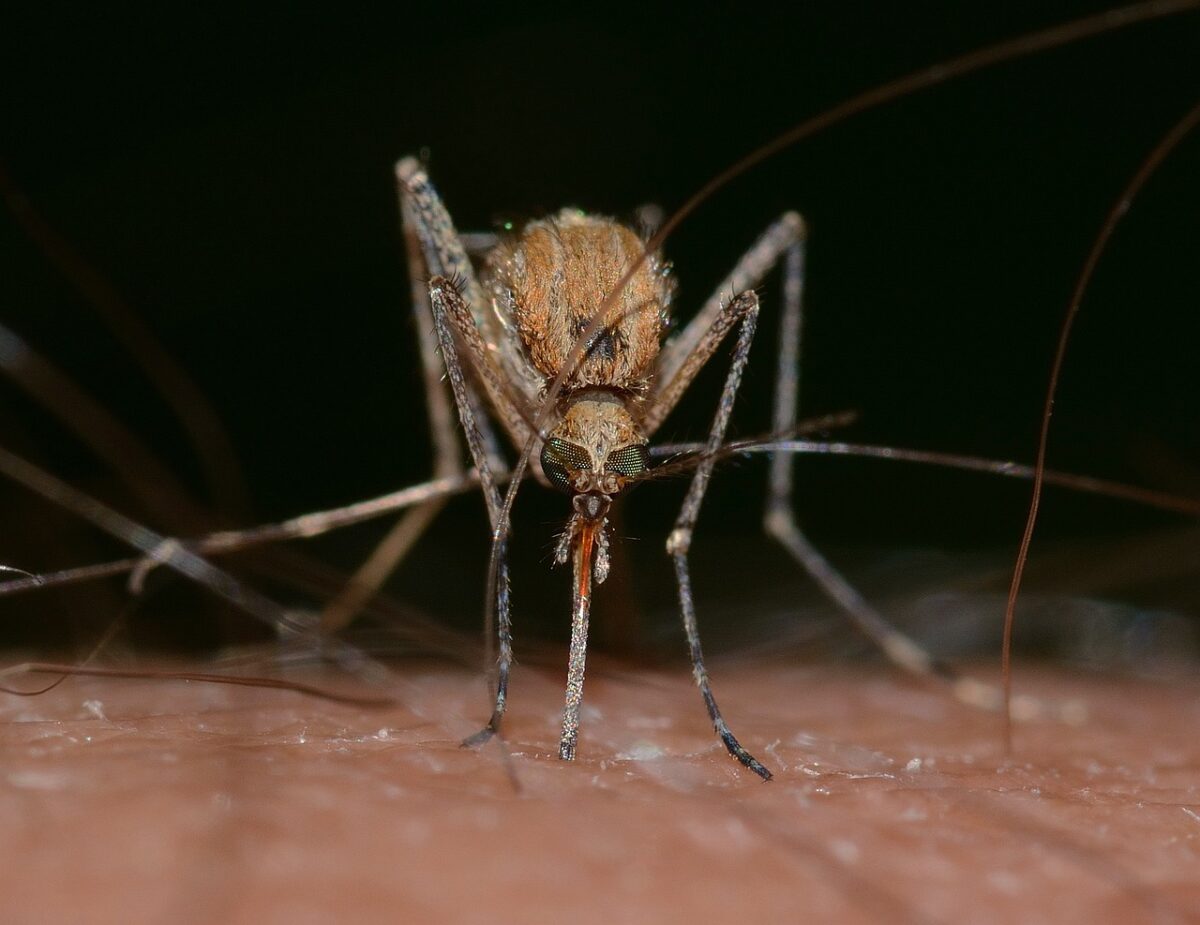
- Why it’s #1: It seems unassuming, but mosquitoes are responsible for more than a million human deaths every year. They are the ultimate biological delivery system for devastating blood-borne diseases like Malaria, Dengue Fever, West Nile, and Zika virus.
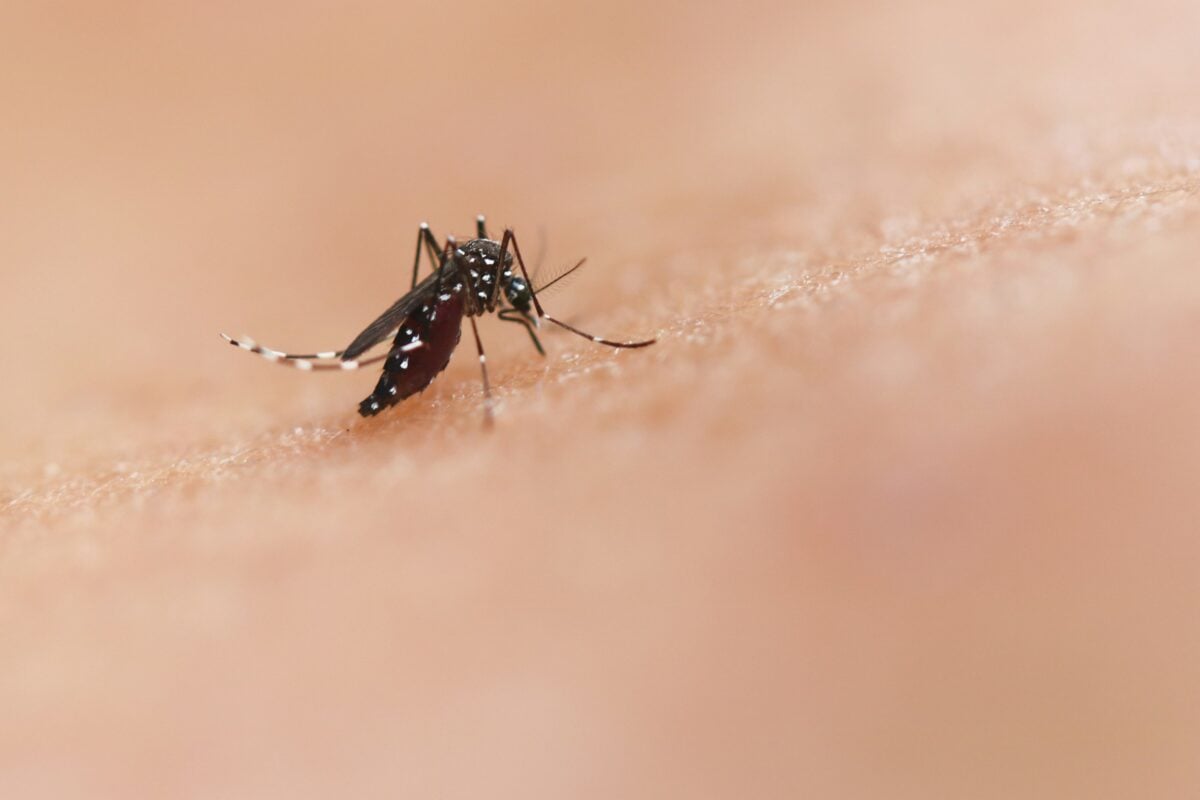
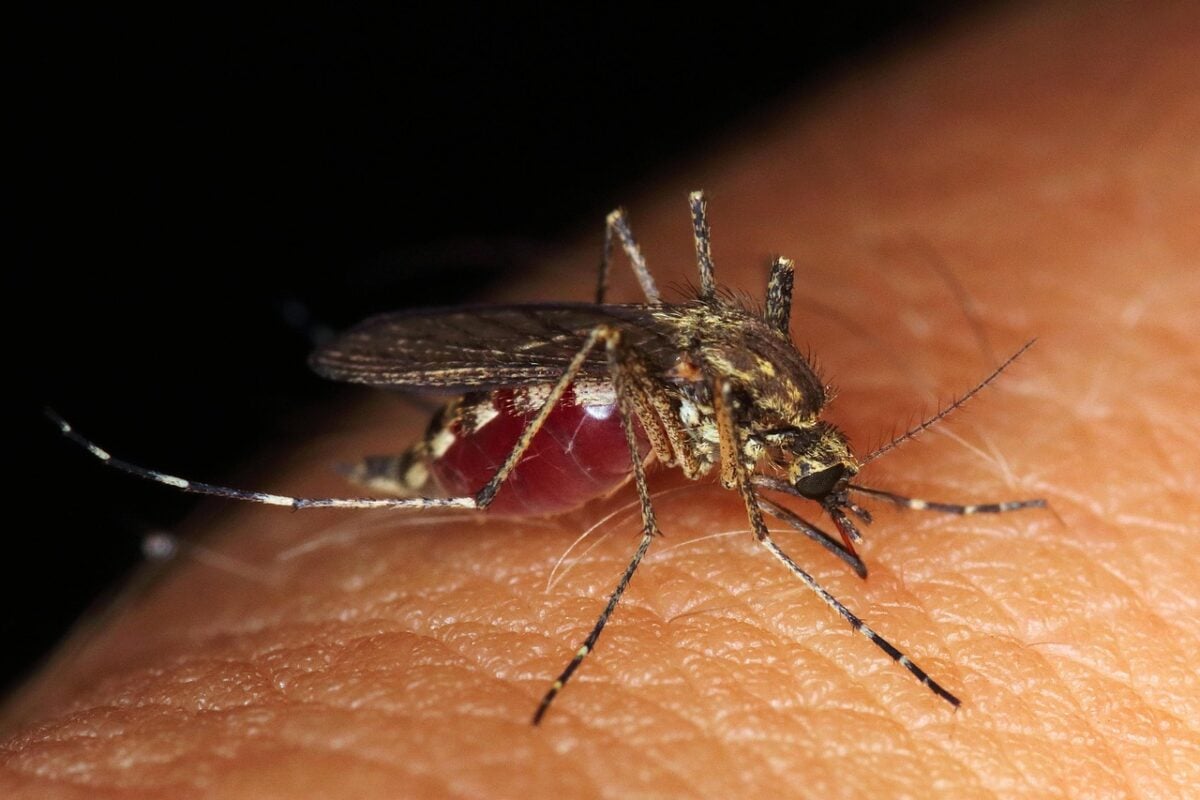
Mosquitoes may look harmless compared with larger stinging insects, but they are by far the most dangerous insects in the world. Their threat does not come from pain or venom. It comes from the diseases they carry and spread through their bites.
You are sitting on the patio, enjoying a summer evening, when suddenly—smack. You’ve been bitten. But have you ever actually stopped to think about how a mosquito extracts your blood?
It turns out, the insect responsible for the most human deaths on Earth also has one of the most horrifyingly complex mouths in the animal kingdom. They don’t just bite; they perform a microscopic, six-step surgical procedure. Here is exactly how they do it.
In 2024 alone, the World Health Organization estimated 282 million malaria cases and 610,000 deaths worldwide.
They are also dangerous because they are so common. Mosquitoes bite during the day and at night, and infected mosquitoes can spread germs that cause illnesses such as malaria, West Nile, dengue, and Zika. A mosquito bite may seem minor at first, but in the wrong place and under the wrong conditions, it can carry very serious consequences.
2. Tsetse Fly
- Threat Level: High (Fatal)
- Why it’s #2: Found in sub-Saharan Africa, this fly is the primary spreader of African Sleeping Sickness. Without treatment, this neurological infection is almost 100% fatal. It ranks this high because it kills thousands of people every year and has a massive impact on both human health and local economies.
The tsetse fly may not be as famous as the mosquito, but in parts of Africa, it has long been one of the most feared biting insects. Found only in rural sub-Saharan Africa, tsetse flies are dangerous because their bite can spread human African trypanosomiasis, better known as sleeping sickness. This parasitic disease is caused by Trypanosoma brucei and, without treatment, it is usually fatal.
What makes the disease especially frightening is the way it progresses. Early symptoms can include fever, headaches, joint pain, and itching, but as the infection advances, it can affect the central nervous system and disrupt the sleep-wake cycle, which is how the illness got its name. Although reported cases have fallen sharply in recent years, sleeping sickness remains a serious health threat in affected regions.
3. Kissing Bugs (Chagas Vectors)
- The Threat Level: The stealthy spreader of disease.
- Why it’s #3: Also known as the Assassin Bug, it bites people around the mouth or eyes while they sleep. Worse than the venom itself is the fact that they spread Chagas disease, which can cause sudden heart failure years after the initial bite. It kills an estimated 10,000 people globally each year.
Kissing bugs are blood-feeding insects in the triatomine family, and they are among the most medically important insects in the Americas. They are often called kissing bugs because they may bite near the mouth or eyes while a person sleeps.
See these dangerous bugs for yourself in the video below:
What makes them truly dangerous, however, is their role in spreading Chagas disease.
Chagas disease is not spread through the bite itself in the usual way people imagine. The CDC explains that the parasite is passed when infected bug droppings enter the body through the bite site, the eyes, or the mouth. That detail makes kissing bugs especially unsettling, because the health risk can begin with a bite that seems small and easy to ignore.
4. Africanized Honey Bees
- The Threat Level: The most aggressive swarmers.
- Why it’s #4: While a single sting won’t kill you, their danger lies in their hair-trigger aggression. If you accidentally disturb a hive, the entire colony (sometimes upwards of 80,000 bees) will relentlessly chase you for over half a mile.
Africanized honey bees are feared not because a single bee is unusually deadly, but because the entire colony can respond with speed and aggression when disturbed. They look very similar to other honey bees, which makes them difficult to identify at a glance. In areas where they are established, the real danger begins when a nest is accidentally disturbed.
While a typical European honeybee might just send out a few guards if you bump their hive, an Africanized colony will instantly deploy a hyper-aggressive swarm of up to 80,000 bees.
Want to see what a swarm like that actually looks like? See the killer bees in action below.
If you looked at an Africanized honeybee under a microscope, you wouldn’t be able to tell it apart from a standard, friendly garden bee. But the danger of these insects has nothing to do with their appearance—it’s entirely about their temper.
Once provoked, Africanized honey bees may attack in large numbers and continue chasing a person for a considerable distance. California public health guidance notes that they may respond to noise or vibration and can chase a person for up to a quarter of a mile.
Multiple stings can become life-threatening, especially for children, older adults, and anyone with a severe allergy to bee venom. Their danger comes from numbers, persistence, and the chaos of a mass attack.
5. African Assassin Bug
- Threat Level: Moderate (Extremely Toxic)
- Why it’s #5: While it doesn’t spread disease like its “Kissing Bug” cousin, its individual venom is terrifying—it is reported to be ten times more powerful than a cobra’s. It can spit this venom or inject it to liquefy the insides of its prey. It sits in the middle of the list because while a single bite is rarely fatal to a healthy human, multiple bites or an allergic reaction can be devastating.
The African assassin bug has one of the most intimidating names in the insect world, and its hunting style lives up to that reputation. These predatory insects use a sharp, needle-like mouthpart to pierce prey and feed on body fluids, making them highly effective hunters.
See the horror in action below:
Some members of the assassin bug family are medically important because they are closely related to triatomine bugs, also known as kissing bugs.
These insects can spread the parasite that causes Chagas disease, a serious illness found mainly in parts of Mexico, Central America, and South America. Infection happens when parasite-containing droppings from an infected bug enter the body through the bite site, the eyes, or the mouth.
What makes assassin bugs so unsettling is not just their appearance, but the way they combine stealth, speed, and a painful bite. While not every assassin bug poses a serious threat to people, the family’s connection to disease-carrying species has earned it a place among the world’s most dangerous insects.
6. Giant Hornets
- Threat Level: Moderate (Tissue Damage/Fatal)
- Why it’s #6: These are three-inch-long nightmare machines. Their venom contains eight different toxins that can actually melt human tissue. They also release a pheromone when they sting that calls the rest of the hive to the target. They rank here because they cause around 70 deaths a year, mostly due to allergic shocks and mass stinging.
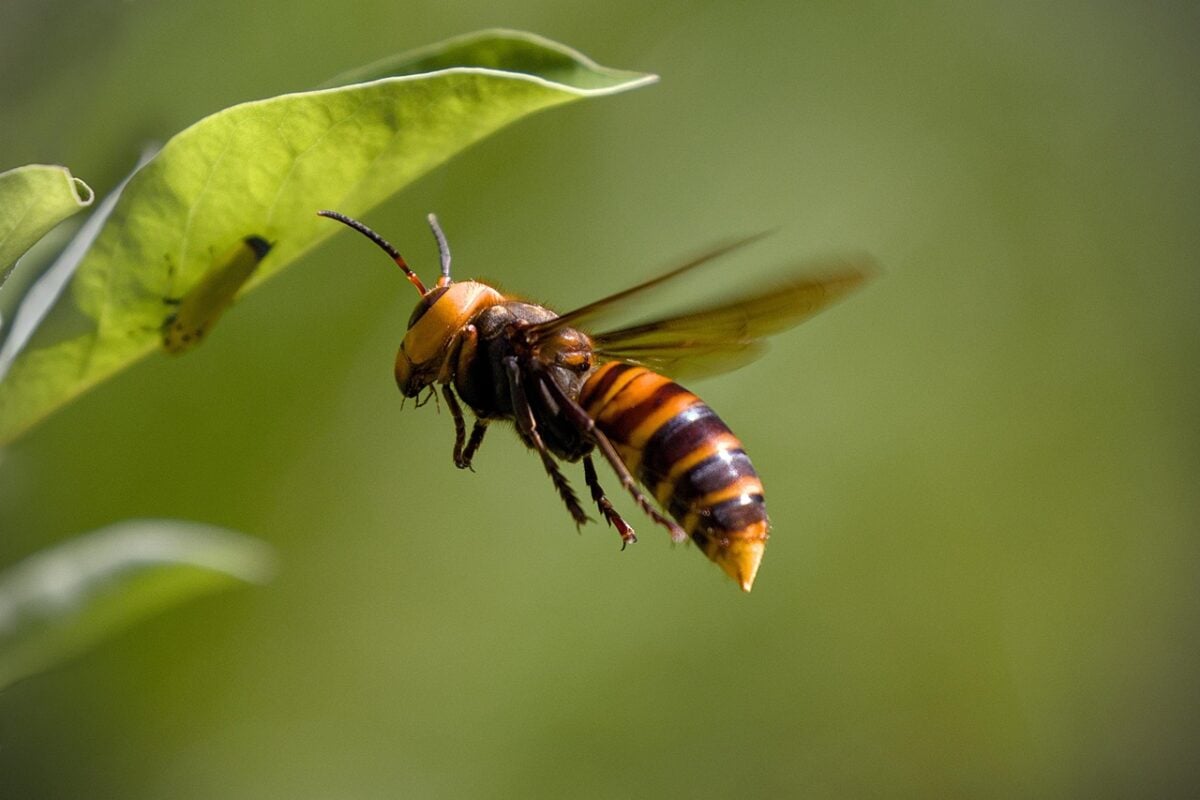
Giant hornets are the largest hornets in the world, growing up to about 2 inches long. Native to Asia, they are imposing insects with a sting that is both painful and medically significant, especially when a person is stung more than once or has an allergic reaction.
They generally do not attack people without a reason. Trouble usually starts when a nest is disturbed or when a hornet feels cornered.
Their size, speed, and powerful sting have made them infamous, but their greatest danger still comes from close encounters at the nest and from the body’s reaction to venom.
7. Driver Ants / Siafu Ants
- Threat Level: Low/Moderate (Swarm Risk)
- Why it’s #7: These ants don’t have a permanent home; they are a moving carpet of up to 20 million insects. They will consume any animal that cannot get out of their way. They rank lower because humans can usually just walk away, but for anyone trapped or unable to move, they can cause death by asphyxiation as they swarm the lungs.
Driver ants, also known as siafu ants, are famous for their immense colonies and relentless movement. These ants are predominantly African and are known for a nomadic lifestyle that sends huge numbers of workers sweeping through an area in search of food.
A single driver ant is not the real danger. The danger is the colony. Their powerful cutting jaws and overwhelming numbers allow them to attack prey much larger than themselves, which is why they have become one of the most feared ants in the world. For anyone caught in their path without a quick escape, the experience can turn serious very fast.
8. Bullet Ants
- Threat Level: Low (Extreme Pain)
- Why it’s #8: This ant drops lower because it rarely, if ever, kills a human. However, it earns its name because its sting feels exactly like being shot. The pain is so intense that it causes muscle spasms and can last for 24 hours. It’s the “king of pain,” but not the king of lethality.
Bullet ants have earned their reputation through pain alone. Their sting is widely described as one of the most painful in the insect world, and it ranks at the very top of the Schmidt sting pain index. The name comes from the shock of the sting itself, which is often compared to being shot.
See the Bullet Ant in action below.
These ants live in the humid lowland rainforests of Central and South America, where they nest near trees and aggressively defend their colonies. A sting is not usually fatal, but the pain can be intense and long-lasting, and multiple stings can become dangerous. Their reputation is built less on body count and more on sheer suffering.
9. Tarantula Hawk Wasp
- Threat Level: Low (Paralyzing Pain)
- Why it’s #9: This massive wasp actually hunts tarantulas, paralyzing them to feed to its young. For humans, the venom isn’t lethal, but it produces a sting so agonizing and shockingly electric that researchers say the only medical advice is to “lie down and start screaming.” It earns its spot right next to the bullet ant for pure agony.
The tarantula hawk wasp is one of the most intimidating wasps in the world. With its dark metallic body, bright orange wings, and large size, it is hard to miss.
These wasps are best known for hunting tarantulas, which the female paralyzes and drags to a burrow as food for her developing young. Adult tarantula hawks, however, feed on nectar rather than spiders.
Want to see a flying insect take on a massive, hairy spider and win? Watch the Tarantula Hawk Wasp in action right here!
What gives the tarantula hawk its fearsome reputation is its sting. It is widely regarded as one of the most painful insect stings in the world, often ranked just behind the bullet ant. Despite that reputation, tarantula hawks are not considered especially aggressive and usually sting only when provoked.
They are found in the deserts of the southwestern United States and in warmer regions farther south, where tarantulas are common.
10. Bot Flies
- The Threat Level: Maximum “ick” factor.
- Why it’s #10: Bot flies are rarely fatal, but they are pure nightmare fuel. They use mosquitoes to drop their eggs onto human skin. The larvae then hatch and literally burrow into the warm, fleshy tissue to grow, meaning you become a living, breathing incubator.
Bot flies are among the most disturbing insects on this list because their larvae can develop inside human tissue.
If you have a strong stomach, watch the video below to see the Bot Fly’s grisly life cycle in action. (Warning: It’s not for the faint of heart!)
The human bot fly, Dermatobia hominis, is found mainly in Central and South America. Rather than laying eggs directly on a person, the adult fly often uses another biting insect, such as a mosquito, to carry its eggs to a human host. When that carrier insect lands to feed, the larvae enter the skin.
The result is a painful lump beneath the skin as the larva grows. It is deeply unpleasant, but it is also important to keep the description accurate: larvae under the skin usually stay there and do not travel throughout the body. That makes bot flies alarming enough without exaggeration.
6 Dangerous Arthropods Often Mistaken for Insects
Not every dangerous “bug” is actually an insect. Spiders, ticks, scorpions, and centipedes are all arthropods, but they belong to different groups.
Spiders and ticks are arachnids, while centipedes are myriapods. People often group them together with insects, but they are not insects at all.
Some of these creatures deserve just as much caution as the insects on this list. A few spread disease, some deliver medically important bites or stings, and others are known for the intensity of the pain they cause.
1. Brazilian Wandering Spider
The Brazilian wandering spider is one of the most famous dangerous arachnids in the world. Native to parts of South America, it is known for its potent venom and striking defensive posture, raising its front legs when threatened. It is sometimes called a banana spider because it may be found on banana leaves.
A bite from a Brazilian wandering spider can cause intense pain and serious symptoms. While deaths are rare, its venom and reputation have made it one of the best-known arthropods, often mistaken for an insect.
One clinical review found that only 0.5% to 1% of Phoneutria bites result in severe envenomation, while another review notes that although 15 deaths have been reported in Brazil since 1903, only 2 had enough detail to confirm a direct causal link.
2. Black Widow Spider
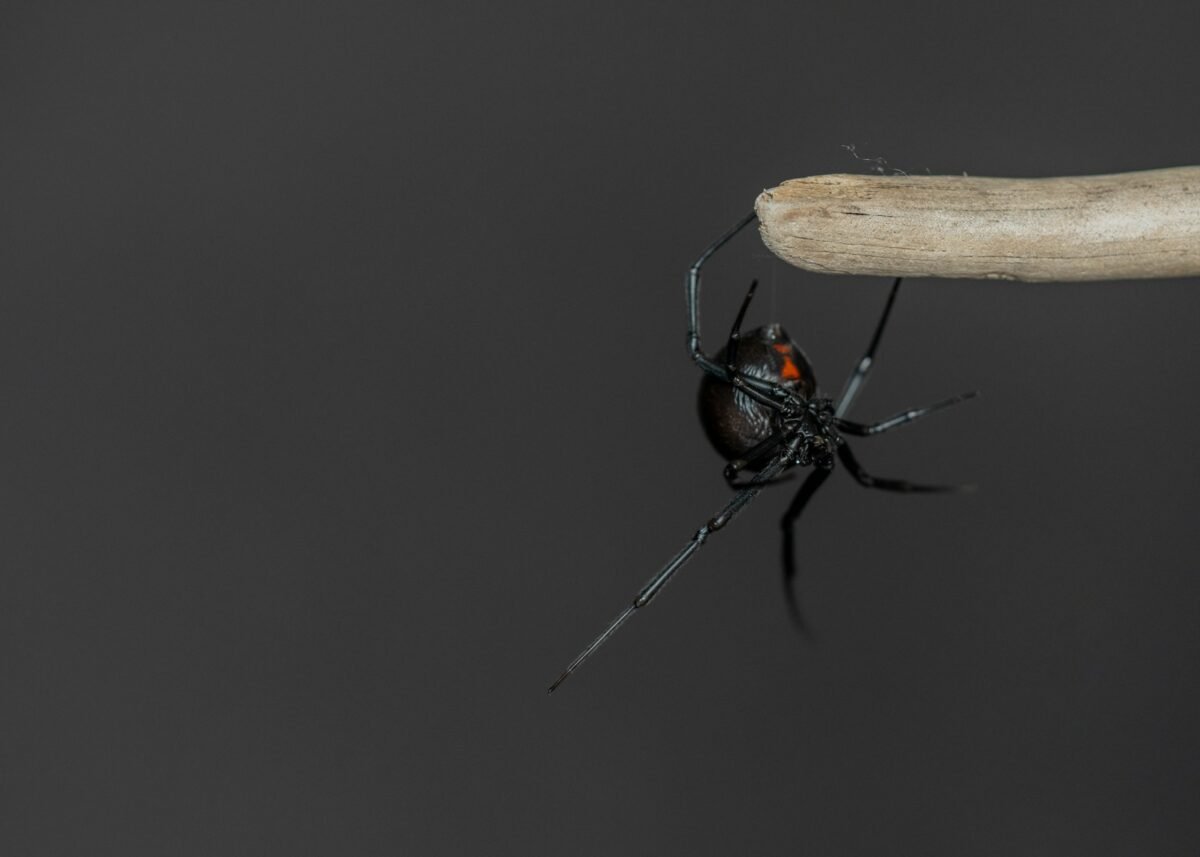
The black widow is one of the most recognizable venomous spiders in the world, known for its glossy black body and red hourglass marking. Its bite can cause severe pain, muscle cramps, and other serious symptoms.
Black widow bites are rarely fatal, but they can still require medical attention. Its reputation comes from the strength of its venom rather than from aggression, since these spiders usually bite only when disturbed.
3. Brown Recluse Spider
The brown recluse is another spider often included in conversations about dangerous bugs. It is best known for the tissue damage its bite can sometimes cause. While many bites are mild, some can lead to a painful wound that takes longer to heal and may leave a scar.
Like the black widow, the brown recluse is not an insect, but it is one of the arthropods people are most likely to fear in homes, garages, and storage areas.
4. Ticks
Ticks are tiny arachnids, not insects, and they are among the most medically important arthropods in the world. What makes them especially dangerous is their ability to spread bacteria, viruses, and parasites while feeding on blood.
Their small size makes them easy to miss, which only adds to the risk. A tick bite may not be painful at all, but it can still lead to serious illness.
5. Scorpions
Scorpions are another arthropod that people often lump in with insects, even though they are arachnids. Their danger comes from the sting at the end of the tail, which can cause intense pain, numbness, tingling, and sometimes more serious symptoms.
Most scorpion stings are not life-threatening, but certain species can be more dangerous, especially for young children and older adults.
6. Giant Centipedes
Giant centipedes are not insects either, though they are often mistaken for them because of their many legs and fast movement. Tropical species are capable of delivering painful bites with venomous claws located near the head.
Their bites are usually remembered for severe pain, swelling, and the shock of the encounter itself. They may not spread disease, but they still rank high among the arthropods people least want to meet up close.
While these creatures are often mistaken for insects, they can be just as dangerous, which makes it even more important to recognize the warning signs when a bite or sting needs medical attention.
Not Just a Problem in Faraway Places
Dangerous insects are not limited to remote jungles or tropical destinations. Some of the most serious threats can be found much closer to home.
Mosquitoes, for example, are the deadliest insects in the world because of the diseases they spread, and they can thrive in neighborhoods, parks, and even backyards.
Their small size makes them easy to dismiss, but these insects can pose a much greater risk than many larger animals. The smartest approach is simple: stay aware of the insects in your area, take precautions when needed, and treat every bite or sting with the respect it deserves.
Symptoms That Need Medical Care
Most insect bites and stings are mild and go away with basic care, but some symptoms should never be ignored.
- Trouble breathing, swelling of the lips, face, tongue, or throat, dizziness, fainting, a rapid pulse, or widespread hives can all point to a severe allergic reaction.
- Nausea, vomiting, diarrhea, or a sudden feeling of weakness after a sting can also be signs that the reaction is more serious than it first appears.
These symptoms can develop quickly and need emergency medical attention right away.
Other warning signs may show up hours or even days later.
- Fever, confusion, neck stiffness, muscle weakness, or feeling unusually sick after a mosquito bite may suggest a mosquito-borne illness rather than a simple skin reaction.
- A bite or sting that becomes increasingly red, warm, swollen, tender, or streaked may also signal an infection and should be checked by a healthcare professional.
Even when the original bite seems minor, worsening symptoms are a clear sign that it deserves closer attention.
How to Avoid Dangerous Insect Encounters
The best way to deal with dangerous insects is to avoid being bitten or stung in the first place.
- EPA-registered repellents remain one of the most effective tools for preventing mosquito bites, and long-sleeved shirts, long pants, and permethrin-treated clothing or gear add another layer of protection.
- In places where mosquitoes are common, screened rooms, air conditioning, and mosquito nets can make a major difference, especially while traveling. Permethrin-treated nets and clothing offer added protection when used as directed.
- Where stinging insects are concerned, distance matters. Nests, hives, and ground burrows should never be disturbed, and it helps to stay alert around rooflines, sheds, brush piles, and tree hollows where insects may be nesting.
When spending time outdoors in unfamiliar areas, especially while hiking, camping, or traveling, a little extra caution goes a long way. Protective clothing, smart use of repellent, and awareness of your surroundings can prevent many painful and dangerous encounters before they happen.
Protecting Pets from Dangerous Insects
Pets need protection too. Mosquitoes, ticks, and fleas can make pets sick, and pets can also bring ticks into your home after time outdoors. Dogs and cats should be checked regularly after walks, hikes, or yard time, especially around the ears, neck, paws, and belly, where pests can be easy to miss.
One of the best ways to protect pets is to use veterinarian-recommended parasite prevention and choose products that match your pet’s species, age, and weight. Never use a product on a pet unless the label says it is for animals, and never use a dog flea or tick product on a cat unless it is specifically labeled for cats.
A few simple habits also help. Keep pets on regular flea and tick prevention, limit contact with brushy or heavily infested areas when possible, and talk with your veterinarian about the insect risks common in your area. Those small steps can go a long way toward preventing painful bites, skin irritation, and more serious insect-borne illness.
Insect Repellent: Why It Matters and What to Look For
Insect repellent does more than prevent itchy bites. It helps protect against mosquitoes, ticks, and other pests that can spread disease, which is why the CDC recommends using an EPA-registered repellent when bites are a risk.
Why It Matters
- Helps reduce bites from mosquitoes, ticks, and other biting pests.
- Adds protection when hiking, camping, traveling, or spending time outdoors.
- Lowers exposure to insects that can carry disease.
What to Look For
1. EPA registration
Choose an EPA-registered repellent. That means the product has been reviewed for safety and effectiveness when used as directed.
2. Proven active ingredients
Common EPA-registered ingredients include:
- DEET
- Picaridin
- IR3535
- Oil of lemon eucalyptus (OLE)
- PMD
- 2-undecanone
3. Protection time
Some repellents last longer than others. Check the label for how long the product protects against mosquitoes or ticks so you can match it to your plans.
4. Skin vs. clothing use
Use skin repellent on exposed skin only if the label says it is made for skin. For clothing and gear, look for 0.5% permethrin products. Permethrin should not be applied directly to the skin.
Quick Tip for Families
Always follow the label directions. Products with OLE or PMD should not be used on children under 3 years old.
What About Natural Repellents?
If you prefer a more natural option, look for an EPA-registered repellent with plant-derived active ingredients such as oil of lemon eucalyptus (OLE), PMD, or 2-undecanone. These ingredients have been reviewed for safety and effectiveness when used as directed.
Be cautious with homemade sprays or essential oil blends that are not EPA-registered. Even when they sound appealing, they may not provide reliable protection against mosquitoes, ticks, and other biting pests. Always check the label, and do not use products containing OLE or PMD on children under 3 years old.
What to Do After a Bite or Sting
The first step after a bite or sting is to move to a safe area so you do not get bitten or stung again.
- If a stinger is still in the skin, remove it as soon as possible.
- Then wash the area gently with soap and water and apply a cold compress for 10 to 20 minutes to help reduce pain and swelling.
- If the bite or sting is on an arm or leg, elevating it may also help.
These simple first-aid steps can make a big difference in the first few minutes after an encounter.
After that, the focus shifts to comfort and careful observation. Calamine lotion, hydrocortisone cream, or an oral antihistamine may help ease itching, while an over-the-counter pain reliever can help with soreness.
Scratching should be avoided because it can irritate the skin further and increase the chance of infection. Most mild bites and stings improve with time, but it is important to keep an eye on the area as it heals.
If breathing problems, facial swelling, dizziness, fainting, widespread hives, or severe stomach symptoms appear, emergency care is needed immediately. If the area becomes hotter, redder, more swollen, more painful, or fever develops, it is time to contact a healthcare professional. A bite or sting may begin as a small problem, but the body’s reaction is what determines how serious it really is.
Video: How to Identify and Treat Insect Bites and Stings
Even with the best prevention, bites and stings still happen. This video offers a practical guide to recognizing common insect bites and stings and explains what to do next, from basic treatment steps to signs that a reaction may need more attention.
Living Alongside the Creatures We Share the World With
Insects and other wild creatures can be dangerous, but they are also part of the natural world we live in every day. From pollinators and predators to scavengers and decomposers, they all play a role in keeping ecosystems in balance. The goal is not to fear every creature we see, but to understand which ones pose a real risk, how to avoid harmful encounters, and how to respond when something goes wrong.
We share this planet with far more than just the animals we notice first. Learning about dangerous insects can help us stay safe, but it can also lead to a deeper respect for the incredible variety of life around us. If you want to keep exploring, take a look at our guides to the world’s most poisonous animals, poisonous snakes, and beekeeping for beginners.
You can continue exploring with our articles on how climate change may be affecting bugs and insects, and what is happening to bees.
Stay Aware, Stay Safe, and Keep Exploring
The natural world is full of incredible creatures, and the more we understand them, the better prepared we are to live alongside them safely. A little knowledge can go a long way when it comes to avoiding bites, preventing stings, and knowing when a situation needs medical attention.
Have you ever had a close encounter with a dangerous insect or another wild creature? Share your story, tip, or experience in the comments below.