When you purchase through links on our site, we may earn a commission. Here’s how it works.
Ever feel completely wiped out after a meal? You know the feeling: the sudden brain fog, a heavy bloating that forces you to unbutton your jeans, achy joints, or a random breakout that appears out of nowhere.
Table of Contents
For years, we’ve been told that if we want to avoid these symptoms, we just need to skip the bread basket, pass on the pasta, and say no to birthday cake.
But what if you’ve already cut out the obvious culprits and still feel lethargic and bloated?
The truth is, gluten is a master of disguise. It’s hiding in places you would never expect, from your morning condiment to your evening cocktail. If you want to heal your gut and reclaim your energy, you need to know exactly where this stealth protein is hiding.
What Exactly Is Gluten, Anyway?
Before we unmask the hidden culprits, let’s clear up a major misconception. Gluten isn’t actually a food itself: it’s not bread, pastry, or dough.
Instead, gluten is a structural protein made up of two specific molecules: gliadin and glutenin. It’s naturally found in wheat, rye, and barley.
Think of gluten as a culinary glue. It’s what gives pizza dough its stretchy, chewy texture and helps bread rise. Because it’s such an effective stabilizer and thickening agent, the food industry loves to process it and pump it into packaged goods where it has absolutely no business being.
For people with celiac disease, gluten sensitivity, or wheat allergy, eating gluten can cause symptoms or health problems.
Why Gluten Is Harder to Spot Than You Think
When you decide to go gluten-free, whether due to celiac disease, a gluten sensitivity, or just to lower full-body inflammation, the obvious sources are easy to avoid:
- Obvious Sources: Traditional bread, pasta, pizza crust, crackers, cookies, and pastries.
But if you only avoid the bakery aisle, you’re missing the invisible gluten. Because of mass food manufacturing, gluten is routinely added to packaged foods to improve texture, extend shelf life, and carry flavor.
The Obvious Foods That Contain Gluten
Some gluten-containing foods are easy to spot because they are usually made with wheat, barley, rye, or malt.
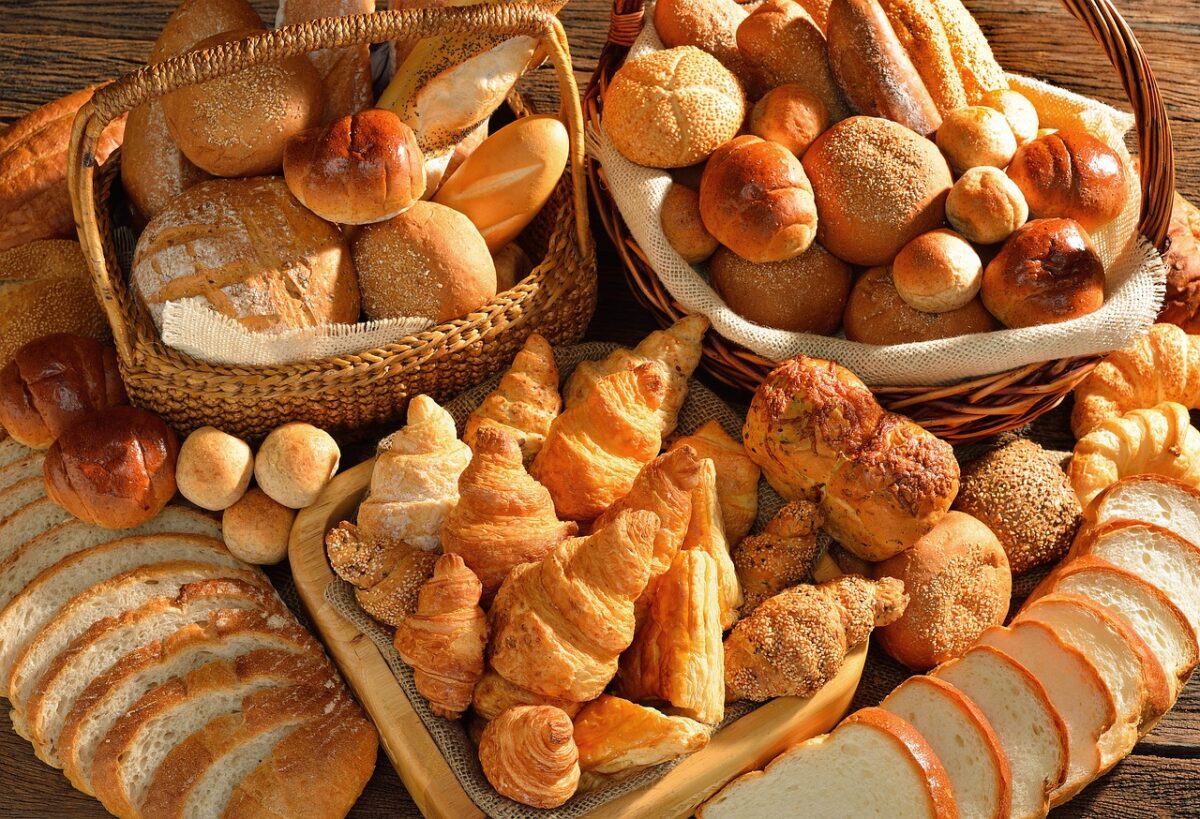
Common foods that usually contain gluten include:
- Bread
- Pasta
- Pizza crust
- Crackers
- Cakes
- Cookies
- Pastries
- Flour tortillas
- Regular noodles
- Most baked goods, including muffins, biscuits, rolls, donuts, and pies
- Beer made from barley or wheat
- Cereals made with wheat, barley, or malt
A simple rule: if a food is made with regular flour, wheat flour, barley, rye, malt, durum, semolina, or spelt (ancient wheat with a nutty flavor), it probably contains gluten.
Many brands now make gluten-free versions of these foods, but unless the package says gluten-free, it is worth checking the label.
Foods People Don’t Realize Contain Gluten
Some gluten-containing foods are easy to spot. Bread, pasta, and pizza crust are obvious. But gluten can also hide in foods that do not look “bready” at all.
In packaged and restaurant foods, gluten may be used as a thickener, binder, coating, filler, stabilizer, or flavoring. That is why checking the label matters.
Here are some of the most surprising foods that may contain gluten.
1. Soy Sauce
Soy sauce may seem like it is made only from soybeans, but many traditional soy sauces are brewed with wheat.
- What to check for: wheat, wheat flour, or hydrolyzed wheat protein.
- Gluten-free swap: Use tamari or coconut aminos, but make sure the label says gluten-free.
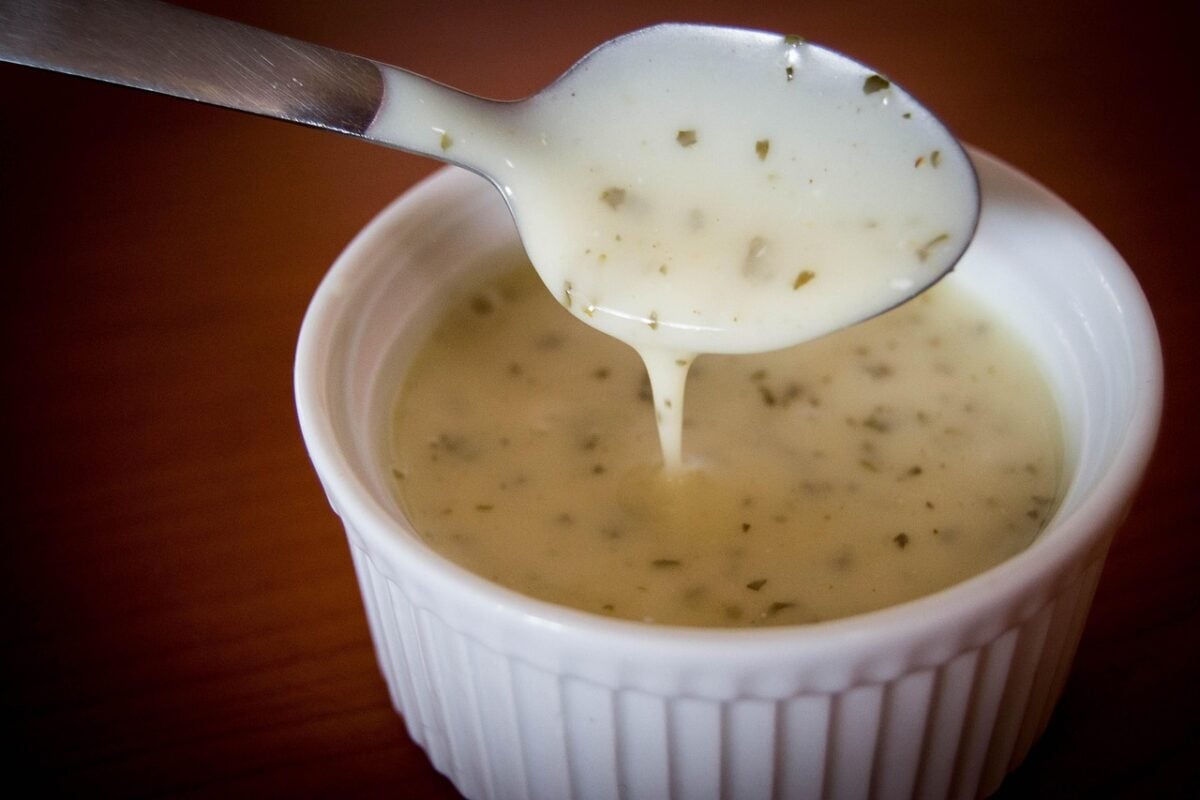
2. Salad Dressings
Some bottled dressings use gluten-containing ingredients to thicken, stabilize, or flavor the dressing.
Creamy dressings, Asian-style dressings, and malt vinegar-based dressings are especially worth checking.
- What to check for: wheat, malt vinegar, modified food starch, or vague “natural flavors.”
3. Marinades and Sauces
Store-bought marinades, barbecue sauces, teriyaki sauces, stir-fry sauces, and glazes can contain hidden gluten.
This is especially common when the sauce uses soy sauce, wheat-based thickeners, or malt-based flavorings.
- What to check for: soy sauce, wheat, malt, barley, modified food starch, or hydrolyzed wheat protein.
4. Canned Soups and Broths
Soup is one of the sneakiest places gluten can show up. Cream soups, canned soups, bouillon cubes, and soup bases may use wheat flour or gluten-containing flavorings.
Common examples to check:
- Cream of mushroom soup
- Cream of chicken soup
- Tomato soup
- Bouillon cubes
- Gravy mixes
- Soup bases
- Instant noodle soup packets
5. Gravy
Traditional gravy is often thickened with wheat flour. That includes homemade gravy, jarred gravy, gravy packets, and restaurant gravy.
- Gluten-free swap: Look for gravy thickened with cornstarch, arrowroot, potato starch, or a gluten-free flour blend.
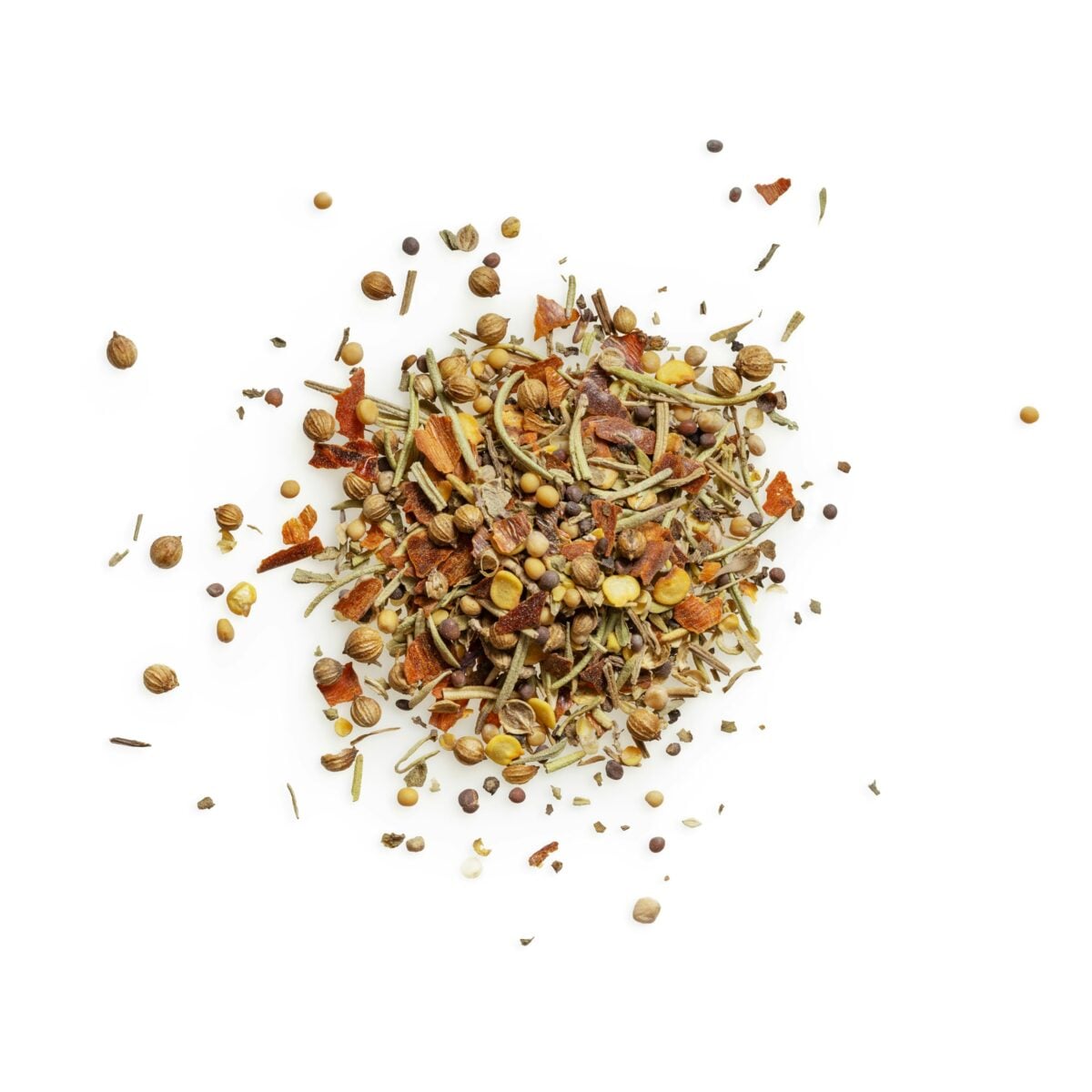
6. Seasoning Mixes
Seasoning blends can look harmless, but some contain wheat-based fillers, malt flavoring, or anti-caking ingredients.
Packets to check closely:
- Taco seasoning
- Ranch seasoning
- Gravy packets
- Chili seasoning
- Soup mixes
- Dry rubs
- Flavored rice packets
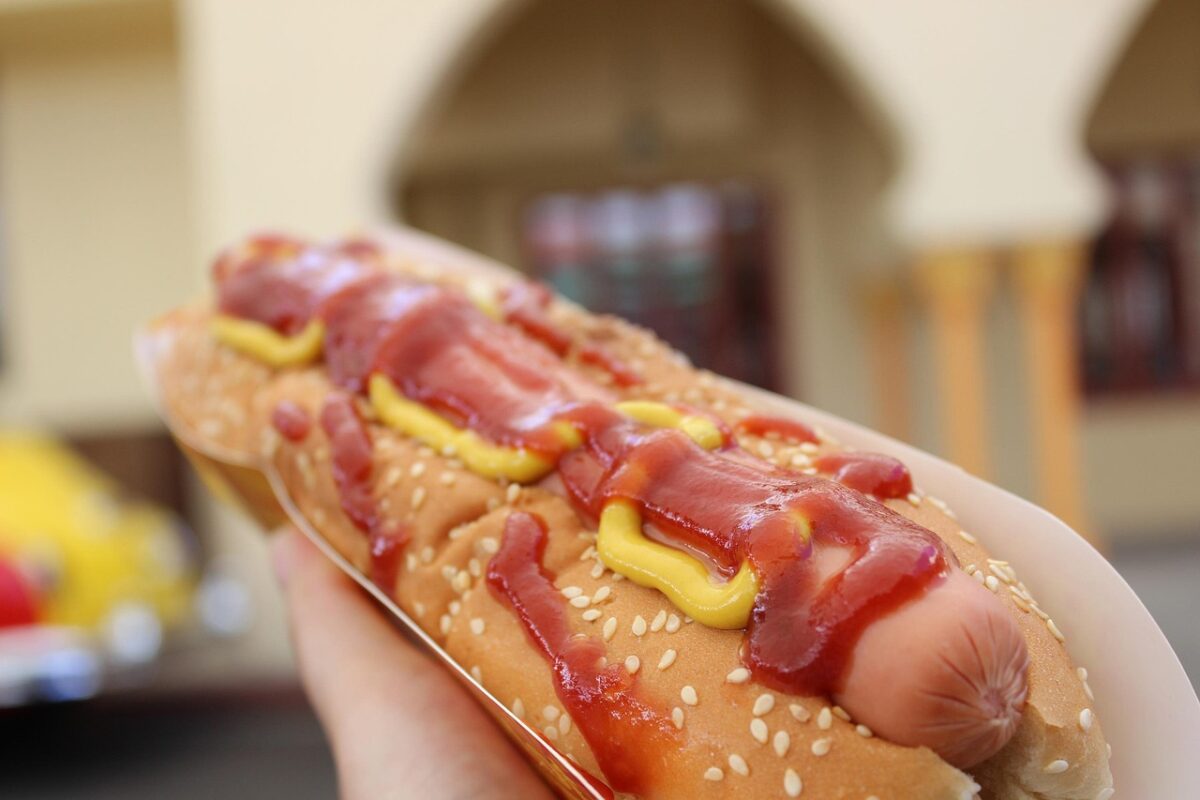
7. Deli Meats, Hot Dogs, and Sausages
Plain meat is naturally gluten-free, but processed meats are different. Some use gluten-containing fillers, binders, flavorings, or breadcrumbs.
Foods to check:
- Deli meat
- Hot dogs
- Sausages
- Meatballs
- Meatloaf
- Breaded meats
- Imitation meats
8. Veggie Burgers and Meat Alternatives
This is a big one. Many plant-based meats use wheat gluten for texture because it creates a chewy, meat-like bite.
- Watch out for: seitan, wheat gluten, wheat protein, wheat starch, and textured wheat protein.
Not all veggie burgers contain gluten, but you should always check the ingredient list.
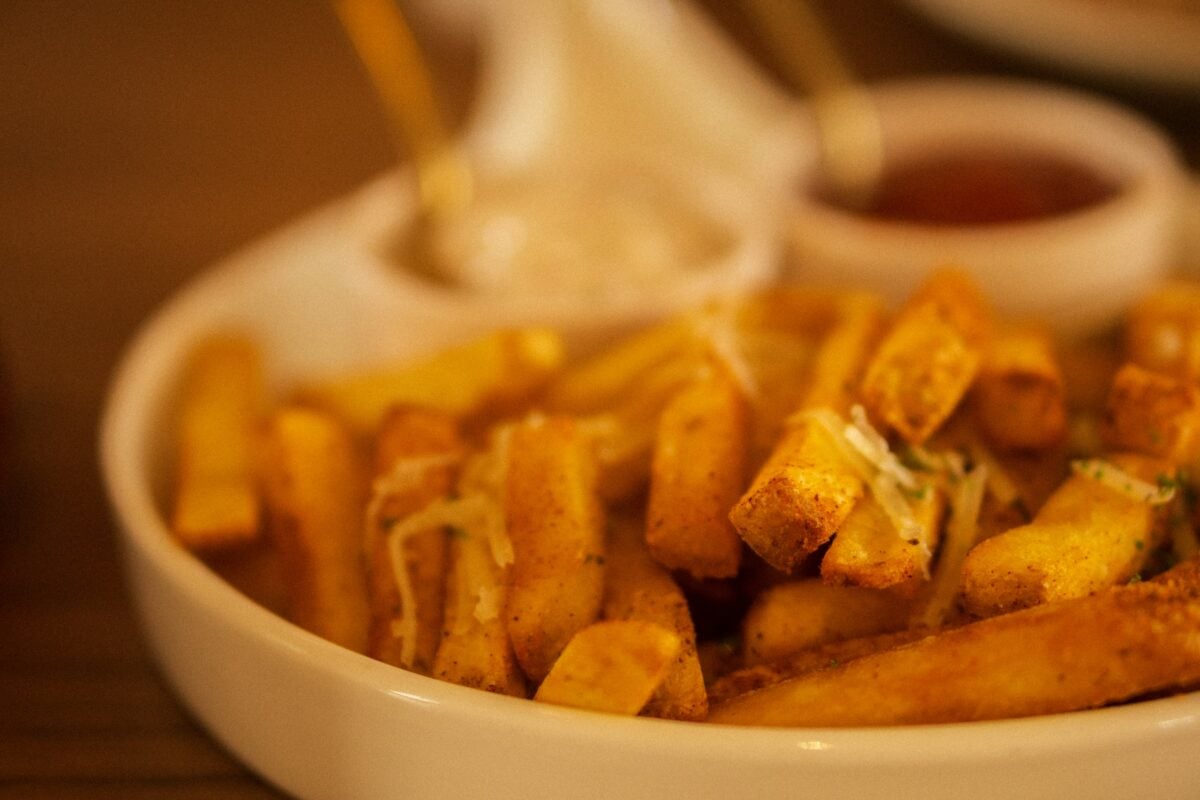
9. French Fries
Potatoes are naturally gluten-free. French fries are not always.
Some fries are coated in wheat flour to make them crispier. Restaurant fries may also be cooked in the same fryer as breaded chicken, onion rings, or mozzarella sticks.
- What to ask at restaurants: “Are the fries gluten-free, and are they cooked in a dedicated fryer?”
10. Potato Chips and Flavored Snacks
Plain potato chips are often gluten-free, but flavored chips can be tricky. Seasonings may contain wheat, malt vinegar, or gluten-containing flavorings.
Flavors to check closely:
- Barbecue
- Sour cream and onion
- Cheddar
- Ranch
- Salt and vinegar
- Spicy flavored chips
- Multigrain chips
11. Candy
Some candy contains gluten from wheat starch, barley malt, cookie pieces, pretzels, or wafer fillings.
Licorice is one of the biggest surprises because many traditional licorice candies contain wheat flour.
Candy ingredients to watch for:
- Wheat flour
- Wheat starch
- Barley malt
- Malt extract
- Cookie pieces
- Pretzels
- Crispy rice with malt flavoring
- Wafer layers

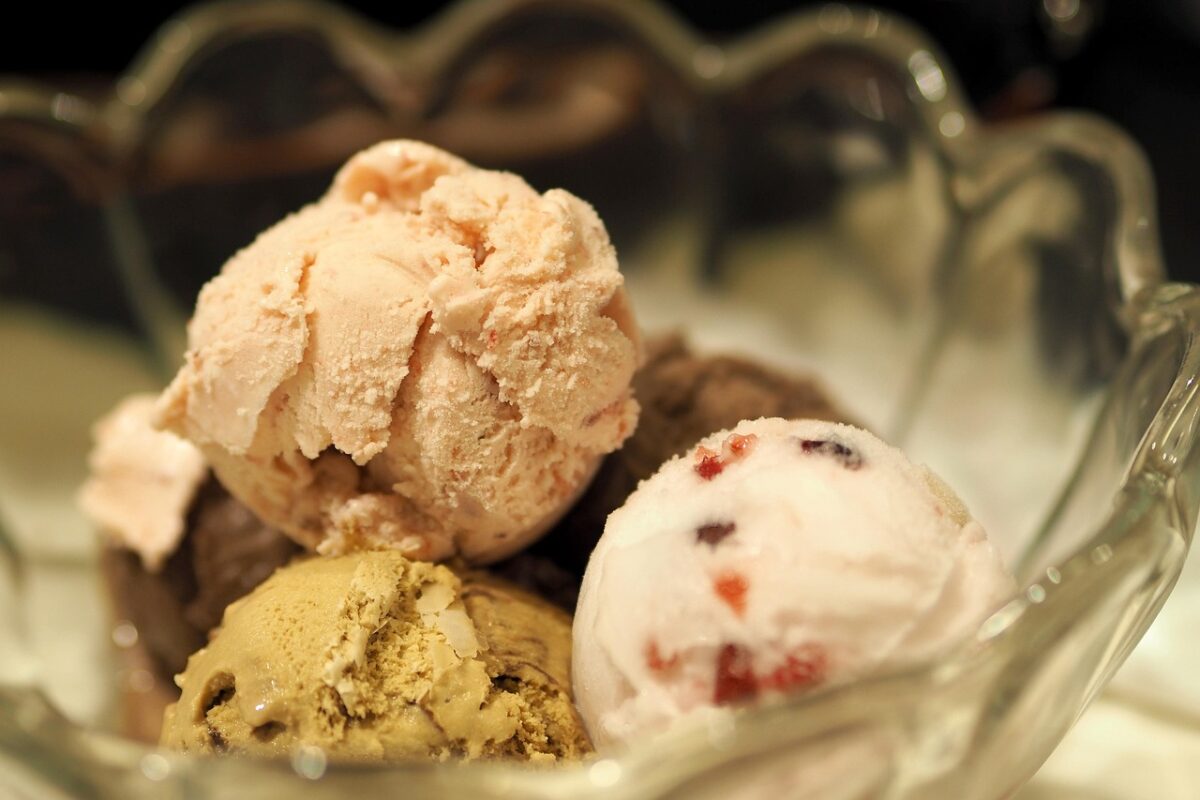
12. Ice Cream
Plain ice cream may be gluten-free, but mix-ins can change that quickly.
Flavors to check closely:
- Cookie dough
- Cookies and cream
- Brownie
- Cheesecake
- Pie crust
- Malted milk
- Waffle cone
- Birthday cake
Also, check whether the ice cream was made on shared equipment if you need to avoid cross-contact.
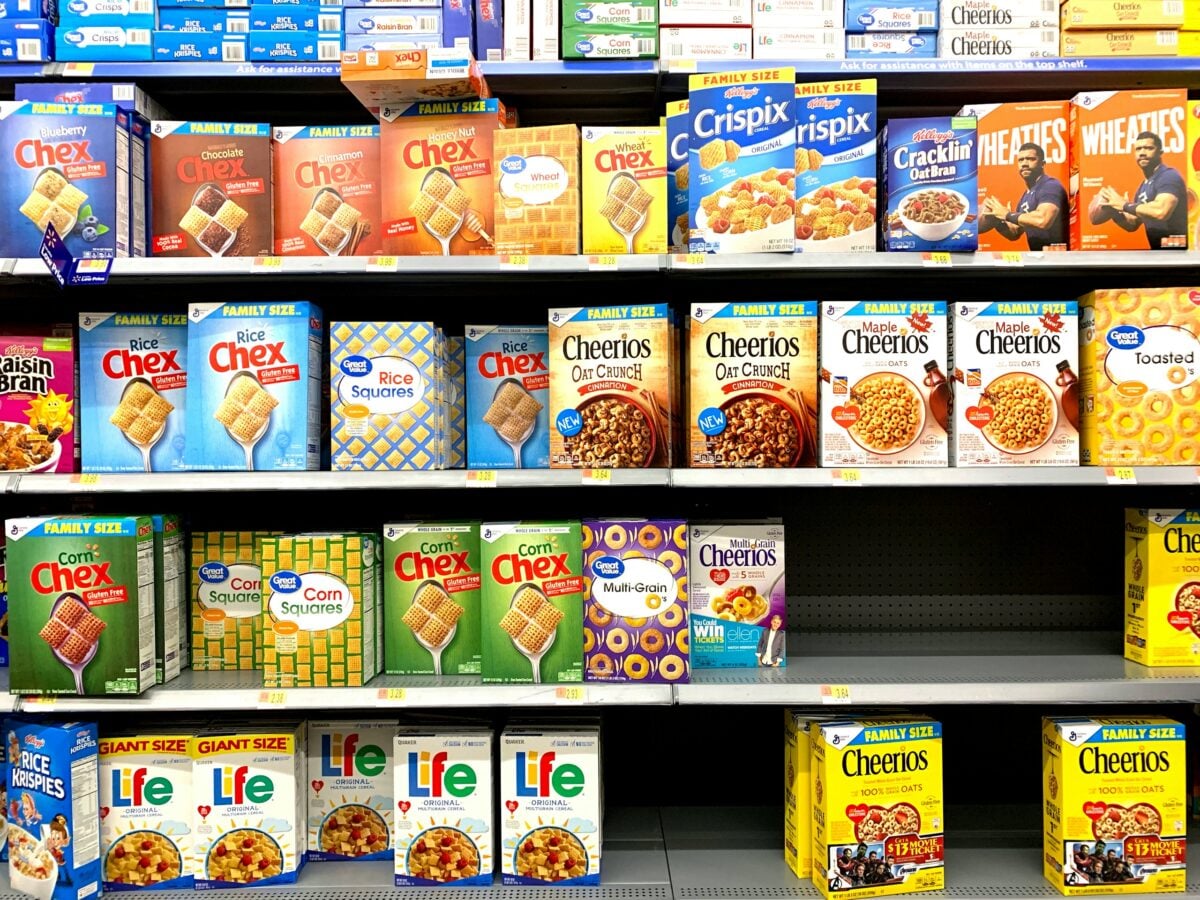
13. Breakfast Cereals
Even cereals made from corn, rice, or oats may contain gluten if they include barley malt or malt flavoring.
- What to check for: wheat, barley malt, malt extract, malt flavoring, rye, or non-gluten-free oats.
14. Instant Oatmeal
Oats are naturally gluten-free, but they are often processed near wheat, barley, or rye. That can lead to cross-contact.
Flavored instant oatmeal packets may also contain gluten in flavorings or mix-ins.
- Best choice: Buy oats labeled gluten-free or certified gluten-free.
Bottom line: Oats can be gluten-free, but do not assume all oats are safe. Choose oats clearly labeled gluten-free. NIDDK also advises people who suspect celiac disease to speak with a doctor before starting a gluten-free diet, since avoiding gluten before testing can affect results.
15. Pickles and Condiments
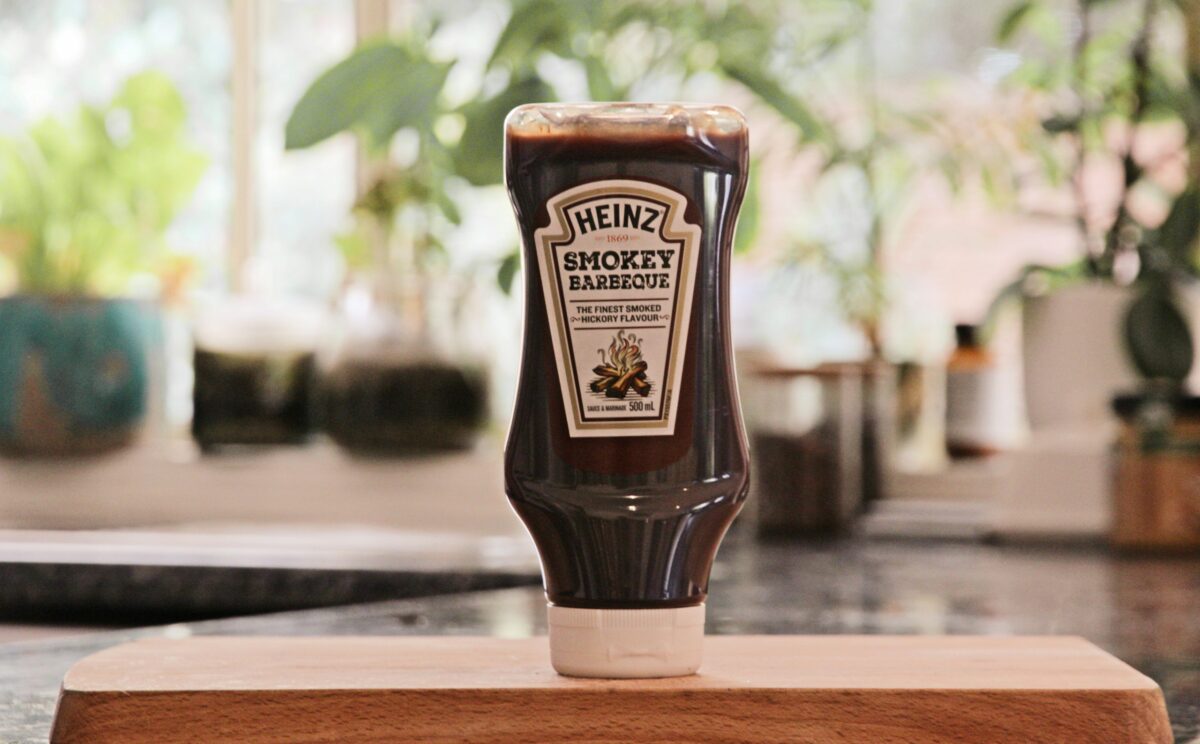
Pickles, mustard, ketchup, relish, and other condiments are often gluten-free, but not always. The risk usually comes from malt vinegar, thickeners, flavorings, or shared production lines.
Condiments to check:
- Pickles
- Mustard
- Barbecue sauce
- Teriyaki sauce
- Steak sauce
- Relish
- Marinades
- Specialty ketchups
16. Pre-Shredded Cheese
Cheese is naturally gluten-free, but pre-shredded cheese sometimes contains anti-caking ingredients to keep the shreds from clumping.
Most anti-caking agents are gluten-free, but it is still worth checking the label if you are highly sensitive or have celiac disease.
- What to check for: wheat starch or any gluten-containing anti-caking ingredient.
Packaged Foods Where Gluten Shows Up Unexpectedly
Packaged foods are one of the easiest places to miss gluten. That is because gluten is not always used as the “main” ingredient.
Sometimes it is added to improve texture, thicken sauces, bind ingredients together, keep seasonings from clumping, or carry flavor.
That means gluten can show up in foods that do not look like bread, pasta, or baked goods at all.
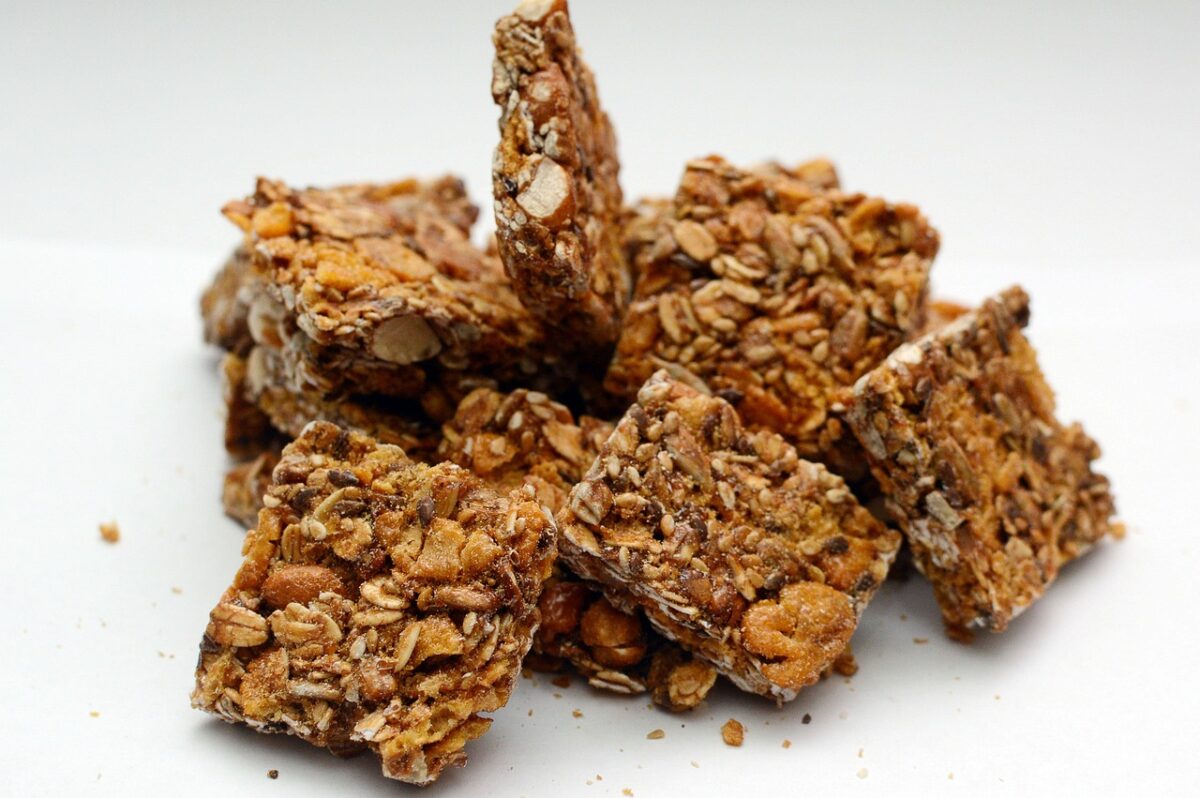
Common packaged foods to check include:
- Canned Soups
- Frozen meals
- Flavored rice mixes
- Boxed potatoes
- Sauce packets
- Instant noodles
- Granola bars
- Protein bars
- Candy bars
- Flavored chips
- Seasoned nuts
- Salad dressings
- Marinades
- Gravy mixes
- Taco seasoning
- Bouillon cubes
- Imitation crab
- Deli meats
- Veggie burgers
- Meat substitutes
- Breakfast cereals
- Instant oatmeal packets
A good rule: packaged foods with sauces, seasonings, coatings, creamy textures, chewy textures, or crispy toppings are worth checking closely.
When in doubt, check the ingredient list and look for a certified gluten-free label.
Quick Rule for Hidden Gluten
If a packaged food is creamy, crispy, chewy, thickened, seasoned, coated, or flavored, check the label.
Gluten often hides in ingredients like:
- Wheat
- Barley
- Rye
- Malt
- Malt vinegar
- Malt extract
- Brewer’s yeast
- Wheat starch
- Wheat flour
- Hydrolyzed wheat protein
- Modified wheat starch
- Semolina
- Durum
- Spelt
- Farro
- Bulgur
A food is not automatically safe just because it does not look like bread. For the safest option, look for products labeled gluten-free or certified gluten-free.
How to Read Labels for Gluten
The front of a package can be misleading. A food may look gluten-free at first glance, but gluten can still hide in the ingredient list.
The easiest way to check is to flip the package over and scan the label before you buy.
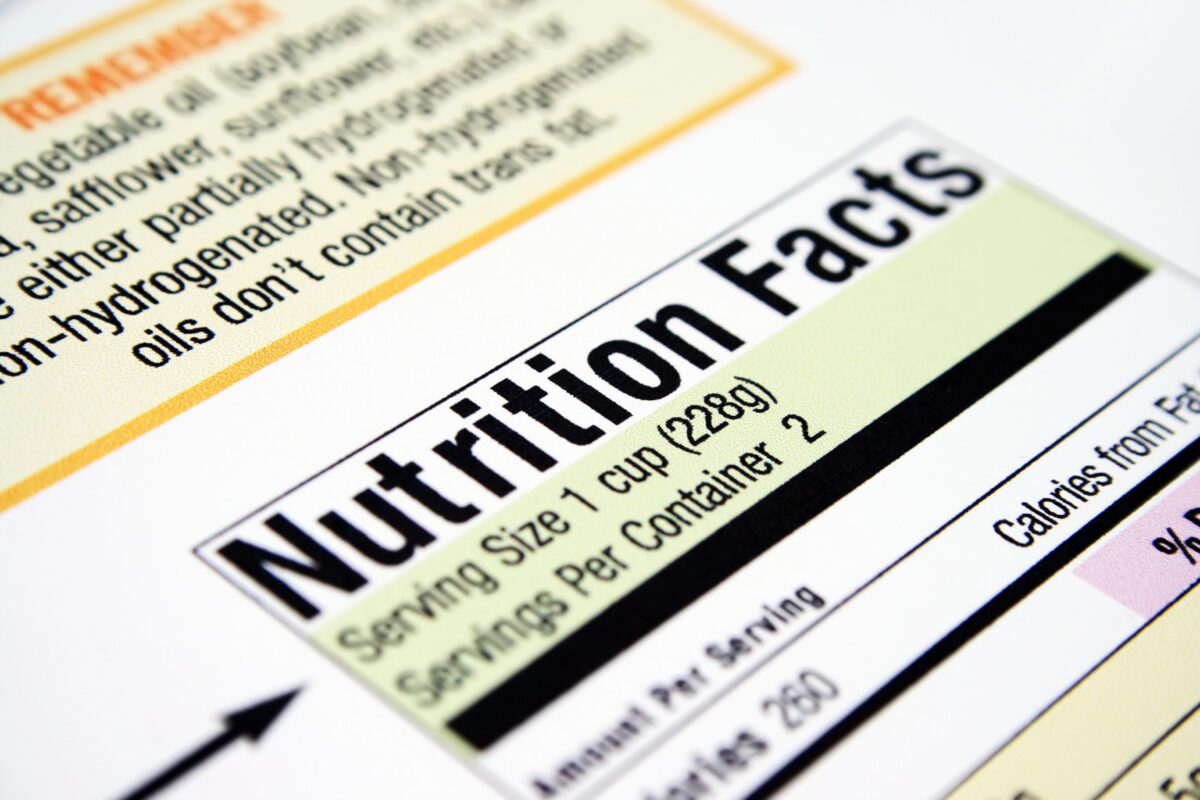
1. Look for a Gluten-Free Label First
The fastest shortcut is to look for phrases like:
- Gluten-free
- Certified gluten-free
- Made without gluten
For people with celiac disease or strong gluten sensitivity, certified gluten-free is usually the safest choice, especially for oats, sauces, snacks, and packaged foods.
2. Check the Allergen Statement
Many packaged foods have an allergen statement near the ingredients.
Look for warnings like:
- Contains wheat
- May contain wheat
- Processed in a facility with wheat
- Made on shared equipment with wheat
But remember: “contains wheat” does not catch every source of gluten.
Wheat is a major allergen, so it is usually called out clearly. But gluten can also come from barley, rye, triticale, malt, and brewer’s yeast, which may not appear in the allergen statement. That is why you still need to scan the full ingredient list.
3. Watch for Gluten Ingredients
If you see any of these ingredients, the food likely contains gluten:
- Wheat
- Barley
- Rye
- Triticale
- Malt
- Malt extract
- Malt flavoring
- Malt vinegar
- Brewer’s yeast
- Wheat starch
- Wheat flour
- Semolina
- Durum
- Spelt
- Farro
- Graham flour
- Bulgur
- Couscous
- Hydrolyzed wheat protein
4. Be Careful With Vague Ingredients
Some ingredients are not always a problem, but they are worth checking if the package is not labeled gluten-free.
Watch closely for:
- Modified food starch
- Dextrin
- Maltodextrin
- Natural flavors
- Artificial flavors
- Seasoning blend
- Spice blend
- Binder
- Filler
- Stabilizer
These ingredients are not automatically gluten-free, but they can be confusing if the source is not listed. When in doubt, choose a certified gluten-free option or check the brand’s website.
5. Use the “Long Ingredient List” Warning
A long ingredient list does not always mean a food contains gluten, but it does make the label harder to trust at a glance.
Packaged foods with lots of thickeners, flavorings, coatings, seasonings, or stabilizers deserve a closer look.
A simple rule:
- The more processed the food is, the more carefully you should check the label.
6. Pay Extra Attention to High-Risk Foods
Some foods are more likely to contain hidden gluten than others.
Check labels carefully on:
- Sauces
- Marinades
- Salad dressings
- Soups
- Gravy mixes
- Seasoning packets
- Flavored chips
- Candy
- Protein bars
- Frozen meals
- Deli meats
- Veggie burgers
- Instant oatmeal
- Breakfast cereals
Quick Label-Reading Rule
Look for a gluten-free or certified gluten-free label first. Then scan the ingredient list for wheat, barley, rye, malt, brewer’s yeast, and wheat-based ingredients.
Do not rely only on the front of the package, and do not rely only on the “contains wheat” statement. Some gluten sources can still hide in the full ingredient list.
Naturally Gluten-Free Foods
The good news? Many whole foods are naturally gluten-free.
These foods do not contain gluten unless they are breaded, coated, marinated, seasoned, or processed with gluten-containing ingredients.
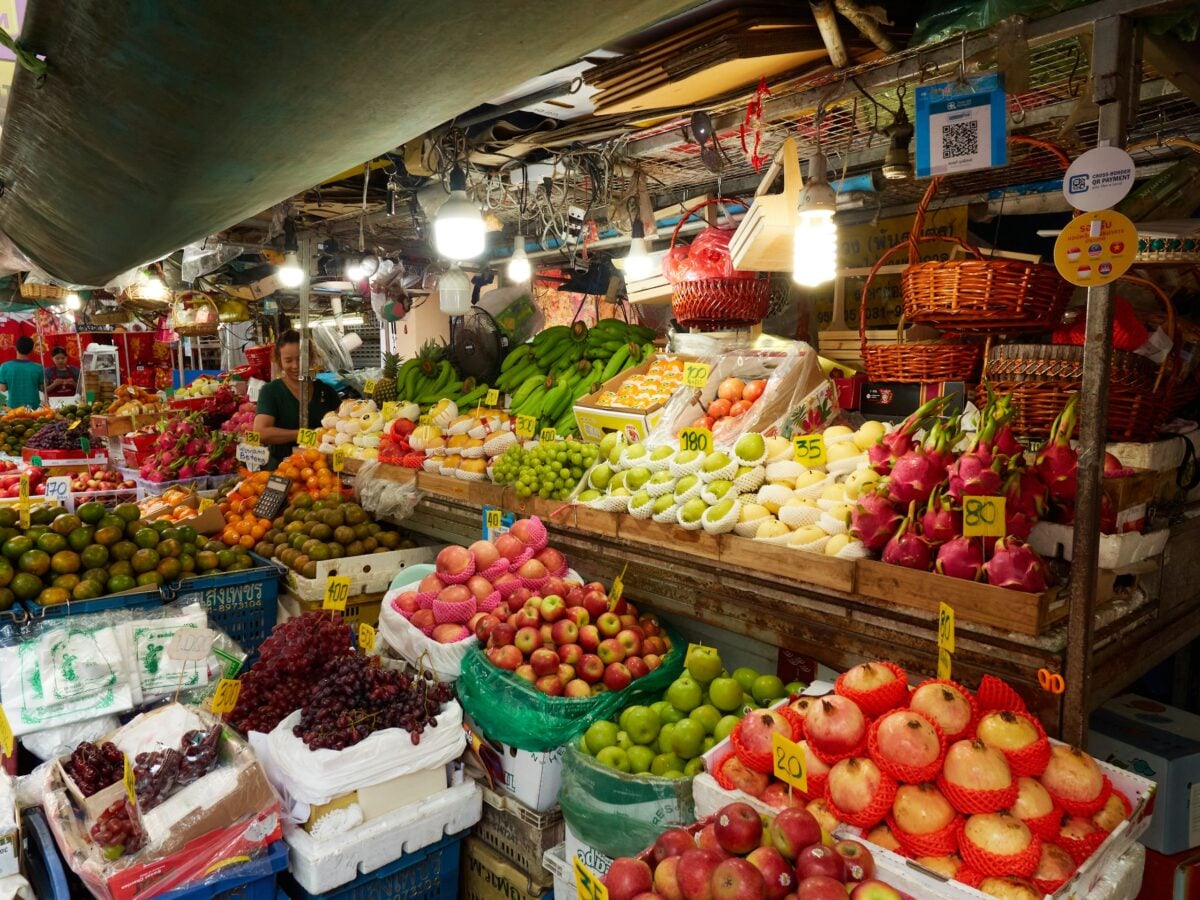
Naturally gluten-free foods include:
- Fruits
- Vegetables
- Plain meat
- Plain poultry
- Plain fish and seafood
- Eggs
- Beans
- Lentils
- Nuts and seeds
- Milk
- Plain yogurt
- Cheese
- Rice
- Potatoes
- Corn
- Quinoa
- Buckwheat
- Millet
- Sorghum
- Amaranth
- Teff
A simple rule: the closer a food is to its natural form, the easier it is to know whether it contains gluten.
For example, a plain baked potato is gluten-free. But boxed potatoes, flavored chips, loaded restaurant fries, or frozen potato products may contain gluten from seasonings, coatings, or shared fryers.
Mayo Clinic notes that many foods are naturally gluten-free, including meats, seafood, fruits, vegetables, and some grains.
When choosing more fruits and vegetables, you may also want to check the EWG Dirty Dozen to decide which produce items are worth buying organic first.
Some alternative flours are made from grains, while others come from surprising protein sources. If you are curious about unusual flour swaps, here is a look at what cricket flour is and why some people use it.
The “Gluten-Free” Trap: Can Gluten-Free Foods Make You Gain Weight?
Going gluten-free does not automatically mean you are eating healthier.
One common mistake is swapping regular processed foods for gluten-free versions and expecting weight loss to happen naturally. But gluten-free cookies are still cookies. Gluten-free pizza is still pizza. Gluten-free bagels, crackers, muffins, and snack bars can still be highly processed.
The issue is not always the missing gluten. It is what replaces it.
To make gluten-free packaged foods taste and feel more like the original, some products rely on ingredients like:
- Sugar
- Added oils
- Refined starches
- Potato starch
- Tapioca starch
- Corn starch
- White rice flour
- Extra sodium
These ingredients can make a food taste good, but they do not automatically make it more nutritious or more filling.
That means some people lose weight on a gluten-free diet because they cut back on bread, pastries, pizza, fast food, beer, and packaged snacks. Others may gain weight if they replace those foods with gluten-free breads, cookies, crackers, frozen pizzas, and desserts.
That does not mean you can never enjoy a treat. If you want a homemade option, try this gluten-free brownie recipe made with black beans for a fun twist.
Is Gluten Inflammatory?
For people with celiac disease, yes. Gluten can trigger an immune response that damages the small intestine and causes inflammation. Avoiding gluten is medically necessary.
For people with non-celiac gluten sensitivity, gluten-containing foods may trigger symptoms like bloating, stomach discomfort, fatigue, headaches, or brain fog. But this is different from celiac disease and does not cause the same autoimmune damage to the small intestine.
For the general population, gluten itself is not automatically inflammatory or fattening.
The bigger issue is usually overall food quality.
If weight loss is your goal, going gluten-free is not a magic fix; building better habits around food quality, portions, and movement matters more. Here are some better ways to lose weight without relying on food labels alone.
Healthier Gluten-Free Choices
The best gluten-free diet is not built around gluten-free packaged foods. It is built around whole foods that are naturally gluten-free.
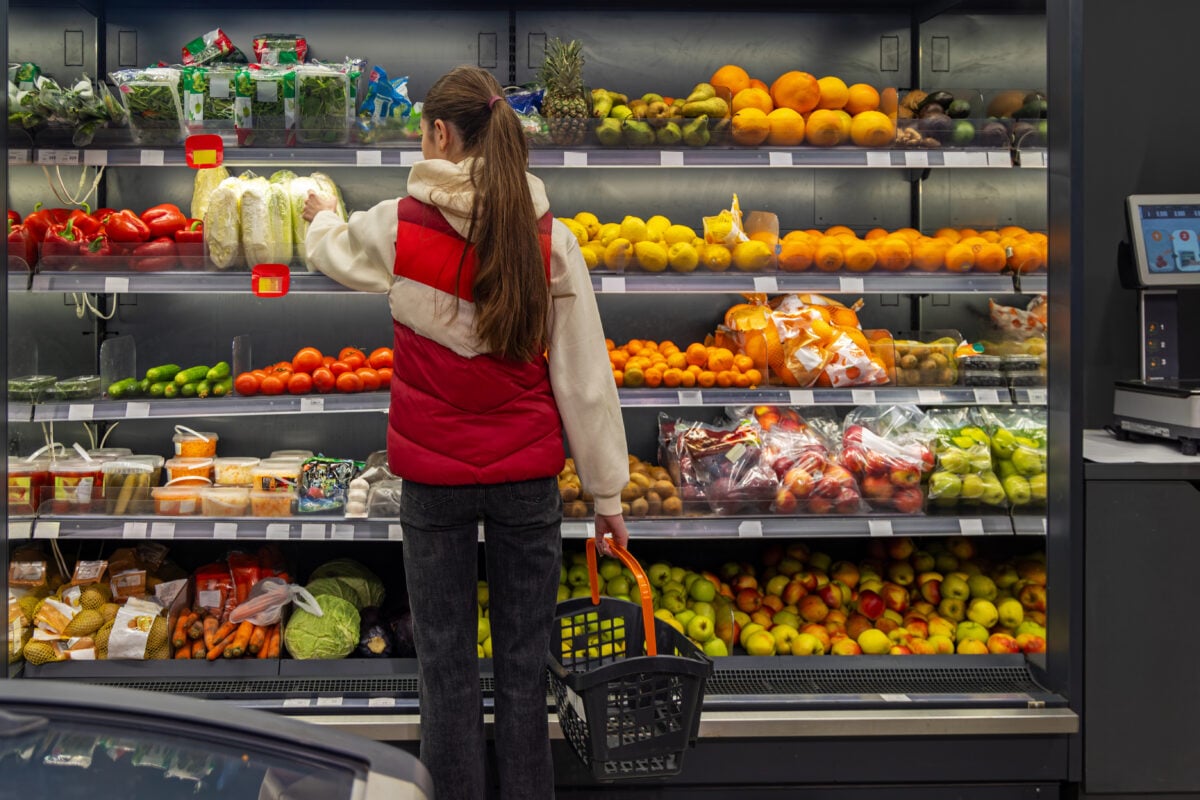
True health benefits happen when you focus on a “farm-to-fork” diet, eating whole foods that are naturally gluten-free. Focus your meals around:
- Fruits and vegetables
- Plain meat, poultry, fish, and eggs
- Beans and lentils
- Nuts and seeds
- Plain yogurt and cheese
- Potatoes and sweet potatoes
- Rice
- Quinoa
- Buckwheat
- Amaranth
- Millet
- Sorghum
If you are cutting back on highly processed gluten-free sweets, you may also want to learn about raw honey benefits and how natural sweeteners fit into a balanced diet.
A helpful rule:
Do not choose a food just because it says “gluten-free.” Choose it because it is made from simple, nourishing ingredients.
Bottom Line
Gluten-free does not always mean healthy, low-calorie, or weight-loss friendly.
If you need to avoid gluten, focus on naturally gluten-free whole foods most of the time. Use gluten-free breads, pastas, crackers, and desserts as occasional convenience foods, not the foundation of your diet.
For easy gluten-free breakfasts and snacks, chia seeds are a simple pantry staple. Try these chia seed recipes for pudding, parfaits, no-bake bites, and other filling ideas.
The Rewards: What Happens to Your Body When You Cut the Gluten?
If you suspect you have a sensitivity or you’re simply looking to reduce full-body inflammation, ditching gluten can trigger a powerful chain reaction of positive health benefits. When you clear the stealth proteins out of your digestive system and focus on clean, whole foods, here is what you can expect to experience:
- A Quieter, Happier Gut: The most immediate change is the end of the digestive rollercoaster. By eliminating the irritation caused by gluten, you can dramatically reduce uncomfortable bloating, unpredictable gas, stomach upset, and that heavy “brick-in-the-stomach” feeling after meals.
- All-Day, Sustained Energy: Say goodbye to the dreaded post-lunch crash. Without the heavy, inflammatory load of processed wheat dragging your system down, your body can finally channel its energy into keeping you vibrant and awake, rather than fighting to digest your food.
- Sharper Mental Clarity: The connection between your gut and your brain is incredibly powerful. Many people who eliminate gluten report that the frustrating “brain fog” lifts within just a couple of weeks, replaced by sharper focus, better memory, and a more balanced mood.
- Clearer, Brighter Skin: Inflammation internally often shows up externally on your face. Cutting out gluten has been shown to calm systemic inflammation, which frequently leads to fewer random blemishes, less redness, and a clearer, more radiant complexion.
- Soothed, Achyless Joints: Because gluten can trigger an inflammatory response that spreads throughout the body, it often settles in the joints. Removing it can help ease those mysterious daily aches and stiffness, making movement feel fluid and comfortable again.
Ultimately, taking control of what you put on your plate is one of the most rewarding experiments you can do for your health—so challenge yourself to go hidden-gluten-free for a few weeks, pay close attention to how you feel, and see just how vibrant your body and mind can truly be!
Who Actually Needs a Gluten-Free Diet?
Not everyone needs to avoid gluten.
A gluten-free diet is medically necessary for some people, but for others, gluten may not be a problem at all.
People who may need to avoid gluten include:
1. People With Celiac Disease
Celiac disease is an autoimmune condition. When someone with celiac disease eats gluten, their immune system reacts and can damage the small intestine over time. People with celiac disease need to follow a strict gluten-free diet for life.
2. People With Non-Celiac Gluten Sensitivity
Some people test negative for celiac disease but still feel better when they avoid gluten. This is often called non-celiac gluten sensitivity.
Symptoms may include bloating, stomach pain, diarrhea, constipation, fatigue, brain fog, or headaches. Unlike celiac disease, non-celiac gluten sensitivity does not cause the same autoimmune damage to the small intestine.
3. People With Wheat Allergy
A wheat allergy is different from celiac disease. It is an allergic reaction to wheat proteins and may cause symptoms such as hives, swelling, digestive symptoms, breathing issues, or, in severe cases, anaphylaxis.
People with wheat allergy need to avoid wheat, but they may not always need to avoid barley or rye unless advised by a healthcare professional.
4. People Advised by a Doctor or Dietitian
Some people may be told to avoid gluten temporarily or permanently based on their symptoms, diagnosis, or treatment plan.
Important: If you think gluten is causing symptoms, talk with a healthcare professional before cutting it out completely. Testing for celiac disease is more accurate when you are still eating gluten.
How to Get Tested for Celiac Disease or Gluten Sensitivity
If you think gluten is causing symptoms, do not remove gluten from your diet before talking with a doctor.
That may sound surprising, but it matters. Celiac testing is most accurate when you are still eating gluten. If you stop eating gluten first, your blood tests or biopsy results may come back normal even if gluten was part of the problem. NIDDK specifically says doctors do not recommend starting a gluten-free diet before diagnostic testing because it can affect results.
Common Steps for Celiac Disease Testing
A doctor may use:
- Blood tests to look for certain antibodies
- Small intestine biopsy to check for damage
- Genetic testing in some cases
- Skin biopsy if dermatitis herpetiformis is suspected
NIDDK says doctors most often use blood tests and small intestine biopsies to diagnose or rule out celiac disease.
What About Gluten Sensitivity?
There is no single standard test for non-celiac gluten sensitivity. Usually, doctors first rule out celiac disease and wheat allergy. Then they may guide you through a supervised elimination and reintroduction plan.
Symptoms Worth Discussing With a Doctor
Talk with a healthcare professional if you regularly notice symptoms after eating gluten-containing foods, such as:
- Bloating
- Diarrhea
- Constipation
- Stomach pain
- Nausea
- Fatigue
- Brain fog
- Headaches
- Skin rashes
- Unexplained weight loss
- Low iron
- Ongoing digestive problems
This is especially important if you have a family history of celiac disease or another autoimmune condition.
Wondering if you are intolerant or sensitive? This video shares some tips on how to find out if you should be reducing the gluten in your diet.
What “Gluten-Free” Really Means on a Package
When a package says “gluten-free,” it is not just a marketing phrase. In the United States, foods labeled gluten-free must meet FDA rules and contain less than 20 parts per million of gluten.
That tiny threshold matters because gluten can show up through shared equipment, processing, or ingredients that contain wheat, barley, rye, or malt.
You may see label claims such as:
- Gluten-free
- Certified gluten-free
- No gluten
- Free of gluten
- Without gluten
For many shoppers, these labels are the fastest way to spot safer packaged foods.
Gluten-Free vs. Certified Gluten-Free
A regular gluten-free label means the product must meet gluten-free labeling rules.
A certified gluten-free label usually means the product has been reviewed by a third-party certification group. This can be especially helpful for foods with a higher risk of cross-contact, such as:
- Oats
- Cereal
- Granola bars
- Sauces
- Snack foods
- Frozen meals
- Baked goods
One Label Mistake to Avoid
Do not rely only on the “contains wheat” statement.
That warning tells you whether the product contains wheat, but gluten can also come from barley, rye, triticale, malt, and brewer’s yeast. Those ingredients may not always be called out the same way wheat is.
A product can be wheat-free and still contain gluten.
Quick Takeaway
If you need to avoid gluten, look for gluten-free or certified gluten-free on packaged foods first. Then check the full ingredient list, especially on foods that are seasoned, flavored, thickened, coated, or highly processed.
Quick Gluten Foods Checklist
Before buying, cooking, or ordering food, do a quick gluten check.
Look for:
- Obvious gluten foods: bread, pasta, pizza crust, crackers, cakes, cookies, pastries, flour tortillas, regular noodles, beer, and cereals made with wheat, barley, or malt
- Hidden gluten foods: soy sauce, salad dressings, marinades, canned soups, gravy, seasoning mixes, deli meats, veggie burgers, French fries, flavored chips, candy, ice cream with mix-ins, instant oatmeal, pickles, and condiments
- Gluten ingredients: wheat, barley, rye, triticale, malt, malt extract, malt flavoring, malt vinegar, brewer’s yeast, wheat starch, wheat flour, semolina, durum, spelt, farro, bulgur, couscous, and hydrolyzed wheat protein
- Higher-risk packaged foods: frozen meals, sauce packets, flavored rice mixes, boxed potatoes, granola bars, protein bars, seasoned nuts, bouillon cubes, imitation crab, breakfast cereals, and meat substitutes
- Safer label clues: gluten-free, certified gluten-free, free of gluten, no gluten, or without gluten
When in doubt, flip the package over, scan the full ingredient list, and choose a certified gluten-free option when possible.
Another way to eat more whole, simple foods is to shop closer to the source. The local food movement can help you find fresher ingredients and feel more connected to what you eat.
The bottom line: gluten is easy to spot in bread and pasta, but it often hides in sauces, seasonings, snacks, and packaged foods. Once you know what to look for, avoiding it becomes much simpler.
Healthy Eating Beyond Gluten
Avoiding gluten can be important if you have celiac disease, gluten sensitivity, a wheat allergy, or another medical reason to cut it out. But gluten is only one part of the bigger picture.

A truly healthy diet is not just about removing one ingredient. It is about building meals around real, nourishing foods most of the time.
Focus on:
- Fruits and vegetables
- Beans, lentils, nuts, and seeds
- Simple whole-food meals
- High-quality protein
- Naturally gluten-free grains like rice, quinoa, buckwheat, millet, and amaranth
- Less added sugar and fewer ultra-processed foods
- More home-cooked meals when possible
This matters because a food can be labeled gluten-free and still be highly processed. Gluten-free cookies, crackers, snack bars, frozen pizzas, and packaged desserts may still contain refined starches, added sugars, oils, and sodium.
When cooking gluten-free meals at home, the oil you use matters too. This guide to canola oil vs. olive oil vs. vegetable oil vs. coconut oil can help you choose better fats for everyday cooking.
More Healthy Eating Guides to Explore
Going gluten-free can be an important step, but it is only one part of building a healthier diet. For a more balanced approach to food, ingredients, and everyday meals, you may also want to read:
- How to Create a Healthy Eating Plan That Actually Works
- Healthy Family Meals: Simple Ideas for Better Eating at Home
- Vegan vs. Vegetarian: What’s the Difference?
- High-Fructose Corn Syrup Health Risks
- Factory Farming Facts and Why They Matter
- Green Tea Benefits for Your Health
- Raw Honey Benefits and Uses
The goal is not to obsess over every ingredient. It is to become more aware of what is in your food, choose simple ingredients more often, and make packaged foods the backup plan instead of the foundation of your diet.
Bottom line: if you need to avoid gluten, do it carefully. But do not stop there. The healthiest gluten-free diet is still built on whole foods, balanced meals, and everyday choices that support your body long term.
What Surprised You Most About Hidden Gluten?
Gluten can hide in unexpected places, from soy sauce and soups to candy, chips, and restaurant fries.
Have you found gluten in a food you thought was safe? Share your experience, favorite gluten-free swaps, or label-reading tips in the comments below.