Energy Vampires Are Everywhere (But Easy To Defeat): Tiny Habits That Cut Your Power Bill Fast

When you purchase through links on our site, we may earn a commission. Here’s how it works.
Most people picture energy conservation as expensive upgrades or extreme lifestyle changes. The truth is that many homes lose a surprising amount of energy in small, everyday ways you barely notice.
Table of Contents
Phantom power from electronics. Leaky windows. Empty rooms that stay heated or cooled for no reason. These are the quiet energy vampires hiding in plain sight.
The good news is that you can cut energy waste today with simple habits. Some take less than a minute. Some cost nothing at all.
And all of them help protect the planet while lowering your bills.
Want our human-written content to rank above AI-generated garbage? Help us out by clicking this button!

Spot The Energy Vampires In Your Home
Before you dive into the fixes, it helps to know where energy waste hides. These are the most common “energy vampires” lurking in everyday spaces.
Top 8 Energy Vampires (Printable Checklist)
- Devices that stay plugged in all day
- Chargers left in outlets after use
- TVs, gaming systems, and computers on standby
- Rooms kept heated or cooled when nobody is in them
- Drafty windows or doors
- Old bulbs that run hotter and use more power
- Small appliances with always-on indicator lights
- Fridges and freezers that run inefficiently when not full
Use this as a quick scan of your home to target the biggest drains first.
Quick Wins You Can Do Today
These changes take under 5 minutes and make a real difference.
- Turn off or unplug devices you rarely use. Phone chargers, lamps, and small appliances pull power even when they’re not in use.
- Use power strips for anything with a bulky plug. One switch cuts off all phantom load at once.
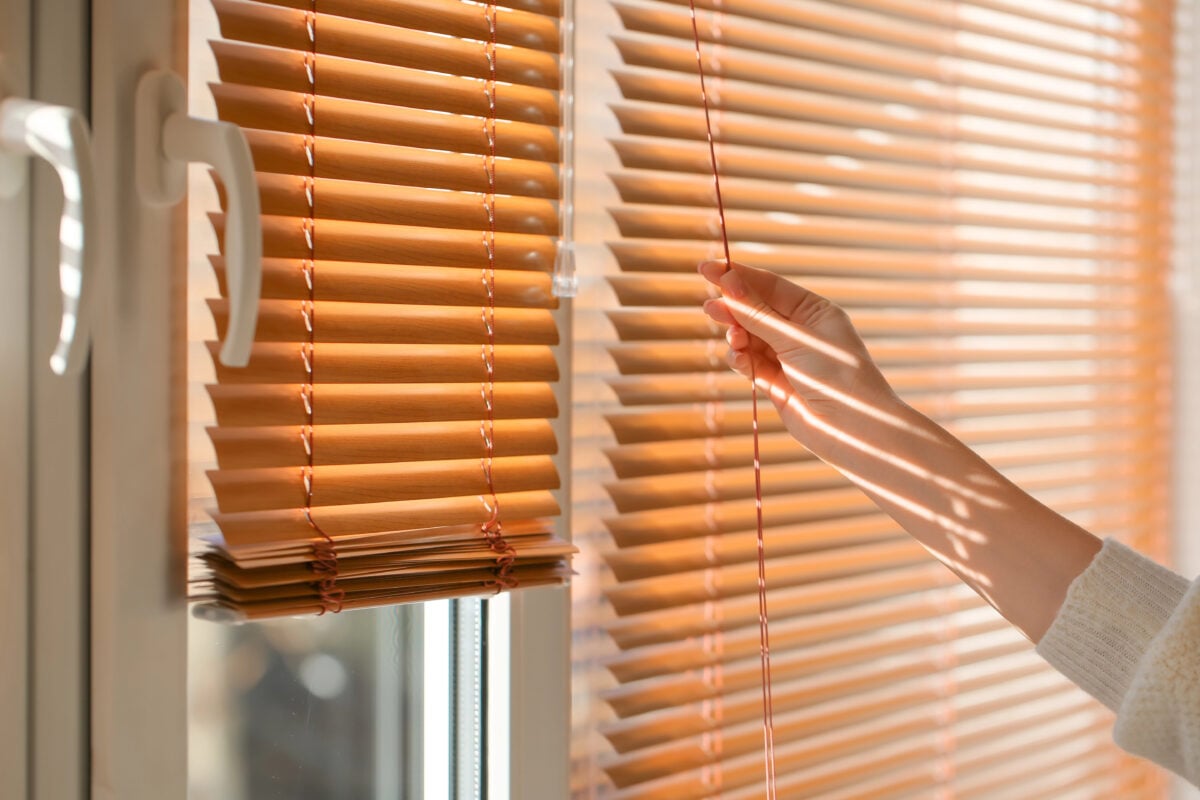
- Close blinds during the hottest hours. Up to 80 percent of your home’s heat enters through windows.
- Turn off fans when you leave a room. Fans cool people, not rooms.
- Check your thermostat settings. A two-degree adjustment saves more than most people realize.
3 Areas Your Home Loses Energy The Fastest
Energy loss usually comes from the same three areas. Fixing these first gets you the biggest return.
1. Windows That Let Heat In Or Out
If your home feels drafty in winter or overly hot in summer, your windows are probably the culprit. Use blinds, shades, or curtains during peak daylight. Insulated curtains help even more.
2. HVAC Systems Working Too Hard
Your heating and cooling system is the largest energy user in your home. A programmable thermostat adjusts automatically to your schedule so you’re not heating or cooling an empty home.
3. Electronics Pulling Power All Day
Even when turned off, plugged-in devices pull electricity. Unplug unnecessary items or group them on a power strip so you can switch everything off at once.
4 Smart Habits That Save Energy All Year
Small daily habits add up quickly.
- Keep doors and vents open for better airflow. Closed rooms put more pressure on your HVAC system.
- Change your air filters regularly. Dirty filters make your system run longer and harder.
- Use natural light when possible. Open a window instead of flipping a switch.
- Wash laundry with cold water. Hot water takes far more energy to produce.
The Kitchen: The Sneakiest Energy Hog
Your kitchen has more energy-consuming appliances than any other room in your home. For the best energy conservation, switch to Energy Star-rated appliances.
The Refrigerator
The fridge uses more energy than any other appliance. Grab what you need quickly so cold air doesn’t escape, and avoid leaving the door open while you browse.
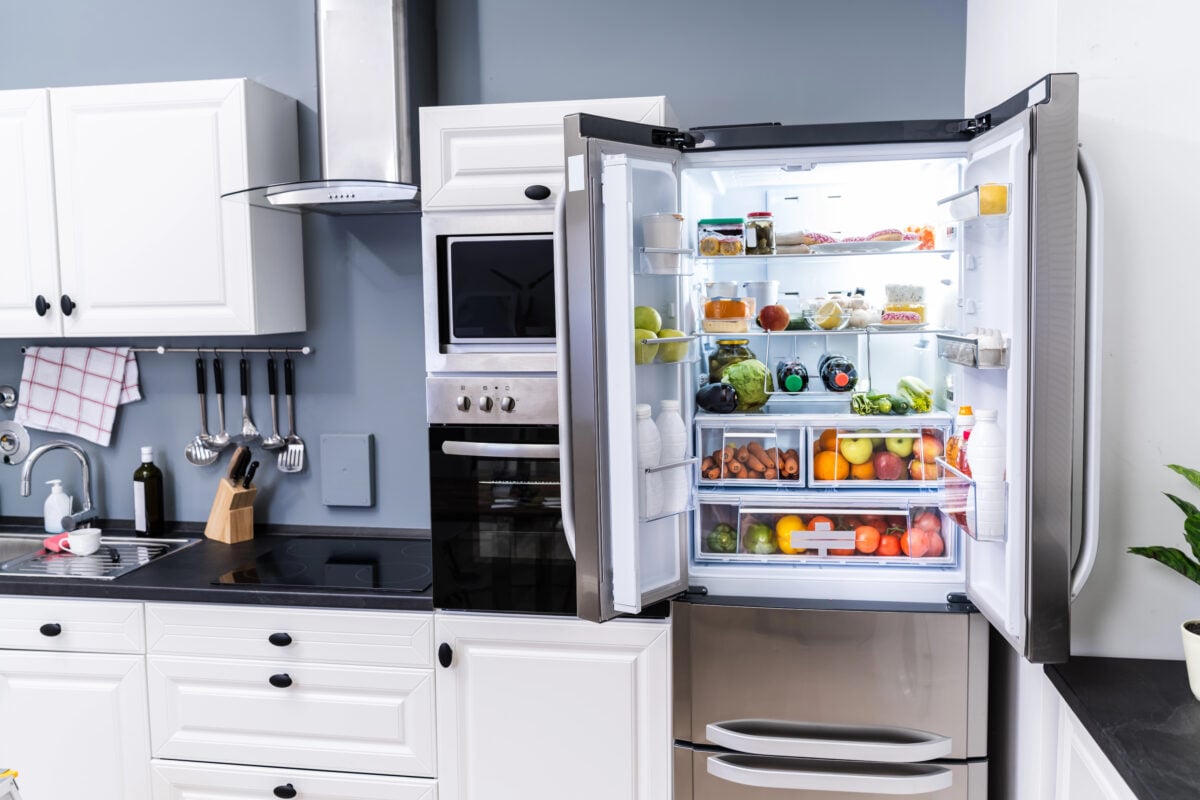
Fun fact: A full fridge actually holds temperature better than an empty one.
The Oven
Avoid setting the temperature higher than needed. Batch-cook multiple items at once, and turn the oven off 10 to 15 minutes early so the residual heat finishes the job.
4 Myths About Saving Energy That People Still Believe
These myths still circulate, but they don’t hold up.
- Myth 1: Leaving lights on uses less energy than turning them off. Turning them off always saves money.
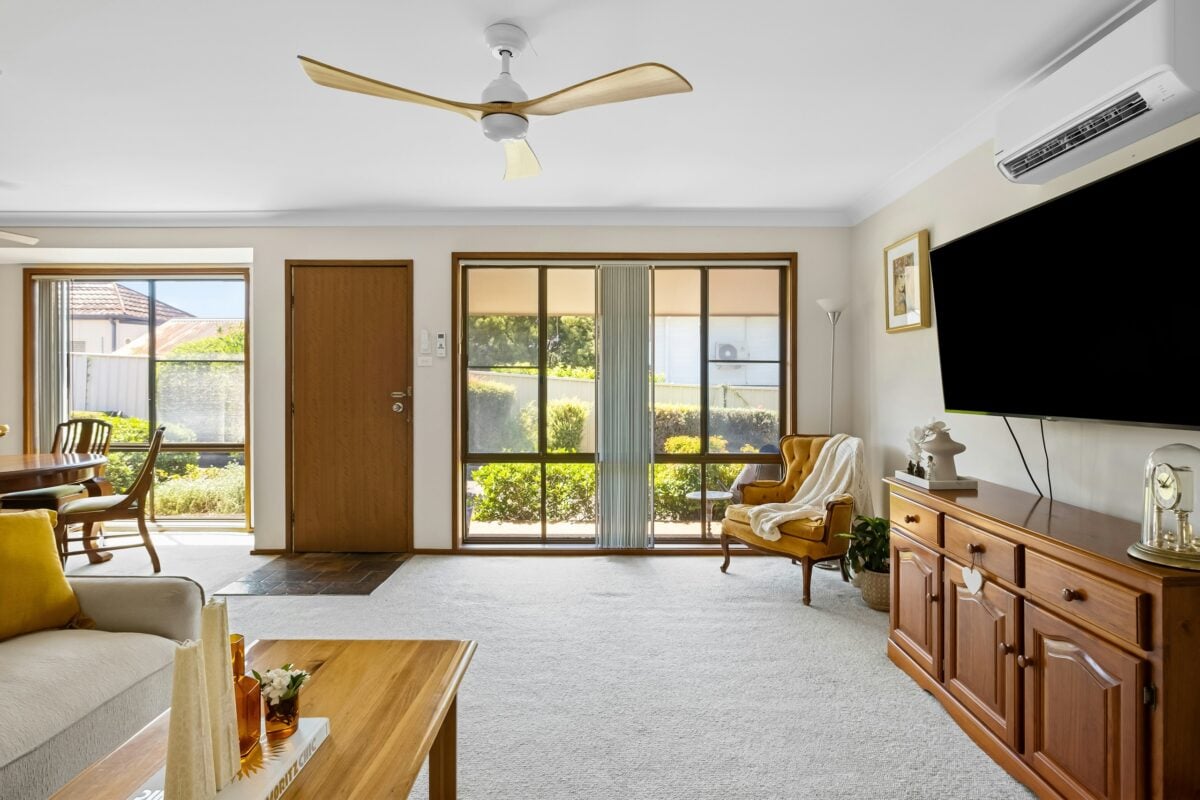
- Myth 2: Ceiling fans cool rooms. Fans cool your skin, not the space. Turn them off when you leave.
- Myth 3: A phone charger only uses power when a phone is plugged in. Most draw a small amount of power all day.
- Myth 4: A screensaver saves energy. Screensavers actually use energy. Sleep mode does not.
Small Upgrades With Big Impact
These low-cost improvements increase comfort and reduce waste.
- LED bulbs: Long-lasting and highly efficient.
- Smart thermostats: Automatically adjust temperatures and help you avoid unnecessary heating or cooling.
- Weatherstripping and draft stoppers: Seal gaps around doors and windows to keep heated or cooled air where it belongs.
- Smart plugs: Automatically cut power to unused devices.
Seasonal Tips That Boost Efficiency
Some habits work year-round, but a few seasonal tweaks can make your home even more efficient.
In Summer
- Keep blinds closed on the sunniest sides of your home
- Run ceiling fans counterclockwise to improve airflow
- Use appliances like ovens during cooler hours
In Winter
- Open blinds during the day for passive warmth
- Close them at night to retain heat
- Seal drafts around doors and windows to prevent heat loss
Year-Round
- Replace air filters regularly
- Use LED bulbs
- Unplug devices that draw standby power
These small shifts match the season and help control your home’s overall energy use.
10 Significant Upgrades That Make A Big Impact
Once you’ve mastered the daily habits, these higher-investment upgrades can deliver some of the most dramatic long-term energy savings.
They’re not quick fixes, but they make your home more efficient, more comfortable, and less expensive to run over time.
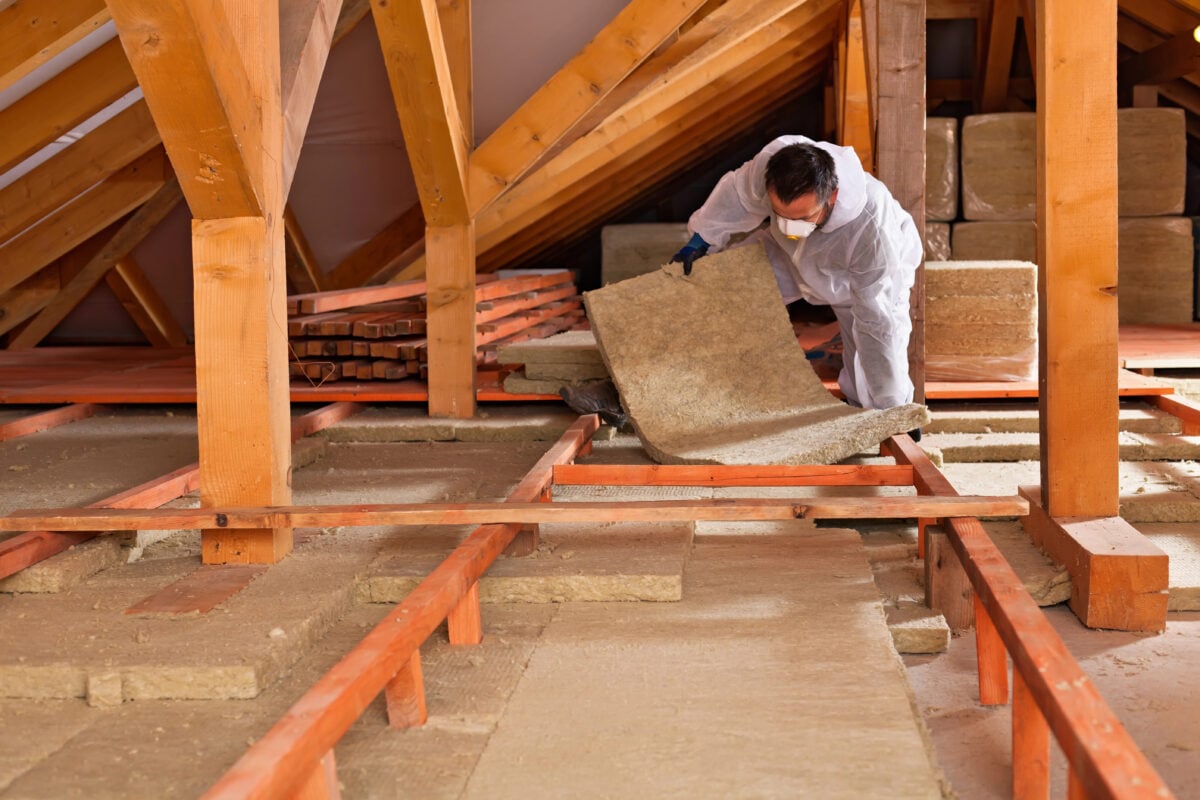
1. Improve Attic Or Whole-Home Insulation
Adding insulation or upgrading older materials strengthens your home’s thermal envelope. This reduces the transfer of hot and cold air and prevents your heating and cooling systems from working overtime.
2. Seal Air Leaks & Improve Ductwork
Professional air and duct sealing prevents hot or cold air from escaping your home. This upgrade often pairs well with new insulation for even better overall performance.
3. Upgrade Your Windows
Switching to double-pane or triple-pane insulated windows reduces heat loss in winter and heat gain in summer. It’s one of the most effective long-term upgrades for stabilizing indoor temperature and lowering HVAC demand.
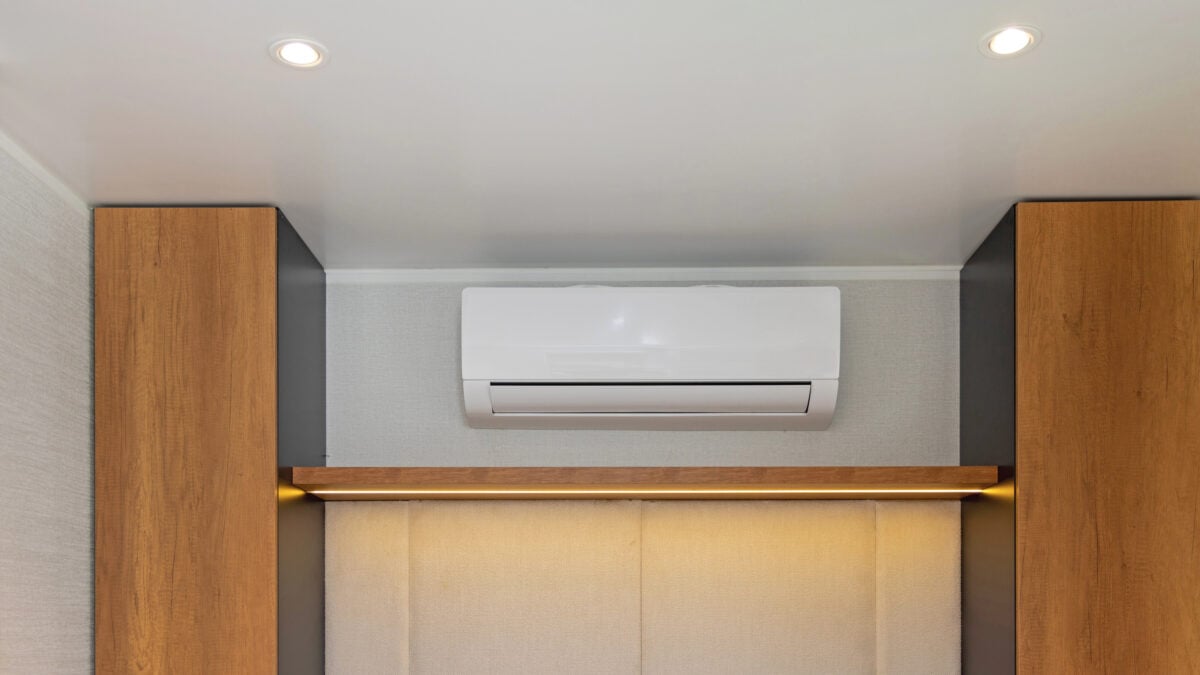
4. Install A High-Efficiency Heat Pump Or Mini-Split System
Modern heat pumps heat and cool far more efficiently than traditional systems. Mini-splits offer room-by-room control, making them ideal for older homes, additions, or homes with inconsistent temperatures.
5. Upgrade To A Heat Pump Water Heater
Water heating is one of the most significant energy uses in the home. Heat pump water heaters use significantly less power than traditional electric models and can cut water-heating costs for years.
6. Choose Energy-Efficient Washers & Dryers
Energy Star laundry appliances use less water, less heat, and shorter cycles. If your washer or dryer is more than a decade old, upgrading can create meaningful long-term savings.
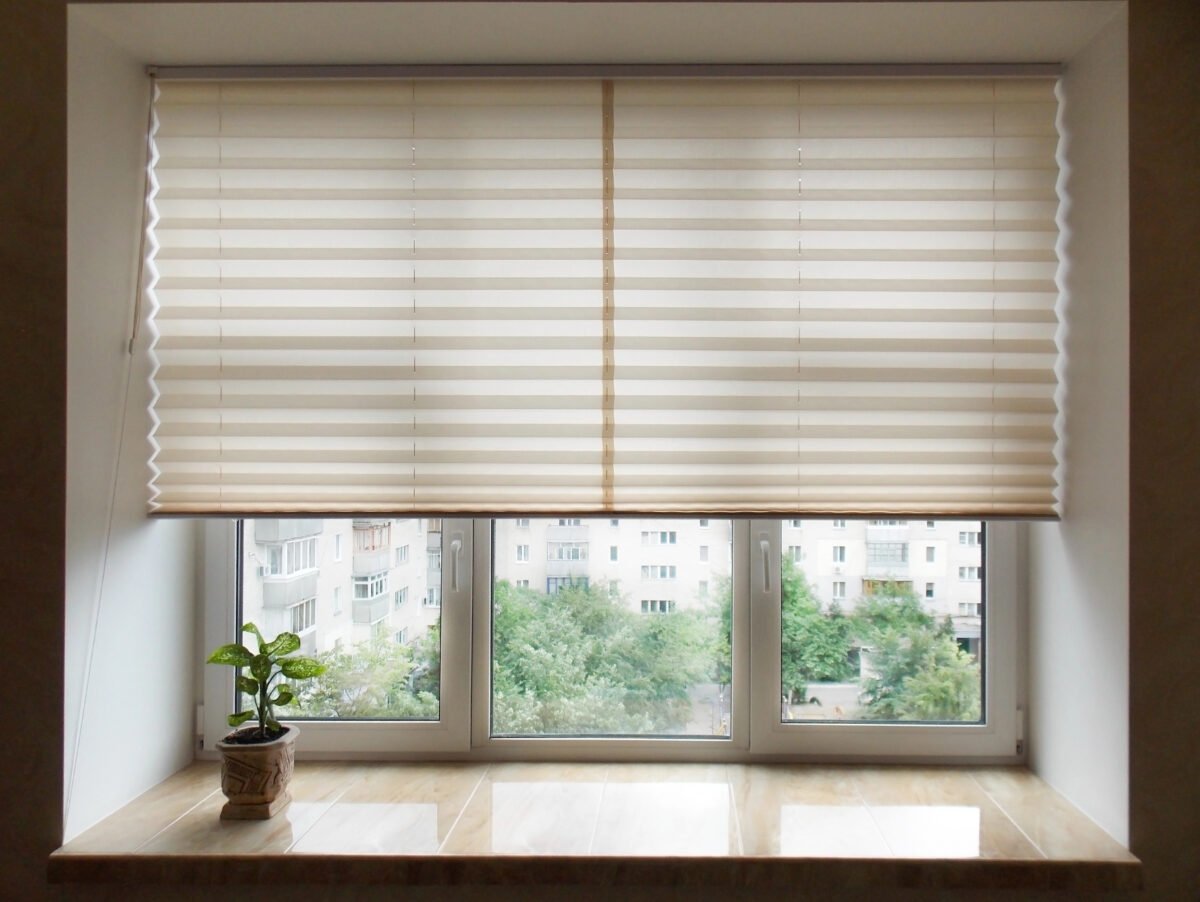
7. Install Cellular Or Thermal Window Treatments
Cellular shades, insulated curtains, and Low-E window films help regulate indoor temperatures by reducing heat transfer through your windows. They’re a powerful upgrade even if you’re not replacing the windows themselves.
8. Upgrade To An Insulated Garage Door
An uninsulated garage can dramatically affect nearby rooms. Installing an insulated door helps stabilize temperature and reduces strain on your HVAC system.
9. Add A Whole-Home Energy Monitoring System
Installed at the electrical panel, home energy monitors reveal exactly where your power is going. This data helps you spot hidden energy vampires and reduce waste over time.
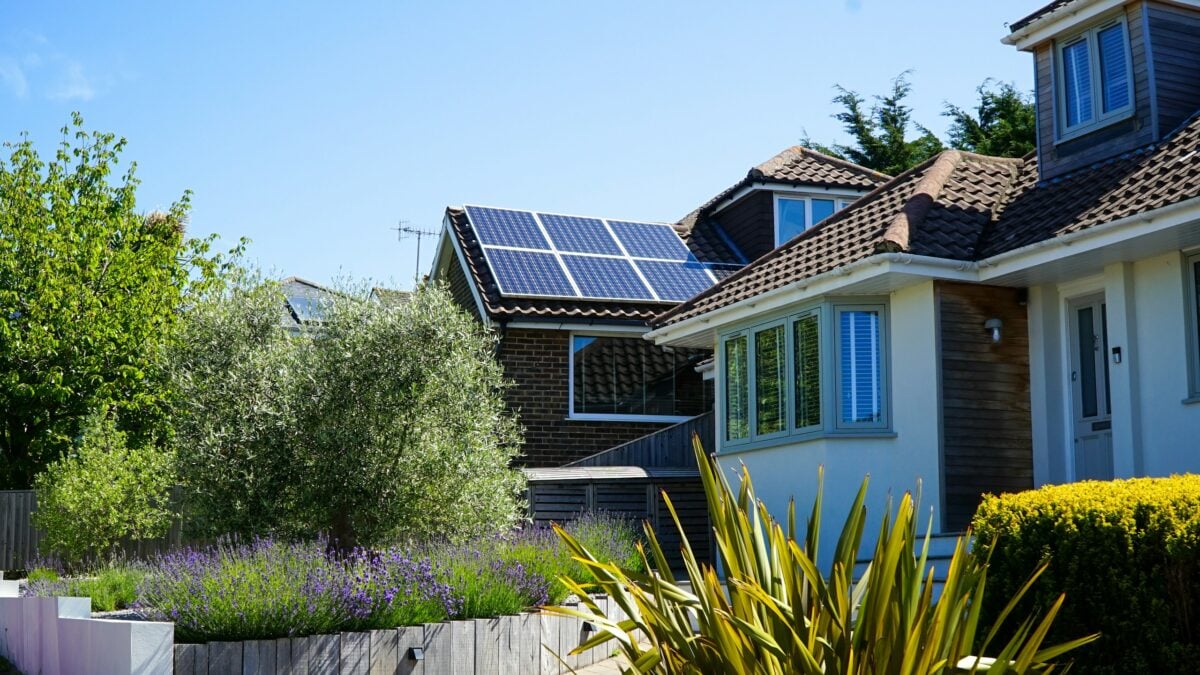
10. Explore Solar Energy Options
Solar panels can offset a large portion of your electricity use and reduce long-term dependence on the grid. Even small systems offer strong benefits once your home is already energy-efficient.
Why Conserving Energy Matters
Saving energy is about much more than lowering your power bill. It’s about reducing strain on natural resources, cutting emissions, and adopting habits that support a cleaner, healthier planet.
Every small change adds up, especially when millions of people participate.
Frequently Asked Questions
Saving energy often comes down to understanding how your home uses power and where the most significant opportunities for change are. These frequently asked questions break down the answers into simple, practical steps you can use today.
Don’t see your question? Respond in the comments, and we’ll get back to you!
What Wastes The Most Energy In The Average Home?
Heating and cooling systems consume the most energy. Water heating, large appliances, and electronics follow close behind. Small daily habits can reduce the load across all categories.
Does Unplugging Devices Really Save Energy?
Yes. Many devices draw electricity even when they appear to be off, a phenomenon known as phantom load. Unplugging or using smart plugs can significantly reduce this hidden usage.
Should I Turn The AC Off When I Leave The House?
Raising the temperature is usually more efficient than turning the system completely off. A smart thermostat can make these adjustments automatically to save energy without sacrificing comfort.
Do Fans Cool The Room Or The People In It?
Fans cool the person by increasing airflow across the skin. They do not cool the room itself, so turning them off when you leave saves energy without affecting temperature.
How Much Can Changing My Thermostat Actually Save?
A slight adjustment goes further than most people expect. Raising or lowering your thermostat by just two to four degrees can reduce your energy use and lower bills over time.
Is It Better To Hand-Wash Dishes Or Use The Dishwasher?
Using an Energy Star-rated dishwasher is often more efficient than washing dishes by hand. It uses less water and heats it more efficiently than most sinks.
What Appliances Use Energy Even When They’re Off?
Phone chargers, gaming consoles, microwaves, televisions, and any device with a digital display continue to draw power even when plugged in. Smart plugs or power strips help cut off this standby usage.
Do LED Bulbs Really Make A Difference?
LED bulbs last longer and use significantly less energy than traditional bulbs or CFLs. They are one of the easiest, highest-impact upgrades you can make in any home.
Does Keeping Blinds Closed Affect Energy Use?
Yes. Closing blinds during hot hours reduces heat entering your home, while opening them on cold sunny days allows passive warming. Managing sunlight is one of the simplest ways to support your HVAC system.
Does Using Cold Water For Laundry Actually Help?
Washing with cold water reduces the energy used to heat water, which accounts for a large portion of laundry-related energy use. Most detergents work effectively in cold cycles.
Is Preheating The Oven Always Necessary?
Preheating helps with some recipes, but not all. For many baked dishes, you can put the food in while the oven is coming up to temperature, saving energy in the process.
What’s The Easiest Energy-Saving Change I Can Make Today?
Adjusting your thermostat, unplugging unused devices, and closing blinds during peak sunlight hours are quick habits that deliver immediate results. Small, consistent changes often create the biggest long-term savings.
Ready To Take Your Energy Savings Further?
Thinking about taking your energy savings to the next level? Solar panels can dramatically reduce long-term power costs and shrink your home’s environmental footprint. Explore our comparison of today’s best solar panel companies to see which one fits your home and budget.