When you purchase through links on our site, we may earn a commission. Here’s how it works.
If you’ve ever stared at the ceiling at 2 a.m., wondering why your body won’t shut down, you’re not alone. Poor sleep affects nearly every part of life — from your mood and focus to how your body heals.
Table of Contents
After 10 years in the health and wellness world, I’ve seen how deeply sleep struggles wear people down.
The good news? There are natural, science-backed ways to help your body remember how to rest — no prescriptions required.
The 3-Second Truth About Sleep
We’ve normalized exhaustion. Most of us run on caffeine and then wonder why our bodies feel broken.
Want our human-written content to rank above AI-generated garbage? Help us out by clicking this button!
Sleep isn’t a luxury; it’s the foundation for focus, energy, and emotional balance. Yet it’s the first thing we sacrifice when life gets busy.
The truth? You can’t heal, think clearly, or stay well without it. But you can retrain your body to rest naturally again.
When Your Brain Won’t Shut Off: Why Sleep Feels So Hard Now
Between blue-light screens, busy schedules, and caffeine disguised as “afternoon productivity,” it’s no wonder most people’s brains don’t get the memo that it’s bedtime. Modern life constantly tells your body it’s still daytime.
Whenever I’m helping someone find a natural sleep fix, I always start with a few simple questions:
- Is it falling asleep or staying asleep that’s hard?
- What does your bedtime routine look like?
- Do you carry daytime stress into the night?
These answers almost always reveal the root cause of sleep disturbance.
Common Sleep Disruptors
- Stress and anxiety
- Lack of exercise
- Aging
- Diet, in particular sugar and alcohol
- Stimulants (caffeine, thyroid meds, decongestants)
- Hormonal shifts (like menopause)
- Vitamin or mineral deficiencies (B12, iron, magnesium)
- Breathing issues such as asthma or sleep apnea
- Restless leg syndrome
- Indigestion or chronic pain
Once you know the “why,” the proper natural remedy often becomes obvious.
Eat For Better Sleep: Dinner Rules That Make A Difference
Your evening plate sets the stage for how easily you’ll nod off.
Aim for foods rich in tryptophan, the amino acid that boosts serotonin and melatonin. Turkey, chicken, tofu, and chickpeas are excellent sources.
Pair them with complex carbs, such as brown rice or whole-grain pasta, for extra relaxation.
Avoid heavy, sugary, or high-fat meals that can cause indigestion. Skip caffeine and alcohol near bedtime — each one can fragment deep sleep.
Drink water steadily through the day, not right before lights-out, to prevent 2 a.m. wake-ups.
Watch: For a quick look at some bedtime snacks can support better sleep, watch this short video from a registered dietitian who shares simple, science-backed snack ideas you can prep in minutes.
Quick Takeaway: Evening food should relax, not rev you up. Light, balanced meals help your body shift naturally toward rest.
Food is a powerful foundation for rest, but sometimes your body needs a little extra help. That’s where supplements come in.
Top 8 Supplements For Sleep Support
If you’ve cleaned up your evening routine but still can’t drift off, targeted supplements can help your body remember how to rest. Think of these as gentle nudges — not knockout pills.
- Melatonin – Best for resetting your circadian rhythm after travel or schedule changes. Too much can actually confuse your internal clock.
- 5-HTP (Hydroxytryptophan) – Converts to serotonin, which your body uses to make melatonin. Great if low mood and restless nights go hand in hand.
- GABA – Calms overactive neurons and helps you shift out of “think about everything” mode.
- L-Theanine – The green-tea amino acid that increases alpha brain waves for relaxation without drowsiness.
- Herbal blends – Valerian, chamomile, lemon balm, and passionflower all promote GABA activity, contributing to a natural sense of calm.
- Magnesium – The relaxation mineral. Magnesium glycinate for muscle release, L-threonate for the brain, and citrate for general health.
- Cannabinoids (CBD, CBN, THC) – These compounds interact with the body’s endocannabinoid system, which helps regulate stress, pain, and sleep. CBN, in particular, has been studied for its ability to support sleep cycles and promote deeper, restful sleep.
- Homeopathics – Choose a remedy that fits your pattern: anxiety, restlessness, sleeplessness after rich food or alcohol, or overthinking.
Important Note About Melatonin
Recent research (November 2025) found that long-term use of melatonin supplements, often taken to support sleep and manage insomnia, may be linked to a higher risk of heart failure diagnosis.
While melatonin can be helpful in short-term situations like jet lag or schedule changes, it’s not always effective for chronic sleep issues. Because melatonin is a hormone your body naturally produces, taking it regularly may not improve sleep quality for most people.
Which Sleep Aid Supplement Is Best for You?
There is no single best remedy for everyone. The most effective option depends on what is keeping you awake.
If you have trouble falling asleep, consider using sedative herbs like valerian root or hops. Oregon’s Wild Harvest makes an organic Valerian Hops tincture that combines the two.
If you fall asleep easily but wake up during the night, stress may be a contributing factor. Adaptogenic herbs like ashwagandha or passionflower can help calm the nervous system.
If pain keeps you awake, consider CBD, California poppy, or skullcap tincture. For restless legs, try apple cider vinegar or a homeopathic formula to support circulation and relieve tension.
If your insomnia is linked to depression, St. John’s Wort may help. (Do not take this herb if you are on a prescription antidepressant.)
And for older adults, supplementing with vitamin B12 (1,000 mcg sublingual) may improve both energy and sleep quality.
Where To Start
While you should always consult your doctor to check for any contraindications or potential interactions with medications, magnesium is typically a safe starting point.
Studies suggest that up to 80% of adults may be deficient in magnesium, which can affect sleep, stress levels, and muscle recovery.
Start with magnesium glycinate about an hour before bed. It’s gentle on the stomach and especially effective for relaxation.
If swallowing capsules isn’t your style, your nightly ritual can still work in your favor. Some of the best natural relaxants are hiding in your teacup.
Sip Your Way To Sleep
Your nighttime drink is more powerful than it looks.
Herbal teas act like gentle sedatives for the nervous system. Try:
- Chamomile – classic for winding down
- Lemon balm – reduces anxiety and racing thoughts
- Passionflower – calms an overactive mind
- Valerian root – helps with stubborn insomnia
For a quality blend, I like the Traditional Medicinal Organic Night Night teas.

Tart cherry juice provides a natural melatonin boost and has been shown to extend total sleep time by up to 90 minutes.
Golden milk (turmeric + plant milk) or a lavender latte can soothe digestion and stress in one cup.
And for the TikTok crowd, the magnesium mocktail — a fizzy mix of tart cherry juice and magnesium powder — really can help you drift off without hangover haze.
Quick Takeaway: Swap your wine or dessert for an herbal brew or cherry mocktail. You’ll sleep more deeply and wake clearer.
Once you’ve found your favorite bedtime drink, another sense can instantly calm the body — smell. A few drops of the right scent can shift your whole nervous system toward rest.
The Power Of Scent
Smell is the fastest route to your nervous system. Inhaling certain essential oils signals your brain to hit the brakes.
Lavender remains the research favorite, but ylang-ylang, marjoram, and cedarwood are equally grounding. Clary sage supports hormone balance and stress relief.
Diffuse essential oils 30 minutes before bed, or mist your pillowcase. Keep scents subtle; too strong can wake you instead of calming you.
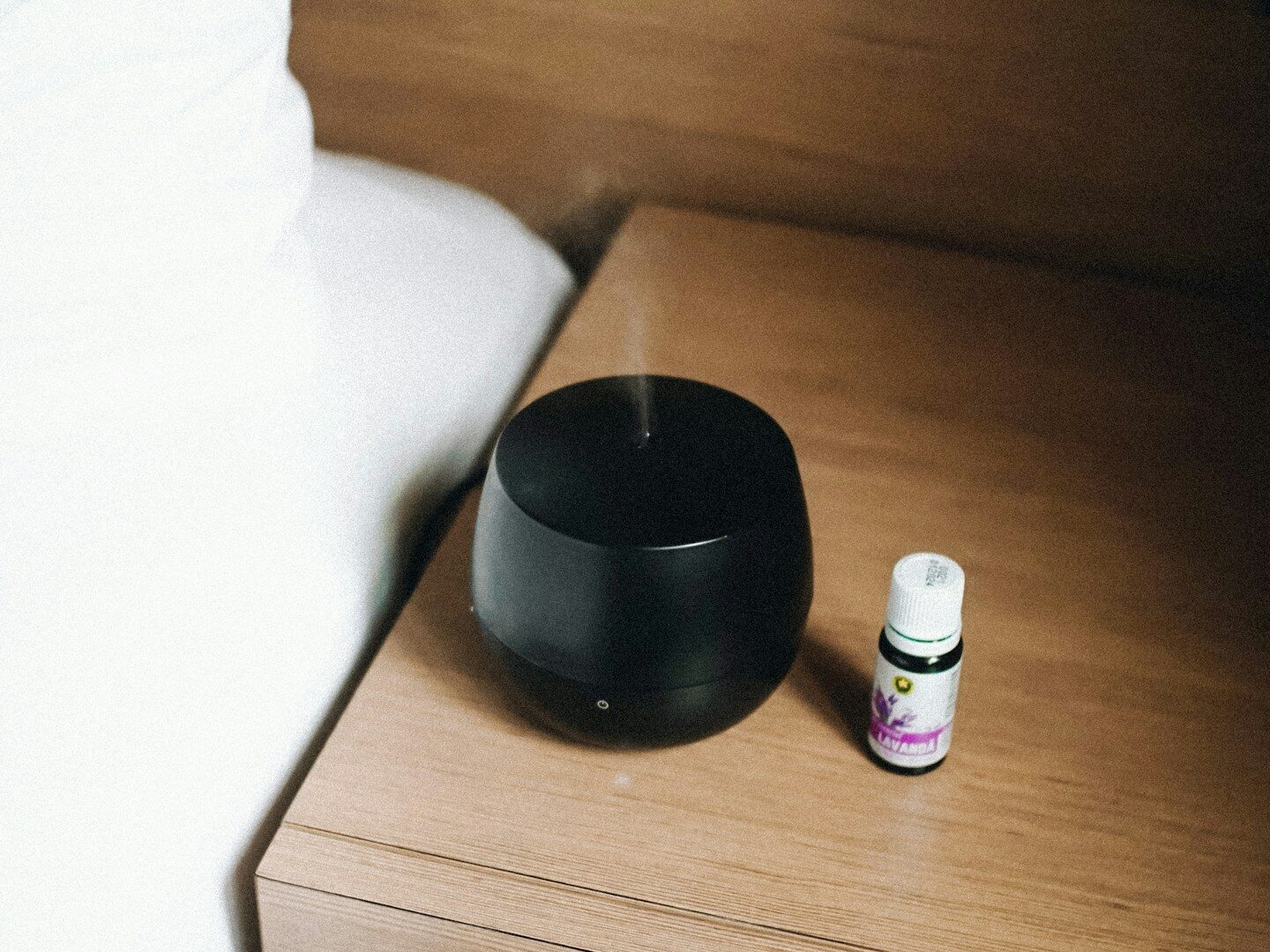
Quick Takeaway: Scent is science. A little lavender or marjoram oil in your diffuser can lower your heart rate and cue proper rest. Learn more in our essential oils guide.
Scent sets the mood, but touch takes it further. Warm water and gentle massage can quiet tension in ways no supplement or scent can match.
Relaxation Therapies: Massage & Hydrotherapy
When tension lives in your muscles, it can keep your body in “alert” mode even when your mind is ready to rest. That’s where touch and warm water come in — two simple tools that help release physical stress and prepare your body for sleep.
Hydrotherapy
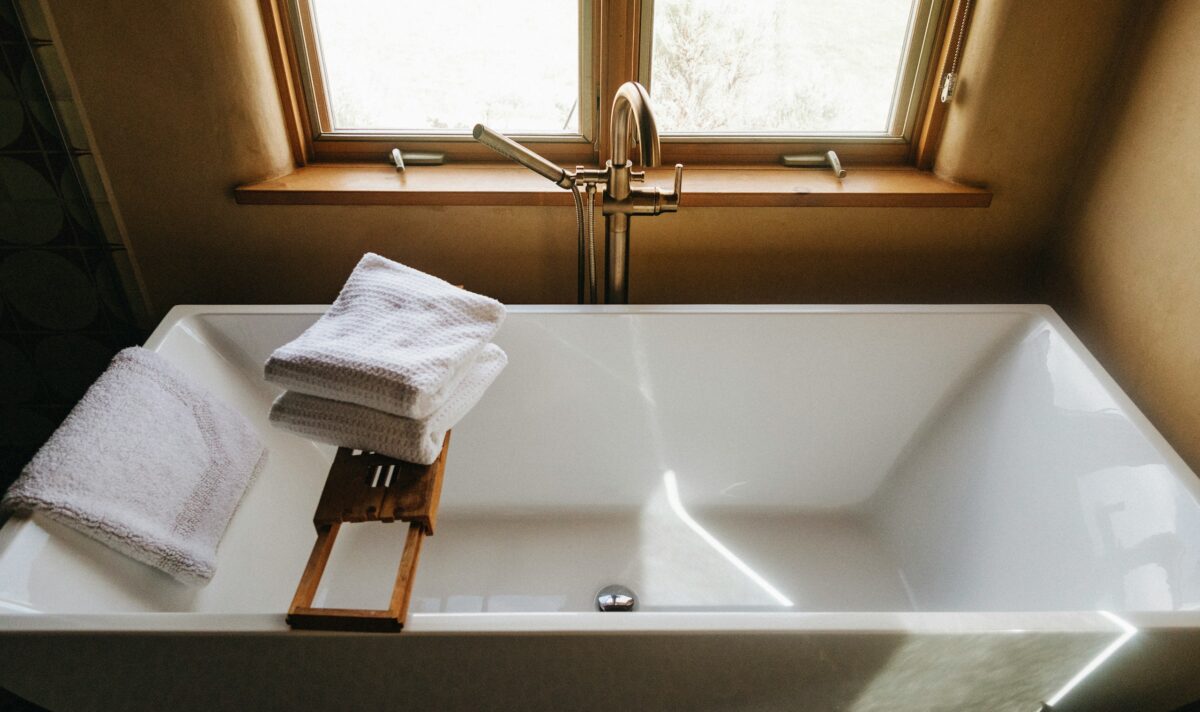
A 15-minute bath with Epsom salts or magnesium flakes raises your core temperature slightly, and the gradual cooling afterward triggers drowsiness.
Add a few drops of lavender or ylang-ylang oil to deepen the calm.
Massage
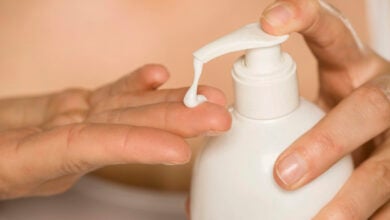
Gentle self-massage on the shoulders, feet, or temples can help reduce cortisol levels and improve circulation. You can use magnesium lotion or a tension-easing oil like ginger or lavender to help loosen tight muscles and quiet your body before bed.
Where To Start: Try a warm bath followed by light massage before bed. The combination of heat, touch, and quiet helps the body release tension naturally, setting the stage for deeper rest.
After scent and touch, the next sense that shapes your sleep is sound. The right kind of background noise doesn’t just mask distractions — it trains your brain to stay asleep.
Sound Off: Noise That Helps You Sleep
Silence can actually make your brain more alert. That is why gentle, consistent background noise can help you stay asleep longer.
- White noise works like a sound blanket, masking sudden noises from neighbors or traffic.
- Pink noise mimics natural rhythms such as ocean waves or steady rainfall and may enhance deep sleep stages.
- Brown noise has a lower, deeper tone that many people find soothing when their thoughts start to race.
If you’re unsure where to start, consider using free apps or smart sound machines that adjust frequencies as you sleep.
Watch: Curious which frequencies actually help your brain relax? In this video, a neuroscientist breaks down the sound ranges she recommends for deeper sleep.
Sound isn’t the only cue your brain listens to. Light tells your body when to stay alert and when to rest, and most of us are sending the wrong message.
Light Therapy & Sleep Tech That Works (Not Wires You Up)
Your brain’s melatonin clock runs on light cues. Too much blue light from screens tells your body it’s still daytime — even if it’s midnight.
Start mornings with bright natural light or a sunrise lamp to set your circadian rhythm. In the evening, let light fade gradually with sunset simulators or dimmable bulbs.
If screens are unavoidable, blue-light-blocking glasses can reduce melatonin suppression.
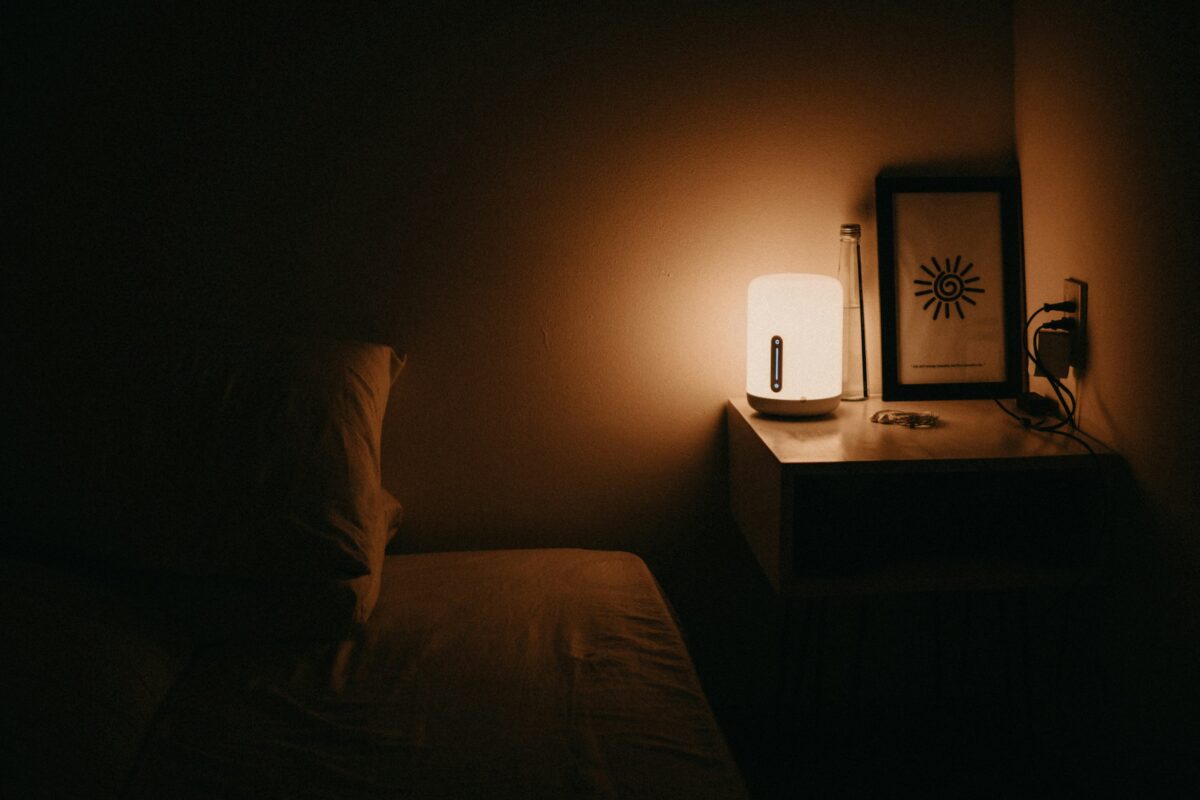
Quick Takeaway: Keep mornings bright and nights dim. Your hormones will start syncing with your lighting schedule again.
All the gadgets in the world can’t override an anxious mind. Real rest starts from the inside out, and it’s easier to train than you think.
The Mind–Body Connection
You can’t force sleep, but you can make it easier for your body to surrender.
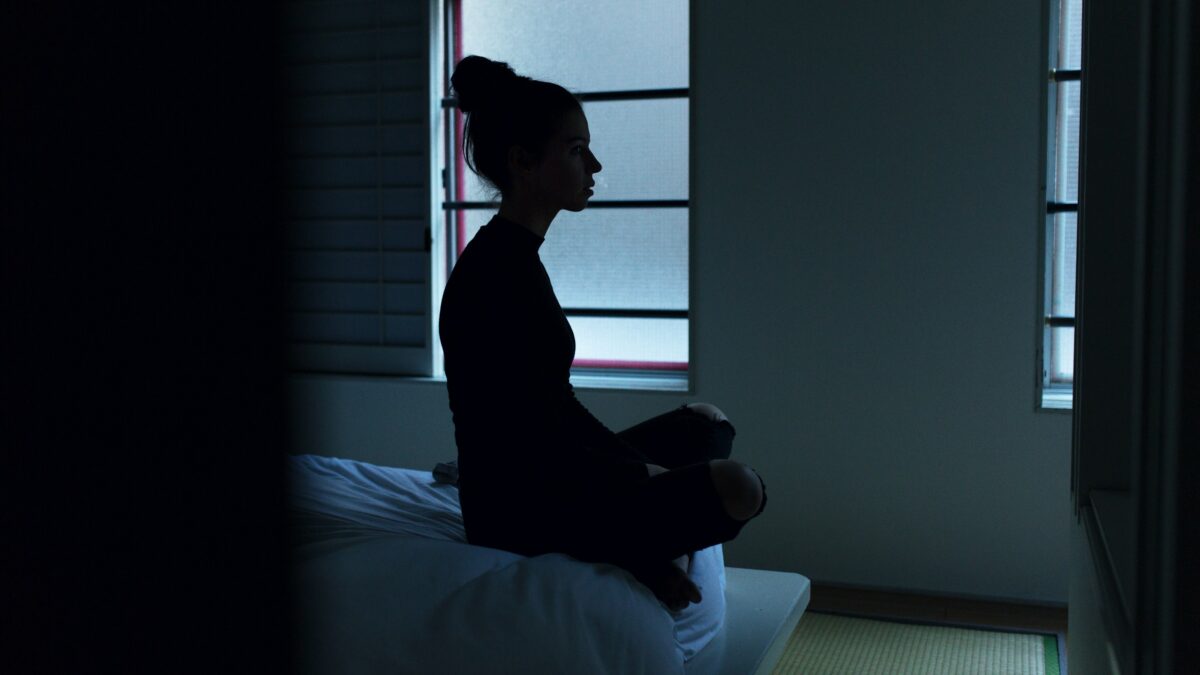
Meditation and breathwork help shift your nervous system from the fight-or-flight response to the rest-and-digest state. Even five minutes of guided breathing can lower your heart rate and help your mind release.
Try the “4-7-8” technique: inhale for 4 seconds, hold for 7, exhale for 8. Repeat four times.
Gentle yoga before bed (such as child’s pose, forward fold, or legs-up-the-wall) helps release physical tension.
If thoughts won’t stop looping, guided imagery — picturing a calm scene while slowing your breath — can replace mental noise with focus.
Watch: Want to relax your body before bed? This 12-minute bedtime yoga routine from Yoga With Adriene uses slow, restorative movements to release tension and prepare your mind for sleep.
Quick Takeaway: Stillness is a skill. A few minutes of slow, deep breathing before bed can help reset your entire nervous system.
Meditation and breathwork calm the body, but lasting rest comes from routine. The next step is to give your evenings structure — not rules, but a rhythm.
Reclaiming The Wind-Down Hour
Most people spend their “wind-down” time scrolling. However, your body needs at least an hour to transition from being alert to falling asleep.
Start small. Set a bedtime boundary: one hour before bed, turn off screens, dim the lights, and do something analog — reading, journaling, or stretching.
A warm bath or magnesium foot soak during this hour can help your core temperature drop afterward, signaling to your body that it’s time for rest.
If you struggle to detach mentally, keep a small notebook on your nightstand to “download” lingering thoughts or to-dos before lying down.
Watch: For inspiration, watch how this TikTok creater has built her own calming bedtime rituals — quiet, mindful changes that signals to her body it’s time to rest.
Quick Takeaway: A calm night starts an hour before your head hits the pillow. Treat that time as part of sleep — not separate from it.
Real Voices, Real Sleep Routines
I’ve learned over time that my best nights of sleep come from structure and simple comforts.
I keep my room completely dark and a little on the cool side, and the faint sound of my kids’ sound machines drifts in from down the hall. A warm shower before bed feels like a reset button for my mind.I stick to a consistent bedtime routine and read a bit before turning out the lights. I also add a few drops of Vitruvi’s Sleep Blend essential oil to my pillow—it smells amazing and helps me relax.
On the rare occasion I’m feeling anxious or having trouble shutting off my thoughts, I’ll take melatonin to help. When I stay in that rhythm, I fall asleep faster and wake up feeling genuinely rested.
— Kimberly Alt, Writer for Earth’s Friends
In the last few years, I’ve not only had trouble going to sleep but also waking up several times a night, while not being able to go back to sleep quickly during those episodes. I’m 57, and I’ve found much research that it’s common at this stage in my postmenopausal life (unfortunately).
I started doing meditation before bed and turning on a sound machine (which is huge!). I’ve never found a supplement that really works — and I’ve tried many. For me, it’s more about my state of mind and the noise factor than anything else.
— Sally Jones, Writer For Earth’s Friends
As for me, I’ve done everything under the sun for sleep support. Truly, I’ve tried every product, formula, and routine mentioned in this article.
Today, I like to keep it simple.
About an hour before bed, I stick to reading under dim light. I use a lavender pillow mist and an eye mask when it’s time for bed.
If my brain won’t turn off, I reach for Herb Pharm’s Bed Time or Daily Calming spray — both of which I keep in my nightstand in case I need another dose in the middle of the night.
If I’m really in need of sleep, I’ll turn up the bedtime ritual with a warm bath using The Dead Sea Warehouse’s Amazing Mineral Dead Sea Bath Salts. That stuff is virtually magic.
Bedroom Makeover For Better Sleep
Your sleep space should feel like an exhale — quiet, dark, cool, and clutter-free.
Keep your bedroom temperature between 60–67°F and invest in breathable, natural materials like organic cotton or bamboo sheets.
A small air purifier or essential oil diffuser can subtly enhance air quality and provide soothing scent cues for rest.
If your room faces streetlight or morning glare, add blackout curtains or a sleep mask. Even a little light can suppress melatonin production by greater than 50%.
Finally, tidy surfaces matter more than décor. A clutter-free space tells your brain, “the day is over.”

Quick Takeaway: Think less perfection, more peace. A dim, cool room cues your body to rest more deeply.
You’ve shaped your space for rest, now let’s clear the noise. Not everything trending online belongs in your bedtime routine.
What To Skip (Even If TikTok Says Otherwise)
The internet is full of “miracle sleep hacks,” but some popular ones actually backfire.
- Sleep gummies often hide sugar. Skip them if you’re sensitive.
- Overdoing essential oils can irritate your sinuses or keep you wired.
- Cold plunges, late-night workouts, and doomscrolling under blue light all spike cortisol, your stress hormone. Save them for daytime.
And while a glass of wine might help you doze off faster, it fragments your deep sleep cycles. This means you wake more tired.
Quick Takeaway: If it promises “instant sleep,” it’s probably stimulating your nervous system instead. Go gentle, not gimmicky.
Once you know what truly helps — and what doesn’t — better sleep stops feeling impossible. It’s just a matter of consistency.
Frequently Asked Questions
Still have questions about sleeping better naturally? You’re not alone.
Sleep is deeply personal. What works for one person might not work for another.
Below are answers to some of the most common questions I hear about natural sleep remedies, from supplements and teas to simple bedtime habits that can make a real difference.
Don’t see your question? Respond in the comments, and we’ll get back to you!
Why Can’t I Fall Asleep Even When I’m Tired?
Your body may be exhausted, but your nervous system is still active. Excessive caffeine intake, late-night screen time, or high cortisol levels resulting from stress can all contribute to delayed sleep onset.
Try dimming lights an hour before bed, limiting stimulants after noon, and adding a calming activity like deep breathing or a warm bath.
How Can I Stay Asleep Through The Night?
Frequent waking is often associated with blood sugar fluctuations, hormonal changes, or stress spikes.
A small protein- and carb-rich snack before bed (like a banana with almond butter) can help stabilize energy overnight. Keep your room cool and dark, and try magnesium glycinate or lavender aromatherapy for deeper, uninterrupted rest.
Is Melatonin Safe To Take Every Night?
Melatonin can help reset your sleep cycle, but it’s best used in short-term applications or for managing jet lag. Long-term use or high doses may make your body rely on the supplement instead of producing melatonin naturally.
If you need nightly support, consider herbs, magnesium, or lifestyle changes as your first options.
Do Warm Baths Really Help You Sleep?
Yes. A 15-minute soak in warm water raises your core temperature slightly, and the cooling afterward triggers natural drowsiness.
Adding Epsom or magnesium salts enhances the relaxation effect by soothing muscles and supporting magnesium levels.
What Foods Help You Sleep Better?
Tryptophan-rich foods like tofu, turkey, and chickpeas help your body make serotonin and melatonin. Pair them with complex carbohydrates, such as brown rice or oats, for improved absorption.
Avoid caffeine, sugar, and alcohol close to bedtime since they disrupt deep sleep cycles.
Can Exercise Improve My Sleep?
Absolutely. Just 20–30 minutes of daily movement helps regulate hormones that control your sleep-wake cycle.
Morning or early-afternoon workouts are ideal — late-night exercise can be too stimulating for some people.
What Should I Avoid Before Bedtime?
Skip caffeine after mid-afternoon, alcohol, heavy meals, and high-intensity screen use. Emotional conversations or late-night news scrolling can also trigger a surge in stress hormones.
Focus on quiet, repetitive routines that cue your body to relax.
When Should I See A Doctor About Poor Sleep?
If natural remedies haven’t helped after several weeks, or if you snore heavily, wake gasping, or feel excessively tired during the day, talk to your healthcare provider.
Underlying issues like sleep apnea, thyroid imbalance, or anxiety disorders may need professional care.
Small Changes, Big Rest
There’s no single “sleep switch.” The goal isn’t perfection — it’s pattern. Small, consistent habits reset your biology more effectively than any pill.
Start with one change tonight. Maybe it’s skipping the late-night scroll, or sipping chamomile tea instead of wine. Your body learns from repetition.
If you are building your own bedtime ritual, try surrounding yourself with tools that support relaxation. Explore our essential oils guide for calming blends, discover the best organic pillow for deeper comfort, or find the perfect kettle & teapot for your nightly herbal brew.