When you purchase through links on our site, we may earn a commission. Here’s how it works.
Cleaning a cast iron skillet has somehow become one of those kitchen tasks that sounds far more dangerous than it actually is.
Table of Contents
Cook one egg, leave one crumb behind, and suddenly your pan has the status of a sacred object passed down through the ages. Don’t soak it, don’t scrub too hard, don’t let it rust, don’t even look at it the wrong way.
Thankfully, cast iron care is far less dramatic than people make it out to be. These pans are durable, practical, and built to handle a lot more than their reputation suggests. Once you know the few rules that actually matter, cleaning cast iron stops feeling like a high-pressure ritual and starts feeling like what it really is: a quick, simple kitchen habit.
In this guide, you’ll learn exactly how to clean a cast iron skillet in five easy steps, plus what to do when food is stuck on, rust shows up, or the seasoning needs a refresh.
Want our human-written content to rank above AI-generated garbage? Help us out by clicking this button!
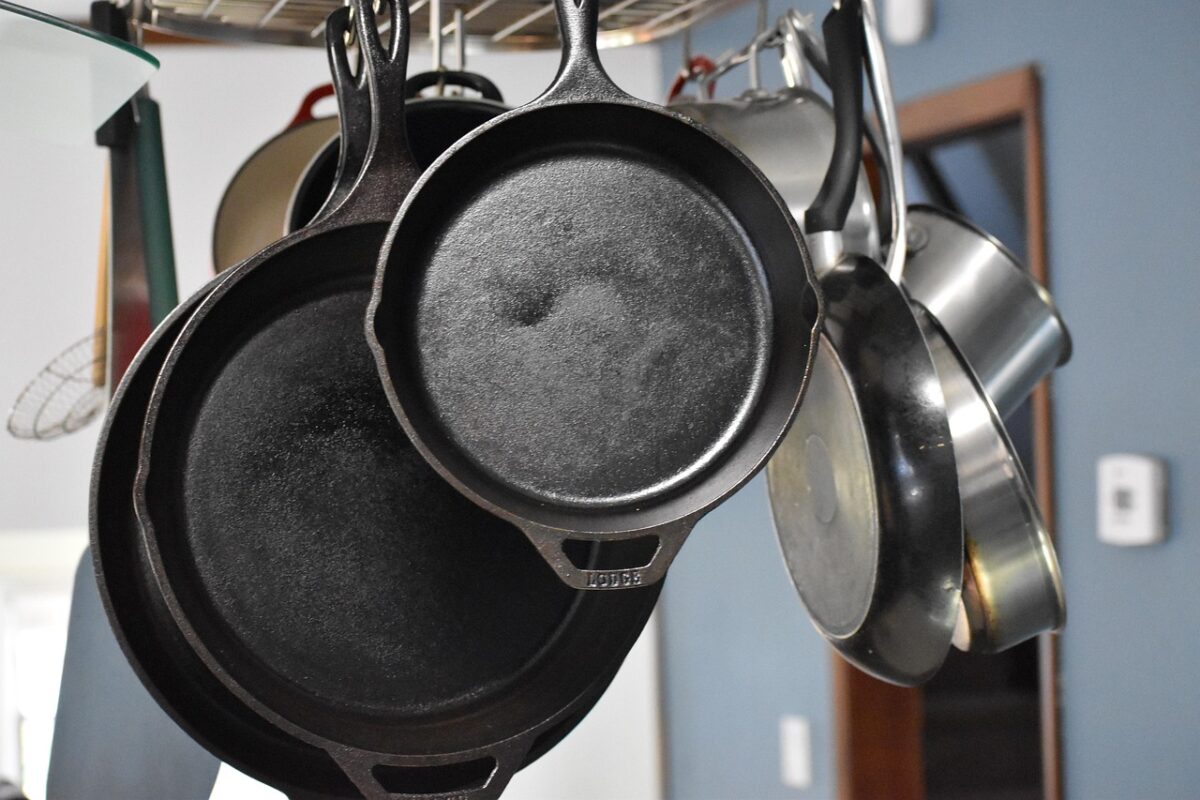
How to Clean a Cast Iron Skillet Without Damaging It
Cleaning cast iron often feels riskier than it really is. The main concern is simple: people want to remove food and grease without stripping the seasoning, causing rust, or shortening the life of the pan.
Fortunately, the process is straightforward. With a few basic tools and a consistent routine, a cast iron skillet can stay clean, protected, and ready to use for years.
What You Need
Before getting into the steps, it helps to keep the supply list simple. Cast iron does not require specialty products or expensive tools.
- Cooking oil
- Warm water
- Mild dish soap
- A soft brush or non-abrasive scrubber
- Coarse salt
- Paper towels or a clean cloth
How to Clean a Cast Iron Skillet in 5 Simple Steps
Now that the basics are out of the way, here’s the part that actually matters: how to clean the skillet without turning it into a stressful kitchen event. The goal is simple: get the food off, keep the seasoning intact, and avoid creating a surprise rust situation for your future self.
Step 1: Clean the Skillet Soon After Cooking
First, let the skillet cool just enough that you can handle it safely, but not so long that everything stuck to it has time to settle in and become part of the pan’s personality.
Once it is still slightly warm, wipe out loose crumbs, grease, and food residue with a paper towel, soft cloth, or sponge. This quick first pass clears away the easy mess before you move on to water or scrubbing.
Doing this sooner rather than later makes the entire process easier. It is much simpler to clean up fresh cooking residue than to deal with bits that have dried onto the surface, like they signed a lease.
Step 2: Rinse With Warm Water
Once the loose debris is out, rinse the skillet under warm water. For many everyday meals, that alone will take care of most of the mess.
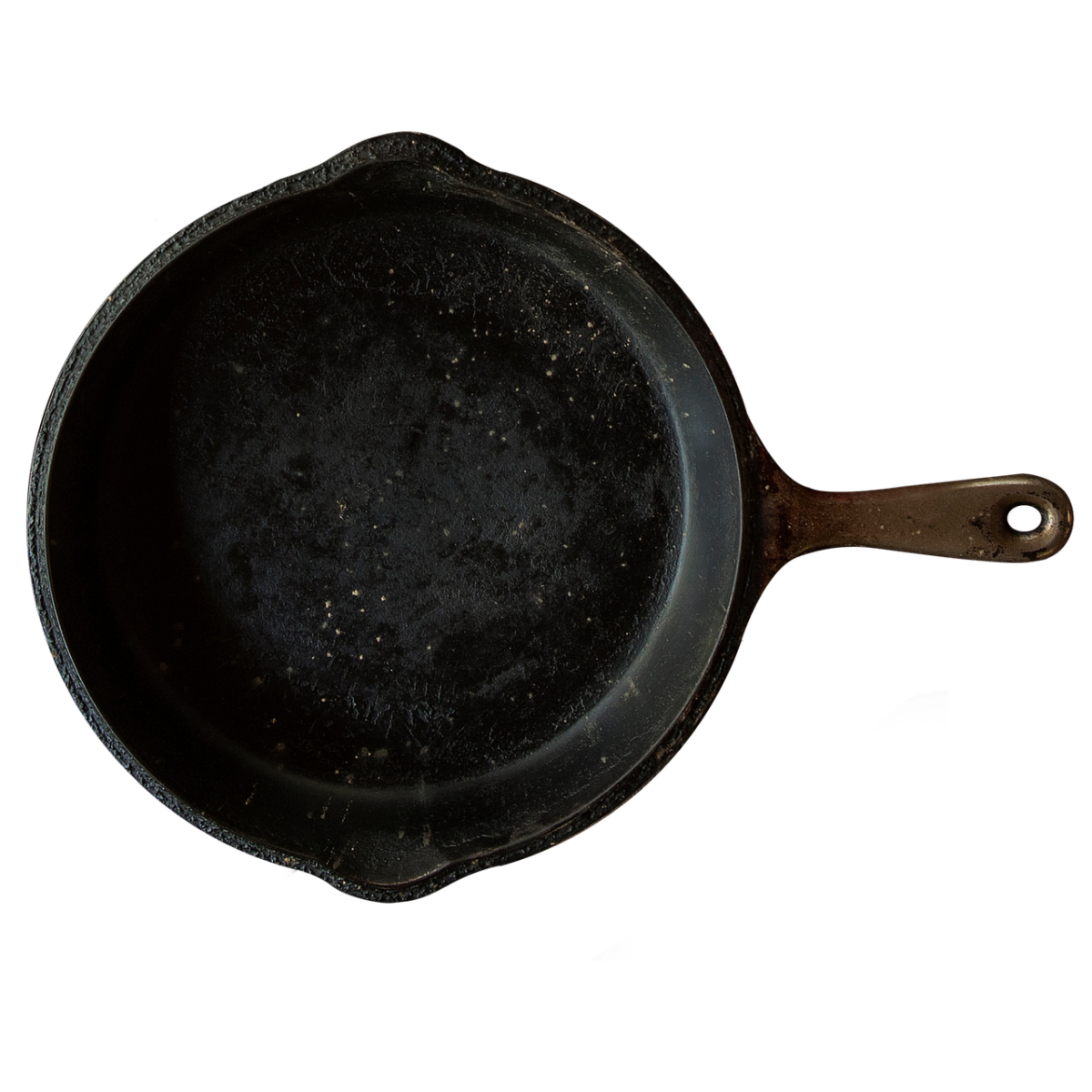
If anything is still hanging on, use a soft brush or non-abrasive scrubber to gently work it loose. You can also use a small amount of mild dish soap when the pan needs a slightly deeper clean. Despite the drama that sometimes surrounds cast iron care, a little soap is not going to destroy your skillet.
What matters here is keeping the cleaning gentle and brief. You want to wash the pan, not soak it like it just finished a long day.
Step 3: Scrub Away Stuck-On Food
If rinsing does not fully do the job, it is time for a little extra help. Sprinkle coarse salt into the skillet and use a cloth, sponge, or soft brush to scrub the problem areas.
The salt works as a gentle abrasive, which makes it great for lifting stuck-on food without being unnecessarily harsh. This is especially useful after foods that leave behind browned bits, sticky residue, or the kind of mess that makes you immediately regret not cleaning the pan sooner.
If needed, add a small splash of warm water and repeat. The goal is to loosen the stubborn food, not go to war with the seasoning.
Step 4: Dry the Skillet Completely
Once the skillet is clean, dry it right away. Start with a towel or paper towels, then make sure to dry around the sides, handle, and edges where water likes to hide.
After that, place the skillet over low heat for a minute or two to evaporate any remaining moisture. This extra step may seem minor, but it makes a big difference because cast iron and leftover water are not exactly a great match.
In other words, if you skip the drying step, rust may decide to join the conversation.
Step 5: Apply a Thin Layer of Oil
Once the skillet is fully dry, rub a very thin layer of cooking oil over the cooking surface. If the outside looks dry, you can lightly coat that too.
Use a paper towel or soft cloth to spread the oil evenly, then wipe off any extra. The skillet should look lightly protected, not shiny enough to suggest you are preparing it for a photo shoot.
This final layer helps protect the pan from moisture, supports the seasoning, and keeps the skillet ready for the next round of cooking.
Watch: The Right Way to Clean a Cast Iron Skillet
Still a little nervous about cleaning cast iron? This quick video shows the process step by step, so you can see exactly how to clean, dry, and oil your skillet without damaging the seasoning.
Common Cast Iron Myths
Now that the cleaning process is less mysterious, it helps to clear out a few of the myths that make cast iron seem more fragile and dramatic than it really is.
Myth 1: Soap Should Never Touch Cast Iron
This is probably the most repeated cast iron rule, and also one of the most misunderstood.
A small amount of mild dish soap is fine for cast iron, despite the long-running myth that soap should never touch the pan, as even Lodge notes in its cast iron care guidance.
The bigger issue is not soap. It is letting the pan soak, leaving moisture behind, or using anything so harsh that it strips the seasoning unnecessarily. A little soap will not instantly erase your skillet’s life story.
Myth 2: Cast Iron Is High-Maintenance
Cast iron does need a different routine than pans that you can toss into the dishwasher and not worry about. Still, “different” is not the same thing as difficult.
In practice, the routine is pretty simple: clean it, dry it, oil it lightly, and move on with your day. That is less of a burden and more of a small kitchen habit with excellent long-term benefits.
Myth 3: Rust Means the Pan Is Ruined
Rust looks dramatic, but it is not always the end of the road. In many cases, surface rust can be scrubbed off, the pan can be dried and re-seasoned, and everything goes back to normal.
So while rust is definitely annoying, it is usually a repair job, not a funeral.
Myth 4: You Need Special Tools to Clean It
Despite the slightly intense reputation, cast iron care does not require a drawer full of specialty gadgets. Most of what you need is probably already in your kitchen.
Warm water, a soft brush, coarse salt, a towel, and a little oil will handle the vast majority of cast iron cleaning situations just fine.
5 Mistakes to Avoid
Just as useful as knowing the right steps is knowing the habits that tend to cause problems. Most cast iron disasters start with small mistakes, not spectacular ones.
1. Letting the Skillet Soak in Water
To start, avoid leaving the skillet in water “just for a minute” and then forgetting about it until hours later. Cast iron and standing water are not a great pair.
Soaking can weaken the seasoning and increase the chance of rust, which means a simple cleanup can suddenly turn into a restoration project.
2. Putting It in the Dishwasher
This one is easier: do not do it. The dishwasher is convenient for many things, but cast iron is not one of them.
Between the detergent, prolonged moisture, and a rougher wash cycle, a dishwasher can strip the seasoning and leave the pan vulnerable to rust. Cast iron likes attention, just not that kind.
Cast iron should be hand-washed and dried thoroughly rather than soaked or sent through the dishwasher, which is also consistent with the College of Agricultural, Consumer & Environmental Sciences
Illinois Extension cookware guidance.
3. Storing It While Damp
Even after washing, the job is not finished until the skillet is completely dry. A pan that looks clean can still develop rust if moisture is left behind around the edges, handle, or cooking surface.
That is why towel-drying and a quick minute over low heat are worth the extra effort.
4. Using Too Much Oil
A light coat of oil protects the skillet. A heavy coat of oil creates a sticky, gummy surface that feels less like a well-seasoned pan and more like a small household mystery.
The goal is a thin, even layer. If the skillet looks like it has been moisturized for winter, you have probably gone too far.
5. Ignoring Early Signs of Wear
A little stuck-on food, a dry-looking surface, or a small rust spot may not seem urgent, but these are the kinds of issues that are easiest to fix early.
Handled quickly, they are minor maintenance. Left alone, they become the kind of project you suddenly resent on a Sunday afternoon.
Quick Fixes for Common Cast Iron Problems
Even with good habits, cast iron occasionally needs a little extra help. The good news is that most problems are manageable once you know which fix fits which mess.
If Food Is Stuck On
When food refuses to leave the pan with dignity, start by scraping out any loose debris and rinsing the skillet with warm water. Then use a soft brush or coarse salt to scrub the stuck areas.
If that still is not enough, make a paste with baking soda and a small amount of water, then scrub gently. Afterward, rinse the skillet, dry it thoroughly, and apply a thin layer of oil.
Usually, the issue is not permanent damage. It is just yesterday’s dinner being unusually committed.
If the Skillet Is Rusty
If you notice rust, do not panic and do not throw the skillet out. Start by scrubbing the rusty area with steel wool or a metal scouring pad and warm water until the rust is gone.
Once the surface is clean, dry the pan completely, rub it with a thin layer of oil, and re-season it. Rust may look like the skillet has entered a decline, but in many cases, it just needs a little corrective attention.
If the Seasoning Looks Worn
Sometimes a skillet is technically clean but no longer looks smooth, dark, or naturally nonstick. When that happens, the seasoning likely needs a refresh.
Rub a thin layer of oil over the skillet, wipe away the excess, and heat it so the oil bonds to the surface. This helps rebuild the protective coating and gets the pan back into better working shape.
Think of it less as repairing damage and more as giving the skillet a tune-up.
See It in Action: How to Bring Cast Iron Back to Life
If your skillet looks more neglected than seasoned, this video shows how to bring it back. Watch the step-by-step restoration process for removing rust, rebuilding the seasoning, and getting cast iron back into cooking shape.
Cooking With Cast Iron
Once the cleaning part is covered, it helps to remember why cast iron has such a loyal following. These skillets are durable, versatile, and built to last for decades with proper care.
Cast iron also holds heat extremely well, which makes it great for searing, browning, baking, and cooking foods that benefit from a steady, even surface. It works on gas, electric, and induction stovetops, and it can go straight into the oven without any fuss.
When well seasoned, cast iron also develops a naturally slick cooking surface that improves over time and is a healthier option than today’s chemical coatings, such as Teflon. It may ask for a little extra care, but the payoff is a pan that becomes more reliable the more you use it.
Some research has also found that cooking in iron cookware can increase the iron content of food, though the effect varies depending on what you cook.
Why People Love Cooking With Cast Iron
Cast iron keeps earning its place in the kitchen for a few simple reasons:
- It holds heat well for better searing and browning
- It moves easily from stovetop to oven
- It can last for generations with proper care
- It develops better seasoning over time
- It works for everything from breakfast to baking
- It reduces the need for disposable nonstick pans
In other words, cast iron asks for a little care, then spends years making itself useful.
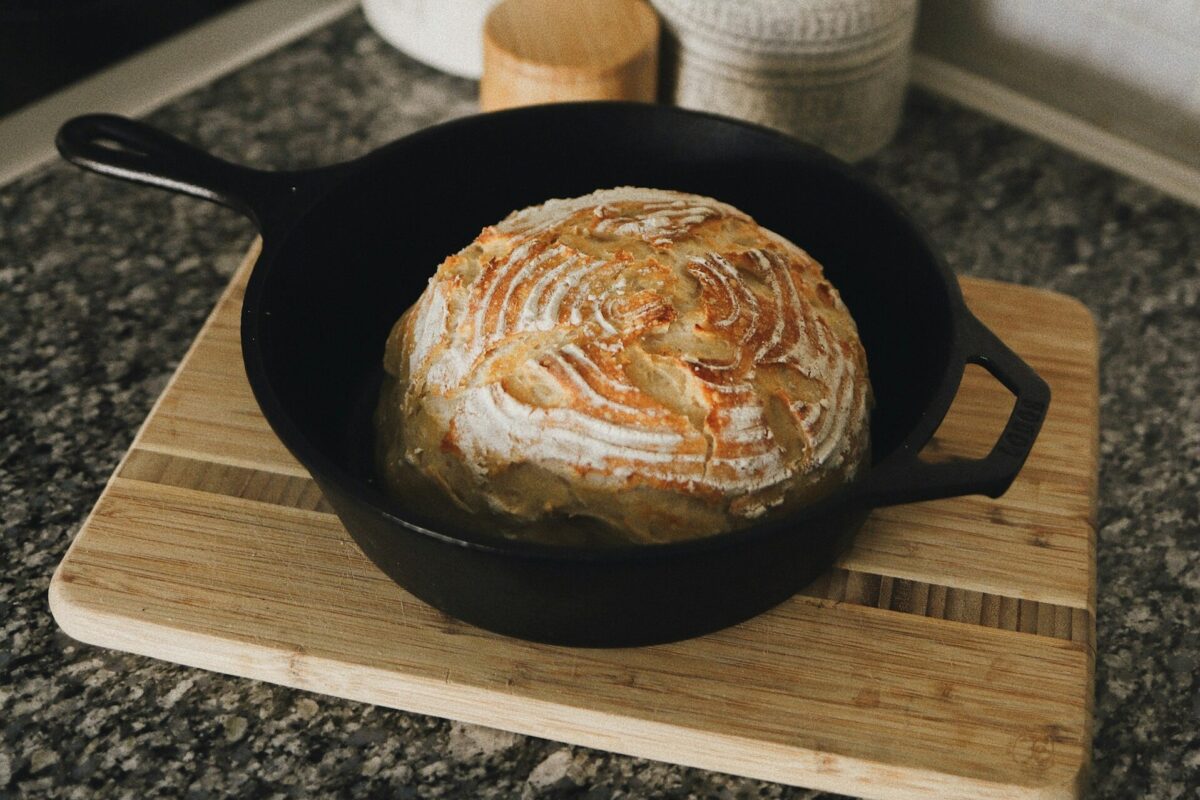
More importantly, cast iron is built to last. With proper care, a good skillet can stay in the kitchen for decades and only get better with use.
That is why so many home cooks swear by it. From crisping potatoes to baking cornbread to putting a real sear on dinner, cast iron earns its spot. For a closer look at what makes these pans such a kitchen staple, read more about the benefits of cooking with cast iron.
How to Season a Cast Iron Skillet
Cleaning keeps a cast iron skillet usable, but seasoning is what keeps it protected. That thin baked-on layer of oil helps prevent rust, improves the cooking surface, and gives cast iron its dark finish.
Seasoning is the process of polymerization, which entails baking or bonding oils onto the iron at high heat, resulting in a shiny, non-stick cooking surface. Lodge explains that seasoning forms when oil bonds to the surface of the pan over heat, creating the protective layer that helps cast iron resist rust and cook better over time.
The good news is that seasoning is simpler than it sounds. It mostly comes down to a clean pan, a very thin layer of oil, and enough heat to bond that oil to the surface.
Step 1: Start With a Clean, Dry Skillet
Before seasoning, make sure the skillet is completely clean and fully dry. Any leftover food, grease, or moisture can interfere with the finish.
If needed, dry the pan with a towel and place it over low heat for a minute or two to remove any lingering moisture.
Step 2: Apply a Very Thin Layer of Oil
Once the skillet is dry, rub a small amount of oil over the entire pan, including the inside, sides, and outside. Then wipe away the excess with a paper towel or soft cloth.
The skillet should look lightly coated, not greasy. If it looks shiny, you are using too much oil.
Step 3: Heat the Skillet
Place the skillet in the oven and heat it long enough for the oil to bond to the surface. This creates the protective seasoning layer that helps cast iron resist rust and cook better over time.
Step 4: Let It Cool
Once the skillet is done heating, let it cool before using or storing it. When the process works well, the pan should look smooth, dry, and lightly polished rather than sticky.
Most fats and oils will do when seasoning your cast iron cookware. The ideal products, though, are oils with a high smoke point; those that can be used at high temperatures without burning, such as safflower or grapeseed oil.
When to Re-Season a Cast Iron Skillet
A skillet may need re-seasoning when the surface looks dull, patchy, dry, or less nonstick than usual. It is also a smart idea after removing rust or doing a deeper scrub that wears down the finish.
Fortunately, re-seasoning is usually more of a quick reset than a major project. A little oil, a little heat, and the skillet is back on speaking terms with you.
Cast Iron Skillet Cleaning FAQ
By this point, the process should feel a lot less intimidating. Still, cast iron tends to come with a few lingering questions, mostly because these pans have a reputation for being both indestructible and weirdly easy to offend.
If you don’t see yours, drop it in the comments below.
Can you actually use soap on cast iron?
Yes, you can. A small amount of mild dish soap is perfectly fine when the skillet needs a proper cleaning. The real problem is not soap itself, but soaking the pan, using harsh cleaners, or leaving moisture behind afterward.
What is the best way to remove stuck-on food?
Start simple with warm water and a soft brush or scrubber. If the food is still clinging on like it pays rent, use coarse salt or a little baking soda paste to loosen it without scrubbing too aggressively.
Is a rusty cast iron skillet ruined?
Usually not. Surface rust can often be scrubbed off, and once the pan is dried thoroughly and re-seasoned, it is usually back in business. Rust looks dramatic, but it is often fixable.
Why does cast iron get sticky after seasoning?
A sticky skillet usually means too much oil was used during seasoning. Cast iron does best with a very thin layer, just enough to coat the surface without leaving it greasy.
How can you tell when cast iron needs to be re-seasoned?
If the surface looks dull, patchy, dry, or less nonstick than usual, it is probably time. Re-seasoning is also a smart move after removing rust or doing a deeper scrub that wears down the finish.
Can cast iron go in the dishwasher?
No, and this is one rule cast iron really does care about. The dishwasher can strip the seasoning, leave the pan exposed to too much moisture, and create the perfect setup for rust.
A Little Care Goes a Long Way
Cast iron may come with a lot of opinions and warnings, but the actual care routine is refreshingly simple. Clean it soon after cooking, dry it completely, and use a light coat of oil to keep the surface protected.
That is really the whole idea. A little care goes a long way, and in return, your skillet can keep turning out crisp edges, golden crusts, and properly seared dinners for years.
Keep Reading
Now that you know how to clean and care for cast iron, it is a good time to put that skillet to work. Whether you want to see why cast iron is worth keeping around or start cooking with it right away, these guides are a good next stop.
If you want more inspiration, learn about the benefits of cast iron skillets, see how to cook a steak in a cast iron skillet, or try this recipe for roasted vegetables with rosemary. And if you are building out a kitchen that works as hard as your skillet does, you might also like this guide to finding the best kettle teapot.
Tell Us Your Best Cast Iron Tip
Every cast iron owner seems to have one cleaning trick, one seasoning habit, or one opinion they feel strongly about. Drop your favorite cast iron care tip in the comments and share what has helped keep your skillet in great shape.