When you purchase through links on our site, we may earn a commission. Here’s how it works.
Homeschooling four kids felt like the right move, until the screaming, burnout, and one very questionable science experiment hit all at once.
Table of Contents
For families weighing homeschool vs public school, the choice can feel huge. But it’s what comes after that choice, surprises, setbacks, and the not-so-Pinterest moments, that no one warns you about.
Here’s what real families have learned the hard way and what to know before you make the switch. I also spoke with a team member who was an educator for many years, and she shares her honest take and firsthand experience in the homeschool vs public school debate.
Meet Amy Rose: The Mom Who Tried Public & Homeschool
Before I dive in, meet Amy Rose, the mom at the center of this story. She and her husband (who was homeschooled himself) made the bold decision to pull all four of their children out of public school. What started as a hopeful experiment quickly turned into one of the most challenging periods of their parenting life.
You’ll see Amy’s real words woven throughout this piece, sharing what worked, what didn’t, and how her view of homeschooling changed the hard way.
Why Some Families Leave Public School Behind
The Big Switch
Want our human-written content to rank above AI-generated garbage? Help us out by clicking this button!
For many parents, the idea of pulling their child out of public school starts with a simple question: “Is this really working?”
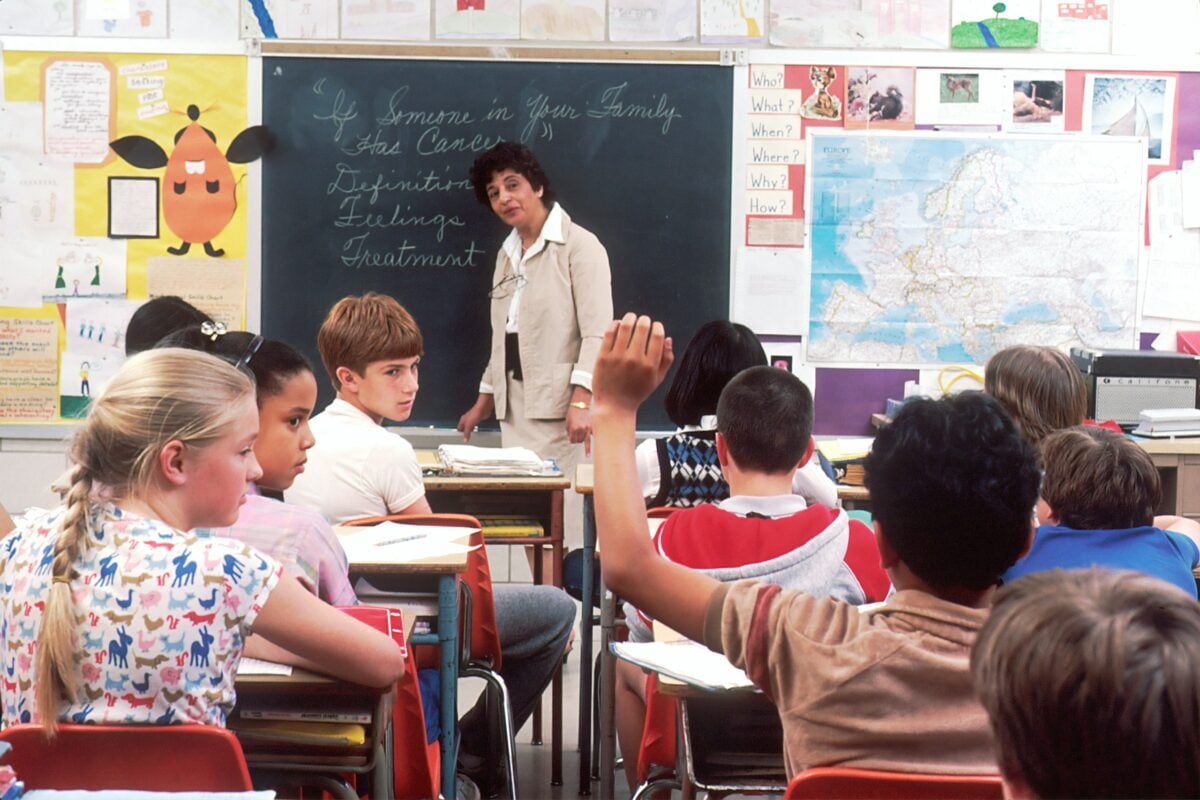
Whether it’s overcrowded classrooms, rigid testing schedules, bullying, or simply a feeling that something’s off, families often reach a breaking point long before they ever consider homeschooling.
In recent years, reasons to homeschool have expanded well beyond traditional concerns. Post-pandemic burnout, heightened awareness of learning differences, and a desire for a more personalized pace have driven families to explore alternatives to the classroom.
5 Common Reasons Families Leave Public School
- Emotional stress or anxiety in traditional classrooms
- Lack of flexibility for neurodivergent or advanced learners
- Concerns about school safety or bullying
- Desire for faith-based or values-aligned education
- Frustration with standardized testing pressure
And for many parents, there’s a deeper driver: wanting to reconnect with their kids and play a more active role in how and what they learn.
But leaving public school isn’t just a bold decision; it’s a leap into the unknown. And as many parents quickly find out, that leap comes with more surprises than they expected.
Homeschool Looks Great on Paper
The homeschool dream often starts with a vision: calm mornings, customized lessons, kids curled up reading on the couch. But for many families, that vision crashes hard into reality within the first few weeks.
There is a lot of information out there, so it’s crucial to do your research before deciding which route (or more likely, routes) to go.
It’s not as simple as pulling your kids out of school and printing worksheets off the internet (although, admittedly, we did SOME of that).
It’s a much bigger commitment for the parents than the children because now your child’s education/future is dependent on you. Sure, it’s a learning game those first few months – for everyone involved, but it’s crucial to figure out pretty quickly what works.
– Amy Rose, Mom to 4 & Writer for Earth’s Friends
Even with the best intentions and planning, homeschooling multiple children, especially with different learning styles and grade levels, can quickly become overwhelming. What starts as a hopeful reset often turns into a logistical tangle of lesson prep, distractions, and frustration.
First 5 Big Homeschooling Challenges
- Parents struggle to keep a consistent schedule
- Kids push back against the new “teacher” dynamic
- Curriculum often feels confusing or mismatched
- Younger siblings interrupt older kids’ learning
- Emotional blowback: everyone feels off-balance
What’s hardest to prepare for is the pressure of doing it all yourself: teacher, principal, lunch lady, and parent, without the built-in breaks or structure of a traditional school day.
Unschooling, Burnout & the Moment Everything Fell Apart
At first, homeschooling felt like a reset. A break from rigid structure. A chance to explore a more flexible way of learning, sometimes called “unschooling.” But without clear structure or support, even the most promising start can slide into burnout.
We decided to start homeschool in September and the school system required that we turn in attendance sheets to show we had done 180 days of instruction (at least 4 hours per day). I was a little nervous (my kids don’t always listen well for me), but excited for our new adventure.
Well, it was not all I hoped it would be, by a long shot. I learned that my kids stall really well, my patience level was even lower than I thought it was (although,that was after the baby was born in October, so I can probably blame that on lack of sleep), and the curriculum I paid good money for wasn’t a great fit for my kids. To my surprise, we started drifting more and more toward unschooling.
Unschooling, by definition, is learning through life’s experiences. There is no set curriculum. You let the kids take the lead and jump in on any learning opportunities. I’ll admit I’d not had a good opinion of unschooling before I started doing it. It felt like a cop-out.
This is where many homeschooling families hit a wall. The pressure to teach, parent, plan, and manage behavior all at once can wear everyone down. Especially when there’s no principal, no routine, and no one coming to give you a break.
Instead of creating a peaceful, connected environment, daily life starts to feel chaotic. Children resist structure. Parents second-guess everything. And learning, the thing it was all supposed to be about, gets buried under exhaustion.
5 Signs of Burnout
- Constant second-guessing: “Are we doing enough?”
- Kids are pushing back on every task
- No boundaries between “school” and home life
- Emotional friction between siblings (and parents)
- Loss of joy and motivation on all sides
For many families, this is the tipping point. When the emotional cost outweighs the academic gains, it’s often time to re-evaluate everything.
Socialization & Homeschooling
The Question Everyone Asks
If there’s one question every homeschooling parent hears, it’s this: “But what about socialization?” And while it’s easy to dismiss that concern at first, the reality can sneak up on even the most well-intentioned families.
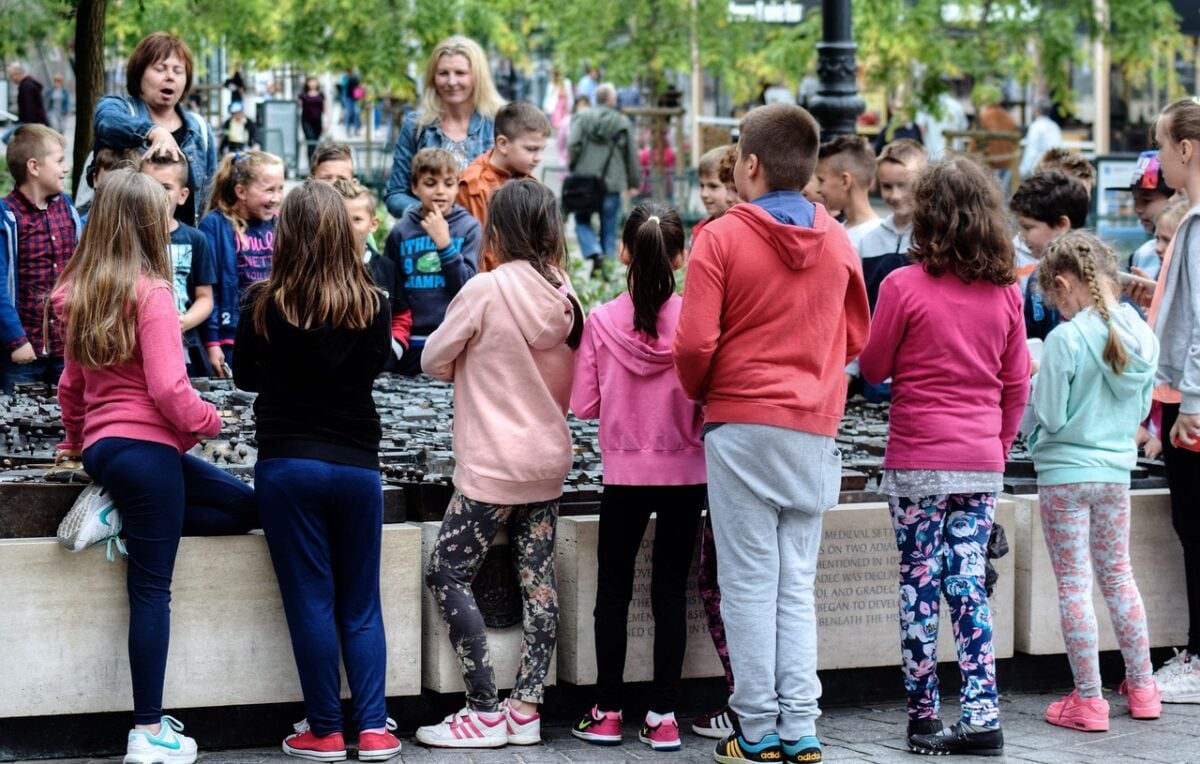
Being around me and each other 24/7 was hurting our relationship. I love my children more than life. They are my world. But, man did spending every waking moment with them wear on my nerves!!!
They fought constantly. In fact, one time, one sibling said to another, “I don’t know why you are my best friend when we fight so much!”
It was wearing, on all of us. My temper flared more often than I was comfortable with. They were bickering non-stop. Something had to give.
Unlike public school, where social time is naturally built into every day, homeschooling requires parents to actively plan, and sometimes chase opportunities for kids to connect with peers.
What Socialization Looks Like in Each Setting
In Public School:
- Kids see friends every day without needing to schedule it
- Recess, lunch, and group projects encourage natural social interaction
- Sports, clubs, and after-school programs are built in
- Exposure to a wide range of personalities (for better or worse)
In Homeschooling:
- Social time has to be intentionally planned (co-ops, field trips, playdates)
- Fewer casual or spontaneous friendships
- Limited opportunities for independence from parents
- More time with siblings, which can strain relationships over time
I was desperate to get them back into something structured, something outside of our home, something that gave them independence.
Homeschooling doesn’t mean socialization can’t happen. But it does mean you’ll be managing it all yourself. And for some families, that ends up being the tipping point.
Homeschool vs Public School Costs
What Families Need to Budget For
At first glance, homeschooling seems cheaper. No uniforms, no school supply lists, no fundraisers or field trip fees. But many families are surprised to find that cost quickly becomes one of the biggest pressure points.
In public school, most materials and teaching support are included. With homeschooling, everything falls on the parent: curriculum, materials, learning platforms, even therapy or tutoring support in some cases.
And for families where one parent stays home to manage schooling, there’s often a major shift in income.
Real Costs Homeschooling Families Should Expect
- Curriculum (per child, per subject)
- Online learning platforms or apps
- Art and science supplies
- Printer ink, paper, and tech upgrades
- Tutoring, special education services, or therapy
- Co-op memberships, classes, and extracurriculars
- Lost income if one parent leaves work or cuts hours
Meanwhile, public school has their own hidden costs: aftercare, school lunches, commuting, but the core education is typically covered by taxes.
The point isn’t that one is always cheaper. It’s that homeschooling often costs more than people expect, especially when trying to match or exceed the quality of structured classroom learning.
A Day in the Life Of Homeschooling
How Homeschool Schedules Really Compare
One of the biggest shifts families face when leaving public school is the complete freedom (and responsibility) that comes with setting their own schedule. It sounds ideal: no early alarms, no tardy bells, no rushing out the door. But that freedom can quickly feel overwhelming.
There’s no built-in structure, no separation between “school” and home life, and no one keeping things on track except you.
While Amy didn’t outline a daily routine in her original story, she described the challenge of juggling different learning needs and ages all at once, often without feeling like anyone was thriving.
In a typical homeschool day, parents might bounce between teaching algebra, calming a toddler, printing worksheets, and trying to figure out what counts as “learning” when their child is building with LEGOs.
Compare that to a public school day, where time is blocked, roles are defined, and learning happens in a dedicated space.
Homeschool Vs Public School: The Key Differences in Daily Rhythm
Public School Day:
- Fixed start and end times
- Set subjects at specific times
- Transitions and breaks are structured
- Teachers and specialists handle lessons
- Kids leave home and return with the separation of school/home
Homeschool Day:
- Flexible timing often varies day to day
- Mixed subjects or interest-led activities
- Learning blends into daily life (cooking, chores, projects)
- Parents wear every hat: teacher, tech support, snack provider
- No physical or mental break between home and school life
This freedom can be empowering, but for many families, it also becomes exhausting. Without structure or outside support, homeschool days can easily become chaotic or inconsistent, especially with multiple kids at home.
The Mental Load of Homeschooling
Can You Really Do It All?
One of the hardest parts of homeschooling isn’t academic; it’s emotional. For many parents, the mental load of being both caregiver and full-time educator becomes overwhelming.
There’s no off-switch. No lunch break. No passing your child off to a specialist. It’s just you, your kids, and the constant pressure to “get it right.” And Amy Rose felt that weight.
Homeschooling may offer more control, but it also brings more responsibility and no real time away from parenting. That kind of emotional compression, day after day, can lead to frustration, fatigue, and burnout.
It’s not just about teaching math or managing schedules. It’s about being everything, every day: the teacher, the principal, the counselor, the referee, the parent. And that’s a lot to carry, especially when you’re managing multiple ages, learning styles, and emotional needs at once.
Some parents thrive in that role. Others, like Amy, realize that the cost of doing it all was too high at that time.
So, I made the calls and enrolled them in public school. I felt like a big old failure, but they seemed happy and excited to be going back. That helped a lot. I was worried that they’d have trouble making friends and/or be behind their peers in academics.
I knew we’d learned a lot, but since we didn’t follow the curriculum, did they learn the right stuff? Only time would tell.
What Happened After They Went Back To Public School
Amy sent her kids back to public school, and while it was a nerve-wracking transition, it turned out better than she expected.
I was a little nervous (okay, a lot) on their first day, but it quickly became obvious that we had done just fine.
(Sending them back to school) was by choice, not by necessity. That leaves the door open in the future to pull them out again if I feel like we need to.
The kids adjusted. They earned straight As and learned to sit still and raise their hands again. It wasn’t perfect, but it was peaceful. And for now? Amy’s reclaiming a bit of calm with her youngest at home, and her sanity intact.
Homeschool vs Public School: What Worked, What Didn’t
After navigating both homeschool and public school, Amy came away with a clear understanding: no approach is perfect, but each has strengths worth noticing.
Homeschooling gave her family time together, flexibility, and the space to slow down. But it also brought stress, disconnection, and emotional exhaustion. Something she didn’t fully realize until she stepped away from it.
Public school provided the structure and support her kids clearly needed. It also gave Amy room to recharge and helped rebalance the family dynamic.
There are days when I miss having them around, but knowing that I did do an okay job while they were home makes me feel more at peace with my decision to send them back.
Here’s what worked and what didn’t for her family in each setting.
What Worked in Homeschooling
- Flexible schedule with space to travel and rest
- More family time and one-on-one learning
- Ability to tailor lessons to individual needs
- Room for interest-led learning
What Didn’t Work in Homeschooling
- Constant mental and emotional pressure on the parent
- Lack of clear boundaries between home and school
- Sibling conflict and social isolation
- Difficulty maintaining momentum over time
What Worked in Public School (After Returning)
- Predictable routine and academic structure
- Daily peer interaction and social growth
- Independent learning outside the home
- Less emotional load on the parent
What Didn’t Work in Public School (Before Homeschooling)
- Children feel overlooked or disengaged
- Rigid schedules not matching learning styles
- Testing and pacing stress
- Less time for family connection
Trying both gave Amy perspective and permission to choose what worked best for her family at different points in time.
If you’re worrying that you’re not up to the job, here’s one last piece of advice from Amy:
Finally, have confidence in yourself. Kids teach themselves if given the right tools to learn. You don’t have to be Einstein or even a math scholar to teach math. If you don’t know how to do it, learn with your kids. Often, you’ll find they end up teaching you (and teaching is the best way to learn!)!
Thinking of Switching? Read This First
If you’re weighing homeschool vs public school, you’re not alone, and there’s no one-size-fits-all answer. Every family has a unique mix of needs, values, and stressors that shape what “works.”
For Amy Rose, trying both wasn’t a failure; it was a necessary step to figure out what her kids (and she) truly needed. That mindset is helpful for any parent making this decision: you don’t have to get it perfect the first time.
5 Key Questions to Consider
Before you switch, ask yourself:
- Is at least one adult available and willing to take on the daily teaching load?
- How do your children respond to structure, independence, or self-paced learning?
- Are social opportunities available, or will you need to create them from scratch?
- Can you manage the emotional demands of schooling and parenting in the same space?
- Are you open to adjusting your plan if it doesn’t work out?
It’s okay to try something and change your mind later. What matters most is choosing what works for your family right now, and not what looks good on paper or works for someone else.
This decision is big, but it’s not final. You can change course, just like Amy did.
One Parent-Educator’s Perspective
From the Classroom to the Kitchen Table
Before wrapping up, I wanted to include the perspective of someone who’s seen both sides up close. Not just as a parent, but as an experienced classroom educator.
She’s taught in public schools, navigated the system as a mom, and considered homeschooling herself. Here’s how she sees the debate, after living it from both ends.
Education has always been a cornerstone in my life, so much so that I dedicated several years of my career to it. As both a parent and a former educator, I’ve seen the strengths and challenges in both the public school system and homeschooling. Each path has real value, and each comes with trade-offs that deserve honesty and compassion.
As a parent, I’ve walked alongside my children through academic hurdles and emotional ups and downs. One of my children has a learning disability, and we had many long conversations about whether homeschooling might serve them better.
For our family, the public school system ultimately provided the level of support we couldn’t replicate at home, including specialized teachers, peer interaction, social-emotional development, and access to trained professionals and materials we simply didn’t have. Those resources mattered.
As an educator, I also understand just how massive the responsibility is to meet the needs of every student. I’ve seen firsthand the dedication, training, collaboration, and content expertise that strong public-school teachers bring to the table. I’ve also seen the limits, resource gaps, time constraints, and the real challenges of meeting individualized needs in a large system.
And I recognize that homeschooling families bring their own strengths: flexibility, individualized pacing, deep parent-child engagement, and the ability to tailor learning around a child’s interests or challenges.
Ultimately, both approaches thrive when the adults guiding them are committed, informed, and supported. Quality teaching, whether at home or in a classroom, depends on thoughtful training, access to strong materials, social-emotional support, collaboration, and a shared understanding of what students should know and be able to do.
There’s no one-size-fits-all solution. There are simply families, educators, and communities doing their best to make thoughtful choices for the children they love, and that, to me, is what matters most.
– Danielle DeGroot, Parent, Educator, & Earth’s Friends Writer
10 Bonus Tools for Today’s Homeschooling Parents
If you’re considering homeschooling, there are more tools and resources available now than ever before. Whether you’re looking for curriculum support, legal guidance, or just a way to stay organized, these sites can make a huge difference, especially during your first year.
Here are some of the most trusted U.S.-based homeschooling resources:
4 Curriculum & Learning Platforms
- Time4Learning
An all-in-one K–12 online curriculum with built-in grading, lesson plans, and state-specific tracking tools.
👉 Time4Learning - Khan Academy
Free, high-quality lessons in math, science, history, and more, great as a supplement or full program.👉 Khan Academy - The Good and the Beautiful
A Christian-based curriculum with free and paid resources for language arts, math, science, and more.
👉 The Good and the Beautiful - Easy Peasy All-in-One Homeschool
A completely free online Christian-based curriculum that covers every grade level with simple day-by-day lessons.
👉 All In One Homeschool
2 Planning & Organization Tools
- Homeschool Planet
A digital planner built for homeschoolers that tracks assignments, grades, and schedules in one place.
👉 Homeschool Planet - Homeschool Tracker
A downloadable record-keeping system to manage lesson plans, transcripts, and reports.
👉 Homeschool Tracker
2 Legal Help & State Requirements
- HSLDA (Home School Legal Defense Association)
Covers homeschooling laws in all 50 states and offers legal support, transcripts, forms, and more.
👉 HSLDA - Homeschool
Provides a variety of resources, reviews, tools, advice, and support for homeschooling families.
👉 Homeschool
2 Parent Support & Community Hubs
- Homeschool
A long-running homeschool hub with forums, curriculum reviews, and helpful articles.
👉 Homeschool - Facebook Groups
Search your state or city + “homeschool group” (e.g., “Texas Homeschool Moms” or “Atlanta Homeschool Co-op”) to find local support, events, and answers fast. This is also a great way to make contacts and friends with local homeschooling parents.
7 Tools & Tips to Stay Organized & Sane While Homeschooling
Even the best curriculum won’t help much if your days feel chaotic. The truth is, structure and sanity go hand-in-hand, and most homeschooling parents don’t realize how important that is until they’re deep in it.
This section focuses on tools to help you stay on track and protect your mental bandwidth while doing it all.
3 Easy Planning Tools
- Printable Weekly Planners
Sometimes paper works best. Free printable planners are widely available on Pinterest, Teachers Pay Teachers, and Etsy. Look for formats that include space for subjects, meals, chores, and breaks, especially helpful for visual learners. - Trello or Google Sheets
If you prefer digital but want something flexible, use free tools like Trello (for visual task lists) or Google Sheets to create your own weekly lesson trackers, reward charts, or progress logs. - Daily Routine Templates
Creating a loose but predictable rhythm helps kids know what’s coming and gives you some mental margin. Try blocks like “learning,” “quiet time,” “outside,” and “screen-free activities” instead of hour-by-hour scheduling.
4 Self-Care Tips for Homeschooling Parents
You’re not just teaching, you’re parenting, managing, refereeing, and leading a household. That kind of multitasking drains anyone, no matter how organized you are.

Here’s how to keep from burning out while trying to do it all:
- Build in Quiet Time Daily
Schedule 30–60 minutes where everyone does something independently (audiobooks, puzzles, solo play). It’s not a luxury—it’s survival. - Outsource One Subject
If math brings daily tears, or writing’s a constant battle, don’t fight it alone. Online platforms like Outschool offer short, affordable classes that take the pressure off you. - Connect with Other Parents
Search for local homeschool groups or co-ops on Facebook. You’ll find tips, meetups, and (most importantly) people who get it. - Take Breaks Without Guilt
Public schools take weeks off. You can too. Resetting isn’t failing; it’s part of making this sustainable.
Homeschooling works best when the parent is thriving, not just surviving.
Still Deciding? Watch This Quick Breakdown
Prefer to hear it laid out? This short video explains the pros and cons of homeschooling vs public school in a clear, visual way, and it might help you clarify your own thinking.
More Tools, Topics & Ideas for Intentional Living
Looking for ways to raise kind, grounded kids, no matter where they learn? Check out our guide to teaching children respect through everyday modeling, not lectures. Feeling the pressure of big decisions and long days? Try these holistic remedies for anxiety that support both parents and kids naturally.
Thinking of turning your backyard into a classroom? Our beekeeping for beginners guide is perfect for homeschool science or just reconnecting with nature. And if you’re raising kids to care about the world around them, don’t miss our hands-on ideas for making Earth Day more meaningful.
Your Turn! Tried homeschooling and ended up teaching fractions at 9 pm in pajamas? Or did public school save your sanity (and your kitchen table)? We want to hear it all: wins, wipeouts, and what you’d never do again. Drop your story in the comments, and let’s swap notes, not just snacks.