The Oil Confusion Ends Here: Which Cooking Oil, Skin Oil, Or Supplement Should You Actually Use?

When you purchase through links on our site, we may earn a commission. Here’s how it works.
Walk down the oil aisle, and it starts to feel absurd fast. Olive oil, coconut oil, canola oil, avocado oil, grapeseed oil. Refined, unrefined, cold-pressed, extra virgin.
Table of Contents
Some are “heart healthy.” Others are “bad for inflammation.” Some are supposedly great for skin but terrible for cooking.
And somehow, the same oil can be praised in one article and vilified in the next.
So what’s the right oil for you? It depends on how you’re using it and what you need it to do.
Want our human-written content to rank above AI-generated garbage? Help us out by clicking this button!
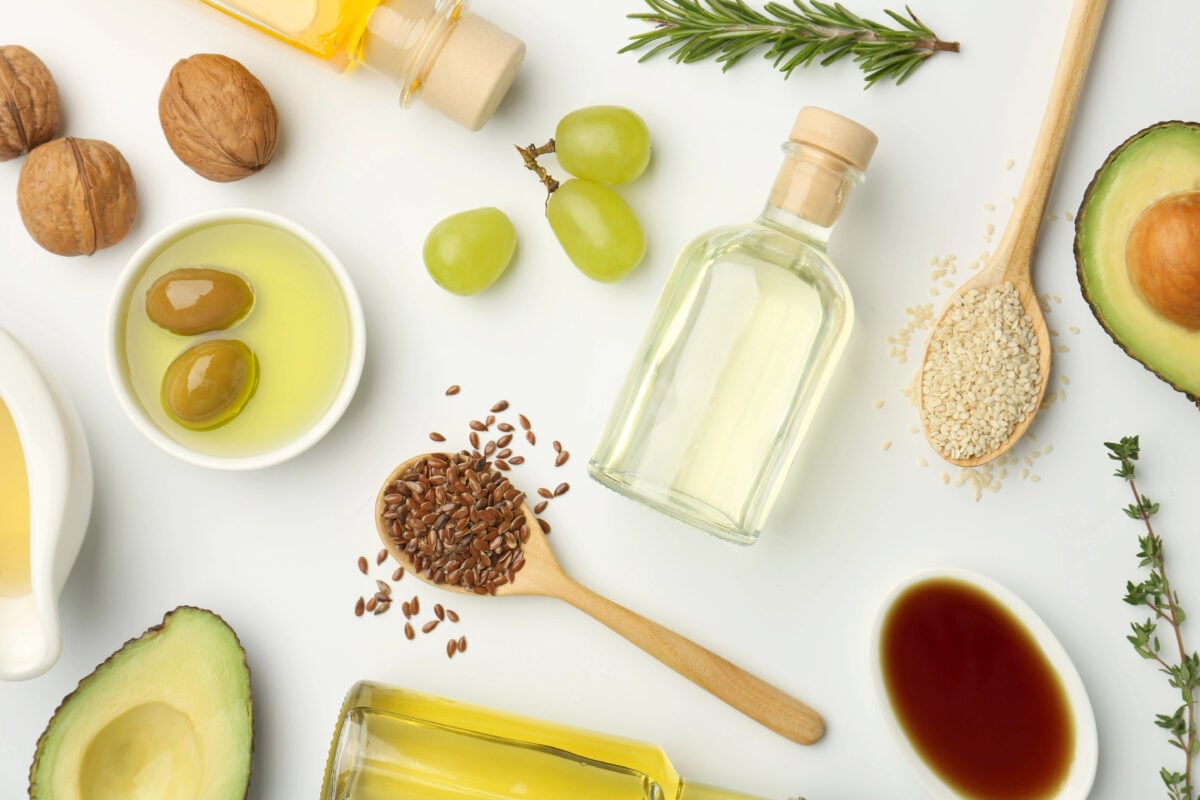
Start Here: How To Choose The Right Oil For Your Needs
Choosing the right oil doesn’t start with labels like “good” or “bad.” It begins with context.
An oil that performs beautifully in a hot pan may be a terrible choice for salad dressing. An oil that works well on skin may clog pores for someone else. And some oils are only meant to be taken as supplements, never heated or applied topically.
And, of course, choosing the right oil also means thinking beyond performance. How an oil is sourced, processed, and produced matters. Sustainable harvesting practices and responsible production don’t just support environmental health; they also tend to preserve oil quality, nutrient integrity, and long-term benefits for our bodies.
Before comparing individual oils, answer the questions below. Once you know these, most oil decisions become far more straightforward.
1. What Are You Using the Oil For?
This is the most important question, and it’s where most confusion begins. Some oils overlap across categories. Many do not.
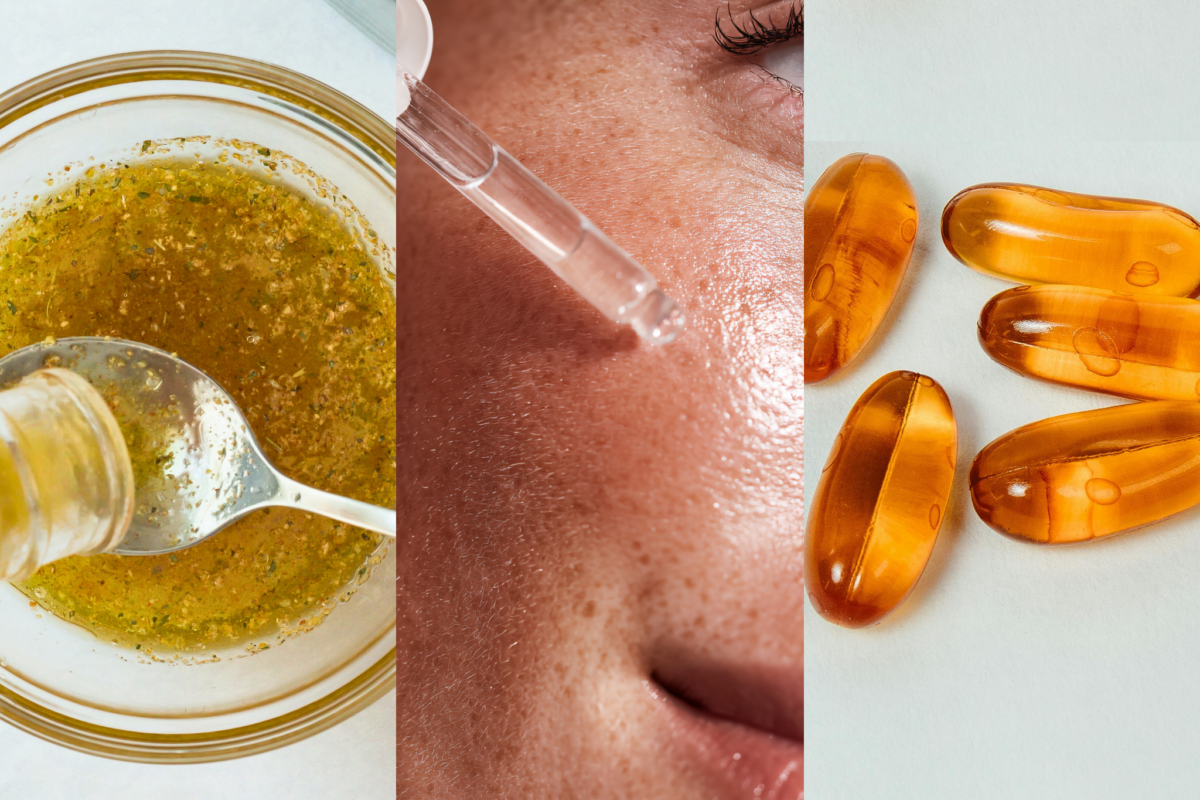
Most oils fall into one (or more) of these buckets:
- Cooking oils (heat stability and flavor matter)
- Skincare and hair oils (absorption and skin compatibility matter)
- Supplement oils (fatty acid profile and stability matter)
An oil being “natural” or “plant-based” doesn’t mean it belongs in all three categories.
2. How Much Heat Will It See?
Heat changes oil chemistry. This is why smoke point matters.
When an oil is heated past its smoke point:
- Flavor degrades
- Nutrients break down
- Oxidation increases
That doesn’t mean high-heat oils are “better.” It means they’re built for a different job.
General Heat Categories
| Cooking Method | What To Look For | Example Oils |
|---|---|---|
| High heat (searing, frying) | High smoke point, refined | Avocado, coconut (refined) |
| Medium heat (sauteing) | Moderate smoke point | Olive, sesame |
| Low or no heat | Delicate, unrefined | Flaxseed, walnut |
3. Does Flavor Matter Or Should The Oil Stay Neutral?
Some oils are meant to disappear into the background. Others are meant to be tasted.

- Neutral oils work best when you don’t want to compete with spices, herbs, or bold ingredients.
- Flavor oils shine in dressings, finishing drizzles, and simple dishes.
Neutral oils typically:
- Have higher smoke points
- Are refined
- Don’t dominate a recipe
Flavor-forward oils typically:
- Are unrefined or cold-pressed
- Have lower smoke points
- Add character to food
Using an intensely flavored oil at the wrong moment can overpower a dish just as easily as it can elevate it.
4. Are You Applying It To Skin Or Hair?
Oils behave very differently on the skin than they do in food. Some oils absorb quickly and leave little residue. Others are heavier, more occlusive, and better for sealing in moisture.

This is where terms like dry oil, comedogenic, and non-greasy actually matter.
At A Glance
- Lightweight, fast-absorbing oils tend to feel “dry”
- Rich oils tend to sit on the surface longer
- Skin type determines how an oil behaves, not just the oil itself
We’ll break this down in detail later, but for now, know that texture matters just as much as ingredients when choosing oils for skincare or hair.
5. Are You Using Oil For Nutritional Support?
Some oils are not meant to be cooked or applied topically at all.
Supplement oils are chosen for:
- Omega fatty acid content
- Wellness goals
Heating or misusing these oils can reduce their benefits. If an oil is sold as a supplement, it usually doesn’t belong in your frying pan.
Understanding Omega Fats: Omega-3, Omega-6, and Omega-9 Explained
Omega fatty acids are the building blocks of fats that play different roles in the body. You don’t need to memorize their names to benefit from them, but understanding the broad differences helps explain why some oils are better suited for nutritional support than others.
| Omega Type | Fat Class | Key Benefits | Common Oil Sources |
|---|---|---|---|
| Omega-3 (ALA, EPA, DHA) | Polyunsaturated fat | Cardiovascular health, brain function, joint comfort, and healthy inflammatory response | Fish oil, algae oil, flaxseed oil, chia seed oil |
| Omega-6 (LA, GLA, ARA, CLA) | Polyunsaturated fat | Skin, hair, and nail health, metabolism, reproductive health, and cardiovascular health | Sunflower oil, soybean oil, borage oil, evening primrose oil, pumpkin seed oil, rice bran oil |
| Omega-9 (primarily oleic acid) | Monounsaturated fat | Supports heart health, blood sugar balance, inflammation regulation, and immune support | Olive oil, avocado oil, peanut oil, sunflower oil, rice bran oil |
Omega-3 and omega-6 fatty acids are considered essential fats, meaning the body cannot produce them on its own and must obtain them through diet. Omega-9 fats, on the other hand, are non-essential because the body can synthesize them as needed.
Most modern diets already provide ample omega-6 fatty acids, primarily through common cooking oils and processed foods. Omega-3 fats are less consistently consumed, which is why they’re often prioritized through food choices or supplementation.
That doesn’t mean omega-6 and omega-9 fats are undesirable or unnecessary. In specific contexts, such as supporting skin health, hormonal balance, or metabolic function, intentionally supplementing or prioritizing certain omega-rich oils may be beneficial.
Cooking Oils Explained: Heat, Flavor & Function
Most confusion around cooking oils comes from treating them as interchangeable. They’re not.
Cooking oils behave differently depending on heat, processing, and fat composition. An oil that works well for roasting vegetables may fail completely when used for high-heat searing. Another might be perfect for dressings but degrade quickly in a hot pan.
Once you understand how oils respond to heat and flavor, choosing the right one becomes much simpler.
Why Heat Matters When Cooking With Oil
Heat changes oil chemistry. When an oil is heated past its smoke point, it begins to break down.
Flavor suffers, beneficial compounds degrade, and oxidation increases. As oils oxidize, they form harmful byproducts, some of which are procarcinogenic, meaning they can contribute to cellular damage when consumed regularly over time.
This doesn’t mean all high-heat cooking is dangerous. It means oils have limits, and pushing them beyond those limits changes how they behave in the body.
Quick Takeaway: Using an oil within its appropriate heat range helps preserve its structure, flavor, and safety, while reducing unnecessary exposure to oxidized compounds.
Cooking Oils By Heat Level
This is the fastest way to narrow your choices.
| Oil Type | Max Cook Heat | Smoke Point |
|---|---|---|
| Avocado oil | Very high heat | ~520°F (270°C) |
| Canola oil (rapeseed oil) | High heat | ~400°F (205°C) |
| Chia seed oil | No heat | ~320°F (160°C) |
| Coconut oil (refined) | High heat | ~450°F (232°C) |
| Coconut oil (virgin/unrefined) | Medium heat | ~350°F (177°C) |
| Flaxseed oil (unrefined) | No heat | ~225°F (107°C) |
| Grapeseed oil | High heat | ~420°F (216°C) |
| Hazelnut oil | Low heat / finishing | ~430°F (221°C) |
| Hemp seed oil | No heat | ~330°F (165°C) |
| Macadamia nut oil | High heat | ~410°F (210°C) |
| Olive oil (extra virgin) | Medium heat | ~375°F (190°C) |
| Olive oil (refined/light) | High heat | ~465°F (240°C) |
| Palm oil | High heat | ~450°F (232°C) |
| Peanut oil | High heat | ~450°F (232°C) |
| Rice bran oil | Very high heat | ~490°F (254°C) |
| Safflower oil | High heat | ~450°F (232°C) |
| Sesame oil (unrefined) | Medium heat | ~350°F (177°C) |
| Sesame oil (refined) | High heat | ~410°F (210°C) |
| Soybean oil | High heat | ~450°F (232°C) |
| Sunflower oil (refined) | High heat | ~450°F (232°C) |
| Vegetable oil (blend) | High heat | ~400–450°F (205–232°C) |
| Walnut oil | Low heat / finishing | ~320°F (160°C) |
Quick Reminder: Heating oils beyond their recommended range increases oxidation and the formation of procarcinogenic compounds. Matching oil to heat level protects both flavor and long-term health.
Refined vs Unrefined Oils
Processing plays a major role in how oils behave.
- Refined oils are filtered to remove impurities. This raises smoke point and creates a more neutral flavor.
- Unrefined oils retain more natural compounds and flavor, but are more heat-sensitive.
This is why:
- Refined avocado oil works for frying
- Extra-virgin olive oil shines in dressings
- Flaxseed oil should never be heated
Understanding this distinction prevents most oil “mistakes.”
3 Types Of Fat In Cooking Oils (Without The Fear)
Fats have been labeled villains, heroes, and everything in between. In reality, fats are neither good nor bad on their own. They’re structural compounds with different properties, and those properties determine how they behave under heat and how they function in the body.
Understanding the main types of fats in cooking oils helps you choose oils more intentionally and ignore oversimplified claims that don’t hold up in real kitchens.
| Fat Type | Heat Stability |
|---|---|
| Saturated | High |
| Monounsaturated | Moderate |
| Polyunsaturated | Low |
1. Saturated Fats
Saturated fats have a stable chemical structure, which makes them more resistant to heat and oxidation.
This stability is why saturated-fat–rich oils and fats tend to perform well in high-heat cooking. They’re less likely to break down when exposed to prolonged heat.
Common cooking fats higher in saturated fat include:
- Coconut oil
- Palm oil
- Butter and ghee
Saturated fats are calorie-dense, like all fats, but they aren’t inherently dangerous. Context matters. How often you use them, how they’re processed, and what they replace in your diet all play a role.
2. Monounsaturated Fats
Monounsaturated fats sit in the middle ground. They offer a balance of heat stability and nutritional flexibility, which is why they’re common in many everyday cooking oils.
These fats are generally more stable than polyunsaturated fats and tolerate moderate heat well, especially when the oil is refined.
Common oils higher in monounsaturated fat include:
- Olive oil
- Avocado oil
- Macadamia nut oil
Because of their balance, monounsaturated fats are often used for sauteing, roasting, and dressings.
3. Polyunsaturated Fats
Polyunsaturated fats are more chemically delicate. They’re valuable nutritionally, but more sensitive to heat and oxidation.
This sensitivity means oils high in polyunsaturated fats are usually better suited for:
- Low-heat cooking
- Finishing dishes
- Cold applications
Common oils higher in polyunsaturated fat include:
- Flaxseed oil
- Hemp seed oil
- Walnut oil
- Sunflower oil
When overheated, polyunsaturated fats oxidize more easily, which is why matching these oils to the right use is especially important.
Why Balance Matters More Than Avoidance
Rather than fearing specific fats, the most practical approach is to:
- Use stable fats for high heat
- Reserve delicate oils for low or no heat
- Rotate oils based on function, not headlines
Using a variety of oils allows you to benefit from different fat profiles while minimizing unnecessary oxidation or overreliance on any one source.
Should We Be Using Cooking Oils At All?
Some nutrition experts argue that people don’t need to cook with oils at all. For example, Michael Greger, M.D., a physician and author known for his work in whole-food, plant-based nutrition, encourages getting fats from whole foods like olives, avocados, nuts, and seeds rather than from extracted oils.
This perspective emphasizes increasing nutrient density while reducing excess calories and potential inflammation. Whole foods provide fats alongside fiber, antioxidants, and phytochemicals, which refined oils lack.
Another concern involves what happens during oil processing and high-heat cooking. Research has shown that refining methods can produce unwanted byproducts, and heating oils can:
- Alter fatty acid structure, including the formation of unhealthy trans fats.
- Promote oxidation, which contributes to cellular damage when the oil is consumed or inhaled through cooking oil fumes.
- Create carcinogenic compounds, raising cancer risk.
For this reason, some experts prefer to avoid cooking oils altogether rather than trying to manage these risks. For those who choose to cook without oil, alternatives such as water, vegetable broth, or vinegar can work well for preventing sticking, while still allowing foods to brown and develop flavor.
That said, many people continue to use cooking oils for practicality, taste, and cultural cooking traditions. When oils are used, choosing stable oils, avoiding excessive heat, and using smaller amounts can help reduce potential downsides.
Sustainability & Cooking Oils
Quality and sustainability often go hand in hand.
Oils that are responsibly sourced and minimally processed tend to retain better flavor and stability, while also supporting environmental health. Practices like organic farming, cold-pressing, regenerative agriculture, and transparent supply chains help protect soil, water, and ecosystems.
That said, not all oils carry the same sustainability considerations. Some oils are more likely to raise environmental concerns depending on how and where they’re produced.
Oils With Notable Sustainability Concerns
- Palm oil: Widely linked to rainforest deforestation, habitat loss, and biodiversity decline when produced irresponsibly. Sustainably sourced palm oil does exist, but it requires credible certification and transparency.
- Soybean oil: Large-scale soy farming has contributed to deforestation and monoculture expansion in parts of South America. Much of the concern depends on region, farming practices, and whether soy is grown for food or industrial use.
- Canola oil (rapeseed oil): Often associated with intensive monocropping and high pesticide use, especially when conventionally grown. Organic and rotational farming practices significantly reduce impact.
Oils Where Sourcing Makes The Biggest Difference
- Olive oil: Typically lower-impact, especially when produced using traditional or regenerative methods. However, fraud, water use, and overharvesting can still be issues in some regions.
- Coconut oil: Often grown on small farms, but yield is low per acre, which can increase land pressure. Fair-trade and smallholder sourcing matter here.
- Avocado oil: Rising global demand has raised concerns around water use and land conversion in some producing regions.
Generally Lower-Impact Options (When Responsibly Produced)
- Hemp seed oil: Fast-growing, low-input crop with soil-regenerating benefits.
- Flaxseed oil: Typically lower-impact and often grown in crop rotations that support soil health.
- Walnut, hazelnut, and macadamia oils: Tree-based crops can be relatively sustainable, especially when part of diversified orchards.
No oil is perfect, and sustainability is rarely black and white. The most meaningful choices come from supporting producers who prioritize transparency, responsible land use, and long-term ecological health.
Sustainability Snapshot: Common Cooking Oils
| Oil | Sustainability Consideration |
|---|---|
| Olive oil | 🌱🔍 Generally lower-impact, sourcing matters |
| Avocado oil | 💧🔍 High water use in some regions |
| Coconut oil | 🔍 Impact depends on farming practices |
| Palm oil | ⚠️ Linked to deforestation without safeguards |
| Soybean oil | ⚠️🔍 Associated with monocropping and deforestation |
| Canola oil (rapeseed) | 🔍 Depends on farming methods |
| Sunflower oil | 🔍 Conventional vs regenerative matters |
| Safflower oil | 🔍 Large-scale farming impacts vary |
| Rice bran oil | 🌱 Often a byproduct of rice milling |
| Vegetable oil (blend) | ⚠️ Source varies widely, often unclear |
Sustainability Key
- 🌱 = Generally lower-impact when responsibly produced
- 🔍 = Impact depends heavily on sourcing and farming practice
- 💧 = Associated with high water use in some regions
- ⚠️ = Well-documented sustainability concerns
Popular Cooking Oils Compared
This section breaks down the most common cooking oils you’ll encounter, what they’re actually best for, and what shoppers should know before buying. No oil here is universally “good” or “bad”. Each one has strengths, limitations, and ideal uses.
Olive Oil
Olive oil is one of the most widely used and misunderstood cooking oils. Its benefits and limitations depend heavily on how it’s processed.
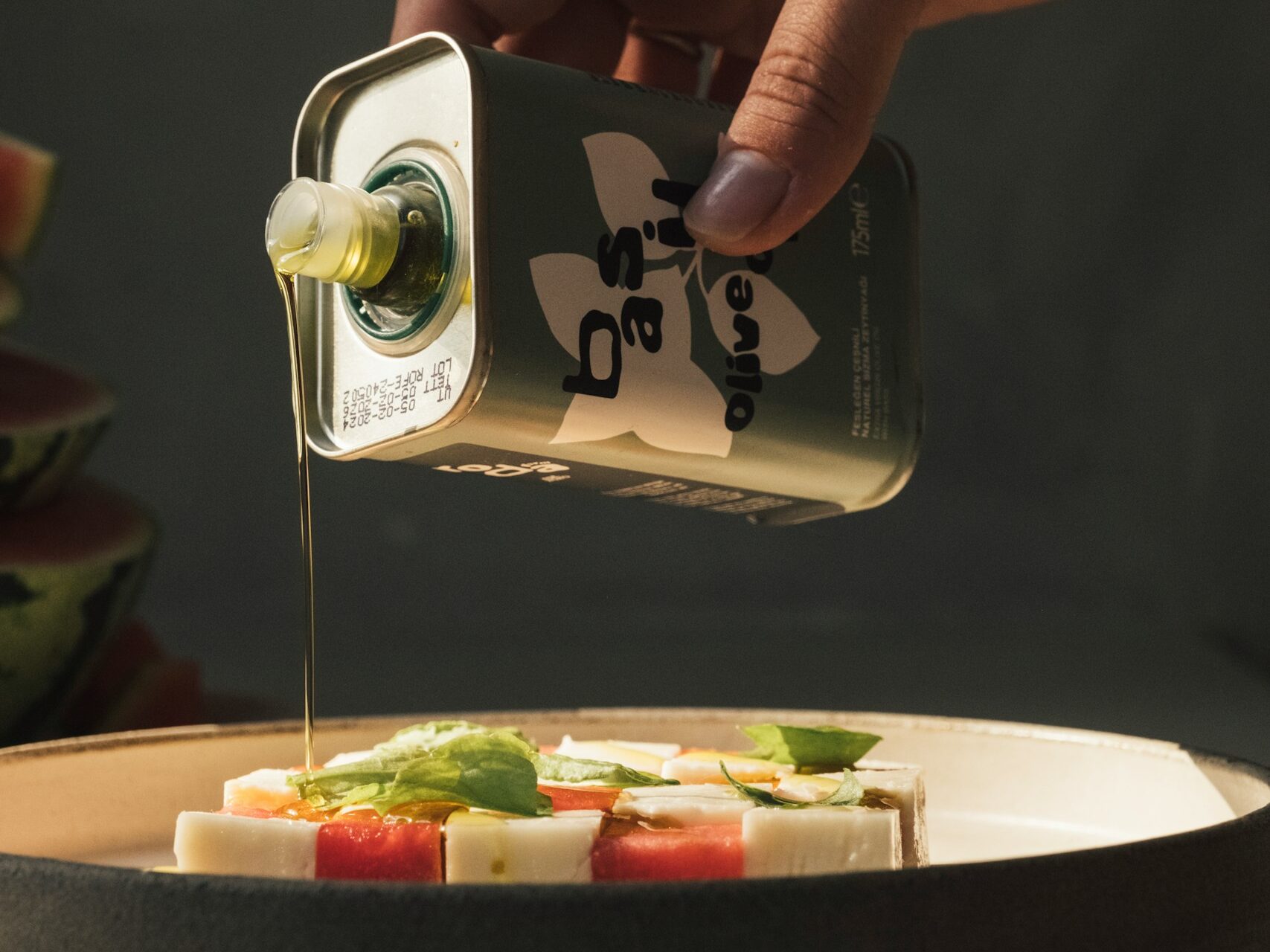
Extra-Virgin vs Refined Olive Oil
- Extra-virgin / cold-pressed: mechanically pressed without chemical refining, which preserves flavor and natural antioxidants.
- Refined olive oil: processed to remove impurities and flavor. More neutral with a higher smoke point.
What Color Tells You
Extra-virgin olive oil (EVOO) ranges from golden yellow to deep green, depending on olive variety and harvest timing. Refined olive oil is much lighter and more uniform in color.
Color alone doesn’t guarantee quality, but extremely pale oil paired with strong “extra-virgin” claims can be a red flag.
Best Uses & Common Myths
EVOO is excellent for dressings, finishing dishes, and gentle sauteing. Despite common myths, it can tolerate moderate heat, but it’s not ideal for high-temperature frying.
Refined olive oil works well for roasting and sauteing when you want olive oil’s benefits without its intense flavor.
Avocado Oil
Avocado oil is one of the most versatile oils for high-heat cooking and a favorite for searing and roasting.
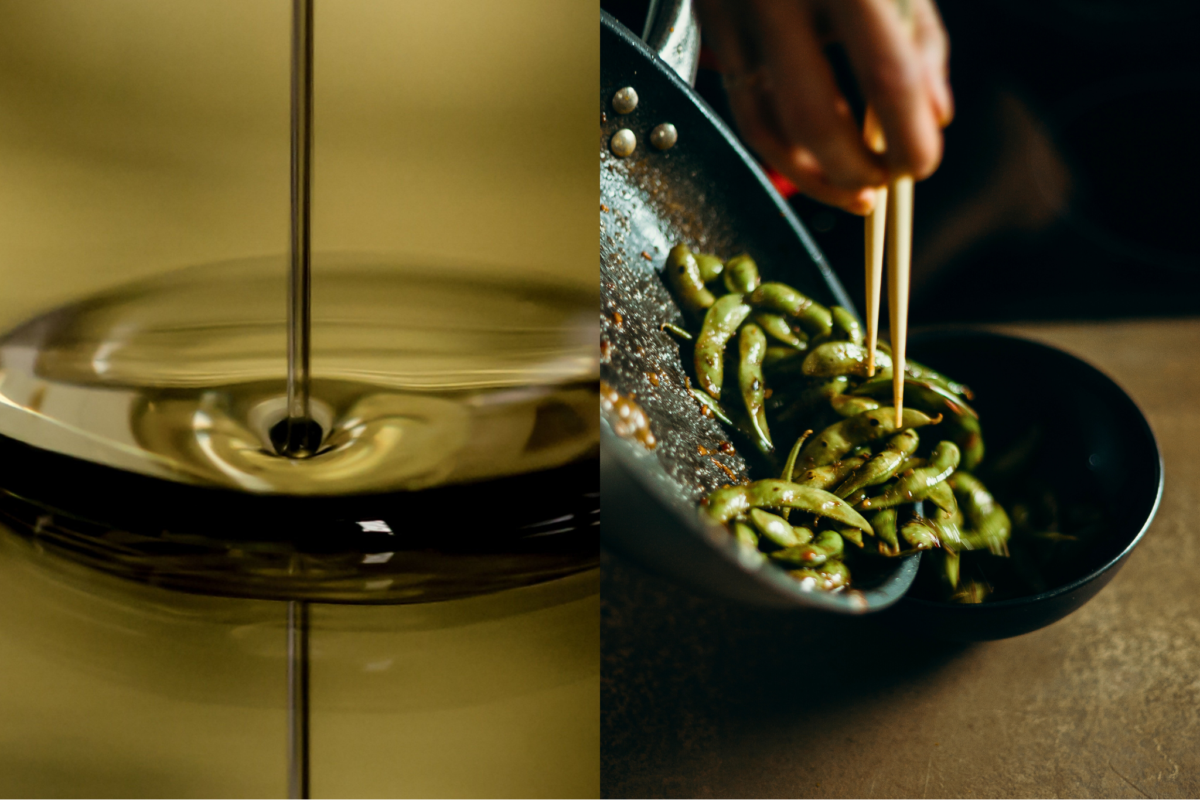
Refined vs Unrefined Differences
- Cold-pressed / unrefined: extracted without high heat or chemical solvents. Typically deep green with a mild avocado flavor and lower smoke point.
- Refined: processed for neutrality and heat stability. Usually pale yellow or nearly clear, with one of the highest smoke points of any cooking oil.
What Color Tells You
Color is especially useful here. Unrefined avocado oil should look green. If an oil is labeled “extra-virgin” or “unrefined” but appears clear, it may be more processed than the label suggests.
Canola Oil (Rapeseed Oil)
Canola oil is widely used because it’s neutral, affordable, and versatile, but quality varies significantly.

Refined vs Cold-Pressed Canola
- Cold-pressed: less processed and retains more natural compounds, but has a lower smoke point and stronger flavor.
- Refined: more common for cooking because it’s neutral and more heat-stable.
When It Makes Sense (And When It Doesn’t)
Canola oil works well when you want a neutral oil for medium- to high-heat cooking. It’s less ideal for finishing dishes or for those prioritizing minimally processed oils.
Grapeseed Oil
Grapeseed oil is often chosen for its clean taste and high smoke point.
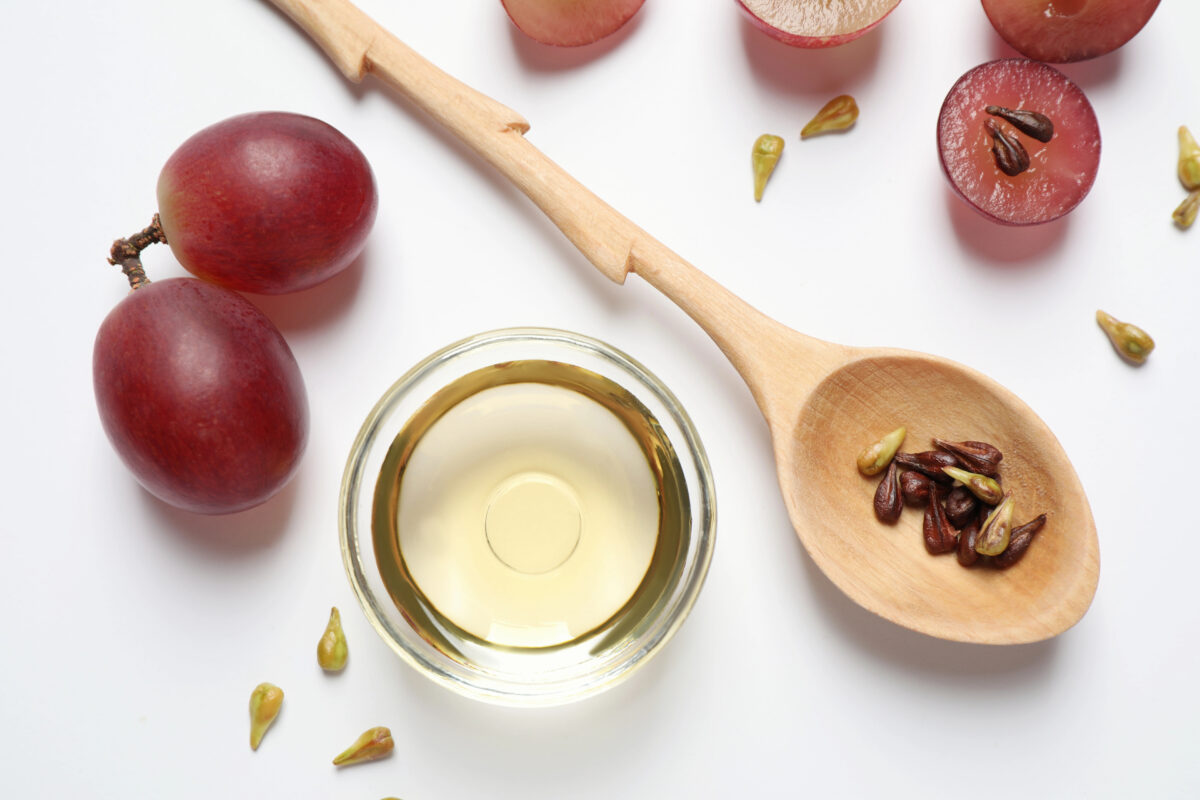
High Smoke Point & Neutral Flavor
This oil stays out of the way flavor-wise, making it useful for sauteing, roasting, and baking.
Color Note: Grapeseed oil can appear as pale yellow to darker green. Color variation is not a reliable indicator of performance or quality.
Pros & Cons
Grapeseed oil performs well under heat, but it’s higher in polyunsaturated fats, which are more prone to oxidation if overheated repeatedly. It’s best used thoughtfully rather than as an everyday default.
Coconut Oil
Coconut oil stands apart from most plant oils because of its high saturated fat content and unique structure, which makes it more stable under heat. It’s also one of the few oils commonly sold in different physical forms.
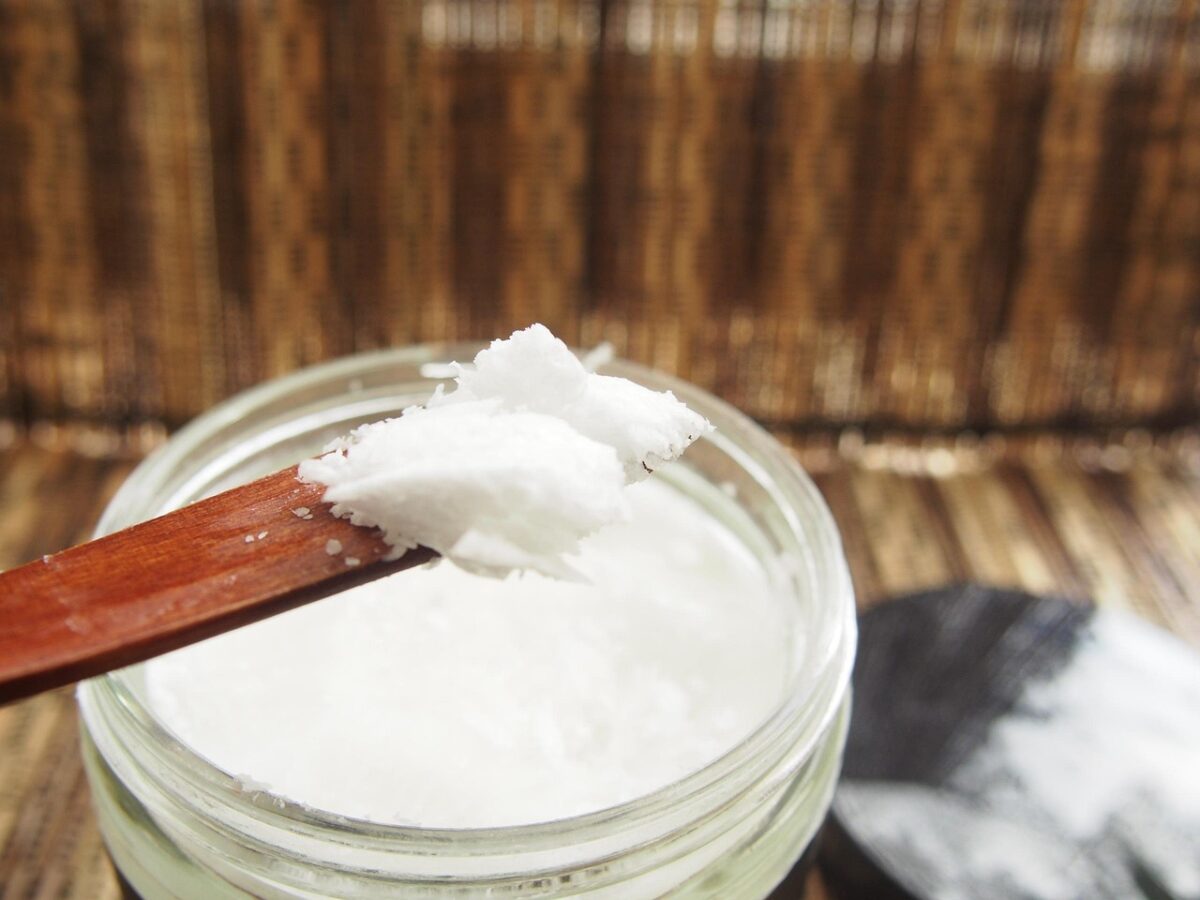
Refined vs Virgin Coconut Oil
- Virgin (unrefined): minimally processed and retains coconut aroma and flavor.
- Refined: filtered and deodorized for higher heat tolerance and a neutral flavor.
Solid vs Liquid Coconut Oil (Fractionated Coconut Oil)
Coconut oil is naturally solid at cooler room temperatures and melts when warmed. However, it’s also commonly sold in a liquid form called fractionated coconut oil.
Fractionated coconut oil is processed through hydrolysis and steam distillation, which removes certain fatty acids responsible for solidifying.
Because of this processing fractionated coconut oil:
- remains a liquid at room temperature
- has a lighter texture
- lacks coconut flavor
Fractionated coconut oil is often used in skincare, hair care, and cosmetic formulations, and is less commonly used for cooking.
Peanut Oil
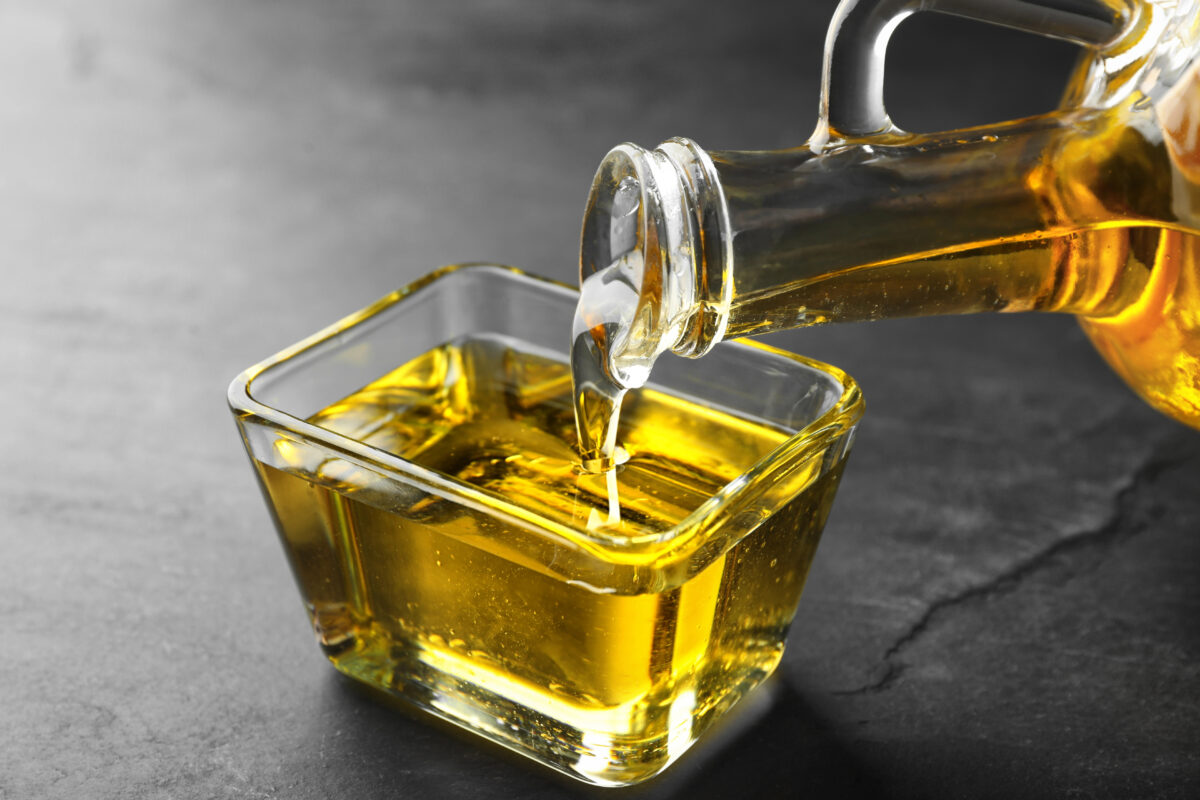
Peanut oil is commonly used for frying due to its heat stability and mild flavor.
Allergy Considerations
Highly refined peanut oil is generally considered safe for many with peanut allergies, but unrefined versions may still pose a risk and should be avoided when allergies are a concern.
Sesame Oil
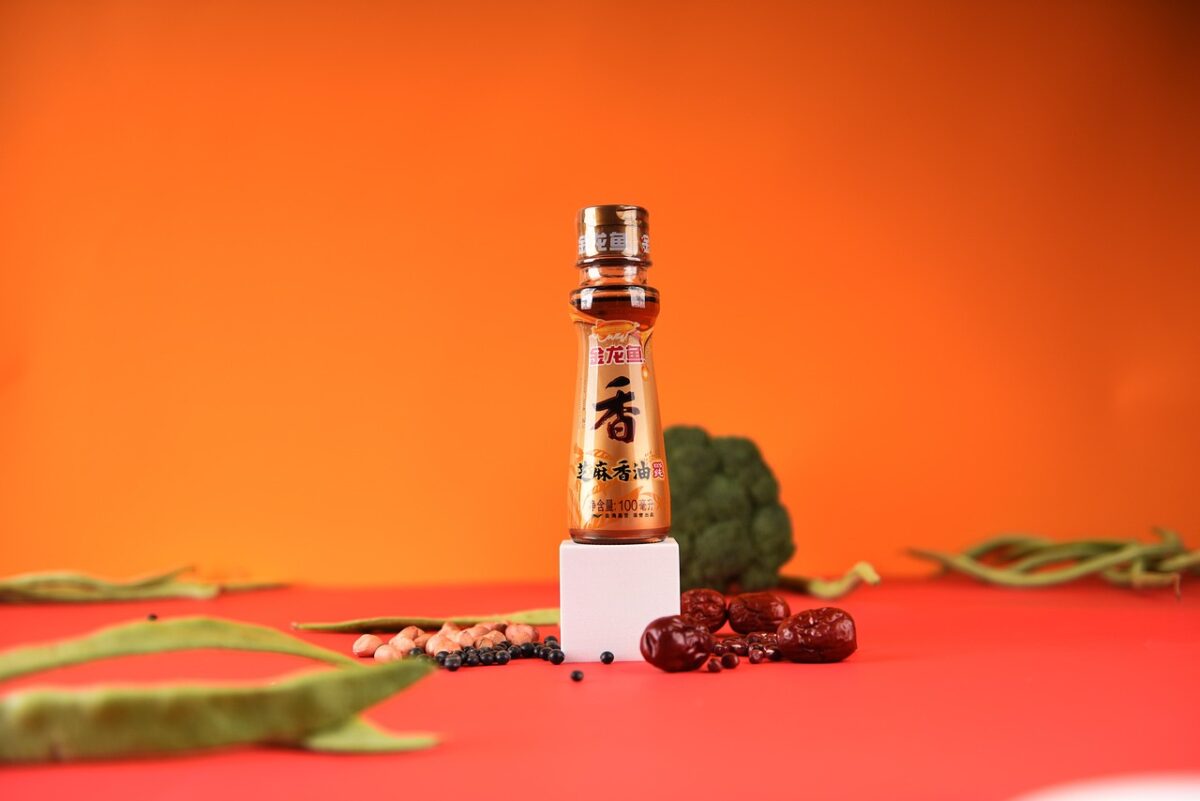
Sesame oil is best known for flavor rather than heat performance.
Toasted vs Untoasted Sesame Oil
- Untoasted sesame oil: pressed from raw sesame seeds. Light in color with a mild, nutty flavor. Available in both refined and unrefined forms and can be used for cooking, depending on refinement.
- Toasted sesame oil: made from toasted sesame seeds. Dark amber with a strong, aromatic flavor. Best used as a finishing oil rather than for high-heat cooking.
A little toasted sesame oil goes a long way. It’s meant to add depth and aroma, not to serve as a primary cooking fat.
What About Vegetable Oil?
Vegetable oil isn’t a single oil. It’s a blend, and what’s inside can vary widely depending on the brand.
Most vegetable oils are made from combinations of soybean, corn, sunflower, or canola oils. Because the exact blend is rarely disclosed, smoke point, flavor, and fatty acid balance can be inconsistent.
Vegetable oil works for high-heat cooking, but it offers little transparency. If you want more control over sourcing, heat stability, or nutrition, choosing a specific oil is usually the better option.
How To Read Oil Labels (Quick Guide)
- Cold-pressed / unrefined: more flavor and natural compounds, lower heat tolerance
- Refined: higher smoke point, neutral flavor
- Extra-virgin: mechanically pressed without chemical refining
- “Light” oil: refers to flavor and color, not calories
Oils For Skincare & Hair Care
Not all oils behave the same way on skin or hair. Some absorb quickly and feel weightless. Others sit on the surface to seal in moisture.
Choosing the right oil for skincare or hair care isn’t about finding a universally “good” oil. It’s about matching texture, absorption, and function to your specific needs.
Comedogenic vs Non-Comedogenic Oils
The term “comedogenic” refers to how likely an oil is to clog pores. Oils labeled non-comedogenic are generally less likely to contribute to breakouts. However, this isn’t a strict rule.

Factors like skin type, existing oil production, climate, and how an oil is layered with other products all matter. That said, some oils are more commonly tolerated across skin types because they absorb well and closely match the skin’s natural lipid profile.
Oils that are considered comedogenic include:
- Jojoba oil: closely mimics the skin’s natural oil (sebum), which helps it absorb easily and work well across many skin types
- Squalane: lightweight, non-greasy, and biomimetic, making it a popular choice for oily, acne-prone, and sensitive skin
- Hemp seed oil: fast-absorbing with a lighter feel that many acne-prone skin types tolerate well
- Rosehip oil: often used for texture and tone, with a lighter feel than richer oils
These oils aren’t guaranteed to work for everyone, but they’re frequently used as starting points when pore clogging is a concern.
Dry Oils vs Rich Oils: What “Non-Greasy” Actually Means
When people describe an oil as “dry” or “non-greasy,” they’re usually talking about viscosity and absorption speed. “Dry oil” doesn’t mean an oil lacks moisture. It describes how quickly an oil absorbs and how it feels on the skin.
- Dry oils are typically thinner and lower in viscosity. They spread easily, absorb quickly, and leave little surface residue.
- Rich or “wet” oils are thicker and more viscous. They absorb more slowly and leave a noticeable protective layer on the skin.
This is why two oils can both be nourishing but feel completely different when applied.
Common Dry Oils
- Squalane
- Rosehip oil
- Grapeseed oil
- Hemp seed oil
Common Rich Oils
- Almond oil
- Olive oil
- Castor oil
- Coconut oil
Single Oils vs Blends: Does More Mean Better?
Blended oils often combine multiple oils to improve texture, absorption, or scent, but more ingredients doesn’t automatically mean better results.
Single oils offer simplicity and transparency, making it easier to understand how your skin or hair responds. Blends can be helpful when they’re thoughtfully formulated, especially to balance rich and lightweight oils or improve spreadability.
What matters most isn’t whether an oil is single-source or blended, but:
- How it feels on your skin or hair
- How it’s being used
- And whether the formulation matches your needs
A well-chosen single oil can be just as effective as a complex blend.
What About Solid Oils & Butters?
Some plant oils are solid at room temperature due to their fatty acid composition. These are commonly referred to as butters rather than oils.
Common examples include:
- Shea butter
- Cocoa butter
- Mango butter
Because of their weight, solid butters are more commonly used for body care, lip care, and targeted dry areas rather than daily facial use, especially for acne-prone skin.
Carrier Oils vs Active Oils
Not all oils serve the same role in skincare.
Carrier oils form the base of a product. They moisturize, soften skin, and help distribute other ingredients evenly. These oils are often used on their own or make up the majority of a blend.
Active oils are typically used in smaller amounts for targeted effects. These may include essential oils, which are highly aromatic and concentrated, as well as nutrient-rich oils like vitamin E oil, a thick, viscous oil commonly used for its skin-repairing and anti-aging benefits.

Because active oils are more concentrated, they’re typically diluted in carrier oils rather than applied generously on their own. Understanding this distinction helps prevent irritation and allows oils to be used more effectively.
Best Skincare Oils By Skin Concern
Different skin concerns benefit from different oil properties. Texture, absorption speed, and fatty acid profile all matter.
| Skin Concern | Oils That Often Work Well | Why They’re Used |
|---|---|---|
| Dry & Dehydrated | Avocado oil, baobab oil, marula oil | Richer oils that help seal in moisture and support the skin barrier |
| Rough or Chapped Skin | Apricot kernel oil, avocado oil, sweet almond oil | Softening oils that improve texture and comfort |
| Oily & Acne-Prone | Hemp seed oil, jojoba oil, rosehip oil | Lightweight oils that absorb quickly and are less likely to feel heavy |
| Aging & Textured Skin | Argan oil, borage oil, evening primrose oil, rosehip oil, sea buckthorn oil | Often used as active oils to support elasticity and skin renewal |
| Sensitive & Inflamed Skin | Hemp seed oil, jojoba oil, marula oil, squalane | Gentle oils with low irritation potential |
How Much Oil Should You Actually Use?
When it comes to oils, more is rarely better. Using the right amount helps oils absorb properly and prevents buildup on skin or hair.
- Face oils: 2–4 drops is usually enough for the entire face
- Body oils: apply to slightly damp skin and use just enough to spread easily
- Scalp oils (growth or scalp support): use sparingly and treat them as short-term treatments, not daily leave-ins
- Hair ends (daily smoothing or frizz control): start with a pea-sized amount, warm it between your hands, and apply to mid-lengths and ends
- Smoothing treatments: use a very small amount of lightweight oil on damp or dry hair to reduce friction and add shine
- Deep conditioning or pre-wash treatments: apply richer oils more generously to dry hair, leave on briefly, then shampoo out
If oil sits on the surface or feels greasy long after application, it’s usually a sign that too much was used or the oil is heavier than your skin or hair needs.
Best Oils For Hair & Scalp Care
Hair oils serve different purposes depending on where and how they’re used. Some are best for the scalp, where the goal is comfort and balance. Others work best on the lengths and ends, where the focus is smoothing, softness, and shine.

As with skincare, the right oil depends on hair texture, density, and application.
Growth-Supporting Oils (Scalp-Focused)
These oils are commonly used for scalp massage or short treatments rather than daily leave-ins. They’re typically applied in small amounts and washed out.
| Oil | Why It’s Used | Best For |
|---|---|---|
| Castor oil | Thick, occlusive oil often used to condition the scalp and reduce moisture loss | Dry scalps, protective styles |
| Jojoba oil | Closely mimics natural scalp oils and absorbs well | Most scalp types, including oily or sensitive |
| Rosemary-infused oil | Used traditionally to support scalp circulation (stimulate hair growth) | Occasional scalp treatments |
Note: Growth oils support scalp health. They don’t override genetics or replace medical hair-loss treatments.
Lightweight Oils For Fine Or Easily Weighed-Down Hair
These oils smooth and add shine without heaviness. They’re best applied to mid-lengths and ends, not directly to the scalp.
| Oil | Texture & Feel | Why It Works Well |
|---|---|---|
| Argan oil | Lightweight, silky | Smooths frizz and adds shine without buildup |
| Jojoba oil | Light, fast-absorbing | Helps soften ends without greasiness |
| Squalane | Very lightweight, dry-feel oil | Adds slip and softness with minimal residue |
Heavier Oils For Thick, Textured, Or Curly Hair
Thicker hair types often benefit from oils that provide weight, slip, and moisture retention.
| Oil | Texture | Common Uses |
|---|---|---|
| Coconut oil | Rich, occlusive | Pre-wash treatments, length protection |
| Avocado oil | Medium-rich | Softening coarse or dry hair |
| Olive oil | Rich | Deep conditioning and shine treatments |
Note: These oils are usually too heavy for fine hair but can work well for textured or highly porous hair.
Quick Hair Oil Tips
- Use scalp oils sparingly and wash them out
- Apply lightweight oils to ends, not roots
- More oil doesn’t equal better results
- Hair texture matters more than hair length
A Quick Note On Hair Porosity
Hair porosity refers to how easily hair absorbs and retains moisture. Highly porous hair tends to absorb oils quickly and often benefits from richer oils. Low-porosity hair absorbs more slowly and usually does better with lightweight oils applied sparingly.
You don’t need to know your exact porosity to choose a hair oil. If oils tend to sit on your hair or feel greasy, lighter oils are usually a better fit. If your hair absorbs oil quickly and still feels dry, richer oils may work better.
Oils Used As Supplements
Unlike cooking or skincare oils, supplemental oils are taken for their fatty acid profiles and bioactive compounds, not their texture or heat tolerance. These oils are typically consumed in small amounts, often as capsules or liquid supplements, and are chosen based on specific health goals rather than culinary use.
Omega-3 Oils: Plant vs Animal Sources
Omega-3 fatty acids are among the most commonly supplemented fats, particularly because many modern diets fall short. The main distinction here is whether omega-3s come from animal or plant sources.
Fish Oil
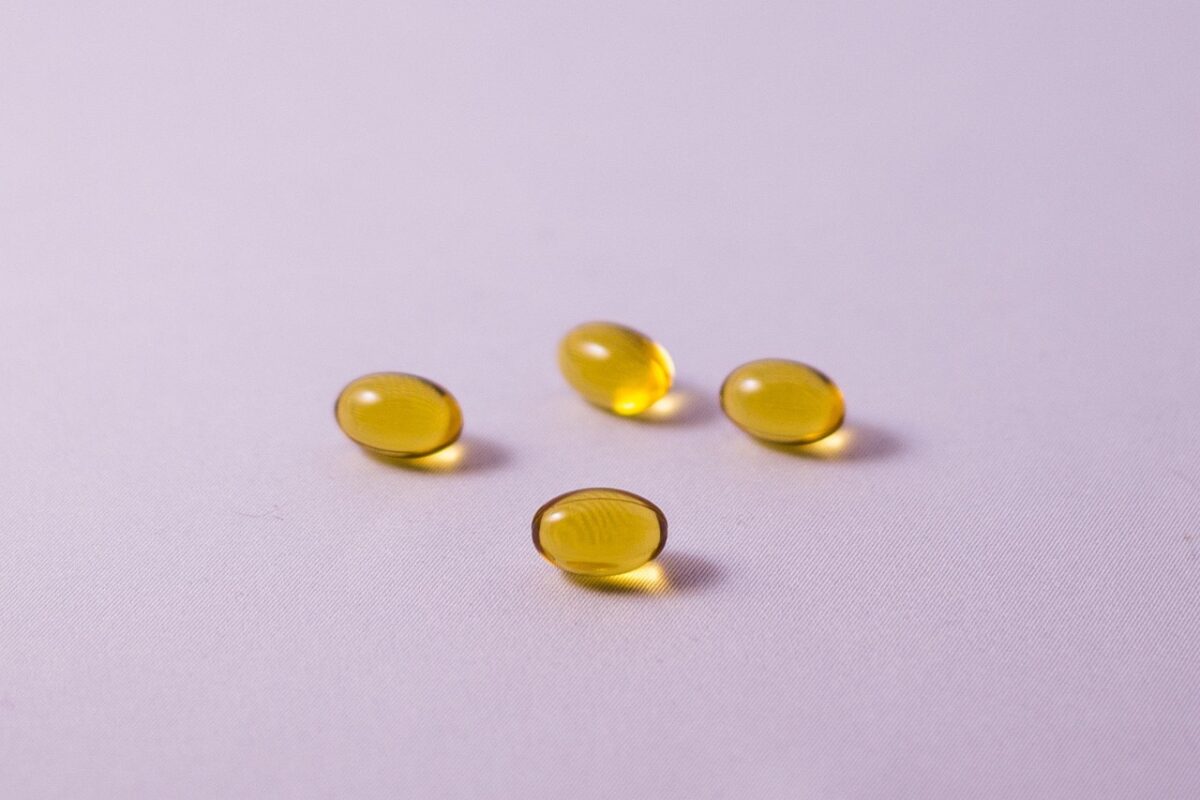
Fish oils provide omega-3s in the forms EPA and DHA, which are readily used by the body.
They’re commonly taken to support:
- Cardiovascular health
- Brain and cognitive function
- Joint comfort and inflammation balance
Many high-quality fish oil supplements are sourced from small, deep-ocean fish such as anchovies, sardines, mackerel, and herring. These species tend to have a lower contaminant load than larger, longer-lived fish because they sit lower on the food chain.
Other sources of fish oil include:
- Cod liver oil: provides omega-3s along with naturally occurring vitamins A and D
- Salmon oil: a natural source of the antioxidant astaxanthin, which helps protect the oil from oxidation
- Krill oil: contains astaxanthin and omega-3s bound to phospholipids, which may support absorption
As with all supplements, freshness, purity testing, and responsible sourcing matter more than the specific fish listed on the label.
Algae Oil (Vegan Omega-3)
Algae oil is a plant-based source of EPA and DHA and a popular alternative to fish-derived omega-3 supplements. It’s the original source of omega-3s in the marine food chain (it’s how fish get them) and a widely used option for people following plant-based diets.
Algae oil avoids concerns related to fish allergens and environmental contaminants.
It’s considered an eco-friendly option because it avoids many of the concerns associated with marine sourcing. Algae oil bypasses issues related to ocean pollution and environmental contaminants such as PCBs, since it’s produced in controlled environments rather than harvested from the ocean.
It also avoids broader sustainability challenges tied to overfishing, as well as animal welfare concerns, making it a preferred choice for people following plant-based diets or looking to reduce their environmental impact.
Seed-Based Omega-3s (Flaxseed, Chia Seed)
Flaxseed and chia seed oils provide ALA (alpha-linolenic acid), a plant-based omega-3 fatty acid. While ALA can be converted into EPA and DHA in the body, that conversion is limited.
Even so, ALA has meaningful benefits on its own. ALA intake has been associated with:
- Heart health support, including lowering LDL (“bad”) cholesterol and triglycerides
- Blood pressure support
- Improved metabolic health, including helping manage diabetes symptoms and reducing diabetes risk
- Inflammation balance
- Cognitive and brain health support
Because of these benefits, seed-based omega-3 oils are often used to complement other omega sources rather than replace EPA/DHA-rich oils entirely. They’re best viewed as a valuable part of a varied fat intake, especially for people prioritizing plant-based nutrition.
Other Supplemental Oils
Beyond omega-3s, several oils are used for targeted wellness goals.
Black Seed Oil
Black seed oil is traditionally used to support:
- Immune function
- Inflammation balance
- Metabolic health
Borage Oil
Borage oil is rich in GLA (gamma-linolenic acid), an omega-6 fatty acid often used for:
- Skin health
- Hormonal balance
- Inflammatory support
Evening Primrose Oil
Like borage oil, evening primrose oil is a source of GLA and is often used to support:
- Hormonal transitions
- Skin comfort
- Inflammatory balance
It’s frequently chosen for cyclical or hormone-related concerns.
Hemp Seed Oil
Hemp seed oil provides a naturally balanced ratio of omega-6 to omega-3 fatty acids and is often used for:
- General nutritional support
- Skin and hair health
- Inflammation balance
Note: Hemp seed oil contains no cannabinoids like cannabidiol (CBD). Hemp seed oil and hemp extract are not the same thing. The former comes from pressed hemp seeds, while the latter is derived from the plant’s aerial parts
MCT Oil
MCT oil is made from medium-chain triglycerides, usually derived from coconut or palm oil. It contains no omega fats.
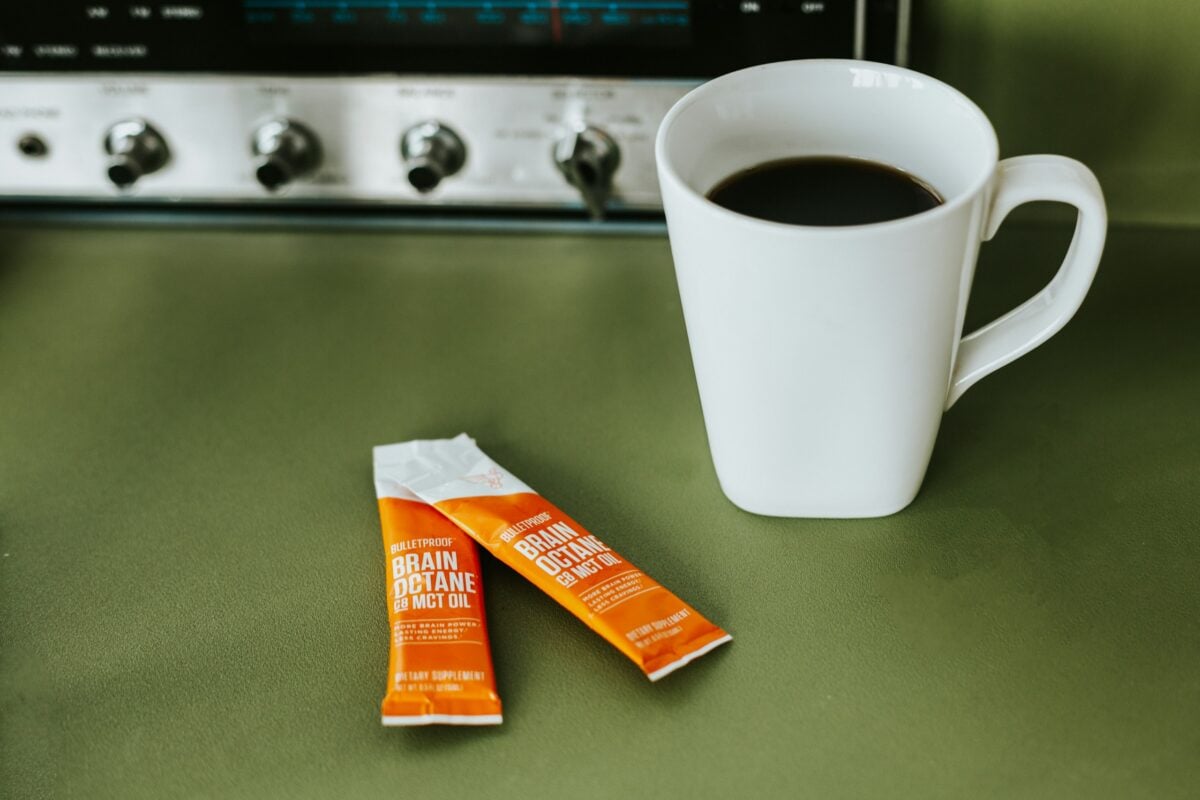
It’s often used to support:
- Quick energy metabolism
- Mental focus
- Ketogenic or low-carb diets
MCT oil behaves differently than most oils and is used for energy, not essential fatty acid intake.
Pumpkin Seed Oil
Pumpkin seed oil is commonly used for:
- Prostate health
- Urinary support
- Cardiovascular wellness
Supplemental Oils By Common Wellness Goal
| Wellness Goal | Oils Commonly Used |
|---|---|
| Heart & Cardiovascular Support | Fish oil, algae oil, flaxseed oil |
| Brain & Cognitive Support | Fish oil, algae oil, MCT oil |
| Joint & Inflammation Support | Fish oil, black seed oil, borage oil |
| Hormonal Support | Evening primrose oil, borage oil |
| Metabolic & Energy Support | MCT oil, black seed oil |
| General Nutritional Support | Hemp seed oil, flaxseed oil, chia seed oil |
Reminder: Supplemental oils support wellness goals but aren’t substitutes for medical care or balanced nutrition.
Storage, Quality & Safety Tips
Oils are sensitive by nature. How they’re stored, handled, and used over time has a real impact on their quality, effectiveness, and safety. A few simple habits can help oils last longer and perform better.
Refrigeration vs Pantry Storage
Not all oils need refrigeration, but some benefit from it.
- Best refrigerated: delicate oils high in polyunsaturated fats, such as flaxseed oil, hemp seed oil, walnut oil, and many supplement oils
- Pantry-stable: refined cooking oils, olive oil, avocado oil, coconut oil, and most everyday culinary oils
If an oil is labeled “refrigerate after opening,” follow that guidance. Refrigeration may cause some oils to cloud or solidify, which is normal and reversible at room temperature.
Light & Heat Exposure
Light and heat accelerate oxidation.
- Store oils away from direct sunlight
- Keep them away from stoves and ovens
- Dark glass bottles offer better protection than clear ones
Repeated exposure to warmth, even without visible smoke, can shorten an oil’s usable life.
Rancidity & Shelf Life
Oils don’t spoil like fresh foods, but they do oxidize over time. Once an oil becomes rancid, it’s no longer beneficial and shouldn’t be used.
Signs of rancidity include:
- A sharp, bitter, or “paint-like” smell
- An unpleasant or sour taste
- A thicker or sticky texture than usual
If an oil smells off, trust your senses. Using rancid oil doesn’t offer health benefits and can be irritating to skin or digestion.
As a general guide:
- Refined oils last longer than unrefined oils
- Polyunsaturated oils spoil faster than saturated or monounsaturated oils
- Supplement oils tend to have shorter shelf lives than cooking oils
Allergies, Sensitivities & Patch Testing
Even high-quality oils can cause reactions in some people.
- Nut-derived oils (such as almond or peanut oil) may pose a risk for those with allergies
- Essential oils and active oils are more concentrated and should always be diluted
- Sensitive skin may react to oils that others tolerate well
For skincare and hair care oils, patch testing is a simple way to reduce risk. Apply a small amount to a discreet area of skin and wait 24 hours before broader use.
When supplementing oils, start with small amounts and introduce only one new oil at a time to better understand how your body responds.
Quick Takeaway: Quality oils deserve thoughtful handling. Storing them properly, paying attention to freshness, and respecting individual sensitivities helps ensure they stay safe, effective, and worth using.
Quick Reference: Choosing The Right Oil
If you’re deciding between oils, focus on how you plan to use it:
- For cooking: prioritize smoke point and heat stability
- For skincare: choose oils based on feel, skin type, and concern
- For hair care: match oil weight to hair texture and scalp needs
- For supplements: select oils based on fatty acid content and wellness goals
Oils aren’t interchangeable. The best choice is the one that fits your purpose, not the one with the loudest health claims.
Frequently Asked Questions
People use oils in many different ways, and questions often come up when choosing between them. This section answers common points of confusion with clear, practical explanations so you can use oils with confidence.
Don’t see your question? Respond in the comments, and we’ll get back to you!
Can I Use The Same Oil For Cooking, Skincare, And Hair?
You can sometimes use the same oil across categories, but you shouldn’t assume that all oils work interchangeably. Manufacturers process and label oils differently based on intended use, and cosmetic- or supplement-grade oils may not meet food-grade standards. Always choose oils based on how you plan to use them.
Is Cold-Pressed Always Better?
Cold-pressed oils often retain more flavor and naturally occurring compounds, but they don’t always perform better. These oils usually tolerate heat poorly. For high-heat cooking, refined oils often work better because they remain more stable.
Why Do Some Oils Feel Greasy While Others Don’t?
Oils feel different because of viscosity, absorption speed, and how they interact with skin or hair. Thinner oils absorb more quickly and feel lighter, while thicker oils sit on the surface longer and create a heavier, more occlusive feel.
Can Oils Clog Pores?
Some oils can clog pores depending on skin type, application method, and frequency of use. Patch testing and choosing oils based on texture and skin needs provides more reliable guidance than relying on labels alone.
Do I Need To Refrigerate All Oils?
You don’t need to refrigerate every oil. Delicate oils high in polyunsaturated fats benefit from cold storage, while most everyday cooking oils store well in a cool, dark pantry.
Do Supplement Oils Replace Whole Foods?
Supplement oils don’t replace whole foods. They support specific wellness goals, but a balanced diet still provides the foundation for long-term health.
Choosing Oils Is Just One Piece Of The Bigger Picture
If this guide helped you rethink how you use oils, you might also enjoy building a more supportive foundation around food, supplements, and everyday wellness. Explore our healthy eating plan, learn how custom vitamin packs can help target specific health goals, or dive deeper into aromatic and topical applications with our essential oils guide.