When you purchase through links on our site, we may earn a commission. Here’s how it works.
Ever noticed how many sunscreen bottles now put “Oxybenzone-Free” front and center?
Table of Contents
I was standing in the sunscreen aisle recently, trying to grab a bottle for the weekend, when I realized how often that label now appears. Flip over many everyday sunscreens and moisturizers, and you may find oxybenzone, also called benzophenone-3, listed among the active ingredients.
But the front label rarely explains what that actually means. Why is oxybenzone used in sunscreen? Why have some brands chosen to leave it out? And does “oxybenzone-free” tell you anything important about how a formula will work for your skin?
Here’s a practical look at what oxybenzone is, why it has become a talking point, how to spot it on a label, and what to consider when choosing sunscreen.
What Is Oxybenzone and Why Is It in Sunscreen?
Oxybenzone is an organic UV filter used in some sunscreen formulas. It is also known as benzophenone-3 or BP-3. On U.S. sunscreen labels, look for “oxybenzone” in the Drug Facts panel under Active Ingredients.
Its job is straightforward: oxybenzone helps absorb ultraviolet radiation before it reaches your skin. It protects the UVB range—the wavelengths most associated with sunburn—and part of the UVA range, often called shorter-wave UVA or UVA II. It does not provide full-spectrum protection on its own, which is why sunscreen formulas typically combine several UV filters.
When organic UV filters absorb UV energy, they release it as negligible heat rather than allowing it to act on the skin. In finished sunscreen, oxybenzone is part of a formula designed to provide broad-spectrum UV protection; the protection you get depends on the full formula, its SPF, and how it is tested—not on any single ingredient.
That helps explain why oxybenzone became so common in sunscreen formulas. But as more brands feature “Oxybenzone-Free” on the front of the bottle, the bigger question becomes: why are some consumers and companies choosing to avoid it?
Why Some Consumers Avoid Oxybenzone
If oxybenzone has been used in sunscreen for so long, why are so many brands now highlighting “Oxybenzone-Free” on the front of the bottle?
The answer is not one dramatic finding. The shift comes from a mix of personal skin concerns, unanswered safety questions, and growing environmental awareness.
Skin Sensitivity and Personal Preference
Oxybenzone is widely used in personal-care products. In a nationally representative CDC study, benzophenone-3 was detected in the urine of 96.8% of participants ages 6 and older. That finding shows that exposure is common; it does not show that everyone exposed to it will experience harm.
For some people, the most practical concern is skin sensitivity. The American Academy of Dermatology advises people with allergy-prone or sensitive skin to avoid oxybenzone. It suggests zinc oxide- or titanium dioxide-based sunscreen formulas that do not sting or irritate the skin.
There are also ongoing questions about the long-term safety data available for several organic sunscreen filters. The FDA has said that more data are needed before it can make a final “generally recognized as safe and effective” determination for oxybenzone and several other common sunscreen ingredients. That does not mean FDA has concluded oxybenzone is unsafe—it means the agency wants more evidence for daily, lifelong use.
Environmental Concerns
Environmental impact is another major reason oxybenzone-free labels have become more common.

Sunscreen can wash off during swimming, showering, or water activities and enter nearby waterways. NOAA lists oxybenzone among UV-filter chemicals that can harm aquatic life, including corals, and notes that research into real-world ecological effects is still evolving.
It is important not to oversimplify the issue: sunscreen chemicals are one possible stressor, but coral reefs also face serious pressure from warming water, climate change, pollution, disease, coastal development, and overfishing.
Still, environmental concerns have shaped policy in several places. Hawaii restricts the sale and distribution of sunscreens containing oxybenzone or octinoxate without a prescription. The U.S. Virgin Islands restricts oxybenzone, octinoxate, and octocrylene and directs visitors toward non-nano mineral sunscreen options.
Planning a beach trip, snorkeling day, or visit to a protected waterway? Our eco-friendly travel guide has practical packing and destination-minded tips for summer travel.
What “Oxybenzone-Free” Actually Means
An “oxybenzone-free” label tells you only one thing: that particular sunscreen does not contain oxybenzone.
It does not automatically mean the product is mineral-only, better for sensitive skin, safer for the environment, or more effective. The sunscreen still needs to offer the basics: broad-spectrum protection, SPF 30 or higher, and water resistance when you will be sweating or swimming.
Can Oxybenzone Cause Cancer?
There is no clear human evidence that oxybenzone in sunscreen causes skin cancer.
The concern largely comes from laboratory and animal research that raised questions about how oxybenzone may behave in the body. Those findings are worth studying, but they do not show that using an oxybenzone-containing sunscreen causes cancer in people. A National Toxicology Program review found no studies showing that oxybenzone causes tumors.
What we know
- Oxybenzone can be absorbed through the skin. Detecting it in blood or urine shows exposure, not that it is harmful or permanently stored in the body.
- FDA wants more safety data for oxybenzone and several other organic sunscreen filters before making a final “generally recognized as safe and effective” determination. That is not the same as the FDA saying oxybenzone is unsafe.
- Some people can develop irritation or an allergy. If sunscreen repeatedly stings, itches, or causes a rash, an oxybenzone-free formula may be a sensible choice. Dermatologists often suggest zinc oxide or titanium dioxide for sensitive or allergy-prone skin.
What matters most
The established skin-cancer risk is too much unprotected UV exposure. Whatever formula you choose, look for:
- Broad-spectrum protection
- SPF 30 or higher
- Water resistance for swimming or sweating
- A texture you will actually apply generously and reapply regularly
Regular sunscreen use, along with shade and protective clothing, helps lower UV-related skin cancer risk.
Chemical vs. Mineral Sunscreen: What’s the Difference?
The oxybenzone conversation usually comes down to the two main types of sunscreen active ingredients: organic filters—often called chemical sunscreens—and mineral filters.
The terms can be useful, but they are not a safety ranking. Both types of sunscreen protect skin by interacting with UV energy. Mineral filters absorb much of that UV energy too; they do not work only by reflecting it away. What matters most is the product’s active ingredients, broad-spectrum protection, SPF, and whether you will use it consistently.
Chemical Sunscreens
Chemical sunscreens use organic UV filters such as:
- Oxybenzone
- Avobenzone
- Octisalate
- Octocrylene
- Homosalate
These formulas are often lightweight, clear, and easy to blend into a wide range of skin tones without leaving a visible cast.
Mineral Sunscreens
Mineral sunscreens use:
- Zinc oxide
- Titanium dioxide
They are also called physical sunscreens. Dermatologists often recommend mineral formulas for sensitive or reactive skin, particularly for people who find that traditional sunscreen stings or causes irritation. The trade-off: some formulas can leave a white cast, though tinted and newer sheer formulas can help reduce it.
Sunscreen Label Decoder: What to Look For
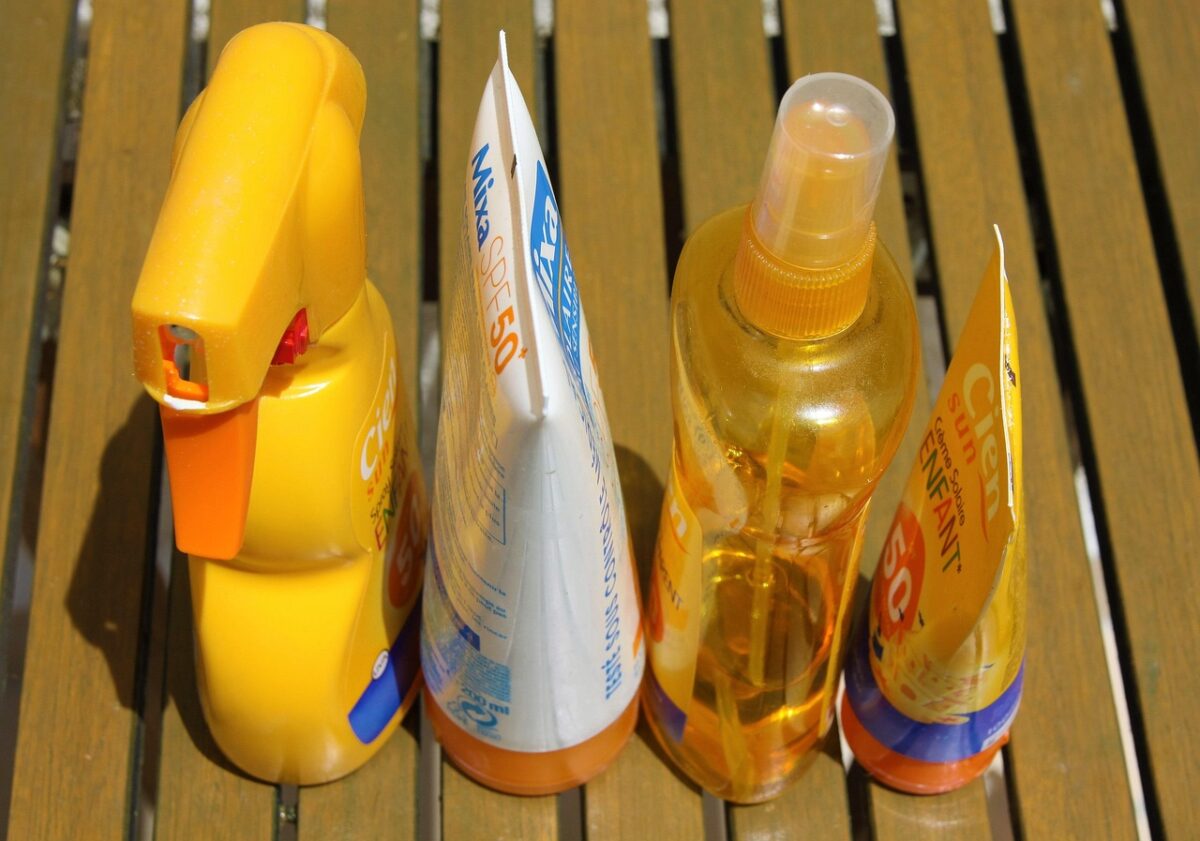
The front label is designed to catch your eye, but the details that matter are usually on the back. The terms below can help you quickly check what kind of UV filters a formula uses, whether it protects against both UVA and UVB rays, and whether it is a practical match for everyday wear, sports, or sensitive skin.
Broad Spectrum
This means the sunscreen protects against both:
- UVA rays, which contribute to premature skin aging
- UVB rays, which are the main cause of sunburn
For everyday use, look for a broad-spectrum sunscreen with SPF 30 or higher.
Water Resistant
Water-resistant sunscreen is tested to maintain its labeled protection for either 40 or 80 minutes while swimming or sweating.
It does not mean waterproof or sweatproof. Reapply after swimming, sweating heavily, towel-drying, or at least every two hours outdoors.
Active Ingredients
Turn the bottle around and check the Active Ingredients panel.
- Want to avoid oxybenzone? Look for “oxybenzone” or “benzophenone-3.”
- Want a mineral-only formula? Look for zinc oxide and/or titanium dioxide as the active ingredients.
- See both mineral and organic filters? You have a hybrid sunscreen.
Oxybenzone-Free
This label means only that the formula does not contain oxybenzone.
It does not automatically mean the sunscreen is mineral-only, better for sensitive skin, more effective, or safer for the environment.
Reef-Friendly or Reef-Safe
Treat these as marketing terms, not a guarantee. They are not standardized or regulated, and sunscreen ingredients are only one part of the broader pressure on coral reefs. NOAA lists oxybenzone among UV filters that can harm marine life, but it also notes potential concerns with several other filters, including nano zinc oxide and nano titanium dioxide.
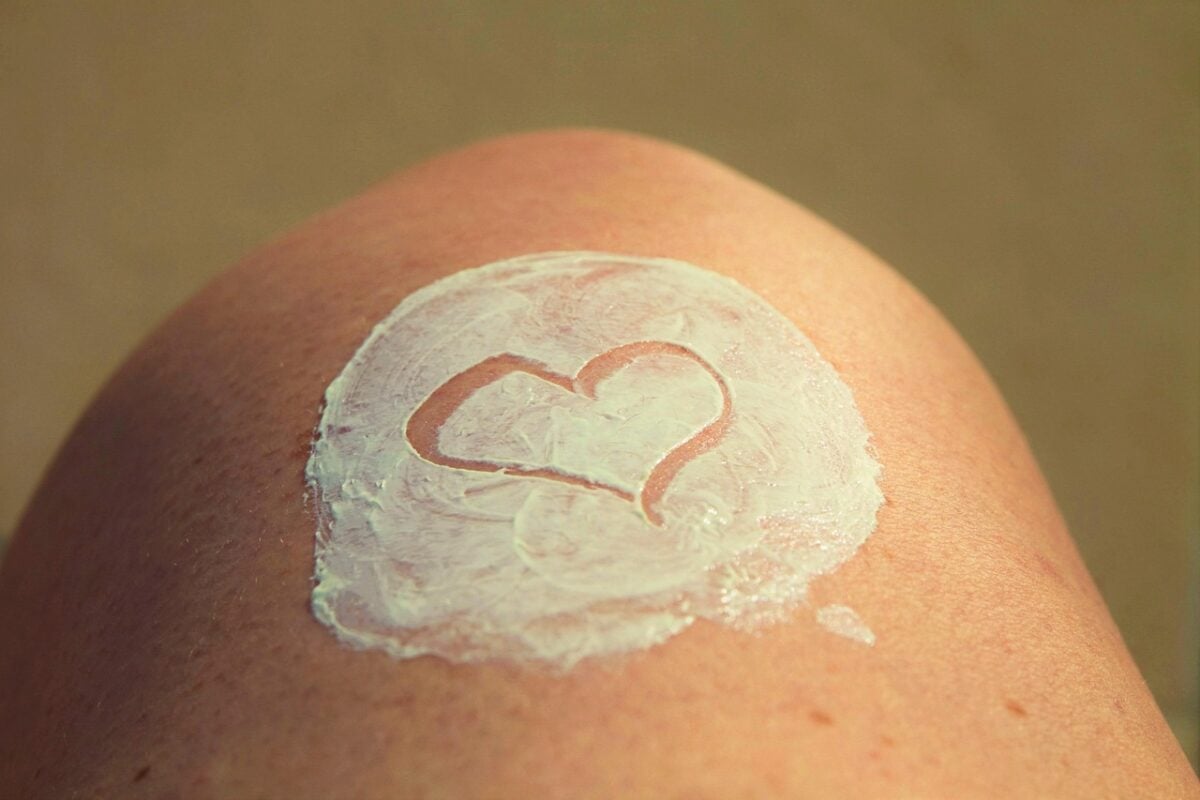
Bottom line: Do not choose sunscreen based on one front-label claim. Start with broad-spectrum protection, SPF 30 or higher, and water resistance when needed. Oxybenzone-free sunscreen can be a reasonable preference—especially for sensitive skin or personal environmental concerns—but the best sunscreen is one you will apply generously and reapply.
Our Top Oxybenzone-Free Sunscreen Picks
You do not need a different sunscreen for every situation. These three cover the most common needs: everyday body protection, daily face SPF, and long outdoor days.
Best Overall: Blue Lizard Sensitive Mineral SPF 50+
A solid all-around option for everyday outdoor use, sensitive skin, and family beach days. It uses zinc oxide and titanium dioxide, is fragrance-free, and offers up to 80 minutes of water resistance. Blue Lizard says this formula is made without oxybenzone or octinoxate.
Best for Face: Thinksport Active Face SPF 50 Clear Zinc
A face-focused mineral formula for folks who want broad-spectrum SPF without the heavier feel some body sunscreens can leave behind. It uses zinc oxide as its active ingredient and is marketed as clear-drying, non-comedogenic, and water- and sweat-resistant for up to 80 minutes.
Best for Sports and Beach Days: Badger Adventure Sport Mineral SPF 50
A simple, zinc oxide-based option for hiking, swimming, and long stretches outdoors. Its ingredient list is notably short, though the richer formula may not be everyone’s favorite for daily face use.
Before buying: Check the current Drug Facts panel. Formulas can change, and “oxybenzone-free” is only one part of choosing a sunscreen—look for broad-spectrum protection, SPF 30 or higher, and water resistance when you need it.
How to Actually Apply Sunscreen (Because the Label’s SPF Only Works If You Use Enough)
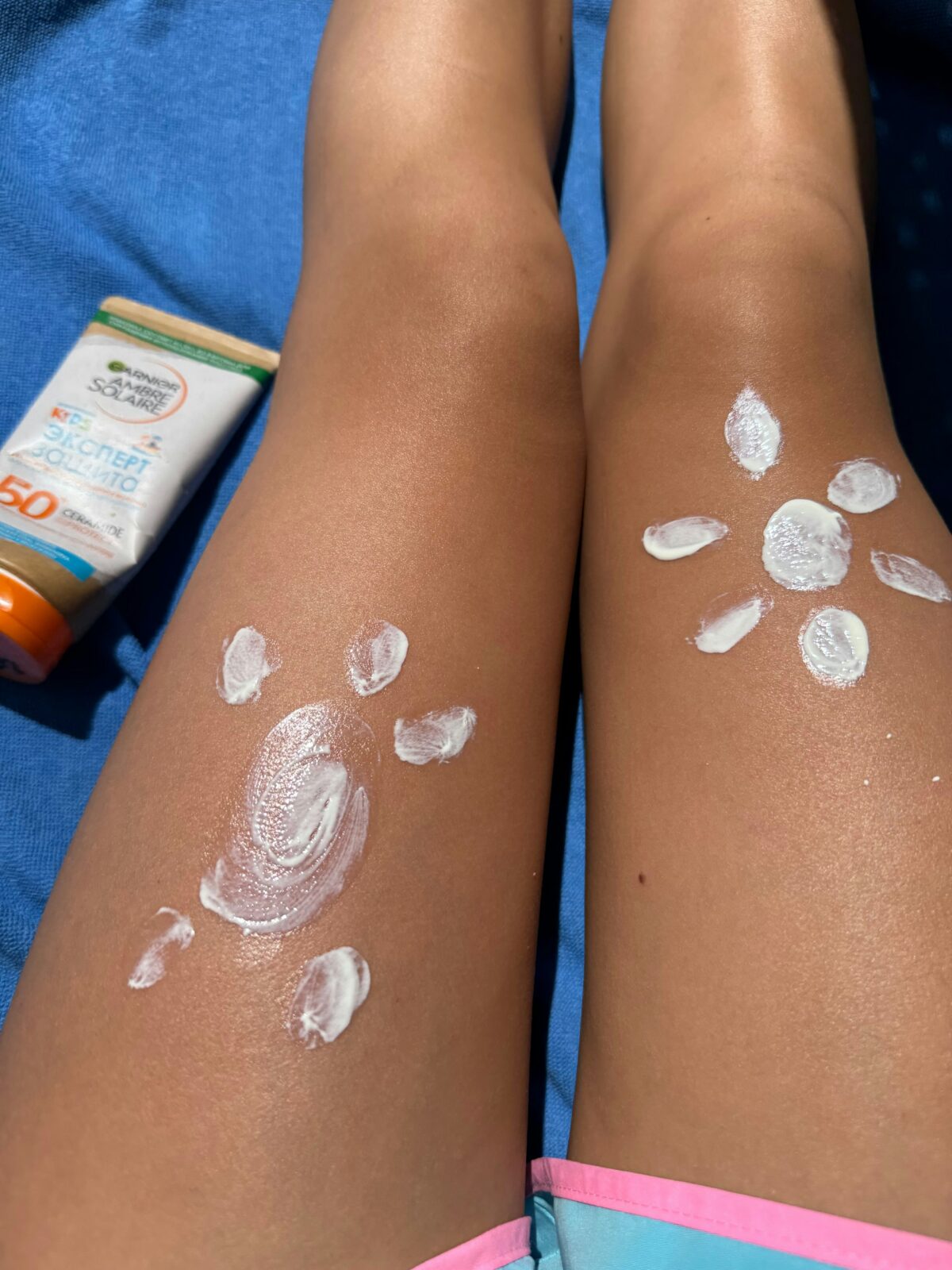
Most people apply far less sunscreen than the amount used in SPF testing—often only 25% to 50% of what is recommended. That means the SPF number on the bottle may not reflect the protection you are actually getting.
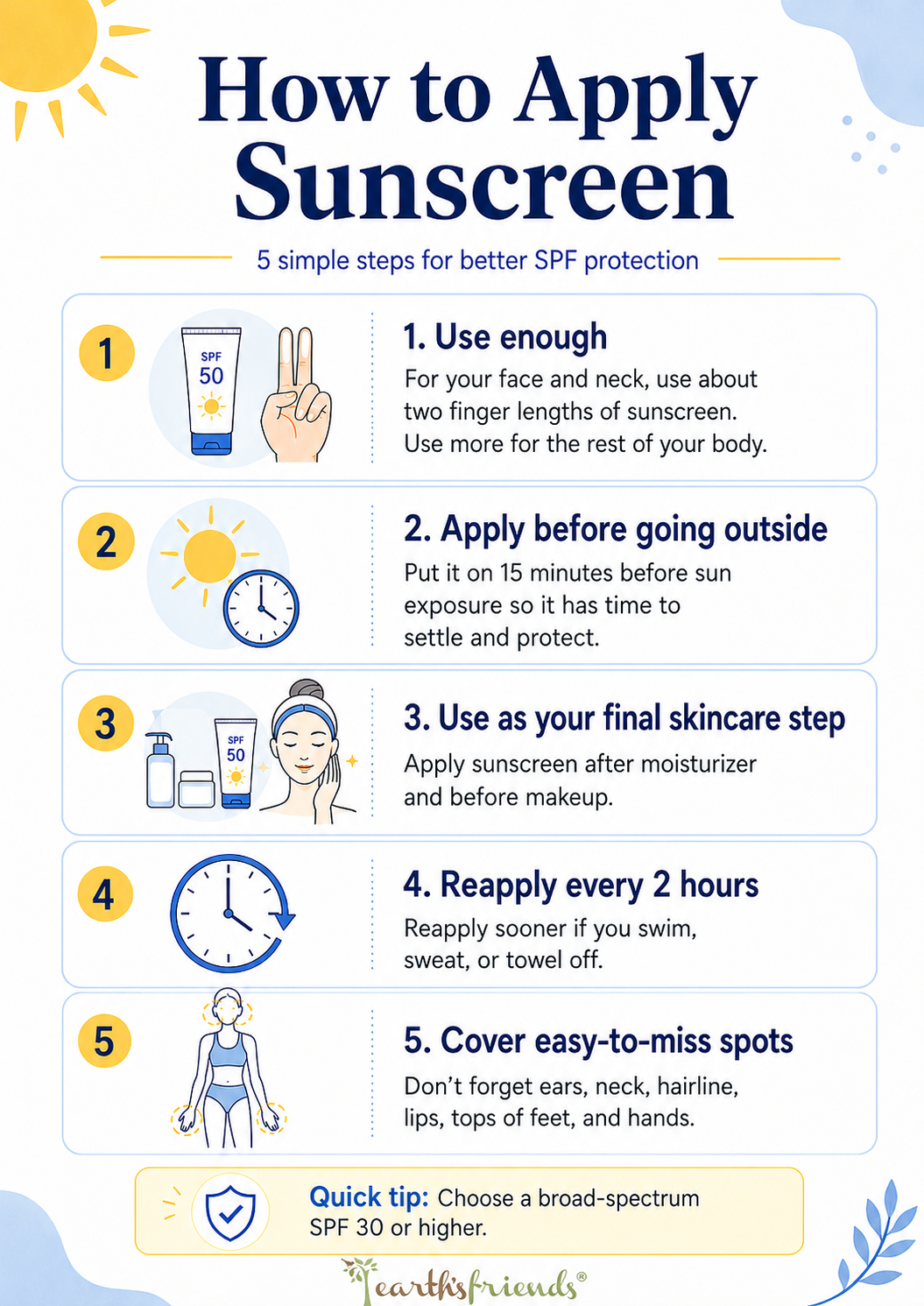
Here is the practical version of how to apply it well.
1. Use More Than a Tiny Dab
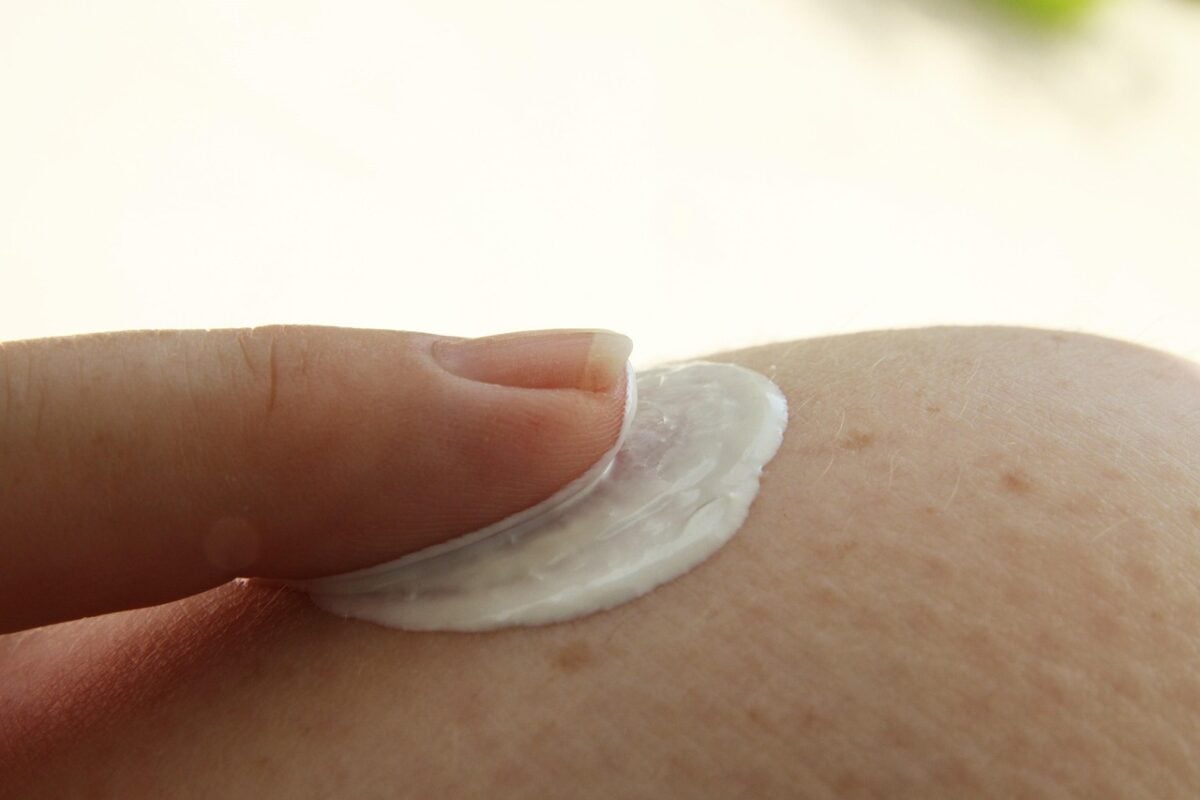
For your face and neck, use the two-finger rule: squeeze two full lines of sunscreen along your index and middle fingers, then apply evenly.
For your body, most adults need about one ounce per application—roughly enough to fill a shot glass—to cover exposed skin from head to toe. Larger bodies or more exposed skin may need more.
2. Apply It Before You Need It
Put sunscreen on about 15 minutes before going outside. This applies to mineral, chemical, and hybrid formulas alike.
There is no need to treat mineral sunscreen as an “instant shield” and chemical sunscreen as something that must sink in first. What matters is giving any formula time to form an even layer on your skin before sun exposure.
3. Make Sunscreen the Last Step of Skincare
A simple morning order:
- Cleanser
- Serums or treatments
- Moisturizer
- Sunscreen
- Makeup
Let sunscreen settle for a few minutes before applying makeup so you do not accidentally wipe away the layer you just applied.
Using a face oil in the morning? Apply it before sunscreen—our guide to skin oils can help you find one that suits your skin type and preferred finish.
4. Reapply on a Schedule—Not Only When You Feel Hot
Reapply at least every two hours when you are outdoors.
You must reapply sooner after:
- Swimming
- Sweating heavily
- Towel-drying
- Spending extended time in direct sunlight
Water-resistant sunscreen is not waterproof. Check the label for its 40- or 80-minute water-resistance rating, and reapply accordingly.
5. Do Not Miss the Spots That Usually Burn First
Before heading out, do a quick check for commonly forgotten areas:
- Tops and backs of the ears
- Back and sides of the neck
- Hairline and visible scalp part
- Tops of the feet
- Backs of the hands
- Chest and shoulders
- Lips—use an SPF lip balm
The best sunscreen is the one you will actually use—generously, consistently, and often enough to keep your skin protected.
So, You Missed a Spot: How to Gently Treat a Sunburn
We’ve all been there. Despite your best efforts, sometimes a burn happens anyway. Once your skin is red and tender, the goal shifts from prevention to pure comfort and healing.
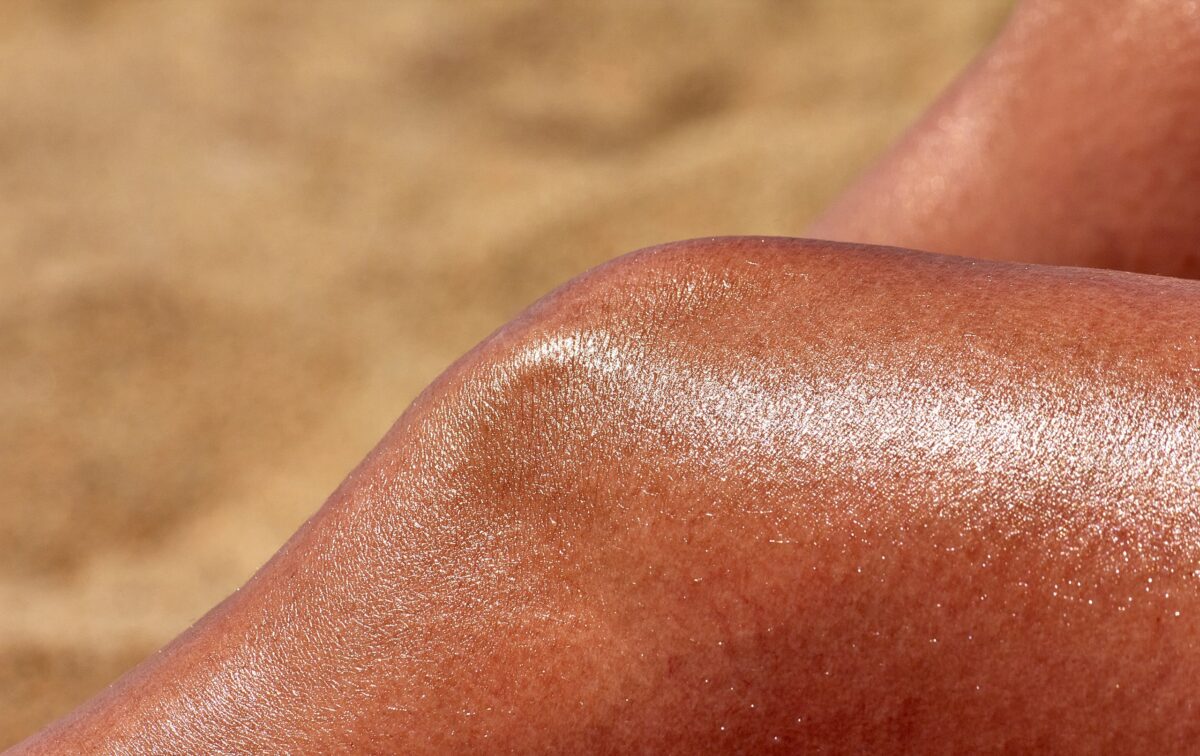
Here is a gentle, step-by-step recovery plan to soothe your skin and help it bounce back safely:
- Cool things down immediately: The moment you realize you have a burn, head indoors. Take a cool shower or bath, or rest a clean, damp, cool towel over the area. This helps draw the trapped heat out of your skin and brings instant relief.
- Lock in moisture while your skin is damp: Right after your shower, gently pat yourself dry—leaving a little moisture on the skin—and apply a generous layer of lotion. Pure aloe vera gel (especially if you keep it in the fridge!) or moisturizers with soy and ceramides are incredibly soothing.
- Skip heavy ointments and numbing sprays: Avoid heavy products like petroleum jelly, which can actually trap heat inside the skin instead of letting it escape. It is also best to steer clear of sprays containing numbing agents like benzocaine, as they can sometimes irritate extra-sensitive, burnt skin.
- Hydrate from the inside out: A sunburn actually draws fluids away from the rest of your body and toward your skin’s surface. If you feel a bit wiped out or have a slight headache after getting too much sun, it’s a sign your body needs fluid. Drink plenty of extra water or electrolyte drinks over the next few days.
- Let your skin peel naturally: A few days in, your skin will likely start to flake—which is just your body’s natural way of healing. As tempting as it is, try not to pick or peel the skin yourself. Let it shed on its own so you don’t accidentally expose raw skin underneath before it’s ready. If any blisters pop up, leave them completely alone; they act as a natural, sterile shield while your skin repairs itself.
- Know when to check in with a professional: Most sunburns just need a little time and TLC. However, if you develop a fever, severe chills, dizziness, or blisters that cover a large part of your body, don’t hesitate to check in with a doctor or head to urgent care to get a little extra medical support.
Frequently Asked Questions About Oxybenzone
Still have a sunscreen-label question? Leave it in the comments. The questions readers ask most often help shape future updates to this guide.
Is oxybenzone the same as benzophenone-3?
Yes. Oxybenzone is also called benzophenone-3 or BP-3. On U.S. sunscreen, look for oxybenzone in the Active Ingredients section of the Drug Facts label.
Does oxybenzone cause cancer?
Current research has not established that oxybenzone in sunscreen causes cancer in people. Some laboratory and animal research has raised questions worth studying, but the National Toxicology Program says its findings do not suggest UV filters will cause harm when used by people in a typical way. FDA still wants more data before making a final GRASE determination for oxybenzone; that is not the same as declaring it unsafe.
Is oxybenzone banned?
Not nationwide in the United States. Oxybenzone is still found in some legally marketed sunscreens, although certain places have restrictions. For example, Hawaii restricts the sale and distribution of sunscreens containing oxybenzone or octinoxate.
Is oxybenzone-free sunscreen always mineral sunscreen?
No. An oxybenzone-free formula may still use other organic UV filters, such as avobenzone or octisalate. It could also be a mineral sunscreen or a hybrid formula.
To identify a mineral-only sunscreen, check the Active Ingredients panel for zinc oxide, titanium dioxide, or both.
How do I know whether my sunscreen contains oxybenzone?
Turn the bottle around and look for the Drug Facts panel. Under Active Ingredients, look for “oxybenzone.” On some international ingredient lists, you may see “benzophenone-3” instead.
Is oxybenzone a good choice for sensitive skin?
It depends on your skin. Some people can develop irritation or an allergy to oxybenzone-containing formulas. If sunscreen often stings, itches, or causes a rash, consider trying a fragrance-free mineral sunscreen with zinc oxide or titanium dioxide instead. Dermatologists often recommend mineral formulas for sensitive skin.
What should I look for when choosing any sunscreen?
Start with the basics:
- Broad-spectrum protection
- SPF 30 or higher
- Water resistance for swimming, sports, or heavy sweating
- A texture and finish you will actually use every day
“Oxybenzone-free” can be a helpful preference, but it is only one detail on the label. The sunscreen that protects you best is the one you apply generously, reapply, and feel comfortable wearing.
Can natural ingredients replace sunscreen?
No. Natural ingredients may have skincare uses, but they are not a substitute for tested, broad-spectrum SPF. For example, raw honey is not sunscreen and does not protect against UV damage.
Understanding What’s in Your Products
One unfamiliar ingredient should not send you into a bathroom-cabinet purge. But it can be a good reason to pause, flip the bottle over, and understand what a product is actually designed to do.
The goal is not to fear every long name on a label. It is important to know the difference between a useful ingredient, a personal sensitivity, a marketing claim, and a question that deserves a closer look.
Keep building your label-reading confidence with these guides:
- Are Parabens in Lotion Safe? What to Know Before You Toss the Bottle
A practical look at why lotions use preservatives, what “paraben-free” really means, and how to decide what works for your routine. - What Is Triclosan and Why Was It Used in Everyday Products?
Learn where triclosan has appeared, why it became controversial, and how to spot it on labels. - Do You Need Antibacterial Soap?
A closer look at the difference between regular soap and antibacterial formulas—and what matters most when washing your hands. - Is Fluoride Dangerous? Risks and Benefits Explained
Break down one of the most debated ingredients in oral care, including why it is used and what to consider for your household.
A better label habit: Start with the ingredient’s job, check whether it affects your own skin or routine, and then decide whether switching products makes sense for you.
What Sunscreen Do You Reach For?
Do you use a mineral, chemical, or hybrid sunscreen, and have you noticed “oxybenzone-free” labels while shopping? Share what you use, what you look for on the label, or the sunscreen question you still cannot get a straight answer to in the comments.