When you purchase through links on our site, we may earn a commission. Here’s how it works.
High fructose corn syrup (HFCS) is one of the most common and controversial ingredients in the modern American diet. Found in everything from soda and bread to yogurt and salad dressing, this inexpensive sweetener has quietly become a staple of processed foods.
Table of Contents
While it tastes similar to regular sugar, HFCS is metabolized differently, and mounting research suggests that excessive intake may contribute to obesity, insulin resistance, fatty liver disease, and chronic inflammation.
So is high fructose corn syrup truly worse than sugar, or just misunderstood? Let’s break down the science, the myths, the risks, and how to reduce your intake realistically.
What High Fructose Corn Syrup Is and How It Took Over the Food Supply
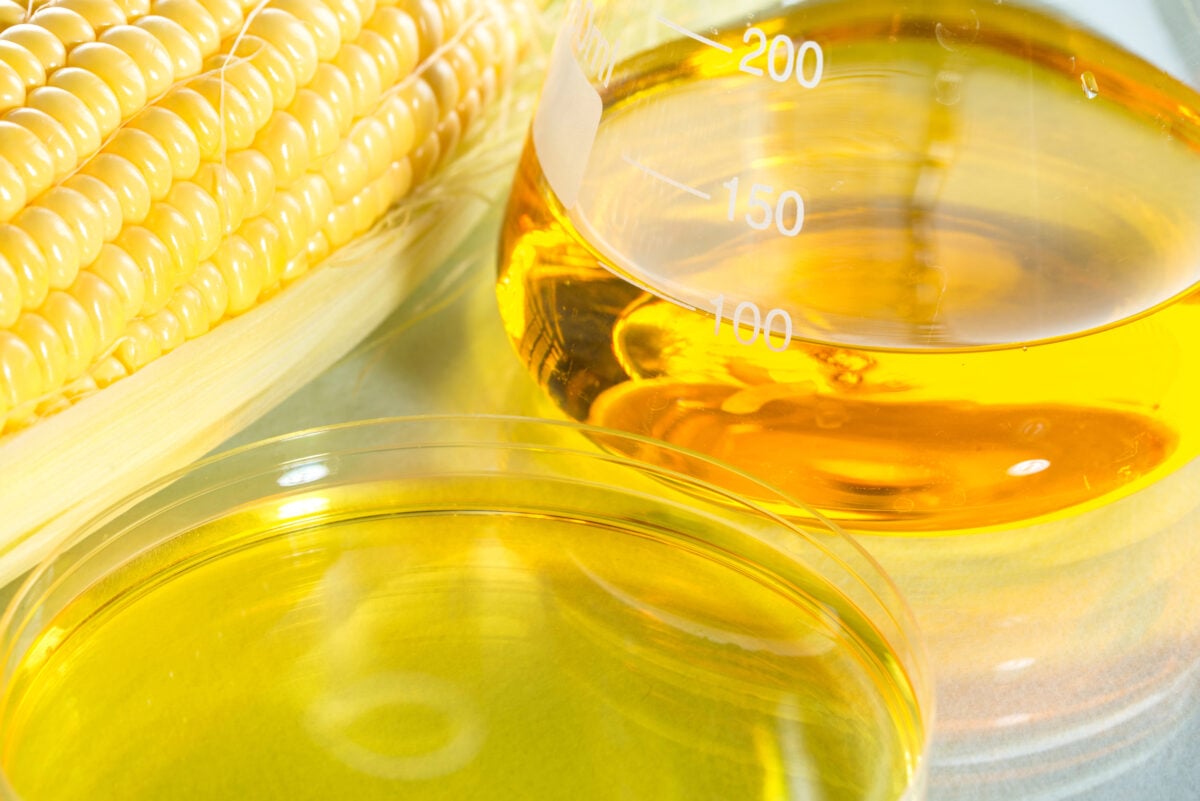
HFCS is a liquid sweetener created by breaking down cornstarch into glucose and then using enzymes to convert a high percentage of that glucose into fructose. This process makes it sweeter and much less expensive than table sugar.
The most common types:
- HFCS-42 (used in baked goods)
- HFCS-55 (used in soft drinks)
Despite the name, HFCS contains roughly the same fructose-to-glucose ratio as sucrose (table sugar), but its liquid form and prevalence make overconsumption far more likely.
- The Economics: In the U.S., heavy government subsidies for corn and high tariffs on imported sugar make HFCS significantly cheaper than cane sugar.
- The Function: Beyond sweetness, it acts as a stabilizer, prevents “freezer burn” in ice cream, and gives bread a softer texture and brown crust.
Why Is High Fructose Corn Syrup So Common in the U.S.?
High fructose corn syrup didn’t take over by accident. It really took off in the 1970s, when a perfect storm of policy, economics, and convenience made it incredibly attractive to food manufacturers.
Here’s why HFCS exploded in popularity:
- U.S. corn subsidies made corn extremely cheap and abundant, encouraging companies to find more uses for it
- Import tariffs on cane sugar made traditional sugar more expensive by comparison
- Lower production costs allowed manufacturers to sweeten foods for less money
- Longer shelf life helped products last longer on store shelves
- Easy blending into processed foods made HFCS ideal for drinks, sauces, baked goods, and packaged snacks
From a business standpoint, it made sense. Cheaper ingredients meant higher profits, and consumers rarely noticed a difference in taste.
The result? HFCS quietly worked its way into everything from soda and bread to yogurt and condiments. Today, it accounts for over 40% of all added sweeteners in the American food supply — far more than in most other countries.
And because it shows up in foods we don’t even think of as “sweet,” many people consume it daily without realizing how much they’re getting.
Learnmore about how it is made in the video below:
Is HFCS Banned in Other Countries? (The Global Landscape)
You’ve probably heard people say HFCS is “banned” elsewhere. That’s not entirely true, but there is a difference. While not “banned” in the sense of being illegal, HFCS is strictly limited in the European Union through production quotas.
In many countries, it must be labeled as “Isoglucose” or “Glucose-Fructose Syrup.” Because of these restrictions, many American products (such as Heinz Ketchup or Coca-Cola) use real sugar in Europe but HFCS in the United States.
The U.S., on the other hand, uses more HFCS than almost anywhere else, mainly because it’s cheaper and heavily supported by corn farming. Different systems, different outcomes, but the result here is overexposure.
Is High Fructose Corn Syrup Worse Than Sugar?
Here’s where things get interesting. Chemically, HFCS and table sugar are very similar. But in real life?
- HFCS is liquid → easier to overconsume
- It’s added to way more foods
- It shows up where you wouldn’t expect it
So while HFCS isn’t some mysterious poison, it makes it incredibly easy to eat too much sugar without realizing it, especially when paired with ultra-processed foods.

And over time, that can contribute to:
- Weight gain
- Blood sugar issues
- Fatty liver stress
- Chronic inflammation
How High Fructose Corn Syrup Affects Your Health (What We Know Now)
Nutritional science has moved beyond the idea that “a calorie is just a calorie.” We now understand that how the body processes certain foods matters just as much as how many calories they contain.
High-fructose corn syrup is a perfect example. While HFCS and sugar may look similar on paper, the way fructose behaves inside the body, especially in large amounts, is where the real concern lies.
1. The Liver Connection (Non-Alcoholic Fatty Liver Disease)
Unlike glucose, which can be used by nearly every cell in your body for energy, fructose is processed almost entirely by the liver.
When small amounts come from whole foods like fruit, this isn’t a problem. But when large amounts come from HFCS-sweetened foods and drinks, the liver can become overwhelmed. Research has linked high fructose intake to Non-Alcoholic Fatty Liver Disease (NAFLD), a condition that is now increasingly common—even in people who don’t drink alcohol.
When the liver receives more fructose than it can handle, it converts the excess into fat droplets, which can contribute to inflammation, insulin resistance, and eventually scarring of the liver over time.
A 2022 meta-analysis of controlled trials published in the National Library of Medicine found that fructose consumed as excess calories—especially in sugar-sweetened beverages—raises markers linked to fatty liver disease.
2. The “Leaky Gut” Discovery
Another emerging area of research focuses on the gut. Studies suggest that high intakes of HFCS may weaken the intestinal barrier, sometimes referred to as the gut’s “tight junctions.”
When this barrier is compromised, bacterial toxins can leak into the bloodstream, a process often called “leaky gut.” This leakage may trigger systemic inflammation, which researchers now recognize as a major underlying factor in obesity, type 2 diabetes, and metabolic dysfunction.
While research is ongoing, this gut–inflammation connection helps explain why diets high in ultra-processed, HFCS-heavy foods are so strongly associated with long-term health issues.
3. Leptin Resistance: Why HFCS Doesn’t Make You Feel Full
HFCS doesn’t just affect your body; it can affect your appetite signals. Fructose consumption may:
- Not suppress ghrelin (the hunger hormone) effectively
- Fail to stimulate leptin (the fullness hormone) the way other foods do
This can create what many describe as a “no-off switch” effect. It helps explain why you can drink a large soda or sweetened beverage and still feel hungry shortly afterward, sometimes even hungrier than before. Over time, disrupted signaling may encourage overeating without conscious intention, especially when HFCS is consumed in liquid form.

The Real Risk Isn’t One Treat: It’s Repetition
None of this means that an occasional HFCS-containing food is automatically harmful. The concern is how often it shows up and how easily it accumulates across meals, snacks, and drinks throughout the day.
Because HFCS is so common and often hidden, many people consume it multiple times daily without realizing it, making moderation difficult without intentional label reading.
The problem with high fructose corn syrup isn’t one soda; it’s how it quietly adds up every day.
The Bigger Picture: What We Drink Matters Too
One place HFCS really sneaks up on people? Drinks.
Sodas are obvious, but flavored waters, juices, and bottled beverages can be just as sneaky. If you’ve ever wondered whether bottled water is actually better for you, this breakdown of bottled water facts and tap water vs bottled water is eye-opening.
Many people find that simply switching what they drink dramatically lowers their daily sugar intake.
Where HFCS Loves to Hide (The Sneaky Stuff)
High fructose corn syrup isn’t just in soda and candy. It often shows up in foods people buy because they think they’re making a healthier choice.
Manufacturers use HFCS for specific reasons—texture, shelf life, color, and cost—which is why it can sneak into places it doesn’t really belong. Here are some of the most surprising ones, plus practical swaps.
Yogurt
Flavored yogurts often contain more sugar than dessert.
- Why it’s there: Helps preserve fruit texture, prevents separation, and adds a thicker “creamy” mouthfeel.
- Healthy alternative: Plain Greek yogurt with fresh berries.
Salad Dressing
“Low-fat” dressings frequently rely on added sugar for flavor.
- Why it’s there: Balances acidity in many “low-fat” or fat-free dressings and improves shelf stability.
- Healthy alternative: Olive oil and balsamic vinegar (or a simple homemade dressing with lemon and herbs).
Store-Bought Bread
Even bread that doesn’t taste sweet can contain added sugars.
- Why it’s there: Extends shelf life, improves browning, and adds a subtle sweetness.
- Healthy alternative: Sourdough or sprouted grain breads with short ingredient lists.
Pizza Sauce
Many sauces use sugar to mask lower-quality tomatoes.
- Why it’s there: Cuts acidity in lower-cost tomato bases and helps standardize flavor.
- Healthy alternative: Look for “No Sugar Added” jars or use crushed tomatoes with garlic and olive oil.
Cough Syrup
Medicines are often sweetened to improve taste, not nutrition.
- Why it’s there: Masks bitterness and improves texture.
- Healthy alternative: Dye-free formulas or honey-based versions (for adults and children over one year old).
Granola Bars
Many granola bars are closer to candy than health food.
- Why it’s there: Acts as a “glue” to hold ingredients together and keep bars chewy.
- Healthy alternative: Raw nuts, trail mix, or homemade oat bars sweetened lightly with dates.
Canned Soup
Sweeteners are used to restore flavor lost during processing.
- Why it’s there: Enhances flavor after high-heat processing and helps compensate for reduced fat.
- Healthy alternative: Low-sodium, organic boxed soups or simple homemade broths.
Fast Food Buns
Most mass-produced buns rely on added sugar for softness.
- Why it’s there: Adds softness, sweetness, and shelf life—especially in mass-produced “value menu” buns.
- Healthy alternative: Lettuce wraps or whole-grain/artisan bun options when available.
Cocktail Mixers
Pre-made mixers often contain more sugar than soda.
- Why it’s there: Cheaper than simple syrup or agave and extends shelf life.
- Healthy alternative: Fresh lime or lemon juice with sparkling water.
Protein Shakes
Some protein products hide sugars behind fitness marketing.
- Why it’s there: Common in “weight gainer” blends to increase calories cheaply.
- Healthy alternative: Clean whey or plant protein sweetened with stevia or monk fruit, or blend your own.
Dried Fruit
Many dried fruits are infused with sugar before packaging.
- Why it’s there: Many cranberries or cherries are infused with HFCS to offset tartness.
- Healthy alternative: Freeze-dried fruit or dried fruit labeled “no added sugar.”
Why This Matters
None of these foods is “bad” in isolation. The problem is frequency. When HFCS appears at breakfast, lunch, snacks, drinks, and dinner, often in invisible amounts, it becomes challenging to moderate without reading labels.
High fructose corn syrup isn’t just in junk food; it’s often in foods people buy to be healthy.
Take Back Control: 6 Simple Ways to Cut Back and Protect Your Family
You do not need a perfect diet. You do not need to read every label forever. Instead, you need to shift a few habits that shift the odds back in your favor.

Most families do not consume high fructose corn syrup because they choose to. They consume it because it is everywhere. The good news is that once you know where it hides and how to spot it, reducing it becomes surprisingly doable.
1. Read the “Added Sugars” Line, Not the Front Label
Since 2020, the FDA has required food labels to list Added Sugars separately. This one line tells you more than any marketing claim on the front of the package.
If a product has a long ingredient list and high added sugar, it is doing more harm than good, regardless of how “natural” it appears.
2. Do Not Fall for Name Games
High-fructose corn syrup has been known by many names over the years. At one point, the corn industry even tried to rebrand it as “corn sugar.”
If it is a chemically derived syrup, treat it with skepticism. Real food does not need clever rebranding.
3. Use the “Top 3 Ingredients” Rule
Ingredients are listed by weight. If HFCS, or any sugar or syrup, appears in the first three ingredients, that food is likely delivering a heavy sugar load.
The “Top 3” Rule: If any form of sugar or syrup is in the first three ingredients, put it back on the shelf.
This single rule can eliminate a surprising amount of unnecessary sugar without overthinking it.
4. Shop the Perimeter and Win by Default
90% of HFCS is found in the middle aisles (the processed food aisles). Stick to the produce, meat, and dairy sections.
When you spend most of your time in the produce, meat, dairy, and egg sections, you naturally reduce exposure without needing extra willpower.
5. Replace, Do Not Restrict
Cutting back works better when you swap, not when you deprive.
- Choose fruit instead of packaged sweets
- Pick protein-forward snacks that keep you full
- Drink water or unsweetened beverages more often
- Sweeten foods lightly at home when needed
Moderation becomes easier when you are not fighting constant cravings.
6. Aim for Awareness, Not Perfection
An occasional soda or packaged snack is not the problem. The problem is unintentional repetition, sugar at breakfast, lunch, snacks, drinks, and dinner.
When you know where HFCS hides, it loses its power to sneak in unnoticed.
Final Reality Check
Cutting back on high-fructose corn syrup will not fix everything overnight, but it does help families eat more intentionally, reduce hidden sugar load, support better energy and satiety, and regain control of ultra-processed foods.
You do not need to overhaul everything. Start with one or two changes. You do not need fear to push you to make better choices. You need clear information.
What About Honey Instead?
If you are trying to cut back on HFCS, honey is a popular swap because it is a single-ingredient sweetener, and a little often goes a long way. That said, honey is still an added sugar, so the goal is not “more honey,” it is “less overall sweetener.”

For a deeper look at what “raw” means and why many people prefer it, see raw honey benefits.
Simple ways to use honey without overdoing it
- Stir a small amount into plain Greek yogurt instead of buying flavored yogurt
- Add a teaspoon to tea or homemade salad dressings instead of bottled sweetened versions
- Use a small amount to balance acidity in homemade sauces when needed
Important safety note: Do not give honey to infants younger than 12 months.
Still Wondering? Let’s Clear Up the Biggest HFCS Questions
By this point, a lot of people are thinking the same thing: “Okay, but what does this actually mean for my family and me?”
That’s fair. High fructose corn syrup is one of those topics surrounded by half-truths, strong opinions, and confusing headlines. This section is here to slow things down and answer the most common questions clearly and honestly. If you don’t see your question, drop it in the comments.
Is high fructose corn syrup actually worse than sugar?
Chemically, HFCS and table sugar are very similar. The real difference is how often HFCS appears in foods and how easy it is to overconsume. Because it is cheap, liquid, and shelf-stable, it shows up in far more processed foods and drinks, which makes excessive intake more likely.
Does high fructose corn syrup cause diabetes?
HFCS does not directly cause diabetes on its own. However, high intake of added sugars is linked to weight gain, insulin resistance, and metabolic issues, which increase the risk of developing type 2 diabetes over time.
Is HFCS safe in moderation?
In theory, yes. In practice, moderation is difficult because HFCS is hidden in so many everyday foods, including items that do not taste sweet. That is why awareness and label reading are key to making moderation realistic.
Why is HFCS still allowed if people are concerned about it?
HFCS is allowed because it is considered safe at regulated levels. The concern is not toxicity, but overconsumption. Public health discussions today focus more on reducing overall added sugar intake rather than banning individual sweeteners.
What is the easiest way to reduce HFCS without dieting?
Start by cutting sugary drinks, choosing plain versions of foods like yogurt, and shopping the perimeter of the grocery store. These changes alone remove a large percentage of hidden HFCS without strict rules.
Do organic foods contain high fructose corn syrup?
Organic standards generally prohibit HFCS, but organic foods can still contain other added sugars. “Organic” does not automatically mean low sugar, so checking labels still matters.
A Healthy Lifestyle Is Bigger Than One Ingredient
High fructose corn syrup is not the only reason people struggle with health, but it is often a signal. When HFCS shows up frequently, it usually means more ultra-processed food has entered the routine than intended. Many people find that shifting toward simpler meals and more whole foods, whether that looks like vegan vs. vegetarian eating patterns or just cooking at home more often, naturally reduces HFCS without strict rules.
The goal is progress, not perfection. Small, repeatable habits like drinking more water, choosing protein- and fiber-rich foods, and adding more plants can add up fast. If you like structured “reset” habits, learning about juicing benefits can be a simple way to increase nutrient intake while cutting back on packaged snacks and sweetened drinks. And since health is also about what we consume unintentionally, it is worth understanding emerging concerns like microplastic exposure, especially as you make better everyday choices.
Let’s Talk About It! Have you ever been surprised to find high fructose corn syrup in a food you thought was “healthy”? Share your experience in the comments. Your story might help someone else spot it sooner.