When you purchase through links on our site, we may earn a commission. Here’s how it works.
Cast iron pans can be intimidating. At first touch, they feel heavy, clunky, and honestly kind of medieval. But once you learn the secrets, you’ll realize why grandmas guard them like family heirlooms — and why you might ditch your so-called ‘modern’ pans for good.
Table of Contents
So, Do Cast Iron Pans Really Live Up To The Hype?
Yes. But they only shine if you understand their quirks.

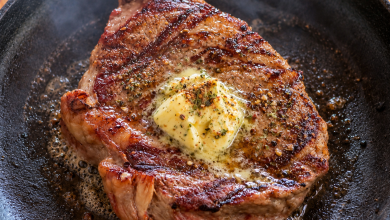
Cast iron is not just another pan on the shelf. It is durable enough to last through generations, versatile enough to go from stovetop to oven, and resilient enough to handle both delicate eggs and blazing-hot seared steaks.
Think of it as the tank of your kitchen arsenal. It may look old-fashioned, but once you learn to use it properly, you will see why families pass them down like treasured heirlooms.
Want our human-written content to rank above AI-generated garbage? Help us out by clicking this button!
A well-seasoned cast iron skillet develops a naturally slick surface, cooks evenly, and never requires replacement.
Kitchen Hack: Cast iron improves with use. Each time you cook with oil, you build a natural nonstick coating that enhances flavor and performance.
6 Reasons Cast Iron Belongs In Every Kitchen
Cast iron has a reputation for being old-school, but that’s precisely what makes it special. Here are the top six benefits of a cast iron skillet.
1. Naturally Nonstick
A well-seasoned skillet develops a slick surface without the need for synthetic coatings. Unlike coated nonstick pans, it relies on simple seasoning to create a slick surface without hidden chemicals.
The more you use it, the better the nonstick layer gets. That means less oil when cooking, fewer toxins in your food, and a pan that only gets better with time.
A cast iron skillet also holds heat like nothing else, making it perfect for searing steak or crisping up cornbread.
Fast Fact: A cast iron skillet can be transferred directly from your stovetop to a 500-degree oven without flinching. Try that with a cheap nonstick pan.
2. Chemical-Free Cooking
Unlike nonstick pans that can contain per- and polyfluoroalkyl substances (PFAS) and other toxic chemicals, cast iron relies on simple oil seasoning. That means no hidden coatings to flake off into your food.
Peace of Mind: With cast iron, what you see is what you get. You don’t have to wonder if a scratched coating is leaching into your food, which makes every meal feel safer and simpler to prepare.
3. Built To Last A Lifetime
Cast iron pans don’t wear out the way nonstick pans do. Many families pass down skillets for generations, and they can be restored even if they rust.
Longevity Note: This might be the only pan you never need to replace. A skillet can survive decades of use, even if it rusts, because a good cleaning and reseasoning brings it back to life. That kind of durability is rare in modern cookware.
4. Oven & Stovetop Friendly
Cast iron doesn’t mind heat. You can sear a steak on the stove, then slide the same pan into a 500-degree oven. It’s as versatile for baking cornbread as it is for frying chicken.
Versatility Win: That ability to handle any heat source means fewer pans cluttering your cabinets. You can start dinner on the stove, finish it in the oven, and even use the same skillet for baking dessert afterward.
5. Surprisingly Easy To Clean
No need for harsh scrubbing. Food usually lifts off with hot water, a brush, or even a handful of salt. Once dry, a thin coat of oil keeps it ready for next time.
Cleanup Perk: Once you understand the basics, cast iron cleanup takes less time than scrubbing a burned stainless steel pot. The seasoning layer does most of the work for you, making this pan easier to maintain than many people expect.
6. Affordable And Accessible
Cast iron skillets often cost less than stainless steel or high-end nonstick pans. They also pop up at thrift stores and yard sales, where a little elbow grease can bring them back to life.
Value Point: Few cookware options combine low cost with long life. Buying one cast iron skillet is like making a one-time investment that pays off for decades, which is why so many people keep them around even when they upgrade other kitchen tools.
The Health Twist No One Tells You About
Cast iron doesn’t just cook food, it can also increase its iron content.

Research published in the Journal of the American Dietetic Association found that 90 percent of foods tested contained significantly more iron when cooked with iron utensils compared to those made of non-iron materials. That extra mineral is especially important for women and children, two groups often most at risk of deficiency.
The study showed that several factors influenced how much iron was transferred into the food:
- Acidity: Moist, acidic foods like applesauce and spaghetti sauce absorbed the most iron.
- Cooking time: Longer cooking allowed more iron to leach into the meal.
- Skillet age: Newer pans released more iron than older, well-seasoned ones.
- Stirring: The more often the food was stirred, the more iron it absorbed.
A systematic review of 13 studies confirmed these findings. Cooking with iron pots or ingots consistently increased both iron levels in food and iron bioavailability, making it a practical way to help reduce iron deficiency anemia.
Heads Up: Experts caution against simmering acidic foods, such as tomato sauce, for extended periods in traditional cast iron, as it can damage the seasoning layer. For those dishes, enamel-coated cast iron is a better choice.
Cast Iron vs Nonstick vs Stainless — Who Wins?
Every pan has its pros, but some are better suited for certain jobs. Cast iron is the heavyweight champion of heat retention, nonstick is lightweight and convenient, and stainless is versatile but pricey.

Cast iron stands out because it improves with use and doesn’t rely on fragile coatings. Stainless steel shines for browning and durability, but it requires more oil to keep food from sticking. Nonstick pans feel effortless, but most wear out within a few years and can release chemicals when overheated.
Quick Comparison (The Big Three):
- Cast Iron: Affordable, long-lasting, naturally nonstick with seasoning, but heavy and needs care.
- Nonstick: Great for eggs and pancakes, with effortless cleanup, but a short lifespan and concerns about chemicals.
- Stainless Steel: Professional look, excellent for browning, but less forgiving for beginners.
Kitchen Shortcut: If you’re only going to buy one pan to last a lifetime, cast iron wins. If you can invest in a complete set, keep all three for maximum flexibility.
Other Contenders You’ll See In Kitchens
Depending on your cooking style and budget, you may encounter other popular options. Each has its own strengths, weaknesses, and quirks that make it appealing for specific situations.
Enameled Cast Iron
This variety combines cast iron’s strength with a colorful enamel coating that never needs seasoning. It’s perfect for acidic foods and long-simmered sauces but tends to be heavier and more expensive.
Think of it as the stylish cousin of traditional cast iron.
Carbon Steel
A chef favorite, carbon steel heats faster than cast iron but still offers excellent searing. It’s lighter to handle and ideal for stir-frying, though it needs the same seasoning and rust prevention as cast iron.
Many restaurants rely on these pans daily.
Copper
Copper skillets are unmatched in heat precision, making them excellent for delicate dishes like sauces and caramel. They are usually lined with stainless steel to prevent reactivity.
The downside is their high cost and the constant polishing needed to keep them shiny.
Aluminum (Hard-Anodized)
Lightweight and budget-friendly, aluminum skillets heat quickly and are easy to use. Hard-anodized versions are tougher and scratch-resistant, often with a nonstick surface.
They don’t last as long as cast iron or stainless steel, but they make everyday cooking simple.
Myths People Still Believe About Cast Iron
Cast iron has been around for centuries, which means plenty of myths have built up along the way. Some are harmless old kitchen lore, while others can cause people to avoid using these pans altogether. Let’s separate fact from fiction so you know what really matters.

Myth: You Should Never Wash Cast Iron With Soap
This one refuses to die. A small amount of mild dish soap will not destroy the seasoning, especially on a well-maintained pan. The real enemy is letting the pan soak in water, which encourages rust to form.
Takeaway: A quick scrub with a bit of soap is fine. Just dry the pan immediately and add a light oil coating.
Myth: Cast Iron Heats Evenly No Matter What
Not exactly. Cast iron holds heat extremely well once it is hot, but it can take longer to warm up compared to thinner pans. If you rush, you might notice uneven cooking.
Takeaway: Allow your skillet a few extra minutes to preheat for optimal results.
Myth: You Can’t Cook Acidic Foods In Cast Iron
This is partly true. A properly seasoned pan can handle short bursts of acidic cooking, like deglazing with wine or quickly sautéing tomatoes. Long simmering, however, can strip the seasoning and leach more iron into food.
Takeaway: Stick to quick acidic recipes in traditional cast-iron cookware. Use enamel-coated cast iron for slow-cooked tomato sauces or chilies.
Myth: Once Rust Appears, The Pan Is Ruined
Not so. Surface rust can be scrubbed away with steel wool, then reseasoned with oil in the oven. Many people restore thrift-store finds this way.
Takeaway: A rusty pan is not garbage. It’s a rescue project waiting to happen.
Cleaning & Seasoning Cast Iron
Caring for cast iron is simpler than its reputation suggests. The goal is to protect the seasoning layer while preventing rust. Once you understand the process, it becomes second nature.
How To Clean Cast Iron
- Rinse with hot water right after cooking. This prevents food from hardening onto the surface. If you wait too long, residue can cling and become stubborn.
- Scrub with a stiff brush or coarse salt. Salt works like a natural abrasive, scrubbing away stuck bits without stripping the seasoning. Avoid steel wool unless you are restoring a rusty pan.
- Use mild soap sparingly. A small amount of gentle dish soap will not ruin the pan, especially if it is well-seasoned. The myth that “soap kills cast iron” is outdated. What you should avoid is soaking, which allows water to creep in and cause rust.
- Dry completely. Towel dry right away, then place the skillet on low heat for a few minutes. This evaporates any hidden moisture and ensures the pan is bone-dry before oiling.
How To Season Cast Iron
- Apply a thin coat of oil. Wipe a small amount of cooking oil (like canola, avocado, or grapeseed) over the entire surface, inside and out. Too much oil can leave sticky spots.
- Bake upside down in a hot oven. Place the pan upside down at 450 degrees for about an hour. Put foil on a lower rack to catch drips. This process bonds the oil to the surface, creating the nonstick layer.
- Cool in the oven. Let the skillet cool slowly with the oven turned off. This gradual change helps the seasoning set.
- Repeat when needed. If food starts sticking or the surface looks dull, repeat the oil-and-bake process. Over time, layers of seasoning build up into a slick, nearly indestructible surface.
Want to see the process in action? This short video guide shows exactly how to clean and re-season a skillet step by step.
Kitchen Confidence Tip: Think of seasoning like skincare. A light oil rub after each use is like a moisturizer, while the oven bake is a deep treatment. With a little routine, your skillet will last for generations.
What Real People Cook In Their Cast Iron (And Why They Love It)
For many home cooks, cast iron becomes more than just a pan. It turns into the piece of cookware that gets pulled out for almost every meal. Once you realize how versatile it is, you start to see why people swear by it.
We love our cast-iron skillet and haven’t looked back since switching to using cast-iron. It cooks everything nice and evenly, heats up quick, and is easy to clean as long as you have a good scraper and remember not to use soap. It’s also easy to re-season, but since we use olive oil to cook constantly, we don’t find it necessary, unless we forget it on the burner.
– Alex Schenker, CEO and writer for Earths Friends
People who love cast iron often mention the same things: it handles high heat like a pro, creates a perfect sear, and works just as well for baking as it does for frying. Families pass them down because the pan feels like part of the household, not just another kitchen gadget.
Everyday Cast Iron Favorites
- Breakfast: Crispy hash browns, fluffy pancakes, or fried eggs that slide out once the pan is seasoned.
- Dinner: Perfectly seared steak, golden cornbread, or a bubbling skillet lasagna.
- Dessert: Gooey skillet cookies or fruit cobblers that stay warm straight from the oven to the table.
Ready To Upgrade Your Kitchen Arsenal?
Cast iron isn’t just cookware. It’s an heirloom and a reliable kitchen workhorse all in one. Once you learn how to clean, season, and cook with it, you’ll understand why so many families treasure their skillets for generations.
If you’re ready to give it a try, the Lodge 12-inch cast iron skillet is a classic starter. You can find one new for a reasonable price, or score a deal on a used pan at a yard sale or thrift store. Either way, once it’s in your kitchen, you’ll wonder how you ever lived without it.
Frequently Asked Questions About Cast Iron
Cast iron cookware has been around for centuries, but people still have plenty of questions about how to use it safely and effectively. Here are some of the most common concerns new cast iron owners have.
Don’t see your question? Ask us in the comments!
Can You Put Cast Iron In The Dishwasher?
No. Dishwashers expose cast iron to excessive water for an extended period, which can quickly cause rust and strip away the seasoning layer that makes the pan nonstick. The combination of hot water, detergent, and extended moisture is the fastest way to undo all the work you put into seasoning.
Instead, always hand-wash your skillet. A quick rinse with hot water, a stiff brush, or even a handful of coarse salt is usually enough.
Dry the pan immediately and rub a thin layer of oil on it to protect it before storing. This simple habit keeps cast iron working for decades.
What Foods Should Not Be Cooked In Cast Iron?
Acidic foods, such as tomato sauce or vinegar-based recipes, can break down the seasoning if cooked for an extended period. A short sauté or deglaze is fine, but hours of simmering will weaken the protective coating and may leave a metallic taste.
Delicate foods can also be tricky in cast iron. Flaky fish tends to stick unless your pan is perfectly seasoned, and sticky sweets like caramel can be hard to clean. These dishes are often better suited to stainless steel, nonstick, or enamel-coated cast iron.
What’s The Best Oil For Seasoning Cast Iron?
The best oils for seasoning are those with a high smoke point and neutral flavor, such as canola, grapeseed, or avocado oil. These oils bond tightly to the pan during the high-heat baking process, creating a hard, durable layer.
Olive oil, by contrast, has a lower smoke point and can leave a sticky residue on the surface.
How Do You Restore A Rusty Skillet?
Rust on cast iron looks alarming, but it doesn’t mean the pan is ruined. Surface rust can be scrubbed away with steel wool, a stiff brush, or even a vinegar soak for heavy corrosion. Once you remove the orange layer, you’ll see the bare iron underneath, ready to be reseasoned.
After cleaning, dry the pan thoroughly to prevent new rust from forming. Then reapply oil and bake the skillet in the oven at high heat to rebuild its protective coating. With a little effort, even a rusty flea market find can turn into a family-ready pan again.
Can Cast Iron Go On Glass Stovetops?
Yes, cast iron can be used on glass stovetops, but you need to be careful. The pans are heavy, and dragging them across the surface can cause scratches. Dropping one by accident can cause the glass to crack completely.
To protect your stove, always lift the skillet instead of sliding it. It’s also a good idea to keep the bottom of your cast iron smooth and free of debris, since rough or dirty surfaces can leave marks when heated. With care, you can safely use cast iron on glass cooktops.
Ready To Put Your Skillet To Work?
By now, it’s clear that cast iron isn’t just another pan. It’s a durable, chemical-free, and surprisingly versatile tool that can last a lifetime if you treat it right. From crispy breakfasts to gooey desserts, your skillet is ready for almost anything you throw at it.
If you’re hungry for inspiration, try our guide on how to cook a steak in a cast iron skillet. And once dinner’s done, make sure your pan is ready for the next round by following these tips on how to clean a cast iron skillet.
Your skillet could easily become the most reliable piece of cookware you own. The only question left is: what will you cook first?