When you purchase through links on our site, we may earn a commission. Here’s how it works.
Eating healthy should not feel like a guessing game, but the grocery store can make it surprisingly hard.
Table of Contents
You grab strawberries, spinach, apples, yogurt, granola, smoothies, and veggie chips because they seem like the obvious better choices. And sometimes they are. But some everyday “healthy” foods come with things most people are not looking for…pesticide residue, added sugar, refined oils, extra sodium, or labels that sound cleaner than they really are.
That does not mean you need to fear your food, throw everything out, or buy every item organic. It means you can shop smarter.
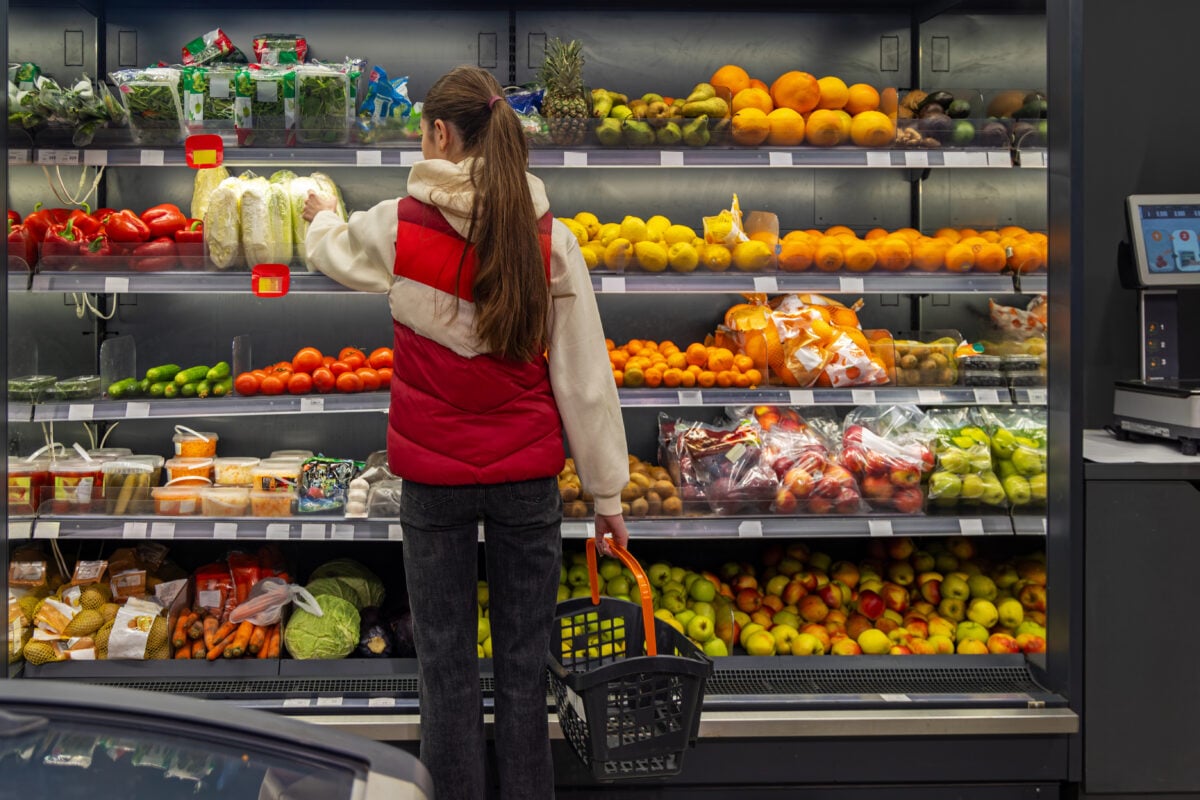
The Dirty Dozen list helps show which fruits and vegetables are worth prioritizing organic when your budget allows. The Clean Fifteen helps show where conventional produce can be a smart money-saver. And for packaged foods, the real story is usually on the ingredient label, not the front of the box.
A few simple swaps can make a big difference: buying organic for the produce you eat most, choosing lower-residue fruits and vegetables when you want to save, and checking labels on foods that look healthy at first glance.
What Is the Dirty Dozen?
The Dirty Dozen is an annual list of fruits and vegetables that tend to have the highest pesticide residue when conventionally grown.
The list is created by the Environmental Working Group, also known as EWG. EWG analyzes pesticide testing data from federal agencies, including the USDA, and ranks produce based on factors like how many pesticides are found, how often residues appear, and the amount detected.
Most recently, EWG’s Dirty Dozen list ranked spinach as the top item, followed by kale, collard greens, and mustard greens, then strawberries, grapes, nectarines, peaches, cherries, apples, blackberries, pears, potatoes, and blueberries.
Here is the important part: the Dirty Dozen does not mean these foods are unhealthy.
It also does not mean conventional produce is automatically unsafe. According to the USDA’s 2024 Pesticide Data Program summary, more than 99% of tested samples had pesticide residues below EPA benchmark levels.
So why pay attention to the list? Because it helps you prioritize.
If you want to lower your family’s pesticide exposure but cannot afford to buy everything organic, the Dirty Dozen gives you a simple place to start. Instead of stressing over every item in the produce aisle, you can focus on the fruits and vegetables that tend to rank highest for residue, especially the ones you eat most often.
Watch the quick video below for a simple explanation of what the Dirty Dozen is and how to use it when shopping.
It can help you decide which fruits and vegetables may be worth buying organic first.
In simple terms:
Buy organic when you can: spinach, leafy greens, strawberries, grapes, apples, blueberries, peaches, and other Dirty Dozen foods you eat regularly.
Save money when needed: choose conventional versions of lower-residue produce, especially foods with thick peels or protective outer layers.
The goal is not perfection. The goal is to make smarter, easier choices at the grocery store.
A Quick Note About the Dirty Dozen
The Dirty Dozen is a helpful shopping tool, but it is not perfect.
EWG ranks produce based on pesticide residue concerns, while agencies like the USDA and FDA focus on whether those residues fall within legal safety limits. In other words, a food can appear on the Dirty Dozen list and still be considered within federal safety standards.
Use the list to prioritize organic produce when it fits your budget, not as a reason to avoid fruits and vegetables altogether.
The Dirty Dozen Foods to Know
Most of us think of fruits and vegetables as automatically clean, healthy choices. And they are healthy. But some everyday produce items are more likely to carry pesticide residue when they are conventionally grown.
That does not mean you should stop eating them. It means these are the foods worth paying closer attention to… especially if they are already part of your weekly grocery list.
Below are the latest Dirty Dozen foods, why they rank high, and the easiest organic swaps to make first.
1. Spinach
Spinach is one of those foods people add when they are trying to eat better. It goes into smoothies, salads, omelets, soups, and pasta.
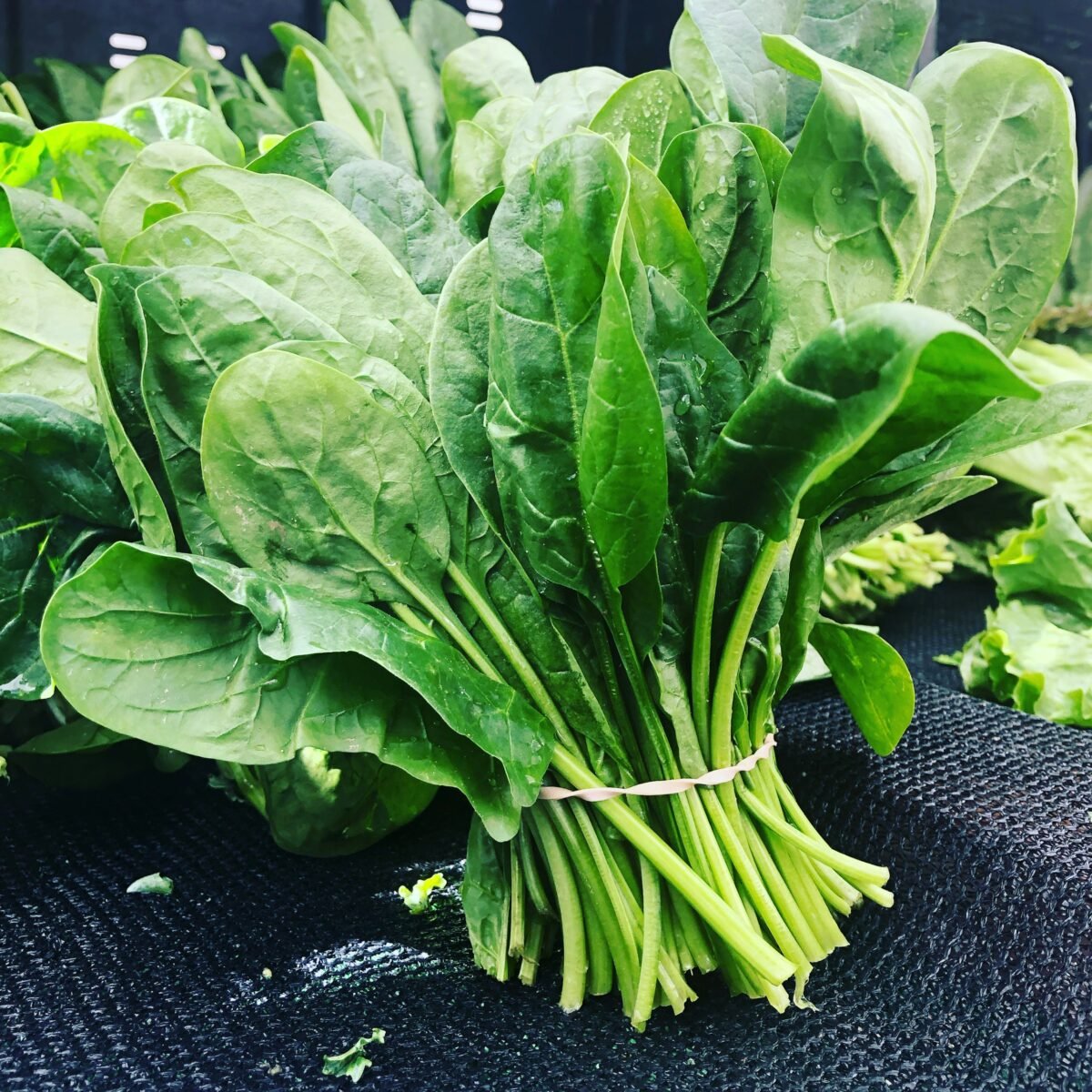
But spinach ranked #1 on the Dirty Dozen list. EWG says spinach has more pesticide residues by weight than any other type of produce.
Why it ranks high:
Spinach leaves are thin, delicate, and have a lot of surface area. That makes them harder to clean completely.
What to buy instead:
Choose organic spinach if you eat it often. Frozen organic spinach is usually a smart budget swap for smoothies, soups, pasta, and cooked dishes.
2. Kale, Collard Greens, and Mustard Greens
Leafy greens have a major health halo. Kale, especially, is often seen as one of the ultimate “clean eating” foods.
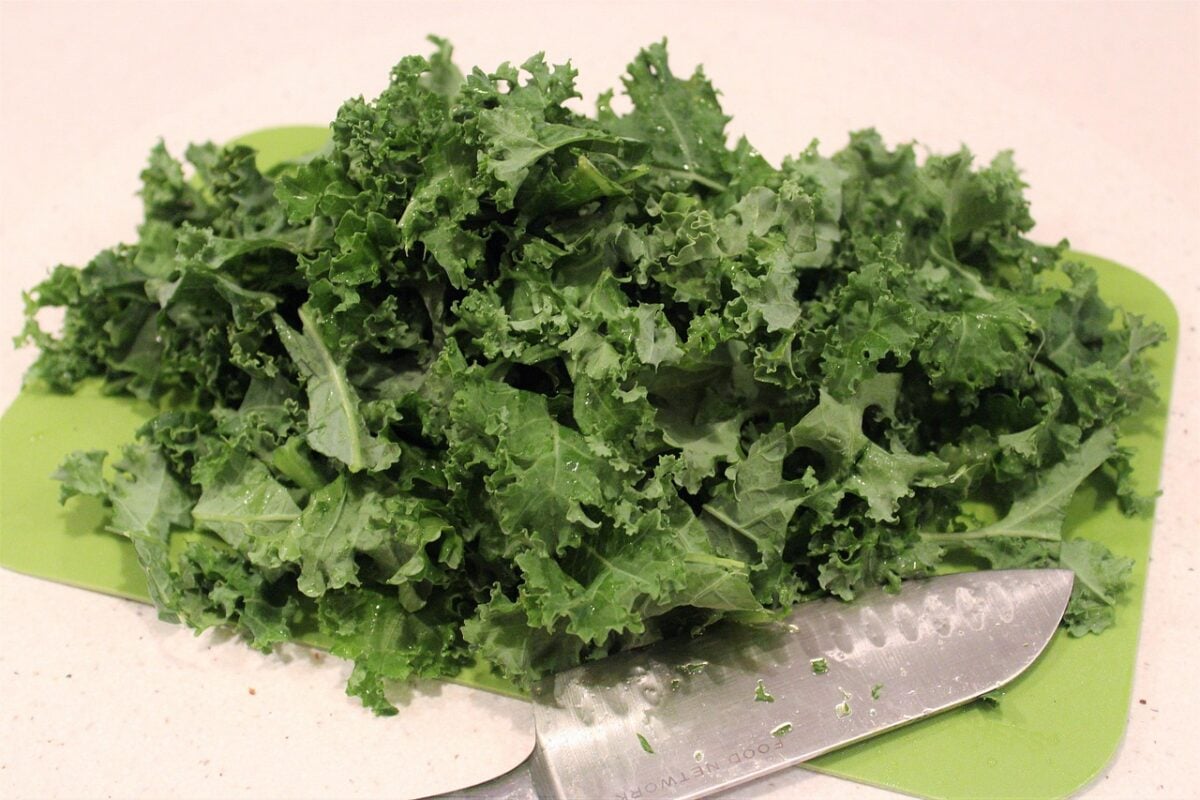
But kale, collard greens, and mustard greens ranked #2 on the Dirty Dozen list.
Why they rank high:
Their leaves are textured and hard to scrub. Residue can cling to the surface and folds of the leaves.
What to buy instead:
Buy organic greens when possible, especially if you eat them weekly. For lower-residue swaps, use cabbage, asparagus, cauliflower, or frozen peas.
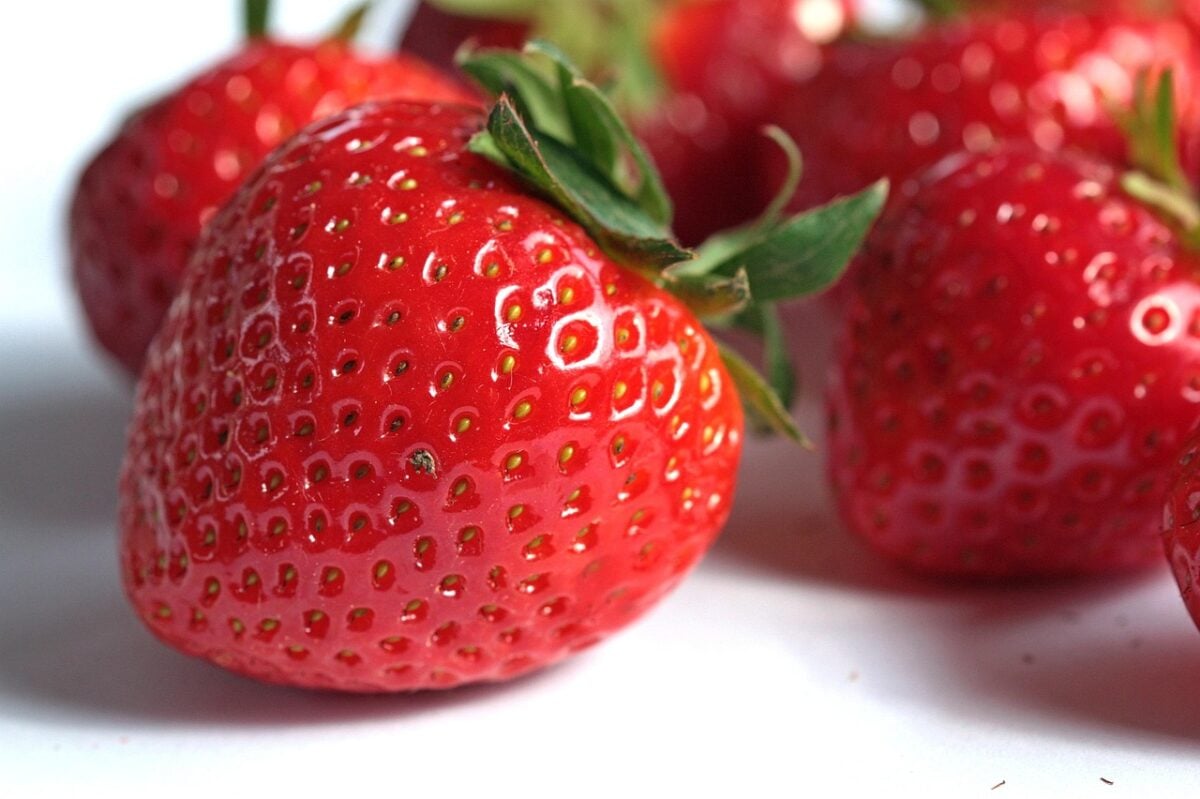
3. Strawberries
Strawberries look like the perfect healthy snack. They are bright, sweet, and popular with kids.
But strawberries are one of the most common Dirty Dozen foods and ranked #3 most recently.
Why they rank high:
They grow close to the ground and have a soft, bumpy surface that is hard to wash thoroughly.
What to buy instead:
Choose organic strawberries when you can. Frozen organic strawberries are often cheaper and work well in smoothies, oatmeal, yogurt, and baking.
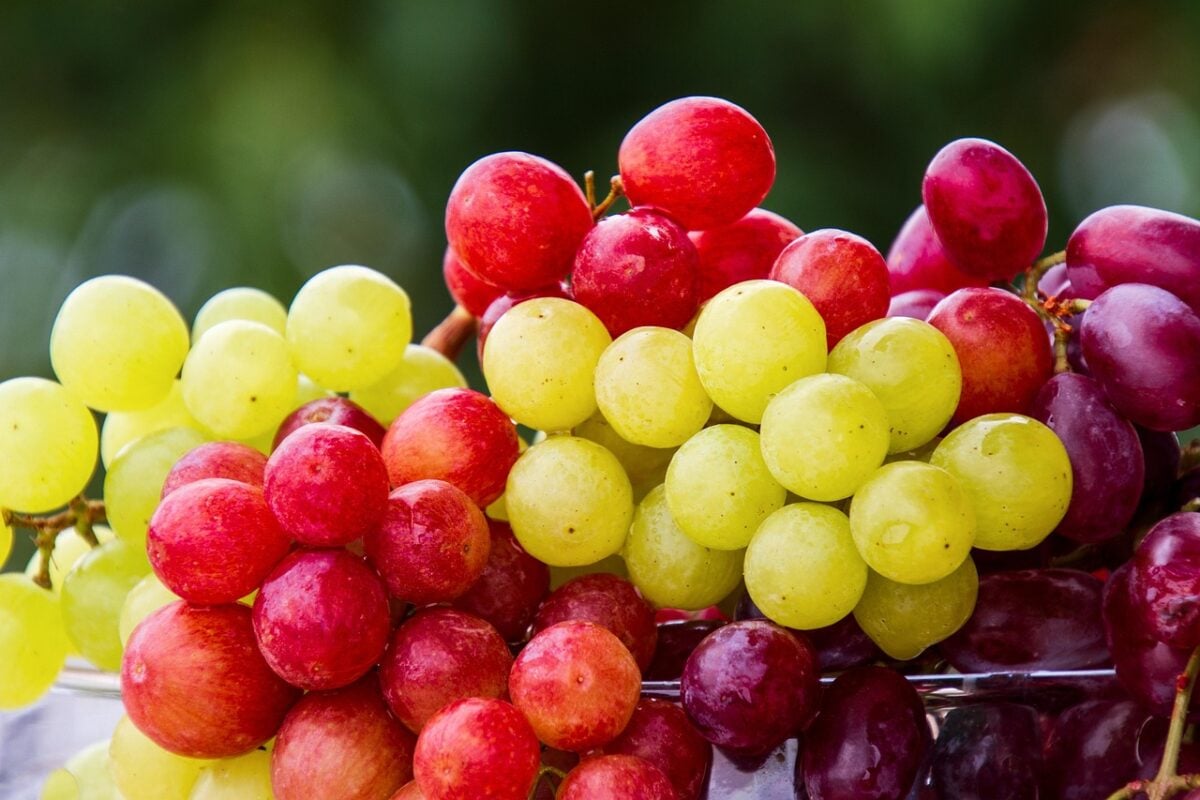
4. Grapes
Grapes are easy, healthy, and lunchbox-friendly. Many families rinse them quickly and eat them by the handful.
But grapes ranked #4 on the Dirty Dozen list.
Why they rank high:
Grapes have thin skins and grow in tight bunches, which makes them harder to rinse well.
What to buy instead:
Buy organic grapes when the price is reasonable. For a lower-residue fruit swap, try pineapple, mango, kiwi, or cantaloupe.
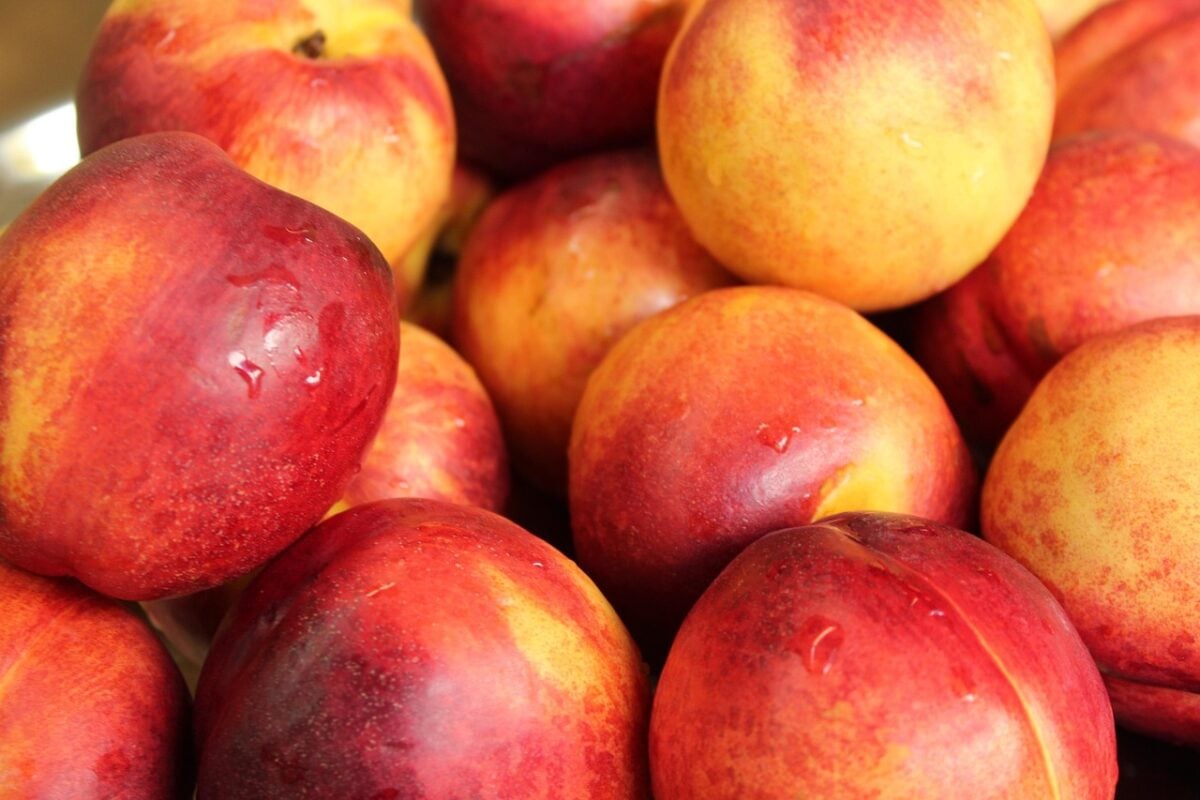
5. Nectarines
Nectarines seem like they should be easy to clean because the skin is smooth.
But nectarines ranked #5 in the most recent analysis.
Why they rank high:
They have thin, edible skin, and most people eat them without peeling.
What to buy instead:
Choose organic nectarines when available. When they are expensive, rotate in Clean Fifteen fruits like mango, papaya, pineapple, or kiwi.
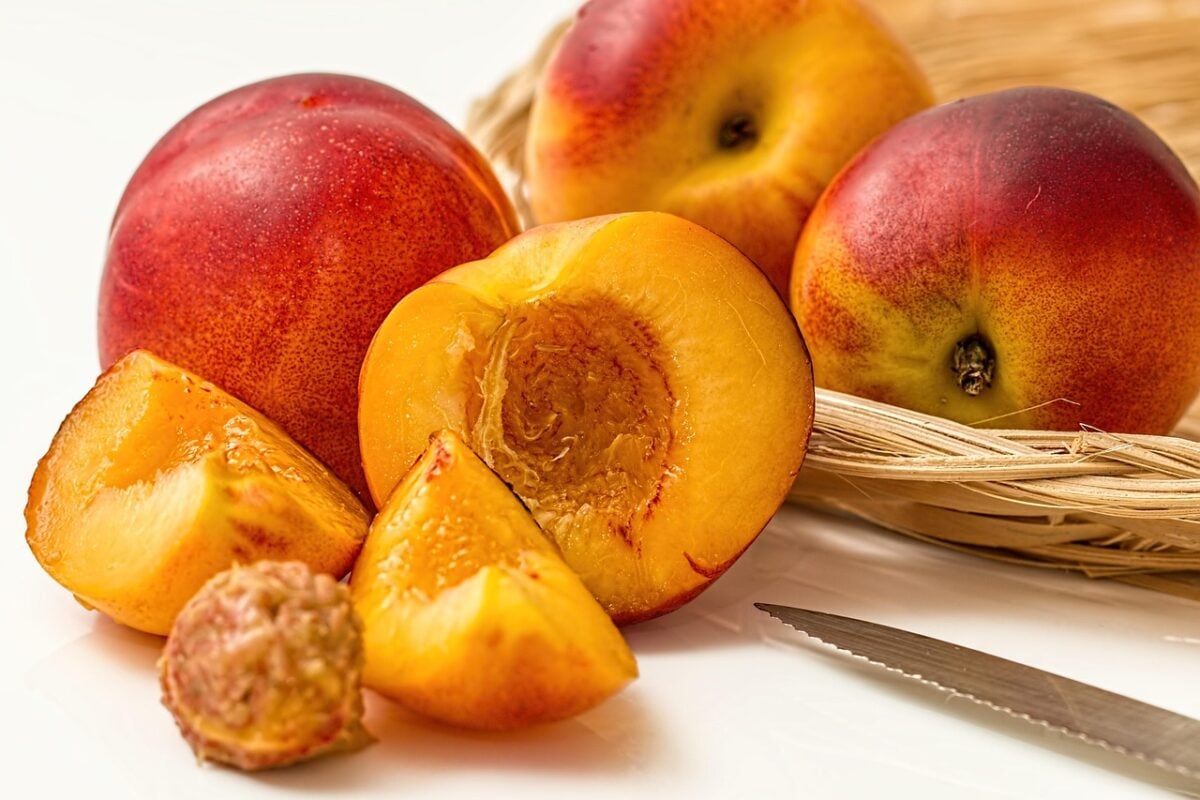
6. Peaches
Peaches are sweet, seasonal, and feel like a wholesome summer food.
But peaches ranked #6 on the current Dirty Dozen list.
Why they rank high:
Their soft, fuzzy skin can make residue harder to wash away.
What to buy instead:
Buy organic peaches in season. Frozen organic peaches are a good swap for smoothies, oatmeal, baking, and snacks.
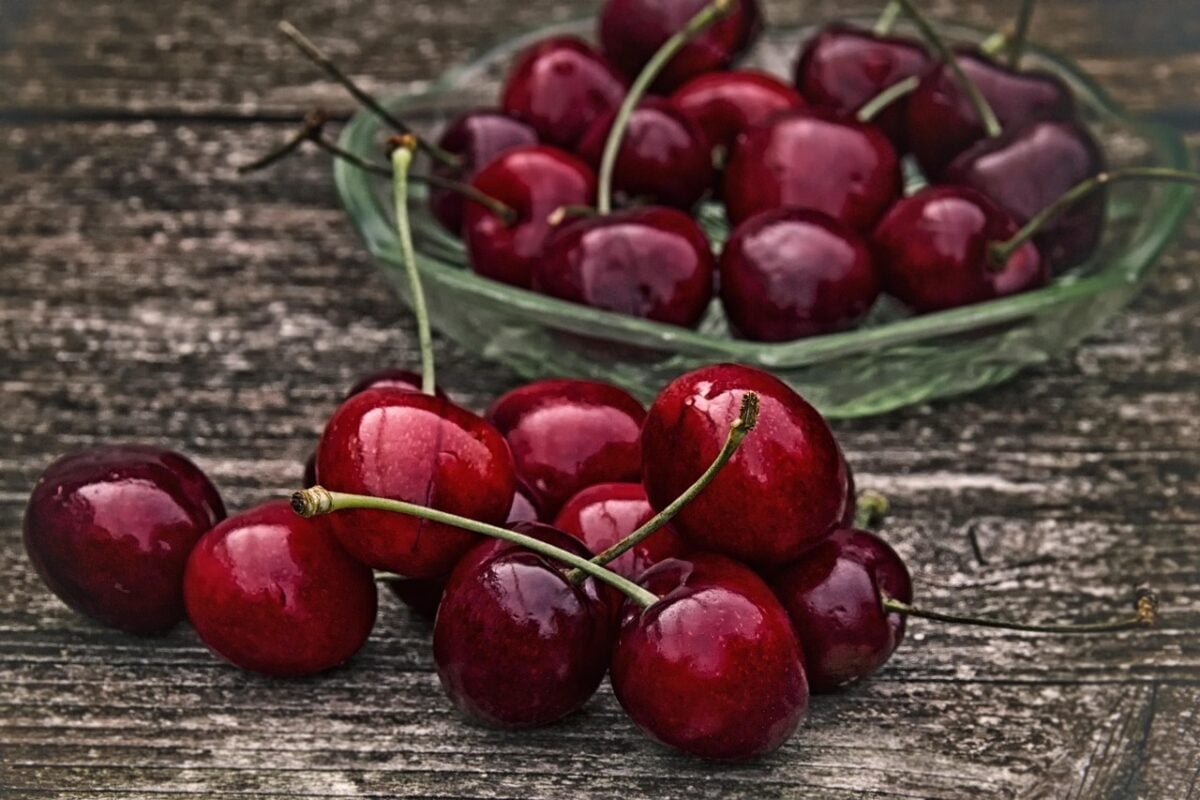
7. Cherries
Cherries are another fruit people usually rinse and eat without thinking twice.
However, cherries ranked #7 most recently.
Why they rank high:
They are small, soft-skinned, and eaten whole. There is no thick peel to remove.
What to buy instead:
Choose organic cherries when they are in season and affordable. Frozen organic cherries can be a better-value option.
8. Apples
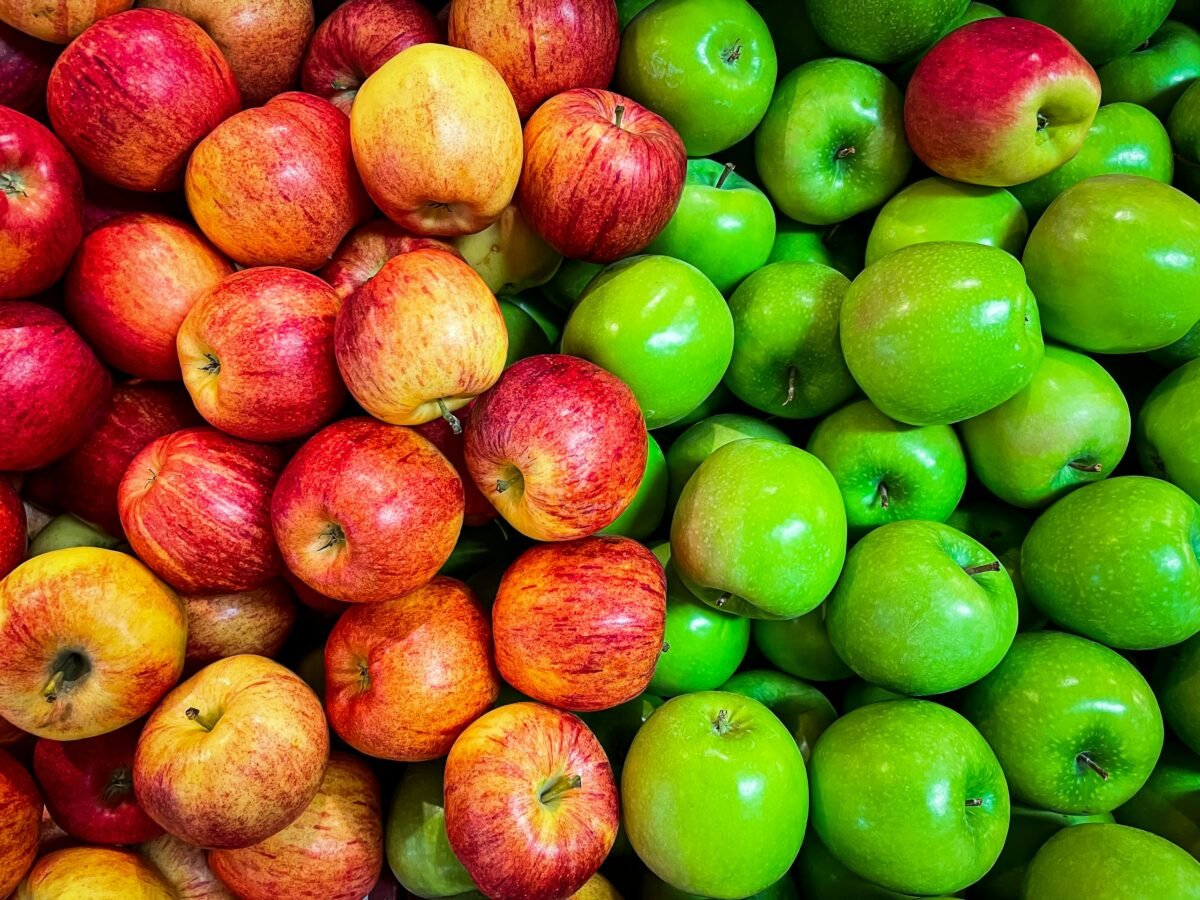
Apples are one of the most common healthy snacks. They are easy to pack, easy to eat, and are often eaten daily.
Because they are so common, you might be surprised to hear that apples ranked #8 on the latest Dirty Dozen list.
Why they rank high:
Apples are usually eaten with the skin, where surface residue may remain. Peeling can reduce some residue, but it also removes some fiber.
What to buy instead:
Buy organic apples if they are always in your cart. Bagged organic apples are often cheaper than loose specialty varieties.
9. Blackberries
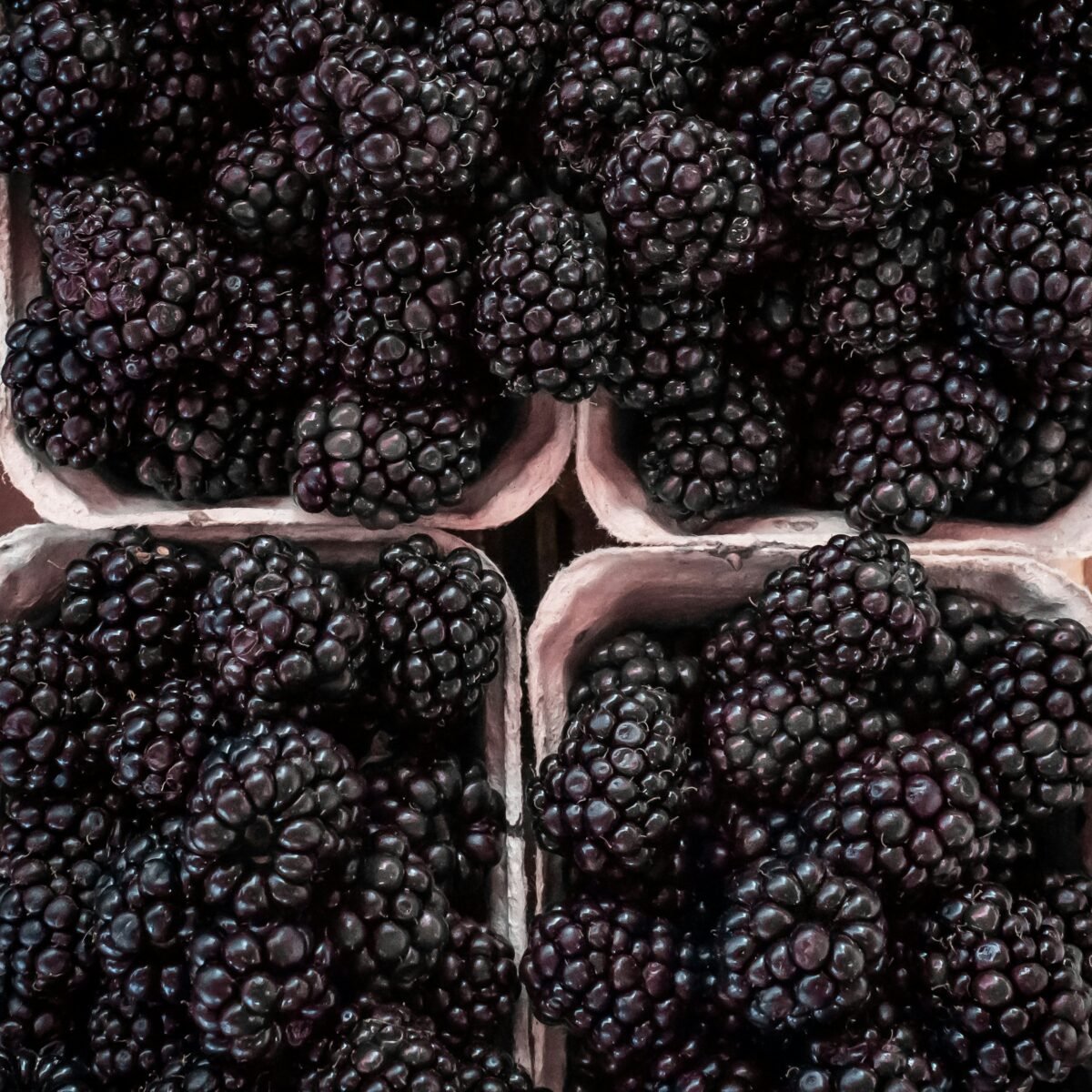
Blackberries have a strong health image. They are dark, antioxidant-rich, and often added to yogurt, oatmeal, and smoothies.
Unfortunately, blackberries rank #9 at the time of writing.
Why they rank high:
Their soft, textured surface has tiny crevices that are hard to wash completely.
What to buy instead:
Choose organic blackberries when possible. Frozen organic blackberries are usually the easiest budget-friendly swap.
10. Pears
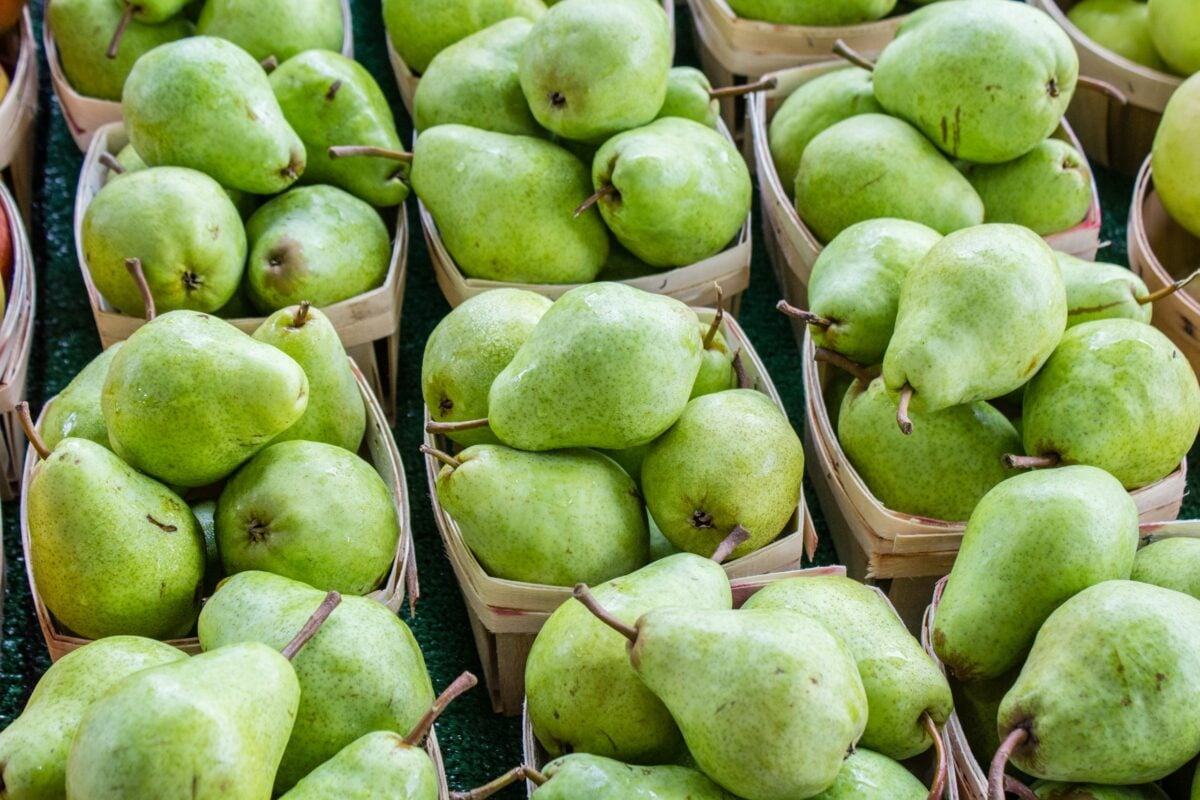
Pears feel simple and healthy, especially for kids and lunchboxes. They offer a change-up from apples and make tasty desserts.
Pears rank #10 on today’s Dirty Dozen list.
Why they rank high:
They have thin, edible skin and are commonly eaten unpeeled.
What to buy instead:
Buy organic pears if your family eats them regularly. If pears are an occasional snack, wash them well and rotate with lower-residue fruits like kiwi, mango, pineapple, or cantaloupe.
11. Potatoes
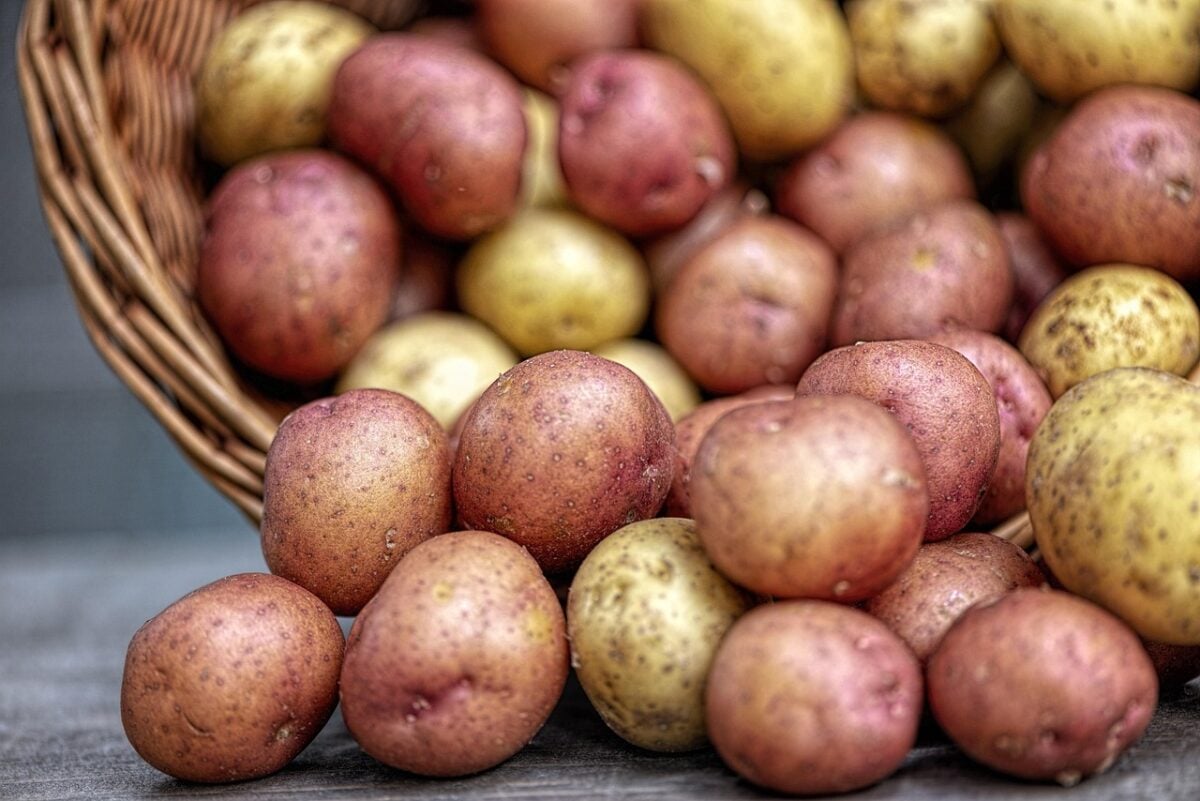
Potatoes may not seem like an obvious pesticide concern, but they, too, make the Dirty Dozen.
Why they rank high:
Potatoes grow underground and are often eaten with the skin, especially when baked, roasted, or turned into wedges.
What to buy instead:
Buy organic potatoes when you plan to eat the skin. If using conventional potatoes, scrub them well and peel when it makes sense.
12. Blueberries
Blueberries are one of the most popular “healthy” foods. They show up in smoothies, muffins, oatmeal, yogurt, pancakes, and kids’ snacks.
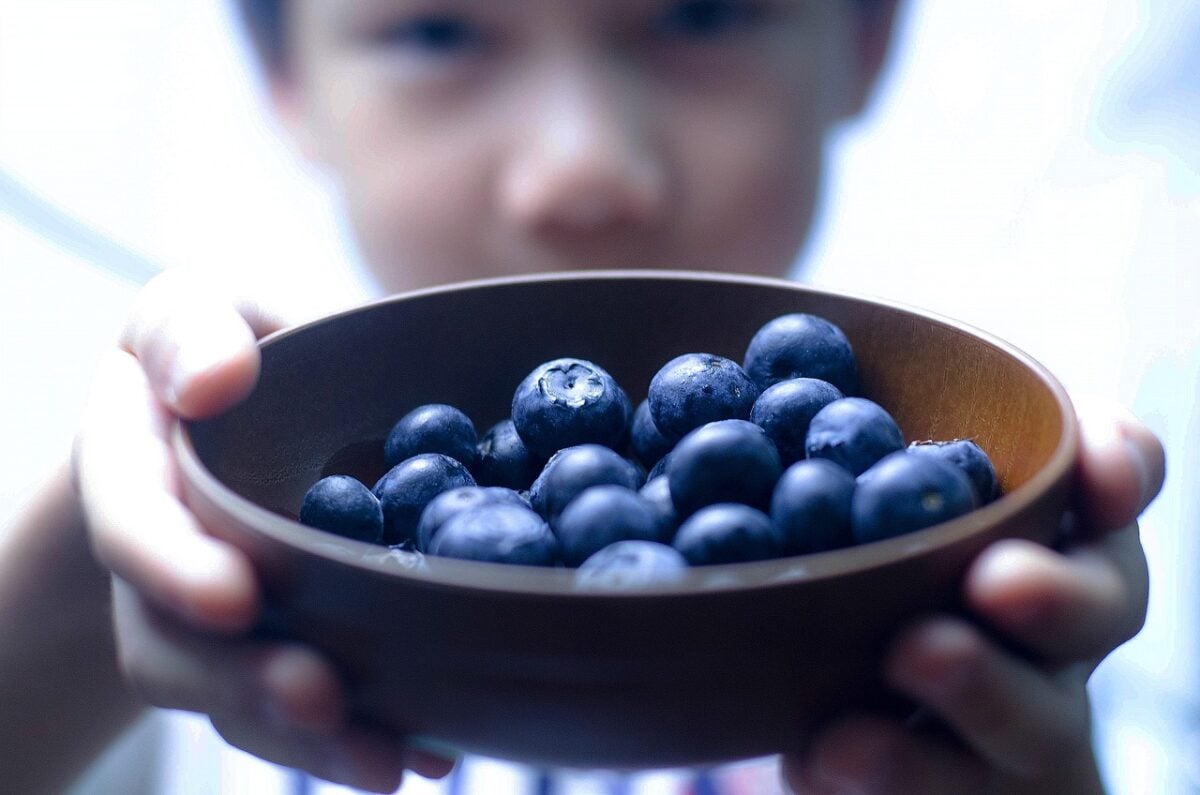
Currently, blueberries rank #12 on the list.
Why they rank high:
They are tiny, delicate, and eaten whole, which makes them difficult to clean one by one.
What to buy instead:
Frozen organic blueberries are one of the easiest upgrades. They are often cheaper than fresh organic berries and work in almost everything.
Quick Tip: What Should You Buy Organic First?
You do not need to buy every fruit and vegetable organic. Start with the Dirty Dozen foods your family eats most often.
For many households, the best organic upgrades are:
- Spinach
- Strawberries
- Grapes
- Apples
- Blueberries
- Peaches
If organic prices are too high, use frozen organic options or swap in lower-residue fruits and vegetables like pineapple, avocado, mango, kiwi, cabbage, asparagus, cauliflower, and onions.
15 Other “Healthy” Foods That May Not Be as Clean as They Look
Fruits and vegetables are not the only foods that can sound healthier than they really are. Some everyday grocery items are marketed as clean, natural, low-fat, or better-for-you, but they may come with added sugar, refined ingredients, hidden oils, or misleading labels.
That does not mean you can never eat them. It just means they are worth a second look before tossing them in your cart.

1. Flavored Yogurt
Flavored yogurt looks like a healthy breakfast or snack, especially when the label says “low-fat,” “made with real fruit,” or “high protein.”
Why it can be misleading:
Many flavored yogurts contain a lot of added sugar. Some are closer to dessert than a simple dairy snack. Learn more about where corn syrup can hide, and you might be in for a real shocker when it comes to the health risks.
What to buy instead:
Choose plain Greek yogurt and add your own fruit, cinnamon, honey, or granola. You get more control over the sweetness.
2. Granola
Granola has a healthy image because it usually contains oats, nuts, seeds, and dried fruit.
Why it can be misleading:
Many store-bought granolas are high in sugar, oils, and calories. A small serving can add up quickly.
What to buy instead:
Look for granola with simple ingredients and low added sugar, or use plain oats, nuts, and seeds as a topping.
3. Veggie Chips
Veggie chips sound like a better version of potato chips. The word “veggie” makes them feel automatically healthier.
Why they can be misleading:
Many veggie chips are still fried or made mostly from potato starch, corn flour, or refined oils. They may not contain much actual vegetable nutrition.
If you worry about oil, our guide can help you choose the right cooking oil for how you use it.
What to buy instead:
Choose whole vegetables with hummus, roasted chickpeas, air-popped popcorn, or baked veggie snacks with vegetables listed as the first ingredient.
4. Bottled Smoothies
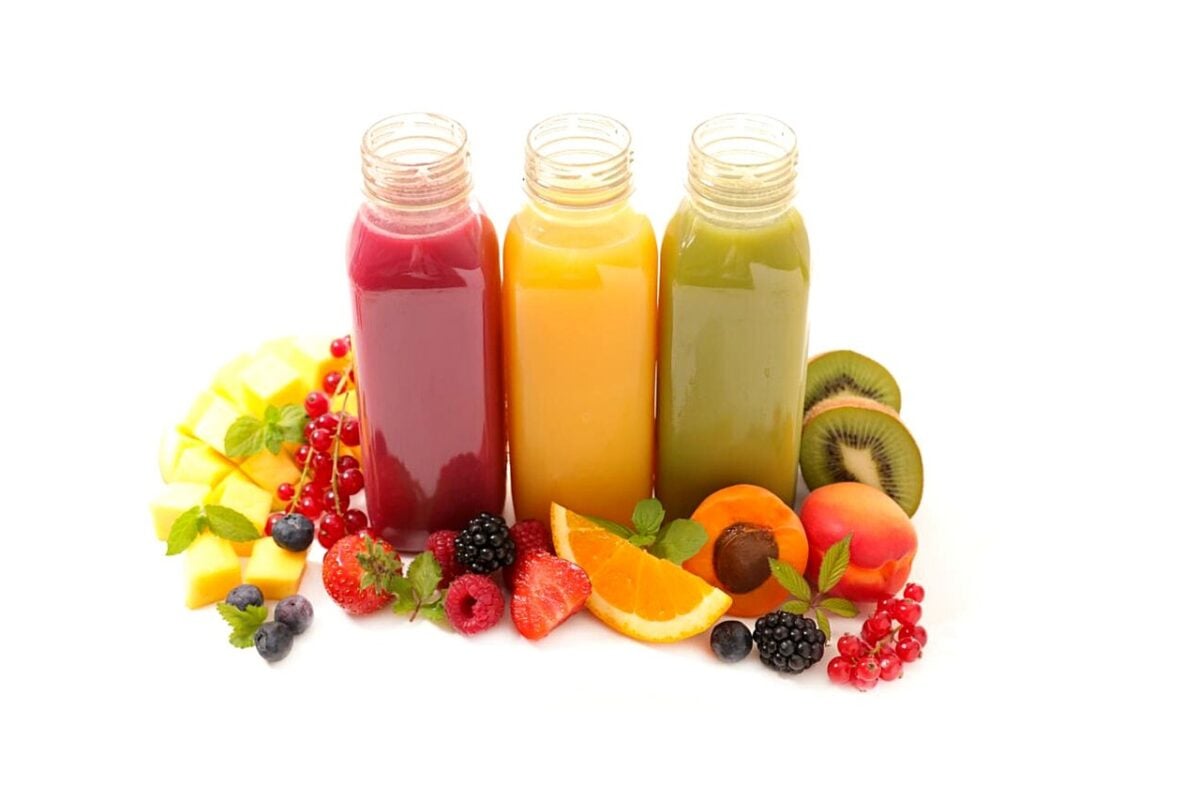
Smoothies look like one of the healthiest things in the fridge section.
Why they can be misleading:
Many bottled smoothies contain multiple servings of fruit and very little fiber or protein. That can make the sugar add up fast, even if it comes from fruit.
What to buy instead:
Make smoothies at home with whole fruit, greens, Greek yogurt, protein, or nut butter. Keep the fruit portion reasonable and add fiber or protein to make it more filling. Read more here on understanding the difference between juicing and blending.
5. Protein Bars
Protein bars are marketed as fitness food, meal replacements, and healthy snacks.
Why they can be misleading:
Some protein bars contain sugar alcohols, syrups, chocolate coatings, and highly processed ingredients. They may be closer to a candy bar with protein added.
What to buy instead:
Look for bars with short ingredient lists, at least 10 grams of protein, some fiber, and low added sugar. Or choose simple snacks like boiled eggs, Greek yogurt, nuts, or cottage cheese.
6. Dried Fruit
Dried fruit sounds healthy because it is still fruit.
Why it can be misleading:
Drying fruit removes water, making it much easier to eat a lot at once. Some dried fruit also has added sugar.
What to buy instead:
Choose unsweetened dried fruit and keep portions small. Fresh fruit is usually more filling because it contains more water.
7. Instant Oatmeal Packets
Oatmeal is a healthy breakfast staple, but not all oatmeal is the same.
Why they can be misleading:
Flavored instant oatmeal packets often contain added sugar and artificial flavors. The serving size can also be small, leaving you hungry soon after.
What to buy instead:
Choose plain oats and add your own fruit, cinnamon, nut butter, chia seeds, or a small drizzle of maple syrup.
8. “Multigrain” Bread
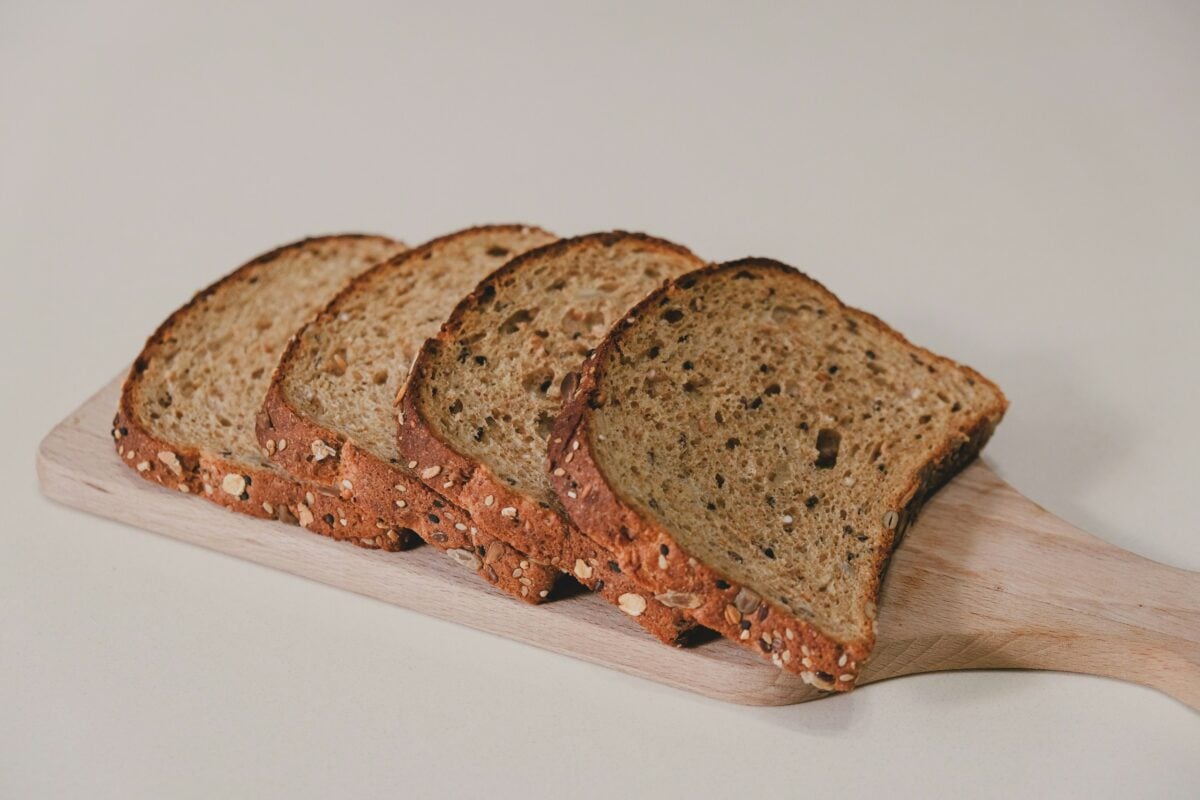
Multigrain sounds healthy, but it does not always mean whole grain.
Why it can be misleading:
A bread can be labeled “multigrain” and still be made mostly with refined flour. The color of the bread can also come from molasses or coloring, not whole grains.
What to buy instead:
Look for “100% whole grain” or “100% whole wheat” on the label. The first ingredient should be a whole grain.
Make More of the Basics at Home
One of the easiest ways to know what is really in your food is to make a few basics yourself.
You do not have to make everything from scratch. But homemade versions of foods like granola, bread, smoothies, salad dressing, muffins, and snacks give you more control over the ingredients, sugar, oils, and add-ins.
For example, homemade granola can be made with oats, nuts, seeds, cinnamon, and a small amount of honey or maple syrup. Homemade bread can be made with simple ingredients instead of extra preservatives, sweeteners, or fillers.
Start small. Pick one food your family eats often and try making it at home. Even one homemade swap can make healthy eating feel simpler and more honest.
9. Plant-Based Meat Alternatives
Plant-based foods can be healthy, but not every plant-based product is automatically better.
Why they can be misleading:
Some plant-based burgers, nuggets, and sausages are highly processed and can be high in sodium, oils, and additives.
What to buy instead:
Choose simpler plant proteins like beans, lentils, chickpeas, tofu, tempeh, or veggie burgers made with recognizable ingredients.
10. Salad Kits
Salad kits look like an easy, healthy meal, and they can be.
Why they can be misleading:
The dressing, crunchy toppings, cheese, and sweet add-ins can turn a simple salad into a high-calorie, high-sodium meal.
What to buy instead:
Use half the dressing packet, skip some of the crunchy toppings, or add extra vegetables and lean protein to make it more balanced.
11. Fruit Juice
Fruit juice sounds healthy because it comes from fruit.
Why it can be misleading:
Juice removes most of the fiber from whole fruit, making it easier to drink a lot of sugar quickly.
What to buy instead:
Choose whole fruit most of the time. If you drink juice, keep the portion small and look for 100% juice with no added sugar.
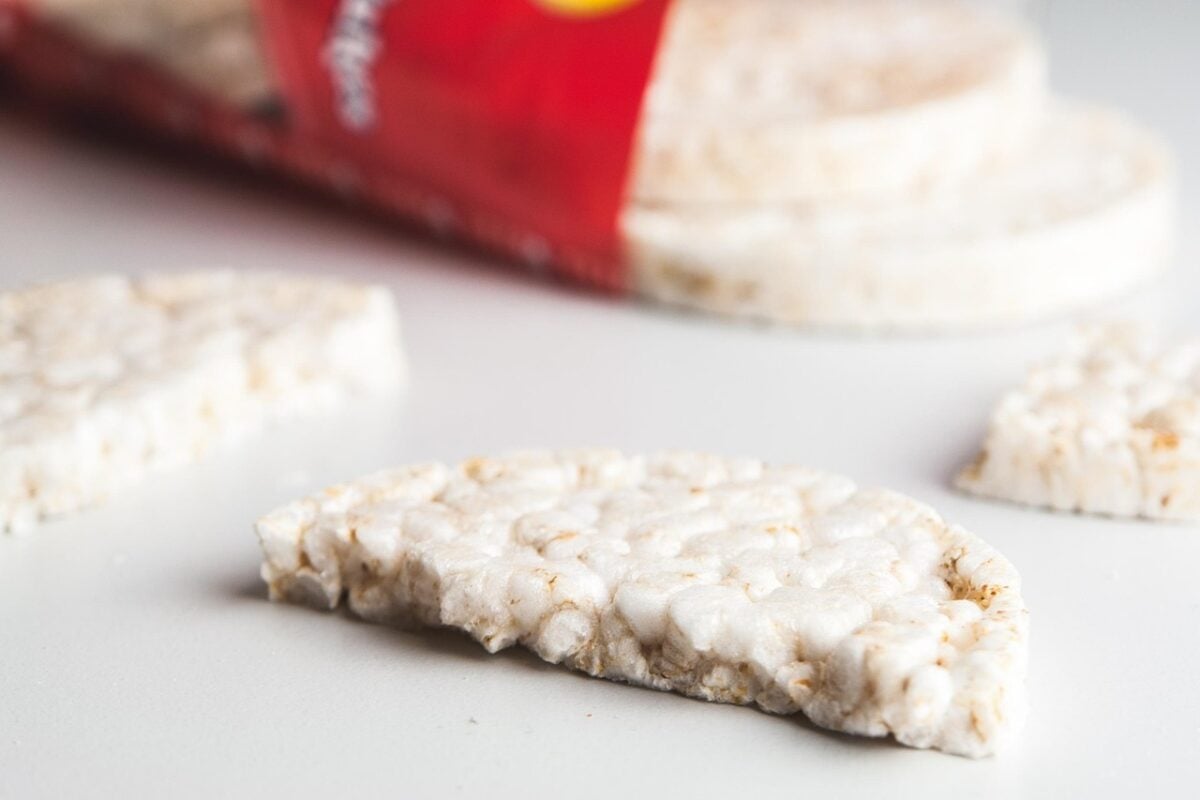
12. Rice Cakes
Rice cakes are often seen as a light, diet-friendly snack.
Why they can be misleading:
Plain rice cakes are low in calories, but they are also not very filling on their own. Flavored versions may contain added sugar, sodium, or artificial flavoring.
What to buy instead:
Pair a plain rice cake with peanut butter, avocado, cottage cheese, or hummus, so it actually keeps you full.
13. Store-Bought Trail Mix
Trail mix sounds like a healthy snack because it usually contains nuts and dried fruit.
Why it can be misleading:
Many versions include chocolate candies, sweetened dried fruit, salted nuts, and sugary yogurt-covered pieces.
What to buy instead:
Choose a trail mix with mostly nuts and seeds, plus a small amount of unsweetened dried fruit.
14. Low-Fat Salad Dressing
Low-fat dressing sounds like the healthier choice.
Why it can be misleading:
When fat is removed, brands often add sugar, starches, or extra sodium to improve flavor.
What to buy instead:
Use olive oil and vinegar, or choose a dressing with simple ingredients. A little healthy fat can also help make salads more satisfying.
15. “Natural” Snack Foods
The word “natural” sounds reassuring, but it does not always mean much.
Why they can be misleading:
A snack can be labeled natural and still contain refined flour, added sugar, processed oils, or a lot of sodium.
What to buy instead:
Ignore the front of the package and check the ingredient list. Look for foods with simple ingredients you recognize.
What to Remember
Not every “healthy” food is bad for you, and not every packaged food needs to be avoided.
The trick is knowing which foods are truly helping you, and which ones are mostly using healthy-sounding labels.
A good rule of thumb: the more often you eat it, the more it matters. For everyday foods, choose simple ingredients, lower added sugar, more fiber, and options that actually keep you full.
The Clean Fifteen: Produce You Can Usually Save Money On
After the Dirty Dozen, this is the list that helps balance things out.
The Clean Fifteen are the fruits and vegetables EWG says have the lowest amounts of pesticide residue according to data from the USDA. These are the foods you may feel more comfortable buying conventionally, especially if you are trying to stretch your grocery budget.
The most recent Clean Fifteen list includes pineapple, sweet corn, avocados, papaya, onions, frozen sweet peas, asparagus, cabbage, cauliflower, watermelon, mangoes, bananas, carrots, mushrooms, and kiwi.
Many of these foods have thick peels, outer layers, or protective skins that you do not eat. That does not make them perfect, but it does make them smart choices when organic prices are too high.
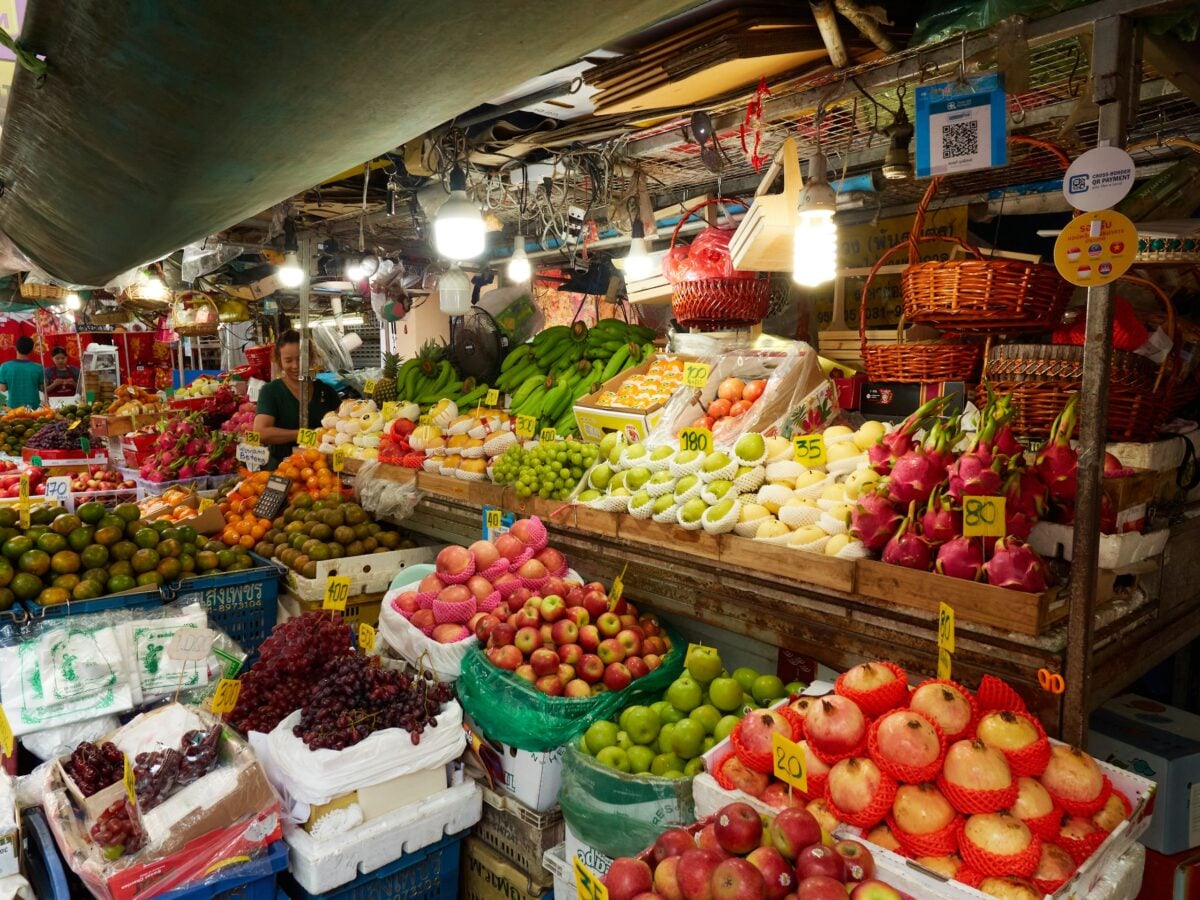
1. Pineapple
Pineapple has a thick, tough outer skin that gets removed before eating.
Why it is a smart conventional buy:
The part you eat is protected by a rough outer shell.
Best use:
Fresh pineapple, frozen pineapple chunks, smoothies, fruit bowls, salsa, and grilled pineapple.
2. Sweet Corn
Sweet corn ranked second on the Clean Fifteen list.
Why it is a smart conventional buy:
The kernels are protected by husks before the corn is eaten.
Best use:
Corn on the cob, soups, salads, tacos, casseroles, and frozen corn.
3. Avocados
Avocados are one of the best-known Clean Fifteen foods.
Why it is a smart conventional buy:
The thick peel is removed, so you are not eating the outside.
Best use:
Toast, guacamole, salads, tacos, bowls, and smoothies.
4. Papaya
Papaya also has a protective outer skin that is not eaten.
Why it is a smart conventional buy:
You peel it before eating, which helps keep the edible part protected.
Best use:
Fruit bowls, smoothies, salsas, and tropical salads.
5. Onions
Onions are an everyday staple and a good place to save money.
Why it is a smart conventional buy:
You remove the papery outer layers before cooking.
Best use:
Soups, sauces, stir-fries, roasted vegetables, tacos, and casseroles.
6. Frozen Sweet Peas
Frozen sweet peas made the most recent Clean Fifteen list.
Why it is a smart conventional buy:
They tend to have lower residue compared with many other produce items.
Best use:
Soups, pasta, fried rice, casseroles, and quick veggie sides.
7. Asparagus
Asparagus is one of the vegetables that landed on the lower-residue list.
Why it is a smart conventional buy:
It ranks lower for pesticide residue than many leafy greens and soft fruits.
Best use:
Roasted asparagus, sheet-pan dinners, omelets, pasta, and salads.
8. Cabbage
Cabbage is a great budget-friendly swap for some leafy greens.
Why it is a smart conventional buy:
The outer leaves can be removed before eating.
Best use:
Slaws, stir-fries, soups, tacos, salads, and roasted cabbage wedges.
9. Cauliflower
Cauliflower is another Clean Fifteen vegetable that can help stretch your grocery budget.
Why it is a smart conventional buy:
It ranked among the lower-residue produce options according to recent data.
Best use:
Roasted cauliflower, cauliflower rice, soups, mashed cauliflower, and veggie trays.
10. Watermelon
Watermelon has a thick rind that protects the fruit inside.
Why it is a smart conventional buy:
You do not eat the rind, so the edible part is better protected.
Best use:
Fruit salads, summer snacks, smoothies, agua fresca, and frozen watermelon cubes.
11. Mangoes
Mangoes are sweet, colorful, and usually peeled before eating.
Why it is a smart conventional buy:
The peel acts as a protective layer.
Best use:
Smoothies, salsa, fruit bowls, salads, and rice bowls.
12. Bananas
Bananas are one of the easiest conventional fruits to feel good about buying.
Why it is a smart conventional buy:
You peel off the outside before eating.
Best use:
Snacks, smoothies, oatmeal, pancakes, muffins, and yogurt bowls.
13. Carrots
Carrots make the latest Clean Fifteen list.
Why it is a smart conventional buy:
They ranked lower for pesticide residue compared with many Dirty Dozen foods.
Best use:
Lunchboxes, soups, salads, roasting, stir-fries, and snacks with hummus.
14. Mushrooms
Mushrooms are another produce item on the lower-residue list.
Why it is a smart conventional buy:
They are considered a lower-residue option in EWG’s most recent guide.
Best use:
Omelets, pasta, stir-fries, soups, pizza, and grain bowls.
15. Kiwi
Kiwi has a fuzzy outer skin that most people remove before eating.
Why it is a smart conventional buy:
The peel helps protect the fruit inside.
Best use:
Fruit bowls, smoothies, yogurt, lunchboxes, and salads.
What This Means for You
The Clean Fifteen can help you save money where organic may matter less.
If your grocery budget is tight, consider buying conventional versions of foods like pineapple, avocado, onions, cabbage, watermelon, mangoes, bananas, carrots, mushrooms, and kiwi — then use your organic budget for the Dirty Dozen foods your family eats most often.
8 Ways to Shop Healthy Without Buying Everything Organic
Eating healthier does not mean every single item in your cart has to be organic, expensive, or from a specialty grocery store.
The smartest approach is to know where organic matters most, where conventional is usually fine, and which “healthy” packaged foods deserve a closer look.
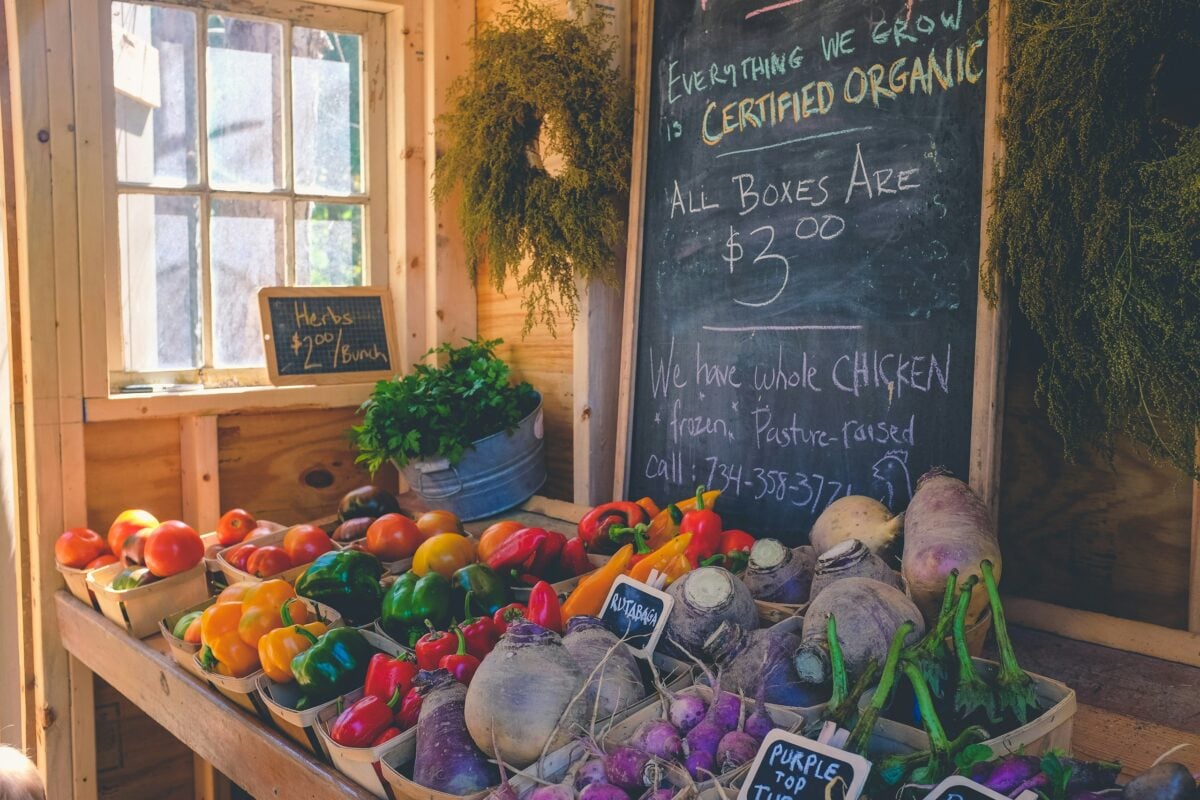
Here is a simple way to shop healthier without overcomplicating it.
1. Start With the Foods You Eat Most Often
You do not need to buy organic versions of foods you rarely eat.
Instead, look at what shows up in your cart every week. If your family eats spinach, strawberries, apples, grapes, blueberries, or peaches all the time, those are smart places to start.
Simple rule: The more often you eat it, the more it matters.
2. Prioritize Organic for the Dirty Dozen
The Dirty Dozen helps you decide where organic may be worth the extra money.
If you are on a budget, start with the Dirty Dozen foods your family eats most often. For many households, that means spinach, strawberries, grapes, apples, blueberries, and peaches.
You do not have to buy all 12 organic items every week. Even switching a few of your regular foods can help lower exposure.
3. Save Money With the Clean Fifteen
The Clean Fifteen are the produce items that tend to have lower pesticide residue. These are usually good places to save money by buying conventional.
That can include foods like avocados, pineapple, onions, cabbage, mangoes, bananas, carrots, mushrooms, kiwi, watermelon, and cauliflower.
Simple rule: Spend your organic budget on the Dirty Dozen. Save on the Clean Fifteen.
4. Use Frozen Organic Options
Fresh organic produce can get expensive fast, especially berries and greens.
Frozen organic options are often more affordable and last longer. They also help reduce food waste because you only use what you need.
Good frozen organic buys include spinach, strawberries, blueberries, blackberries, peaches, and cherries.
These work well in smoothies, oatmeal, yogurt, soups, sauces, baking, and cooked meals.
5. Do Not Trust the Front of the Package
Words like “natural,” “multigrain,” “made with real fruit,” “low-fat,” and “plant-based” can sound healthy, but they do not always tell the full story.
The front of the package is marketing. The ingredient list tells you what you are actually eating.
Look for shorter ingredient lists, lower added sugar, whole grains as the first ingredient, more fiber and protein, and fewer refined oils or artificial additives.
6. Build Your Cart Around Simple Foods
A healthy cart does not have to be complicated.
Try to build most of your grocery list around simple foods like fruits and vegetables, beans and lentils, eggs, plain Greek yogurt, whole grains, nuts and seeds, fish, chicken, tofu, or other simple proteins.
Then use packaged foods as extras, not the base of your diet.
7. Make Easy Swaps Instead of Starting Over
You do not need to throw out everything in your kitchen.
Start with small swaps that are easy to keep doing:
- Flavored yogurt → plain Greek yogurt with fruit
- Juice → whole fruit
- Veggie chips → vegetables with hummus
- Granola → oats, nuts, and seeds
- Bottled smoothies → homemade smoothies
- White or “multigrain” bread → 100% whole grain bread
- Fresh conventional berries → frozen organic berries
Small changes are easier to stick with than a complete grocery overhaul.
8. Keep It Realistic
The goal is not to shop perfectly. The goal is to make better choices most of the time.
If organic strawberries are too expensive one week, choose frozen organic berries or pick a Clean Fifteen fruit instead. If your store does not carry organic grapes, rinse conventional grapes well and move on.
Healthy eating works best when it fits your real life, your budget, and your family’s habits.
10 Easy Healthy Food Swaps That Actually Help
Eating healthier does not have to mean changing everything overnight. Sometimes the easiest wins come from small swaps you can actually stick with.
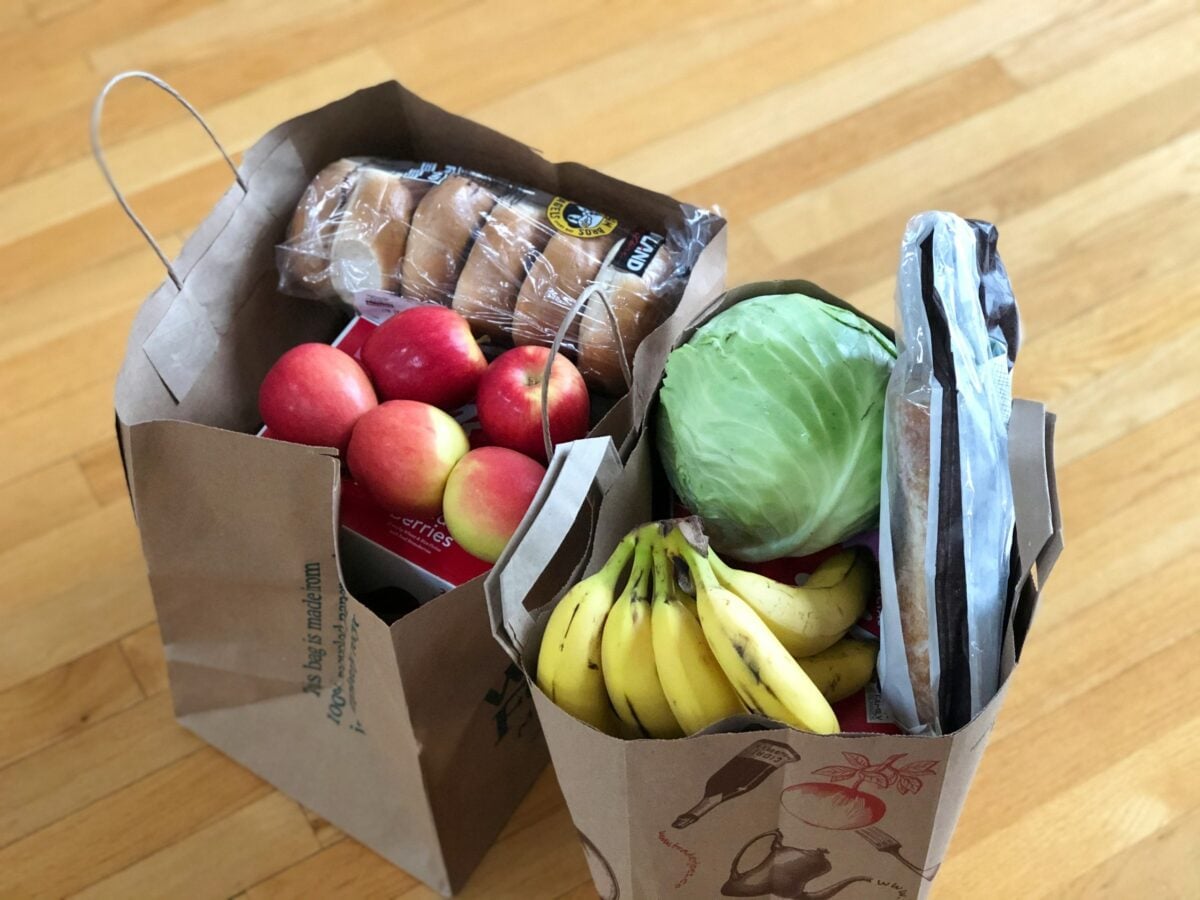
Here are a few simple upgrades that make everyday meals and snacks a little cleaner, more filling, or lower in added sugar.
1. Swap Flavored Yogurt for Plain Greek Yogurt With Fruit
Flavored yogurt can sound healthy, but many options are high in added sugar.
Plain Greek yogurt gives you more protein and lets you control the sweetness yourself. Add berries, banana slices, cinnamon, chia seeds, or a small drizzle of honey.
2. Swap Juice for Whole Fruit
Fruit juice may come from fruit, but it does not fill you up the same way whole fruit does.
Whole fruit gives you fiber, takes longer to eat, and is usually more satisfying. Choose apples, oranges, berries, kiwi, melon, or whatever fruit your family already likes.
3. Swap Veggie Chips for Vegetables With Hummus
Veggie chips sound like a smart snack, but many are still made with refined starches, oils, and salt.
For a more filling option, choose carrots, cucumbers, bell peppers, celery, or snap peas with hummus or Greek yogurt dip.
4. Swap Granola for Oats, Nuts, and Seeds
Granola can be a sugar trap, especially when the serving size is small.
Instead, top yogurt or oatmeal with plain oats, walnuts, almonds, pumpkin seeds, chia seeds, or a small amount of low-sugar granola for crunch.
5. Swap Bottled Smoothies for Homemade Smoothies
Bottled smoothies can contain a lot of fruit sugar and not much protein or fiber.
At home, you can make a more balanced smoothie with frozen fruit, spinach, Greek yogurt, protein powder, nut butter, chia seeds, or flaxseed.
6. Swap “Multigrain” Bread for 100% Whole Grain Bread
“Multigrain” sounds healthy, but it does not always mean whole grain.
Look for bread that says 100% whole grain or 100% whole wheat, and check that a whole grain is the first ingredient.
7. Swap Fresh Conventional Berries for Frozen Organic Berries
Fresh berries can be expensive, especially organic ones.
Frozen organic berries are often cheaper, last longer, and work well in smoothies, oatmeal, yogurt, pancakes, and baking.
8. Swap Low-Fat Dressing for Olive Oil and Vinegar
Low-fat dressing may sound better, but some brands add sugar, starches, or extra sodium to make up for flavor.
A simple mix of olive oil, vinegar, lemon juice, herbs, and seasoning can be cleaner and more satisfying.
9. Swap Protein Bars for Simple Protein Snacks
Some protein bars are closer to candy bars with protein added.
For everyday snacks, try boiled eggs, plain Greek yogurt, cottage cheese, nuts, turkey roll-ups, tuna packets, or apple slices with peanut butter.
10. Swap Sugary Cereal for Oatmeal or Lower-Sugar Cereal
Cereal can look healthy on the box, but still be high in added sugar.
Choose plain oatmeal, overnight oats, or cereal with lower added sugar and more fiber. Add fruit for sweetness.
How to Wash Produce to Reduce Residue: 7 Steps
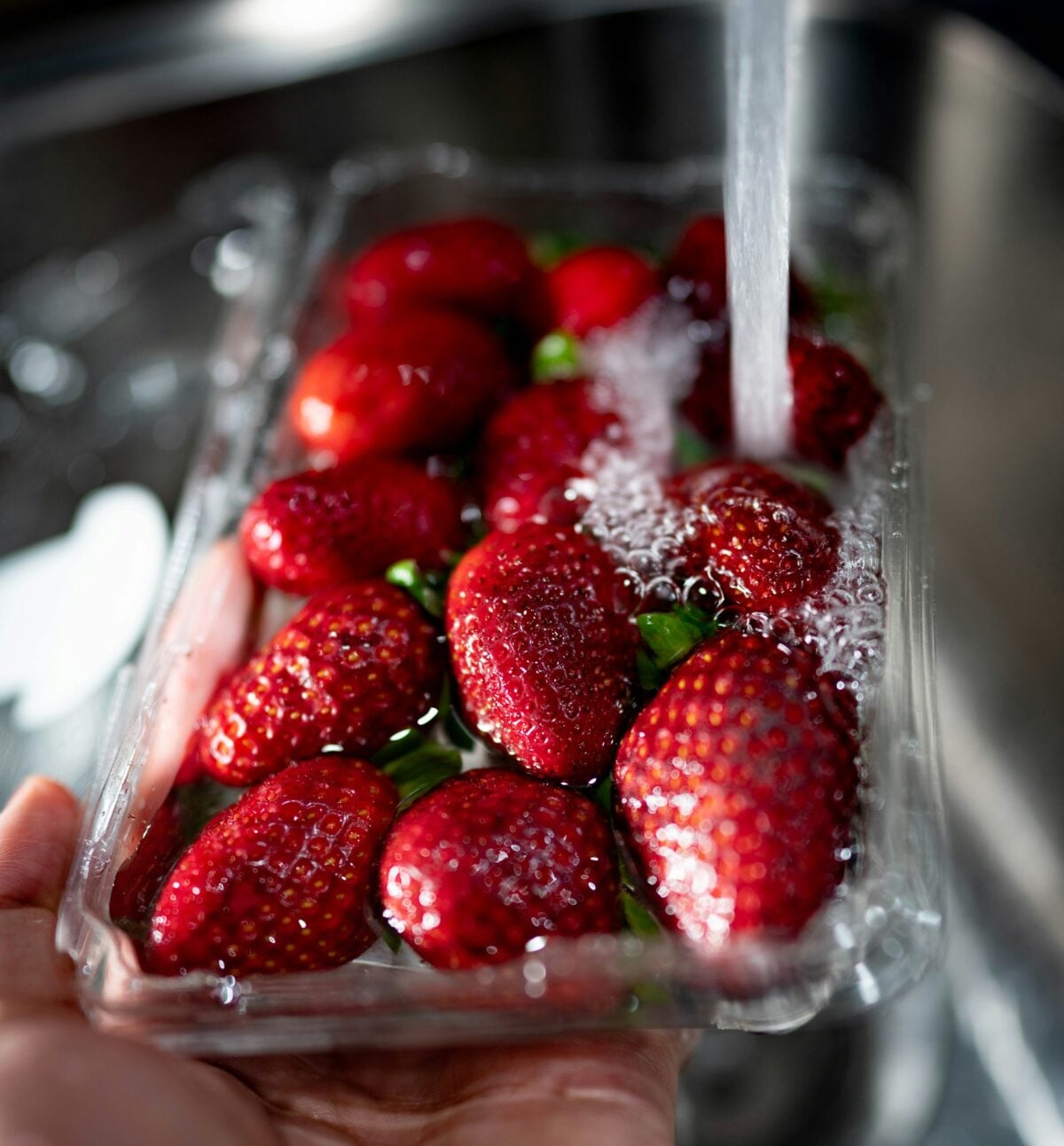
Washing produce is not perfect, but it can help remove dirt, germs, and some pesticide residue from the surface.
You do not need special sprays, soaps, or complicated methods. In most cases, clean running water and a little friction are enough.
1. Rinse Produce Under Running Water
Hold fruits and vegetables under cool running water before eating, cutting, or cooking them.
This helps rinse away dirt and surface residue. Even produce with a peel, like melon or avocado, should be rinsed before cutting, so anything on the outside does not transfer to the inside.
2. Rub Firm Produce With Your Hands
For apples, pears, potatoes, cucumbers, and other firm produce, gently rub the surface while rinsing.
This adds friction, which can help remove more residue than water alone.
3. Use a Clean Produce Brush for Tough Skins
For potatoes, carrots, melons, cucumbers, and other firm produce, a clean produce brush can help scrub the surface.
Do not use the same brush for dishes or other household cleaning.
4. Remove Outer Leaves
For lettuce, cabbage, and leafy greens, remove and throw away the outer leaves.
Then rinse the remaining leaves well under running water. A salad spinner can help dry them afterward.
5. Soak Delicate Produce Briefly, Then Rinse
For berries, grapes, and leafy greens, a brief soak in cool water can help loosen dirt.
After soaking, rinse under running water and dry gently with a clean towel or paper towel. Do not soak berries too long, or they can get mushy.
6. Skip Soap, Bleach, and Household Cleaners
Produce can absorb soap or cleaning chemicals, and those products are not meant to be eaten.
Stick with clean running water unless you are following specific food-safety guidance from a trusted source.
7. Dry Produce Before Storing or Eating
Drying produce with a clean towel or paper towel can remove extra moisture and may help reduce leftover surface residue.
It can also help produce last longer in the fridge.
Remember: Washing Helps, But It Does Not Remove Everything
Washing is still worth doing, but it may not remove all pesticide residue.
That is why the Dirty Dozen can be helpful. For produce that tends to rank higher, buying organic may still be the better choice when your budget allows.
A Simple Healthy Grocery List
Eating healthier is easier when you have a simple list to follow. You do not need specialty foods or an all-organic cart. Start with basic ingredients you can use in several meals, then decide where organic makes the most sense for your budget.
And if you are considering a bigger change, learn more about the differences in vegan vs vegetarian lifestyles.

Organic Priorities
These are the foods worth considering organic first, especially if your family eats them often:
- Spinach
- Kale, collard greens, and mustard greens
- Strawberries
- Grapes
- Nectarines
- Peaches
- Cherries
- Apples
- Blackberries
- Pears
- Potatoes, especially if you eat the skin
- Blueberries
Budget-Friendly Conventional Produce
These are good places to save money when organic prices are high:
- Avocados
- Pineapple
- Onions
- Cabbage
- Cauliflower
- Watermelon
- Mangoes
- Bananas
- Carrots
- Mushrooms
- Kiwi
- Asparagus
- Frozen sweet peas
Protein
Choose simple protein options that can work across multiple meals:
- Eggs
- Plain Greek yogurt
- Cottage cheese
- Chicken
- Turkey
- Fish
- Tuna or salmon packets
- Beans
- Lentils
- Chickpeas
- Tofu or tempeh
- Nuts and seeds
Whole Grains
Look for grains that are filling, versatile, and easy to use during the week:
- Old-fashioned oats
- Brown rice
- Quinoa
- Whole wheat pasta
- 100% whole grain bread
- Whole-grain tortillas
- Barley
- Farro
- Popcorn kernels
Healthy Snacks
Choose snacks that actually keep you full instead of just sounding healthy:
- Fresh fruit
- Vegetables with hummus
- Plain Greek yogurt with berries
- Apple slices with peanut butter
- Hard-boiled eggs
- Cottage cheese with fruit
- Air-popped popcorn
- Nuts and seeds
- Low-sugar trail mix
- Rice cakes with avocado, hummus, or nut butter
Pantry Staples
These basics make it easier to cook simple meals at home:
- Canned beans
- Canned tomatoes
- Low-sodium broth
- Olive oil
- Vinegar
- Nut butter
- Chia seeds
- Flaxseed
- Herbs and spices
- Garlic
- Onions
- Frozen vegetables
- Frozen fruit
How to Use This Grocery List
You do not need to buy everything at once. Pick a few foods from each category and build simple meals around them.
For example, a healthy cart might include organic spinach, conventional avocados, eggs, plain Greek yogurt, oats, brown rice, canned beans, frozen berries, hummus, and a few easy snacks.
That gives you enough to make breakfasts, lunches, dinners, and snacks without relying on foods that only look healthy on the label.

Know What You’re Really Eating
Healthy eating is not about doing everything perfectly. It is about paying attention.
The more you know about where your food comes from, how it is grown, how it is packaged, and what is added to it, the easier it becomes to make choices you feel good about.
That might mean buying organic strawberries, choosing plain yogurt instead of flavored yogurt, skipping bottled smoothies, or reading the ingredient list before trusting the front of the package. It can also mean looking beyond the produce aisle. Learning about your local food market can be eye-opening and result in much healthier food on your table.
The same idea applies to the meat you buy, the water you drink, the snacks you keep in the pantry, and even the foods you decide to make from scratch. Once you start asking better questions, grocery shopping gets a lot less confusing.
Here are a few simple ways to take more control over what your family eats and drinks:
- Learn more about where your meat comes from so you can make more informed choices about animal products.
- Take a closer look at bottled water and why it may not be as clean, convenient, or eco-friendly as it seems.
- Compare tap water vs. bottled water so you can decide what makes the most sense for your home.
- Add simple whole foods like chia seeds to meals and snacks for an easy nutrition boost.
- Make homemade treats when you want more control over the ingredients.
- Explore beekeeping if you are interested in getting even closer to your food system.
- Turn food scraps into compost at home to reduce waste and make better use of the produce you buy.
The point is not to be afraid of food. It is to be more aware of it.
When you know what is in your food, where it comes from, and which labels are actually worth trusting, you can make healthier choices without falling for every marketing claim in the grocery store.
How Do You Eat Healthier?
Do you buy organic, focus on the Dirty Dozen, read labels, or make simple swaps at home? Share your favorite healthier eating habits, organic shopping tips, or go-to grocery finds in the comments.