
 In a nut shell, the slow food movement is the opposite of fast food. In fact, it was founded by Carlo Petrini in Italy as an initiative to preserve local, cultural cuisine, and thereby combat the unchecked growth of unhealthy fast food. The slow food movement encourages us to return to our roots.
We are eating diluted, processed, non-local foods
100 years ago just about every meal was made from scratch using locally sourced ingredients. You went to a local farm or market and purchased in-season grains, meats, dairy, and produce. You then had the time at home to cook up a healthy meals for your family using ingredients that carried a lot more nutrients than the diluted, processed, and preserved stuff we ingest today.
What has changed?
Over the past couple decades industry growth factors, including the ascension of women in the workplace, an overcrowded and over-productive work day, and the replacement of family time at the dinner table with television and late nights on the job have turned us into a society that all but ignores what we put in our bodies. Did you know that Apple today contains a fraction of the nutrients it did 100 years ago? It’s not all that surprising, considering the efforts and technologies that have gone into mass producing food more efficiently and at a lower cost.
We live in a world of boxed, pre-packaged foods
 When you go to your local grocery store you’ll see produce from all over the world. Think of all the pollution and energy that was used to get that food to your grocery store. Not to mention the unregulated working conditions of workers in developing countries. And once you get past the produce aisle you’ll see nothing but aisles and aisles of boxed food, with an ingredient lists that wrap around half the food container, and contain words that half the biochemist students out there have not yet learned.
How much corn is in your body?
Finally, you’ll notice just how much corn is in every product, primarily in the form of corn syrup and high fructose corn syrup. In other words, sugar. Did you know that the American food pyramid allows up to 25% sugar, while other countries average 10%? And we wonder why we have such an obesity problem?
The bottom line – eat local & seasonal
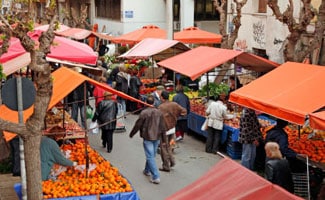 The bottom line is that today’s food industry is controlled by a few large multinational corporations whose primary interest lies in profitability. The slow food movement encourages a return to local farms and local, seasonal ingredients. In turn, you won’t only be eating healthier, but we hope a renewed interest in learning about what you put in your body will also help you take the time to not only enjoy what you’re eating, but to spend time with those you love while you do.
Think of all the good times with family you have during Christmas season – cooking, hanging out, and enjoying home cooked food. Realize what it is you love about these moments and apply them throughout the rest of the year.


