When you purchase through links on our site, we may earn a commission. Here’s how it works.
 We once heard that throwing just a small amount of unrecyclable material would screw up the recycling process and cause the entire portion of recycled material to go to waste. So for a long time, we would spend tedious hours cutting out the plastic windows from envelopes to make sure no non-recyclable materials got into our recycling bin. After a while we got fed up with all the time this process took, thinking – “why should we have to spend hours to make up for the credit card and other advertising companies’ neglect of the environment?” Well, after some research, it looks like some recycling facilities can process those little plastic windows. So are envelopes recyclable after all?
Can you Recycle Envelopes?
You can recycle paper envelopes but may be able to recycle envelopes with windows too. Current research indicates that post-consumer paper mills have systems that can remove small amounts of contaminants. That is, the little plastic windows still aren’t recyclable, per se, but they should be able to be filtered out by the recycling system. This way you can spend your hours on other environmental endeavors that otherwise would have gone to tedious envelope window cutting. Double check with your local recycling authority to see if this is an option in your area. If it’s not, recycling systems are being updated all the time, so make sure to check back regularly to see if anything’s changed.
Envelopes with Window: Is Cellophane Recyclable?
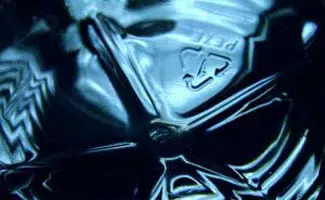
Can envelopes be recycled if they have a cellophane window? It’s a good question and a good rule of thumb when trying to decide whether or not a paper or cardboard is recyclable, is first to check to see if there’s a recycling symbol (with a number in the center), somewhere on the material.
Note: the number inside the recycling symbol is important – most local recycling facilities can process #1 and #2, but check with your local recycling authority to confirm recycling capabilities for #2 – #7. If for some reason your curbside pickup can’t recycle a number, check with your local grocery store or other merchants (such as Whole Foods) that may accept it.
What if There’s No Recycling Symbol or Number?
Let’s say you can’t find anything that indicates if it’s recyclable (or the recycling symbol contains no number – for example, if it’s from another country), it could simply mean the manufacturer didn’t take the time to print a recycling symbol on there. A good rule of thumb is to test the paper for a waxy or plastic feel – this paper is not recyclable. However, if the chipboard is cardboard on one side, as with a cereal box, then you can recycle the box. The idea is that the paper mills can filter out contaminants, but it doesn’t do you good to recycle the paper if it’s entirely plastic-based, such as is often the case with frozen food containers.
Or Don’t Recycle Plastic Envelopes At All?
Keep in mind that recycling is not 100% efficient – you’re still creating some waste and using energy during the recycling process. Before you recycle (or toss), ask yourself if you can somehow reuse the item you’re thinking about throwing in your recycling (or trash) bin. If you can, then you’ve done even better – you’re reusing your item, thereby creating no additional waste or energy use.
An example of something that we reuse are tennis balls – we take them to the local YMCA and donate them for use strollers for handicapped people. That not only prevents them from having to buy new tennis balls, but keeps our old tennis balls from ending up in a landfill.
Video: See the Recycling Process
Wondered what happens to your envelope with window after you toss it in the recycling bin? Watch this quick minute video from the Department of Public Works in Kent County, Michigan to see what goes on behind the scenes.
Have you been tossing all that junk mail or recycling it?
Tagged With: Recycling